

Michelin Plate · World's Best Wine Lists Awards WBWL 3-Star
Our verdict
Operating since 1947, Rei dos Leitões has earned its name on Mealhada's suckling pig avenue through decades of consistent, tradition-bound preparation. A Michelin Plate holder in 2024, it sits at the serious end of a region where leitão is both daily staple and point of civic pride. Book ahead — the dining room fills reliably, and for good reason.

Pearl is the En Primeur Club membership app — saves, bookings, and concierge access live there. Same editors, same standards.
- Address
- EN1 Av. Restauração, Nº 17, 3050-382 Mealhada, Portugal
- Phone
- +351 968 123 084
- Hours
- Mon 12–9 PMTue–Wed ClosedThu–Sun 12–9 PM
- Website
- facebook.com
- Directions
- Get directions
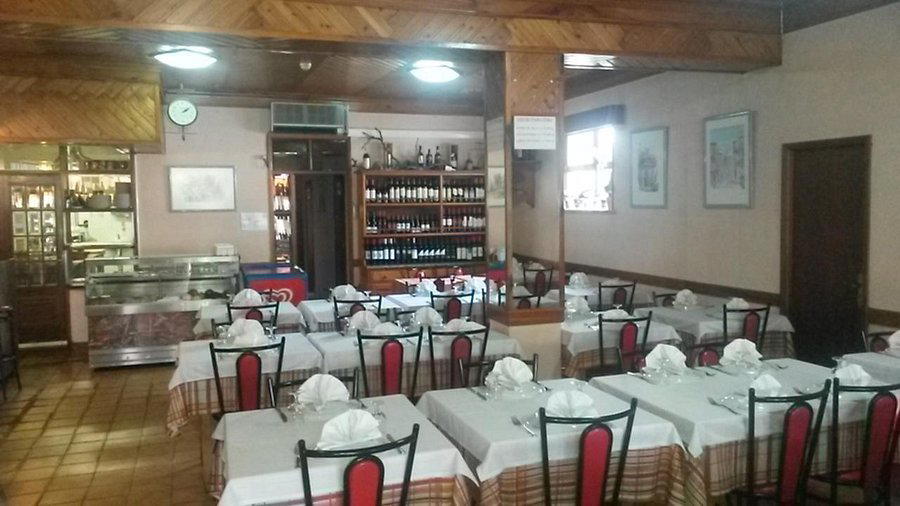
Mealhada's Suckling Pig Corridor and Where Rei dos Leitões Fits In
Pull into Mealhada on the EN1 and the town announces itself almost immediately through a succession of restaurants, many of them decades old, all of them oriented around a single animal. The leitão da Bairrada — suckling pig roasted to a crackling, amber skin over wood fires — is not a regional curiosity here. It is the defining culinary output of a stretch of central Portugal that has been feeding travellers on this road for generations. What separates one house from another in this corridor is not concept or ambition in the contemporary restaurant sense, but precision: the sourcing of the pig, the specific character of the marinade, the management of the fire, and the discipline to repeat that process identically across decades.
Rei dos Leitões, operating since 1947 from its position on Avenida Restauração, sits at the more established end of this spectrum. Recognised with a Michelin Plate in 2024, the restaurant operates in a category distinct from the high-intervention, tasting-menu format that earns stars elsewhere in Portugal. The Plate designation, in Michelin's own framing, signals good cooking, not theatre, not novelty, but consistent technical execution of a defined tradition. For the leitão format, that is the appropriate measure. Venues like Belcanto in Lisbon, Vila Joya in Albufeira, or Ocean in Porches operate in an entirely different register, creative, ingredient-driven fine dining at the top of the national price range. Rei dos Leitões plays a different, more rooted game.
The Source and the Preparation: Why the Pig Matters Here
The Bairrada region's claim on suckling pig is inseparable from the specific conditions that define it as a production area. Pigs raised for leitão da Bairrada are slaughtered young and light, typically between five and eight kilograms in dressed weight, before fat has had time to develop in ways that would alter the roasting character of the skin. The region's long tradition of smallholder pig rearing, combined with the acidic, loamy soils of the Bairrada basin that produce the oak and pine used in traditional wood-fired ovens, creates a supply chain and a cooking environment that are difficult to replicate outside the geography.
At Rei dos Leitões, the recipe and preparation follow tradition without modification, a commitment that is easier to describe than to maintain across nearly eight decades of operation. The marinade, applied before roasting, and the high-heat method that renders the skin to its characteristic rigid, blistered texture while keeping the meat beneath moist, represent accumulated craft rather than a replicable technique that could be lifted and applied elsewhere. This is the central argument for eating leitão in Mealhada rather than a version prepared in Lisbon or Porto: the proximity to source animals and the institutional memory embedded in houses that have been doing this since the mid-twentieth century.
The menu at Rei dos Leitões extends beyond the suckling pig to include fish, matured meats, and rice dishes, all positioned as secondary offerings around the principal event. For visitors travelling specifically for leitão, the broader menu functions as a supporting cast rather than a parallel programme.
The Bairrada Wine Connection
Mealhada sits inside one of Portugal's most productive sparkling wine zones. Bairrada's espumante, made predominantly from the Bical and Maria Gomes white varieties alongside the region's indigenous Baga grape in red, has been produced commercially since the late nineteenth century. The pairing of local espumante with leitão is not a restaurant invention, it is a regional habit that developed organically from the co-location of pig roasting and wine production along the same corridor.
The fat and salt of the roasted pork skin find a functional counterpart in the acidity and mousse of a Bairrada espumante. The house recommendation to pair the suckling pig with a glass of local sparkling wine reflects this tradition rather than a upselling impulse. A well-chosen Bairrada branco espumante, with its clean citrus and brioche character, does specific work against the richness of leitão that a red wine, even the region's own structured Baga, cannot replicate in the same way. The wine selection at Rei dos Leitões is described as broad, which in a Bairrada restaurant typically means meaningful coverage of local producers alongside wider Portuguese options.
For a broader map of what Portugal's premium wine regions are producing, and where restaurants are applying serious cellar curation, see The Yeatman in Vila Nova de Gaia, which operates one of the country's most documented wine programmes in a hotel-restaurant format.
The Sweets Counter and the Wider Confectionery Tradition
Portugal's convent sweet tradition, egg-yolk and sugar pastries developed in religious houses over several centuries, is one of the more underreported dimensions of the country's food culture. In the Bairrada and Coimbra corridor, two confections have particular local standing. The Pastel de Tentúgal, a filo-pastry shell enclosing a liquid egg-custard filling, comes from the village of Tentúgal approximately twenty kilometres south. The Morgado do Buçaco, an almond and egg paste sweet associated with the forested area around the Palace Hotel do Buçaco, represents the confectionery tradition of the Serra do Buçaco hills that frame Mealhada to the east.
The display of homemade sweets at Rei dos Leitões, positioned as a coda to the main meal, places the restaurant in a longer regional food story. These are not generic desserts but geographically specific products that carry the same logic as the suckling pig: they exist in this form because of where they were made. For visitors with limited time in central Portugal, eating a Pastel de Tentúgal in Mealhada rather than a reproduction in Lisbon is a reasonable proxy for the original context.
Planning Your Visit
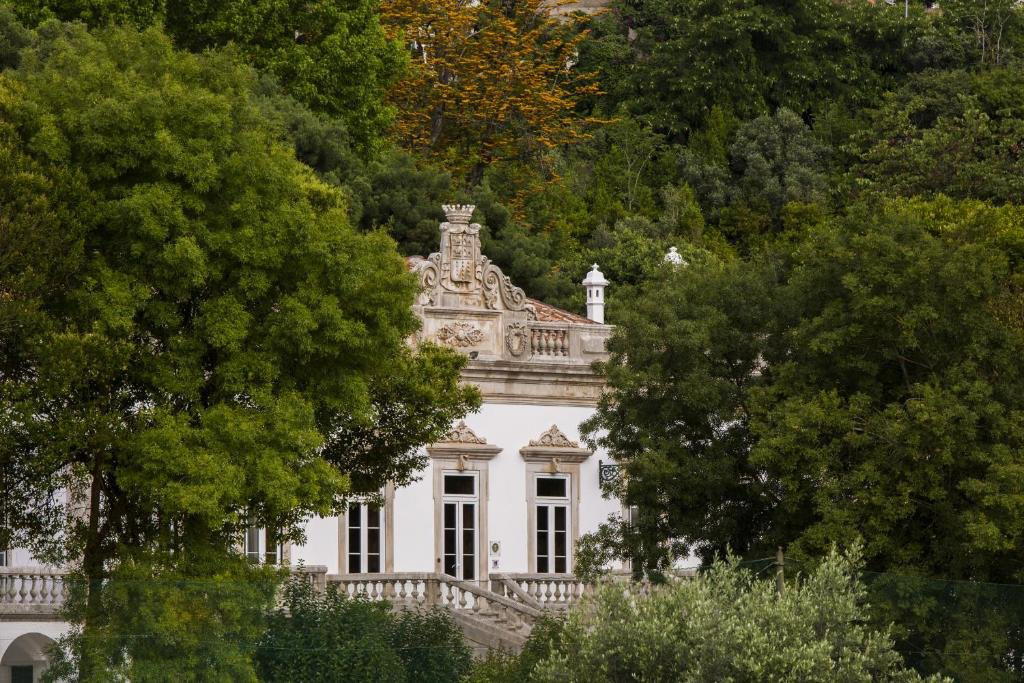
Rei dos Leitões sits at EN1 Avenida Restauração, Nº 17 in Mealhada, a town on the main Lisbon-Porto axis that is accessible by road from both cities in under two hours. The restaurant occupies a traditional house on the avenue, consistent with the domestic-scale architecture that characterises the older leitão houses along this stretch.
Booking ahead is strongly recommended. The restaurant fills regularly, and arriving without a reservation on a weekend or during peak travel months risks a wait or a turn-away. The price range sits at the €€ tier, positioning Rei dos Leitões well below the fine-dining benchmark set by starred Portuguese restaurants, Antiqvvm in Porto, A Cozinha in Guimaraes, or Casa de Chá da Boa Nova in Leça da Palmeira, but in line with the broader Mealhada market, where suckling pig remains a mid-market meal rather than a premium-priced experience.
For context on the wider area, see our full Mealhada restaurants guide, along with guides to hotels, bars, wineries, and experiences in Mealhada. For traditional-format restaurants operating in analogous regional-cuisine registers elsewhere in Europe, Auberge Grand'Maison in Mûr-de-Bretagne and Auga in Gijón offer points of comparison.
Frequently asked questions
Is Rei dos Leitões a family-friendly restaurant?
The €€ price range and straightforward traditional format make it a practical choice for families passing through central Portugal on the Lisbon-Porto axis. The food centres on a single well-established speciality, which removes the uncertainty of an unfamiliar menu. Booking ahead is advisable regardless of group size, as the restaurant fills consistently.
What should I expect atmosphere-wise at Rei dos Leitões?
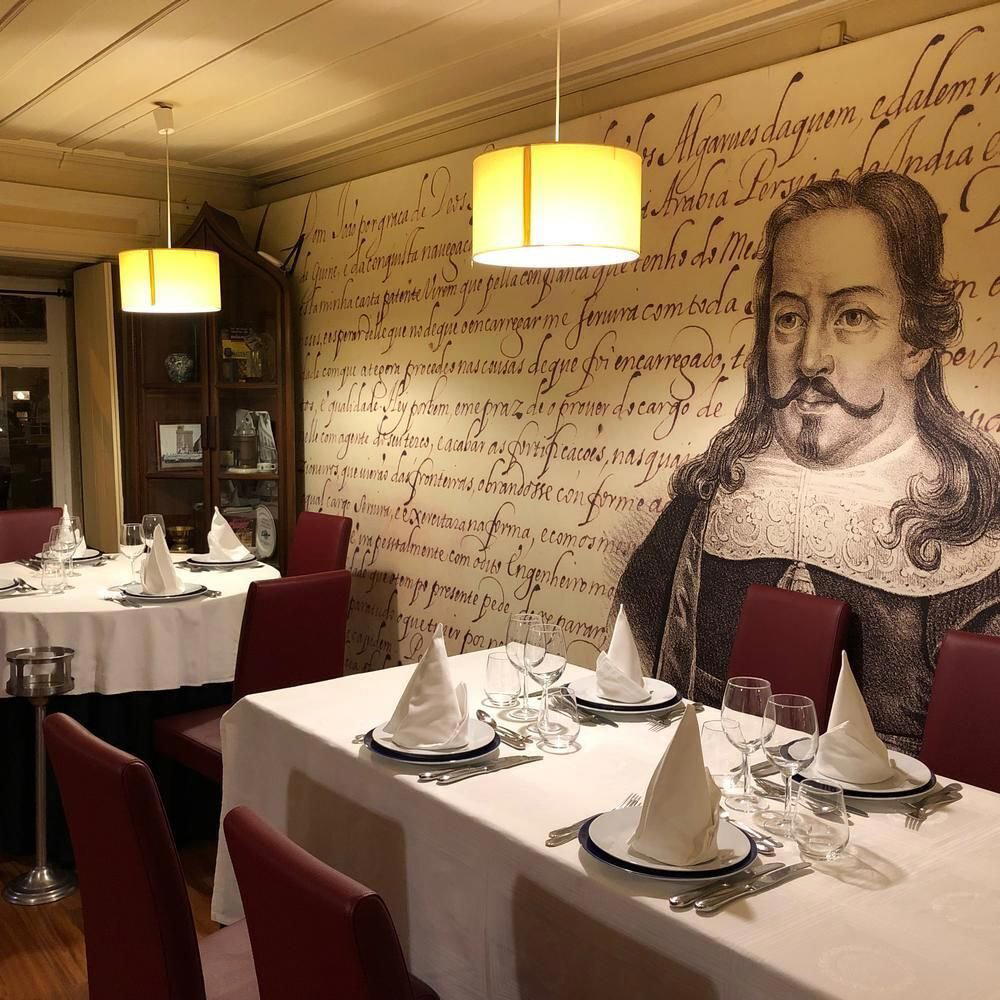
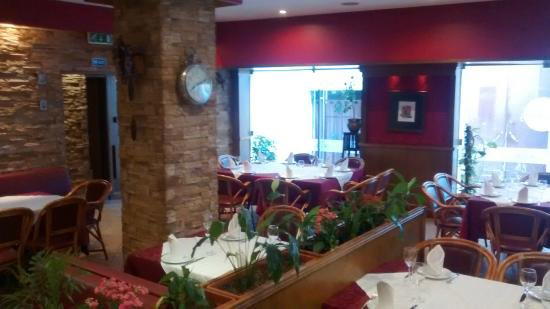
The restaurant occupies a traditional house on Avenida Restauração, the main avenue through Mealhada, in keeping with the domestic character of the older leitão establishments along the EN1 corridor. Founded in 1947, the room reflects that longevity — this is a working regional restaurant, not a contemporary dining room. After the main course, a display counter of homemade sweets, including Pastel de Tentúgal and Morgado do Buçaco, draws attention at the end of the meal.
What kind of recognition has Rei dos Leitões received?
Rei dos Leitões has received recognition including: In a region known for its famed Leitão (suckling pig) — as well as for sparkling‑wine production — this place stands out among the many in the area that specialise in this popular dish. Set in a charming house on the edge of the main avenue….
What's the signature dish at Rei dos Leitões?
Leitão da Bairrada — roasted suckling pig — is the defining dish, and the house name translates directly as 'The King of Suckling Pig.' The recipe and preparation follow regional tradition, and the kitchen recommends pairing it with a local Bairrada espumante. Fish, matured meats, and rice dishes also appear on the menu, but the leitão is the reason the restaurant has held a Michelin Plate since 2024.
Quick Comparison
| Venue | Cuisine | Price | Awards |
|---|---|---|---|
| Rei dos LeitõesThis venue — the venue you are viewing | Traditional Portuguese Leitão à Bairrada | $30–50 | Michelin Plate · World's Best Wine Lists Awards WBWL 3-Star |
| Belcanto | Modern Portugese, Creative | Not listed | Michelin 2 Star |
| Casa de Chá da Boa Nova | Portugese, Seafood | Not listed | Michelin 2 Star |
| Ocean | Contemporary European, Creative | Not listed | Michelin 2 Star |
| 50 seconds from Martin Berasategui | Progressive Spanish | Not listed | Michelin 1 Star |
| Eleven | Portugese, Creative | Not listed | Michelin 1 Star |
Recognition history
Dated appearances from independent guides and award organizations, with the underlying list record or original source where available.
Michelin Plate
Michelin
World's Best Wine Lists Awards WBWL 3-Star
World's Best Wine Lists Awards
Full recognition history (5 entries)
Michelin Plate
Michelin
World's Best Wine Lists Awards WBWL Category Winner
World's Best Wine Lists Awards
Michelin Plate
Michelin
Continue exploring
More in Mealhada
Restaurants in Mealhada
Browse all →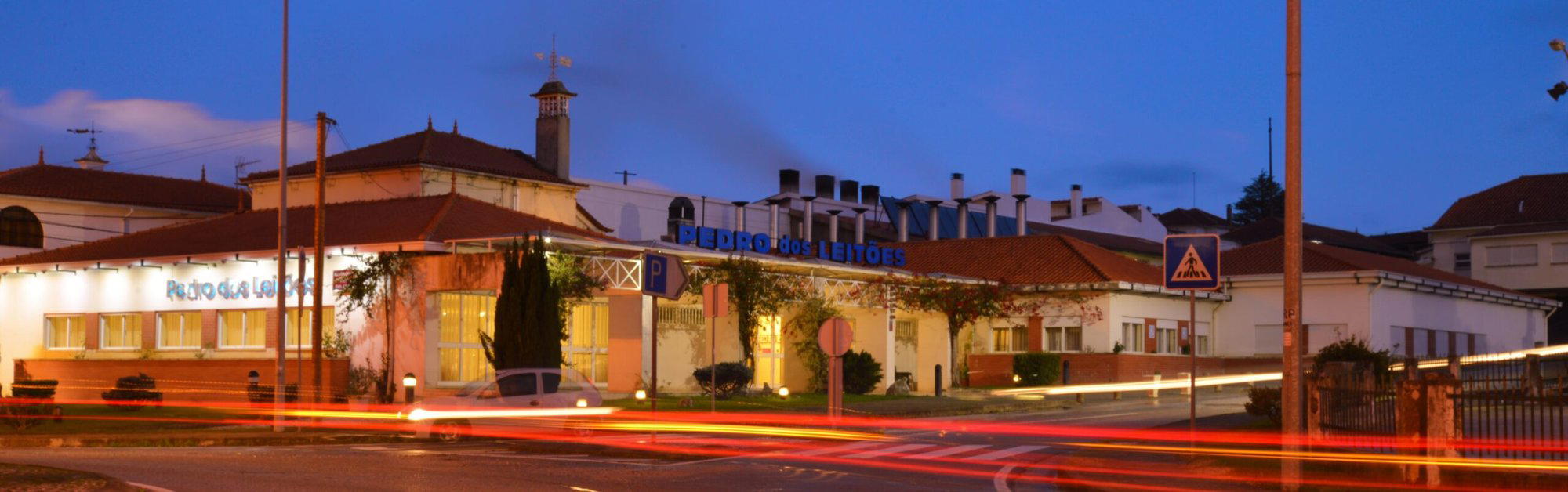
Bars in Mealhada
Browse all →
Hotels in Mealhada
Browse all →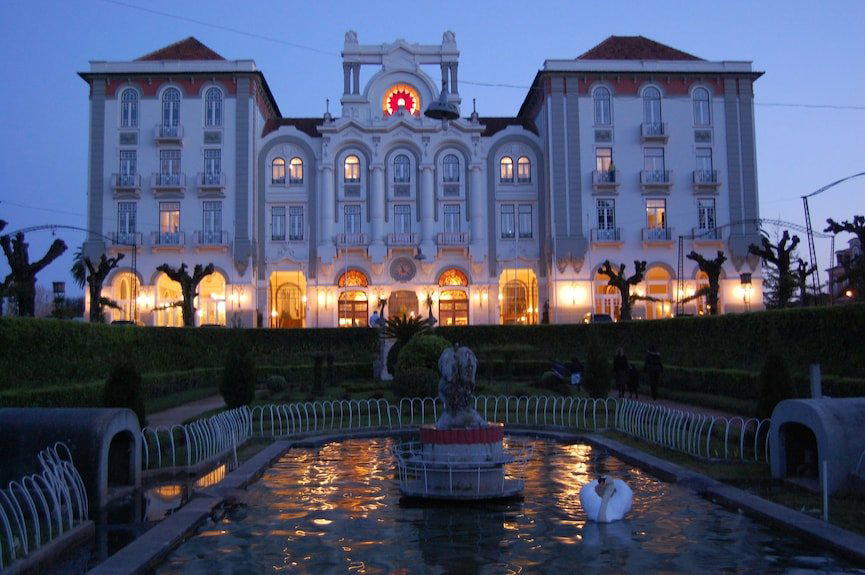


Details
- Classic
- Rustic
- Cozy
- Family
- Group Dining
- Celebration
- Business Dinner
- Historic Building
- Extensive Wine List
- A La Carte
- Vegetarian Friendly
- Vegan Options
- Gluten Free Options
Current opening hours
- Monday
- 12–9 PM
- Tuesday
- Closed
- Wednesday
- Closed
- Thursday
- 12–9 PM
- Friday
- 12–9 PM
- Saturday
- 12–9 PM
- Sunday
- 12–9 PM
Hours can change for holidays and private events. Last verified .
Charming house with cosy, traditional atmosphere, professional service, and attractive dining rooms.