
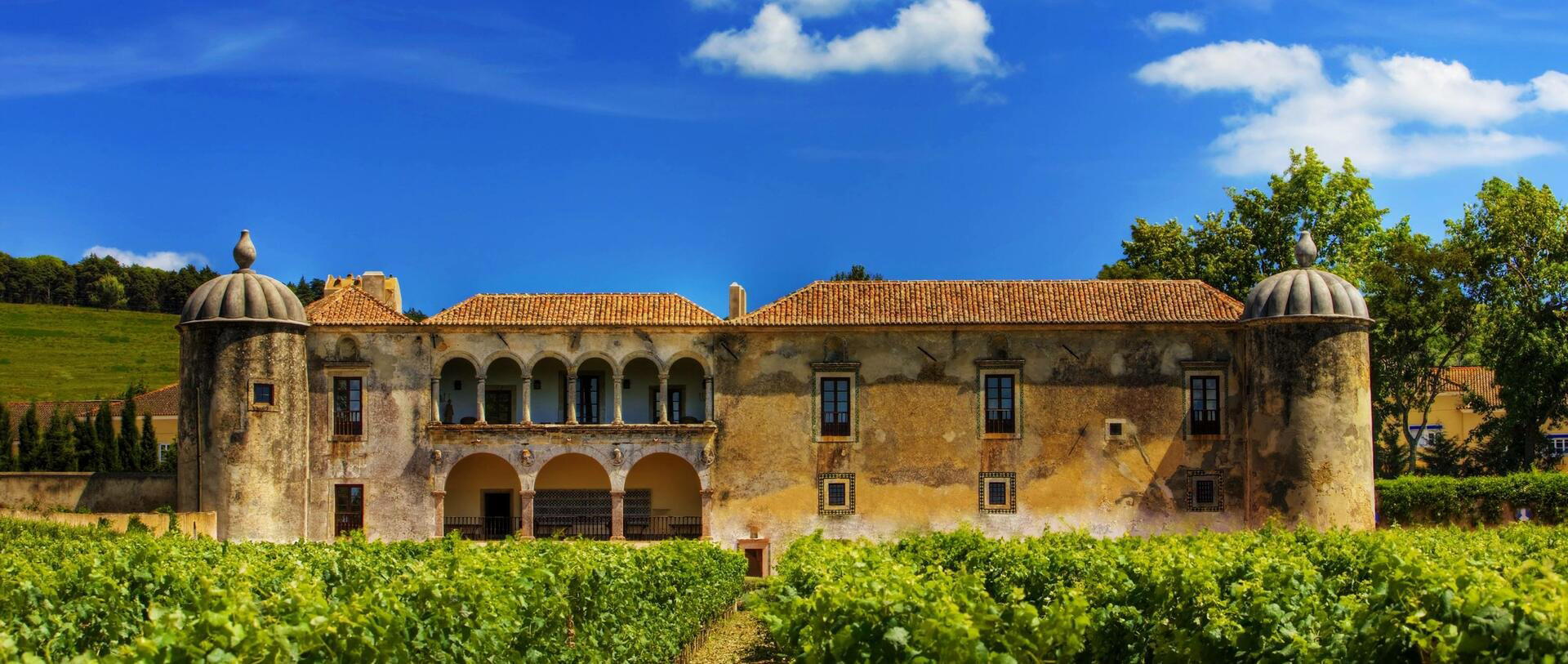
An 18th-century manor house on a working vineyard within the UNESCO Biosphere Reserve of Arrábida Natural Park, Hotel Casa Palmela sits in a tier of Portuguese heritage properties where setting and architectural restoration carry more weight than urban amenity. The approach road, lined with vines and framed by forested hills, frames the experience before guests reach the front door.
Pearl is the En Primeur Club membership app — saves, bookings, and concierge access live there. Same editors, same standards.
- Address
- Quinta do Esteval, N10 km 33.5, 2900-725 Setúbal
- Phone
- +351 265 249 650
- Website
- hotelcasapalmela.pt
- Directions
- Get directions
 Saves & bookings on Pearl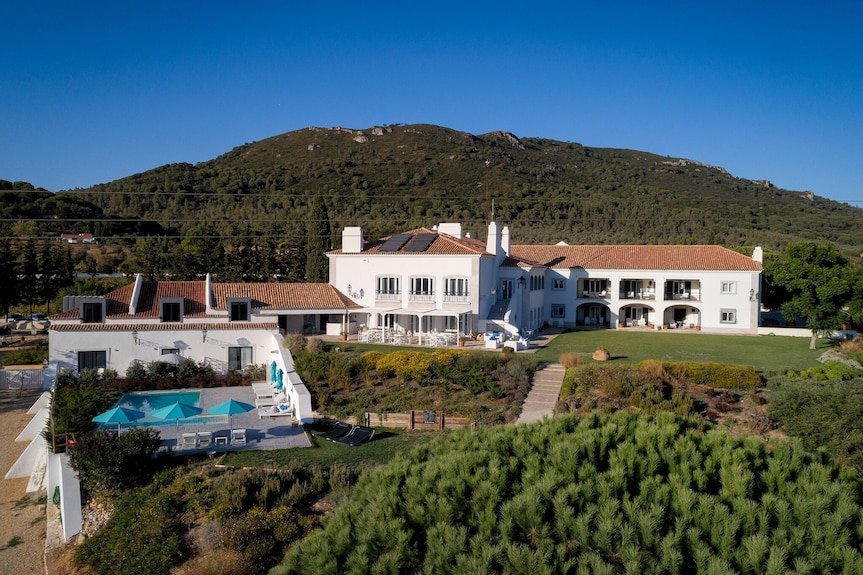
Arriving at Casa Palmela: The Architecture of Arrival
There is a category of Portuguese heritage hotel where the arrival sequence is itself a design decision. At Hotel Casa Palmela, situated on Quinta do Esteval along the N10 at kilometre 33.5, that sequence begins well before the front door. A long private road draws guests through rows of working vines, with the forested ridgeline of Arrábida Natural Park closing in on either side. The park carries UNESCO Biosphere Reserve designation, which in practical terms means the surrounding land is among the most rigorously protected natural terrain on the Iberian Peninsula. The white 18th-century manor house that resolves at the end of the road has been fully restored, and it reads against that backdrop with the kind of calm authority that takes decades, sometimes centuries, to accumulate. For properties in this category, the approach is not incidental; it conditions everything that follows.
This places Casa Palmela in a specific sub-tier of Portuguese wine estate hotels: properties where the building is genuinely old, the setting is genuinely natural, and the restoration has been careful enough to preserve the architectural character rather than paper over it. Across Portugal, that combination is less common than the marketing language suggests. Comparable estate-based properties elsewhere in the country, from the Douro Valley to the Alentejo, demonstrate how frequently the pairing of heritage architecture and working agricultural land is diluted by contemporary interior overreach. Casa Palmela belongs in the same conversation as places like Ventozelo Hotel & Quinta in Ervedosa Do Douro or Douro Valley - Casa Vale do Douro in Cambres, where the agricultural context is load-bearing rather than decorative.
The Arrábida Setting as Architectural Frame
Portuguese heritage hotels split into two broad categories: those that happened to end up in attractive locations, and those where the location is structurally inseparable from the property's identity. Casa Palmela belongs firmly in the second group. Arrábida Natural Park, which wraps around the Setúbal Peninsula south of Lisbon, is defined by limestone ridges, Atlantic-facing cliffs, and some of the clearest water on the Portuguese coast. The park's UNESCO Biosphere Reserve status reflects a biodiversity and landscape integrity that imposes meaningful limits on development. A hotel inside that boundary is operating within a context that cannot be replicated or relocated.
This matters architecturally because the landscape functions as an extension of the property's design. The serene white facade of the 18th-century manor reads differently against protected forest than it would against suburban sprawl or a coastal resort strip. The hills that frame the vineyard approach are not a backdrop; they are part of the spatial composition. Properties like Villa Epicurea in Sesimbra and Craveiral Farmhouse in Sao Teotonio operate in similarly protected or semi-rural coastal-adjacent terrain, and the pattern holds: when the surrounding landscape carries protected status, a well-restored historic property benefits from a kind of guaranteed visual coherence that no amount of interior design can manufacture.
Heritage Restoration in the Portuguese Estate Tradition
The restoration of 18th-century Portuguese manor houses follows a broadly understood set of priorities in the premium hospitality segment: preserve the envelope, update the systems, and intervene in the interiors with enough restraint to keep the historical legibility intact. When that balance is achieved, the result is a property that reads as genuinely old rather than themed. The full restoration described at Casa Palmela positions it in the tier of Portuguese heritage hotels where the physical building is the primary credential, rather than a container for branded amenity programming.
In the broader Portuguese market, restored manor houses and quintas have become a significant category, from the Minho's solares to the Alentejo's herdades. What distinguishes the better examples is the degree to which the restoration honours the original architectural language: the proportions of the rooms, the relationship between interior and exterior, the quality of the materials. Properties that achieve this at the upper end, like Casa da Calçada in Amarante or Carmo's Boutique Hotel in Ponte de Lima, demonstrate that the format rewards patience and specificity in execution. Casa Palmela's position within a working quinta adds the agricultural dimension that many urban or peri-urban manor restorations lack.
The Setúbal Peninsula as a Travel Context
Setúbal sits approximately 50 kilometres south of Lisbon, close enough to be a viable day trip but far enough to justify a dedicated stay for anyone whose interest extends beyond the city. The peninsula is a different proposition from the Algarve coast or the Lisbon urban offer: quieter, less internationally trafficked, and anchored by the natural park rather than resort infrastructure. The wine produced in the Setúbal region, notably from Moscatel de Setúbal and local red varieties, has its own identity within Portuguese viticulture, and a property on a working vineyard in this region sits at the intersection of landscape tourism and wine tourism in ways that purely coastal properties do not.
For travellers arriving from Lisbon, the transfer is manageable without complex logistics. The property's address on the N10 at kilometre 33.5 places it on one of the main arteries running into the peninsula, which means access by road is direct. Travellers with more time might orient their stay around both the natural park and the broader Setúbal coast, which offers access to beaches within the protected zone, the town of Setúbal itself, and the Sado estuary to the east. Our full Setúbal restaurants guide covers the local dining options for guests looking to extend beyond the property.
Portugal's heritage hotel tier is well-served by comparisons further afield. The restored palace format at Bussaco Palace Hotel in Luso represents one end of the scale. At the design-led boutique end, properties like Hotel Britania Art Deco in Lisbon and M Maison Particulière Porto in Porto demonstrate how architectural identity anchors a property's competitive position. Casa Palmela occupies a different register: rural, estate-based, within protected land, and oriented around the relationship between historic architecture and working vineyard rather than urban access or resort scale. Other properties in the Setúbal area, including RM The Experience, offer a point of comparison for travellers assessing the local options.
Planning a Stay at Casa Palmela
Practical planning for Casa Palmela should account for the property's rural location and estate format. The N10 address at kilometre 33.5 is direct by car from Lisbon or Setúbal town, and the vineyard setting means guests are leading positioned with their own transport for day excursions into the park or along the coast. Booking through the property directly, or via the EP Club platform, is the advised approach for an estate of this type. Given the format, the number of rooms is likely limited, and the property will reflect the rhythms of a working quinta rather than a large-scale resort, which affects both availability and the pace of the stay.
For travellers drawing comparisons across the Portuguese Atlantic coast, Bela Vista Hotel & Spa in Praia da Rocha and Casa Mãe Hotel in Lagos represent the southern Algarve tier. Hospedaria da Pensão Agrícola in Conceição e Cabanas de Tavira and Masana Algarve in Albufeira offer further reference points for agricultural and coastal heritage formats. For those assessing estate properties in mountain or nature-reserve settings, Casas da Lapa, Nature & Spa Hotel in Seia and Casa das Penhas Douradas in Manteigas operate within Serra da Estrela and demonstrate how protected-landscape positioning shapes a property's character.
How Hotel Casa Palmela Setubal compares with similar nearby venues.
| Venue | Awards |
|---|---|
| Hotel Casa Palmela | Small Luxury Hotels of the World Member (2025) |
Recognition history
Dated appearances from independent guides and award organizations, with the underlying list record or original source where available.
Small Luxury Hotels of the World Member
Small Luxury Hotels of the World
Continue exploring
More in Setubal
Hotels in Setubal
Browse all →
Bars in Setubal
Browse all →

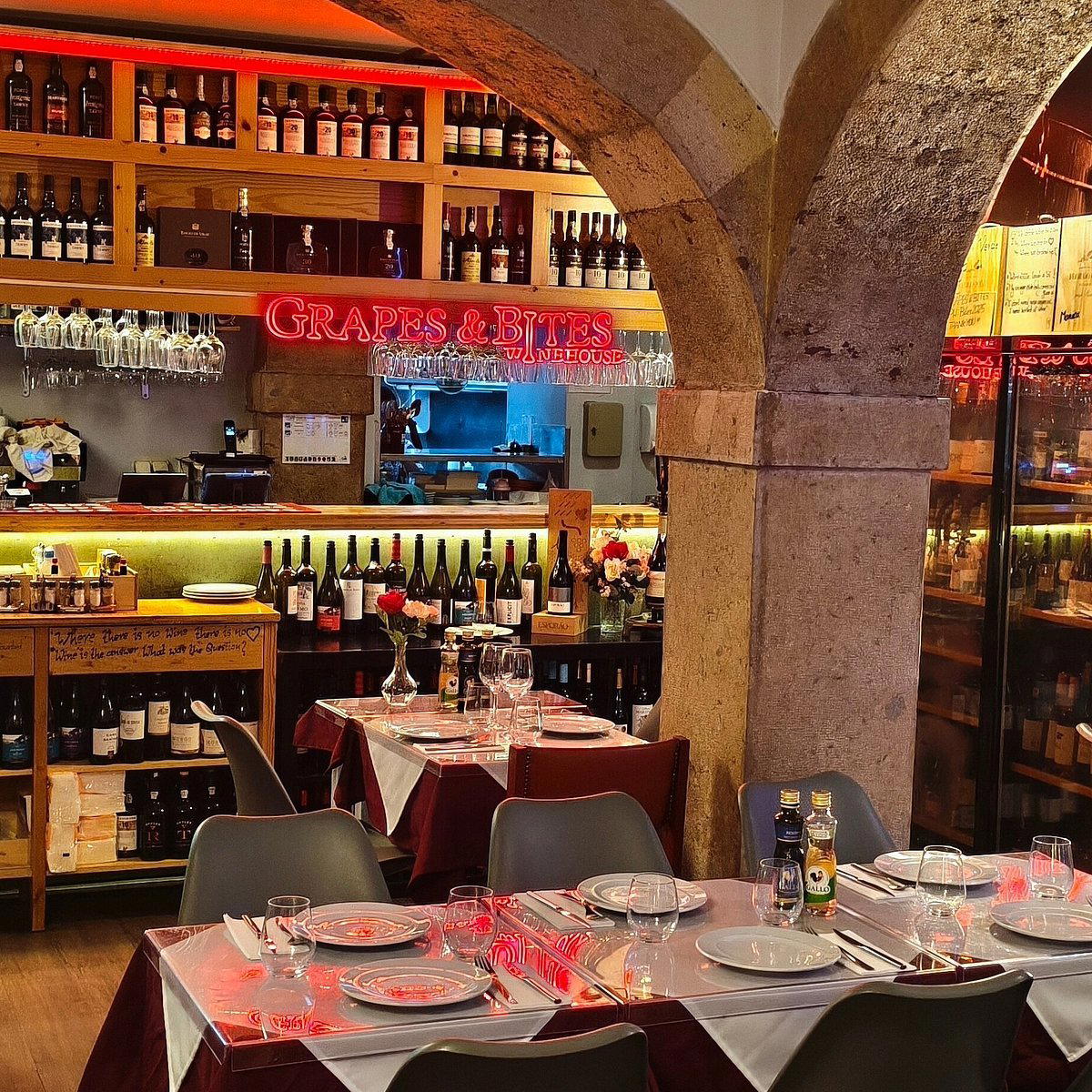
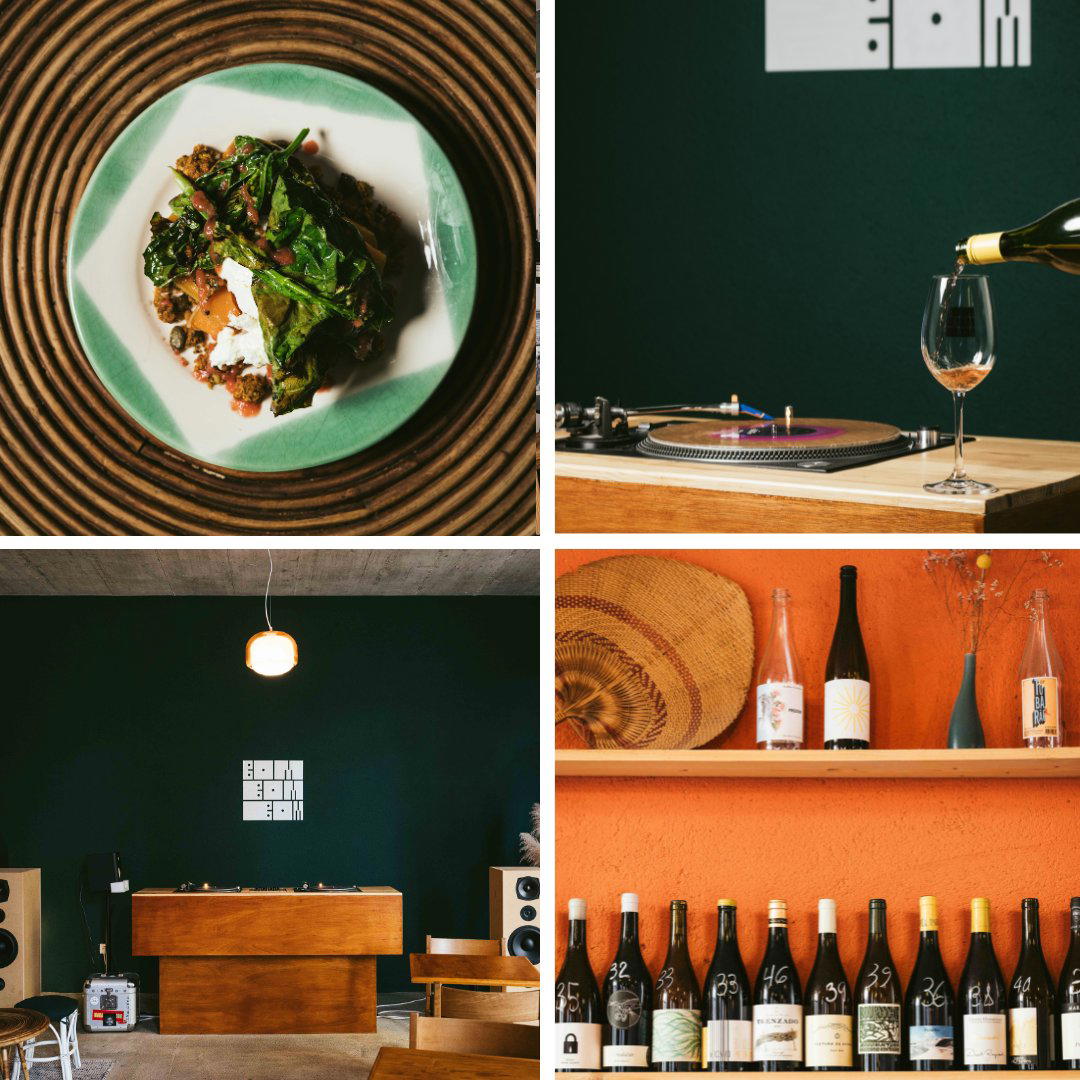
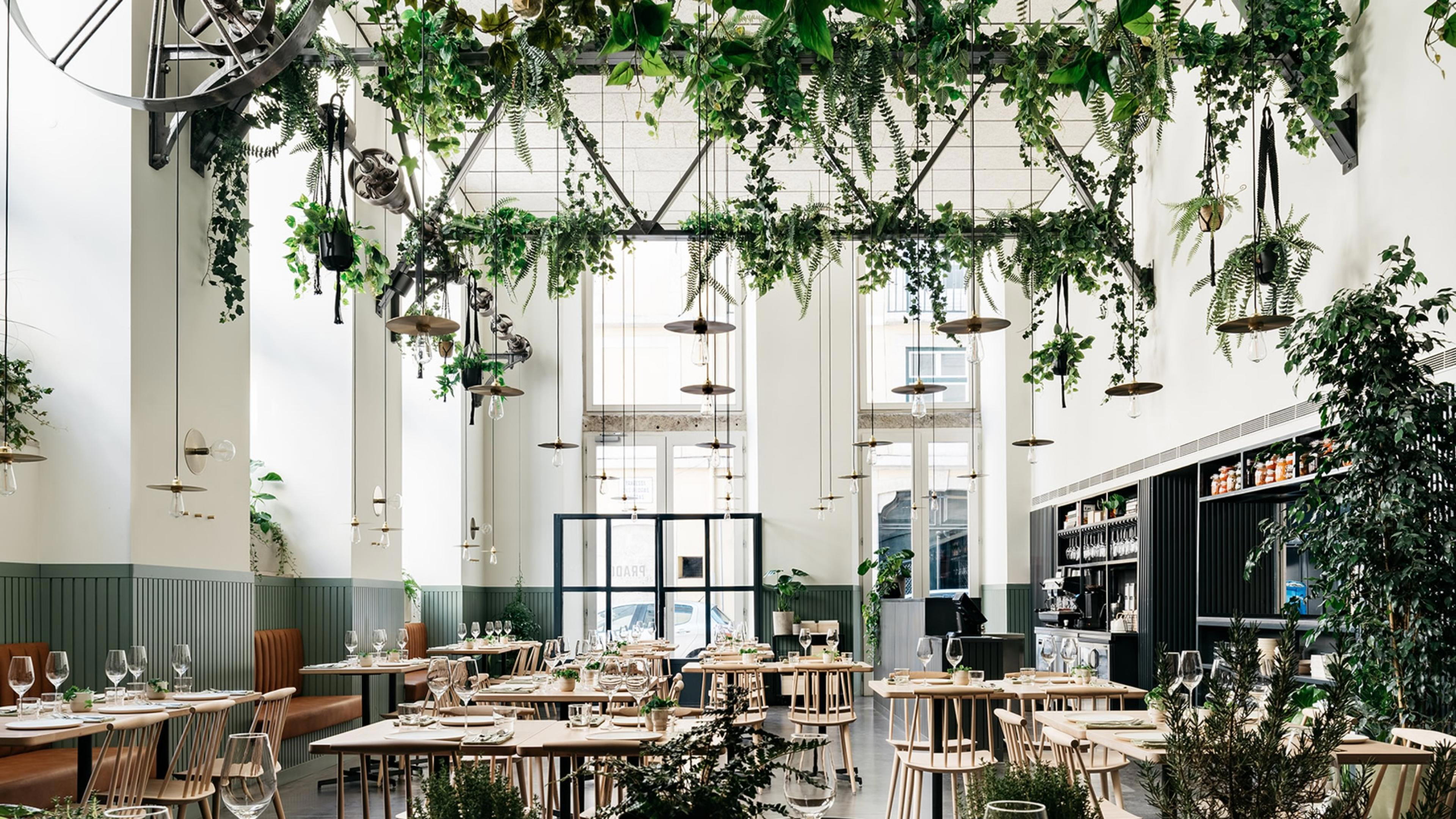
Restaurants in Setubal
Browse all →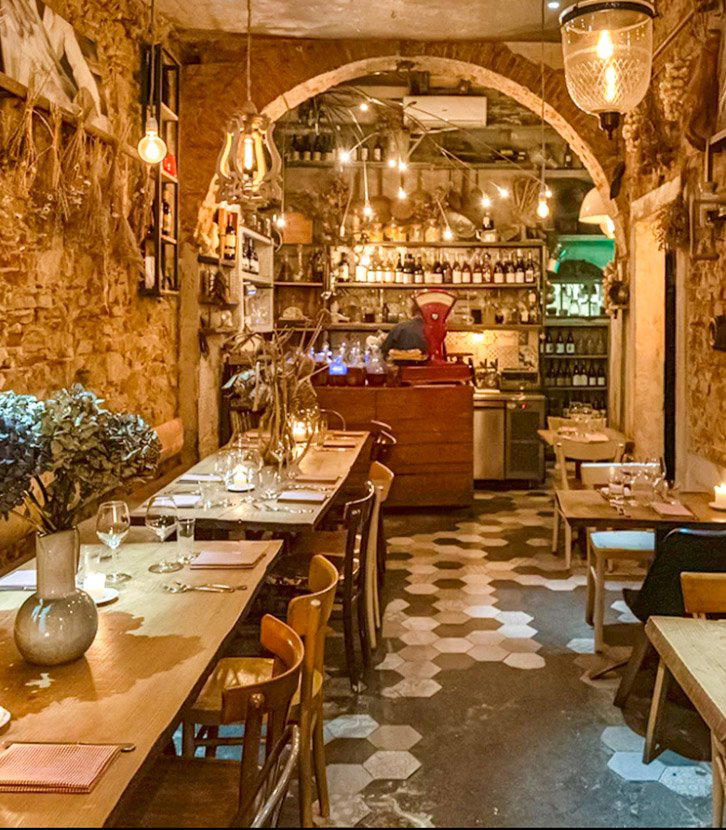

At a Glance
- Romantic
- Quiet
- Elegant
- Scenic
- Sophisticated
- Romantic Getaway
- Honeymoon
- Wellness Retreat
- Weekend Escape
- Historic Building
- Panoramic View
- Garden
- Terrace
- Wi Fi
- Pool
- Outdoor Pool
- Spa
- Massage
- Restaurant
- Room Service
- Concierge
- Bicycle Rental
- Garden
- Mountain
- Vineyard
- Wi Fi
- Pool
- Outdoor Pool
- Spa
- Massage
- Restaurant
- Room Service
- Concierge
- Bicycle Rental
Relaxed and elegant atmosphere with beautiful grounds, praised for peaceful serenity and warm, accommodating service.