
Star Wine List
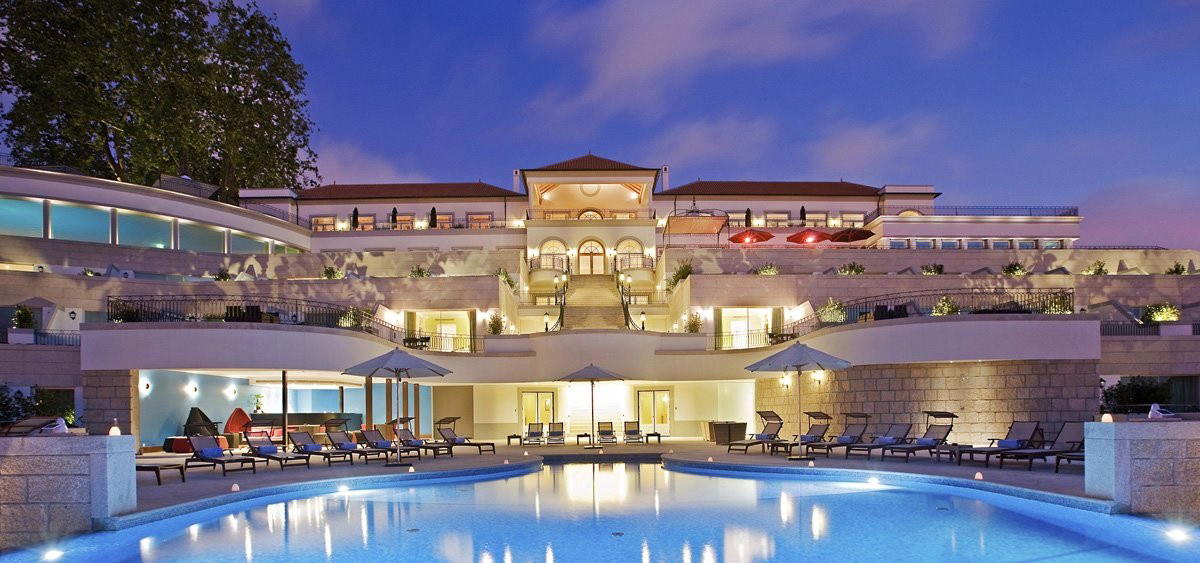
Across the water from Porto's historic skyline, Enoteca 17.56 occupies a position on the Gaia dock that few dining rooms in the region can match physically. Three separate kitchens run sushi, meat, and Italian menus in parallel, making it one of the few venues in Vila Nova de Gaia to operate a genuinely multi-disciplinary format. The Douro riverfront setting gives both lunch and dinner a framing most city-centre restaurants cannot replicate.

Pearl is the En Primeur Club membership app, where members save venues, book tables and use the concierge.
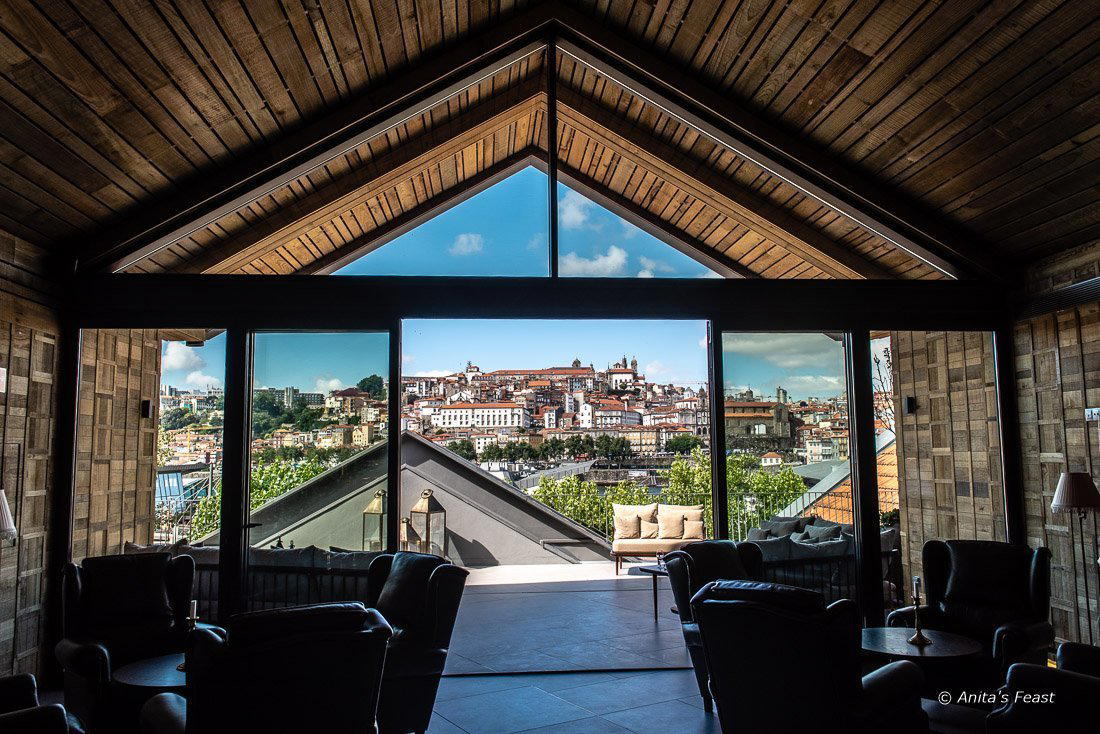
The Gaia Dock, Seen From the Other Side
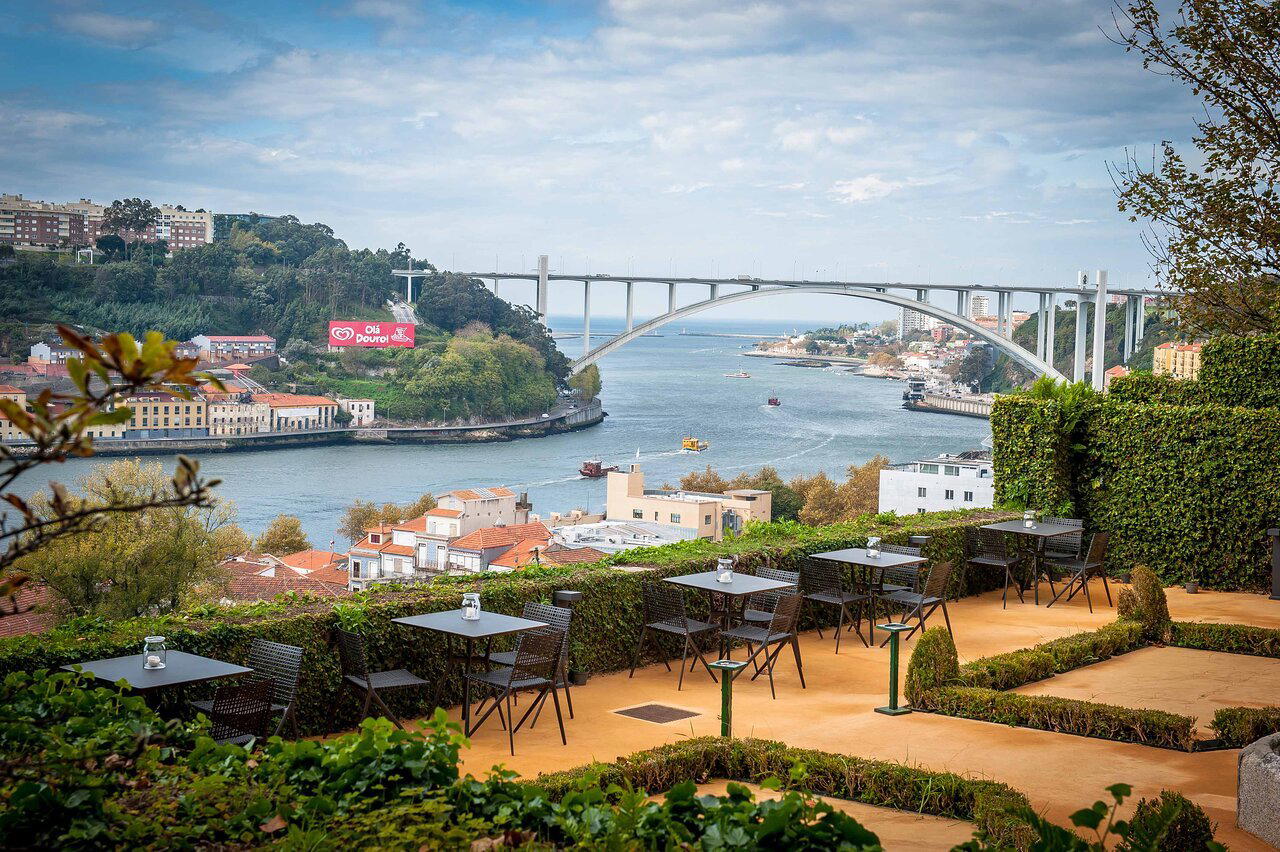
The view from Vila Nova de Gaia toward Porto is one of the most compositionally complete urban panoramas in southern Europe: the Dom Luís I bridge spanning the gorge, the Ribeira facades stacked above the waterfront, the wine lodge rooftops receding uphill into the Douro valley. Most visitors spend that view from Porto's side, looking across. Enoteca 17.56 operates from the other bank, on the Gaia dock, where the entire Porto skyline becomes a backdrop rather than a destination. That positional inversion matters, because the restaurants along this stretch compete as much on setting as on kitchen output, and the vantage from Gaia tends to be the cleaner, less obstructed one.
The address, R. de Serpa Pinto 44B, places the venue in the heart of the Gaia waterfront district, the stretch that has gradually shifted from pure wine-lodge tourism toward a mixed dining and bar scene. For broader context on how that strip fits into the wider city, our full Porto restaurants guide maps the neighbourhood patterns across both banks.
Three Kitchens, One Dining Room
Structural decision that most distinguishes Enoteca 17.56 from comparable riverfront venues is its three-kitchen model. Running sushi, meat, and Italian menus in parallel is an architecturally ambitious choice, and one that reflects a particular approach to hospitality common in southern European cities where mixed-group dining is standard. The logic is legible: a table of four might split between a sashimi plate, a grilled cut, and a pasta, without the kitchen compromising on technique across disciplines. Whether three kitchens can sustain individual coherence, whether the sushi station applies the same rigour as a specialist counter, and whether the Italian section operates with genuine regional intent, is the question any critical diner should bring to the experience.
This format positions Enoteca 17.56 outside the specialist-counter dining tier that dominates critical attention in Portugal's major cities. Specialist venues like dedicated tasting-menu restaurants in Porto's centre, or the focused wine-bar format represented by places such as A Cave do Bon Vivant, operate on depth within a narrow lane. Enoteca 17.56's proposition is width across three lanes, a different competitive logic and a different audience calculus.
What the Menu Architecture Signals
A menu that runs from sushi to Italian via a meat section is not hedging, or at least, it should not be read that way. In many port cities, restaurants along tourist-heavy waterfronts have historically operated wide menus precisely because visitor traffic is less predictable in culinary preference than a neighbourhood restaurant's local regulars. The challenge for any multi-format kitchen is holding quality discipline across categories that require entirely different ingredient sourcing, prep timelines, and technical traditions. Japanese fish prep and Italian pasta work are not adjacent skills.
The enoteca framing in the name implies wine is a structuring principle, not an afterthought. An enoteca, in Italian tradition, is a wine-focused space where food is selected to support what's in the glass rather than the reverse. Whether Enoteca 17.56 applies that hierarchy strictly is something the wine list would reveal, but the naming choice signals at least an aspiration toward wine-led hospitality. That framing also helps make sense of the Italian strand in the menu: if the cellar carries a meaningful Italian selection, then pasta and meat dishes follow naturally as pairing anchors.
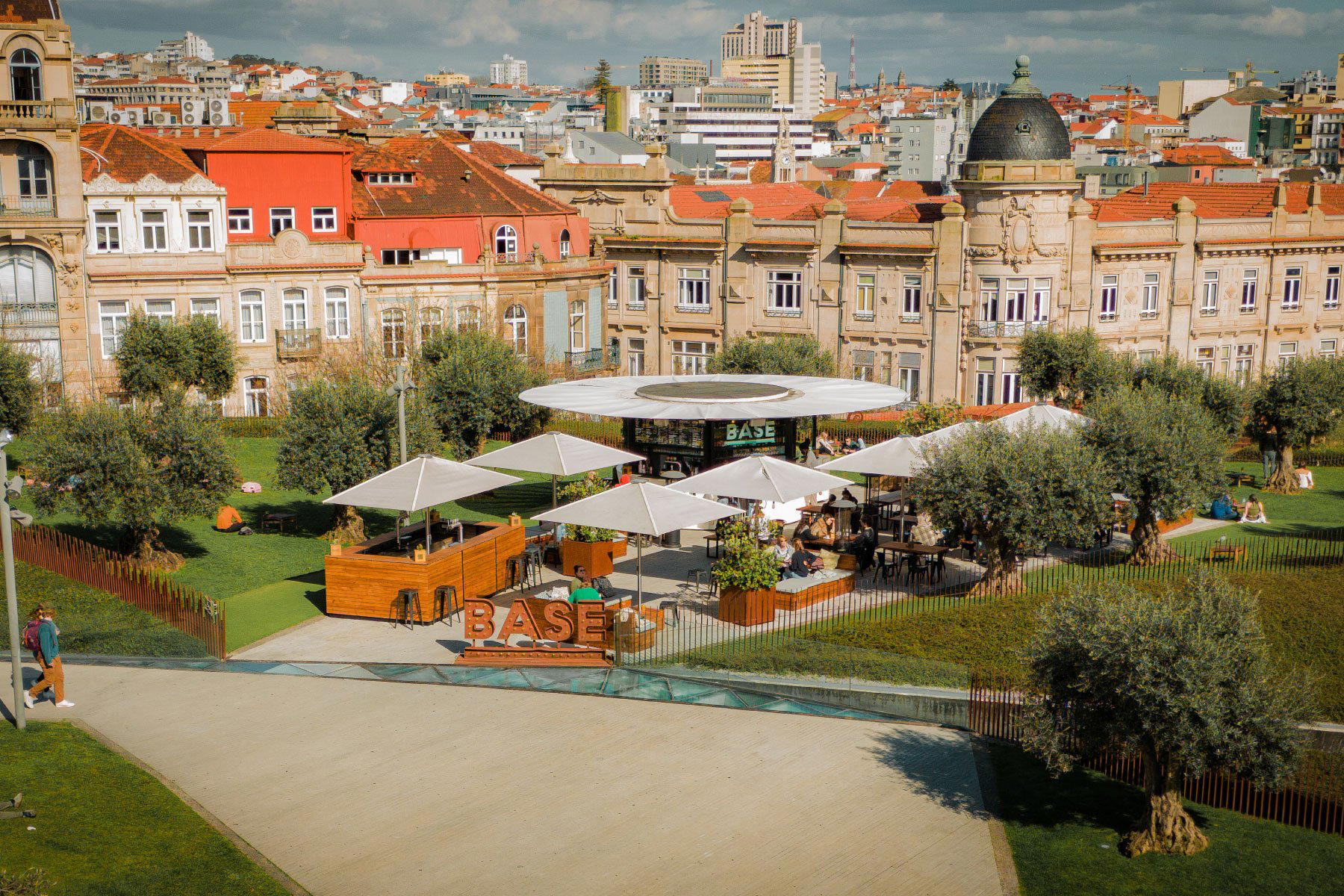
For comparison, the wine-focused bar format in Portugal has produced some of the region's more coherent dining experiences. Base Porto and bbgourmet Boavista each represent versions of that approach in Porto proper. Further south, Epicur Wine Boutique & Food in Faro operates a similar wine-anchored food format in a different regional context.
The Riverfront Setting in Practice
Lunch and dinner at a Douro-facing table operate as distinct experiences. At midday, the light from the west hits the Porto facades directly and the river reads as a working waterway, with tourist boats completing their Douro loop. By dinner, the Ribeira lights and the illuminated bridge span shift the mood considerably. Venues along the Gaia dock have learned to position terrace seating to capture both readings, and the physical orientation of a riverside address on this stretch is rarely incidental.
For visitors making a day of the Gaia waterfront, the dock also functions as a transit corridor between the wine-lodge cellars uphill and the waterfront bar and restaurant strip below. Cachorrinho Gazela represents the older, more casual end of Porto dining culture, and the contrast with a wine-forward, multi-kitchen format like Enoteca 17.56 illustrates how the Gaia waterfront now covers a wide register from street-level snacks to full sit-down dining.
How It Sits in a Wider Portuguese Context
Porto's dining scene has consolidated around a recognisable hierarchy: Michelin-tracked tasting menus at the upper tier, followed by a strong mid-market of ingredient-led bistros and wine bars, then the riverfront casual-dining strip. Enoteca 17.56 occupies a position that crosses the mid-market and riverfront categories simultaneously. That crossover positioning is common in cities where tourism-driven footfall subsidises kitchen ambition that neighbourhood restaurants cannot sustain on local trade alone.
Portugal's wine culture has also expanded internationally enough that venues operating under an enoteca framing now have a broader audience. Travellers arriving from markets with established natural-wine or aged-wine bar cultures, places that have produced venues like Red Frog in Lisbon or Bar Leather Apron in Honolulu, bring calibrated expectations that riverfront venues in Porto increasingly have to meet. The enoteca designation raises that bar.
Planning Your Visit
Enoteca 17.56 is accessible from Porto via the Dom Luís I bridge on foot or by the Teleférico de Gaia cable car, which deposits visitors close to the dock level. The Gaia waterfront is a compact strip, and the address on R. de Serpa Pinto places the venue within easy walking distance of the main wine-lodge cluster. Given the riverfront position and the format breadth, sushi, meat, Italian, and a wine programme, this works as both a standalone dinner destination and a post-wine-lodge-visit lunch stop. For those building a wider Douro-region itinerary, comparable riverside dining experiences appear at other points along Portugal's Atlantic coast: Bar do Guincho in Alcabideche, Bar e Duna da Cresmina in Cascais e Estoril, and Estoril in Estoril each offer versions of the waterfront dining format in different coastal contexts. For a Madeiran equivalent, Venda Velha in Funchal provides a useful Atlantic-island comparison point.
Credentials Lens
Comparable venues nearby, for context on price, style, and recognition.
| Venue | Cuisine | Price | Awards | Notes |
|---|---|---|---|---|
| Enoteca 17.56This venue (the venue you are viewing) | wine_bar | $50–100 | Star Wine List | Not listed |
| Prova | wine_bar | $20–30 | Star Wine List · Falstaff Wine Bar - 95 Falstaff Points | S Nicolau |
| Base Porto | lounge | $10–20 | Not listed | Vitória |
| Curioso Cocktail Bar | cocktail_bar | $20–30 | Falstaff Bar - 91 Falstaff Points | Ribeira / near Palácio da Bolsa |
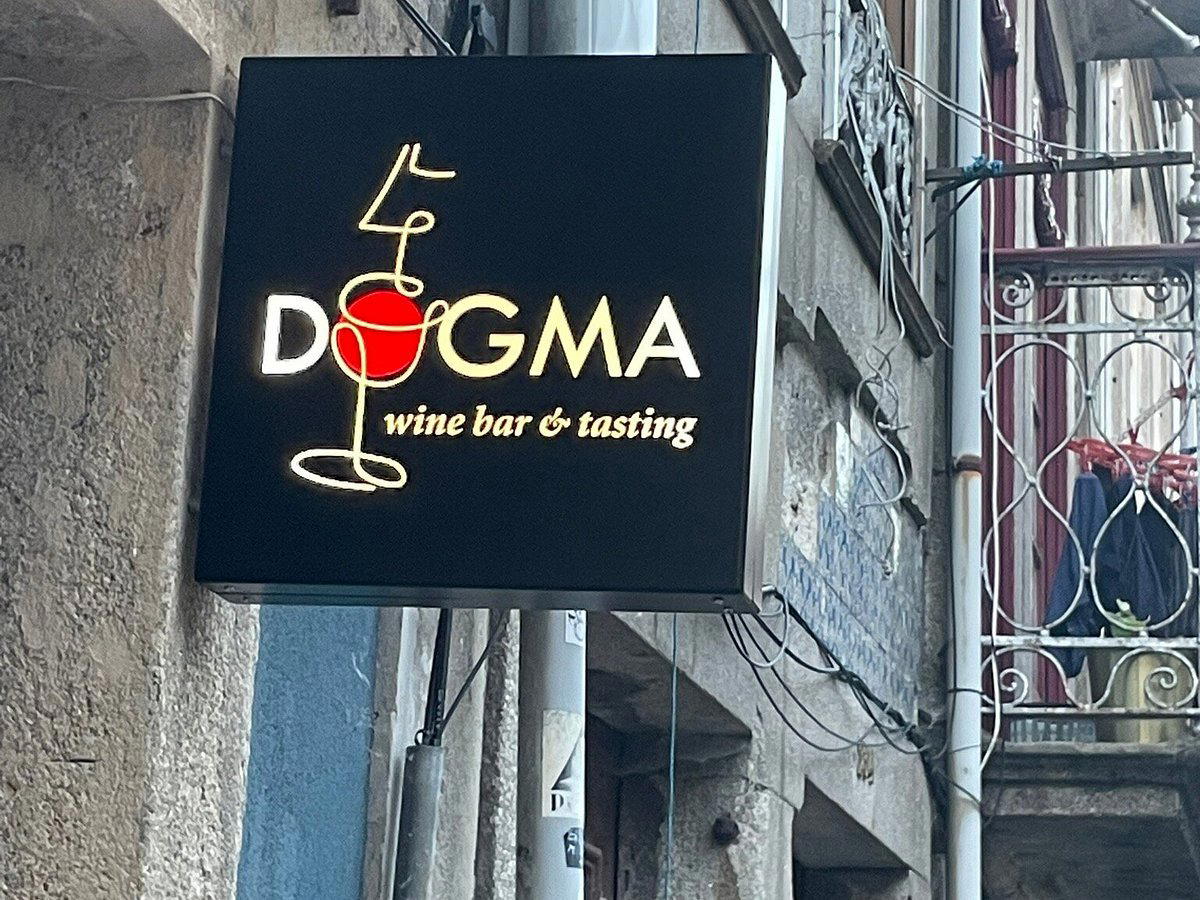
| Dogma Wine Bar | wine_bar | $30–50 | Star Wine List · Falstaff Wine Bar - 88 Falstaff Points | Vitória |
| Royal Cocktail Club | cocktail_bar | $10–20 | Top 500 Bars Best Bars #359 · Falstaff Bar - 95 Falstaff Points | Vitória |
Recognition history
Dated appearances from independent guides and award organizations, with the underlying list record or original source where available.
Star Wine List
Star Wine List
Continue exploring
More in Porto
Bars in Porto
All bars in Porto →
Restaurants in Porto
All restaurants in Porto →
Details
- Elegant
- Sophisticated
- Cozy
- Romantic
- Date Night
- Special Occasion
- Celebration
- Terrace
- Panoramic View
- Lounge Seating
- Outdoor Terrace
- Conventional Wine
- Waterfront
- Skyline
Current opening hours
- Monday
- 12:30–11 PM
- Tuesday
- 12:30–11 PM
- Wednesday
- 12:30–11 PM
- Thursday
- 12:30–11 PM
- Friday
- 12:30–11:30 PM
- Saturday
- 12:30–11:30 PM
- Sunday
- 12:30–11 PM
Hours can change for holidays and private events. Hours as of .
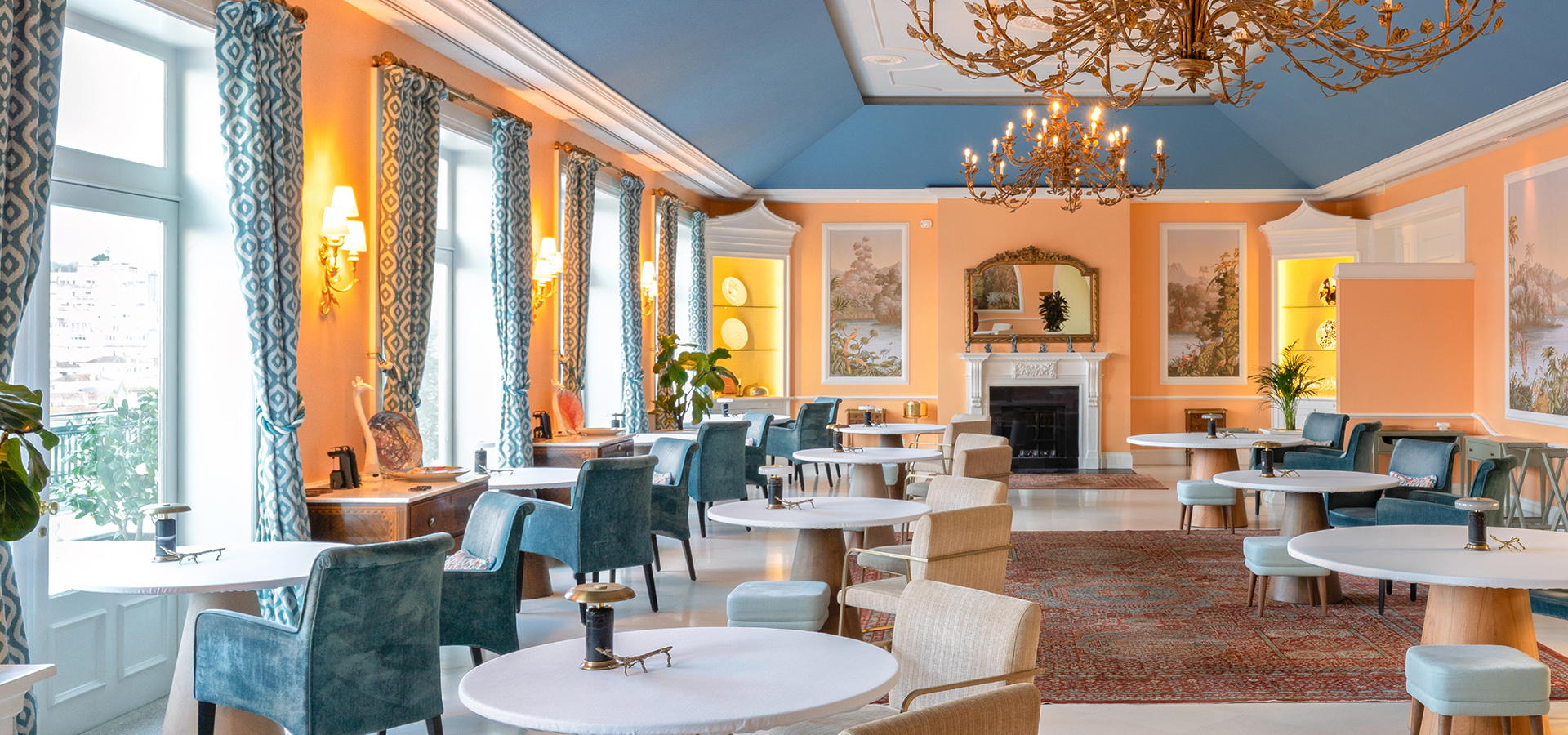
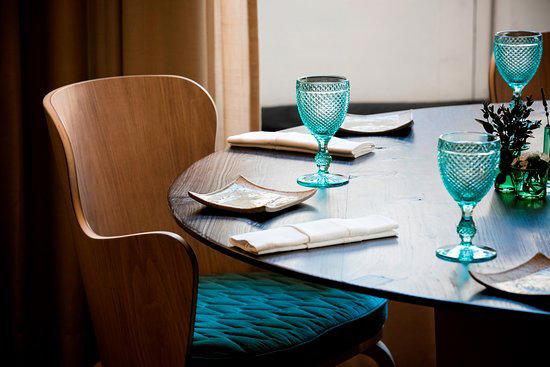
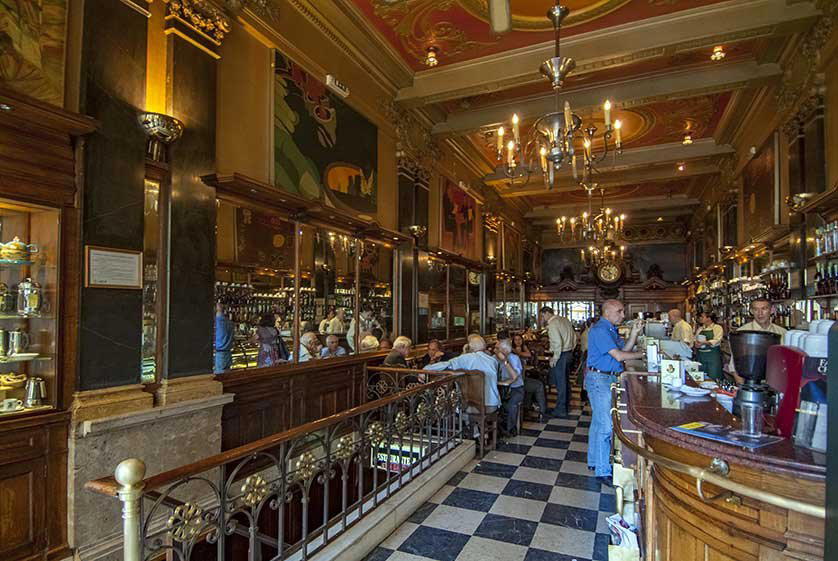
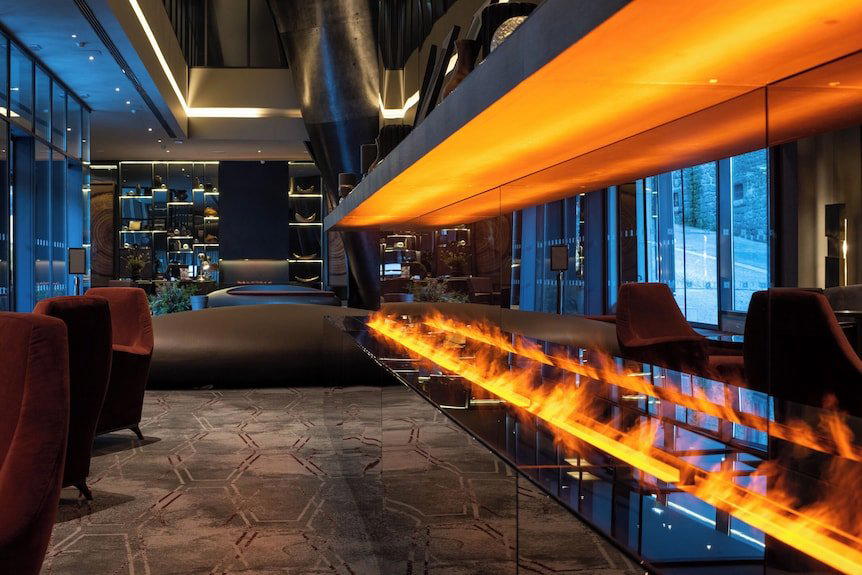
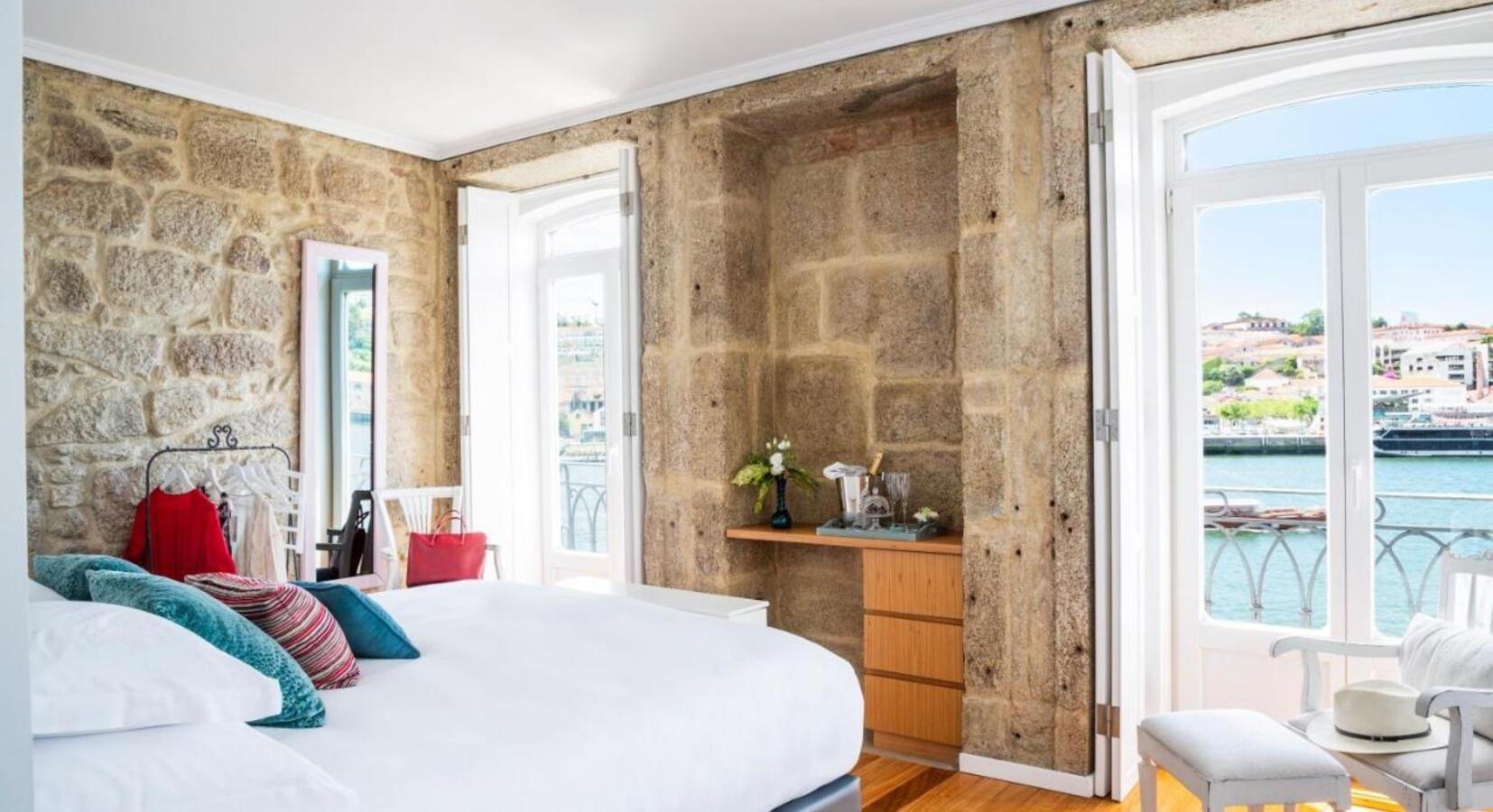
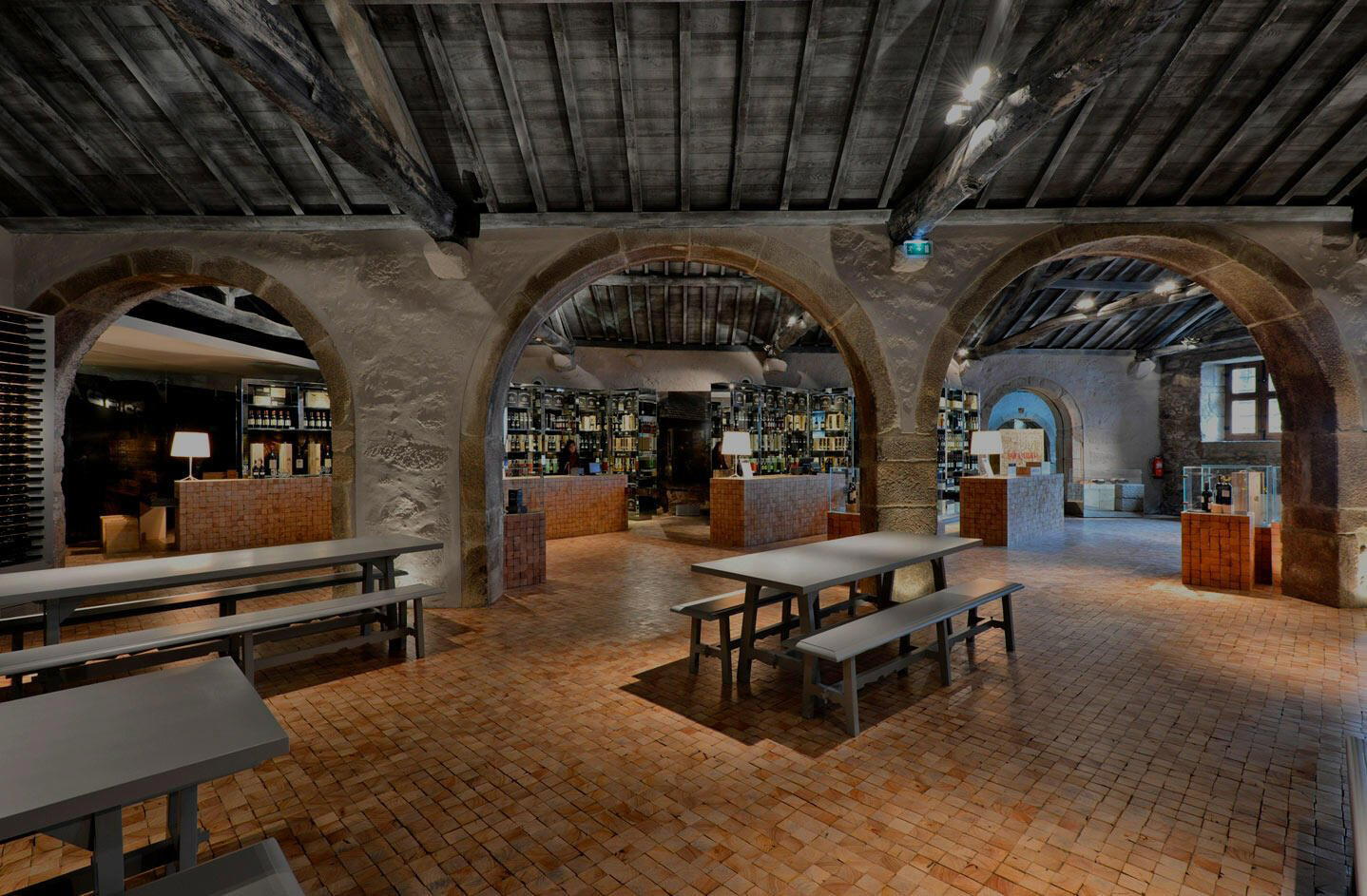
Elegant and warm with stylish decor, vaulted ceilings, cozy lighting, and a sophisticated atmosphere enhanced by good music.