



2 Michelin Stars · La Liste Top Restaurants · Guía Repsol 3 Soles
Our verdict
A two-Michelin-star restaurant operating within the Cap Vermell Grand Hotel in Canyamel, Voro places Mallorcan ingredients inside a framework of creative modern cuisine. Chef Álvaro Salazar offers two tasting menus structured around the arc of the sun, drawing from Mediterranean roots, the landscapes of Jaén, and the produce of the Balearic Islands. Rated 87 points by La Liste in 2026, it ranks among Spain's serious fine-dining destinations.

Pearl is the En Primeur Club membership app — saves, bookings, and concierge access live there. Same editors, same standards.
- Address
- Urb. Atalaya de Canyamel, Vial A2, 12, Mallorca, 07589 Canyamel, Balearic Islands, Spain
- Phone
- +34 871 81 13 50
- Website
- vororestaurant.com
- Directions
- Get directions
- Booking
- Book on the venue's website
The menu
What to order
- Seafood salad in palo cortado vinegar
- Almond and caviar
- Ravioli
- Pomada
Where the Mediterranean Meets the Dining Room
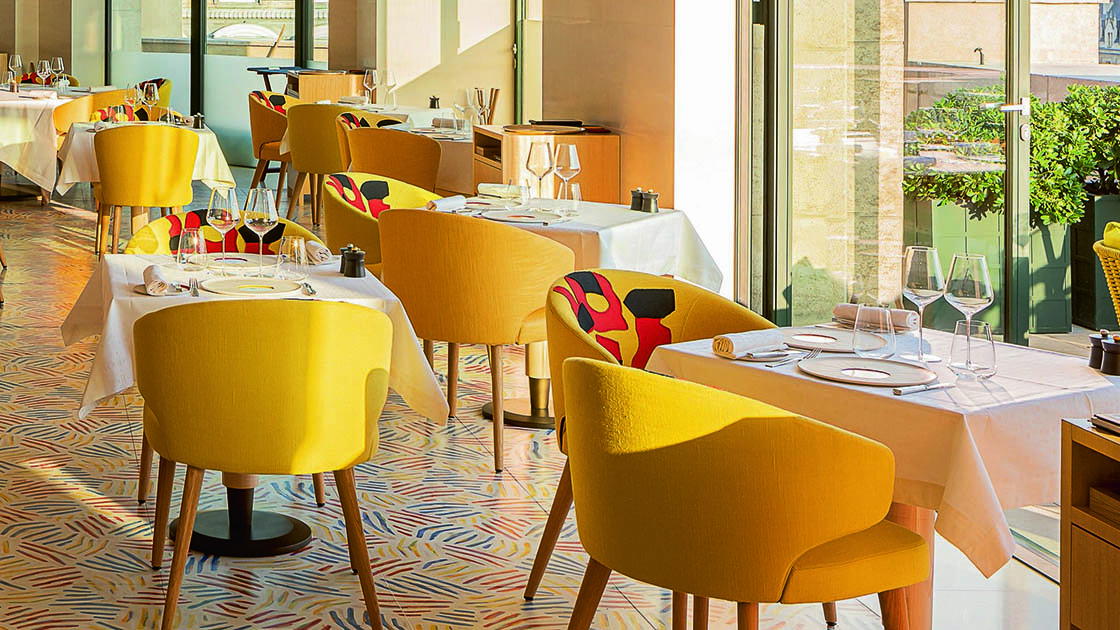
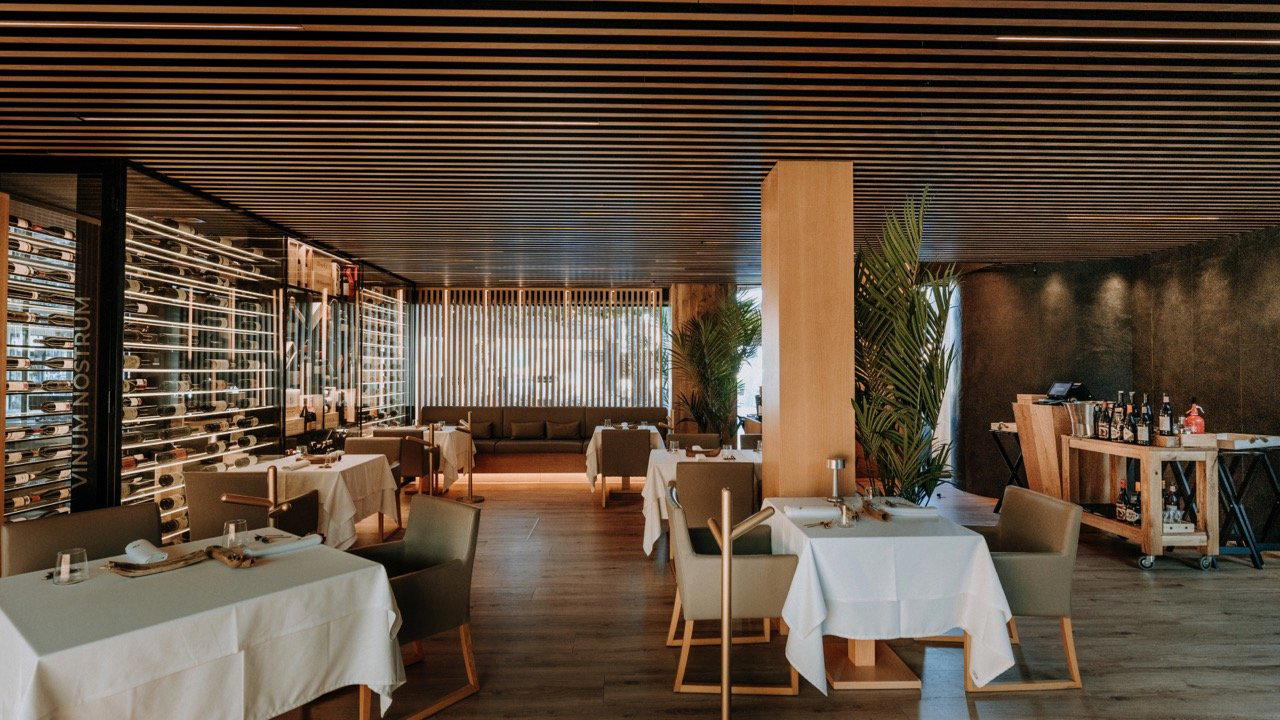
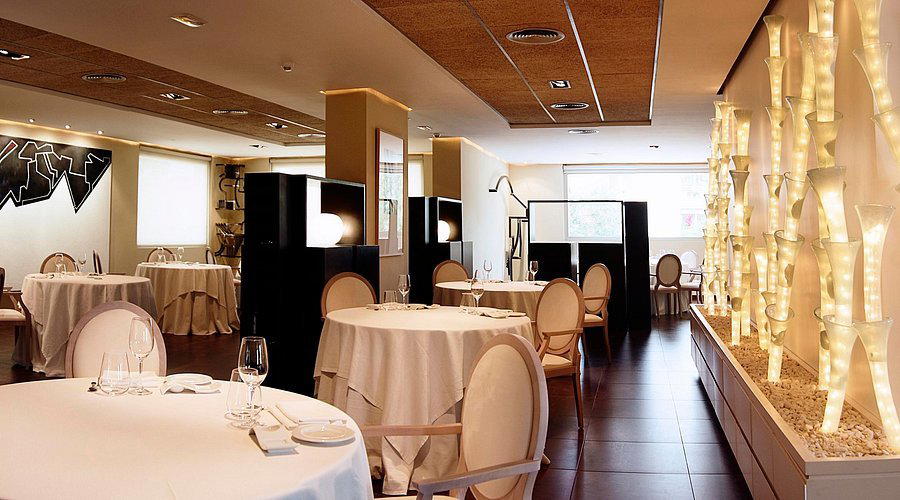
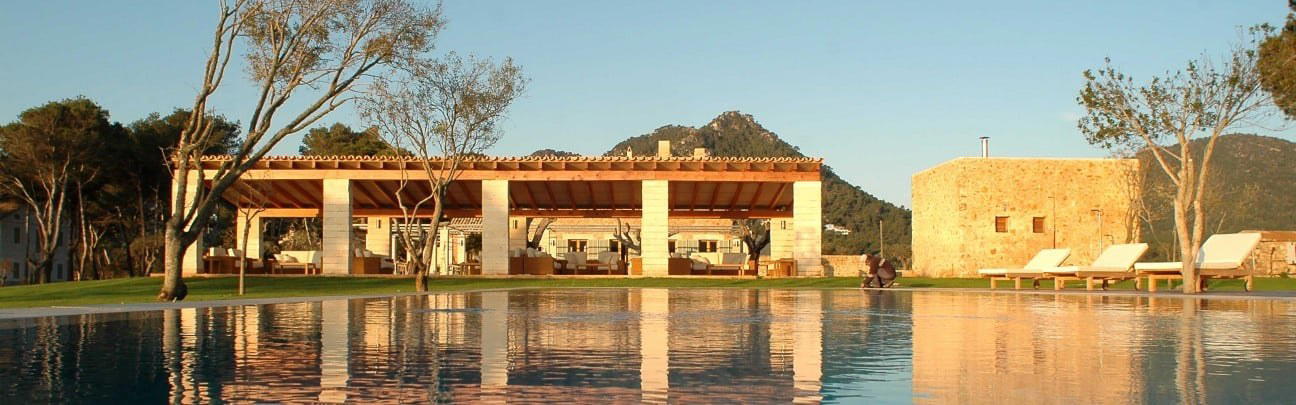
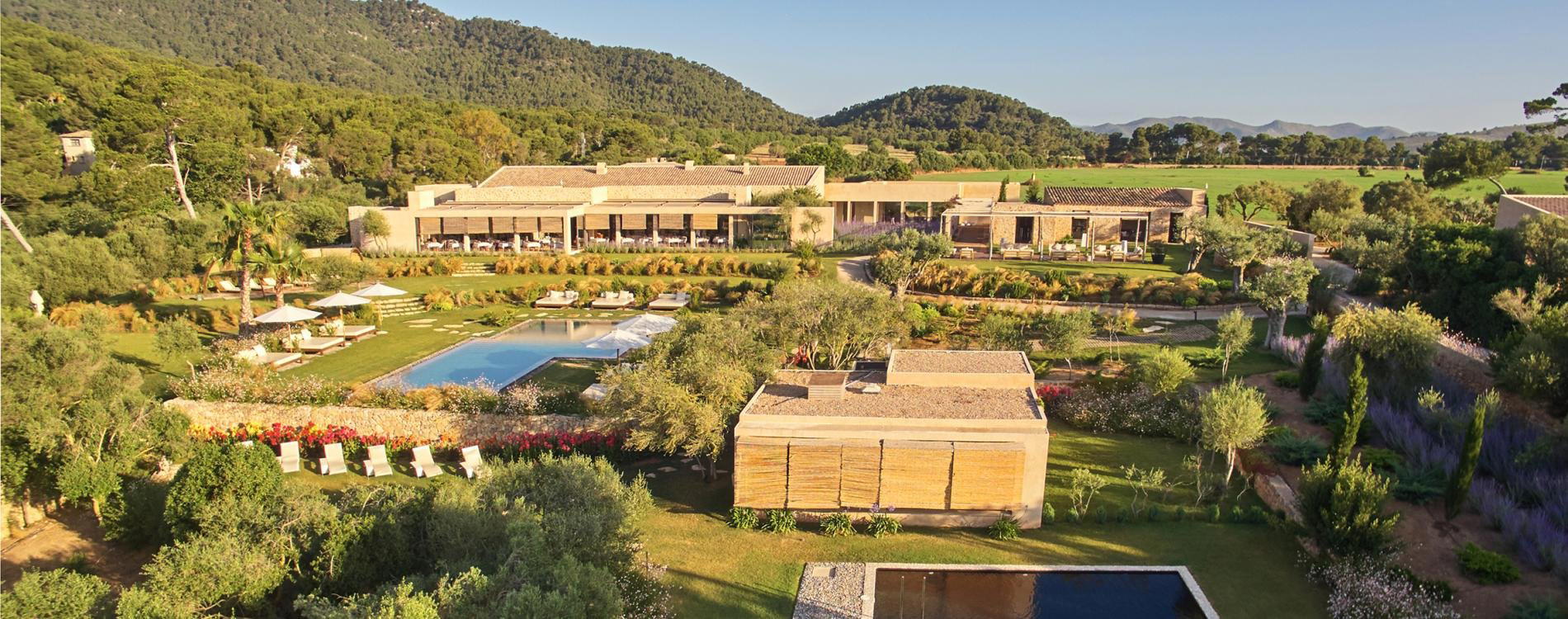
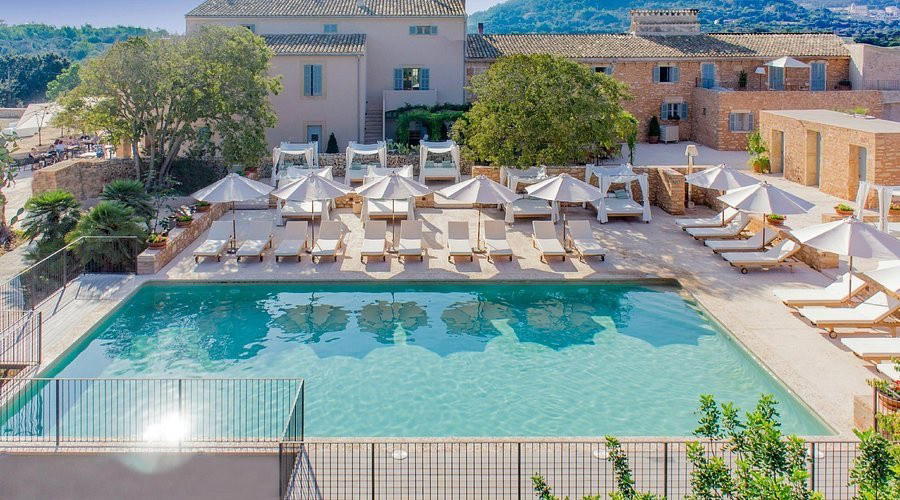
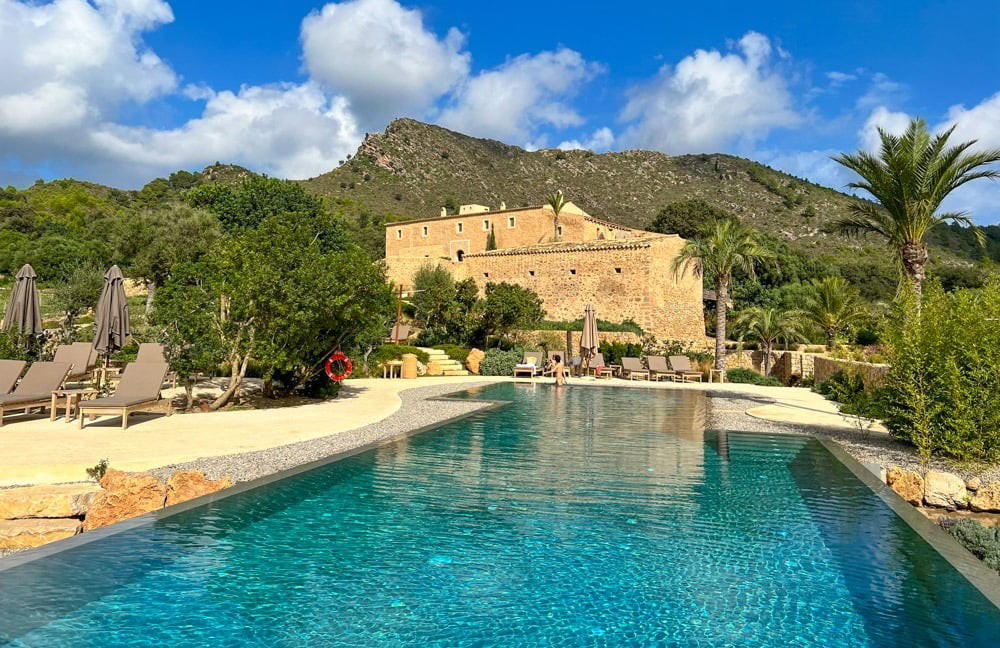
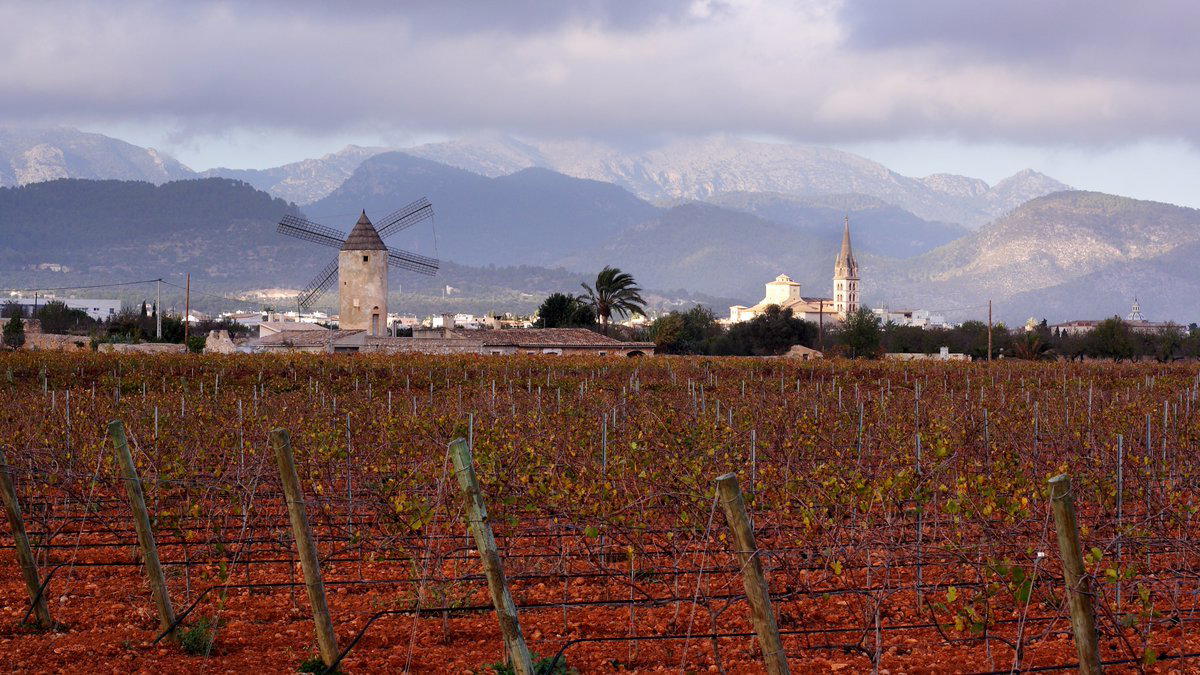
The northeast corner of Mallorca holds a different register from the island's more trafficked resort zones. Canyamel sits quietly between limestone cliffs and pine-covered hills above the sea, and the approach to Voro — occupying a dedicated building within the Cap Vermell Grand Hotel complex on the Atalaya de Canyamel urbanisation — carries that same studied restraint. High ceilings open the dining room upward; the architecture gives the space a quality of deliberate calm that matches the format inside. This is not the kind of room that competes for attention with what arrives on the plate.
The restaurant's name comes from the Latin vorare, meaning to devour, a word with enough urgency in it to signal that this is not purely a contemplative exercise in refinement. What Chef Álvaro Salazar constructs across his two tasting menus is something more propulsive: a cuisine that references the Mediterranean as a living, historically layered tradition rather than as a backdrop for generic luxury hotel dining.
Spain's Fine-Dining Geography and Where Voro Sits Within It
Spain has produced some of Europe's most structurally ambitious fine dining over the past three decades. The country's creative kitchens, Arzak in San Sebastián, El Celler de Can Roca in Girona, Disfrutar in Barcelona, DiverXO in Madrid, Mugaritz in Errenteria, Azurmendi in Larrabetzu, Quique Dacosta in Dénia, and Aponiente in El Puerto de Santa María, have built their reputations through identifiable culinary philosophies that are deeply rooted in place. The Balearic Islands have historically sat at the edge of that conversation. Mallorca's fine-dining offering has grown meaningfully in recent years, but the island does not yet carry the same concentrated critical weight as the Basque Country or Catalonia. Within that context, a two-Michelin-star restaurant in a small coastal village on Mallorca's least-developed coastline is a meaningful development, not an expected one.
Voro earned its first Michelin star in 2023, when it was also recommended by Opinionated About Dining as one of Europe's leading new restaurants. By 2024 and into 2025, it held two Michelin stars and appeared on Opinionated About Dining's broader European rankings, reaching position 524 in 2025. La Liste, which aggregates critical opinion globally, scored the restaurant at 80.5 points in 2025 and raised that to 87 points in 2026. That trajectory, from new-restaurant recognition to sustained two-star holding with improving aggregator scores, places Voro in a small cohort of Spanish kitchens that have compounded credibility quickly rather than trading on inherited reputation.
On Mallorca itself, Voro occupies a different register from the island's other serious tables. DINS Santi Taura in Palma approaches Mallorcan tradition from a different angle; the comparison is useful precisely because it illustrates how much range the island's culinary identity now contains.
The Architecture of the Menus
The two tasting menus, named Voro and Devoro, share a structural conceit borrowed from astronomy rather than gastronomy. Each is divided into sections that follow the sun's path through the day: Dawn, Zenith, and Sunset. The framework is not purely decorative. It organises flavour progression, ingredient weight, and cooking intensity around a natural arc, a choice that connects the format to the Mediterranean environment outside rather than treating the restaurant as a sealed creative laboratory.
Both menus operate as tasting-menu formats at the top of the price range, consistent with the €€€€ positioning. The content mixes seasonal dishes with signature plates that have become fixtures of the restaurant's identity over its short history. Each dish, according to La Liste's documentation, references a specific element: the chef's professional record, his origins in Linares, Jaén, the produce and traditions of Mallorca, or the broader Mediterranean basin. This approach to narrative within a menu is common enough in the two- and three-star world, but Salazar's version draws on a geographic spread that is unusually wide, pulling Andalusian inland food culture into the same sequence as Balearic seafood and Mediterranean produce.
That Jaén reference point matters editorially. Inland Andalusia, olive oil country, game, legumes, mountain produce, rarely appears in the fine-dining conversation with the same frequency as coastal Spanish ingredients. Its presence in a Mallorcan kitchen run at this level suggests a cuisine that is genuinely trying to map multiple Spanish food traditions rather than simply refining local ingredients through French technique, the more conventional path in hotel fine dining.
The Mallorcan Context
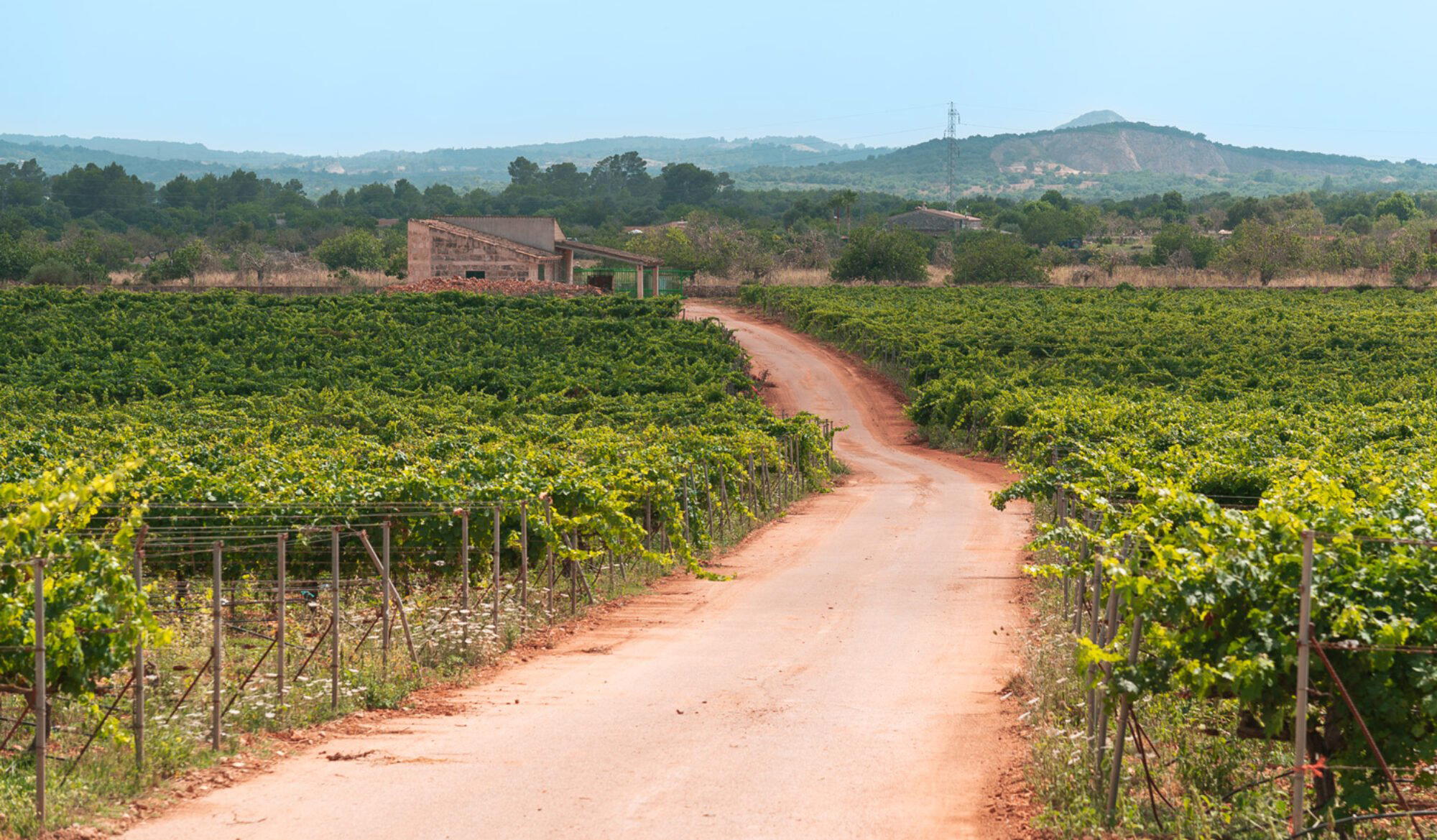
Mallorca's culinary identity is older and more specific than its resort-tourism image implies. The island has its own language, Mallorqui, its own bread traditions, its own sobrassada and ensaïmada, a distinct approach to pork and to the sea. The northeast coast, where Canyamel sits, has access to some of the island's cleanest fishing grounds; the absence of major tourist infrastructure along this stretch is partly why the marine environment has remained in better condition than areas to the southwest. A kitchen committed to Mediterranean roots has better raw material to work with here than it would in a more developed zone.
Voro's hotel-restaurant format is also worth examining in context. Hotel fine dining in Europe operates across a wide spectrum, from rooms that exist primarily to justify a five-star designation to kitchens that are genuinely autonomous creative projects using hotel infrastructure as a funding mechanism. The Cap Vermell Grand Hotel provides the physical and financial base; the restaurant operates in a separate building and maintains its own critical identity. That separation, both architectural and reputational, is a meaningful signal of intent.
For visitors exploring the northeast of the island, Canyamel also offers strong alternatives at different registers. Can Simoneta and Sa Pleta by Marc Fosh represent the area's Mediterranean dining at a less formal pitch. The broader picture of where to eat, stay, and spend time in the area is available through our full Canyamel restaurants guide, as well as guides to hotels, bars, wineries, and experiences in Canyamel.
Planning a Visit
Voro operates Tuesday through Saturday, with a single evening service running from 7 to 9 pm. It is closed on Sundays and Mondays. The narrow service window and the restaurant's growing international reputation mean that forward planning is essential, particularly during the summer months when the northeast of Mallorca draws visitors from across Europe. The address is Urb. Atalaya de Canyamel, Vial A2, 12, Mallorca, placing it within the Cap Vermell Grand Hotel complex above the village. The price range sits at €€€€, consistent with two-star tasting-menu dining across Spain and Europe.
For those building a broader itinerary around Spain's serious kitchens, the reference points are clear: Martin Berasategui in Lasarte-Oria and Le Bernardin in New York City occupy the same price tier and critical standing globally, which gives a useful calibration for expectations and investment before booking.
Frequently asked questions
What's the signature dish at Voro?
Cuisine Lens
| Venue | Cuisine | Price | Awards |
|---|---|---|---|
| VoroThis venue — the venue you are viewing | Modern Mediterranean Fine Dining | $200–300 | 2 Michelin Stars · La Liste Top Restaurants |
| Aponiente | Progressive - Seafood, Creative | Not listed | Michelin 3 Star |
| Arzak | Modern Basque, Creative | Not listed | Michelin 3 Star |
| DiverXO | Progressive - Asian, Creative | Not listed | Michelin 3 Star |
| El Celler de Can Roca | Progressive Spanish, Creative | Not listed | Michelin 3 Star |
| Quique Dacosta | Creative | Not listed | Michelin 3 Star |
Recognition history
Dated appearances from independent guides and award organizations, with the underlying list record or original source where available.
Michelin 2 Stars
Michelin
La Liste Top Restaurants
La Liste
Guía Repsol 3 Soles
Guía Repsol
Opinionated About Dining Top Restaurants in Europe Recommended
Opinionated About Dining
Full recognition history (10 entries)
La Liste Top Restaurants
La Liste
Michelin 2 Stars
Michelin
Opinionated About Dining Top Restaurants in Europe Ranked #524
Opinionated About Dining
Michelin 2 Stars
Michelin
Opinionated About Dining Top Restaurants in Europe Ranked #545
Opinionated About Dining
Opinionated About Dining Top New Restaurants in Europe Recommended
Opinionated About Dining
Continue exploring
More in Canyamel
Restaurants in Canyamel
Browse all →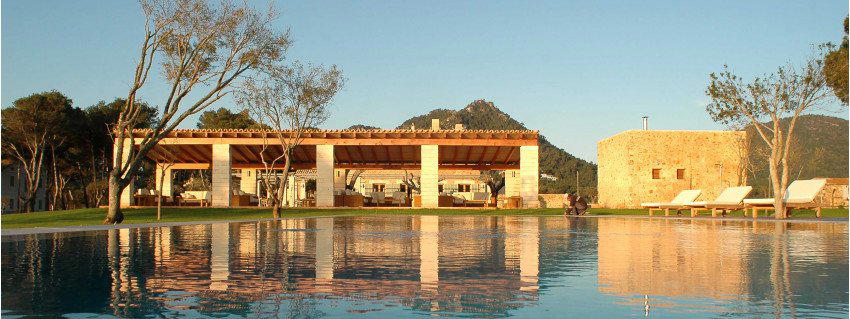
Bars in Canyamel
Browse all →
Hotels in Canyamel
Browse all →

Details
- Elegant
- Sophisticated
- Intimate
- Modern
- Special Occasion
- Celebration
- Date Night
- Private Dining
- Open Kitchen
- Design Destination
- Hotel Restaurant
- Extensive Wine List
- Sommelier Led
- Local Sourcing
- Farm To Table
- Tasting Menu
- Set Menu
- Wine Pairing
- Natural Wines
- Gluten Free Options
- Allergy Accommodating
- Vegetarian Friendly
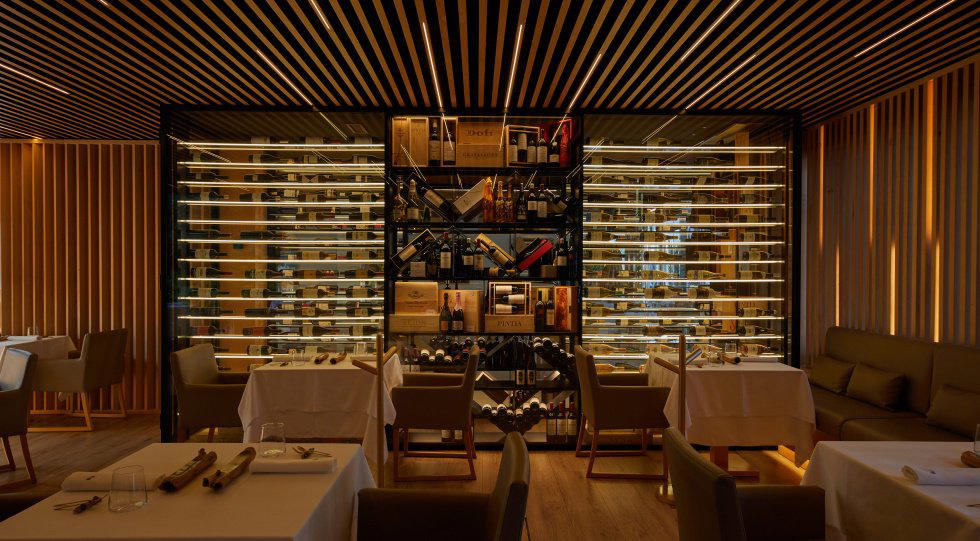
Elegant dining spaces with high ceilings, subtle lighting, and refined decor that creates an intimate yet sophisticated atmosphere designed for contemplative culinary exploration.