Mesa de Lemos


1 Michelin Star · Wine Enthusiast Best Winery Restaurant 2026
Our verdict
A Michelin-starred restaurant set inside a fully glazed building among the Dão vineyards of central Portugal, Mesa de Lemos earns its 2024 star through two tasting menus that draw directly from the estate's own cellar and surrounding small producers. Chef Diogo Rocha's creative cooking is grounded in regional tradition, and the estate wine pairings make the agricultural setting part of the dining logic rather than mere backdrop.

Pearl is the En Primeur Club membership app — saves, bookings, and concierge access live there. Same editors, same standards.
- Address
- Mesa de Lemos, 3500-541 Silgueiros, Portugal
- Phone
- +351 961 158 503
- Hours
- Mon–Tue ClosedWed–Thu 7 PM–12 AMFri–Sat 12–3 PM, 7 PM–12 AMSun 12–3 PM
- Website
- mesadelemos.com
- Directions
- Get directions
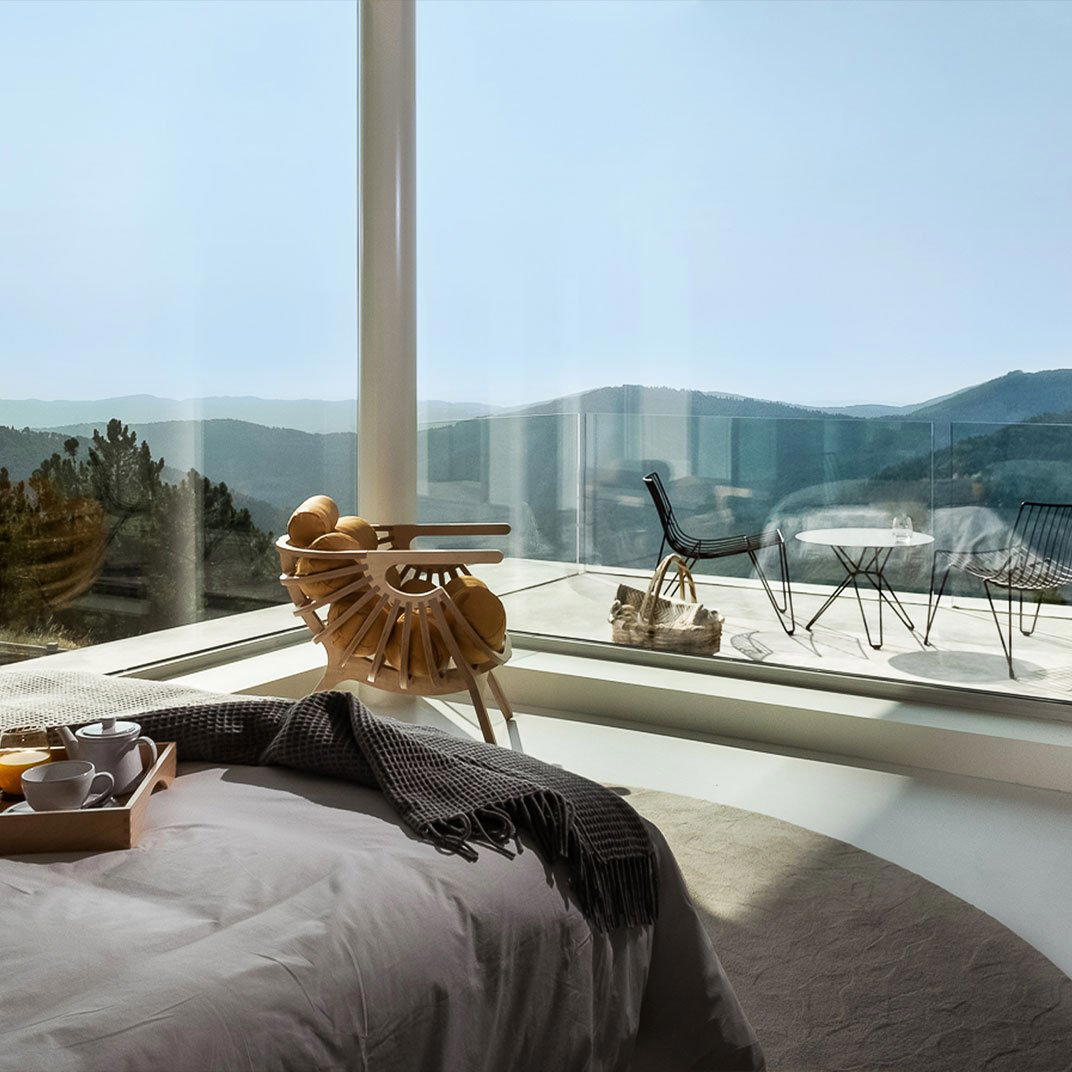
Glass, Vines, and the Logic of Place
There is a particular discipline to building a restaurant in a wine estate and actually meaning it. Across Portugal's interior, properties that promise estate-to-table provenance often deliver something closer to estate-adjacent produce with a generic tasting menu bolted on. The Dão region, planted with Touriga Nacional and Encruzado in the granite-soiled hills of central Portugal, has long deserved a table that takes its terroir as seriously as its wineries do. Mesa de Lemos, set among the vineyards outside Passos de Silgueiros, operates on a different logic: the produce that appears on the plate is either grown on the estate itself or sourced from small local producers, and the wines poured through the pairing come directly from the property's own cellar. That circularity is the premise, and the kitchen's job is to make it compelling course by course.
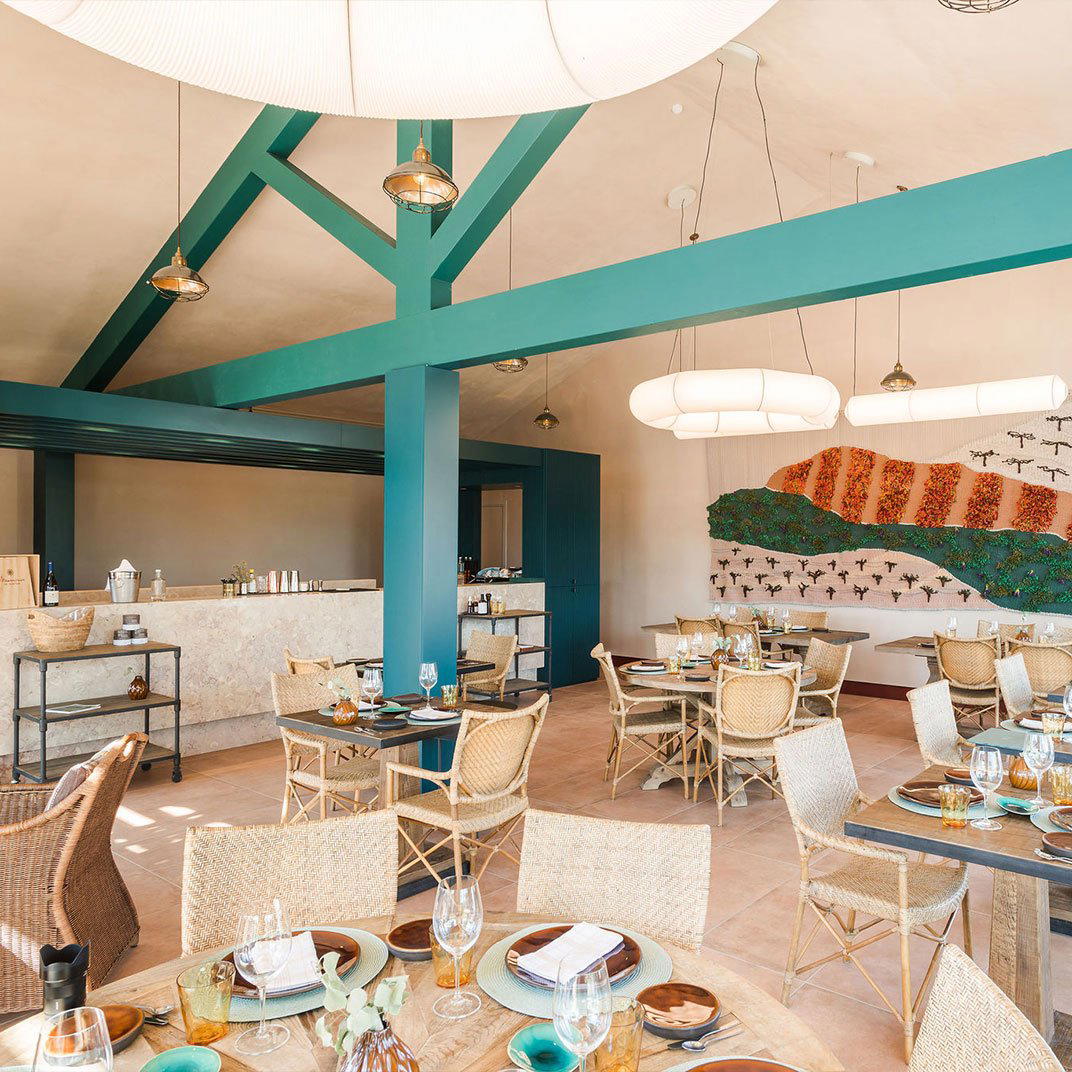
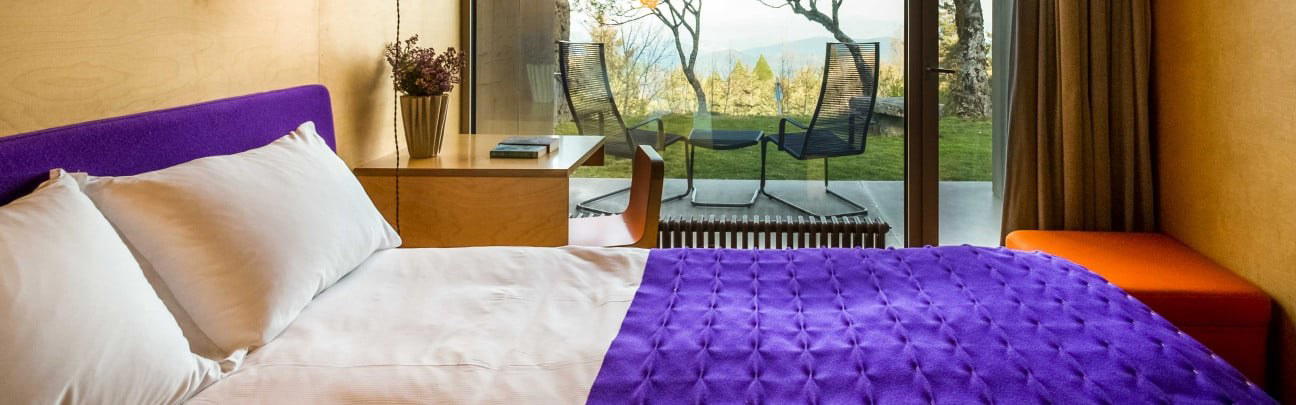
The building announces itself before you reach the door. Fully glazed and low to the ground, it reads against the vine rows with a clarity that most rural restaurants avoid, either from budget or timidity. At night, the lit interior does become a kind of lantern in the surrounding dark — not a metaphor, but a physical fact that gives the arrival its particular weight. By day, the panoramic glass frames the vineyard in a way that makes the sourcing argument visual from the first moment you sit down. The architecture and the menu are making the same point.
Two Menus, One Source
Mesa de Lemos offers two tasting menu formats: the Lemos menu and the Chef menu. Both operate within the same editorial logic of regional produce and seasonal availability, but the Chef menu is understood to push further into technique and interpretation. The price tier sits at €€€€, placing the restaurant in the same bracket as Belcanto in Lisbon, Antiqvvm in Porto, and Casa de Chá da Boa Nova in Leça da Palmeira — all Michelin-recognised Portuguese tables at the top end of the domestic pricing structure. What separates Mesa de Lemos from several of those urban peers is the degree to which geography is a working ingredient rather than a branding choice.
The Dão sits between the Beira Alta plateau and the Estrela mountains, and its producers tend toward smaller-scale farming with varieties and methods that rarely reach export markets. When a kitchen commits to sourcing within that radius, the seasonal constraints are real: spring brings different options than late autumn, and the menu's shape changes accordingly. This is not unusual in principle among contemporary European tasting menu restaurants, but it is meaningful in degree. At this address, the estate vineyard is visible through the dining room window, and the wine being poured was made from grapes grown in the same soil that frames the view. That specific alignment is harder to manufacture than the usual promises of local sourcing.
The Sourcing Framework and What It Produces
The creative cuisine that Chef Diogo Rocha produces at Mesa de Lemos builds on traditional Portuguese foundations rather than departing from them. The distinction matters. A number of Portugal's top-end tasting menus in the €€€€ tier treat classical technique and local produce as material to be deconstructed and reimagined into something internationally legible. That approach has produced strong results at places like Ocean in Porches and Il Gallo d'Oro in Funchal. Mesa de Lemos works from a different angle: technique is in service of the ingredient's character rather than its transformation. Flavours, as the kitchen frames it, are honoured first, explored second.
Practical result of this philosophy shows up in how the wine pairing functions. Estate wines anchor the pairing rather than a curated selection from across Portugal or wider Europe. This is a meaningful editorial constraint. The Dão's white wines, built primarily on Encruzado, tend toward texture and controlled freshness; the reds, led by Touriga Nacional, carry structure and aromatic precision. A kitchen working within those parameters needs to construct courses that respond to the wines it has, which is a discipline that clarifies rather than limits the cooking. The analogy is closer to a chef who writes a menu around what arrived that morning from the market, except the market here is a working estate producing its own vintages.
For a comparative reference on how sourcing-led creative menus operate at this level elsewhere in Europe, Alléno Paris au Pavillon Ledoyen and Enrico Bartolini in Milan represent the urban, multi-starred end of creative cuisine. Mesa de Lemos occupies a different position: a single Michelin star, earned in 2024, within a rural estate setting that makes the sourcing argument structurally unavoidable rather than rhetorically convenient.
Where Mesa de Lemos Sits in the Portuguese Fine Dining Picture
Portugal's Michelin map has expanded significantly in the past decade, with recognition spreading beyond Lisbon and the Algarve into the Douro, the Minho, and now the Dão. A Cozinha in Guimarães and The Yeatman in Vila Nova de Gaia represent the northern tier of this expansion, both working within strong regional identities. Mesa de Lemos fills a gap in the centre of the country, where serious wine production has historically existed without a corresponding fine dining anchor.
The 2024 Michelin star places Mesa de Lemos in an emerging tier of estate-based and rurally situated Portuguese restaurants that are drawing destination diners beyond the coastal circuit. For travellers who have already covered Vila Joya in Albufeira or Bon Bon in Lagoa in the Algarve, or who are familiar with A Ver Tavira in Tavira and Al Sud in Lagos, Mesa de Lemos represents a structurally different type of visit: a destination in its own geographic right, requiring a stay in or around Viseu rather than a side trip from a larger hub.
Planning a Visit
The restaurant sits at Silgueiros, a short drive from Viseu, which is the nearest city of scale and the logical base for the Dão wine region. Viseu has its own accommodation range, and the surrounding countryside offers estate stays for those wanting the full rural immersion. Given the tasting menu format and the wine pairing depth, the experience is designed for an evening that extends unhurried across multiple courses, which makes driving logistics worth planning in advance if the estate wines are on your list.
Booking at a Michelin-starred, single-sitting estate restaurant in a wine region that has recently attracted broader international attention is worth approaching early, particularly for weekend evenings. Mesa de Lemos operates at the €€€€ price point, so the commitment is both financial and temporal, arriving with a clear dinner window and a plan for the night's accommodation makes the meal more coherent as an experience. The glazed building at sunset, the described views across the vineyards, and the estate pairing are all elements that favour arriving before dark for the full visual argument to land.
For further planning across the region, see our full Passos de Silgueiros restaurants guide, our full Passos de Silgueiros hotels guide, our full Passos de Silgueiros bars guide, our full Passos de Silgueiros wineries guide, and our full Passos de Silgueiros experiences guide.
Frequently asked questions
Is Mesa de Lemos okay with children?
Mesa de Lemos operates at the €€€€ price point with two multi-course tasting menu formats, the Lemos and Chef menus, running at a pace set by creative, technique-driven cooking. The extended duration and wine-pairing structure make this a difficult fit for young children. Families travelling through the Dão region with older teenagers who are comfortable at a formal table may find it manageable, but the format is built around adult dining.
What's the vibe at Mesa de Lemos?
The fully glazed building set among Dão vineyards means the surrounding landscape is always present at the table — the light shifts through the meal, and sunsets over the estate are a known feature of evening sittings. It is quiet, considered, and architecturally serious, with the Michelin star (2024) setting expectations for formality. Estate wines drive the pairings, which grounds the experience firmly in a specific place rather than a generic fine dining register.
What awards or recognition does Mesa de Lemos have?
Mesa de Lemos has received recognition including: This restaurant will undoubtedly surprise you, as it is an architectural and culinary oasis that lights up the serene Dão wine region like… a true beacon at night! Through two tasting menus (Lemos and Chef), Chef Diogo Rocha delivers a crea….
What dish is Mesa de Lemos famous for?
What the 2024 Michelin star does confirm is that the kitchen's approach, building creative cooking on traditional Portuguese foundations with estate and local-producer sourcing, produces food that rewards the recognition. The menus shift with seasonal availability, so the specific compositions change rather than anchoring to a fixed calling card.
| Venue | Cuisine | Price | Awards |
|---|---|---|---|
| Mesa de LemosThis venue — the venue you are viewing | Modern Portuguese Fine Dining | $100–150 | 1 Michelin Star · Wine Enthusiast Best Winery Restaurant 2026 |
| Belcanto | Modern Portugese, Creative | Not listed | Michelin 2 Star |
| Casa de Chá da Boa Nova | Portugese, Seafood | Not listed | Michelin 2 Star |
| Ocean | Contemporary European, Creative | Not listed | Michelin 2 Star |
| 50 seconds from Martin Berasategui | Progressive Spanish | Not listed | Michelin 1 Star |
| Eleven | Portugese, Creative | Not listed | Michelin 1 Star |
Recognition history
Dated appearances from independent guides and award organizations, with the underlying list record or original source where available.
Michelin 1 Star
Michelin
Wine Enthusiast Best Winery Restaurant 2026
Wine Enthusiast
Full recognition history (4 entries)
Michelin 1 Star
Michelin
Michelin 1 Star
Michelin
Continue exploring
More in Passos de Silgueiros
Restaurants in Passos de Silgueiros
Browse all →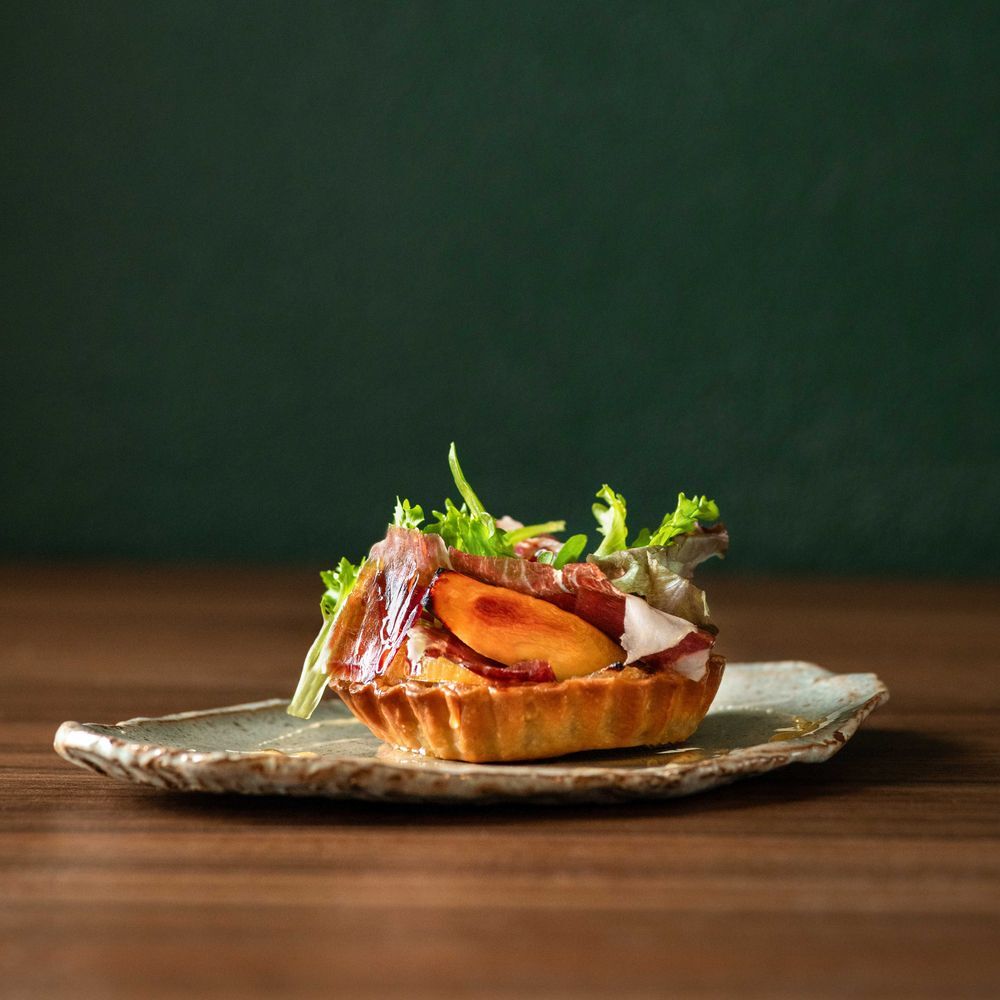
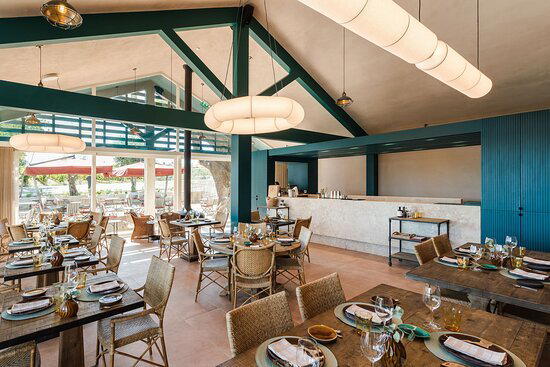
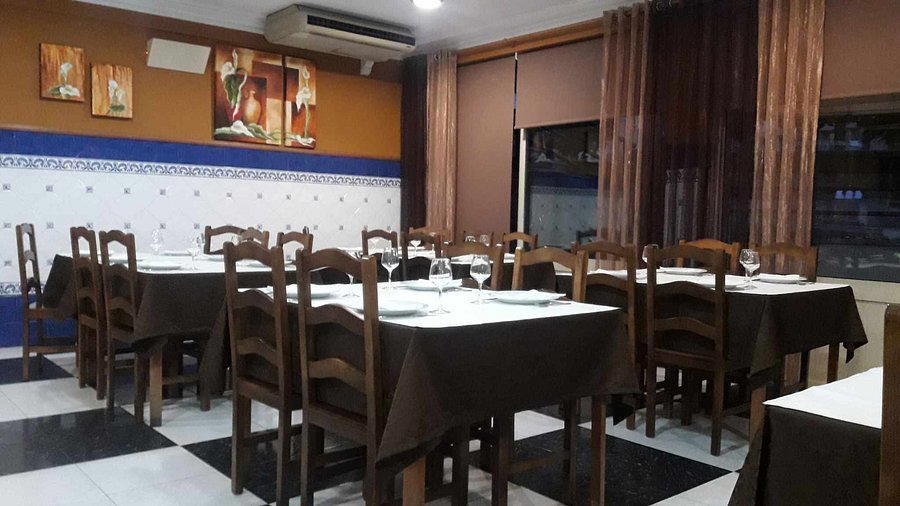
Bars in Passos de Silgueiros
Browse all →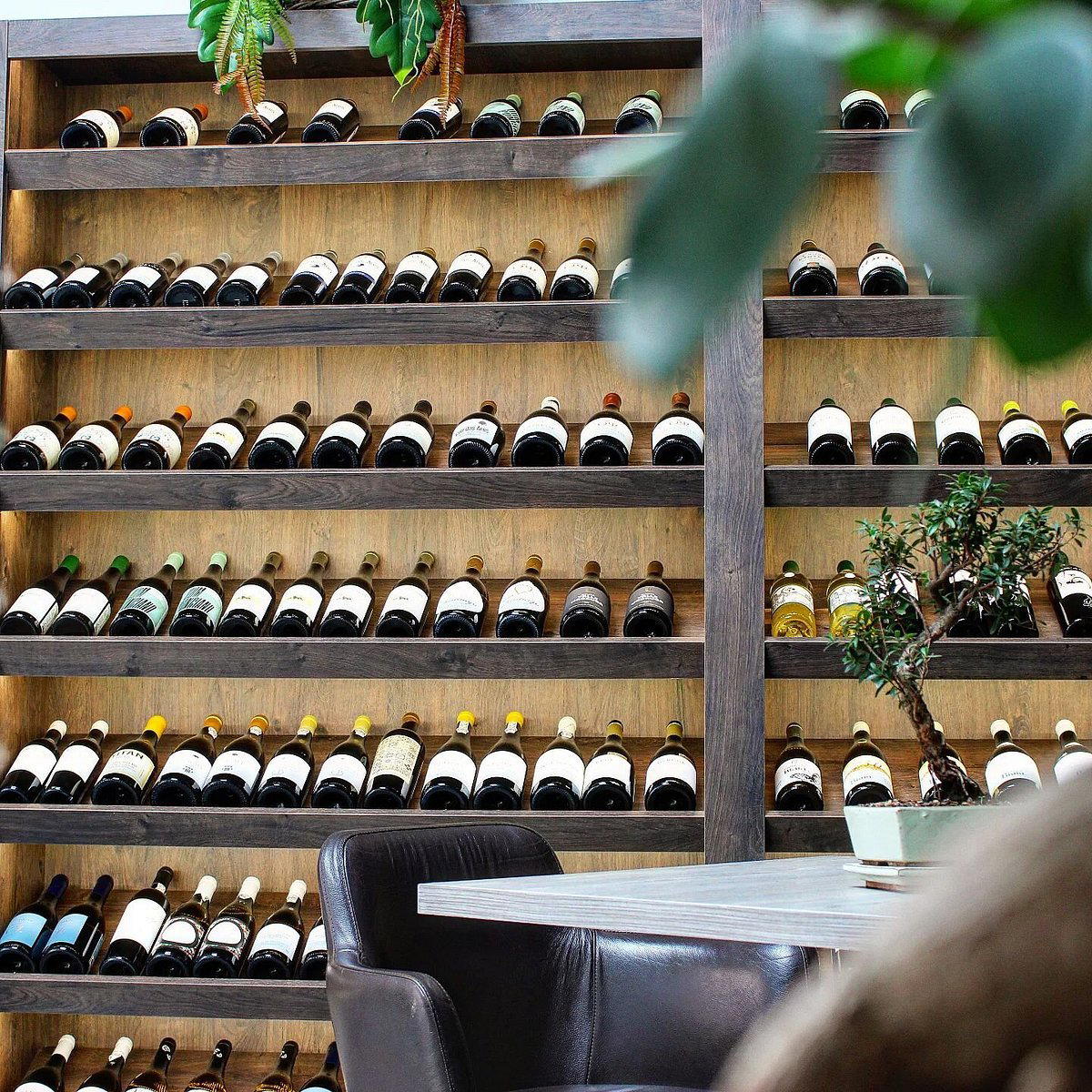
Hotels in Passos de Silgueiros
Browse all →

Mesa de Lemos
The wine
- Wine program
- Exceptional wine program
- Extensive wine list
- Sommelier-led
Details
- Romantic
- Elegant
- Modern
- Scenic
- Sophisticated
- Date Night
- Special Occasion
- Business Dinner
- Open Kitchen
- Terrace
- Extensive Wine List
- Sommelier Led
- Farm To Table
- Local Sourcing
- Vineyard
- Mountain
- Tasting Menu
- Quinta De Lemos Wines
- Vegetarian Friendly
Current opening hours
- Monday
- Closed
- Tuesday
- Closed
- Wednesday
- 7 PM–12 AM
- Thursday
- 7 PM–12 AM
- Friday
- 12–3 PM, 7 PM–12 AM
- Saturday
- 12–3 PM, 7 PM–12 AM
- Sunday
- 12–3 PM
Hours can change for holidays and private events. Last verified .
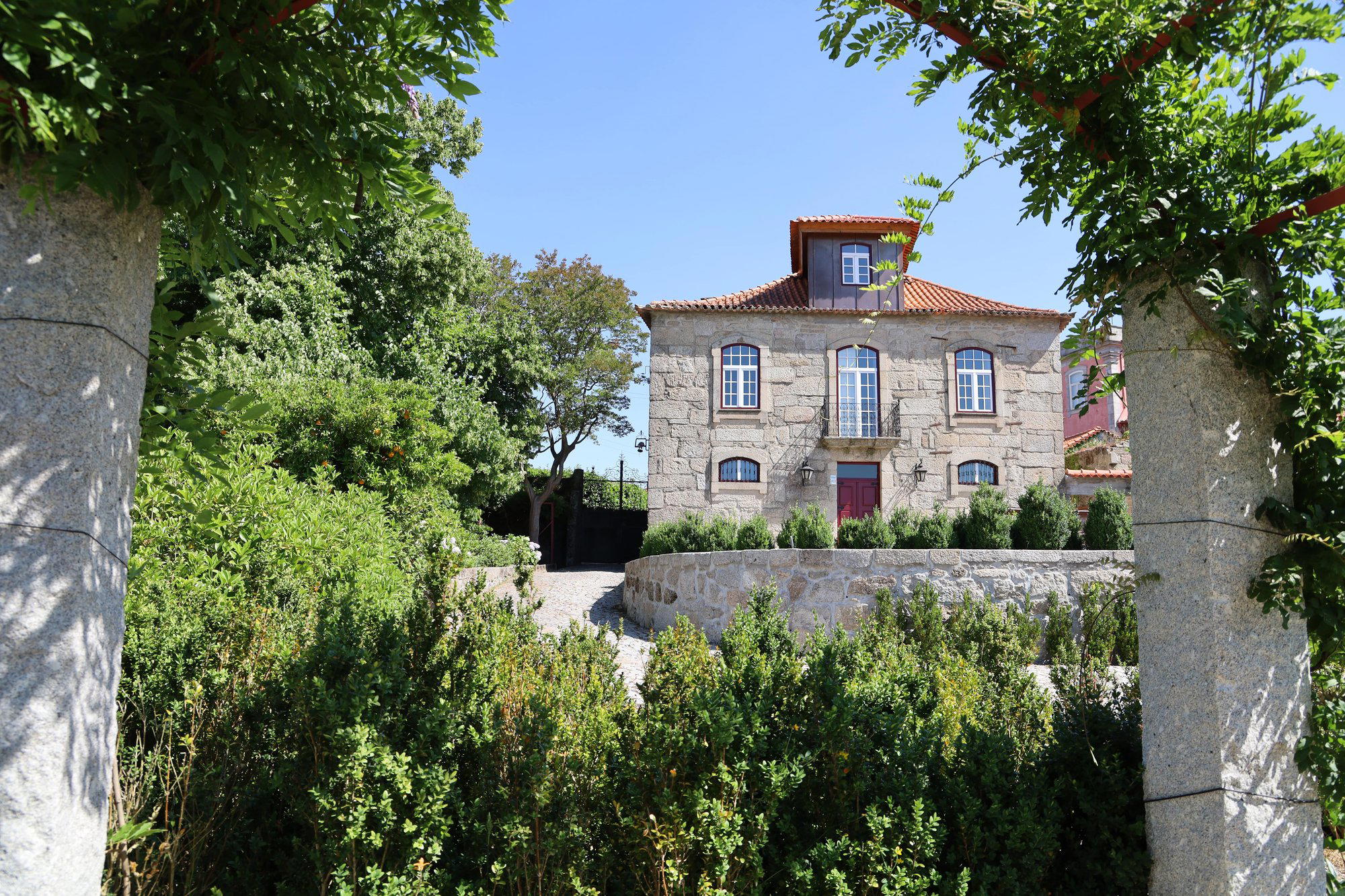
Modern, elegant space with panoramic vineyard views, comfortable dining room, natural light, and a serene, sophisticated atmosphere.