Cliveden House





2 Michelin Keys · La Liste Top Hotels · Relais Chateaux Award
A 17th-century Italianate mansion set within 376 acres of National Trust-managed parkland above the River Thames, Cliveden House carries more than 350 years of documented history — from the first performance of 'Rule Britannia' to the Profumo affair. Rated 94.5 points by La Liste in 2026 and priced from US$648 per night, it occupies a distinct position among England's country house hotels, within 40 minutes of central London.

Pearl is the En Primeur Club membership app — saves, bookings, and concierge access live there. Same editors, same standards.
- Address
- Taplow, Maidenhead SL6 0JF
- Phone
- +44 1628 668561
- Website
- clivedenhouse.co.uk
- Directions
- Get directions
A House That History Kept Rewriting
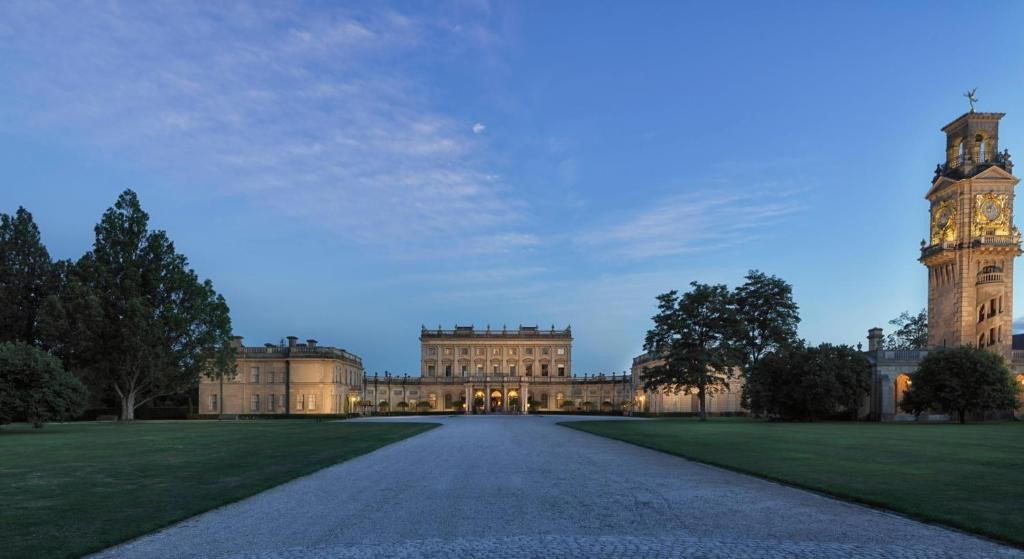
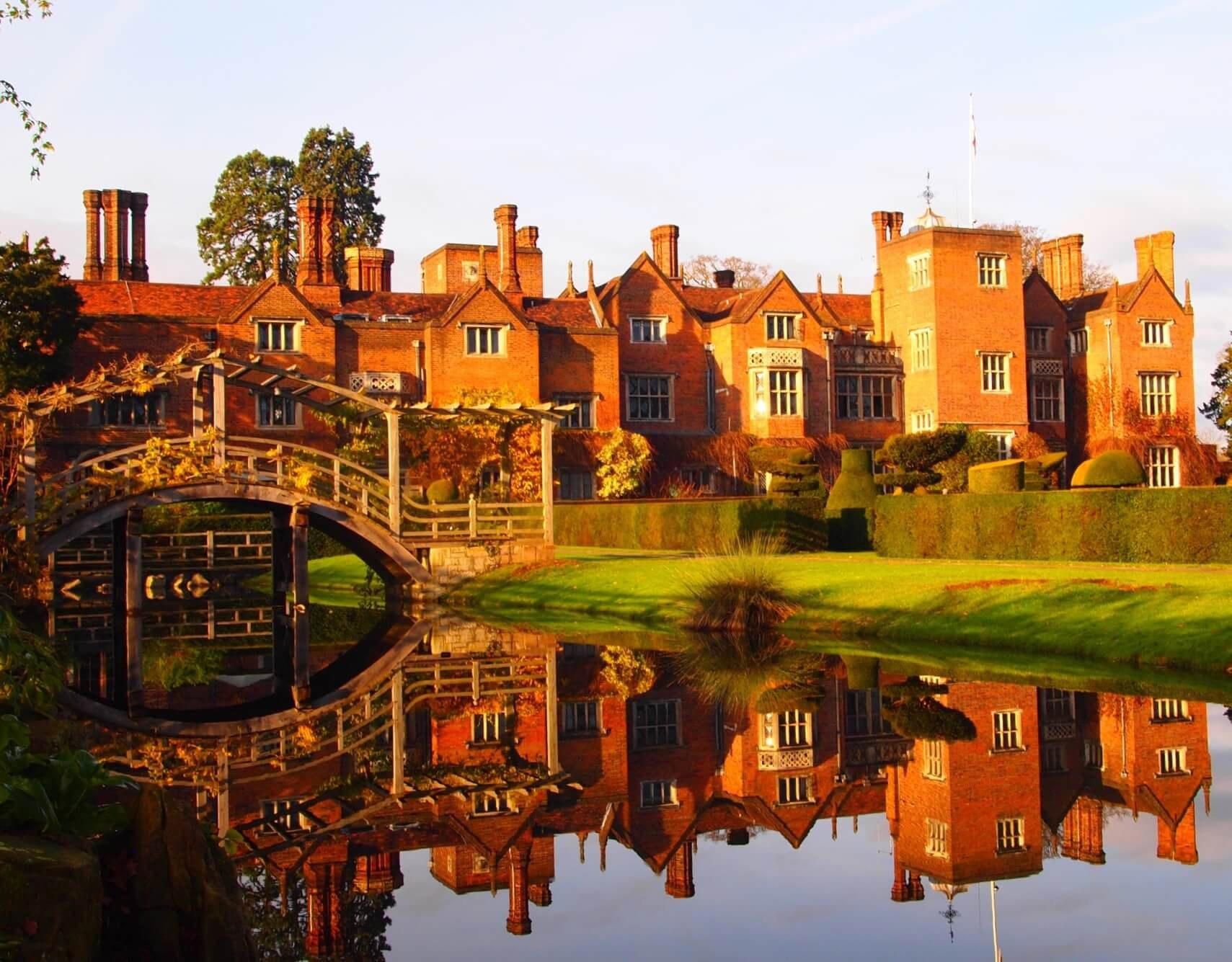
Approaching Cliveden, the driveway does most of the editorial work. The tree-lined avenue opens onto an Italianate palazzo that feels less like a hotel arrival and more like a state occasion — the main facade is that considered, that deliberate. This is a building that was designed to communicate power, and three centuries of accumulated history have done nothing to soften the message. The 17th-century mansion sits above the River Thames on a terrace of Berkshire chalk, with 376 acres of National Trust-managed Grade I listed gardens and parkland forming the frame. Before a guest reaches the front door, the scale of the project is already clear.
England's country house hotel category has expanded considerably over the past two decades, absorbing everything from converted rectories to working farms. Within that range, a smaller cohort occupies the monumental tier: properties where the architecture itself is the primary credential, where the grounds are a protected designation, and where the historical associations are documented rather than decorative. Cliveden sits in that upper bracket.
The Architecture as Argument
The current structure dates to 1851, when Charles Barry — the architect responsible for the Houses of Parliament, rebuilt the house in the Italianate style following an earlier fire. The choice of Barry, and the choice of style, was deliberate. The palazzo format carried specific associations in Victorian England: it signalled wealth that was cosmopolitan rather than merely territorial, taste that referenced Rome rather than the English vernacular. The result is a building that reads as a statement about its owners' ambitions as much as their resources.
What distinguishes Cliveden architecturally from comparable English country houses is the relationship between the main structure and its grounds. The six-acre Parterre, visible from the mansion's principal rooms, is one of the largest formal garden features in the country. The amphitheatre on the estate, where 'Rule Britannia' received its first performance in 1740, predates the current house, evidence that this land was orchestrated for spectacle long before Barry arrived. The gardens are managed by the National Trust, which creates an unusual operational arrangement: portions of the grounds are open to the public during daylight hours, placing paying hotel guests within a semi-public heritage site. The estate is large enough to absorb this without friction for most visitors, though those seeking complete enclosure should note the Spring Cottage option on the Thames riverbank.
Rooms Named, Not Numbered
The 39 rooms and suites at Cliveden follow a convention that reflects the house's self-understanding: each is named after a documented guest or resident rather than assigned a number. The Chaplin room references Charlie Chaplin's stays; the Gladstone suite looks out over the Walled Garden from a private terrace; the Lady Astor Suite houses John Singer Sargent's original portrait of Nancy Astor. This is not theming in the boutique-hotel sense, it is the physical archive of a guest list that ran from George I through to 20th-century cultural figures. Every British monarch since George I has visited the property.
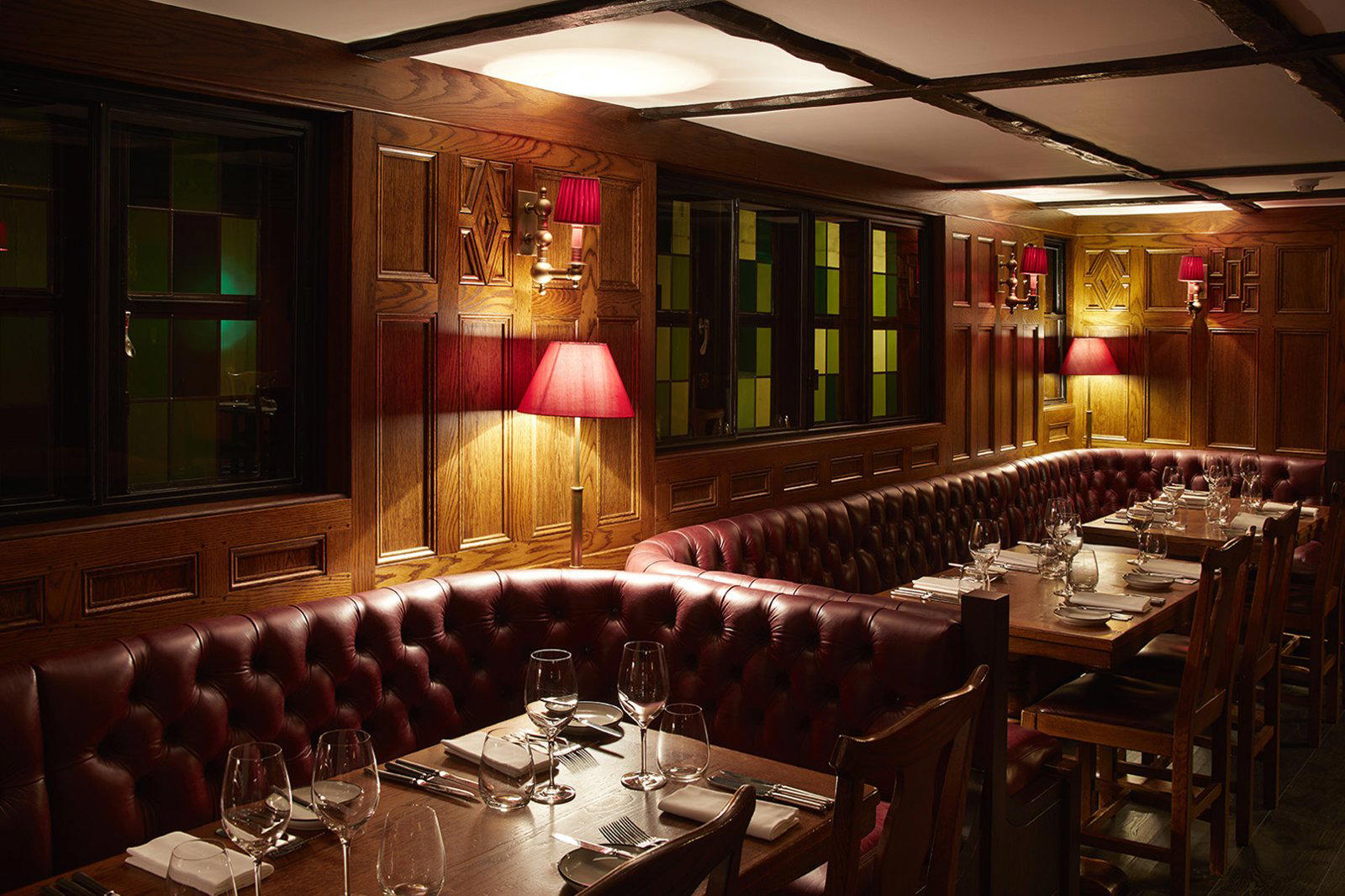
Room categories range from club and classic deluxe doubles through hot tub and mansion rooms to junior, deluxe, and mansion house parterre suites. The interiors carry antique furniture and original artworks throughout, with warm wooden panelling and substantial drapes as the consistent register. No two rooms share an identical layout, a function of the original house's architectural logic rather than deliberate variety. For larger parties, the three-bedroom Spring Cottage on the Thames accommodates six guests and operates with a dedicated butler and a chauffeur-driven car connecting it to the main house. Rates begin at US$648 per night, with the published anchor price sitting at US$709.
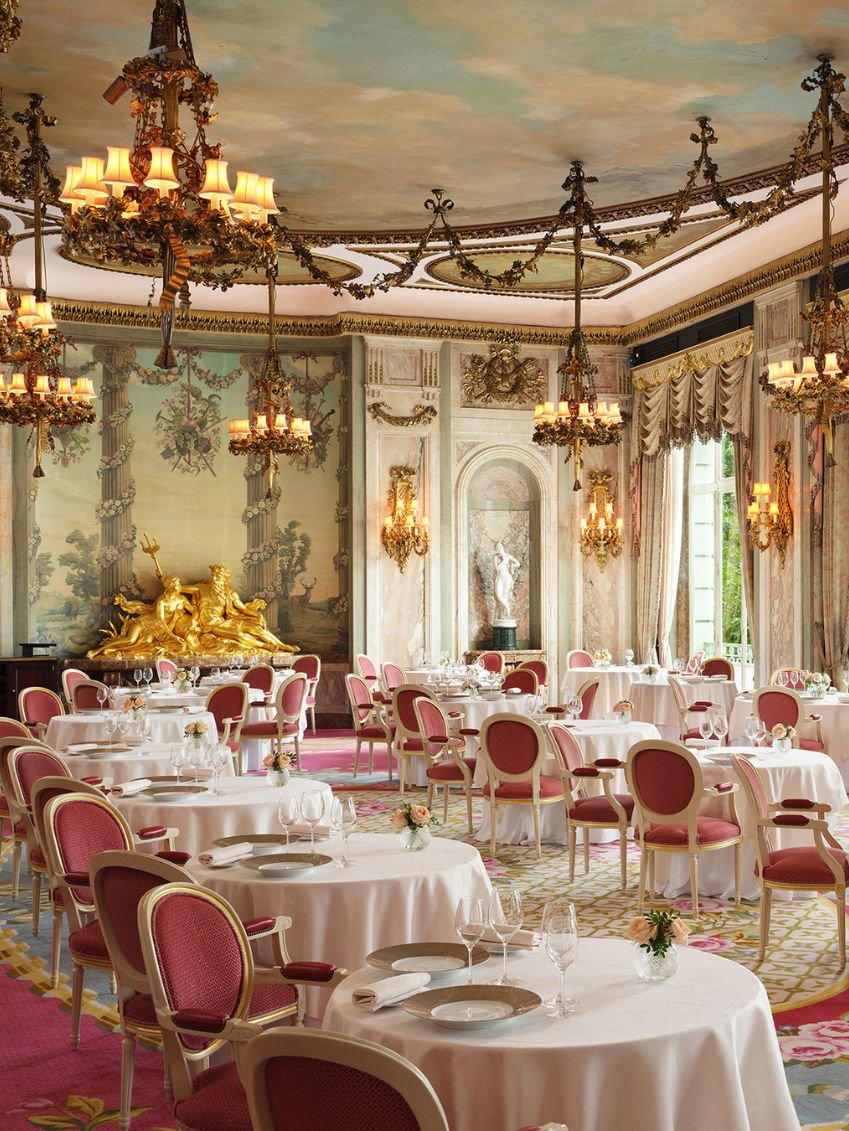
The formal dining room operates on a dress-for-dinner basis, a social instruction that reflects the house's continued positioning rather than nostalgia. At check-in, a butler handles the arrival formalities; the minibar convention is replaced with decanted drinks. These operational details are consistent with the property's positioning at the upper end of England's country house tier, comparable in register (if distinct in character) to Claridge's in London or Gleneagles in Auchterarder.
History as Infrastructure
The Profumo affair of 1961, the political scandal that centred on the swimming pool at Cliveden and contributed to the fall of a Conservative government, is the event most commonly cited in connection with the property's 20th-century history. The Astor era that preceded it produced the kind of house party guest list that political biographers still reference: Churchill, Chaplin, Lawrence, Lennon, and an extended cohort of writers, politicians, and cultural figures whose visits are documented in the historical record. The house's awards section makes a point of noting that fortunes were made and plots hatched within these walls, language that acknowledges the property's reputation as a place where social occasion shaded into consequence.
For a country house hotel, this creates an unusual asset. Most properties in the category rely on architectural distinction or landscape setting as their primary draw. Cliveden has both, plus a documented political and cultural history that extends across three centuries. La Liste's 2026 ranking awarded the property 94.5 points, placing it in the upper tier of the global hotel index, a rating that reflects the compound weight of architecture, grounds, service register, and historical significance rather than any single category.
The Grounds as Primary Experience
The gardens deserve separate attention because they operate on a scale that most English country house hotels cannot match. The six-acre Parterre is the centrepiece, but the 376-acre estate includes woodland, riverside paths, the walled garden housing the Cliveden Spa, and direct access to the Thames. Boating on the river is an available activity, with a champagne evening tour in a vintage launch representing the most formal version of that option. The amphitheatre, dating to the pre-Barry estate period, is a structural relic that places 'Rule Britannia', first performed there in 1740, in its original physical context.
The Cliveden Spa occupies the walled garden, with indoor and outdoor pools, separate steam rooms and saunas, and a gym. A membership programme exists for guests who visit with sufficient frequency to make the arrangement worthwhile, offering spa access, tennis centre privileges, fitness classes, and preferential accommodation rates. Tennis and squash courts are available on the estate.
Getting There and Planning a Stay
Cliveden sits at GPS coordinates 51.5583, -0. The property's proximity to Heathrow makes it a credible pre- or post-flight option for long-haul travellers, a logistical advantage that few comparable English country house estates can claim.
For context on the wider region's hospitality offer, our Babington House in Kilmersdon or Lime Wood in Lyndhurst, though neither carries the same weight of documented political history. For urban luxury at comparable price points, Hope Street Hotel in Liverpool, King Street Townhouse in Manchester, and Malmaison Edinburgh represent the city-property end of the British independent hotel spectrum. Further afield, Aman New York, The Fifth Avenue Hotel, and Aman Venice illustrate how the monumental-property format translates across different urban contexts. Scottish estate alternatives worth considering include Dun Aluinn in Aberfeldy, Monachyle Mhor in Stirling, and Langass Lodge in the Outer Hebrides. Coastal alternatives in England range from Lifeboat Inn in St Ives to Hell Bay Hotel in Bryher and Avon Gorge by Hotel du Vin in Bristol. Other properties worth comparing include Drakes Hotel in Brighton, Glasgow Grosvenor Hotel, Glen Mhor Hotel in the Highlands, Burts Hotel in Melrose, Muir, A Luxury Collection Hotel, in Halifax, and Ardbeg House in Port Ellen.
Comparable Venues
Comparable venues nearby, for context on price, style, and recognition.
| Venue | Cuisine | Price | Awards | Notes |
|---|---|---|---|---|
| Cliveden HouseThis venue — the venue you are viewing | Historic country house hotel with individually styled rooms blending medieval, Victorian, and mid-20th century aesthetics. | $500–750 | 2 Michelin Keys · La Liste Top Hotels | Not listed |
| The Berkeley | luxury 5-star hotel blending modern design with timeless elegance | Not listed | 2 Michelin Keys · La Liste Top Hotels | Belgravia |
| Beaverbrook Surrey | Historic English country house estate with modern luxury updates | Not listed | 2 Michelin Keys · La Liste Top Hotels | Surrey Hills |
| The Cadogan, A Belmond Hotel, London | Victorian townhouse transformed into a glamorous urban retreat blending heritage and modern luxury | $1,000–1,500 | 2 Michelin Keys · La Liste Top Hotels | Knightsbridge |
| The Dorchester | Well-known luxury palace hotel blending 1930s Art Deco heritage with contemporary sophistication, positioned as London's most prestigious address. | Not listed | 2 Michelin Keys · La Liste Top Hotels | Mayfair |
| Rosewood London | Luxury heritage property in restored Edwardian mansion. | Not listed | 2 Michelin Keys · World's 50 Best #56 | Lincoln's Inn |
Recognition history
Dated appearances from independent guides and award organizations, with the underlying list record or original source where available.
Michelin 2 Keys
Michelin
La Liste Top Hotels
La Liste
Forbes Recommended
Forbes
Relais Chateaux Award
Relais Chateaux
Virtuoso Luxury Hotel Partner
Virtuoso
Full recognition history (8 entries)
Forbes Recommended
Forbes
Michelin 2 Keys
Michelin
Relais Chateaux Award
Relais Chateaux
Continue exploring
More in Taplow
Hotels in Taplow
Browse all →
Bars in Taplow
Browse all →
Restaurants in Taplow
Browse all →

Details
- Elegant
- Sophisticated
- Ornate
- Classic
- Well Known
- Romantic Getaway
- Honeymoon
- Anniversary
- Weekend Escape
- Historic Building
- Garden
- Spa
- Pool
- Fitness Center
- Room Service
- Concierge
- Wi Fi
- Tennis
- Sauna
- Restaurant
- Garden
- Wheelchair Accessible
- Elevator
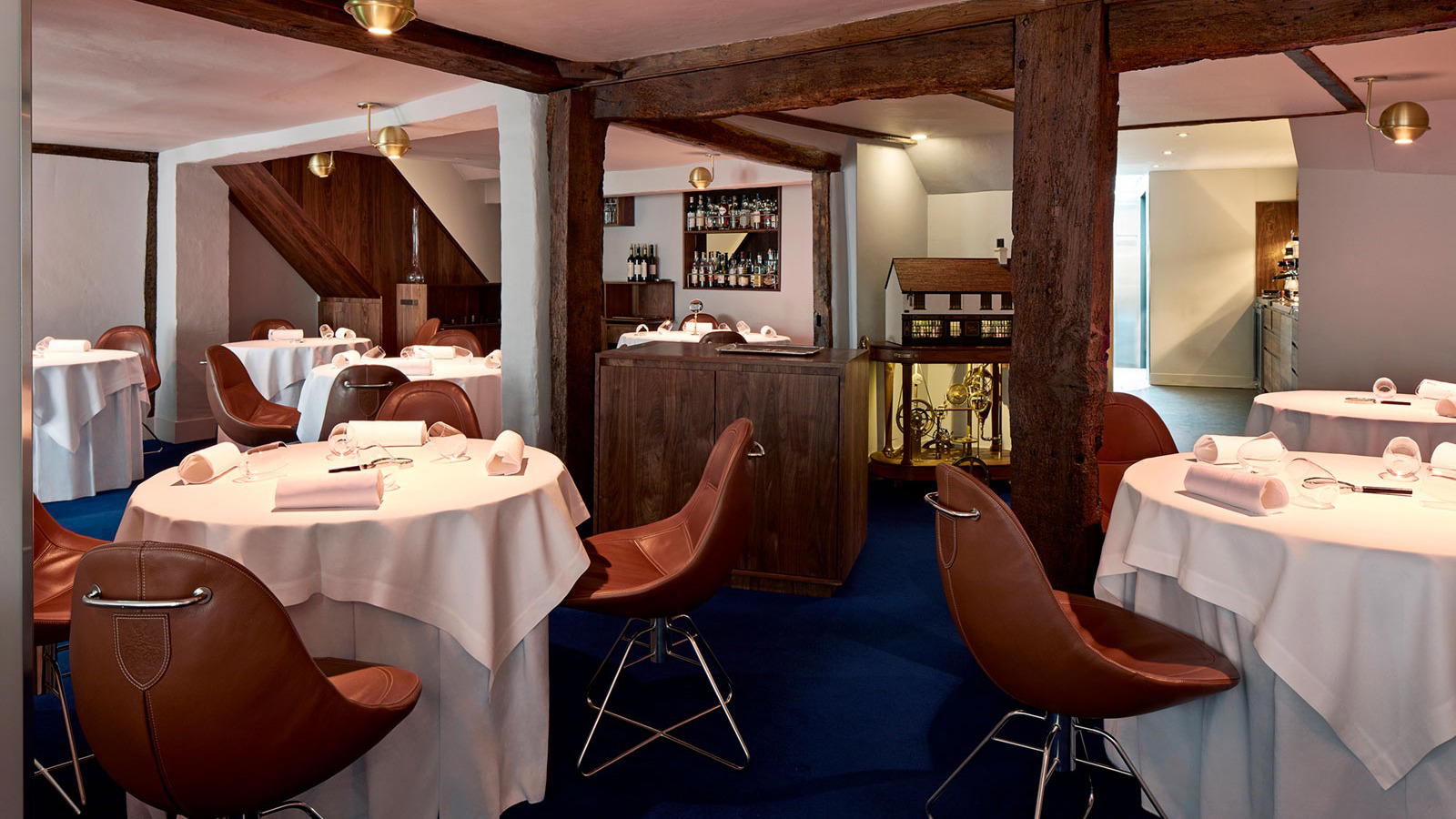
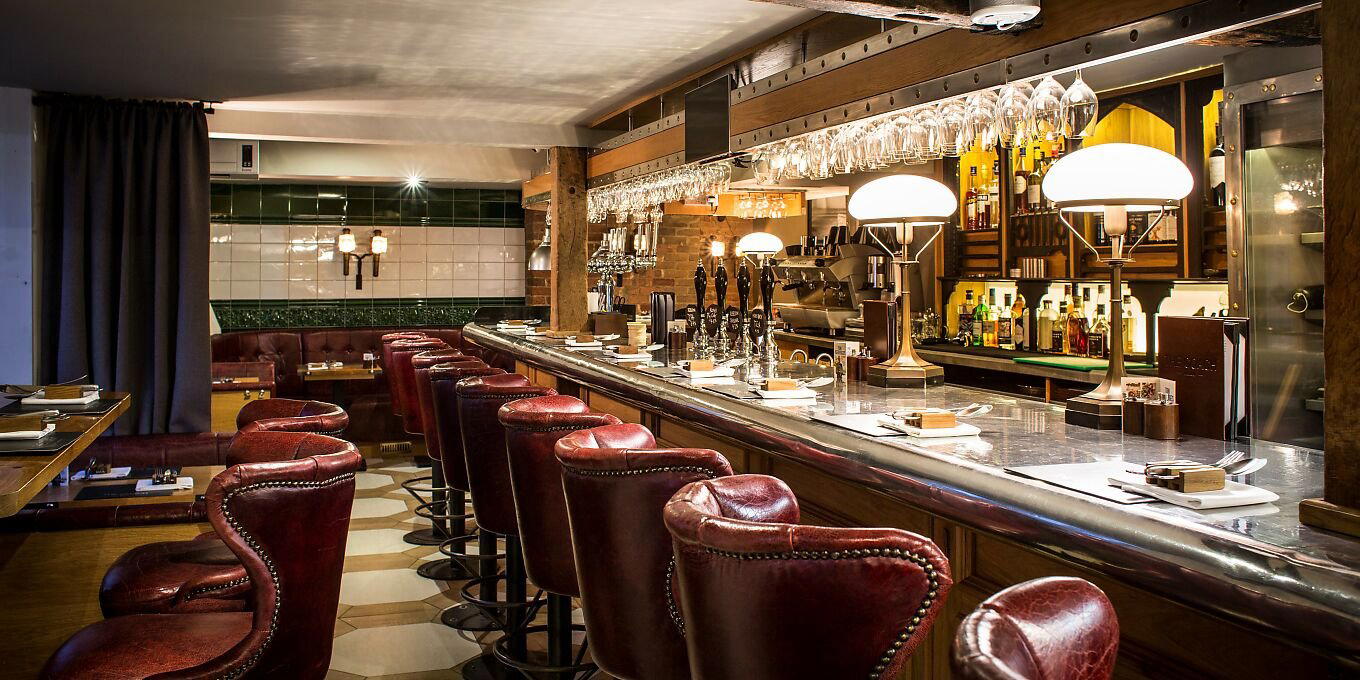
Elegant and atmospheric with historical antiques, fireplaces, and ornate interiors creating a luxurious, tranquil retreat amid dramatic grounds.