Lifeboat Inn, St Ives
The Lifeboat Inn occupies one of the most storied corners of St Ives harbour, where Wharf Road meets the working waterfront. Thick stone walls, low timber ceilings, and a position that places you within earshot of the tide make it a fixture of the town's pub culture rather than a destination layered on top of it. For visitors building a St Ives itinerary around the harbour quarter, it sits at the gravitational centre.

Pearl is the En Primeur Club membership app, where members save venues, book tables and use the concierge.
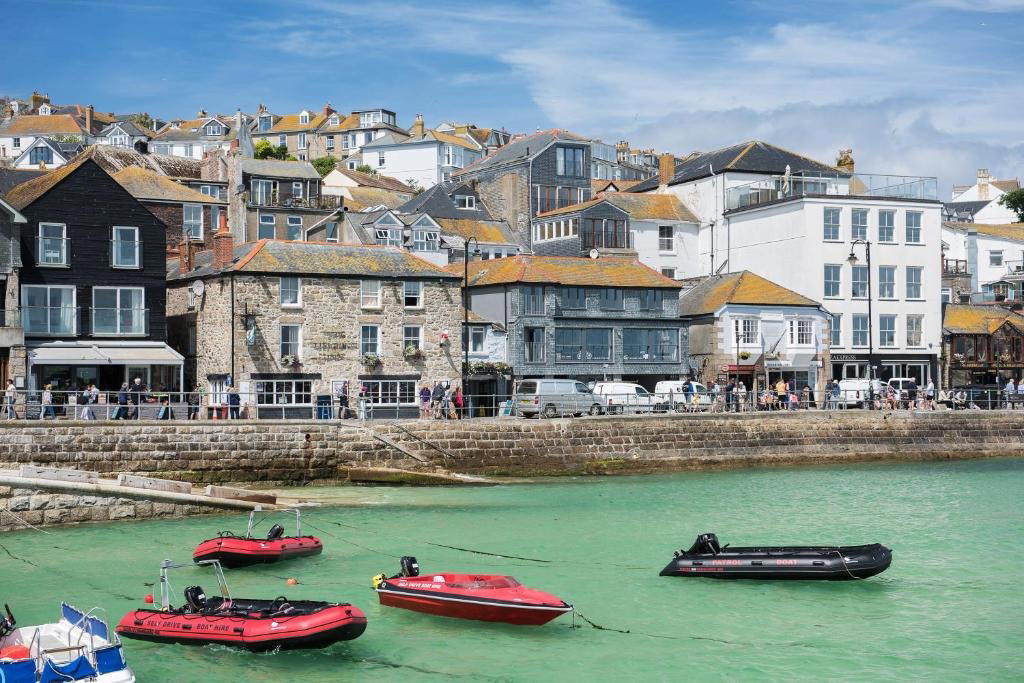
Stone, Timber, and the Pull of the Wharf
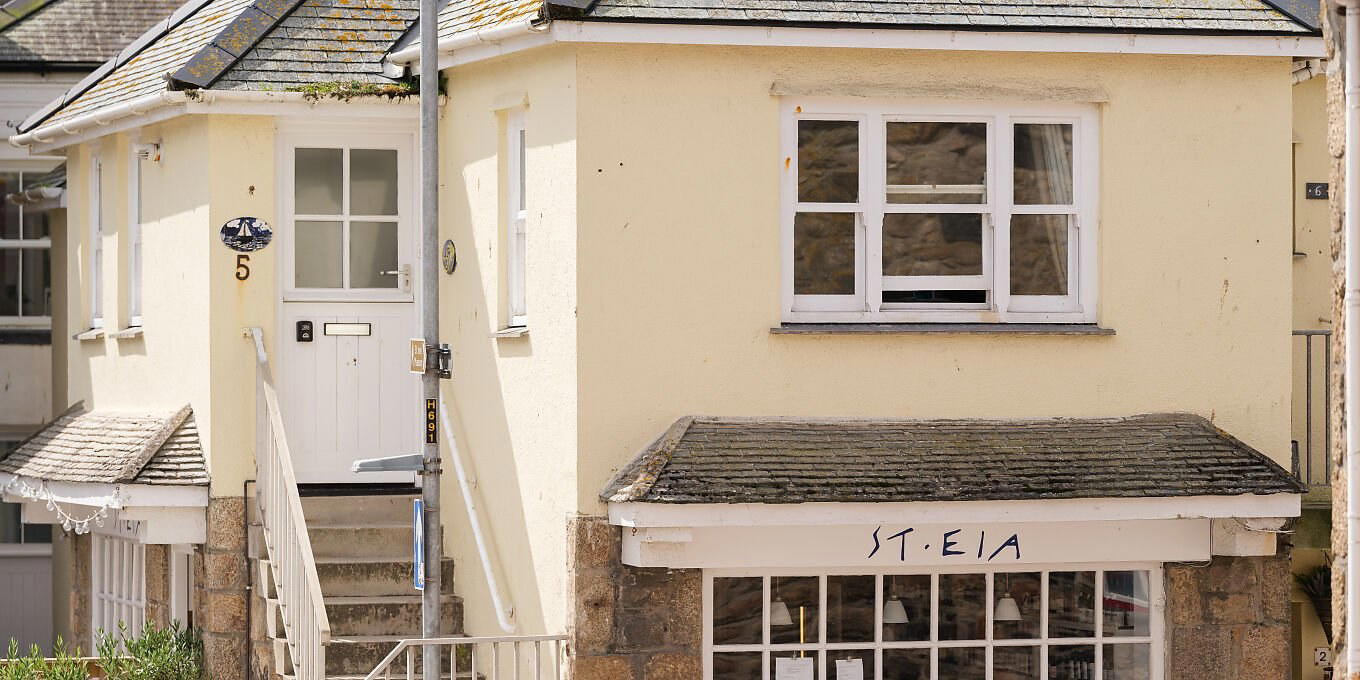
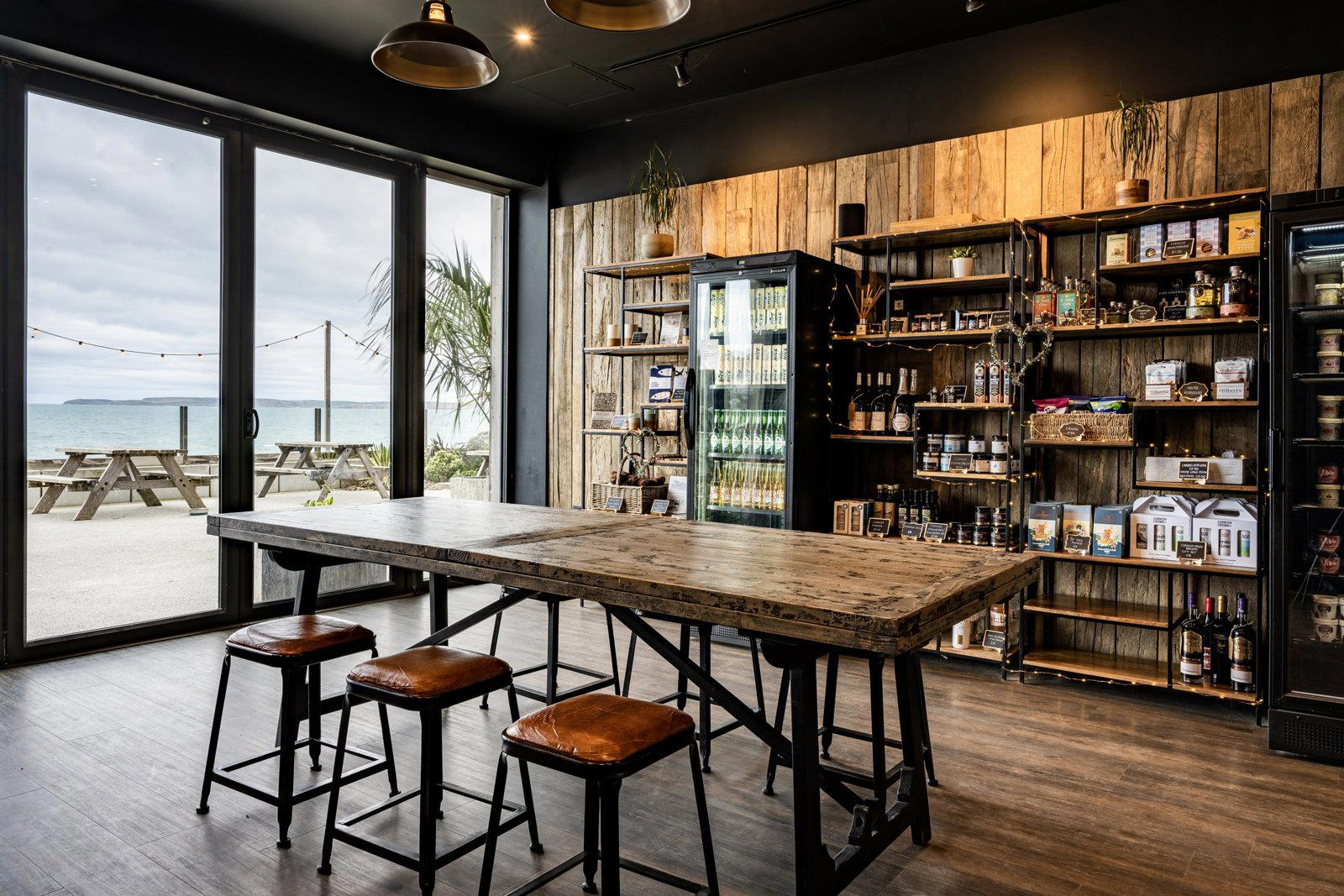
St Ives has two distinct pub registers. There are the interiors that have been sanded, repainted, and repositioned for seasonal trade, and there are the buildings that predate that conversation entirely. The Lifeboat Inn, on Wharf Road, belongs to the second category. The structure reads like much of the old harbour quarter: thick Cornish granite, low doorframes, ceilings that suggest centuries of accommodation rather than design intention. The architecture is not decorative. It is documentary, a record of what working waterfronts in the far southwest actually looked like before tourism became the dominant economy.
That physicality matters because it shapes everything that follows inside. Low timber beams compress the upper volume of the room, which keeps noise intimate rather than echoey. The stone walls absorb rather than bounce light, so evening here has a warmth that newer builds with bare brick or polished concrete cannot easily replicate. The position on Wharf Road means the harbour is not a view from the window so much as an immediate condition outside the door. This is a category of pub that British coastal towns still produce but increasingly struggle to preserve.
Where the Lifeboat Sits in the St Ives Pub Scene
St Ives operates on a fairly compressed geography. The harbour, the Island headland, and the Downlong district of fishermen's cottages occupy less than a square mile, and the density of hospitality options within that area is high relative to population. What differentiates venues in that environment is not cuisine tier or price point alone but relationship to place. A pub that sits on the working wharf, with a name drawn directly from the maritime rescue tradition that defined the town's social history, occupies a different position than a gastro-pub conversion on a side street.
The lifeboat station tradition in Cornish harbour towns is not incidental heritage branding. St Ives has had an operational RNLI presence since the nineteenth century, and the station remains active on the harbour today. A pub drawing its identity from that context is making a claim about continuity with the working town rather than with its visitor economy. That is a meaningful distinction in a place that receives the volume of summer visitors St Ives attracts.
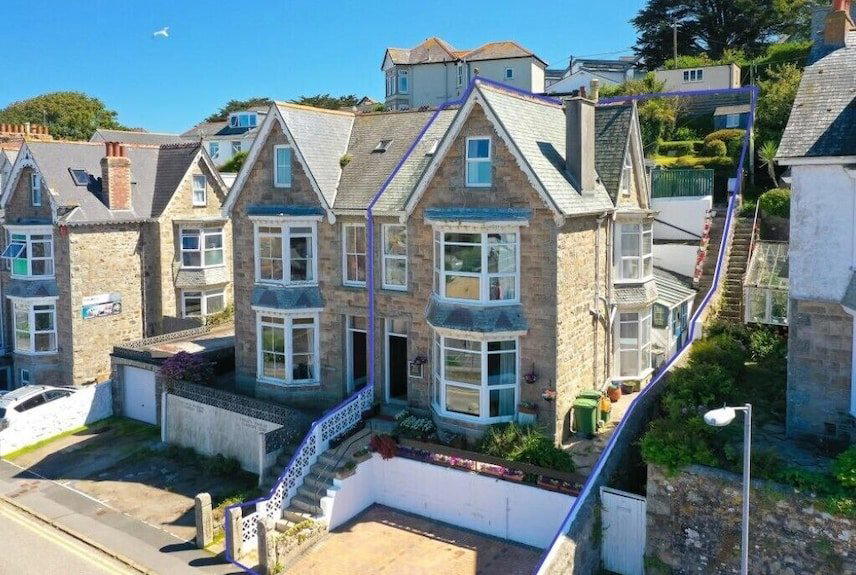
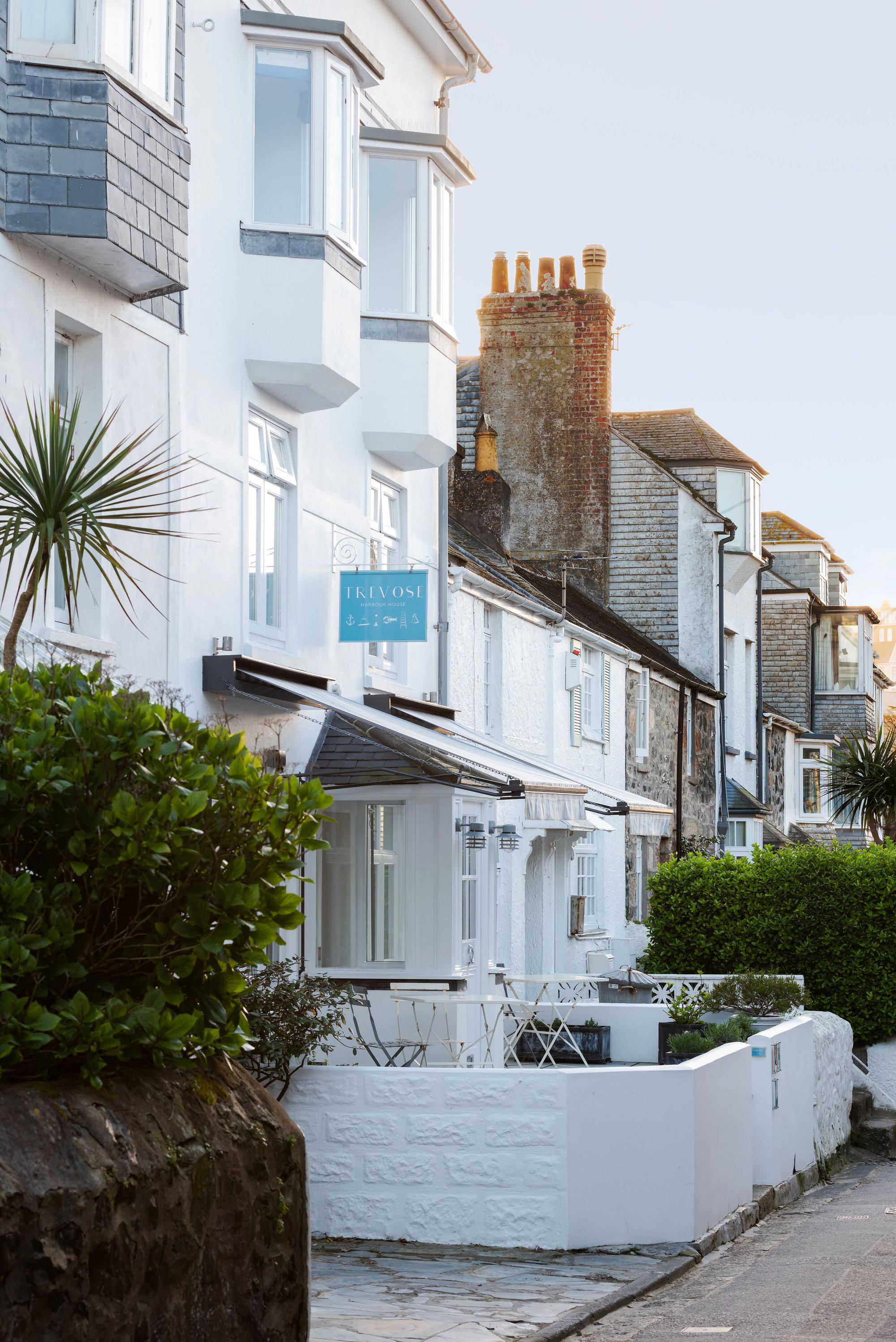
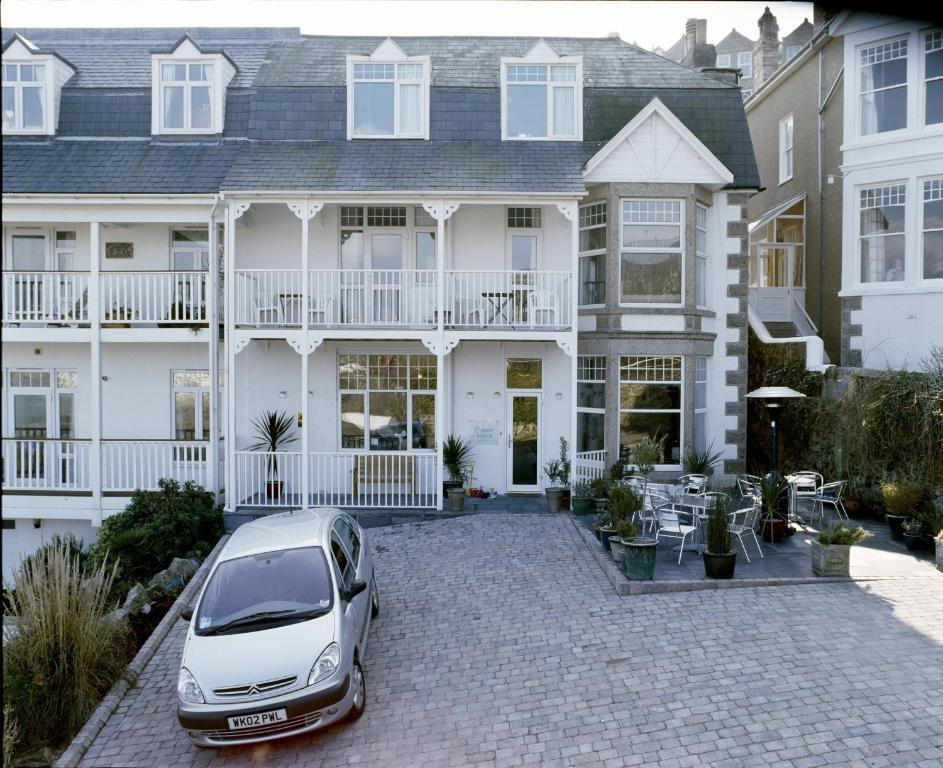
For accommodation context: visitors making the Lifeboat Inn a regular stop during a St Ives stay will find the harbour quarter walkable from several well-regarded properties. Trevose Harbour House and Harbour View House Hotel St Ives both place guests within the compact central area. Boskerris Hotel, Headland House, and Primrose House St. Ives offer alternatives across different parts of town and price tiers. All are listed in our full St Ives restaurants and venues guide.
The Architecture as Atmosphere
Pubs built into the fabric of working harbour towns have a specific architectural logic that differs from urban pubs of the same era. Space was not designed for hospitality in the contemporary sense. Rooms were functional, often converted from storage or adjacent residential use, and the irregular geometries that result, alcoves that don't quite align, door heights that vary room to room, floor levels that step up or down between sections, are what give these buildings their texture. They read as accumulated rather than constructed.
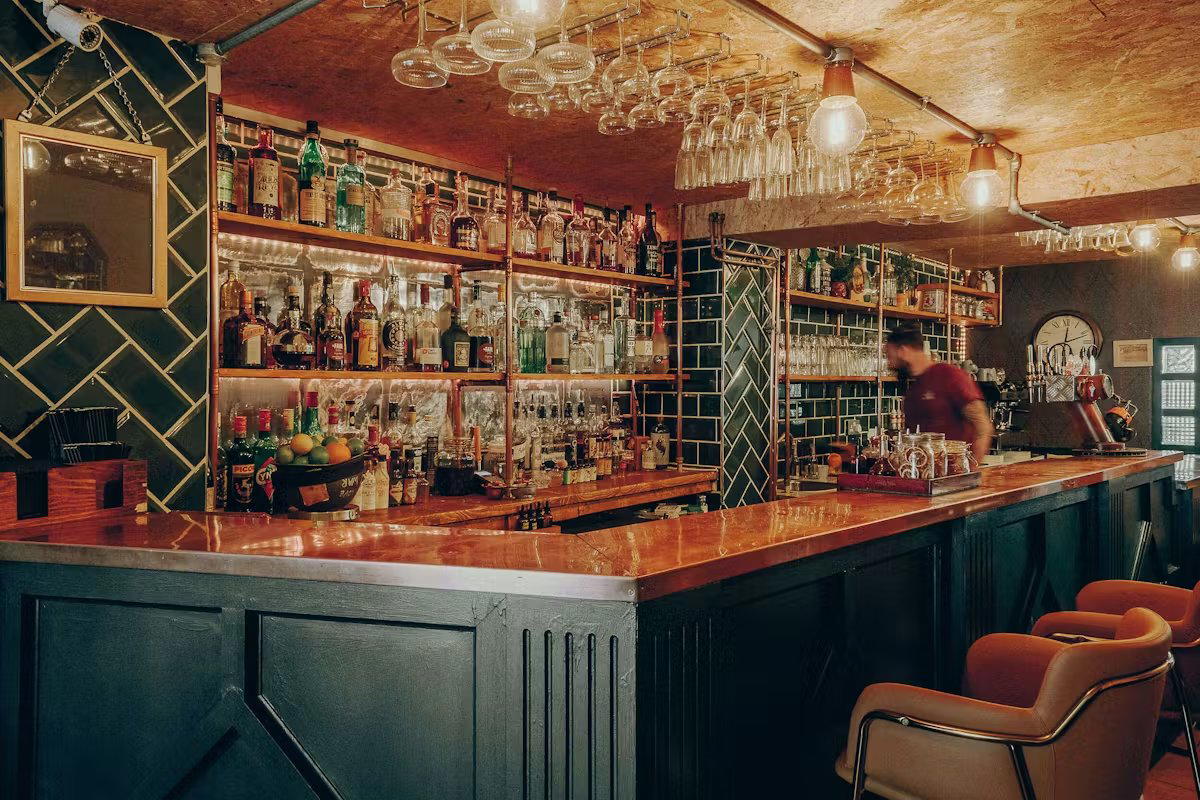
The Lifeboat Inn carries those characteristics. The ground-floor arrangement is not a single open room engineered for throughput. It is a series of connected spaces, each with its own acoustic and lighting character, which is why regulars tend to have preferred positions and why the pub reads differently depending on where you settle. That internal variation is difficult to manufacture and becomes rarer as coastal properties convert to more profitable or flexible uses.
Cornwall's broader hospitality category has been moving toward design-led boutique properties and gastro formats. Properties like Lime Wood in Lyndhurst or Estelle Manor in North Leigh represent the premium end of that evolution in England more broadly. At the other end of the scale, neighbourhood pubs with genuine historical fabric are the counterweight: less curated, more contingent, and harder to replicate. The Lifeboat Inn sits in the latter register.
Planning a Visit: Practical Notes
Wharf Road runs along the inner harbour, and the pub is accessible on foot from most central St Ives accommodation. The harbour district is pedestrianised for much of its length during peak season, which means arrival on foot is the practical default for most visitors. St Ives draws significant summer crowds, particularly in July and August, and harbour-front venues operate at compressed capacity during those months. A mid-morning or early-afternoon visit outside peak season gives a different read on the interior than a Saturday evening in summer, when the harbour quarter runs at full volume. The pub's position means it catches the evening light off the water, which shifts the interior mood considerably from daytime.
Visitors comparing St Ives against other UK coastal options might also consider the Isles of Scilly, accessible by ferry or helicopter from Penzance: Hell Bay Hotel on Bryher operates in a similarly maritime context but at a considerable remove from the mainland. For those building a broader UK circuit, properties like Hope Street Hotel in Liverpool, King Street Townhouse Hotel in Manchester, or Avon Gorge by Hotel du Vin in Bristol offer urban counterpoints. Scotland adds further range: Gleneagles in Auchterarder, Glasgow Grosvenor Hotel, Burts Hotel in Melrose, Langass Lodge in Na H Eileanan An Iar, Glen Mhor Hotel in Highland, and Dun Aluinn in Aberfeldy all represent distinct regional characters. Further afield, The Newt in Somerset is worth considering for anyone spending time in the southwest before or after a St Ives visit. For international context, Claridge's in London, Aman Venice, The Fifth Avenue Hotel in New York City, Aman New York, Muir, A Luxury Collection Hotel in Halifax, and Drakes Hotel in Brighton illustrate how the premium hospitality category operates across different coastal and urban contexts.
A Quick Peer Check
| Venue | Price | Awards |
|---|---|---|
| Lifeboat Inn, St IvesThis venue (the venue you are viewing) | $100–200 | Not listed |
| Boskerris Hotel | $200–300 | Michelin Selected · Mr & Mrs Smith Seal of Approval |
| Primrose House St. Ives | $100–200 | Not listed |
Continue exploring
More in St Ives
Details
- Cozy
- Rustic
- Scenic
- Classic
- Romantic Getaway
- Weekend Escape
- Waterfront
- Historic Building
- Wi Fi
- Restaurant
- Bar
- Breakfast Included
- Waterfront
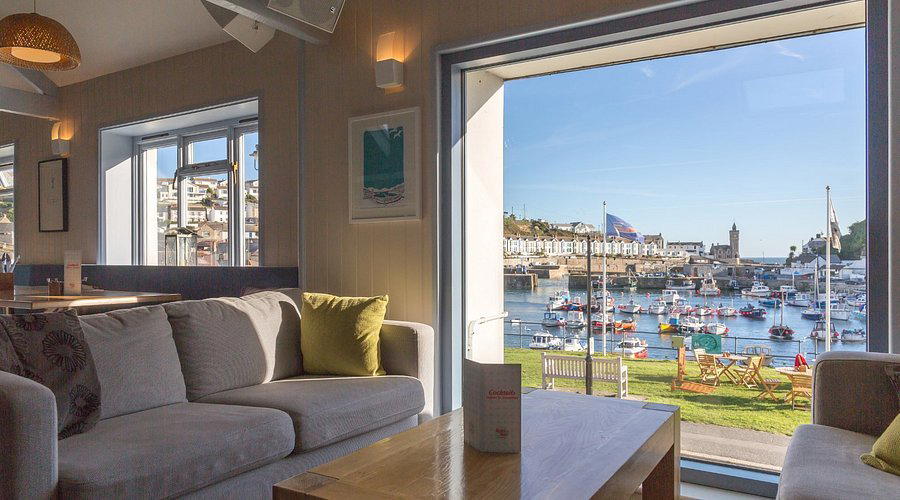
Warm and cosy with roaring log fire, big windows offering harbour views, and charming period features.