Ardbeg House

Travel + Leisure It List Hotels
Ardbeg House sits on the southern tip of Islay, one of Scotland's most consequential whisky islands, where the distillery's Victorian stone architecture and the raw Atlantic coastline define every visit. The property occupies a specific position in the Islay experience: closer to the source than any hotel could be, and shaped by the same elemental forces that define the whisky made here.

Pearl is the En Primeur Club membership app, where members save venues, book tables and use the concierge.
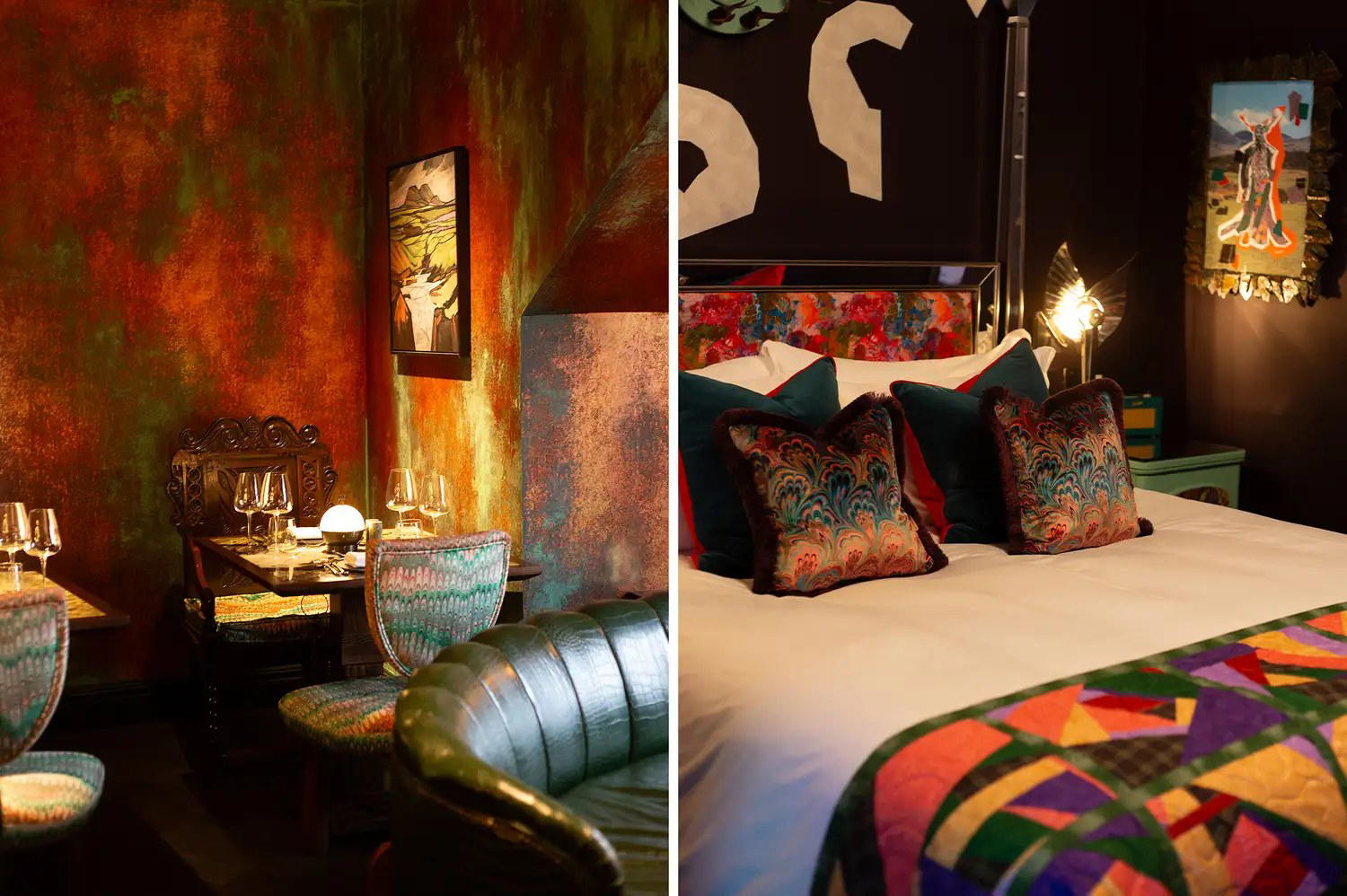
Where the Atlantic Shapes Everything
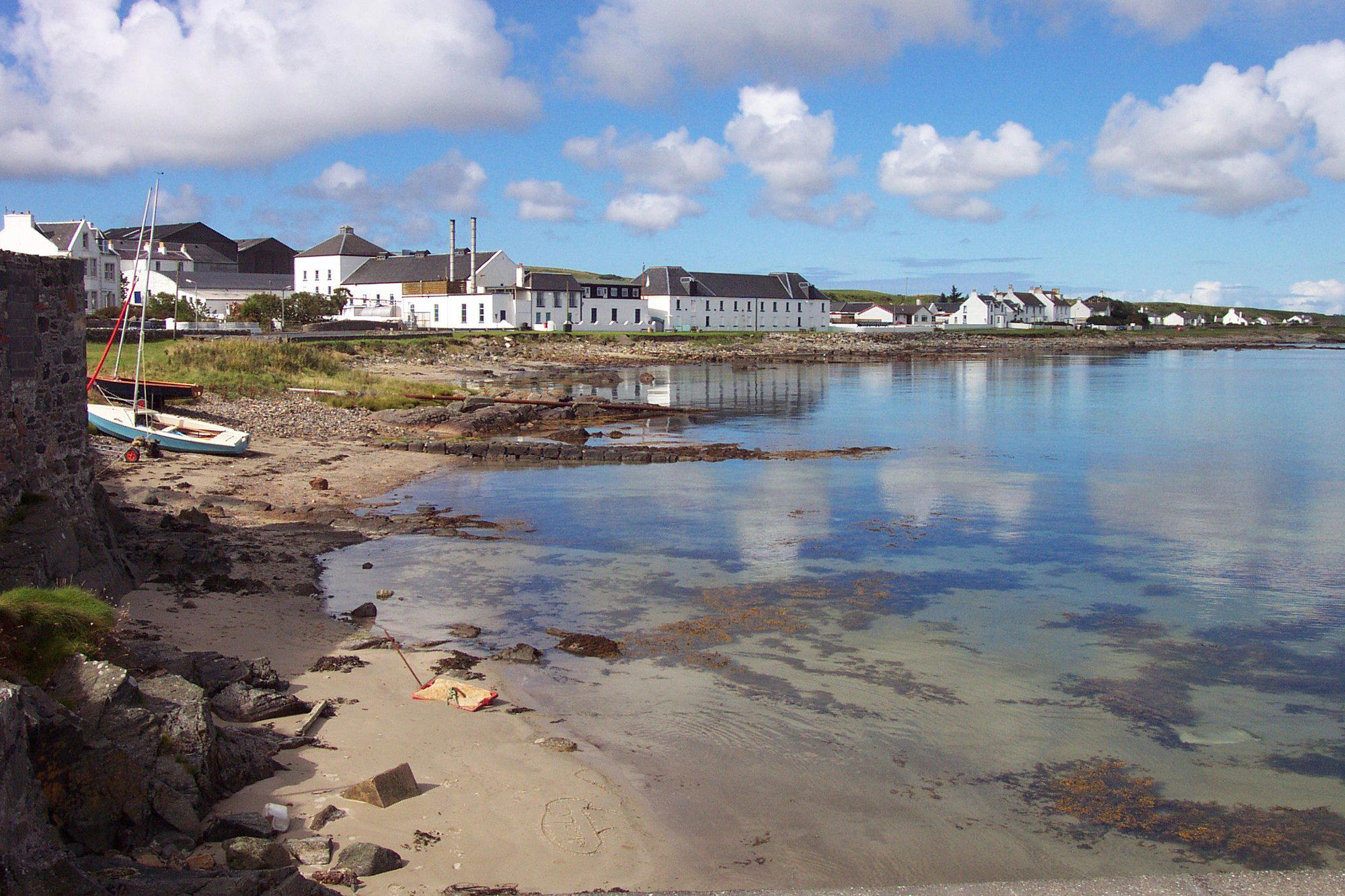
On Islay's southern shore, between Port Ellen's modest harbour and the open water stretching toward Ireland, the built environment is defined less by human intention than by what the climate and coastline permit. Stone walls, pitched slate roofs, small windows angled away from prevailing westerlies: the architectural grammar here is functional first, and it produces a kind of austere visual coherence that more deliberately designed properties rarely achieve. Ardbeg House sits within that tradition, its Victorian distillery buildings framing a compound where the line between production facility and visitor destination is deliberately kept thin.
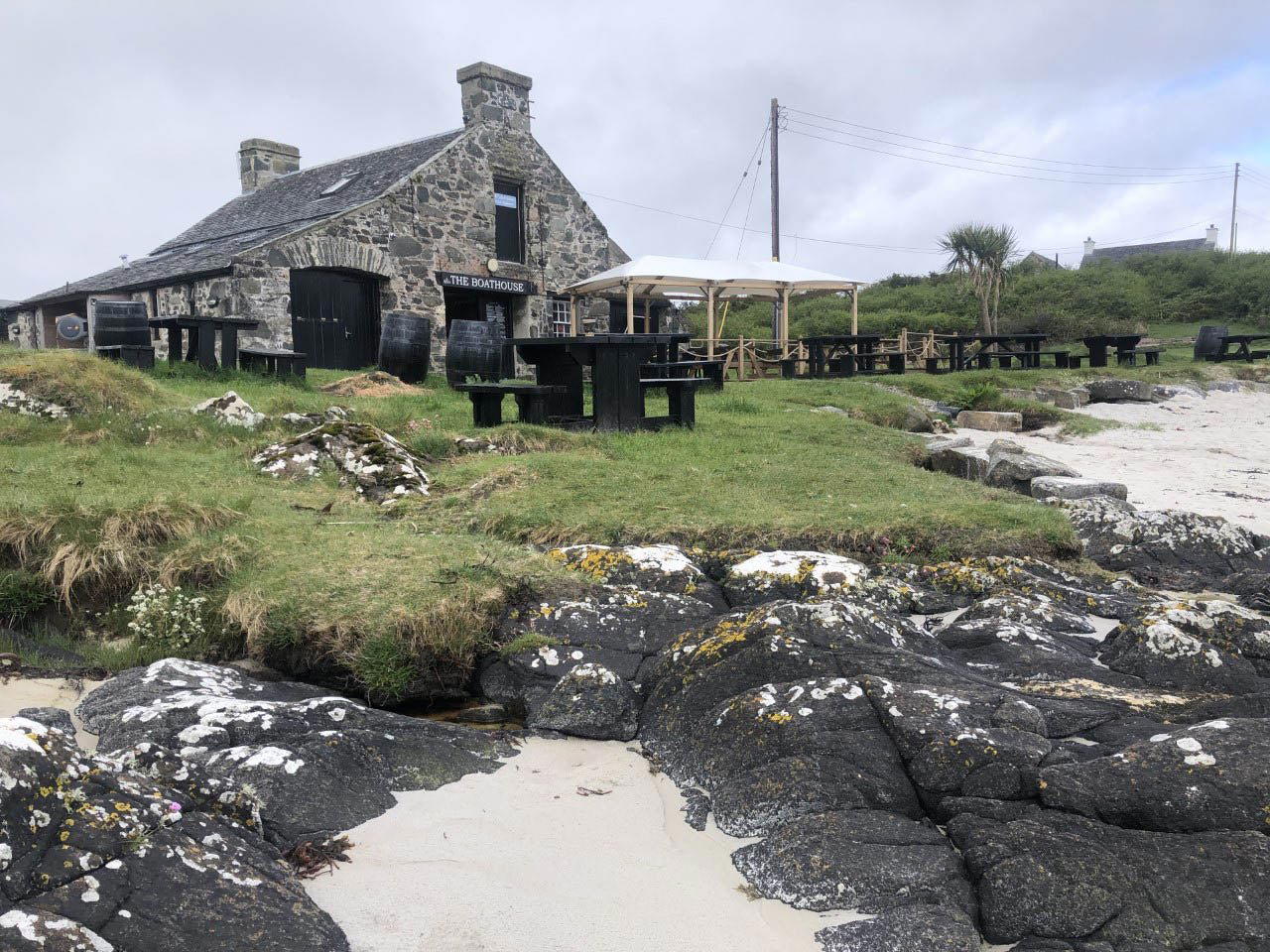
The approach from Port Ellen along the A846 coastal road takes visitors past Laphroaig and Lagavulin before reaching Ardbeg, a sequence that reads almost like a lesson in Islay's southern distillery belt. Each site has its own distinct architectural footprint, but Ardbeg's whitewashed pagoda kiln and cluster of stone outbuildings have a particular coherence, tight against the shoreline with the water visible from most vantage points. That physical relationship with the sea is not incidental: the maritime air at this latitude actively participates in how whisky matures in cask, and the architecture, by keeping production and visitor experience in such close proximity, makes that process legible in a way few distillery properties manage.
The Architecture of a Working Distillery Estate
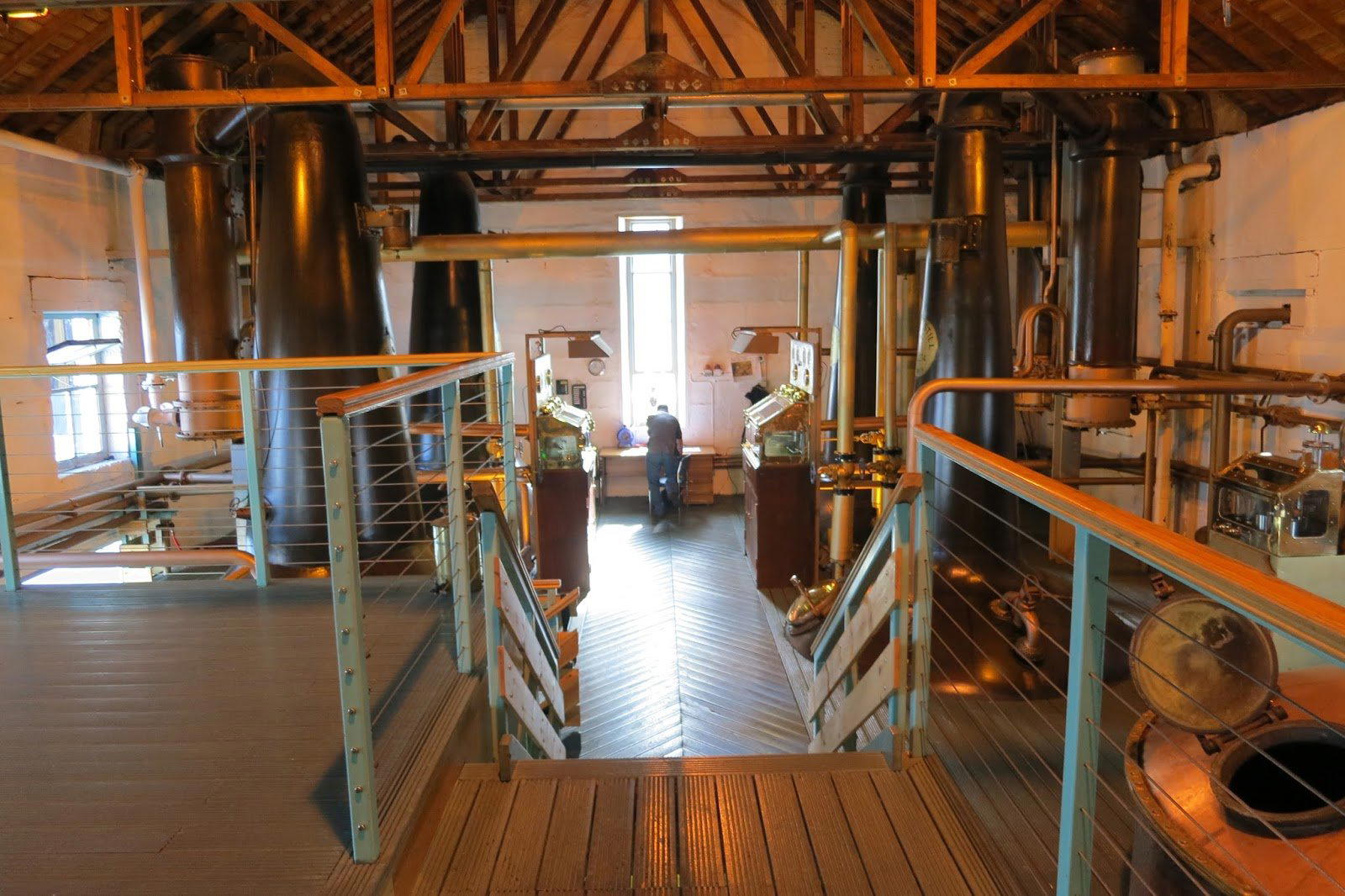
What distinguishes the design logic of Ardbeg's compound from purpose-built visitor centres elsewhere in Scotland is precisely its lack of interpolation. The Old Kiln Café, housed in the former malting kiln, retains the raw geometry of an industrial drying floor: high ceilings, stone floors, deep-set windows, and a material palette that speaks entirely to function. Nothing has been softened into heritage pastiche. The result is a space where the physical evidence of whisky production is the atmosphere itself, rather than something recreated for effect.
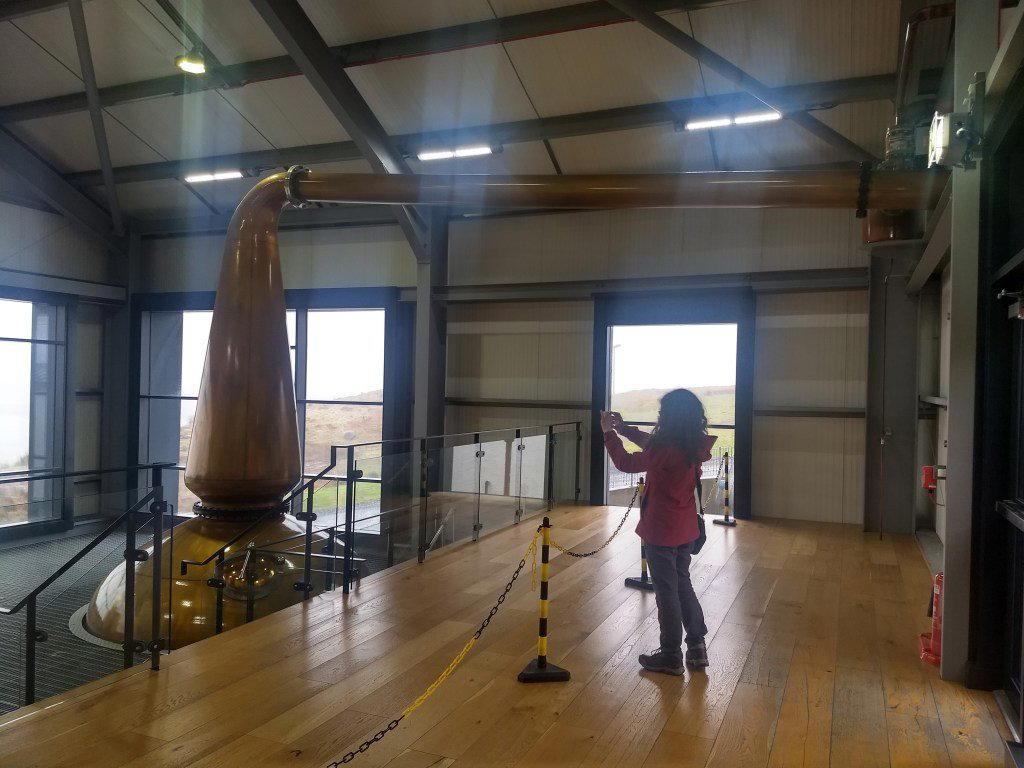
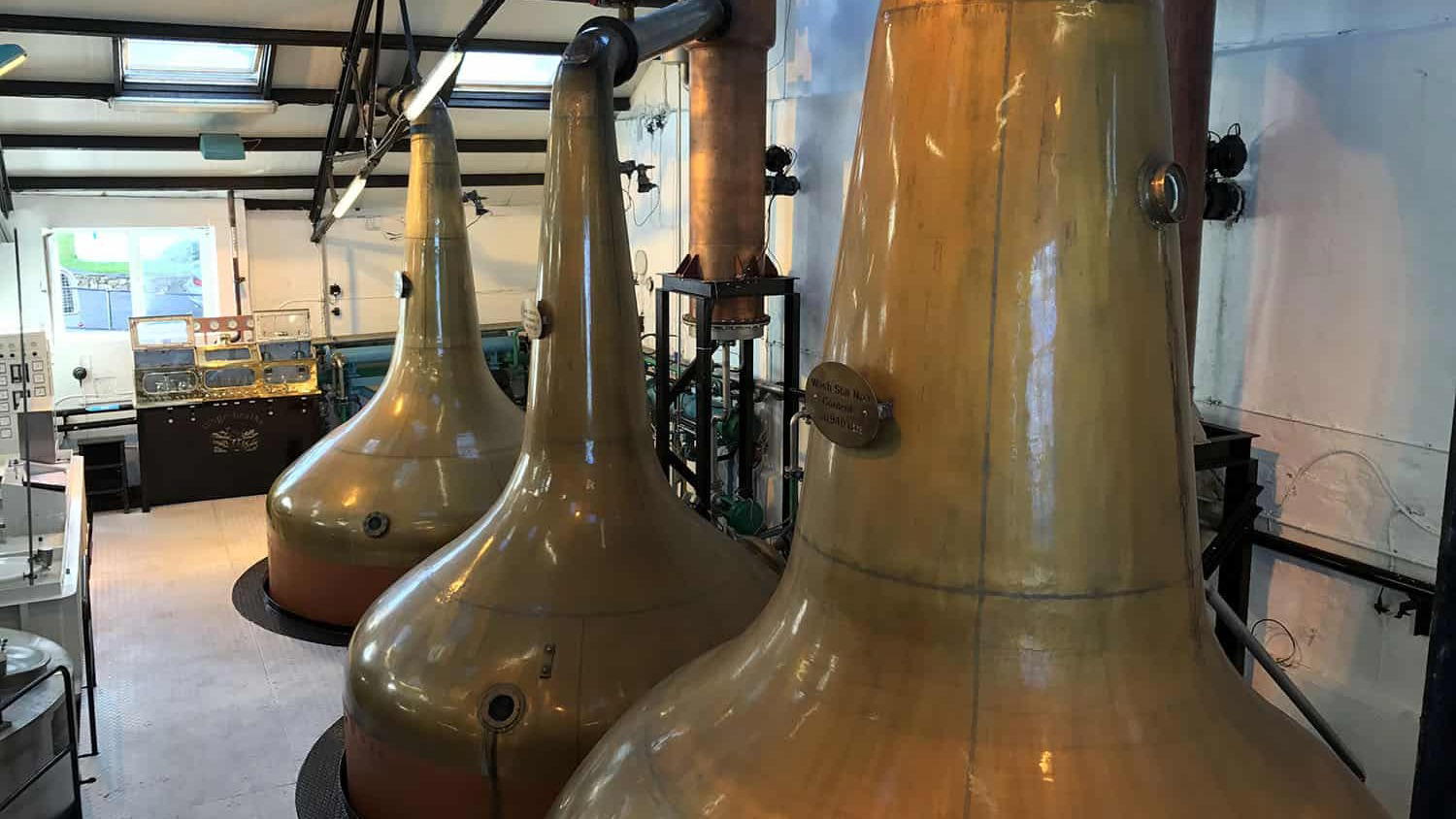
This approach places Ardbeg House in a different category from the generation of distillery visitor experiences built around theatrics. Scotland's premium whisky tourism has broadly split between high-production visitor centres with cinematic installations, and smaller properties that allow the original fabric to carry the narrative. Ardbeg's estate belongs firmly in the latter group, where the texture of old stone, the smell of the still house, and the unmediated view of Kildalton Sound are the primary experience. Properties like Gleneagles in Auchterarder or The Newt in Somerset pursue a different model entirely, where estate hospitality is built outward from a grand house. Ardbeg inverts that logic: the hospitality is built inward from the production process.
The physical setting rewards attention in multiple registers. At ground level, the courtyard arrangement creates a sheltered enclosure that reads very differently from the exposure of the seafront path. Move thirty metres toward the water and the wind and light shift completely. That oscillation between shelter and exposure is characteristic of distillery compounds on this part of Islay, where the buildings were historically sited to manage weather, not to frame views. The views arrived as a consequence of the location rather than as a design intention, which gives them a quality of discovery that curated scenic properties often lack.
Placing Ardbeg in the Islay Visitor Context
Islay functions as one of the more logistically serious whisky destinations in the British Isles. Reaching Port Ellen requires either a CalMac ferry from Kennacraig on the Kintyre peninsula (a crossing of just over two hours) or a short flight into Islay Airport from Glasgow. Neither option is incidental, and the island's relative inaccessibility has historically kept visitor numbers lower than the distilleries' global reputations might suggest. That gap between worldwide recognition and physical remoteness is part of what defines the Islay experience for those who make the journey.
Within the island's southern distillery circuit, Ardbeg sits at the eastern end of a short stretch that also includes Lagavulin and Laphroaig, making it feasible to visit all three in a single day if timing is managed carefully. Most visitors staying in or near Port Ellen use the town as a base. For those seeking more remote Scottish accommodation with a comparable level of character, Langass Lodge in the Outer Hebrides or Monachyle Mhor Hotel in Stirling represent the broader tradition of small Scottish properties where setting and material authenticity carry the experience. On the mainland, Glen Mhor Hotel in Inverness and Dun Aluinn in Aberfeldy serve travellers building wider Scottish itineraries around whisky geography.
The Islay Festival of Music and Malt (Fèis Ìle), held each May, is the period when distillery access is most structured and demand peaks sharply. Ardbeg's festival day is among the most attended on the island, drawing visitors who plan months in advance. Outside that window, autumn and early winter offer fewer crowds and a more elemental quality to the coast, though ferry schedules reduce in frequency and weather unpredictability increases. Those priorities will shape most visit decisions more than anything on-site.
Planning Your Visit
Port Ellen is the main arrival point for the southern distillery circuit, and most practical logistics radiate from the ferry terminal. Accommodation on Islay is limited relative to demand during peak periods, and booking well ahead applies across the island's options. For travellers combining Islay with wider UK itineraries, Burts Hotel in Melrose and Malmaison Edinburgh make natural staging points before or after the ferry. Those extending the journey south might consider Glasgow Grosvenor Hotel as a convenient city base, given that Glasgow is the most common mainland departure point for both ferry and flight connections to Islay.
For context on how UK luxury and boutique properties approach the balance between heritage fabric and modern hospitality, the range runs from Claridge's in London and Estelle Manor in North Leigh at one end, to properties like Lime Wood in Lyndhurst, Hell Bay Hotel in Bryher, and Lifeboat Inn in St Ives at the other. Ardbeg House occupies a position outside that spectrum entirely, defined by production heritage rather than hospitality programming. See our full Port Ellen restaurants guide for practical orientation around the wider area.
At-a-Glance Comparison
| Venue | Price | Awards |
|---|---|---|
| Ardbeg HouseThis venue (the venue you are viewing) | $500–750 | Travel + Leisure It List Hotels |
| Lime Wood | Not listed | 2 Michelin Keys · La Liste Top Hotels |
| Muir, A Luxury Collection Hotel, Halifax | $300–500 | 1 Michelin Key · Forbes 4-Star |
| Raffles London at The OWO | $1,000–1,500 | 3 Michelin Keys · World's 50 Best #28 |
| The Connaught | $1,000–1,500 | 3 Michelin Keys · World's 50 Best #49 |
Recognition history
Dated appearances from independent guides and award organizations, with the underlying list record or original source where available.
Travel + Leisure It List Hotels
Travel + Leisure
Continue exploring
More in Port Ellen
Hotels in Port Ellen
All hotels in Port Ellen →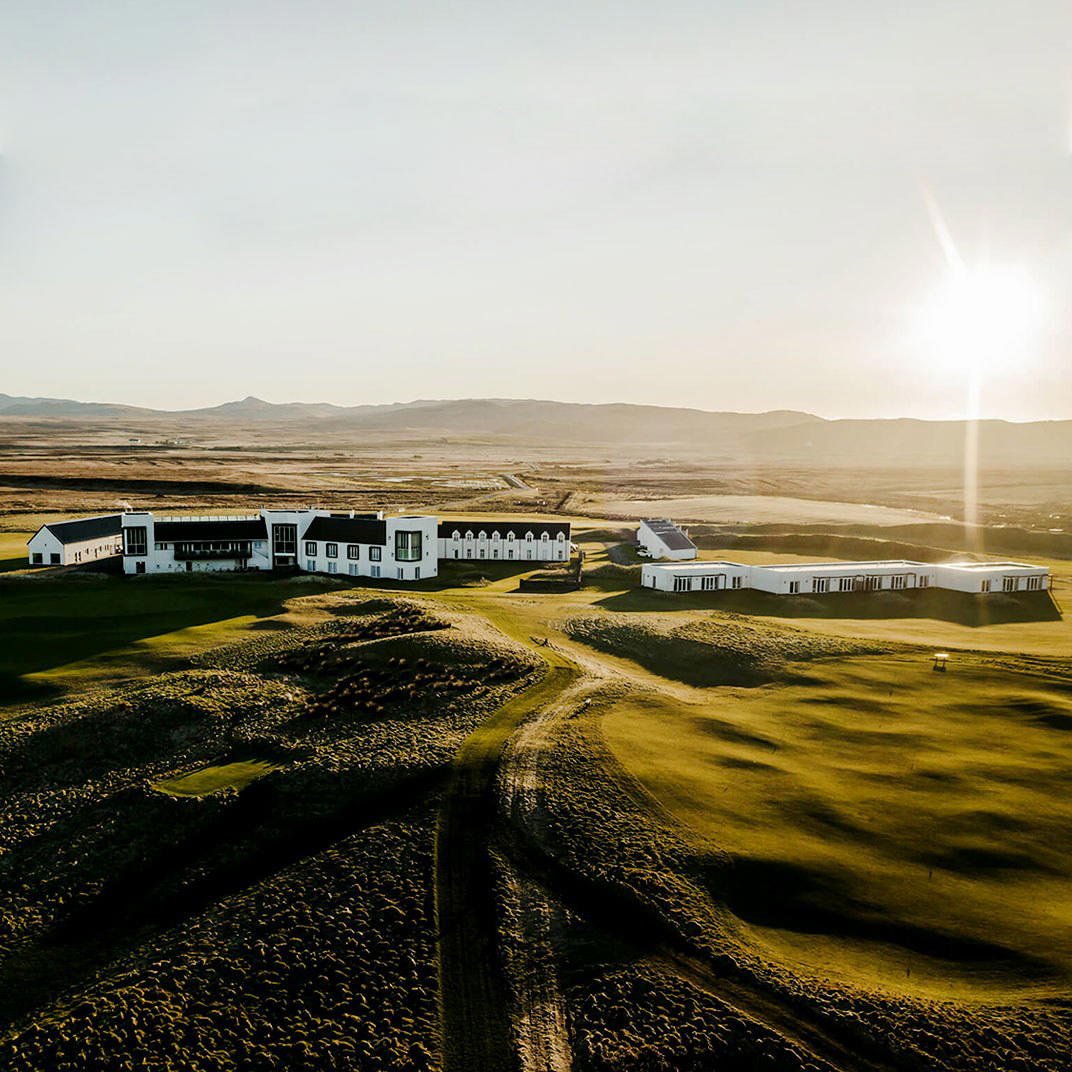
Restaurants in Port Ellen
All restaurants in Port Ellen →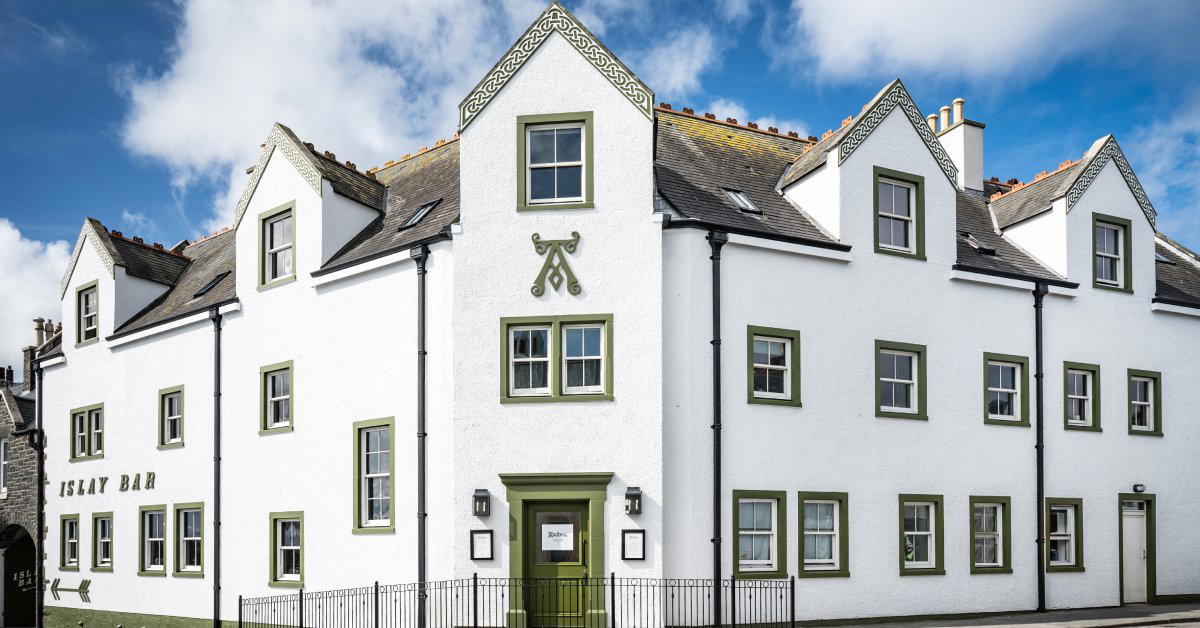
Details
- Whimsical
- Elegant
- Cozy
- Intimate
- Rustic
- Romantic Getaway
- Weekend Escape
- Celebration
- Historic Building
- Waterfront
- Restaurant
- Bar
- Waterfront
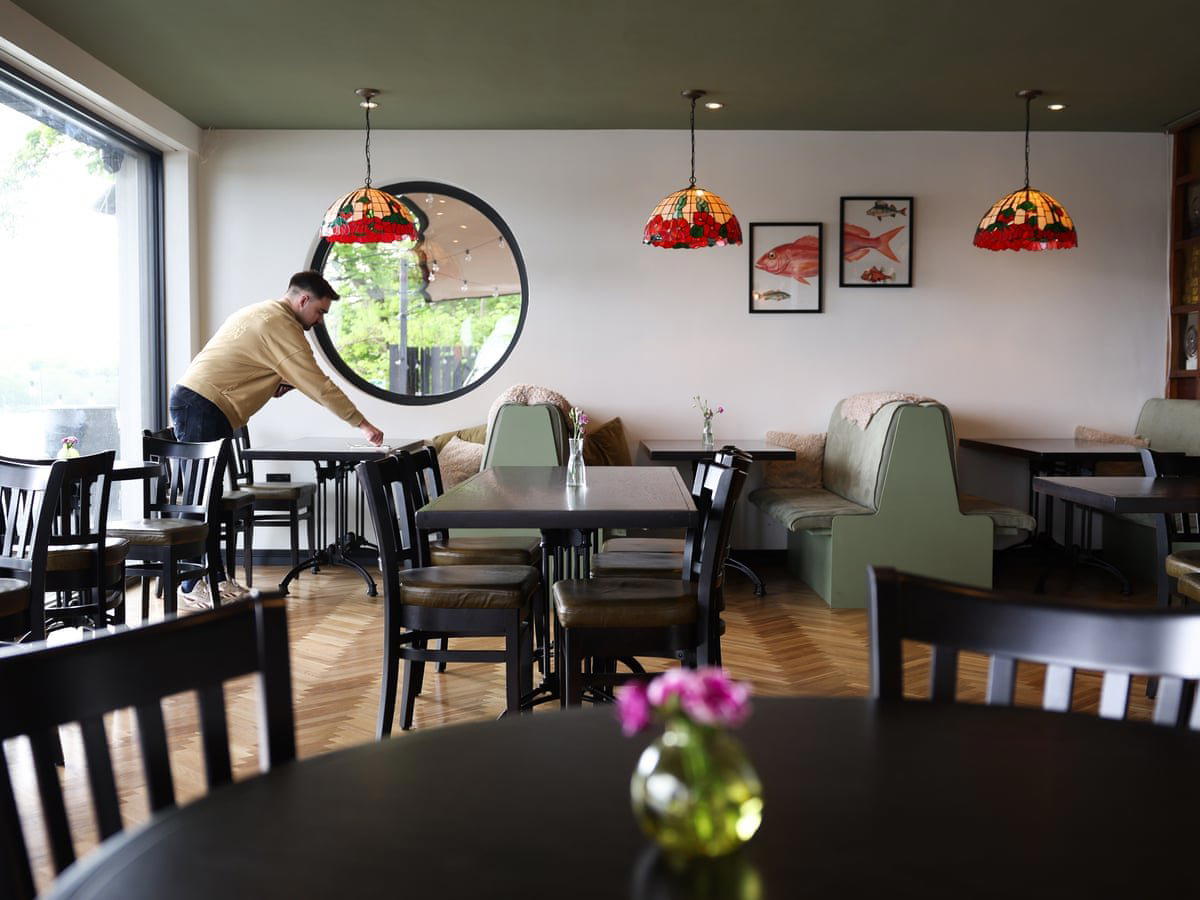
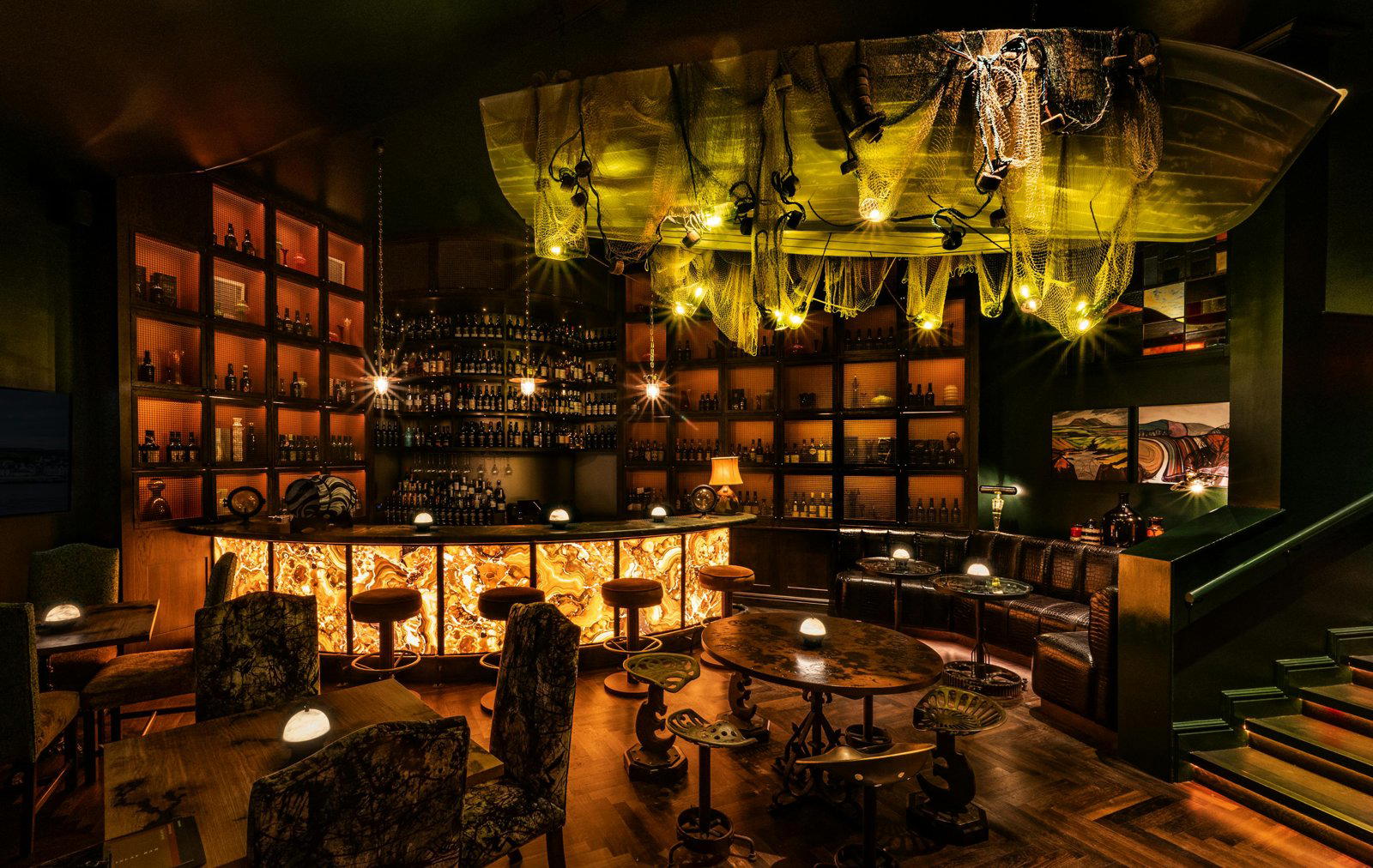
Whimsical and luxurious atmosphere evoking Alice in Wonderland with striking, eclectic interior design, real fires, and immersive whisky storytelling.