Drakes Hotel | A Curious Group of Hotels
On Marine Parade in Kemptown, Drakes occupies one of Brighton's most coveted seafront positions, translating Georgian townhouse bones into a design-conscious boutique stay. Part of A Curious Group of Hotels, the property balances architectural character with considered interiors, placing it alongside Brighton's more personality-driven independents rather than its chain alternatives.

Pearl is the En Primeur Club membership app, where members save venues, book tables and use the concierge.
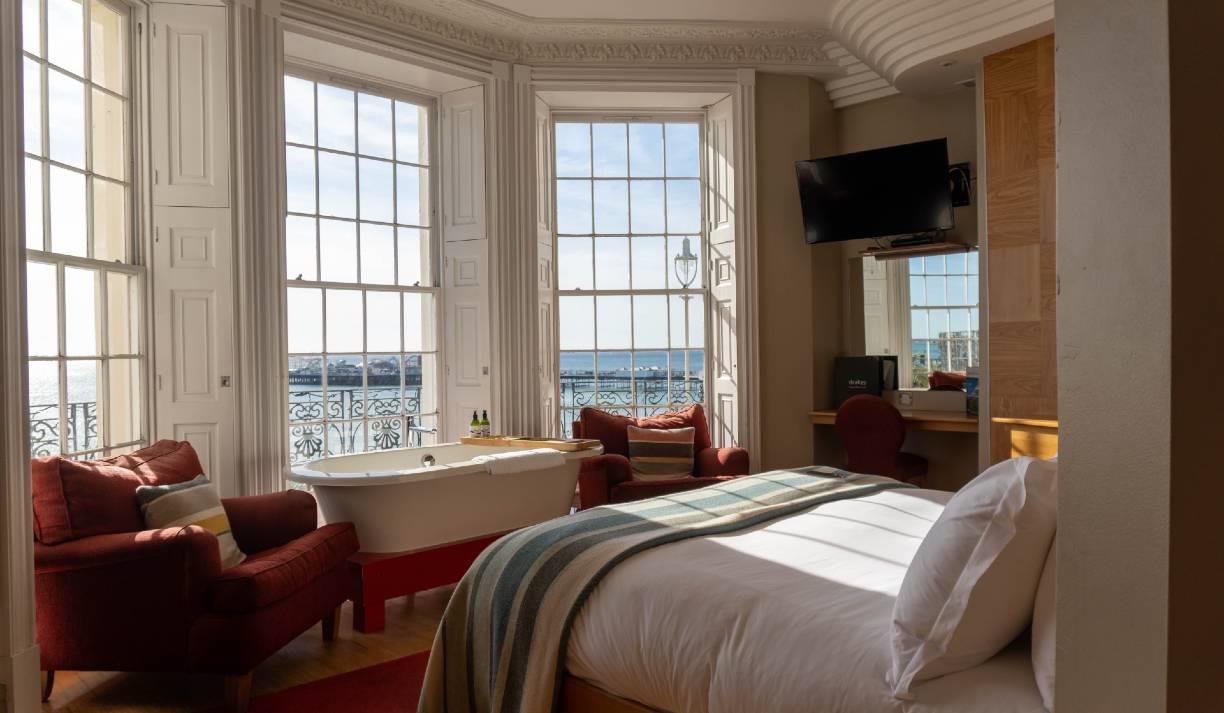
A Seafront Address With Architectural Conscience
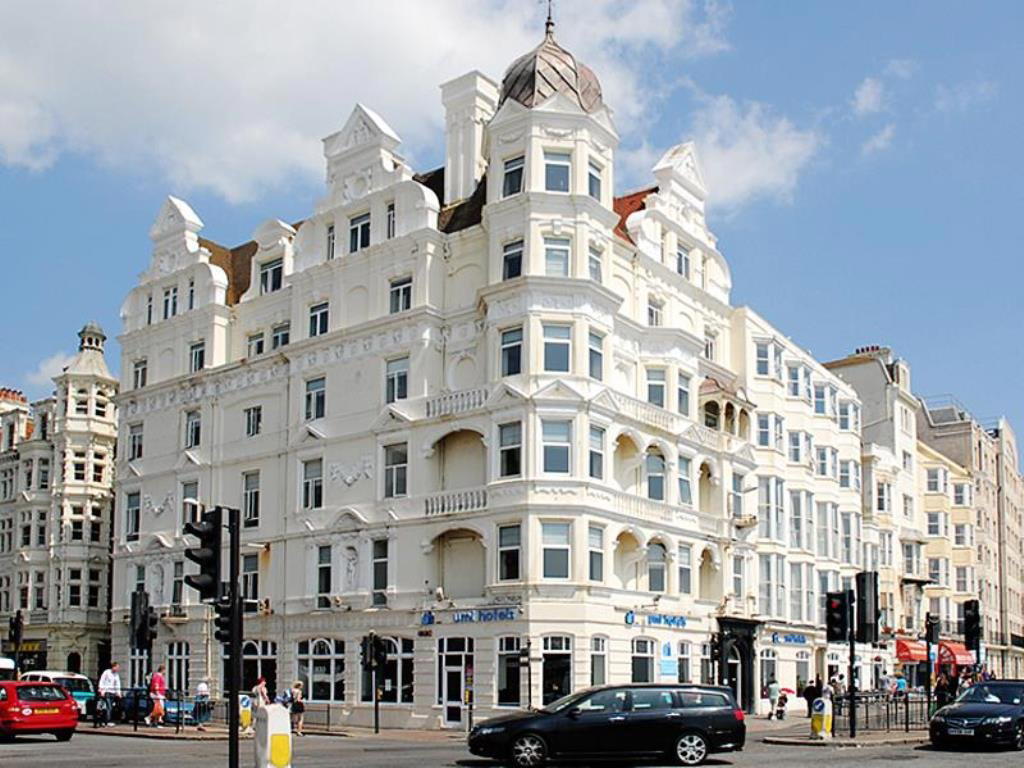
Marine Parade has long been the most architecturally loaded stretch of Brighton's coastline. The Regency terraces that line the eastern seafront were built to impress, their stucco facades and symmetrical windows facing the Channel with the confidence of a city that knew it had something to show. What has changed over the decades is how those buildings are inhabited. Many have been subdivided into flats or converted into budget accommodation that trades on location alone. A smaller number have been treated as architectural assets worth preserving and reinterpreting. Drakes, sitting within one of those Georgian townhouse shells in Kemptown, belongs to the latter category.
The Kemptown end of Marine Parade carries a different register from the commercial buzz around the Pier. The neighbourhood has historically attracted independent operators, smaller galleries, and a residential density that keeps the street-level energy measured rather than saturated with day-trippers. For a boutique hotel, that positioning matters: guests staying on this stretch are choosing a version of Brighton that prioritises character over convenience to the mainstream attractions, and the accommodation supply around them reflects that preference.
The Curious Group Framework
Independent boutique hotels in the UK have increasingly consolidated into small collections that allow individual properties to retain character while sharing operational infrastructure. A Curious Group of Hotels represents that model: a portfolio of properties that resist homogenisation while benefiting from the group's positioning as a curator of design-led stays. This is a meaningfully different proposition from the soft-brand approach taken by international chains, where independent hotels affiliate with a larger loyalty programme while nominally retaining identity. The Curious Group's properties are expected to carry their own architectural and aesthetic logic rather than deferring to a house style.
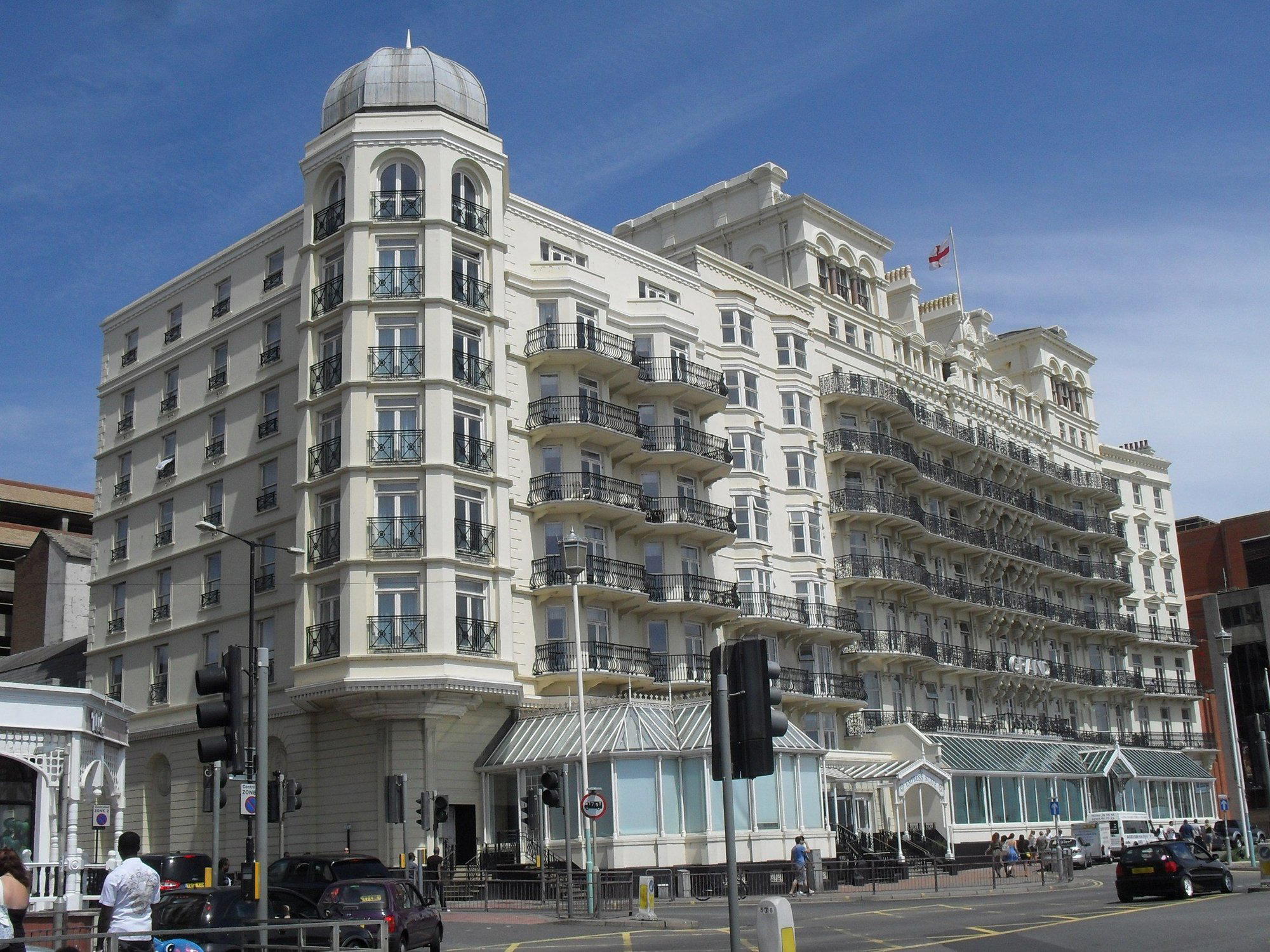
Within Brighton's boutique hotel market, that group affiliation places Drakes in a mid-to-upper tier that competes less on amenities count and more on spatial coherence and neighbourhood specificity. Compare that with the scale-up approach at Harbour Hotel Brighton or the full-service gravity of The Grand Brighton, and the distinction sharpens: Drakes is not trying to be a comprehensive hotel in the traditional sense. It is operating as a considered address, where the physical environment does most of the work.
Inside the Georgian Shell
Working within a listed Georgian townhouse imposes constraints that many hoteliers treat as obstacles. The more interesting operators treat them as the brief. Room proportions, ceiling heights, and the relationship between windows and street or sea are not negotiable in the way they would be in a new-build, and that rigidity tends to force decisions that produce more architecturally honest results. Drakes' position on the seafront means that a significant proportion of its rooms face the Channel directly, a spatial quality that no amount of interior design can manufacture if the address doesn't support it.
The UK boutique hotel sector has seen a sustained shift toward properties where the building itself carries editorial weight: the conversion of industrial structures, the restoration of Victorian terraces, the reactivation of Regency townhouses. In Brighton specifically, that tendency reflects the city's longer relationship with architectural tourism. Visitors have come to Brighton to see and be seen in its built environment since the Prince Regent commissioned the Royal Pavilion, and the accommodation market has always had a strand of properties that treat their buildings as part of the offer rather than merely the container for it. Drakes sits within that tradition, though its expression is contemporary rather than historicist.
For context on how this approach plays out at a larger scale nationally, properties like Lime Wood in Lyndhurst and Estelle Manor in North Leigh demonstrate how a strong architectural identity can anchor a hotel's entire positioning. In urban boutique formats, Hope Street Hotel in Liverpool and King Street Townhouse Hotel in Manchester follow comparable logic: the building's provenance and spatial quality are the primary editorial claim, and the guest experience is built around rather than despite the existing structure.
The Brighton Boutique Tier
Brighton's independent hotel scene has matured considerably over the past decade. The city now supports a genuine tier of design-led properties that compete on aesthetic and experiential grounds rather than price alone. Hotel Nineteen, The Ginger Pig, and Artist Residence each occupy a distinct position within that tier, differentiated by neighbourhood, scale, and the particular version of Brighton identity they project. Drakes' Marine Parade address gives it a seafront specificity that most of its boutique peers cannot replicate: the view east along the coast and the proximity to the water are location assets that carry real weight in a market where the seaside setting is the primary draw for most visitors.
That said, Marine Parade proximity does not automatically translate into a superior stay. The quality of the rooms, the coherence of the interiors, and the management of the gap between a grand address and the practical realities of a Georgian conversion all determine whether the location asset is realised or squandered. The Curious Group's track record with boutique properties suggests a commitment to closing that gap, though the proof remains in the specific decisions made within Drakes' particular building.
Visitors planning a Brighton stay who are comparing across the boutique tier should also consider how Drakes' seafront positioning compares against the more city-centre orientation of hotels like Harbour Hotel Brighton. The two represent different versions of what a Brighton stay can anchor itself around: one draws on the seafront and Kemptown's residential character, the other on proximity to the Lanes and the commercial core. Neither is wrong; they serve different itineraries.
For those building a longer UK coastal or country itinerary, Lifeboat Inn in St Ives and Avon Gorge by Hotel du Vin in Bristol offer comparable design-conscious boutique formats in different coastal and urban contexts. Further afield, Gleneagles in Auchterarder and The Newt in Somerset demonstrate how the architectural-identity approach scales up into destination resort territory. The full breadth of Brighton's own accommodation and dining options is covered in our full Brighton And Hove restaurants guide.
Planning Your Stay
Drakes sits on Marine Parade in the Kemptown area, walkable from Brighton's main seafront but east of the densest visitor concentration around the Pier and the Lanes. Brighton itself is served by regular direct trains from London Victoria and London Bridge, with journey times typically under an hour from Victoria, making weekend visits from London a direct proposition. The Kemptown location positions guests well for the neighbourhood's independent restaurant and bar scene, which runs along St George's Road and Eastern Road and tends toward locally owned operations rather than chain formats.
Booking timing for Brighton boutique hotels generally tracks the city's event calendar: Brighton Festival in May, Pride in August, and the bank holiday weekends throughout the summer all compress availability significantly. Outside those peaks, the late autumn and winter months offer a quieter version of the city that suits the seafront address particularly well, when the Marine Parade promenade is less crowded and the light on the Channel takes on the lower-contrast quality that painters and photographers associate with the Sussex coast in the colder months.
In Context: Similar Options
| Venue | Cuisine | Price | Awards |
|---|---|---|---|
| Drakes Hotel | A Curious Group of HotelsThis venue (the venue you are viewing) | This venue | $200–300 | Not listed |
| Artist Residence Brighton | Not listed | $100–200 | 1 Michelin Key |
Continue exploring
More in Brighton
Hotels in Brighton
All hotels in Brighton →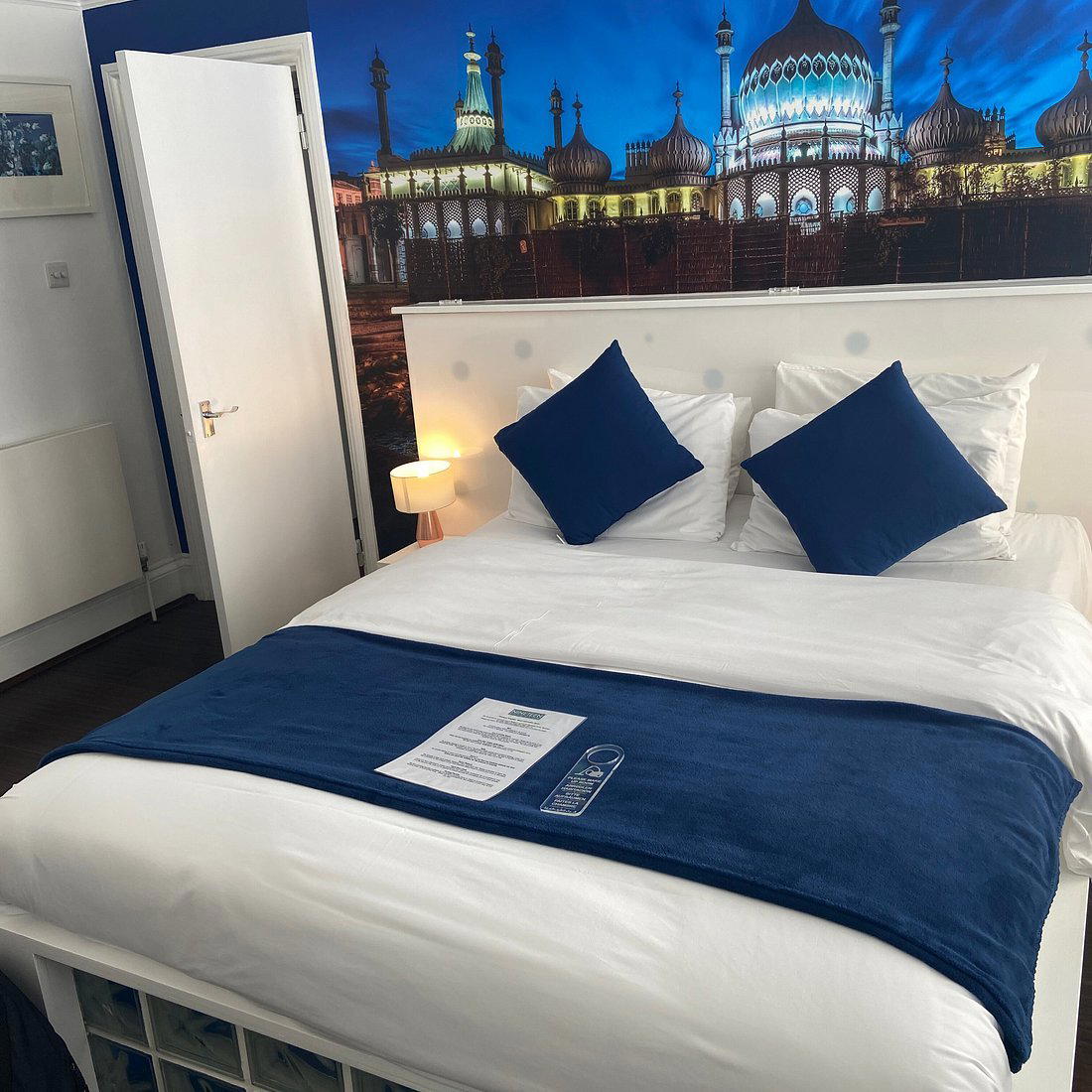
Bars in Brighton
All bars in Brighton →
Restaurants in Brighton
All restaurants in Brighton →

Details
- Romantic
- Elegant
- Scenic
- Sophisticated
- Romantic Getaway
- Weekend Escape
- Anniversary
- Beachfront
- Waterfront
- Historic Building
- Panoramic View
- Terrace
- Wi Fi
- Restaurant
- Air Conditioning
- Waterfront
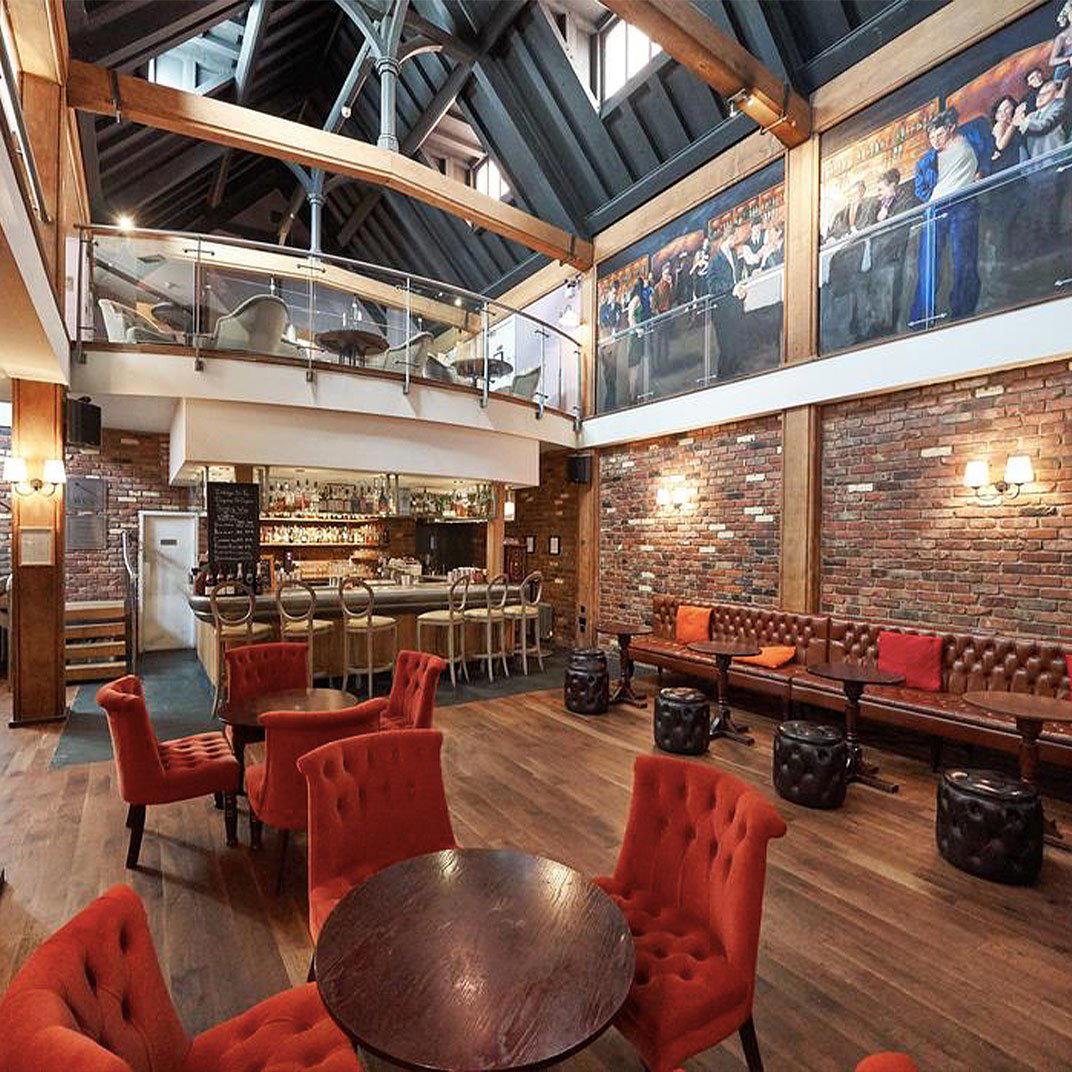
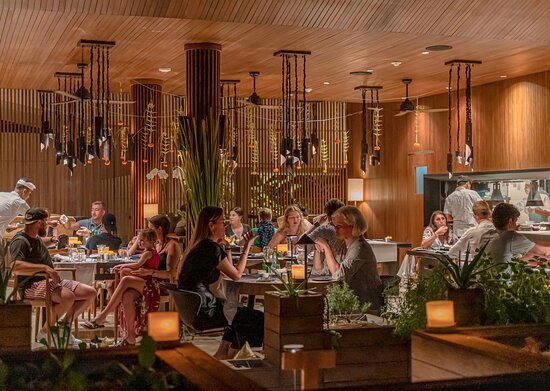
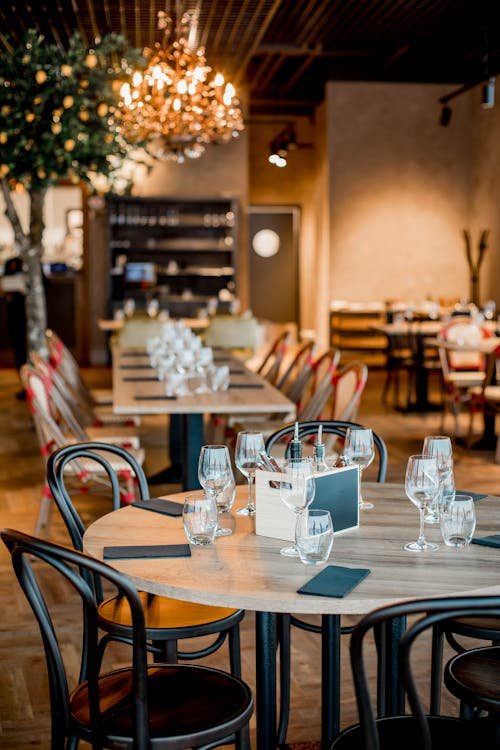
Elegant and refined with airy, light-filled spaces; sea-facing rooms with double aspect windows in the cocktail bar offering sunset views over the English Channel and Brighton Pier.