Château Sainte Sabine




Michelin Selected · Virtuoso Luxury Hotel Partner · Relais Chateaux Award
A 16th-century Relais & Châteaux property positioned between Beaune and Dijon, Château Sainte Sabine sits in the Auxois plain with 23 rooms and suites across eight hectares of parkland. Rated 4.8 on Google from 575 reviews and awarded Gault & Millau Exceptional Hotel status in 2025, it pairs period architecture with a gastronomic restaurant focused on Burgundy seasonal cuisine. Rates start from US$271 per night.

Pearl is the En Primeur Club membership app — saves, bookings, and concierge access live there. Same editors, same standards.
- Address
- 8 route de Semur - Route départementale 970, 21320 Sainte-Sabine
- Phone
- +33 3 80 49 22 01
- Website
- saintesabine.com
- Directions
- Get directions
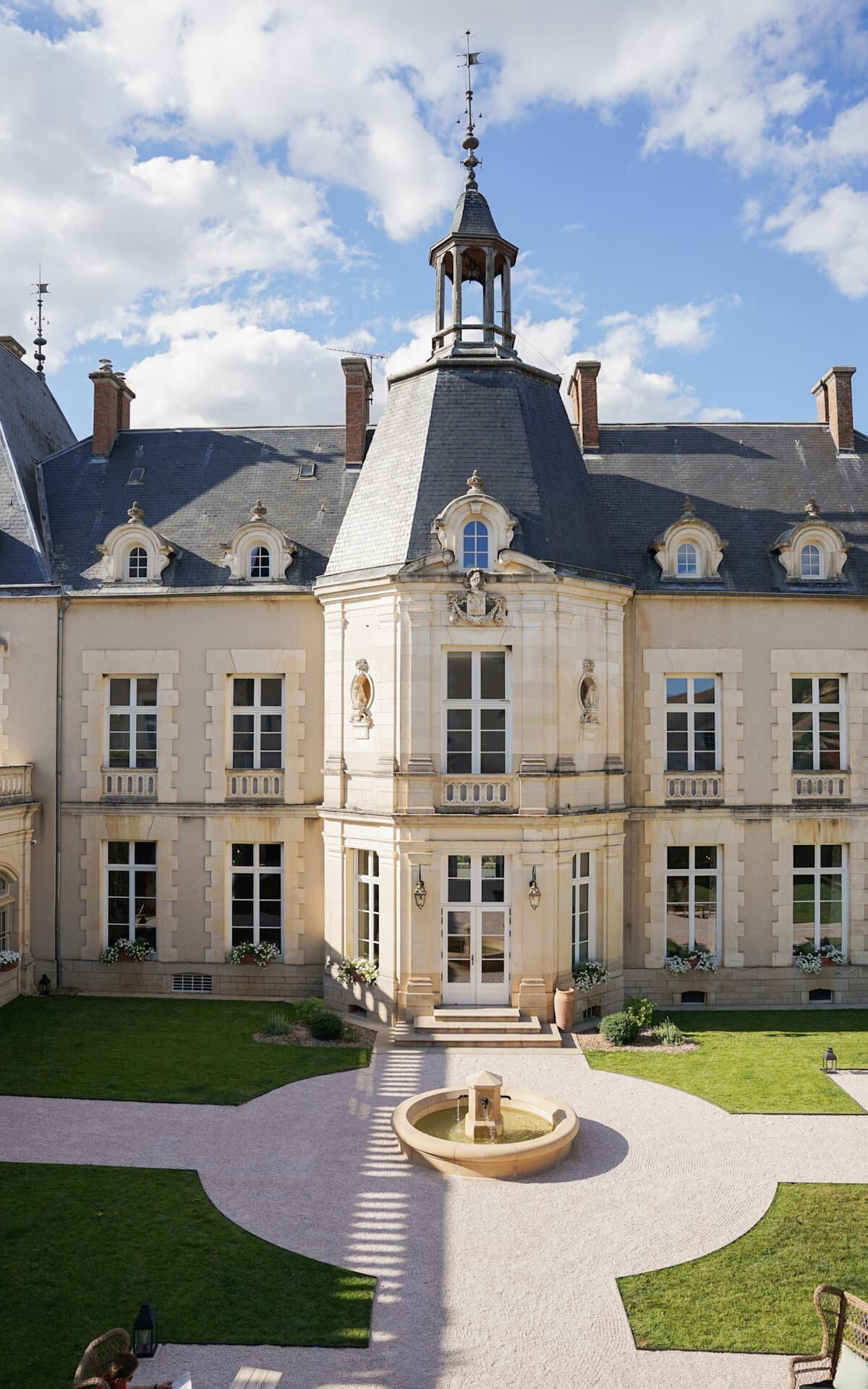
A 16th-Century Structure in the Heart of Burgundy's Interior
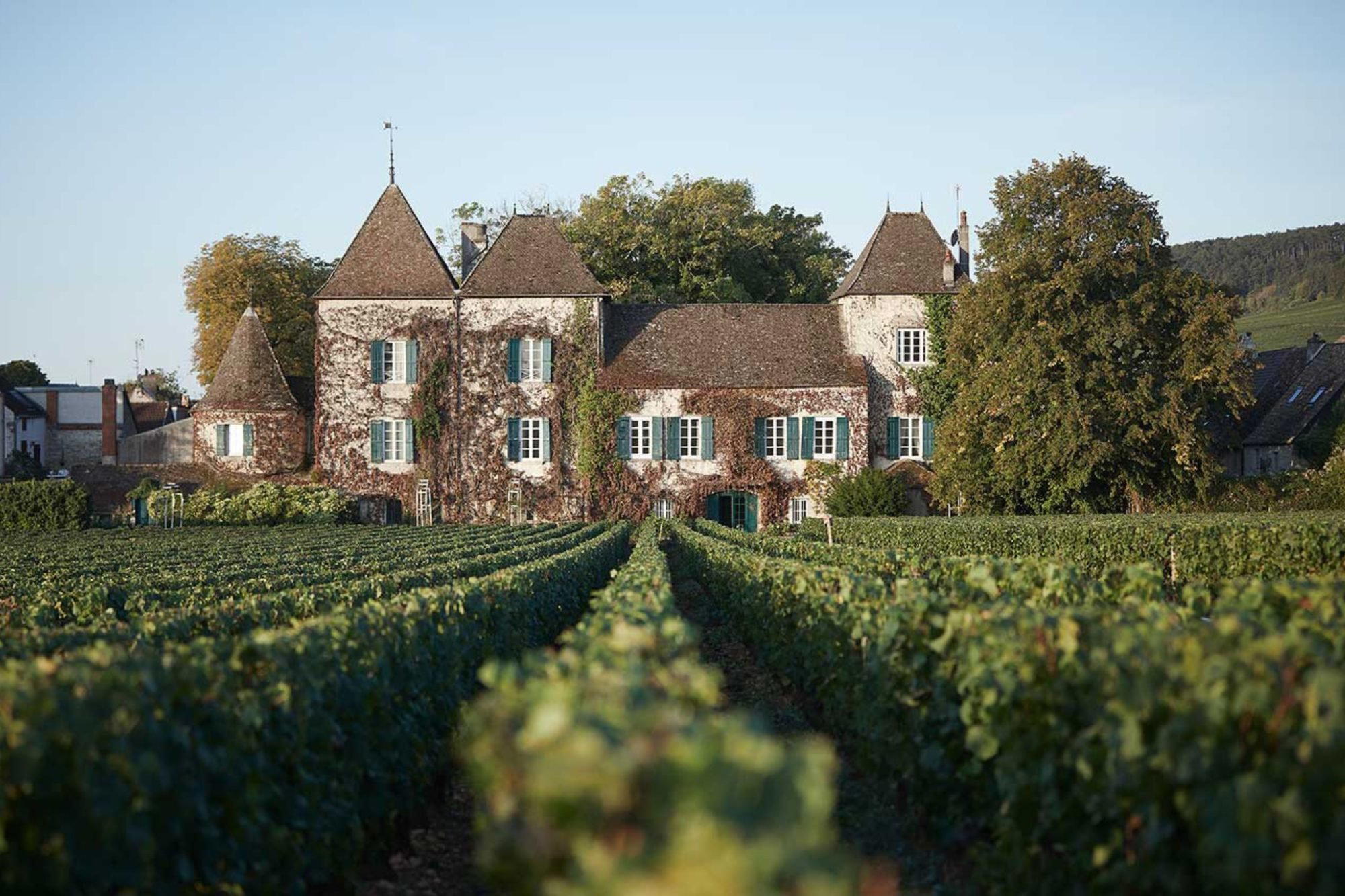
The Auxois plain is not where most visitors to Burgundy end up. The wine routes between Beaune and Dijon pull traffic along the Côte, and the postcard villages command the tourist flow. Sainte-Sabine sits further inland, on a south-eastern plateau where the landscape opens up toward Châteauneuf-en-Auxois. It is in this quieter register that Château Sainte Sabine occupies its eight-hectare park, and the building's impact on arrival is architectural before it is anything else. The castle is a product of the 16th century, and its formal grammar reflects the Italian-French synthesis that defined elite construction in Burgundy during that period: the proportions, the fenestration, the way the stone reads in morning light all carry that double inheritance. Among the small number of 16th-century châteaux in the region that have survived intact through subsequent centuries, this one has been preserved rather than restored, which matters to how it reads from the outside.
What the Interior Communicates About Age and Use
Inside, Sainte Sabine's 23 rooms and suites make an argument that period authenticity and considered comfort are not in tension. The decorative logic across the property runs through antique furniture, exposed oak beams, ancient floor tiles, and Burgundy stone, materials that accumulate rather than perform. This is a different proposition from the kind of château conversion that installs clean-lined contemporary interiors behind a historic facade, a pattern that has become common across French castle hotels. Here, the interiors are continuous with the building's own history.
The Salle des Gardes Suite anchors the room hierarchy. At 110 square metres, with a five-metre French ceiling and a neo-Gothic fireplace, it represents a category of grand historic hotel space that few properties in this tier can match on architectural terms alone. Gault & Millau awarded the property Exceptional Hotel status in 2025, a credential that speaks to overall execution rather than any single element. Rates begin from US$271 per night, positioning Sainte Sabine below the ceiling of the French château hotel market while maintaining full Relais & Châteaux membership and the standards that affiliation requires.
For context on how château properties across France position themselves architecturally, the comparison set is instructive. Properties like Château du Grand-Lucé in Le Grand-Lucé and Château de la Gaude in Aix-en-Provence each work from a historic building but deploy very different interior philosophies. Château Lafaurie-Peyraguey in the Sauternes pairs heritage architecture with a high-design restaurant concept. Sainte Sabine's choice to preserve period interiors without contemporary interruption places it in a distinct sub-category of French château hotels, those where the building itself is the primary experience rather than a backdrop for something else.
Restaurant Lassey and the Burgundy Seasonal Kitchen
Gastronomic restaurants inside château hotels occupy a structurally awkward position: they serve a captive audience by geography, yet the best of them build reputations that draw dinner guests who are not hotel guests at all. Restaurant Lassey operates in this format, offering a menu built around Burgundy specialties reconsidered through seasonal ingredients and local produce. The approach, which incorporates wild herbs alongside regional foundations, connects Lassey to a broader movement in French regional cooking that has been gaining ground for over a decade: the preference for hyper-local sourcing and lighter interpretive touches over the classical brigade weight of earlier gastronomic traditions.
Burgundy's kitchen traditions are among the most specific in France, with defined preparations tied to products from particular appellations, and a good regional restaurant here cannot detach itself from that context. The Auxois area sits between the wine country to the south-east and the agricultural plain to the north-west, giving a kitchen access to both registers. The seasonal menu format at Lassey reflects that position. The Gault & Millau recognition for the property overall adds credibility to the food program, though the restaurant's own standing should be evaluated directly when making decisions about dining.
The Auxois as a Base: What the Location Actually Gives You
Sainte-Sabine's position on the Burgundy Canal corridor is the practical argument for staying here rather than in Beaune or Dijon. The canal itself, a 19th-century engineering project that now draws cycling and barge tourism, runs through the region and provides a framework for day movement. Fontenay Abbey, a 12th-century Cistercian complex and UNESCO World Heritage Site, is within reach. The Alésia museum and archaeological park, which marks the site of Caesar's defeat of Vercingétorix in 52 BC, adds a layer of deep historical context that goes well beyond wine tourism. And the Burgundy vineyards of the Côte de Nuits and Côte de Beaune remain accessible for tastings without the château itself sitting inside the appellation traffic.
The view of Châteauneuf-en-Auxois from the property is noted as one of its spatial assets. Châteauneuf, a medieval village built around its own 15th-century château, is visible from the park and constitutes one of the more composed historic views available from any hotel in the region's interior. This is not incidental: it extends the architectural argument of Sainte Sabine's own fabric outward into the surrounding topography.
Planning a Stay: What to Know Before Booking
Château Sainte Sabine holds full Relais & Châteaux membership, which means booking channels, service standards, and property vetting all operate under that network's framework. Reservations can be made through the property directly at saintesabine@relaischateaux.com or by phone at +33 (0)3 80 49 22 01, with the property website at providing current availability. The address is 8 route de Semur, Route départementale 970, 21320 Sainte-Sabine, placing it between Beaune and Dijon on the D970, accessible by car from either city in under an hour. Rates from US$271 per night sit at an accessible point within the Relais & Châteaux tier, and the 23-room count means the property operates at a scale where personalised attention is architecturally possible rather than a marketing claim. For those comparing the full range of French château hotel options within the EP Club selection, see our full Sainte-Sabine restaurants guide.
Across the broader French hotel market, properties at this level compete against both larger luxury brands and smaller design-led independents. Domaine Les Crayères in Reims offers a comparable château-hotel format in Champagne. Cheval Blanc Paris and Hotel Du Cap-Eden-Roc in Cap d'Antibes represent the ceiling of the French luxury hotel market in urban and coastal registers respectively. Baumanière Les Baux-de-Provence and Les Sources de Caudalie in Bordeaux provide the most direct analogies for a gastronomic château hotel embedded in a major French wine region. Sainte Sabine's point of distinction within that set is its Burgundy interior location, its 16th-century structural integrity, and a price entry point that remains below the ceiling of comparable Relais & Châteaux properties in France. Other French château references in the EP Club selection worth examining include Château de Montcaud in Sabran, Château de la Chèvre d'Or in Èze, and Airelles Saint-Tropez Château de la Messardière. For coastal alternatives, Casadelmar in Porto-Vecchio, Castelbrac in Dinard, and The Maybourne Riviera in Roquebrune-Cap-Martin sit in the same EP Club tier. Mountain formats such as Four Seasons Megève and Cheval Blanc Courchevel round out the French luxury accommodation picture. For Provence, La Bastide de Gordes, Villa La Coste, and La Réserve Ramatuelle offer regional comparison. Further afield, Royal Champagne Hotel & Spa in Champillon, Hôtel & Spa du Castellet, Aman Venice, Aman New York, and The Fifth Avenue Hotel in New York City represent the international tier of the EP Club selection.
At-a-Glance Comparison
Comparable venues nearby, for context on price, style, and recognition.
| Venue | Cuisine | Price | Awards | Notes |
|---|---|---|---|---|
| Château Sainte SabineThis venue — the venue you are viewing | historic 16th-century château with modern comforts and Relais & Châteaux luxury | Not listed | Michelin Selected · Virtuoso Luxury Hotel Partner | Not listed |
| Arev | Contemporary luxury boutique hotel with retro-glamorous 1960s-70s design inspiration, blending Mediterranean elegance with yacht-club sophistication. | $1,000–1,500 | 1 Michelin Key · Virtuoso Luxury Hotel Partner | Saint-Tropez village center |
| Sofitel Marseille Vieux Port | Nautical luxury inspired by a lavish yacht with marine-themed decor. | $200–300 | Michelin Selected | Vieux Port |
| La Licorne Hotel & Spa Troyes - MGallery | Historic luxury hotel with modern comforts | Not listed | Gault & Millau Exceptional Hotel | Old Town Troyes |
| Hôtel Le Cep & Spa Marie De Bourgogne | Historic luxury heritage hotel with contemporary wellness integration, blending 16th-century architecture with modern spa technology. | $300–500 | Small Luxury Hotels of the World Member | Beaune City Centre |
| Jiva Hill Resort | Luxury mountain resort with modern facilities and Jura views. | Not listed | Michelin Selected · Relais Chateaux Award | Crozet |
Recognition history
Dated appearances from independent guides and award organizations, with the underlying list record or original source where available.
Michelin Selected
Michelin
Relais Chateaux Award
Relais Chateaux
Virtuoso Luxury Hotel Partner
Virtuoso
Gault & Millau Exceptional Hotel
Gault & Millau
Full recognition history (5 entries)
Relais Chateaux Award
Relais Chateaux
Continue exploring
More in Sainte-Sabine
Hotels in Sainte-Sabine
Browse all →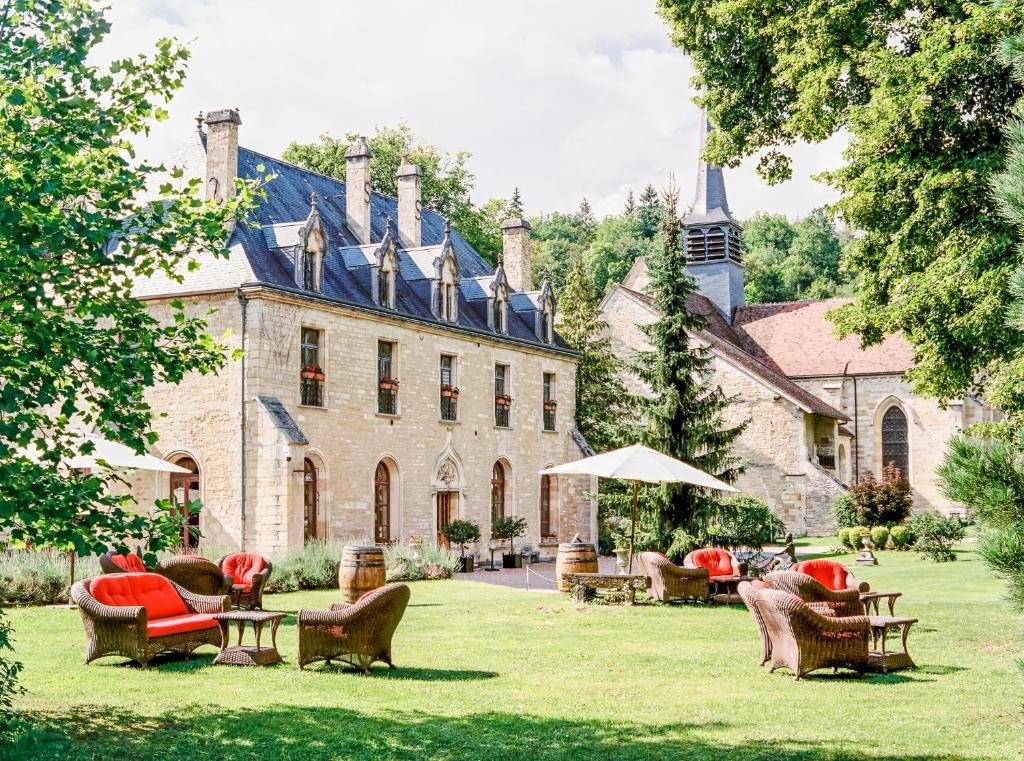
Bars in Sainte-Sabine
Browse all →
Restaurants in Sainte-Sabine
Browse all →
Details
- Romantic
- Elegant
- Classic
- Scenic
- Cozy
- Sophisticated
- Intimate
- Romantic Getaway
- Anniversary
- Honeymoon
- Weekend Escape
- Historic Building
- Panoramic View
- Garden
- Terrace
- Pool
- Spa
- Wi Fi
- Restaurant
- Room Service
- Concierge
- Bar
- Garden
- Garden
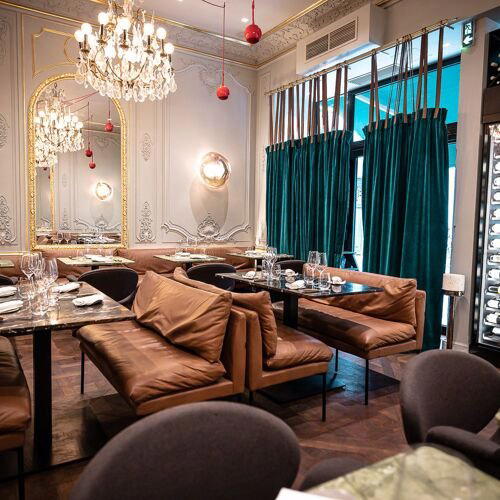
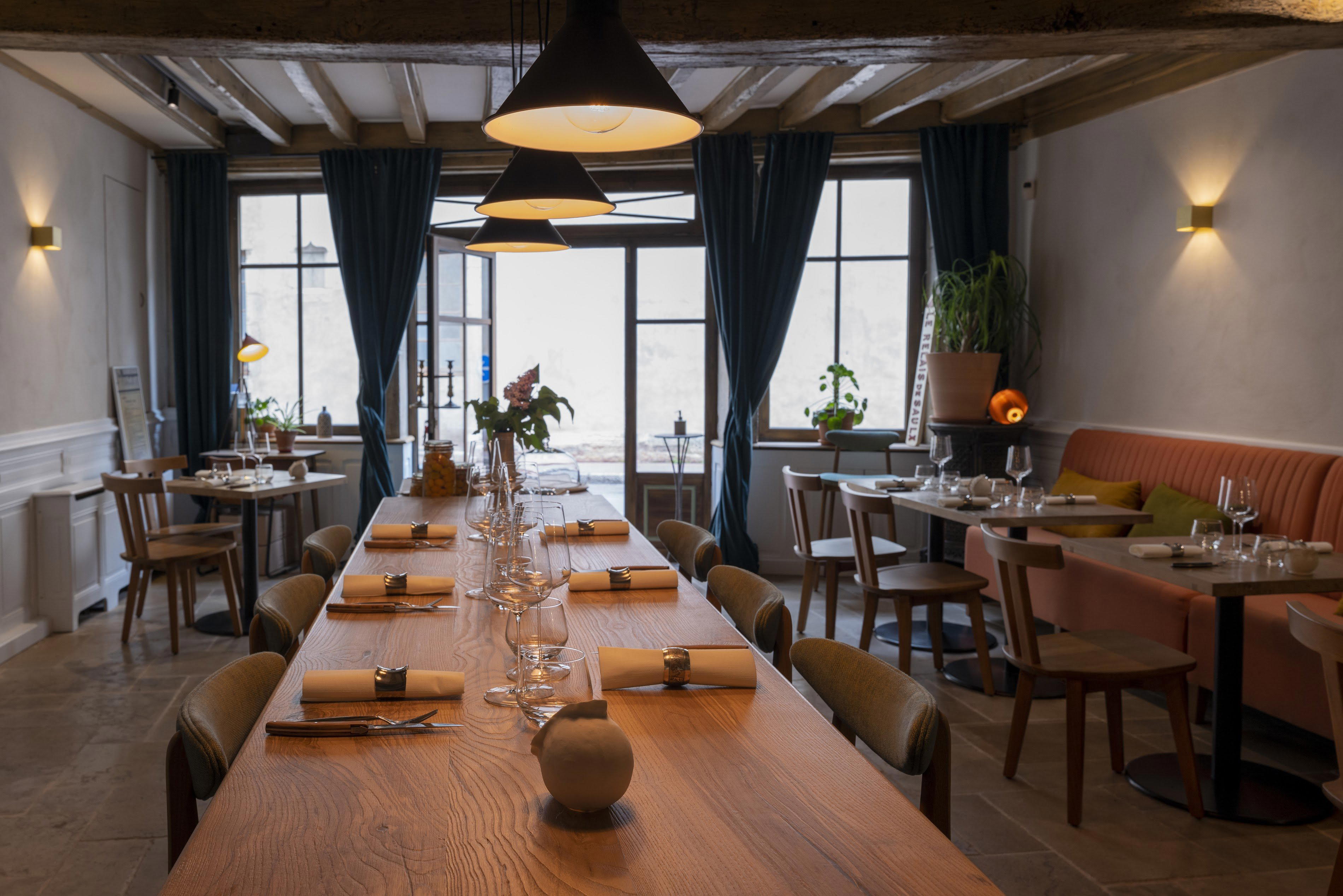
Warm and elegant atmosphere with tasteful antique decor, French ceilings, period woodwork, and a peaceful, welcoming vibe enhanced by attentive staff and dramatic countryside surroundings.