Château de Belet

Michelin Selected
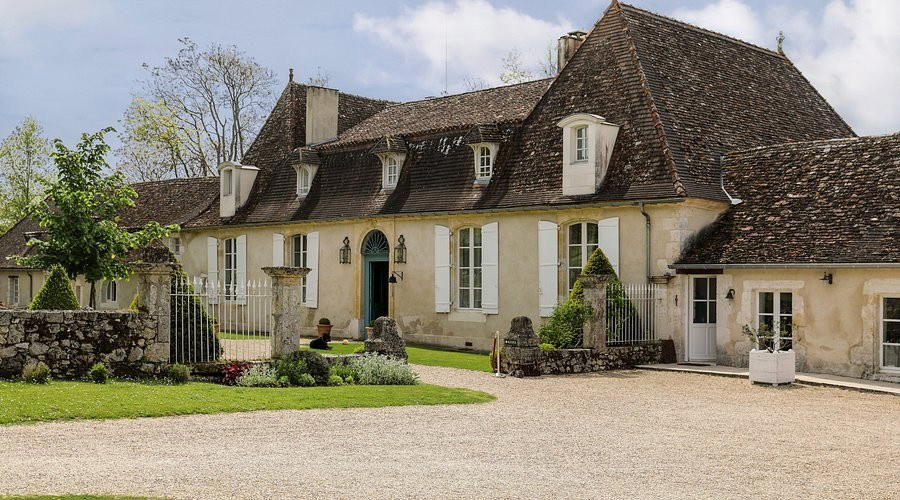
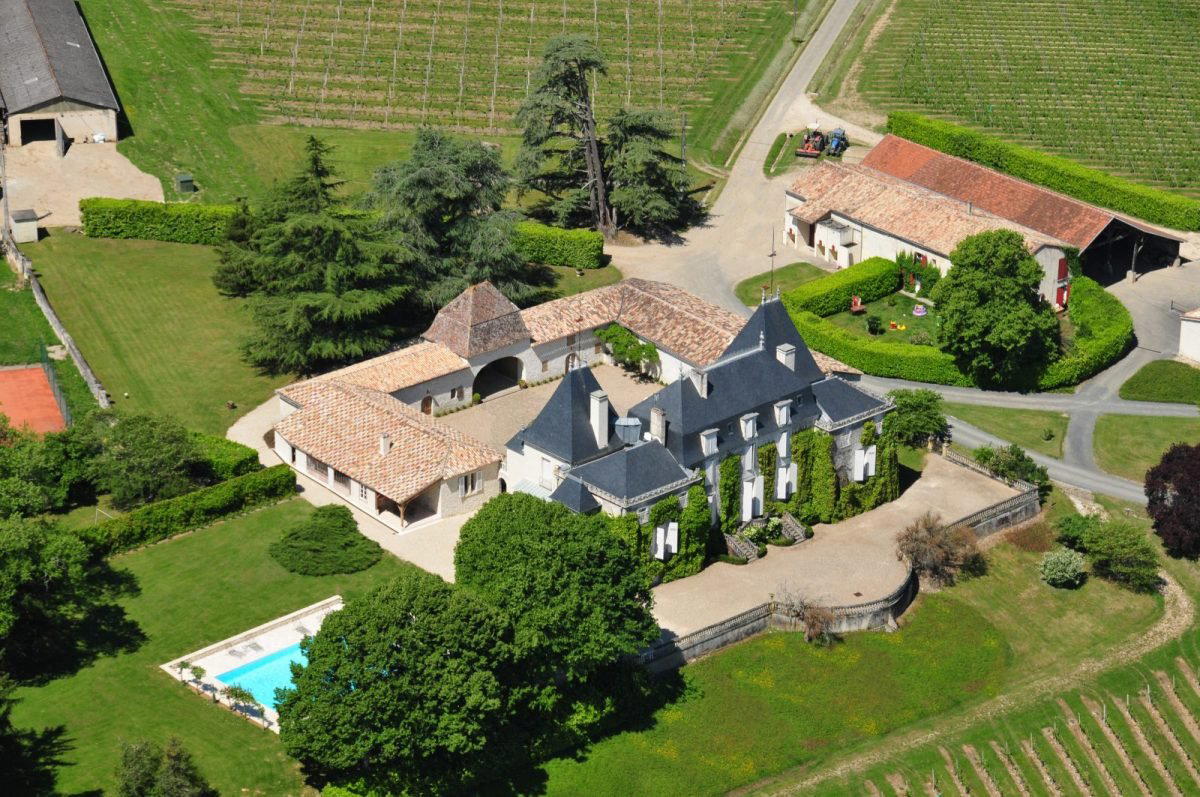
A Michelin Selected château hotel in the Dordogne village of Saint-Aquilin, Château de Belet occupies a historic stone property that places it within France's broader tradition of heritage château conversions. The selection signals positioning in the mid-to-upper tier of regional luxury accommodation, where architectural character and rural setting carry more weight than urban convenience.

Pearl is the En Primeur Club membership app — saves, bookings, and concierge access live there. Same editors, same standards.
- Address
- 402 Pierre de Brune, 24110 Saint-Aquilin, France
- Phone
- +33 676145068
- Website
- chateaudebelet.com
- Directions
- Get directions
Stone, Scale, and the French Château Hotel Tradition
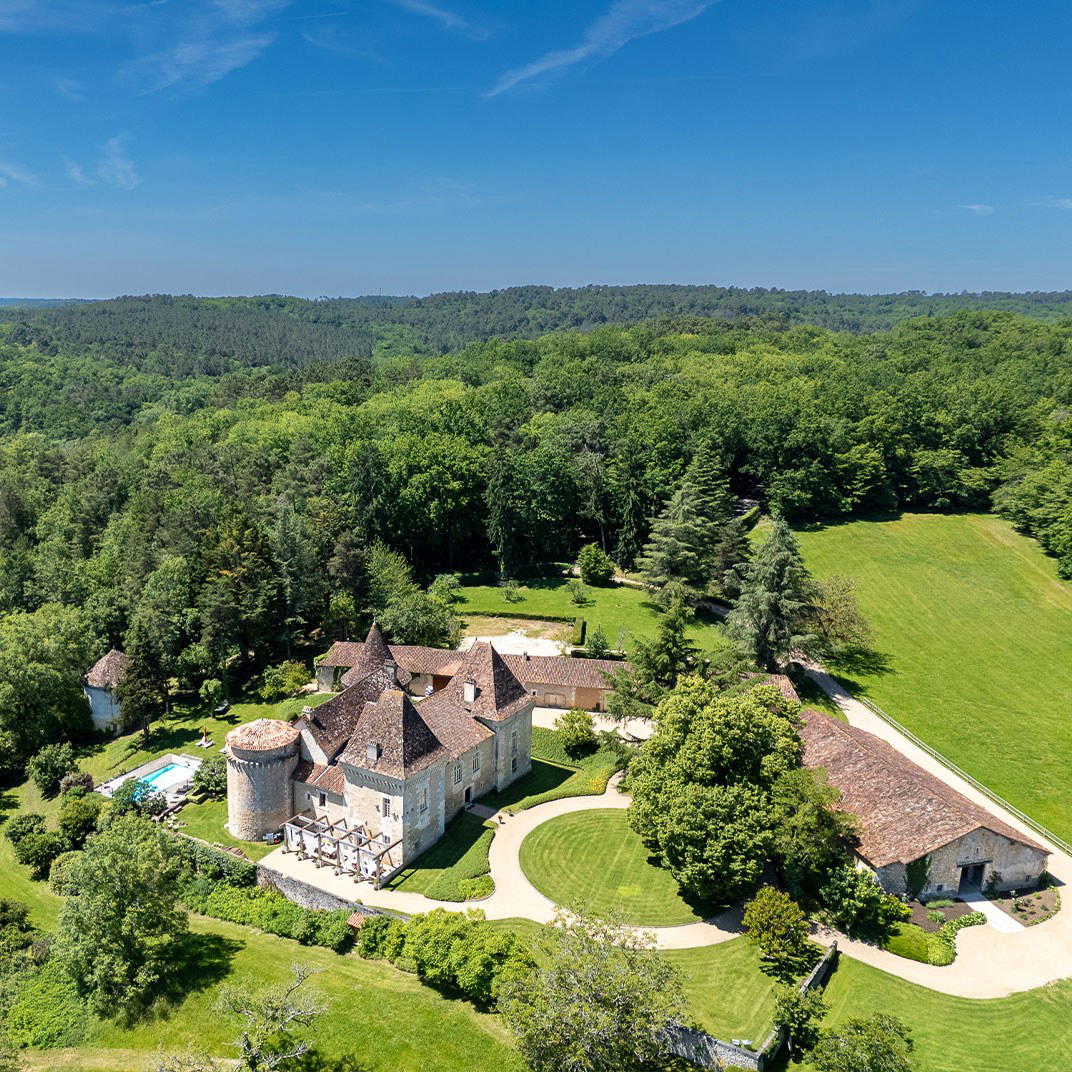
The French countryside is full of converted châteaux that promise history and deliver something more ambivalent: rooms that feel more like antique showrooms than places to sleep, dining that coasts on setting rather than substance, and grounds that photograph well but lack a coherent point of view. The better properties in this category earn their distinction through a different quality: architecture that hasn't been smoothed into anonymity, spaces where the age of the stone is a genuine presence rather than a decorative strategy. Château de Belet, situated on the Rue Pierre de Brune in Saint-Aquilin in the Dordogne, belongs to the tier of properties where the building itself is doing most of the heavy lifting.
Saint-Aquilin is a small commune in the Périgord, the broader cultural region of southwest France renowned for its prehistoric cave art, its truffles, its foie gras, and a range of river valleys and limestone ridges that has remained largely agricultural for centuries. Château hotels in this part of France don't compete on urban access or proximity to airports. They compete on the quality of the physical setting, the coherence of the architecture, and the degree to which a guest can genuinely disengage from the ordinary rhythms of travel. The Dordogne's appeal to the upper end of the French and international leisure market is well-established, and the château accommodation tier sits at its premium edge.
Michelin Selection and What It Signals
Michelin's hotel selection program, which runs parallel to but independently of the restaurant star system, applies a curatorial standard that narrows the field considerably. Inclusion in the 2025 Michelin Selected Hotels list for France puts Château de Belet in a peer group defined by verified quality across accommodation, service, and overall character rather than scale or brand affiliation. Michelin's hotel inspectors assess independently from marketing materials, which means the distinction functions as a third-party verification that the property delivers on what the category promises. For a property in a village as small as Saint-Aquilin, the selection is a meaningful positioning signal: it places the château in the same curatorial framework as recognized properties in much better-known French destinations.
For context, Michelin Selected properties in rural France tend to share certain qualities: a scale that keeps the guest count low enough to maintain atmosphere, an architectural identity that justifies the château classification, and a food and beverage offering that leans into regional produce. The selection doesn't carry the same weight as a Michelin star or a Relais & Châteaux membership, but it anchors the property in a credible tier of independent European hospitality. Properties in comparable rural positions include La Bastide de Gordes in the Luberon and Baumanière Les Baux-de-Provence further south, both of which have built long reputations on exactly this combination of historic fabric and culinary seriousness. Belet operates at a smaller scale and in a quieter location, which shapes both its character and its likely appeal.
Architecture as the Primary Experience
Château hotels succeed or fail on the quality of their physical fabric first. The Périgord region has one of the densest concentrations of medieval and Renaissance domestic architecture in France, much of it in the form of fortified manor houses and smaller châteaux built from the local limestone that weathers into a characteristic pale gold. Properties that have preserved original structural features rather than replacing them with period-adjacent reproductions occupy a different register from those that have opted for complete interior renovation. The address on the Rue Pierre de Brune places Château de Belet within a village setting, which typically means a property integrated into its surroundings rather than isolated on a managed estate, a distinction that affects the rhythm of a stay in ways that matter to guests looking for connection to place rather than insulation from it.
In this part of France, the architectural conversation extends beyond individual properties. The Dordogne's built heritage draws serious travelers who are already calibrated to the relationship between limestone, light, and interior atmosphere that defines the region's most characterful accommodations. Guests arriving with that frame of reference will find the physical setting the primary point of interest, with amenities and service playing a supporting role. This distinguishes the Dordogne château tier from the spa-led luxury hotels of the Alps or the Riviera, where the amenity program often leads and the building follows. For reference on how the mountain and coastal tier compares, see Le K2 Palace in Courchevel and La Réserve Ramatuelle.
Placing Château de Belet in the Regional Context
Southwest France has a well-developed infrastructure of premium château accommodation, with properties ranging from those with full Michelin-starred dining programs, such as Les Sources de Caudalie outside Bordeaux, to more intimate properties where the building and setting are the primary amenities. Château de Belet sits closer to the latter model by geography and scale. The Périgord is not a wine region in the same sense as Bordeaux or Champagne, so the food and beverage offer here draws more naturally on the agricultural richness of the region: truffles from the Périgord Noir, walnut oil, duck preparations of various kinds, and the local Bergerac wines, which have been gaining credibility as an alternative to their more famous neighbors to the west.
For travelers building a southwest France itinerary, Château de Belet works as a rural anchor point in the Dordogne, positioned differently from urban properties like Hôtel Chais Monnet in Cognac or from more celebrated Loire Valley château hotels such as Château du Grand-Lucé. The Dordogne's particular draw is the combination of prehistoric landscape, medieval architecture, and exceptional local produce in a region that remains less trafficked by international visitors than Provence or the Riviera, which means properties here operate with a lower ambient noise level and a pace that suits extended stays rather than one-night stopovers.
Planning a Stay
Saint-Aquilin is accessible from Périgueux, the regional capital of the Dordogne, which is served by rail connections to Bordeaux and from there to Paris Montparnasse. The nearest major airports are Bordeaux-Mérignac and Bergerac Roumanière, with Bergerac offering a shorter drive for guests arriving directly into the region. Given the property's village location and rural character, a car is the practical choice for guests planning to explore the surrounding valley landscapes and villages. The Dordogne's main tourist season runs from late spring through early autumn, with July and August representing peak occupancy across the region's accommodation stock. Spring and early autumn offer better availability and cooler temperatures suited to walking the surrounding countryside. Readers planning a broader France itinerary can explore the full range of Michelin-recognized properties through our Saint-Aquilin editorial guide and through peer properties including Royal Champagne Hotel & Spa in Champillon, Domaine Les Crayères in Reims, and Château de la Gaude in Aix-en-Provence.
Fast Comparison
Comparable venues nearby, for context on price, style, and recognition.
| Venue | Cuisine | Price | Awards | Notes |
|---|---|---|---|---|
| Château de BeletThis venue — the venue you are viewing | 15th-century Renaissance château blending authentic medieval features with sleek contemporary design | Not listed | Michelin Selected | Not listed |
| Sofitel Ajaccio | Modern luxury beach resort in harmony with nature | $300–500 | Michelin Selected | Porticcio |
| Villa-des-Prés | Contemporary Parisian luxury boutique hotel housed in a post-Haussmann 1911 apartment building, designed as a private mansion with character and discretion. | Not listed | 1 Michelin Key | Saint-Germain-des-Prés |
| Château Troplong Mondot | Restored 18th-century château offering ultra-luxury private home experience with five-star hotel services. | Not listed | 5-Star | Saint-Emilion |
| Domaine Tarbouriech | 18th-century restored Folie blending historic charm with modern luxury | $500–750 | Michelin Selected | Marseillan |
| Hotel Sax Paris | Urban Left Bank luxury hotel blending heritage neo-Gothic architecture with contemporary art and resort-style garden living. | Not listed | 1 Michelin Key · Forbes Recommended | 7th arrondissement (Left Bank) |
Recognition history
Dated appearances from independent guides and award organizations, with the underlying list record or original source where available.
Michelin Selected
Michelin
Continue exploring
More in Saint Aquilin
Hotels in Saint Aquilin
Browse all →
Restaurants in Saint Aquilin
Browse all →

Details
- Romantic
- Elegant
- Scenic
- Rustic
- Ornate
- Intimate
- Honeymoon
- Romantic Getaway
- Anniversary
- Weekend Escape
- Group Retreat
- Destination Wedding
- Historic Building
- Panoramic View
- Garden
- Terrace
- Private Villa
- Wi Fi
- Pool
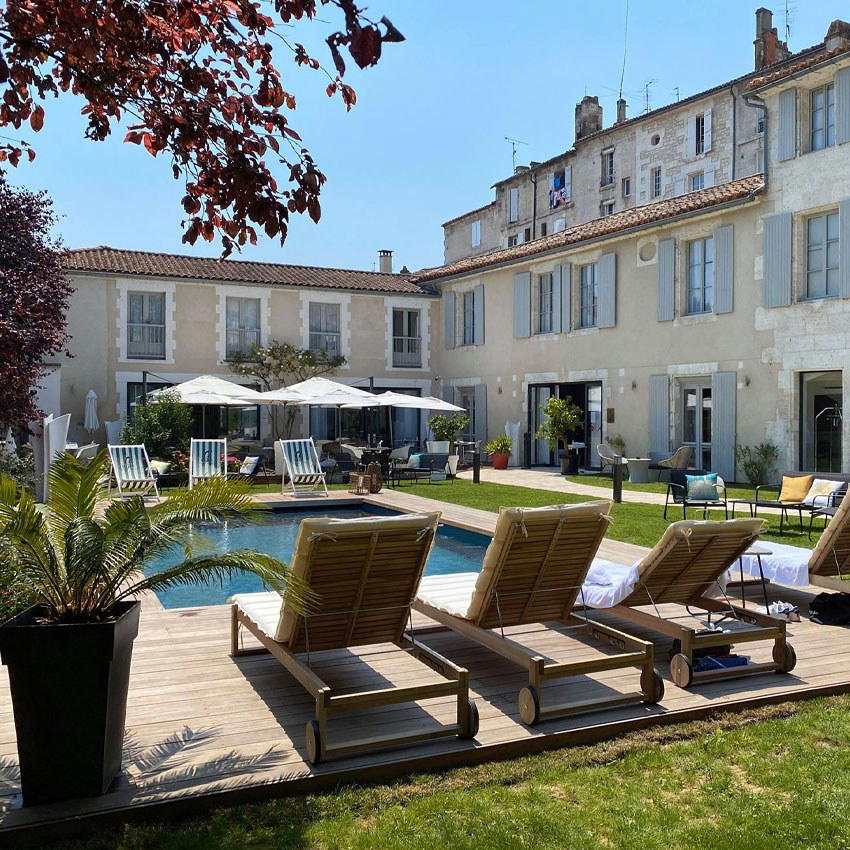
- Tennis Court
- Concierge
- Garden
- Mountain
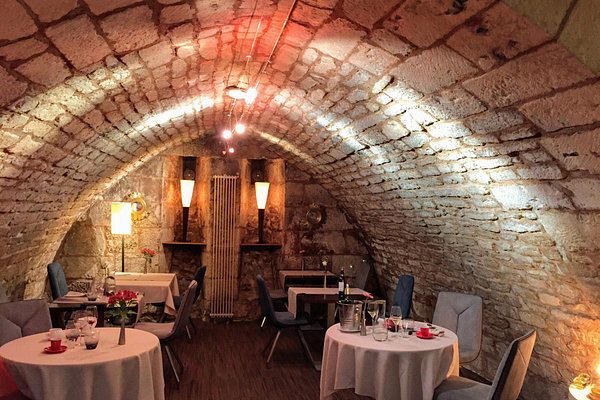
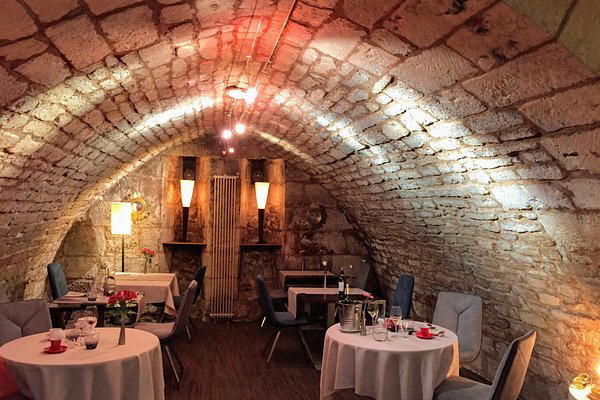
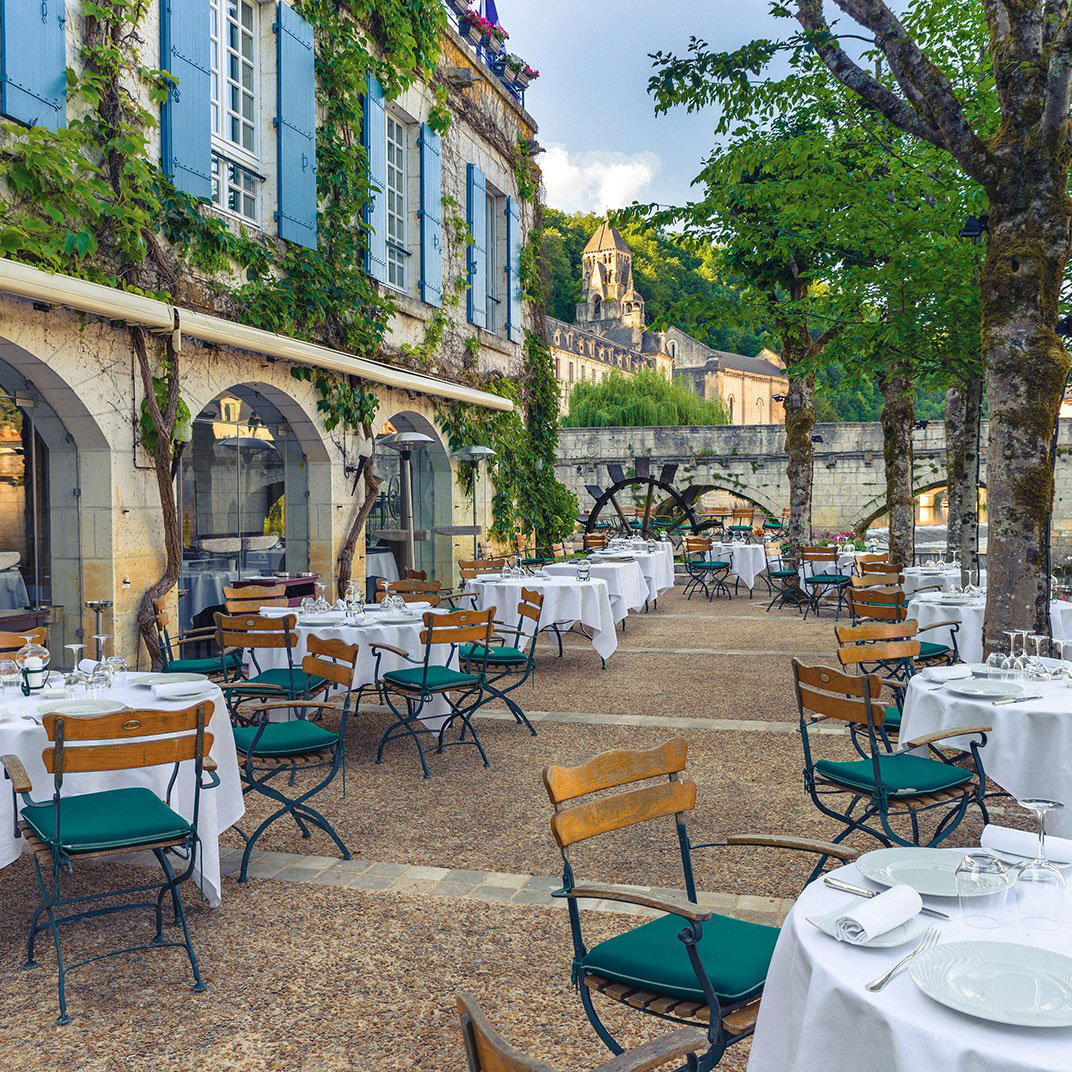
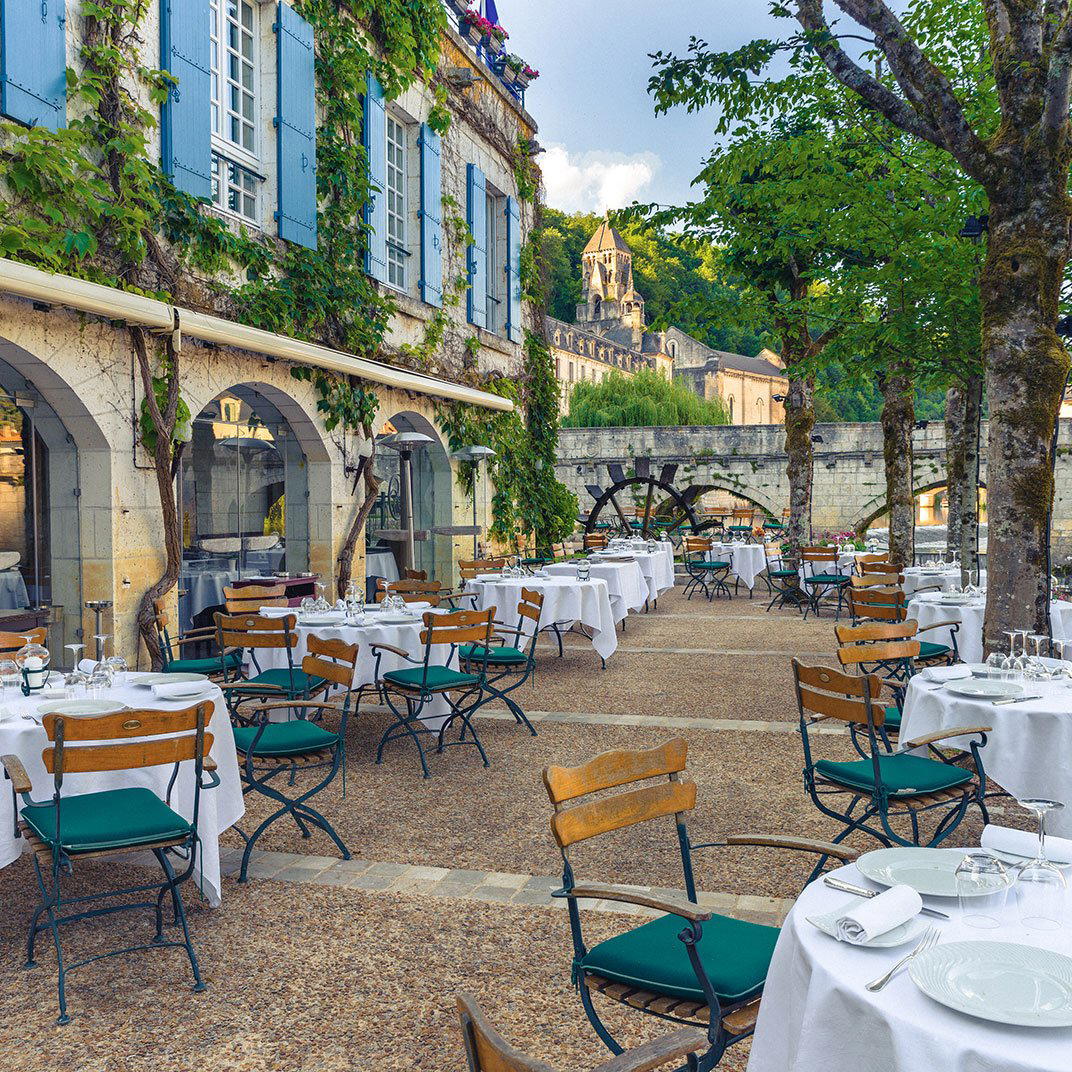
Ornate antique atmosphere with rough-hewn stonework, ancient oak beams, cobblestone floors, and contemporary luxuries creating a lively contrast between medieval heritage and modern comfort.