La Chartreuse du Bignac

1 Michelin Key
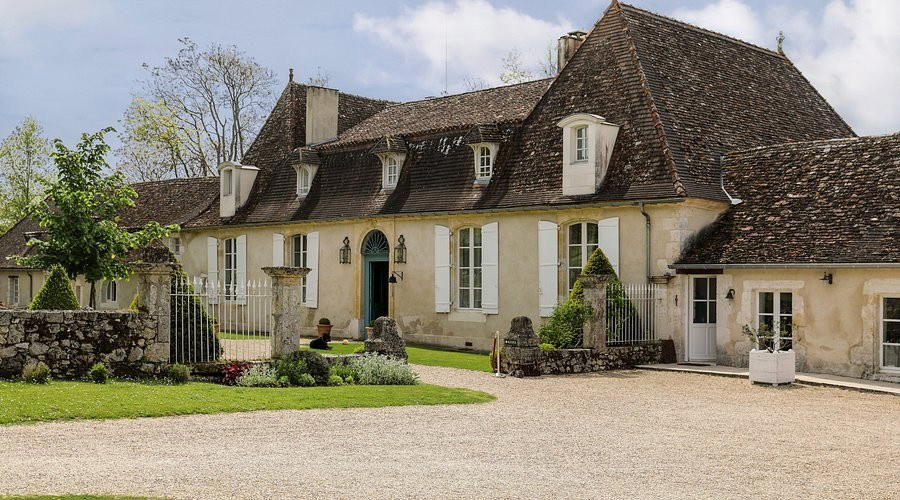
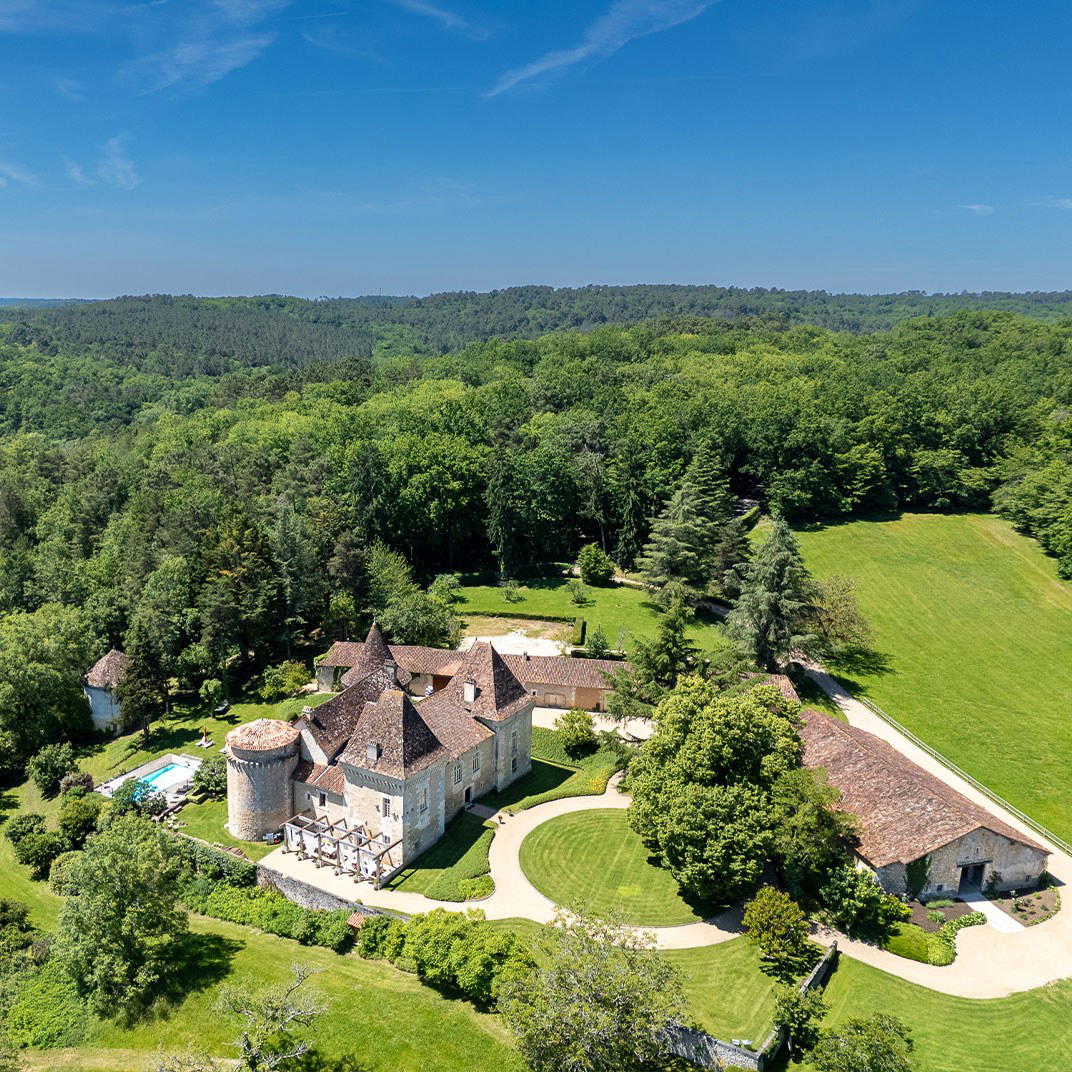
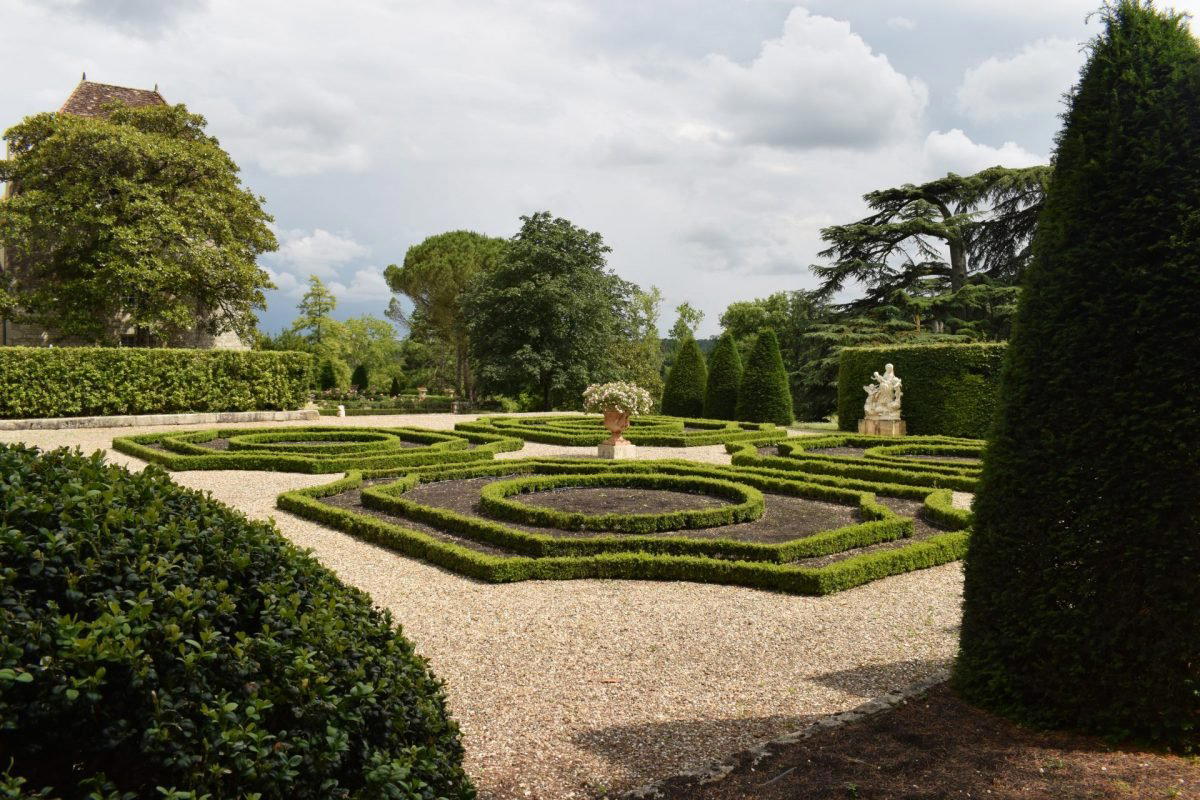
A 17th-century Dordogne manor awarded a Michelin Key in 2024, La Chartreuse du Bignac offers 12 rooms across a 50-acre estate where period architecture — stone walls, timbered ceilings, a mill suite with a glass floor over a stream — sits alongside contemporary comfort. The barn restaurant serves seasonal, locally sourced cooking with views across the estate and surrounding hills. Rates from $179 per night.

Pearl is the En Primeur Club membership app — saves, bookings, and concierge access live there. Same editors, same standards.
- Address
- Lieu-Dit, 1883 Rte du Bignac, 24520 Saint-Nexans
- Phone
- +33 5 53 22 12 80
- Website
- abignac.com
- Directions
- Get directions
Stone, Timber, and Fifty Acres: What La Chartreuse du Bignac Gets Right
Certain corners of the Dordogne resist the renovator's urge to smooth everything flat. The countryside between Bergerac and Périgueux has long attracted buyers willing to take on the burden of old stone — and occasionally, those buyers get it right. La Chartreuse du Bignac, a 17th-century manor house operated by a husband-and-wife team on the edge of Saint-Nexans, belongs to a small category of French country properties where the architecture is not merely decorative backdrop but the actual substance of the guest experience.
The Architecture of Restraint
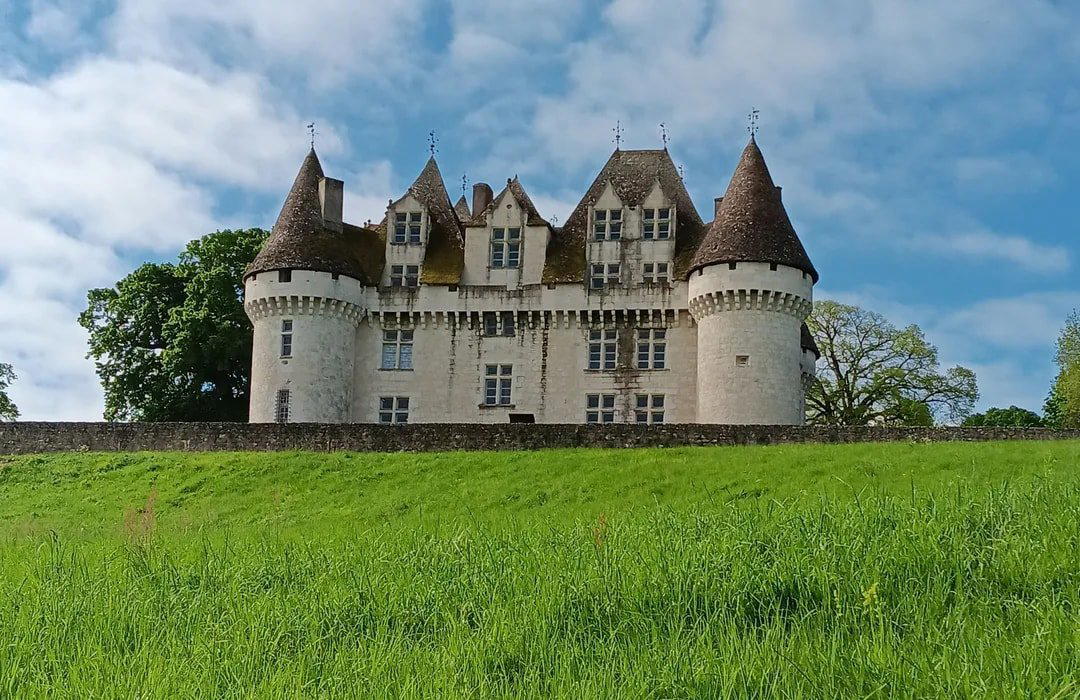
The 17th-century chartreuse form — a long, relatively low manor house typical of the Périgord region, distinct from the grander Loire châteaux, lends La Chartreuse du Bignac a proportional modesty that larger-footprint properties cannot replicate. Where something like Château du Grand-Lucé commands attention through formal grandeur, or Château de Montcaud through its Provençal drama, La Chartreuse operates with a quieter logic: the building's age is legible in the walls themselves rather than announced through decorative theatre.
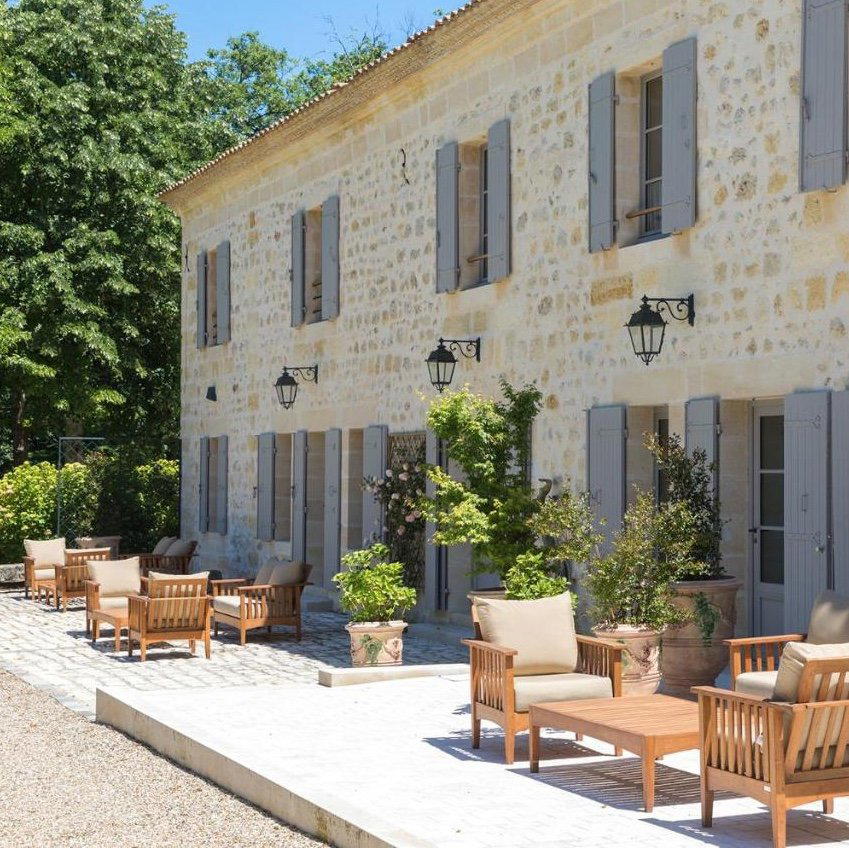
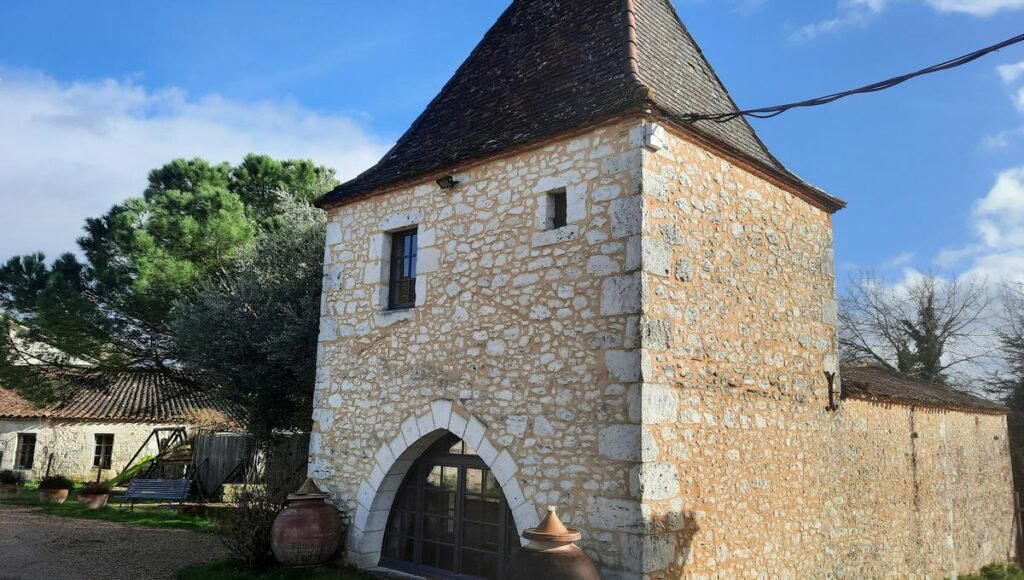
That legibility runs through all twelve accommodation units. Timbered ceilings and exposed stone walls appear not as restoration set-dressing but as structural reality, the beams carry actual weight, the walls are genuinely thick. The division of rooms between the main house and a pair of historical outbuildings means guests encounter the estate's architectural variety rather than a single repeated typology. Fifty acres of grounds ensure the buildings remain properly isolated from one another, which is how a 12-room property maintains a sense of solitude that hotels with twice the keys cannot manufacture.
The Mill Suite
Among the rooms, the suite constructed from the estate's old mill represents the most architecturally considered gesture on the property. A glass floor installed over a flowing stream beneath the building collapses the boundary between interior and landscape in a way that photographs inadequately and presence confirms. This kind of intervention, using an existing structural quirk as a design feature rather than obscuring it, characterises the broader approach across the property. Historic anomalies are preserved and made central rather than regularised away. For those travelling to the Dordogne specifically to engage with its built heritage, this room makes a particular case for La Chartreuse over more uniformly finished alternatives.
Where the Property Sits in Southwest France's Country House Market
Southwest France's premium rural accommodation market splits between two broad approaches. The first is the fully managed luxury estate, where professional hospitality groups apply consistent standards across properties, Les Sources de Caudalie near Bordeaux exemplifies this tier, with spa infrastructure and wine country access that position it as a resort destination. The second is the owner-operated manor, where the texture of the experience reflects the particular commitments of the people running it rather than a brand standard. La Chartreuse du Bignac belongs firmly to the second category. The husband-and-wife ownership model is not a marketing detail but a functional description of how the property operates, decisions about restoration, room configuration, and dining reflect individual judgment rather than committee process.
At $179 per night as an entry rate, La Chartreuse occupies a different price tier than, say, Château Lafaurie-Peyraguey in the Sauternes, where the Lalique partnership and Michelin-starred dining push rates considerably higher. That positioning is deliberate and functional: the Bignac experience is not built around premium amenity density but around architectural depth and genuine countryside immersion. Guests arriving for wellness infrastructure or curated excursion programming will find the property underspecified by design. Those arriving for stone walls, landscape, and a restaurant with local sourcing will find it accurately specified.
The Barn Restaurant
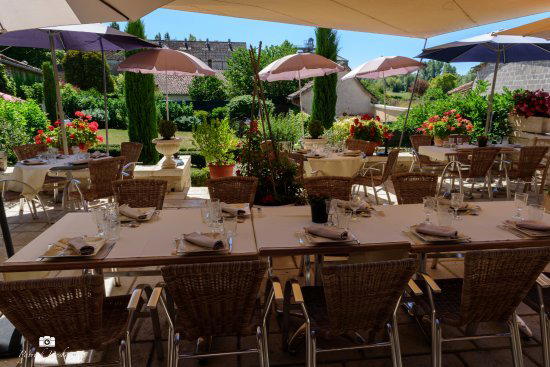
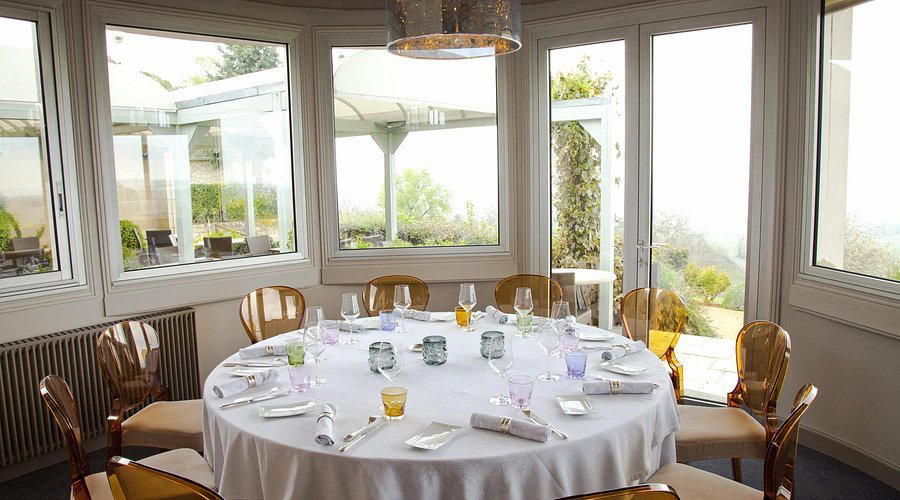
The conversion of the estate's old barn into the dining space is consistent with the architectural approach elsewhere on the property: repurpose rather than replace. The restaurant serves modern dishes built from local and seasonal ingredients, with sightlines extending across the estate and into the distant Périgord hills. The Michelin Key awarded in 2024 applies to the property as a whole, recognising the integration of accommodation and experience rather than isolating the restaurant as a standalone destination. In this sense it functions differently from a Michelin star, which attaches to the kitchen's output specifically. See our full Saint-Nexans restaurants guide for further dining context in the area.
Getting There and Planning the Stay
La Chartreuse du Bignac sits in the commune of Saint-Nexans, in the Dordogne department of the Nouvelle-Aquitaine region. The nearest major city is Bordeaux, approximately an hour and a half by road, a distance that places the property within reach of a day trip from the city but more naturally suited to a multi-night stay. Bergerac, with a small regional airport served by a handful of European carriers, offers a closer access point for those flying in from outside France. The 50-acre rural setting means a car is functionally necessary; the Dordogne's village-to-village geography does not lend itself to public transport navigation. With only 12 rooms across the estate, availability at La Chartreuse is constrained, and peak summer months in the Dordogne see significant demand across the region. Planning a visit for late spring or early autumn balances landscape quality with somewhat more manageable booking conditions.
La Chartreuse du Bignac in Context
Properties like Baumanière Les Baux-de-Provence or La Bastide de Gordes occupy similar historic-fabric territory in Provence, but with larger footprints and more fully developed resort amenities. In the Dordogne specifically, the combination of 17th-century architecture in functioning condition, a room count low enough to feel private, and an in-house restaurant with formal recognition is not a common configuration. For travellers whose preference runs toward historic texture over amenity breadth, the property makes a direct case on its own terms.
For reference, larger-scale French luxury at the Parisian end of the spectrum, Cheval Blanc Paris, Domaine Les Crayères in Reims, operates at a different register entirely, where the architectural drama is amplified by urban or destination-wine-region context and supported by full-service infrastructure. La Chartreuse du Bignac's proposition is quieter and more specific: an old house in a large field, restored with care, producing food from its surroundings, at a price point that reflects the Dordogne market rather than the Côte d'Azur one. That is, in itself, a considered position.
Comparable Venues
Comparable venues nearby, for context on price, style, and recognition.
| Venue | Cuisine | Price | Awards | Notes |
|---|---|---|---|---|
| La Chartreuse du BignacThis venue — the venue you are viewing | Historic Chartreuse estate scattered across grounds with park, ponds, and gardens | Not listed | 1 Michelin Key | Not listed |
| Les Hortensias du Lac | Upscale surf lodge combining relaxed atmosphere with premium luxury | Not listed | 1 Michelin Key · La Liste Top Hotels | Hossegor |
| Le Vieux Castillon | Authentic medieval village hotel blending Renaissance architecture with contemporary luxury, preserving historical character while offering modern comfort. | $300–500 | 1 Michelin Key | Castillon-du-Gard |
| L'Auberge Basque | Contemporary Basque inn in a renovated farmhouse | Not listed | 1 Michelin Key · Relais Chateaux Award | Saint-Pée-sur-Nivelle |
| Hotel Pulitzer Paris | Unconventionally chic and homey boutique hotel | Not listed | 1 Michelin Key · Mr & Mrs Smith Seal of Approval | 9th arr. |
| Le Clair de la Plume | Historic Provençal charm with contemporary comfort, distributed across multiple 17th and 18th-century buildings in a preserved village setting. | $200–300 | 1 Michelin Key | Grignan village center |
Recognition history
Dated appearances from independent guides and award organizations, with the underlying list record or original source where available.
Michelin 1 Key
Michelin
Full recognition history (3 entries)
Michelin 1 Key
Michelin
Michelin 1 Key
Michelin
Continue exploring
More in Saint-Nexans
Hotels in Saint-Nexans
Browse all →
Restaurants in Saint-Nexans
Browse all →

Details
- Romantic
- Quiet
- Elegant
- Rustic
- Scenic
- Cozy
- Romantic Getaway
- Anniversary
- Weekend Escape
- Garden
- Terrace
- Historic Building
- Wi Fi
- Pool
- Spa
- Restaurant
- Room Service
- Concierge
- Garden
- Garden
- Wheelchair Accessible
- Step Free Entrance
- Accessible Parking
Serene and relaxing with beautiful garden views, soundproofed rooms, and a quiet countryside setting enhanced by attentive service.