Villa le Prata

1 Michelin Key
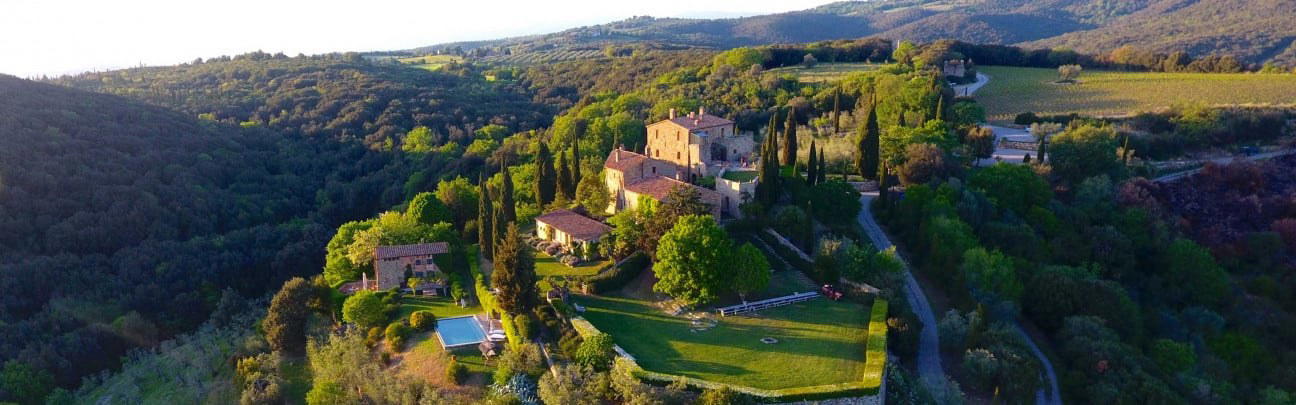
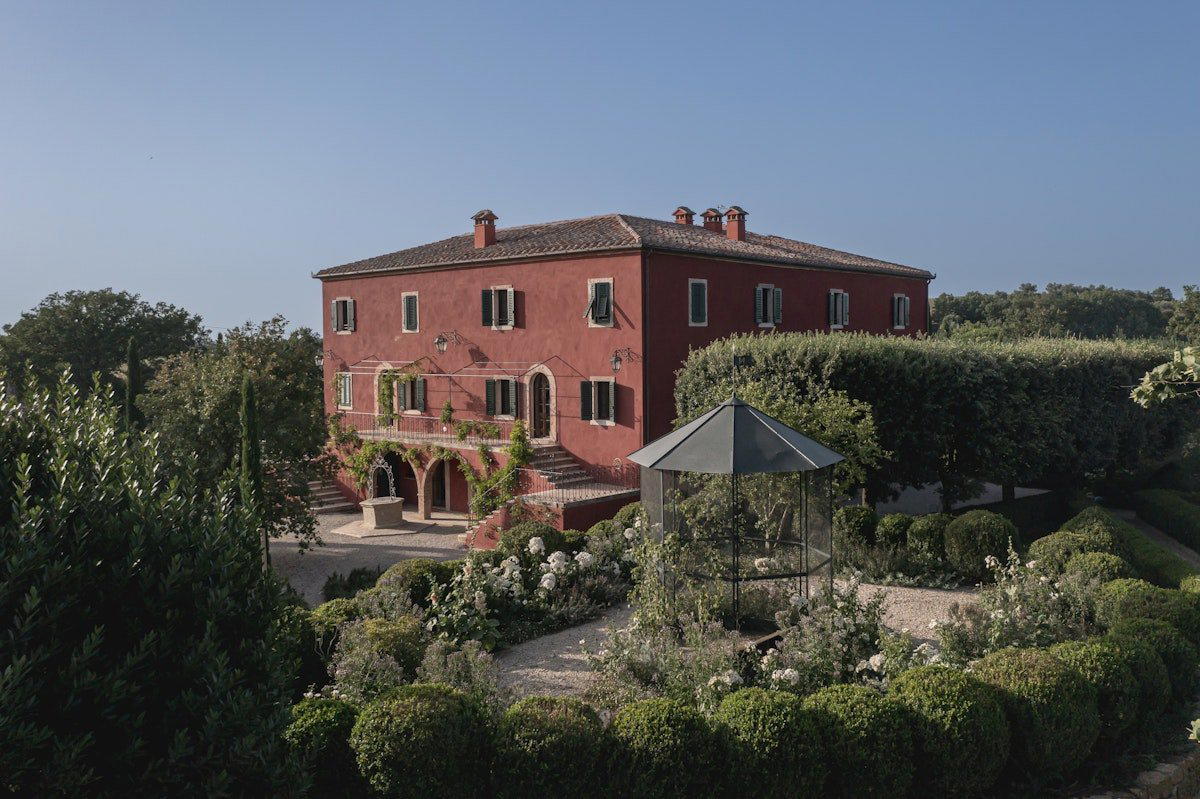
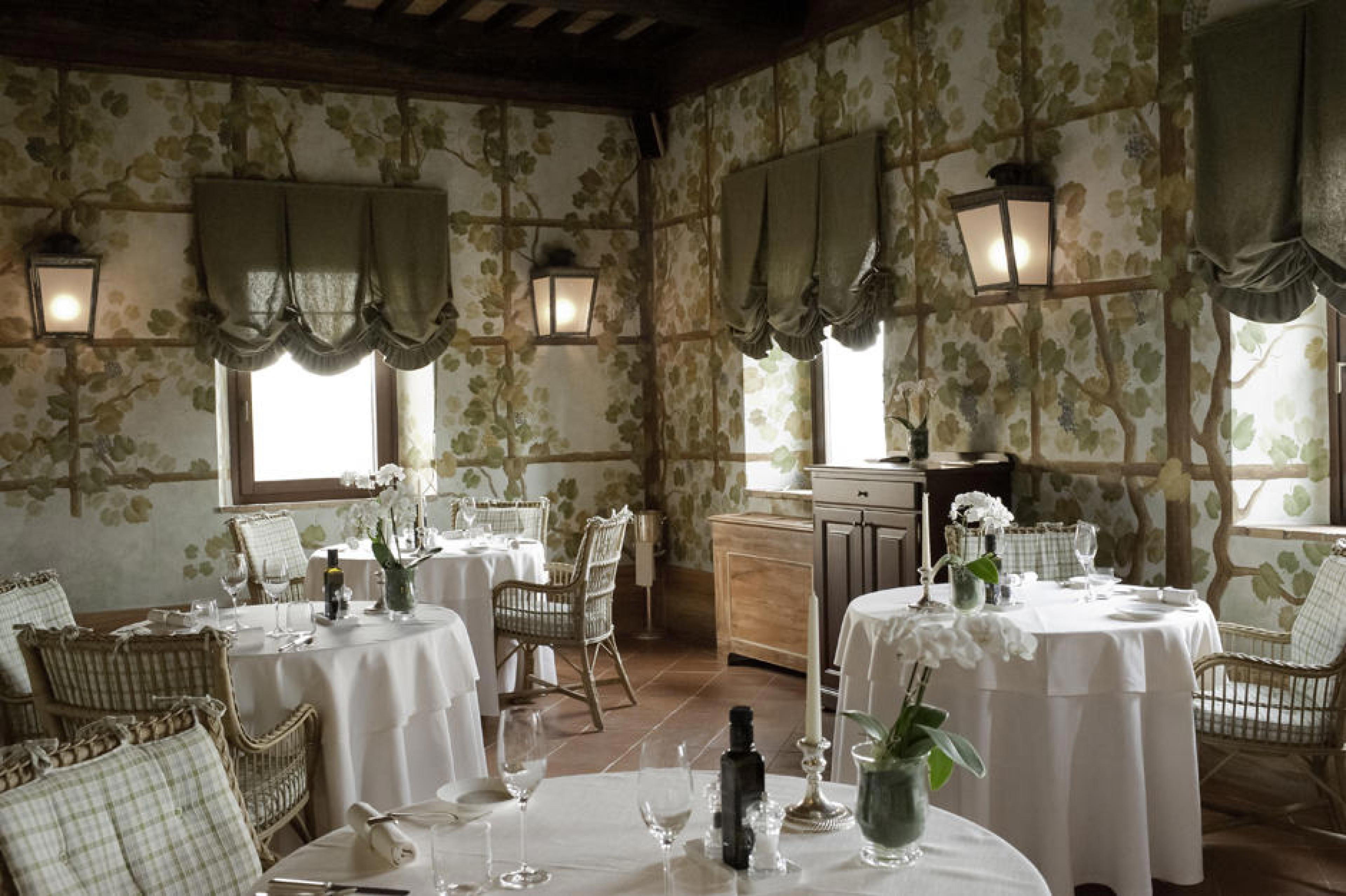
A Michelin Key-awarded estate five minutes from Montalcino's walls, Villa le Prata occupies a 19th-century hunting lodge on a working Brunello di Montalcino wine estate. Eight named rooms, garden breakfasts, and daily transport into the hilltop city place it firmly in the small-scale, agricultural-luxury tier that defines the most considered agriturismo category in Tuscany. Rates from $483 per night.

Pearl is the En Primeur Club membership app — saves, bookings, and concierge access live there. Same editors, same standards.
- Address
- localita le prata 261, 53024 Montalcino SI
- Phone
- +39 0577 847130
- Website
- villaleprata.com
- Directions
- Get directions
Where the Countryside Does the Work
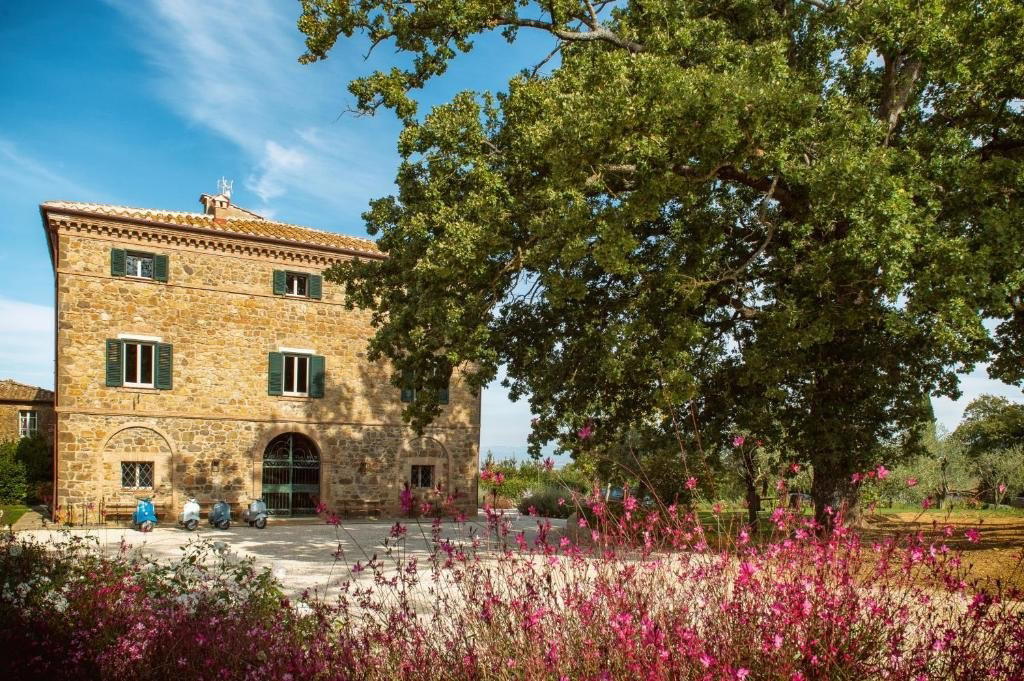
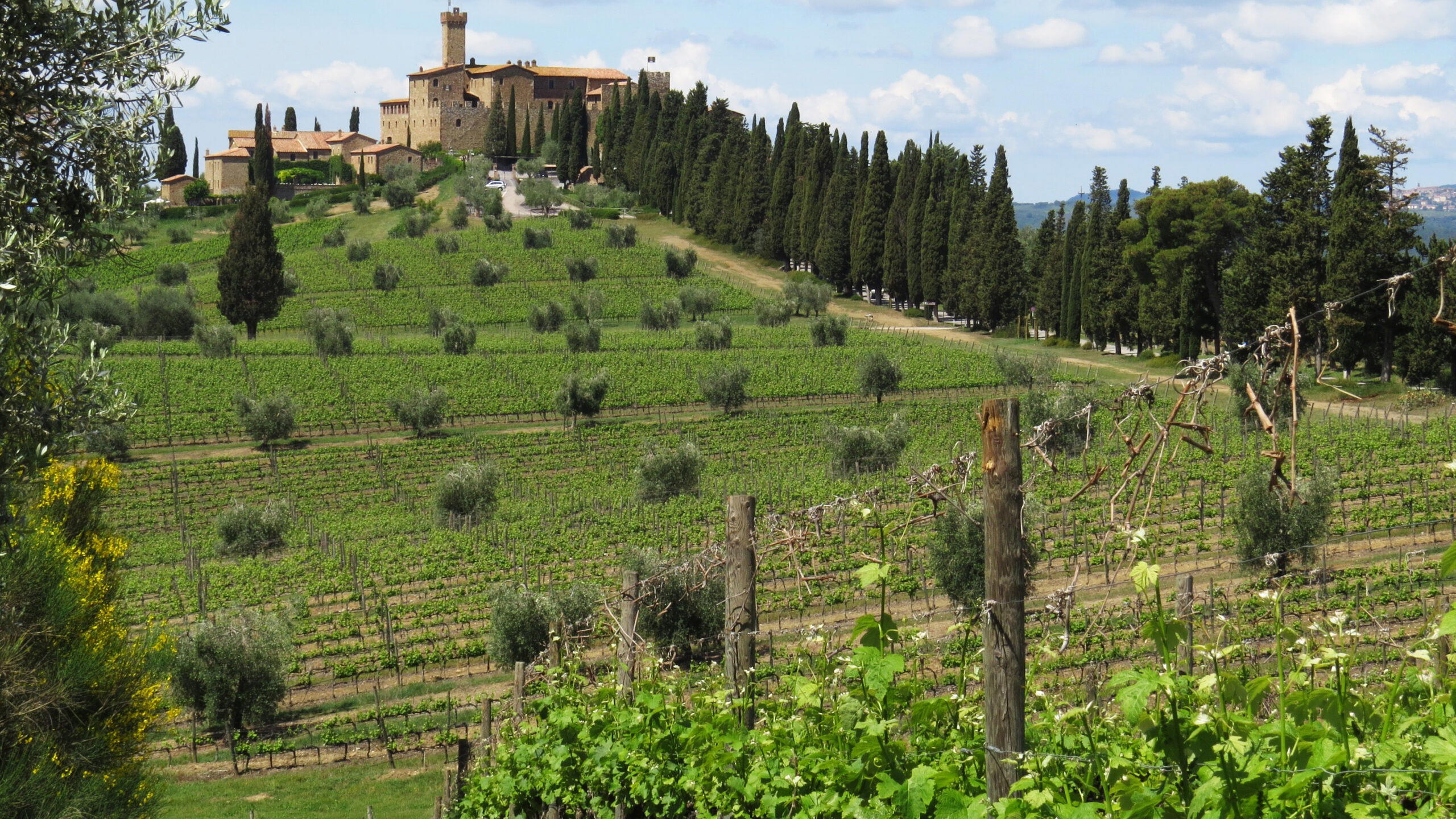
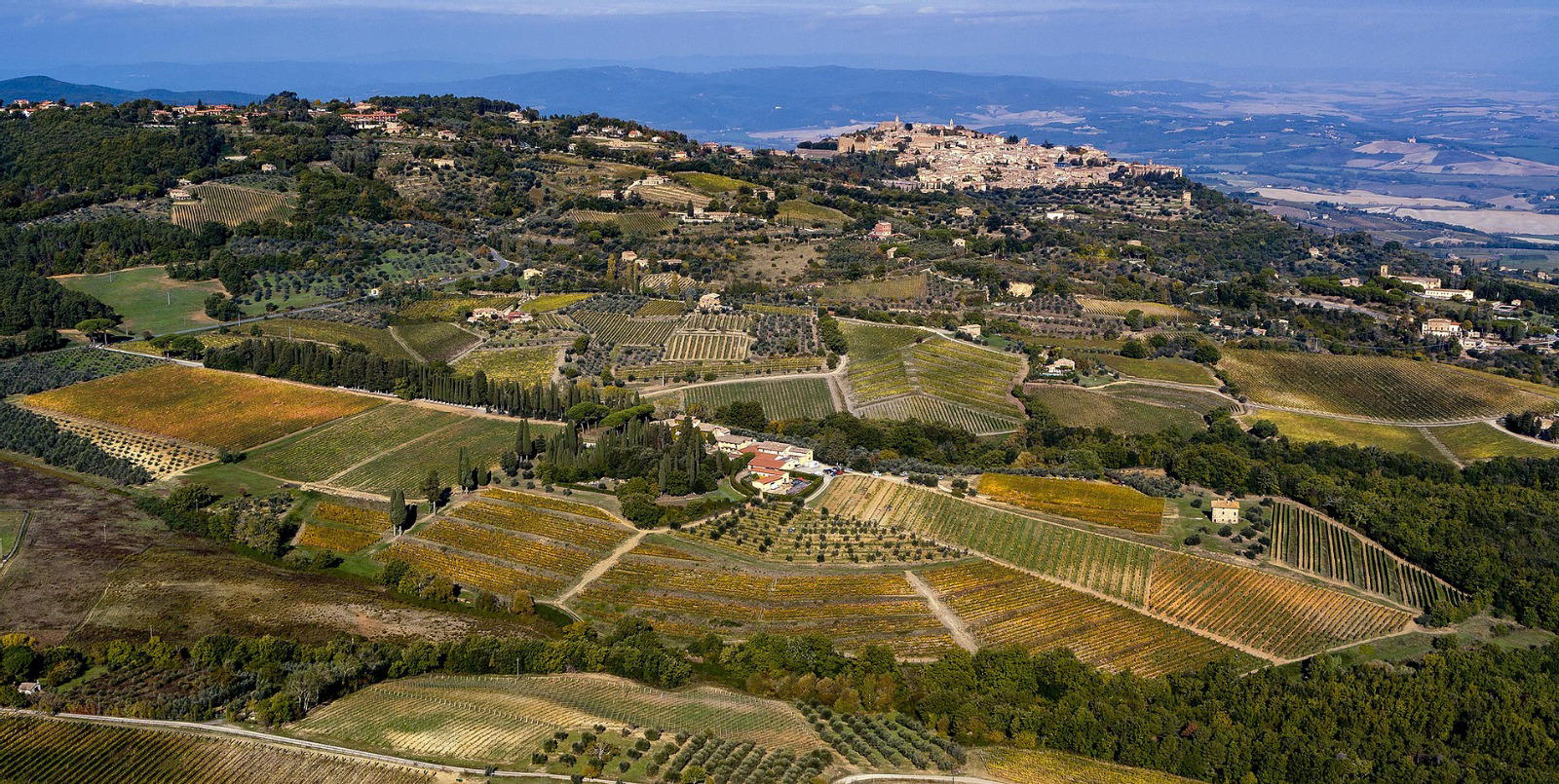
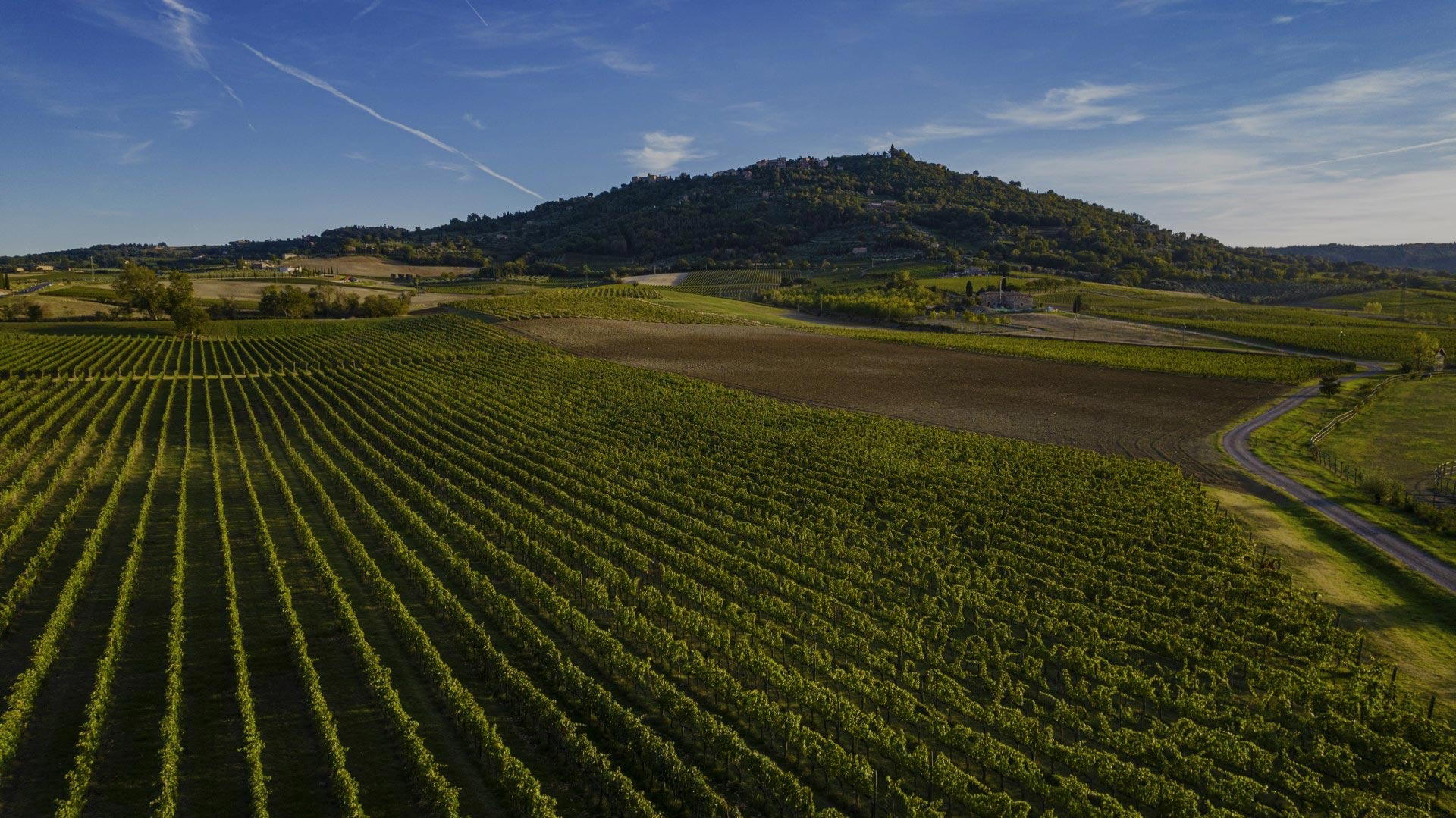
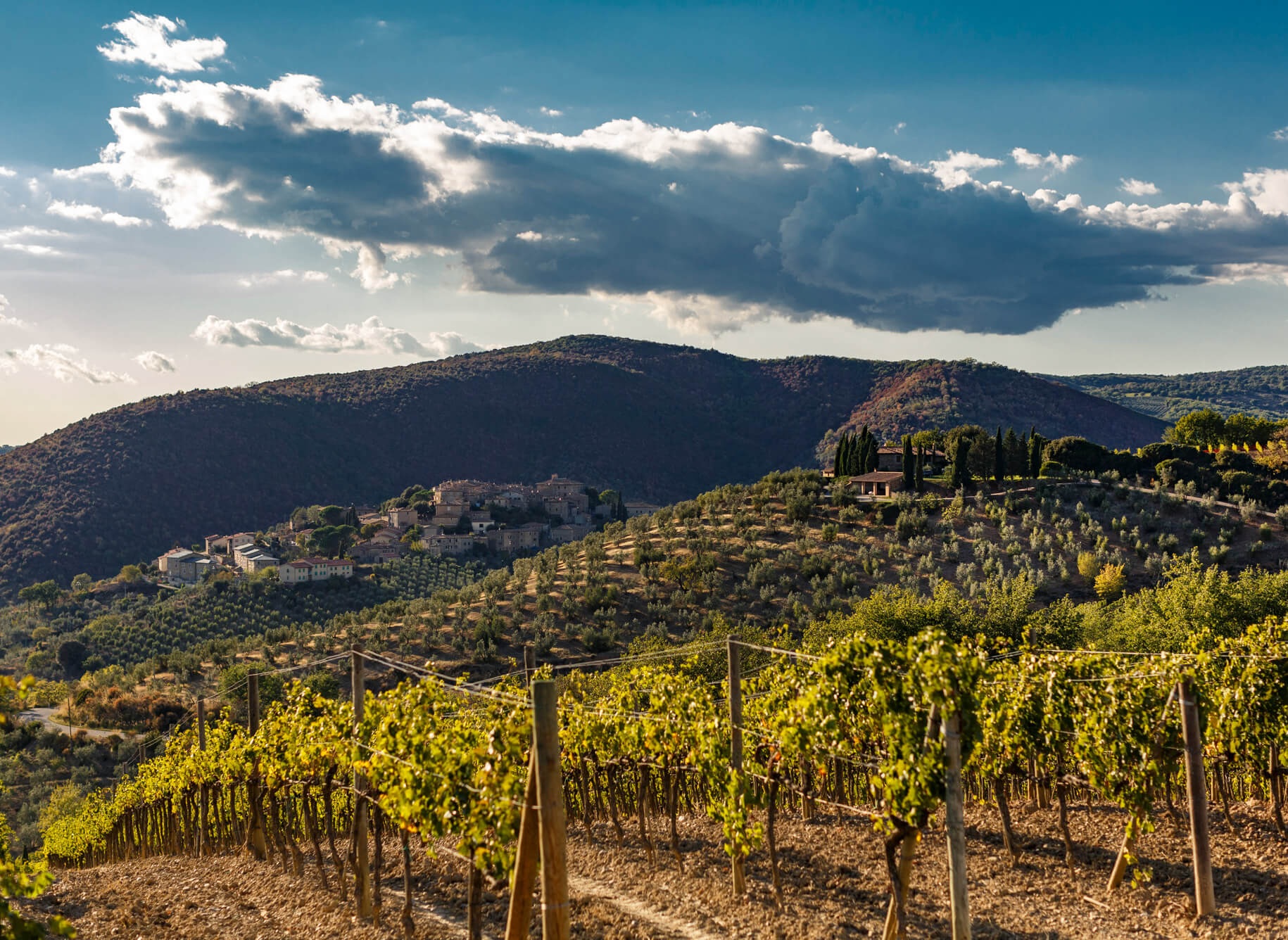
The approach to Montalcino from the south tells you most of what you need to know about the territory. Vineyards press close to the road, cypresses mark property lines that have barely shifted in a century, and the hilltop city appears and disappears through the valley folds before it finally settles above you. This is one of Tuscany's most deliberately preserved wine zones, and the properties that perform leading here are the ones that understand the countryside is the amenity. Villa le Prata, a working Brunello di Montalcino estate sitting five minutes from the walled city, belongs to that category without qualification.
The property received a Michelin Key in 2024, placing it in the first cohort of Italian agricultural estates to earn that credential. In the context of Montalcino, where the accommodation tier runs from stripped-back agriturismo farmhouses to the full-resort scale of Rosewood Castiglion Del Bosco and the medieval compound of Castello Banfi - Il Borgo, Villa le Prata sits in a more intimate middle register: eight rooms, estate wine, and the rhythms of an agricultural calendar running quietly in the background.
A Lodge Built for a Count, Later a Bishop
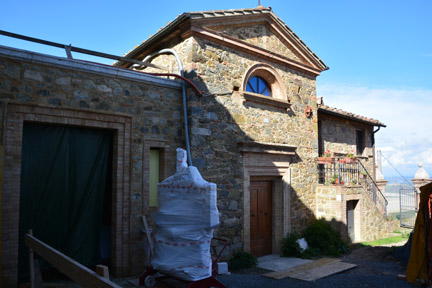
Building itself is a 19th-century hunting lodge, constructed for a local count and subsequently used as the residence of the Bishop of Montalcino. That sequence of occupants left a particular character on the structure: something between a private house and an institution, with the proportions of the former and a certain formality in the architecture that the latter tends to impose. The rooms are named for local personages and places, which keeps the sense of historical specificity intact rather than drifting toward the generic Tuscan aesthetic that some rural conversions fall into.
Connection to working agriculture is not decorative. The estate produces Brunello di Montalcino, and the wine runs through the guest experience in a direct, uncontrived way: tastings, estate tours, and cooking classes are all available to arrange. Across the Montalcino zone, the properties that handle this most convincingly are those where wine is genuinely produced on site rather than sourced or branded for hospitality purposes. Here, the olive groves and vineyards visible from the property are the same ones supplying the bottles that appear at the table.
For comparison within the territory, Castello di Velona Resort Thermal SPA & Winery offers a larger footprint with thermal facilities and a spa program. Villa le Prata operates without that infrastructure, which keeps the guest count low and the atmosphere closer to a private residence than a resort. At eight rooms, there is a ceiling on how many people share the garden on any given morning.
The Service Logic of a Small Estate
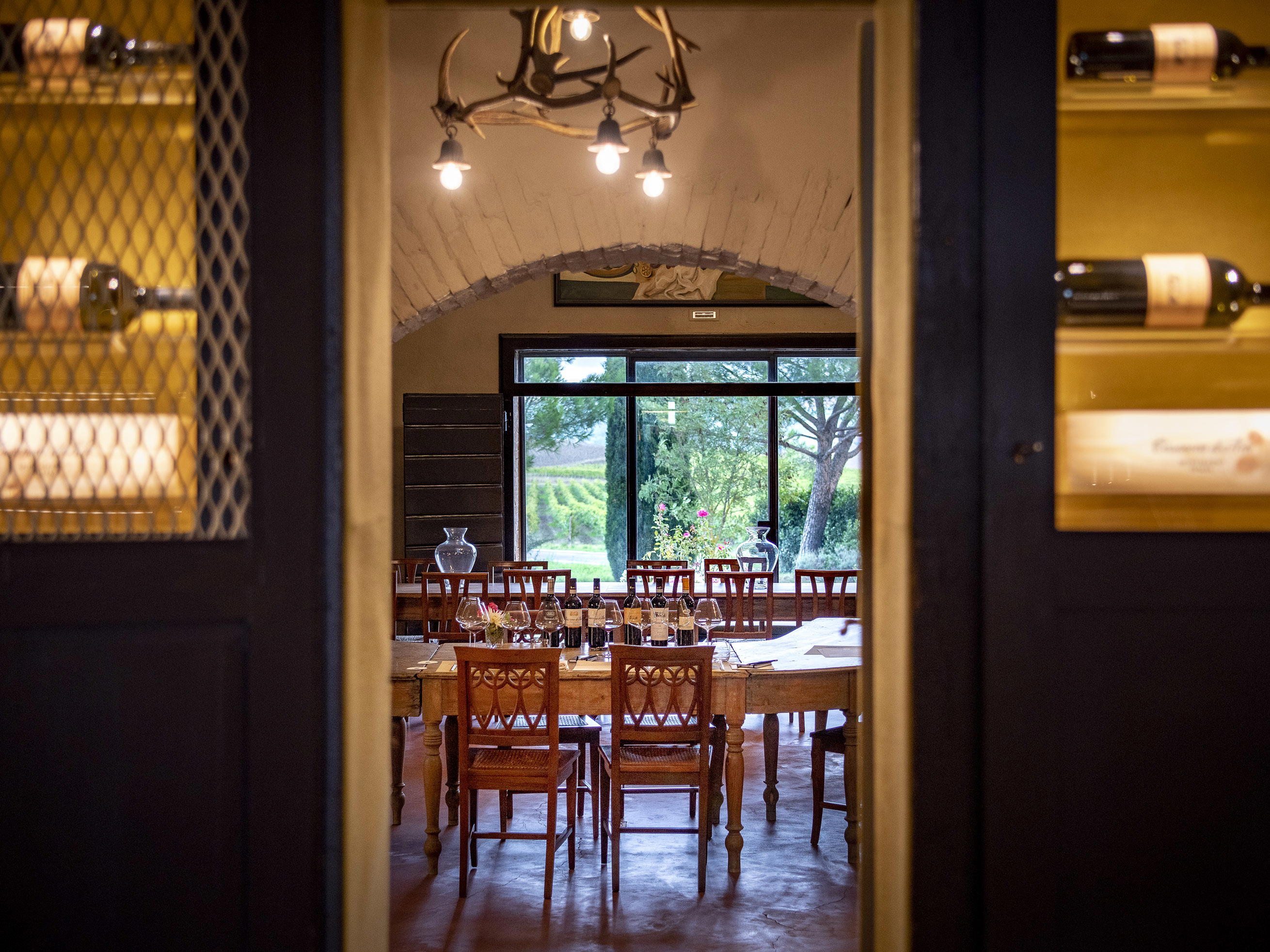
The editorial angle most relevant to a property this size is not the room specification but the service model it enables. With eight rooms, the staff-to-guest ratio runs differently than at a large hotel, and the kinds of arrangements that require advance coordination at a resort become easier to execute without friction. The cooking classes, estate tours, and wine tastings available here are not bolt-on amenity programs designed to fill a leisure schedule: they are the logical output of an estate that already has the expertise on site. A guest who wants to spend a morning learning to prepare Sienese pasta and an afternoon tasting through Brunello vintages is working with the property's existing resources rather than requesting exceptions to them.
Daily transport to Montalcino is provided, which is a practical detail that shapes the whole visit. The city walls are five minutes by car, and the provision of a daily transfer means the question of parking in a hilltop medieval town, which is neither easy nor free, does not need to be solved. Guests who want to eat at one of Montalcino's restaurants in the evening, or spend the afternoon working through the full range of the city's wine bars and producers, can do so without managing logistics independently.
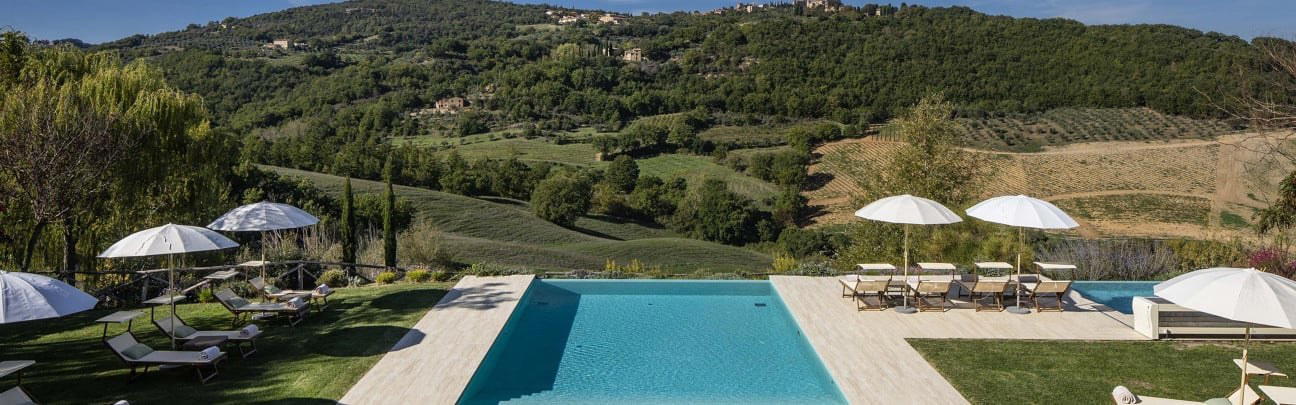
Breakfast is served in the garden when the season allows, which in a Tuscan summer means reliably. The quality of light in this part of Tuscany in July and August is a meaningful detail: the mornings are cool enough to sit outside without shade, the hilltop position of Montalcino draws a breeze that holds through midday, and the surrounding countryside provides a visual register that most urban hotels manufacture at considerable expense.
Positioning Within the Broader Italian Estate Category
Across Italy, the premium agricultural stay has become a coherent category of its own, with properties calibrated against each other on the basis of wine credentials, room count, and the authenticity of the productive activity on site. Castello di Reschio in Lisciano Niccone represents one pole of this category: large-scale restoration, design investment, and a programming depth that competes with resort hotels. Casa Maria Luigia in Modena is another reference point, where the food program is the primary axis. Villa le Prata operates on a smaller scale than either, with the wine estate as its primary credential and the Michelin Key as external validation of the overall guest experience.
For visitors arriving from further afield and building an Italian itinerary around properties at this standard, the range is considerable: from Aman Venice and Four Seasons Hotel Firenze to smaller regional estates like this one. The Montalcino stay answers a specific question: where do you base yourself to understand Brunello di Montalcino properly, in surroundings that match the seriousness of the wine? Villa le Prata is a credible answer to that question.
Those interested in Tuscany's broader spectrum of estate accommodation might also consider Borgo San Felice Resort in Castelnuovo Berardenga or Castelfalfi in Montaione for contrasting formats within the region. Beyond Tuscany, comparable rural estate experiences at a similar scale are available at Corte della Maestà in Civita di Bagnoregio and Castel Fragsburg in Merano.
Planning Your Stay
That positions it above the standard agriturismo tier but below the larger resort estates in the Montalcino zone. Wine tastings, cooking classes, and estate tours require advance arrangement, which is most efficiently done at the time of booking rather than on arrival. The summer months are the obvious choice for garden breakfasts and outdoor use of the property, though the Brunello harvest in autumn brings a different kind of energy to the estate. Guests travelling from elsewhere in Italy might compare the coastal alternative of Il Pellicano in Porto Ercole or the clifftop experience of Borgo Santandrea on the Amalfi Coast for a different register entirely, but for wine-focused immersion in one of Italy's most serious production zones, the Montalcino base holds its own against any of them.
Style and Standing
Comparable venues nearby, for context on price, style, and recognition.
| Venue | Cuisine | Price | Awards | Notes |
|---|---|---|---|---|
| Villa le PrataThis venue — the venue you are viewing | Historic 1862 villa reimagined as a luxury winery retreat with contemporary comfort and rustic Tuscan charm. | $300–500 | 1 Michelin Key | Not listed |
| Castello Banfi - Il Borgo | Historic Tuscan borgo restored into a luxurious boutique retreat | $1,000–1,500 | 1 Michelin Key · Relais Chateaux Award | Montalcino |
| Castello di Velona Resort Thermal SPA & Winery | Historic Tuscan castle estate reimagined as a luxury wellness resort, blending medieval architecture with contemporary comfort and natural thermal amenities. | Not listed | Virtuoso Luxury Hotel Partner · Preferred Hotels L.V.X. Collection | Montalcino |
| Castiglion del Bosco, A Rosewood Hotel | Restored 800-year-old Tuscan borgo and farmhouses harmoniously integrated with the UNESCO Val d'Orcia landscape. | $1,000–1,500 | 3 Michelin Keys · World's 50 Best #62 | Montalcino |
| Rosewood Castiglion Del Bosco | Hotel | $1,000–1,500 | 3 Michelin Keys · World's 50 Best #62 | Montalcino |
| Nordelaia | Restored 800-year-old farmhouse blending heritage with modern design | Not listed | 1 Michelin Key · Mr & Mrs Smith Seal of Approval | Cremolino |
Recognition history
Dated appearances from independent guides and award organizations, with the underlying list record or original source where available.
Michelin 1 Key
Michelin
Full recognition history (3 entries)
Michelin 1 Key
Michelin
Michelin 1 Key
Michelin
Continue exploring
More in Montalcino
Hotels in Montalcino
Browse all →
Bars in Montalcino
Browse all →
Restaurants in Montalcino
Browse all →
Details
- Romantic
- Scenic
- Elegant
- Intimate
- Quiet
- Honeymoon
- Romantic Getaway
- Anniversary
- Weekend Escape
- Infinity Pool
- Private Dining
- Garden
- Historic Building
- Panoramic View
- Wi Fi
- Pool
- Spa
- Concierge
- EV Charging
- Hot Tub
- Restaurant
- Vineyard
- Garden
- Wheelchair Accessible
- Accessible Parking
- Step Free Entrance
Warm, romantic, and intimate with candlelit dinners, garden breakfasts overlooking vineyards, and a serene poolside setting at sunset; guests describe it as feeling like a movie set with close attention to detail.