


Michelin Selected · Mr & Mrs Smith Seal of Approval · Small Luxury Hotels of the World Member
Positioned steps from the Colosseum on Via del Colosseo, Palm Suite occupies an 18th-century Roman palazzo and takes a deliberately theatrical approach to hospitality. Each suite carries its own character, a tiger statue here, a golden palm-shaped lamp there, set against one of the most historically loaded addresses in the city. For travellers who want proximity to antiquity without sacrificing personality, it sits in a distinct niche.

Pearl is the En Primeur Club membership app, where members save venues, book tables and use the concierge.
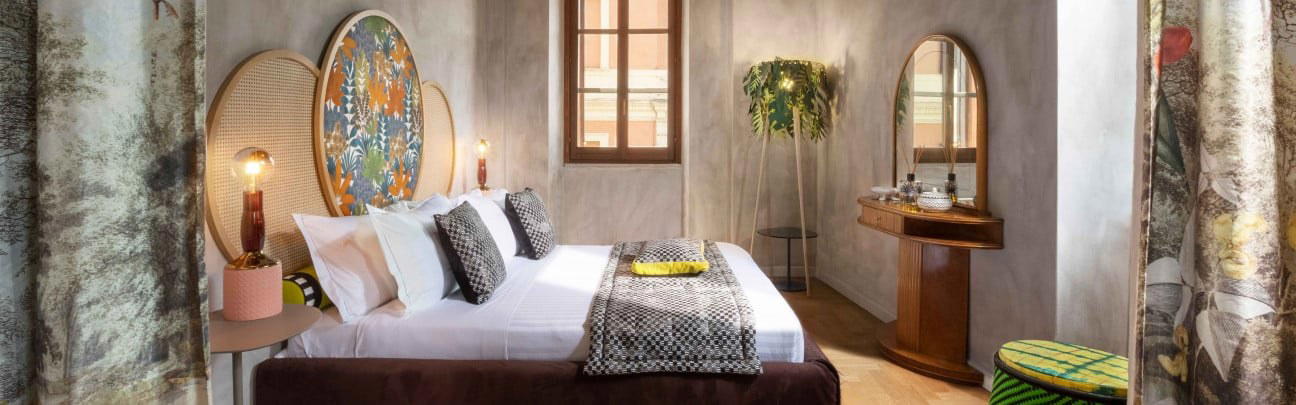
An 18th-Century Address With a Distinctly Idiosyncratic Interior
Rome's hotel market has long split between two poles: the grand international properties occupying baroque palazzi near the Spanish Steps and Piazza Navona, and a smaller, more character-driven tier of boutique addresses whose appeal rests on specificity of place and personality. Palm Suite belongs firmly to the latter. It occupies a historic 18th-century building on Via del Colosseo, a street that does exactly what the name suggests, placing guests within immediate sight of the largest amphitheatre the ancient world produced. The Forum sits in the same sightline. That is not a backdrop you manufacture; it is either your address or it is not.
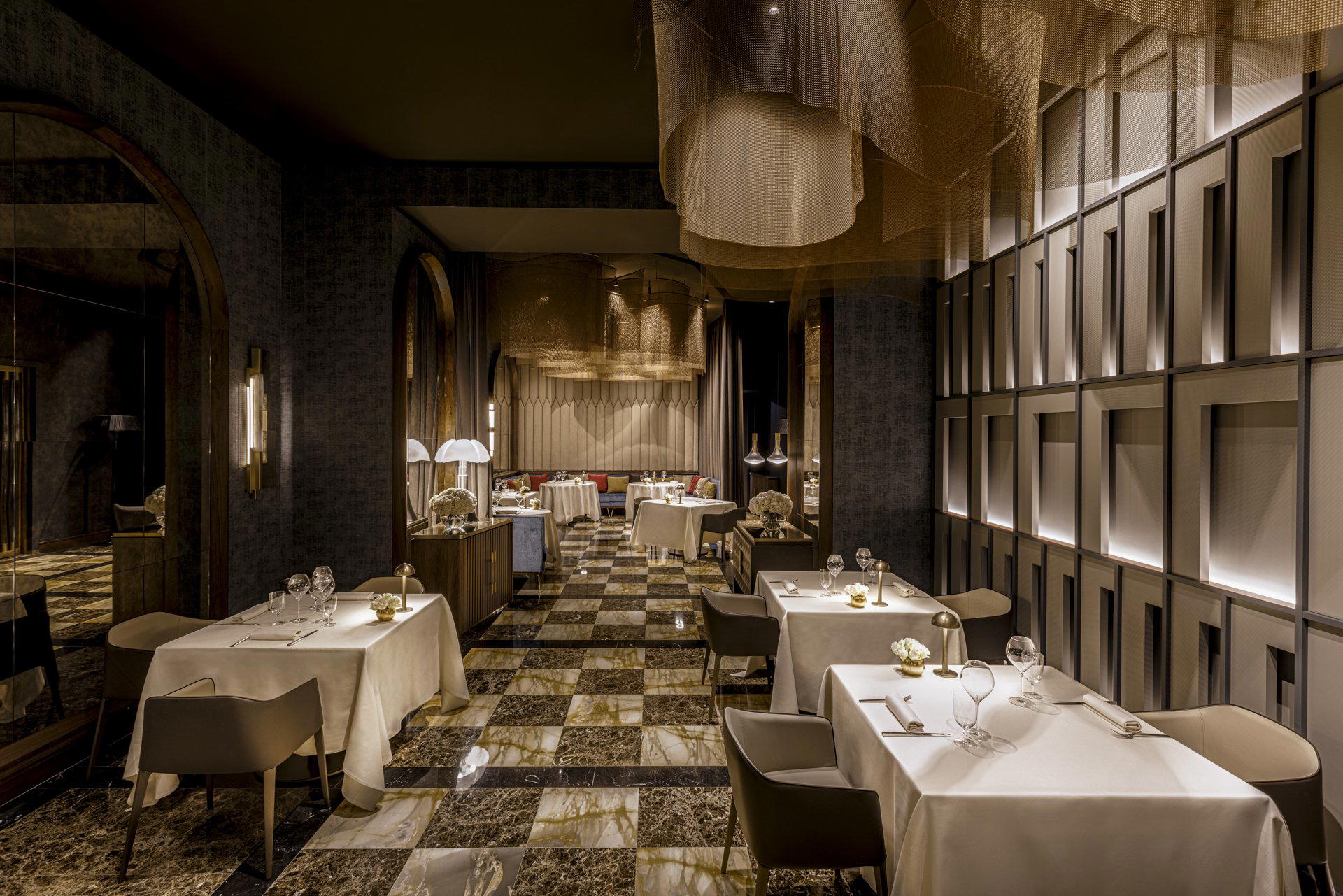
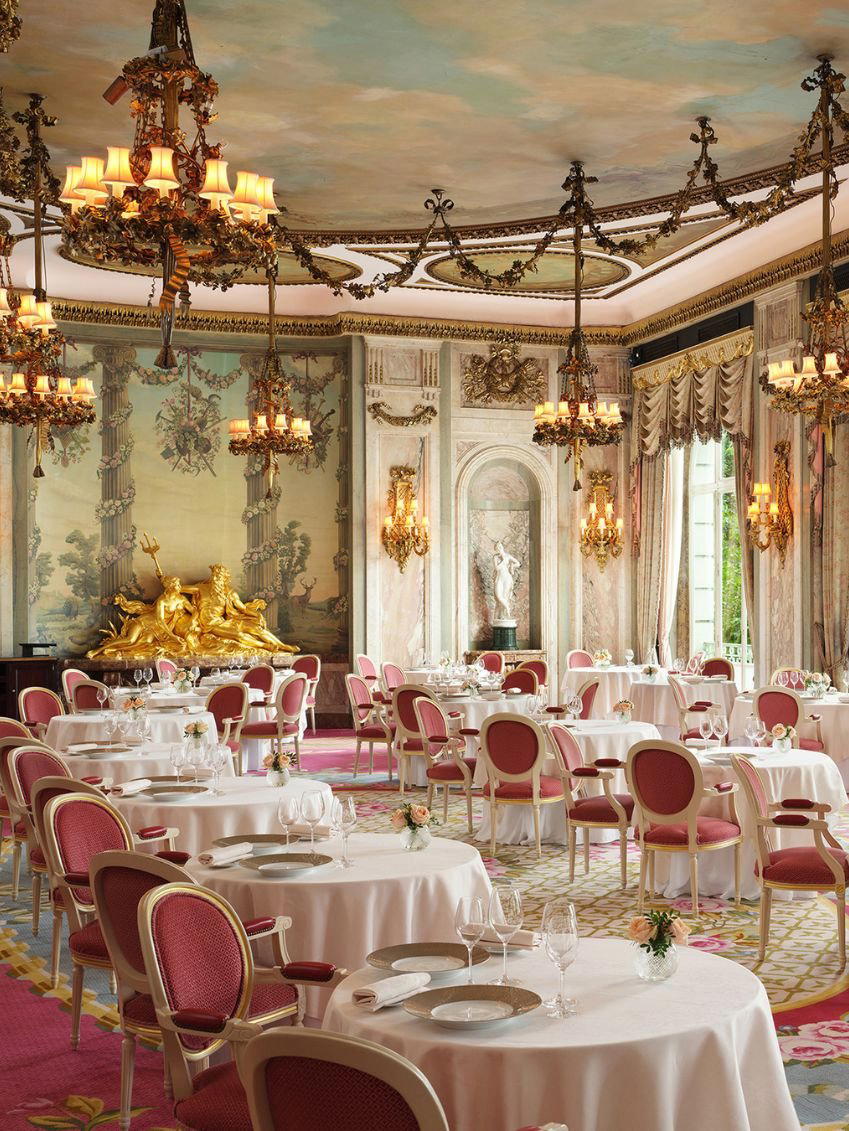
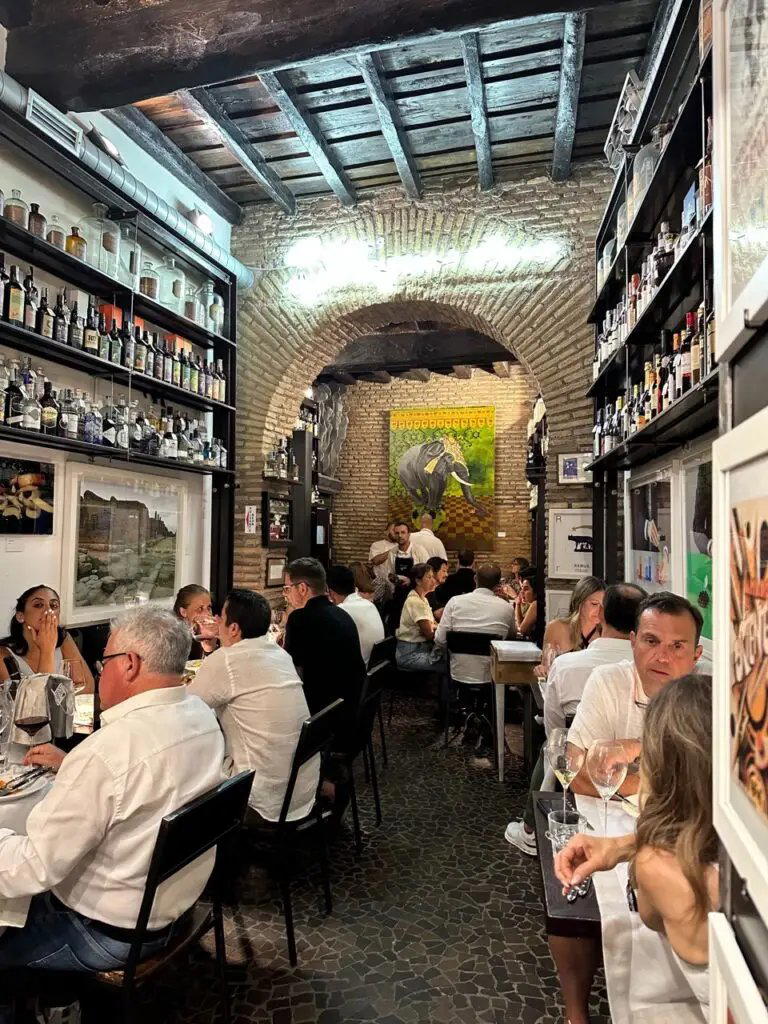
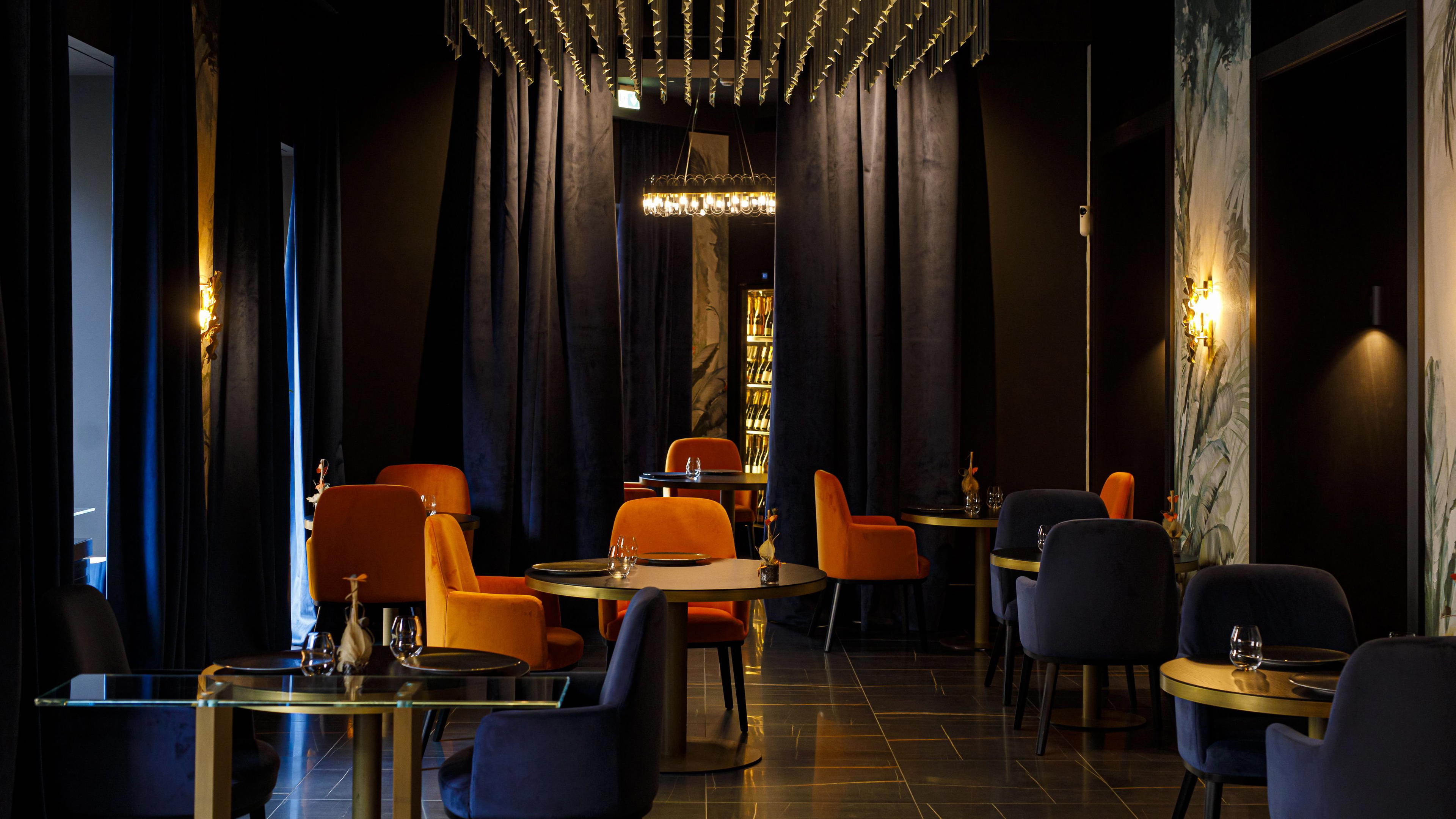
What Palm Suite does with that address is where the property earns its distinction. Rather than defaulting to the neoclassical restraint that dominates Rome's upper accommodation tier, the cool linens, the muted travertine, the careful deference to antiquity, it moves in a different direction. Individual suites carry their own visual identity: in one, a sculptural tiger commands the room; in another, a golden palm-shaped lamp becomes the central decorative statement. The cumulative effect is less curated hotel and more private residence assembled by someone with a considered, if deliberately playful, sensibility. In a city where many boutique properties reach for gravitas, that tonal difference registers.
What the Colosseum Neighbourhood Actually Means for a Stay
The Rione Celio and the streets threading around the Colosseum occupy a different register from Rome's more visitor-dense northern neighbourhoods. The Palatine Hill, the Circus Maximus, and the Aventine are all walkable. The neighbourhood is denser with Roman history than perhaps anywhere else in the city, but it operates at a slower pace than the area around the Trevi Fountain or Campo de' Fiori. For a guest staying at Palm Suite, the practical consequence is that early-morning light over the Colosseum, before tour groups establish their rhythms, is accessible on foot in minutes. That temporal advantage is one of the genuine arguments for choosing a property in this part of Rome over a more central-by-reputation alternative.
Boutique properties in Rome's more easterly historic zones also tend to operate differently from their counterparts near the Piazza del Popolo corridor. The comparison set is smaller, the scale is more intimate, and the transactional character of larger hotels gives way to something closer to the pensione tradition, even at a higher price point. Properties like Maalot Roma and Hotel Locarno operate in adjacent registers of personality-led accommodation, though in different neighbourhoods and with different aesthetic commitments. The Portrait Roma and Hotel Vilòn represent a more polished, design-conscious tier of the boutique category that Palm Suite does not appear to be competing with directly.
The Retreat Logic: Why the Property Works as a Base for Unhurried Travel
The editorial angle that makes most sense for Palm Suite is not luxury amenity stacking, that conversation belongs to properties like the Bulgari Hotel Roma, with its full spa infrastructure, or Hotel Eden and Hassler Roma, whose rooftop positions and service depth put them in a different competitive bracket entirely. The argument for Palm Suite is one of retreat in the older sense: a specific, characterful place to return to after days spent moving through one of the world's most archaeologically saturated cities. Rome is a city that depletes as much as it rewards. The scale of what there is to absorb, across neighbourhoods from Trastevere to the Jewish Ghetto to the Borghese gardens, means the quality of the accommodation as a genuine restorative base matters more here than in many comparable European capitals.
A suite with its own visual identity, in a building with genuine historical fabric, on a street where the Colosseum fills the frame, that combination addresses the recovery question in a particular way. The whimsical interior choices (the tiger, the palm lamp) read not as mere decoration but as a signal about the emotional register of the property: deliberately non-institutional, closer to the spirit of a private apartment than a managed hotel floor. For travellers arriving from Aman Venice or departing toward Four Seasons Hotel Firenze, Palm Suite represents a gear-change into something smaller and more idiosyncratic, which, for the right itinerary, is the point.
Across Italy, the most interesting accommodation in this register tends to cluster in historic structures where the building itself carries weight that no amount of interior design can replicate. Castello di Reschio in Lisciano Niccone and Casa Maria Luigia in Modena work on similar principles, historic structure, strong personality, accommodation as experience rather than infrastructure. Borgo Santandrea on the Amalfi Coast and Il San Pietro di Positano apply the same logic to coastal settings. Palm Suite's version is urban and Rome-specific, anchored to one of the city's most historically charged addresses.
Planning a Stay: What to Know
Via del Colosseo, 20 places the property within the 00184 postal zone, which covers the Celio and the immediate Colosseum adjacency. Given the boutique scale, suite-format properties in this part of Rome typically run between four and fifteen rooms, availability is constrained, particularly across spring and early autumn when the city operates at peak tourism density. Guests travelling Rome as part of a broader Italian circuit should cross-reference options at JK Place Roma for a more service-dense boutique experience, or consider the design-forward programming at Portrait Roma if the priority is proximity to the Via Condotti corridor. For the full context of what Rome's accommodation market offers across price points and styles, our full Rome guide maps the field in detail.
For those building a longer Italian stay, the comparison set extends well beyond Rome. Passalacqua in Moltrasio on Lake Como, Rosewood Castiglion Del Bosco in Montalcino, and Borgo Egnazia in Fasano each represent a different model of the Italian property with strong architectural identity. Il Pellicano in Porto Ercole and Corte della Maestà in Civita di Bagnoregio offer further points of contrast. Palm Suite's particular argument is the rarest of the set: a small, characterful address where the Roman Forum is literally the view from the window.
Cuisine and Awards Snapshot
Comparable venues nearby, for context on price, style, and recognition.
| Venue | Cuisine | Price | Awards | Notes |
|---|---|---|---|---|
| Palm SuiteThis venue (the venue you are viewing) | Eclectic luxury residences in historic 18th-century palazzo | Not listed | Michelin Selected · Mr & Mrs Smith Seal of Approval | Not listed |
| The H'All Tailor Suite | Tailored luxury boutique in historic Rome setting | Not listed | La Liste Top Hotels | Flaminio |
| Fendi Private Suites | Luxury residential suites in historic palazzo with contemporary Fendi design | Not listed | Michelin Selected · Small Luxury Hotels of the World Member | Campo Marzio |
| Rocco Forte House, Piazza di Spagna Roma | Contemporary Roman palazzo apartments blending tradition with luxury. | $1,500–2,500 | Virtuoso Luxury Hotel Partner · Mr & Mrs Smith Seal of Approval | Campo Marzio |
| Palazzo Ripetta | Boutique luxury hotel in a restored 17th-century convent with 1920s art deco glamour. | Not listed | 1 Michelin Key · Relais Chateaux Award | Campo Marzio |
| Casa Monti | Artist's residence reimagined with bohemian sprezzatura and effortless freshness. | Not listed | Michelin Selected · Mr & Mrs Smith Seal of Approval | Monti |
Recognition history
Dated appearances from independent guides and award organizations, with the underlying list record or original source where available.
Michelin Selected
Michelin
Mr & Mrs Smith Seal of Approval
Mr & Mrs Smith
Small Luxury Hotels of the World Member
Small Luxury Hotels of the World
Continue exploring
More in Rome
Hotels in Rome
All hotels in Rome →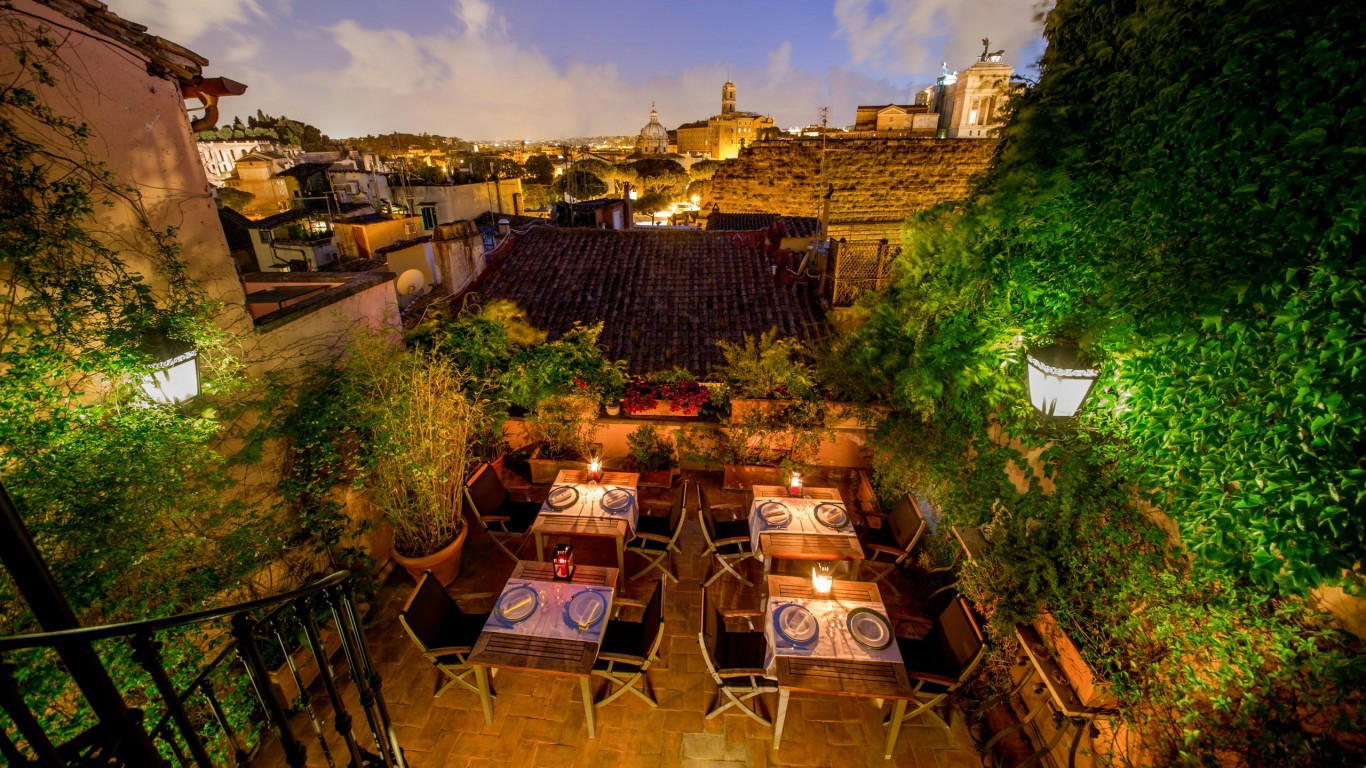
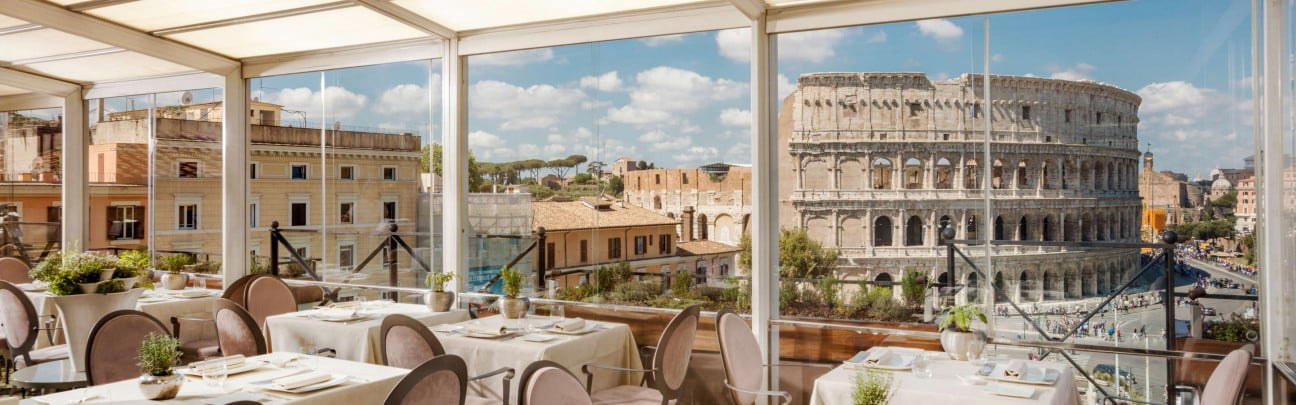
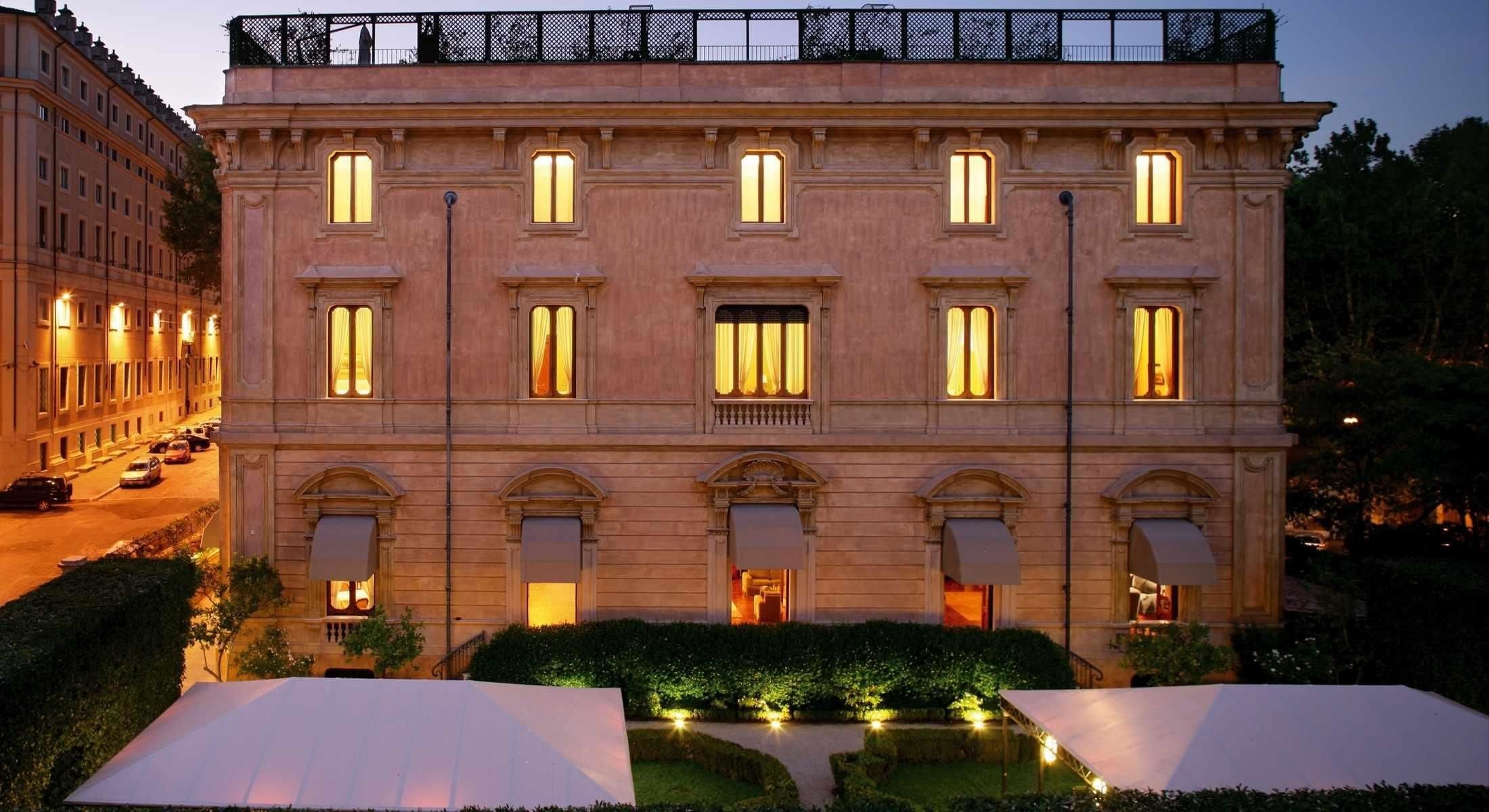
Bars in Rome
All bars in Rome →
Restaurants in Rome
All restaurants in Rome →

Details
- Whimsical
- Elegant
- Intimate
- Sophisticated
- Romantic Getaway
- Family Vacation
- Weekend Escape
- Historic Building
- Panoramic View
- Terrace
- Wi Fi
- Concierge
- Room Service
- Laundry Service
- Airport Transfer
- Air Conditioning
- Skyline
- Elevator
- Step Free Entrance
Whimsical and stylish with bold tropical patterns, eclectic decor, and a tranquil atmosphere enhanced by soundproofing.