Laphroaig
On the southern shore of Islay, Laphroaig is among the most recognisable names in Scottish whisky, synonymous with dense peat smoke and maritime intensity. A visit here is less a tour and more a direct encounter with one of Scotland's most polarising and enduring spirit styles.

Pearl is the En Primeur Club membership app — saves, bookings, and concierge access live there. Same editors, same standards.
- Address
- Laphroaig, Isle of Islay PA42 7DU, UK
- Phone
- +44 1496 302418
- Website
- laphroaig.com
- Directions
- Get directions
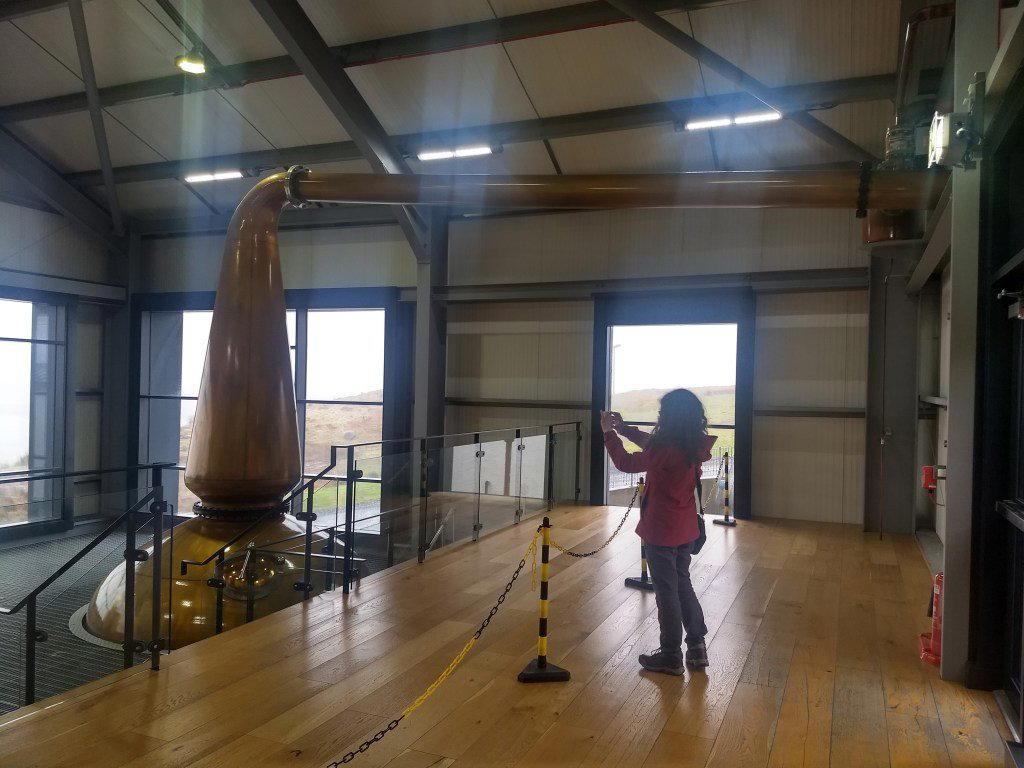
Where the Atlantic Shapes What's in the Glass
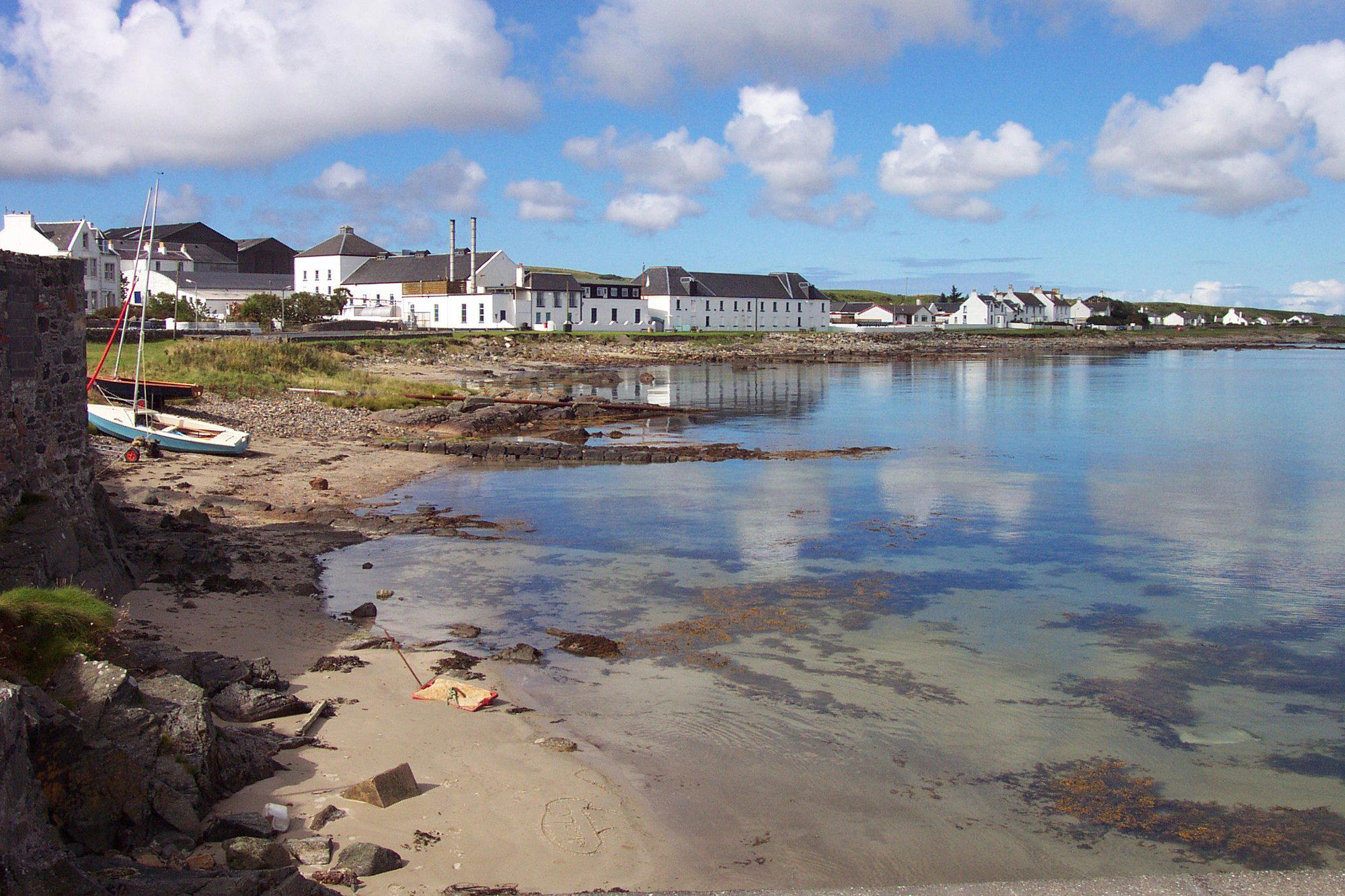
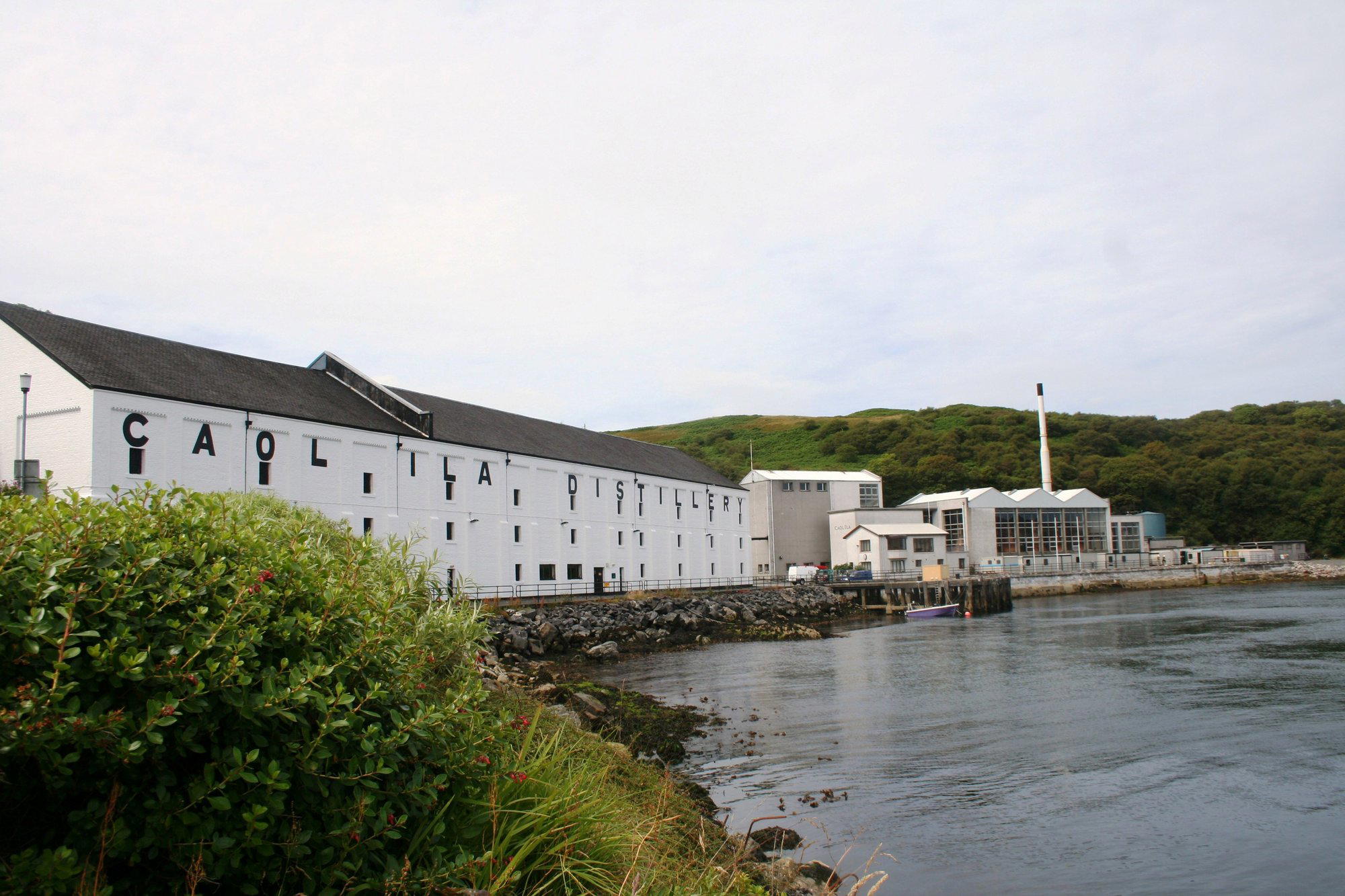
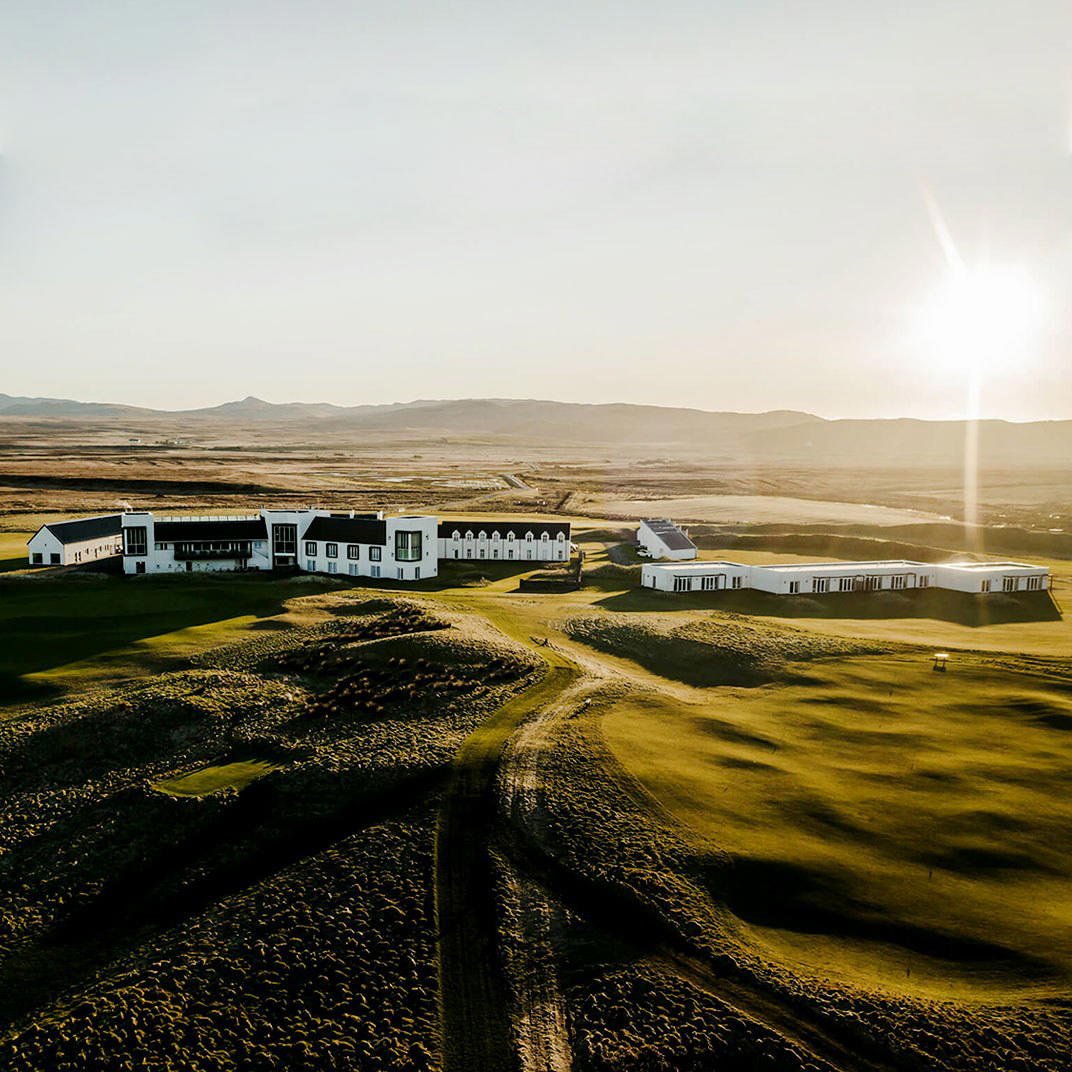
The southern Islay coast has a particular character that announces itself before you arrive. The road from Port Ellen runs along a low shoreline where seaweed dries on exposed rock and the wind moves in from the Atlantic without interruption. By the time the whitewashed warehouses of Laphroaig come into view, you already have a physical sense of why whisky made here tastes the way it does. The environment is not incidental to the spirit — it is structural. The peat cut from nearby bogs carries a specific iodine quality that distinguishes Islay malts from Highland or Speyside production, and Laphroaig sits at the more assertive end of even that already intense regional spectrum.
This southern stretch of Islay is the most concentrated whisky corridor in Scotland. Port Ellen Distillery, Lagavulin, and Ardbeg are all within a few miles of each other along the same coast road, each producing heavily peated single malt and each drawing a distinct visitor profile. Among that peer group, Laphroaig occupies a particular position: it is the one most associated with medicinal, almost clinical smoke, a profile that has always divided opinion and, in doing so, built an unusually loyal following..
The Tasting Room and What It Reveals
Distillery visits on Islay have matured considerably over the past decade. What was once a functional tour of production equipment has, at the leading houses, become a considered experience built around format, depth of knowledge, and the quality of what ends up in the glass. Laphroaig's visitor centre operates in that evolved context, where the tasting format carries as much weight as the production tour itself.
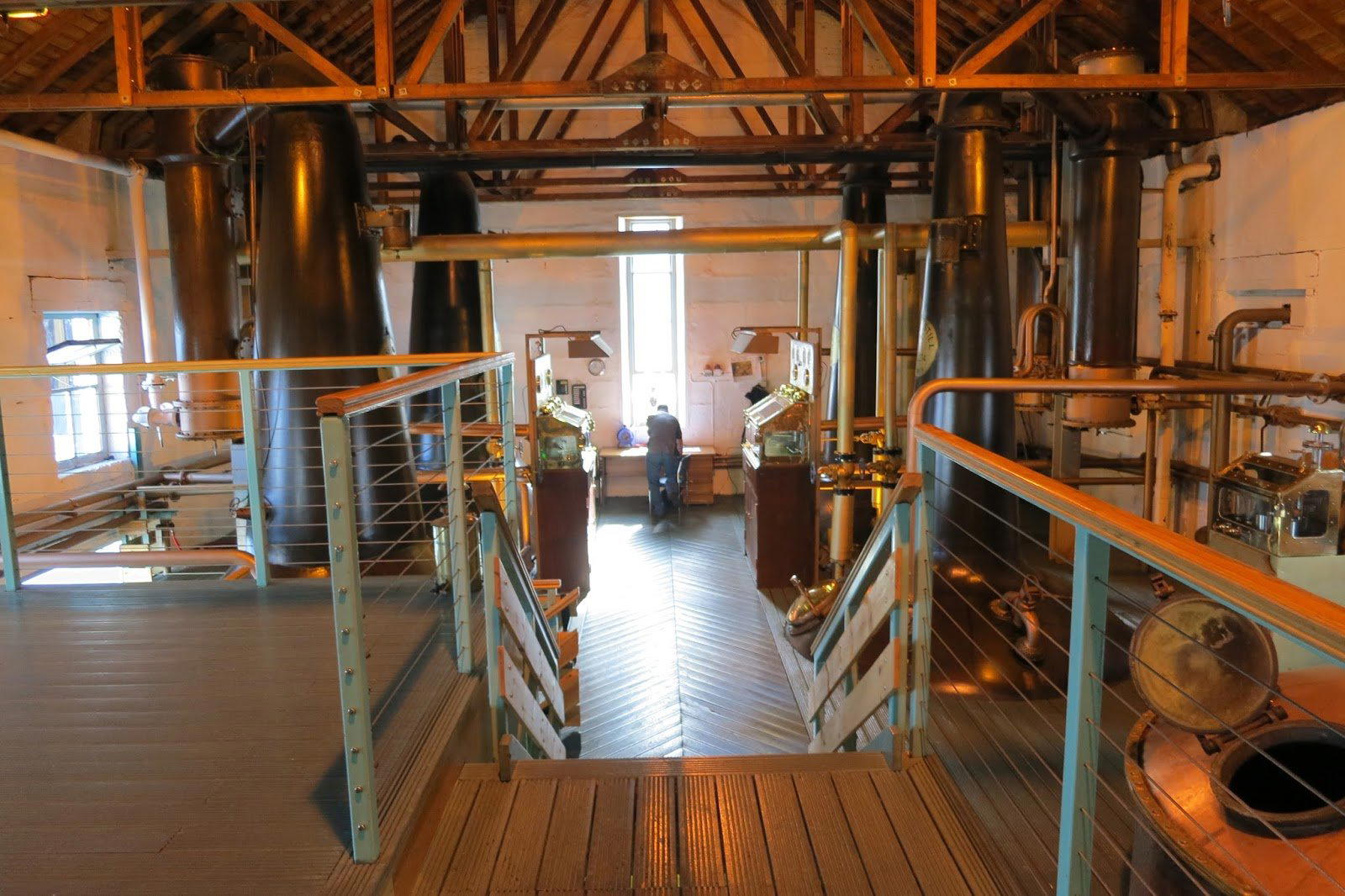
The site retains a working character that many visitors find disarming. This is not a heritage attraction designed to simulate whisky-making; the stills, washbacks, and malting floors are in active use, and the proximity to production gives the visit a specificity that more sanitised experiences cannot replicate. Staff here tend to speak about production with a directness that reflects the house style: Laphroaig has never positioned itself as easy or accessible, and the guided experience reflects that. The question of why the whisky tastes the way it does — why the phenolic intensity sits where it does, how the barley is malted on-site using traditional floor malting methods, is central to what the visit teaches rather than what it sells.
The tasting portion of any tour becomes the critical calibration point. Islay peat smoke is not a monolithic quality; it varies by cut depth, drying time, and maturation vessel in ways that the glass makes legible. Tasting across different ages and finishes at source, rather than from a retail shelf, is how the architecture of the spirit becomes readable. That is the core value of a distillery visit at this level, and it applies as much to Laphroaig as to the wider category. For those working through the southern Islay trio, the contrasts between Laphroaig's approach and that of neighbours like Lagavulin or Ardbeg become most apparent in the tasting room rather than on the production floor.
Islay in the Wider Scottish Whisky Context
Scottish distillery tourism has developed into a serious sector, and visitors who arrive on Islay having already visited Speyside or Highland houses will notice the difference in character immediately. Speyside productions like Aberlour in Aberlour or Cardhu in Knockando work in a register of dried fruit and sherry influence that occupies almost the opposite end of the flavour dial. Highland houses like Balblair Distillery in Edderton or Clynelish Distillery in Brora offer coastal salinity with considerably less smoke. Lowland producers such as Auchentoshan Distillery in Clydebank or Bladnoch Distillery in Bladnoch tend toward lighter, triple-distilled expressions that are structurally very different animals.
What Islay, and Laphroaig specifically, represents within that range is a commitment to a style that has never sought broad palatability. The phenolic levels in heavily peated Islay malt are measurable in parts per million, and Laphroaig's historic phenol count places it among the highest in commercial production. That is a technical fact with direct sensory consequences. Visitors who come expecting to be converted by a single dram may leave unchanged; those who arrive already curious about why the whisky tastes the way it does tend to leave with a more granular understanding of what peat actually does to spirit.
The comparison extends internationally for those who visit across categories. Places like Dornoch Distillery in Dornoch or Deanston in Deanston represent different approaches to Scottish whisky craft, and each visit layered on top of another builds a comparative vocabulary that makes the category more legible over time. Laphroaig sits at one clearly defined pole of that spectrum.
Planning a Visit to the Southern Islay Coast
Islay is reached by ferry from Kennacraig on the Kintyre peninsula, with Caledonian MacBrayne operating regular crossings to Port Ellen and Port Askaig. The crossing takes roughly two hours to Port Ellen, making it a practical day trip from Glasgow for those with an early start, though an overnight stay on the island allows a more measured approach to the distillery corridor. Given that Laphroaig, Lagavulin, and Ardbeg are within walking distance of each other along the southern shore, a single day can cover all three if tours are booked in advance, which is advisable particularly in summer when visitor numbers across Islay's distilleries are at their highest. The Ardnahoe distillery in Port Askaig on the northern side of the island offers a contrasting younger production style for those extending their visit. For broader context on what the Port Ellen area offers, see our full Port Ellen guide.
That rating reflects the quality of the guided experience and the depth of access to production rather than luxury hospitality in the hotel sense. The site is a working distillery first, and the visit should be understood in those terms.
Cuisine and Awards Snapshot
Comparable venues nearby, for context on price, style, and recognition.
| Venue | Cuisine | Price | Notes |
|---|---|---|---|
| LaphroaigThis venue — the venue you are viewing | Islay | $20–30 | Not listed |
| Ardbeg | Islay | Not listed | Port Ellen |
| Kilchoman | Winery | $20–30 | Bruichladdich |
| Marcassin Winery | Winery | Not listed | Windsor |
Continue exploring
More in Port Ellen
Wineries in Port Ellen
Browse all →
Restaurants in Port Ellen
Browse all →
Details
- Rustic
- Well Known
- Scenic
- Wine Education
- Solo Exploration
- Group Outing
- Historic Building
- Estate Grounds
- Waterfront
- Sustainable
- Waterfront
- Distillery Tour
- Whisky Tasting
- English
Rustic coastal atmosphere with earthy, peaty aromas and a historic, working distillery feel enhanced by sea breezes.