Another Place, The Machrie

Michelin Selected
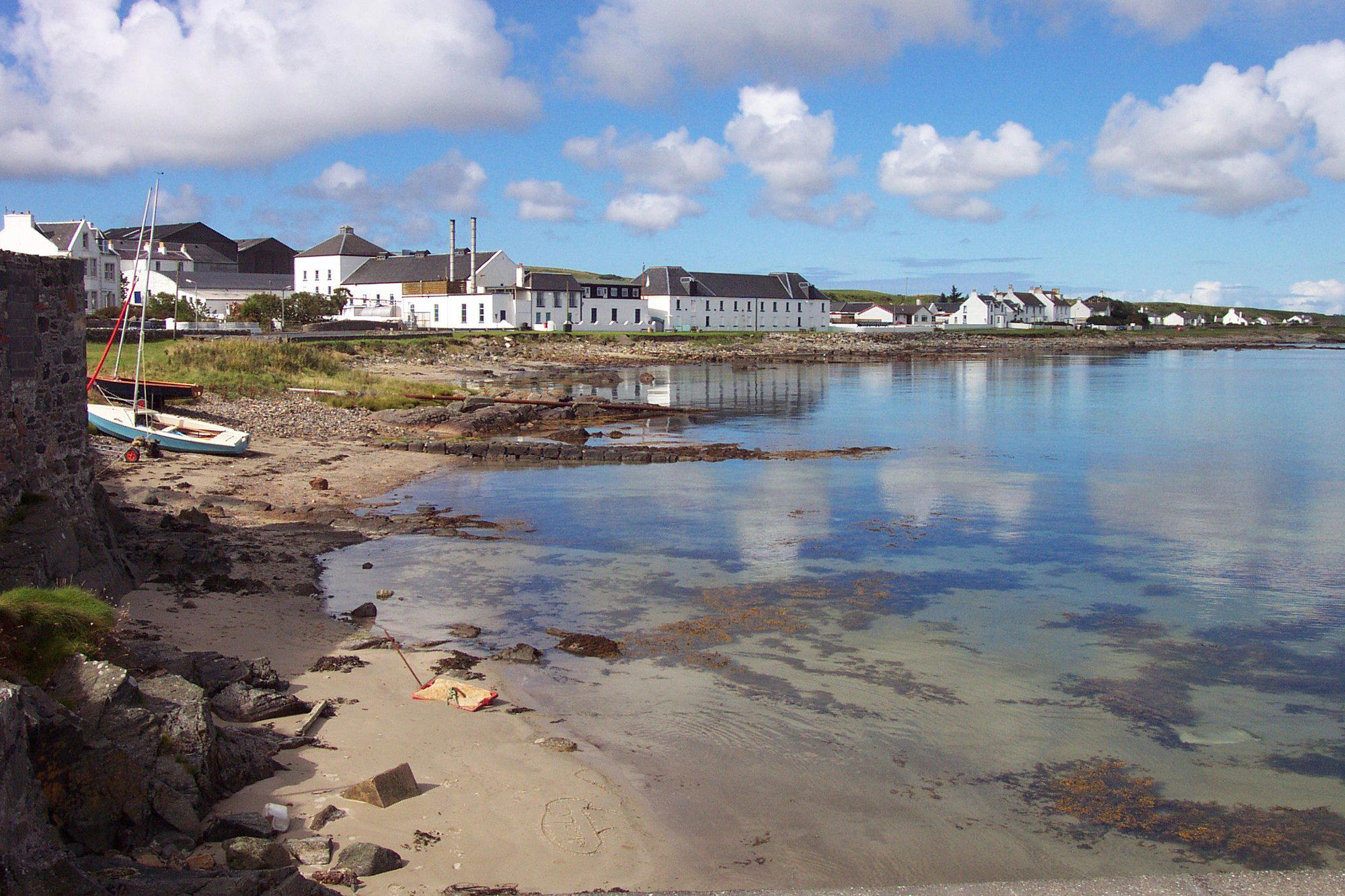
A Michelin Selected hotel on the Oa peninsula of Islay, Another Place, The Machrie sits on Low Road in Port Ellen, where Atlantic light and peat-scented air frame the arrival as much as any interior. The property occupies a stretch of Islay's west-facing coastline in a part of Scotland where remoteness is the point, not a compromise.

Pearl is the En Primeur Club membership app — saves, bookings, and concierge access live there. Same editors, same standards.
- Address
- Machrie Hotel, Isle of Islay PA42 7AN, United Kingdom
- Phone
- +44 1496 302310
- Website
- another.place
- Directions
- Get directions
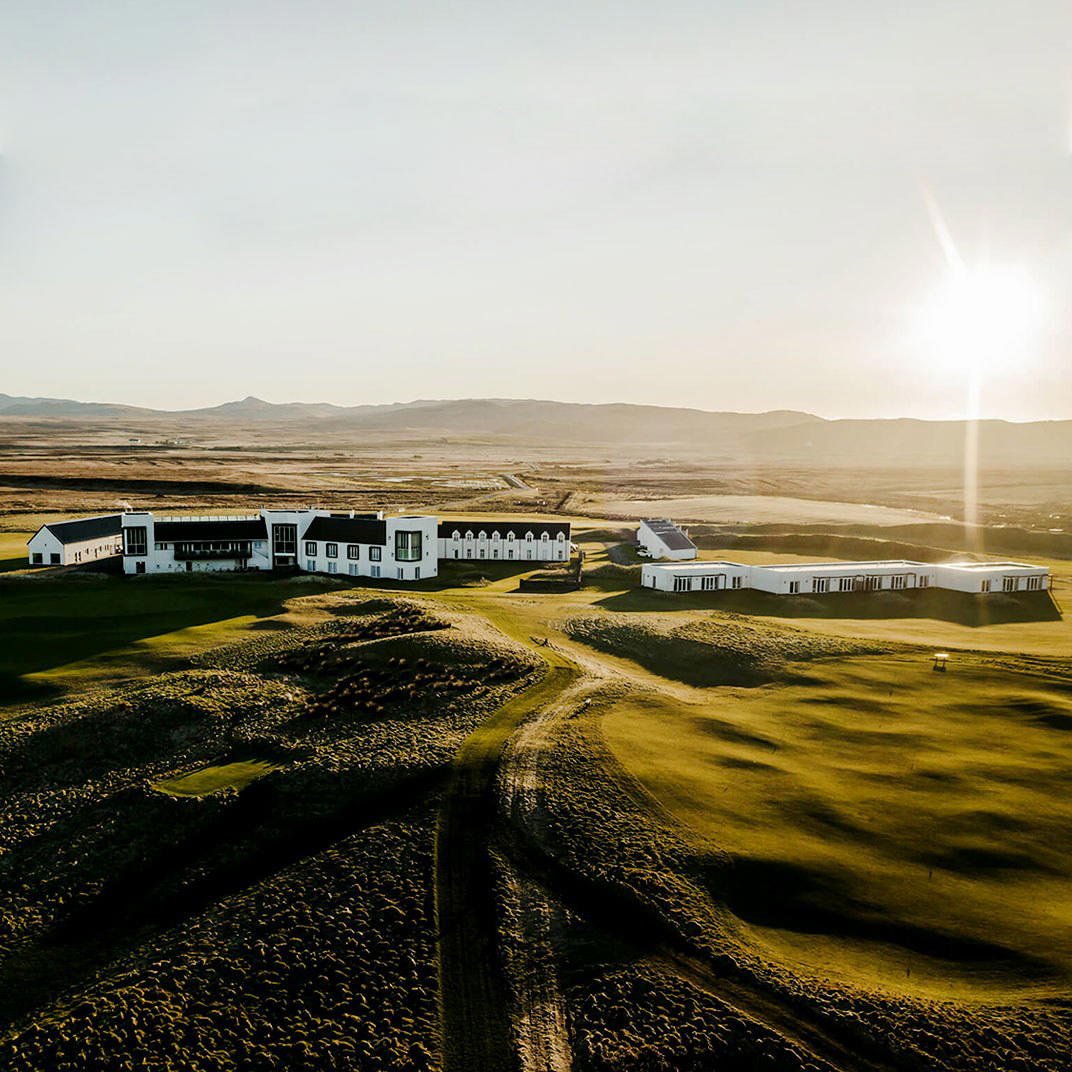
Where the Hebrides Shapes the Architecture
There is a particular design logic that governs the best of Scotland's remote hotel conversions: the landscape is so forceful that the building must either argue with it or yield to it entirely. Another Place, The Machrie, on the Oa peninsula just outside Port Ellen, has taken the second position. The structure reads as low and horizontal against the sky, designed to avoid competing with the Atlantic horizon rather than announce itself above it. This approach, common to a tier of Hebridean and Highland properties that have emerged over the last decade, prioritises material continuity with the surrounding environment. Stone, timber, and muted tones recur because anything else would read as intrusion.
Another Place, The Machrie's Michelin Selected status for 2025 places it inside the recognised tier of that infrastructure, validated by a program that has in recent years extended its hotel guide well beyond France to include remote British properties with strong regional identity.
The Approach to Port Ellen
Getting to Port Ellen requires intention. The crossing from Kennacraig on the CalMac ferry takes around two hours, depending on which of the two routes you take, and the island's pace shifts noticeably from the mainland's. Islay is small enough that most visitors arrive with a specific itinerary: the distillery trail, the wildlife on the southern peninsulas, or the beaches at Laggan Bay. The Machrie sits adjacent to Machrie golf links, one of Scotland's lesser-discussed links courses, which adds a second axis of draw beyond whisky tourism for a certain category of traveller. Arriving via Low Road, the hotel does not announce itself with gates or signage of the sort you would find at, say, Gleneagles in Auchterarder. The understatement is deliberate and consistent with the building's architectural register.
For those coming directly from Glasgow or Edinburgh, the practical routing involves a drive to either Kennacraig or Tarbert, then the ferry. The crossing itself has become part of the guest experience at Hebridean properties of this type: it creates a threshold effect that more accessible hotels, however well designed, cannot replicate. The Rutland in Edinburgh and Hotel du Vin at One Devonshire Gardens in Glasgow serve different purposes in the Scottish hotel market: urban, convenient, embedded in city culture. The Machrie operates in a category where the journey itself is part of the proposition.
Design Identity and Interior Logic
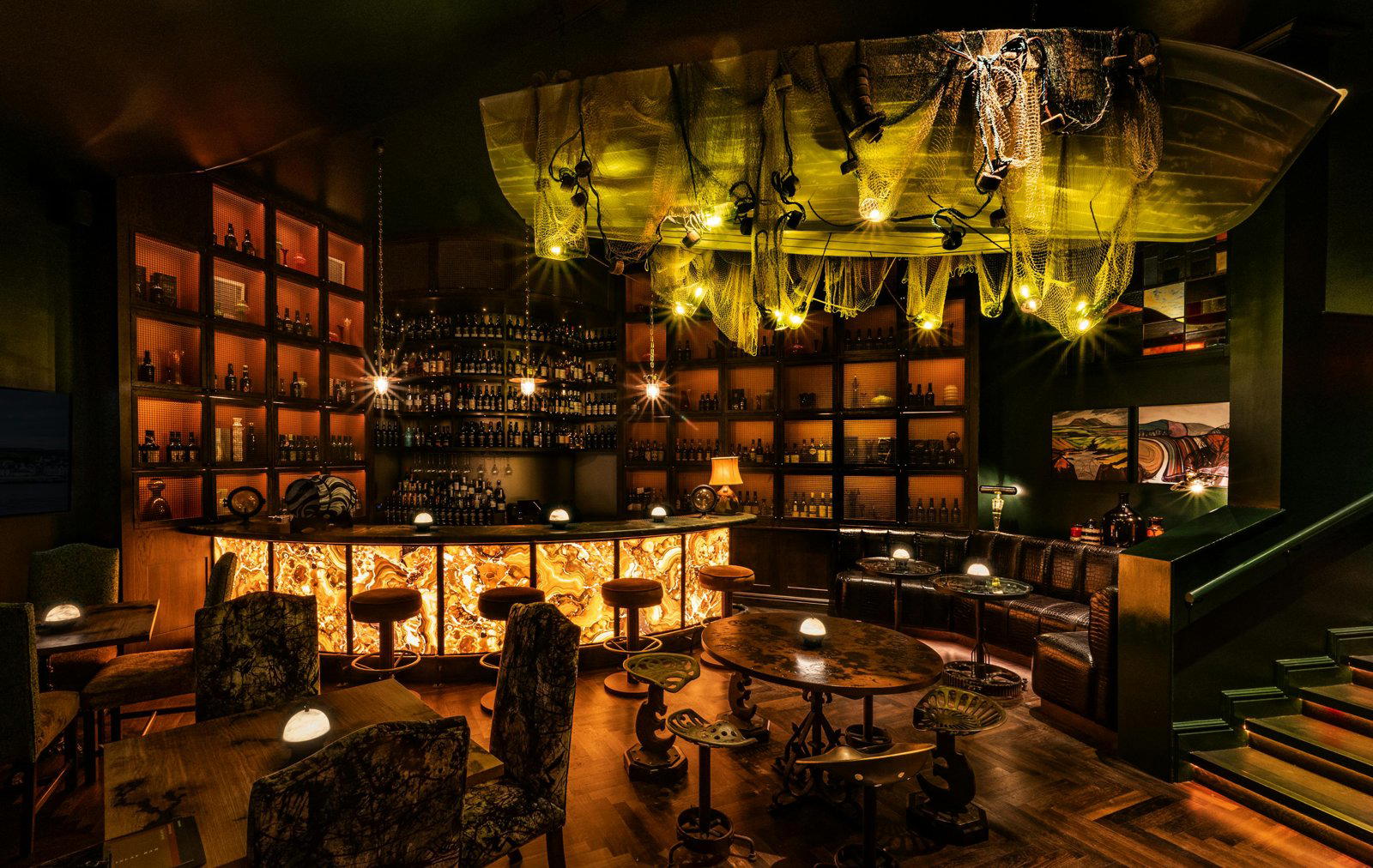
The design language of Another Place properties, of which The Machrie is the Scottish iteration, tends toward a restrained naturalism: materials sourced with proximity in mind, interiors that reference the working landscape rather than imposing a metropolitan aesthetic onto it. At this latitude, on the south coast of Islay, that means dealing with Atlantic weather as a design variable. Windows face the water not for spectacle but because the light at this latitude has a particular quality, particularly in the long summer evenings when the sky takes on a grey-pink cast specific to the Inner Hebrides. This is the kind of sensory context that design-led rural hotels in Britain have increasingly learned to frame as the primary amenity, as much as any spa facility or dining room. Properties like Lime Wood in Lyndhurst and Estelle Manor in North Leigh pursue a similar logic in the English countryside: the building as a frame for its setting, not a substitute for it.
The Machrie's Michelin recognition places it alongside hotels that have earned acknowledgment for consistent quality across accommodation, food, and environment rather than for a single standout attribute. It belongs to a category of British country hotels that have moved beyond the tweeds-and-tartan cliché into something more architecturally considered, without losing the underlying argument that place matters. Compare the approach to The Newt in Somerset at Castle Cary, which uses estate landscaping as its primary design move, or Longueville Manor in Jersey, where the building's historical fabric anchors the guest experience. Each works with its physical context rather than against it.
Islay's Hospitality Context
Port Ellen has developed a recognisable hospitality identity in the last decade, driven almost entirely by whisky tourism. The distilleries at Ardbeg, Lagavulin, and Laphroaig are within a few kilometres of the town, and visitor centres have become increasingly sophisticated, adding accommodation and dining that would have been absent fifteen years ago. Ardbeg House represents one end of the spectrum: accommodation embedded within the distillery estate itself, oriented almost entirely toward whisky culture. The Machrie occupies a broader position, drawing on Islay's identity without being exclusively defined by it. See our full Port Ellen restaurants guide for a wider view of what the town offers beyond the distillery circuit.
This positioning connects The Machrie to a wider pattern in Scottish island hospitality, where the most durable properties serve guests who come for the island itself: birdwatchers on the southern headlands, golfers on the links, walkers on the Oa, and whisky visitors who want to stay somewhere that treats the island as a whole rather than a backdrop for a single activity. Crossbasket Castle in High Blantyre and Dunluce Lodge in Portrush offer parallel examples in Scotland and Northern Ireland of destination properties that succeed by being deeply embedded in their specific geography rather than aspiring to a portable luxury formula.
How It Sits Against the Broader Field
In the wider market for remote British luxury hotels, The Machrie competes neither on scale nor on the brand recognition of larger operations. Hotels like The Savoy in London, Badrutt's Palace Hotel in St. Moritz, or Hôtel de Paris Monte-Carlo are operating in a category defined by heritage and urban grandeur. Another Place, The Machrie argues for something different: that geographic remoteness, handled with architectural care and genuine environmental integration, constitutes its own kind of premium. For visitors who have already done Farlam Hall Hotel and Restaurant in The Lake District or Thornton Hall Hotel and Spa in Heswall, and are looking to push further into the periphery, Islay and The Machrie represent a logical escalation of that impulse.
The 2025 Michelin Selected designation is the most direct signal of where the property stands in that market. It does not guarantee a specific standard of room or service in the way a star rating does, but it signals editorial recognition from a program that, in its hotel guide, tends to reward properties with a distinct point of view about place. That is precisely what Another Place, The Machrie has been building toward since it established itself on the Oa peninsula.
Planning a Stay
The ferry crossing from the mainland remains the default entry point, and booking in advance during summer and whisky festival season (typically held in May) is advisable given the limited accommodation capacity across the island as a whole. The Machrie's address on Low Road, Port Ellen, places it within easy reach of the southern distilleries. Guests who want access to the northern end of the island, including Bunnahabhain and Caol Ila, should allow for driving time on single-track roads. Spring and early autumn offer a workable balance between weather and visitor volume. High summer brings long daylight hours that are genuinely unusual at this latitude, while winter closes the gap between inside and outside in a way that either appeals or does not, depending on the traveller.
Quick Comparison
Comparable venues nearby, for context on price, style, and recognition.
| Venue | Cuisine | Price | Awards | Notes |
|---|---|---|---|---|
| Another Place, The MachrieThis venue — the venue you are viewing | Modern relaxed hotel in magnificent natural setting with eclectic artwork and design | $300–500 | Michelin Selected | Not listed |
| Ardbeg House | Whisky-themed boutique hotel in a reimagined Victorian pub. | $500–750 | Travel + Leisure It List Hotels | Port Ellen |
| Langshott Manor Hotel | Historic Elizabethan manor house with country-house atmosphere on three-acre grounds | $500–750 | Michelin Selected | Horley |
| The Dixon, Tower Bridge | Edwardian courthouse converted to luxury boutique hotel | Not listed | World Travel Awards | Tower Bridge |
| The Talbot Malton | 17th-century coaching inn with Georgian character and modern boutique updates | $200–300 | Michelin Selected · Mr & Mrs Smith Seal of Approval | Yorkersgate |
| The Laslett | Understated luxury townhouse hotel emphasizing British design heritage and community connection | $300–500 | Michelin Selected · Mr & Mrs Smith Seal of Approval | Notting Hill |
Recognition history
Dated appearances from independent guides and award organizations, with the underlying list record or original source where available.
Michelin Selected
Michelin
Continue exploring
More in Port Ellen
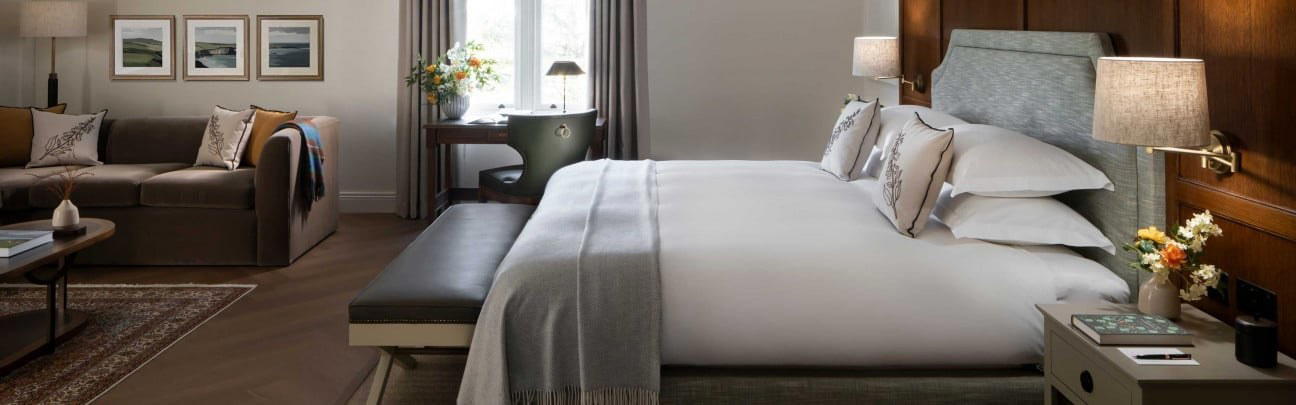
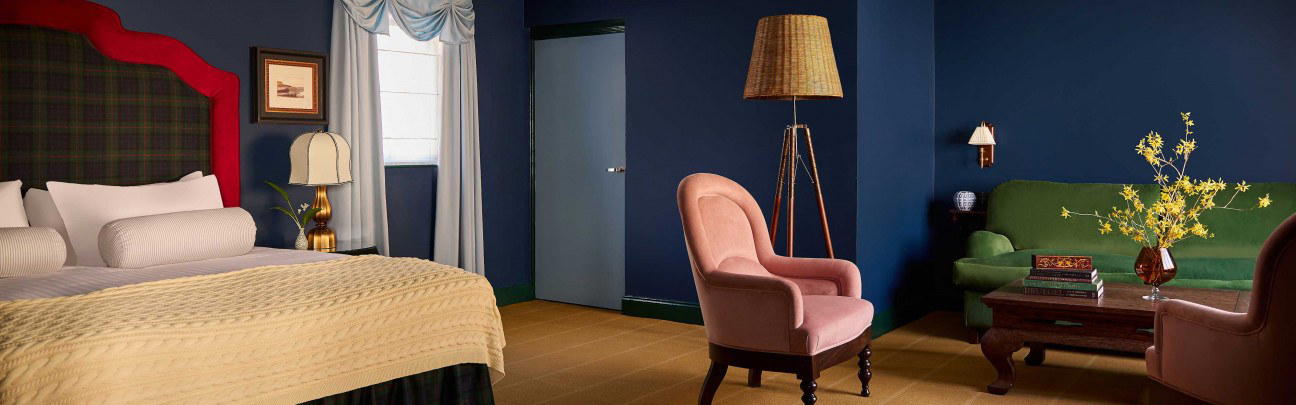
Hotels in Port Ellen
Browse all →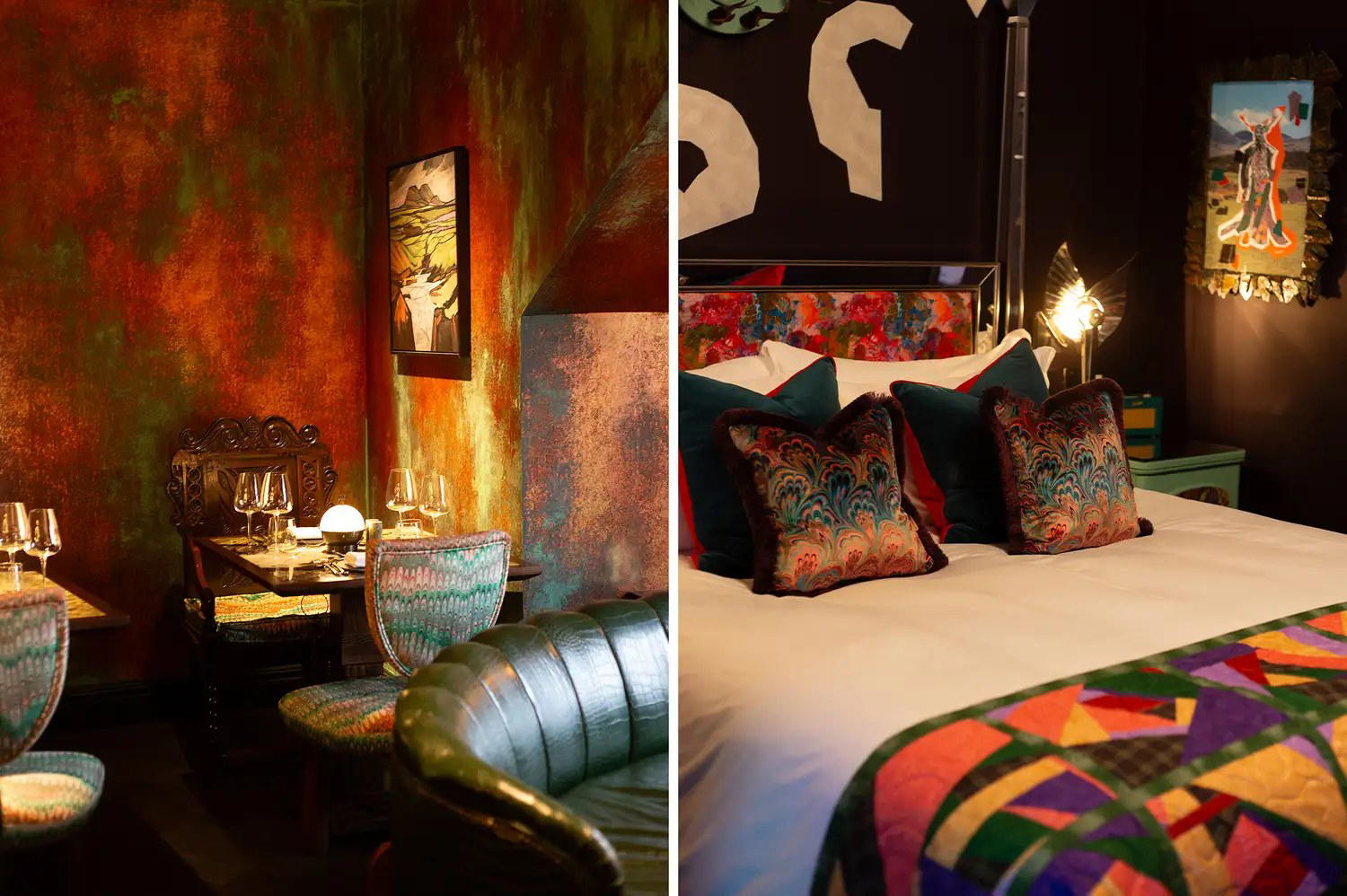
Restaurants in Port Ellen
Browse all →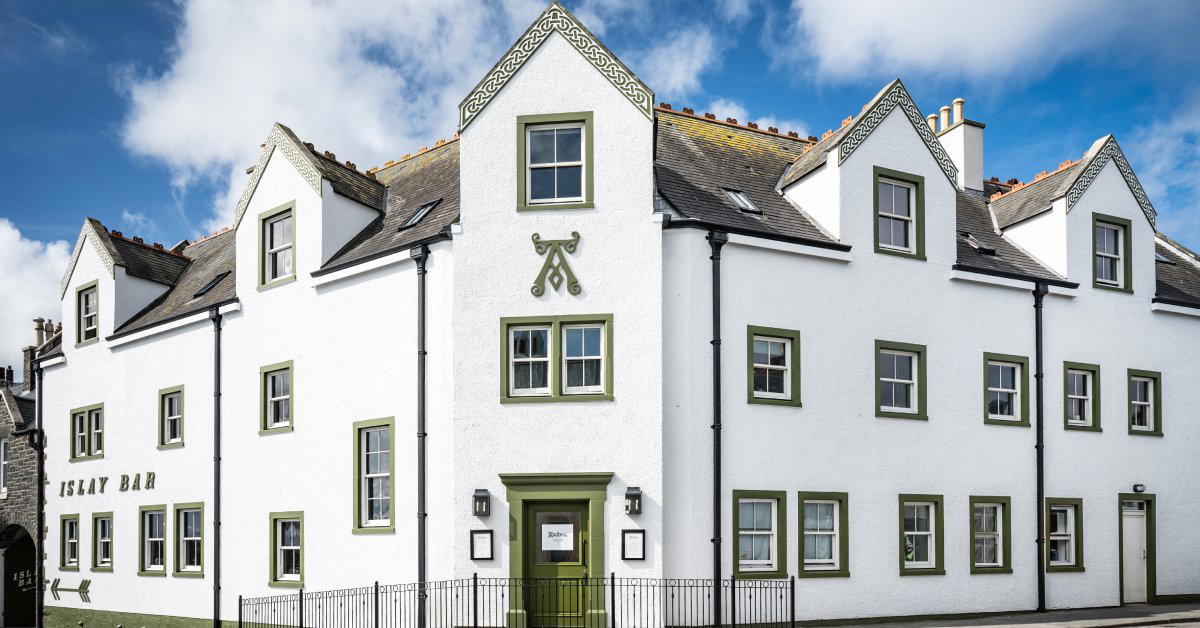
Details
- Scenic
- Quiet
- Elegant
- Cozy
- Sophisticated
- Romantic Getaway
- Family Vacation
- Weekend Escape
- Golf Course
- Waterfront
- Panoramic View
- Spa
- Pool
- Fitness Center
- Sauna
- Wi Fi
- Room Service
- Concierge
- Garden
- Waterfront
Contemporary classic with calming interiors, dramatic sea views, eclectic artwork, and a warm Highland welcome in a quiet, magnificent natural setting.