Lagavulin

Lagavulin sits on the southern shore of Islay, one of Scotland's most storied distilling parishes, and holds a Pearl 4 Star Prestige award for 2025. Its heavily peated single malt occupies a specific tier within the Islay canon, positioned between the briny intensity of nearby Laphroaig and the more restrained smokiness of Ardbeg. For anyone tracing the character of Islay whisky from source, a visit to Lagavulin anchors the entire trip.
 Discover on Pearl
Pearl is the En Primeur Club membership app — saves, bookings, and concierge access live there. Same editors, same standards.
- Address
- Lagavulin, Isle of Islay PA42 7DZ, UK
- Phone
- +44 1496 302749
- Website
- malts.com
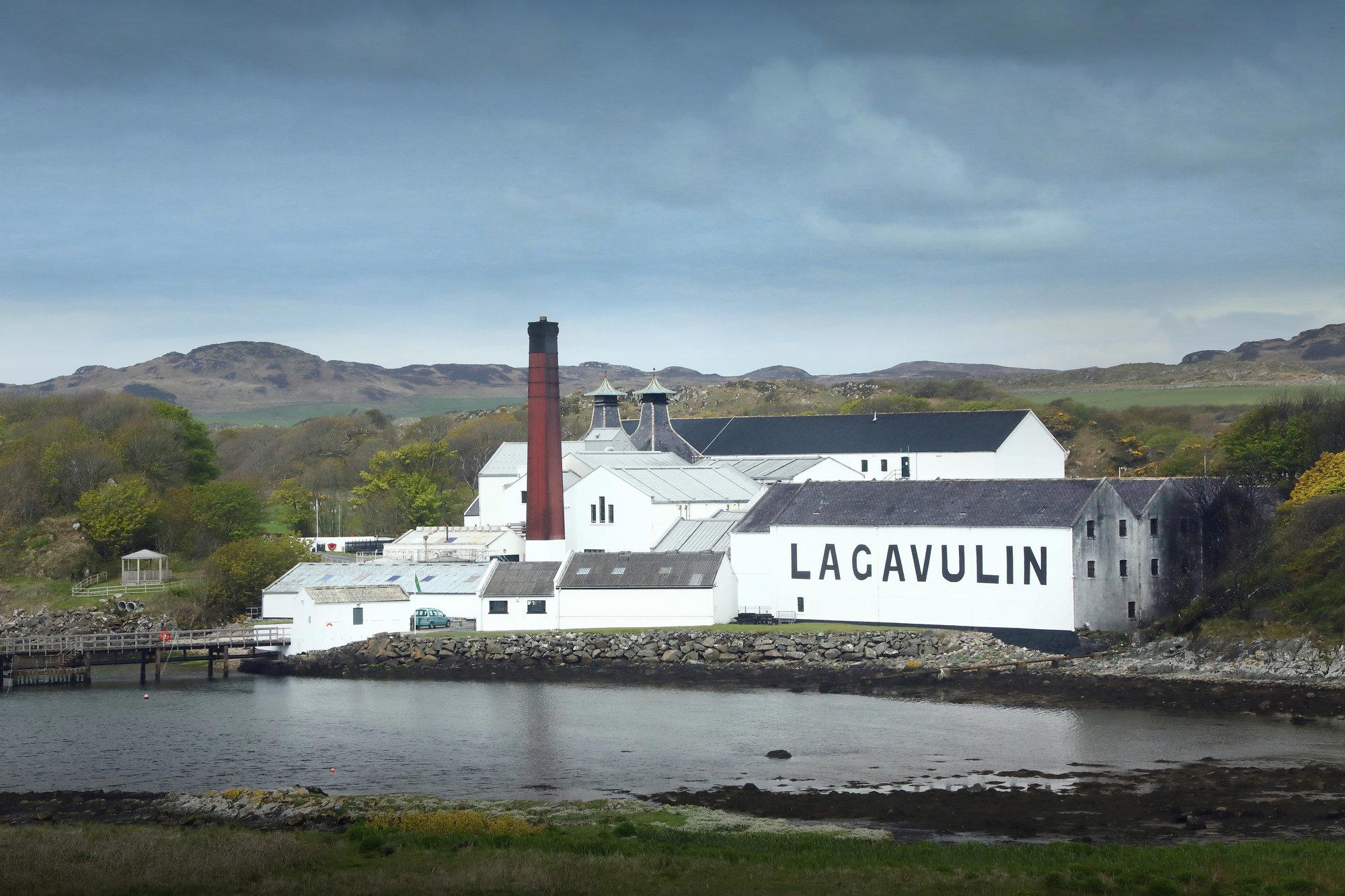
Islay's Southern Shore and What It Produces
The southern coast of Islay runs through some of the most consequential distilling ground in Scotland. Within a few miles of each other, three distilleries, Laphroaig, Lagavulin, and Ardbeg, produce single malts that together define the heavily peated end of the Scotch whisky spectrum. The geography is specific: the bay at Lagavulin sits in a natural hollow, sheltered by low headlands, with Atlantic winds carrying salt and seaweed across the maltings. That environment is not incidental to the whisky. The interplay between Islay's peat bogs, its coastal air, and its water sources has shaped a regional signature so consistent that distillers and blenders treat Islay peat phenols as a category variable in their own right.
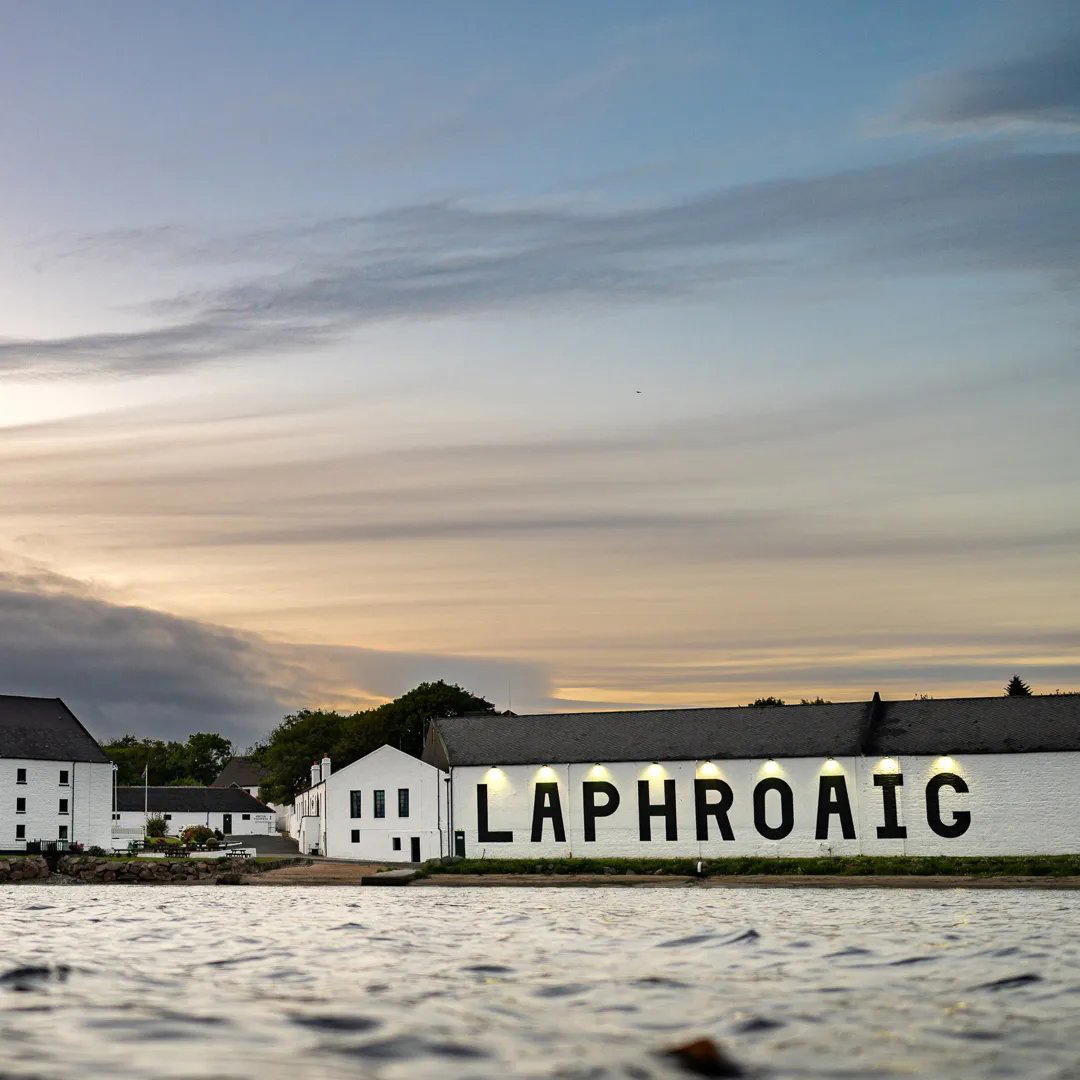
Within that southern cluster, each distillery occupies a distinct position. Laphroaig is the most medicinal and iodine-forward of the three; Ardbeg is higher-phenol with a more complex, almost sweet counterpoint to its smoke. Lagavulin sits in the middle of that axis in terms of style but arguably at the leading in terms of recognition within the traditional single malt category. Its sixteen-year-old expression became, over the latter decades of the twentieth century, a kind of reference point for what aged peated Scotch could achieve in terms of balance between smoke, dried fruit, and oak integration.
The Distillery as a Production Site, Not a Tourist Abstraction
One of the ways Islay has changed as a whisky destination is in how distilleries present themselves to visitors. The earlier model was essentially industrial: a working facility that tolerated visitors. The current model, across much of the island, is more deliberately experiential, with purpose-built visitor centres, seated tastings, and multi-tier tour formats. Lagavulin participates in this shift, and its Pearl 4 Star Prestige recognition for 2025 signals that its visitor programme meets a high standard for the category.
What matters for the serious whisky traveller is the ratio of substance to presentation. Islay's distilleries vary considerably on this metric. Some have invested more heavily in the theatrical side of the visitor experience; others keep the emphasis on production transparency and technical depth. Lagavulin's reputation, built on a relatively small production footprint and an unusually long standard maturation period for a core expression, tends to attract visitors who arrive with prior knowledge rather than casual curiosity. That self-selection shapes the atmosphere at the distillery in ways that distinguish it from higher-volume operations.
The mainland ferry links run from Kennacraig on the Kintyre peninsula. The crossing takes around two hours, and the ferry schedule effectively governs how visitors structure their time on the island.
Placing Lagavulin in the Wider Scotch Context
The Scottish whisky map is large and internally varied. Distilleries like Aberlour in Aberlour and Cardhu in Knockando operate in the Speyside tradition, where the emphasis falls on fruit, malt sweetness, and lighter spirit character. Highland distilleries such as Balblair in Edderton and Clynelish in Brora offer waxy, coastal, or orchard-fruit profiles that sit in a different register entirely. Lowland producers like Auchentoshan in Clydebank and Bladnoch in Bladnoch run triple-distillation programs that produce lighter, more approachable spirits at the opposite pole from Islay smoke.
Lagavulin's position in that broader spectrum is at the assertive, phenol-driven end. This is not a distillery for visitors whose entry point is mild or accessible Scotch. The category it anchors is one where peat phenols, measured in parts per million in the malted barley, run high, and where the distillery's house style has been consistent enough over decades to generate a recognisable signature. For visitors coming from outside Scotland, distilleries like Ardnahoe in Port Askaig on the northern end of Islay offer a useful comparison point: a newer facility with a different production philosophy, which, taken alongside Lagavulin, illustrates the range within a single island's output.
The international comparison is also worth making. Distilleries in other traditions, from Deanston in Deanston to more geographically distant producers like Dornoch Distillery in Dornoch, have built followings on craft-scale production and provenance narratives. Lagavulin operates at a different scale and under a major industry group, which affects both availability and production consistency. The tradeoff is that expressions from Lagavulin, particularly aged releases, are more regularly available in international markets than allocations from smaller craft operations, though limited editions and special releases do require advance attention.
What Distinguishes the Visit
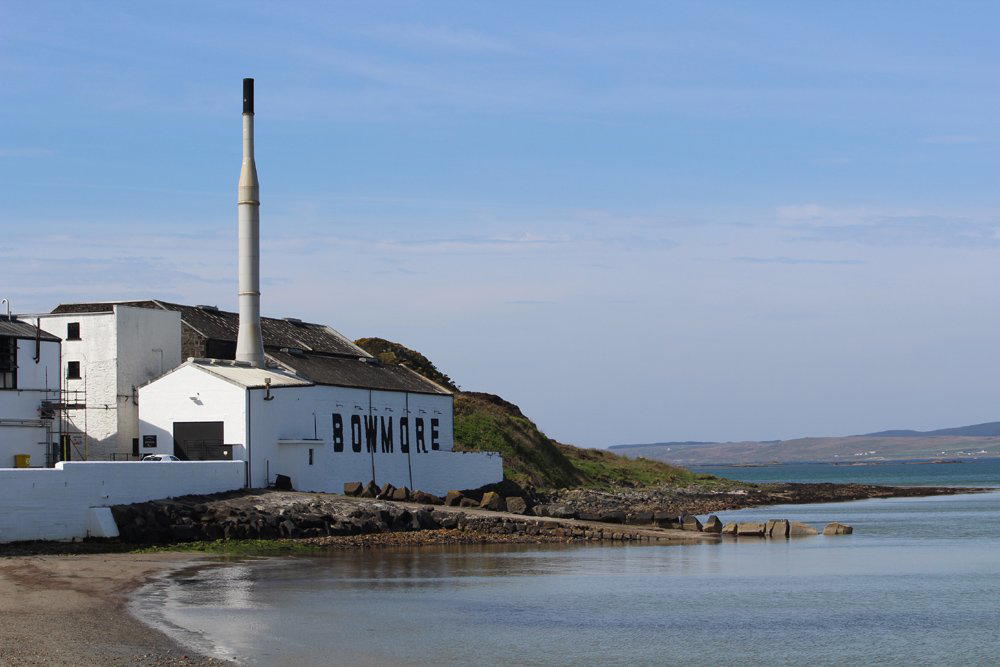
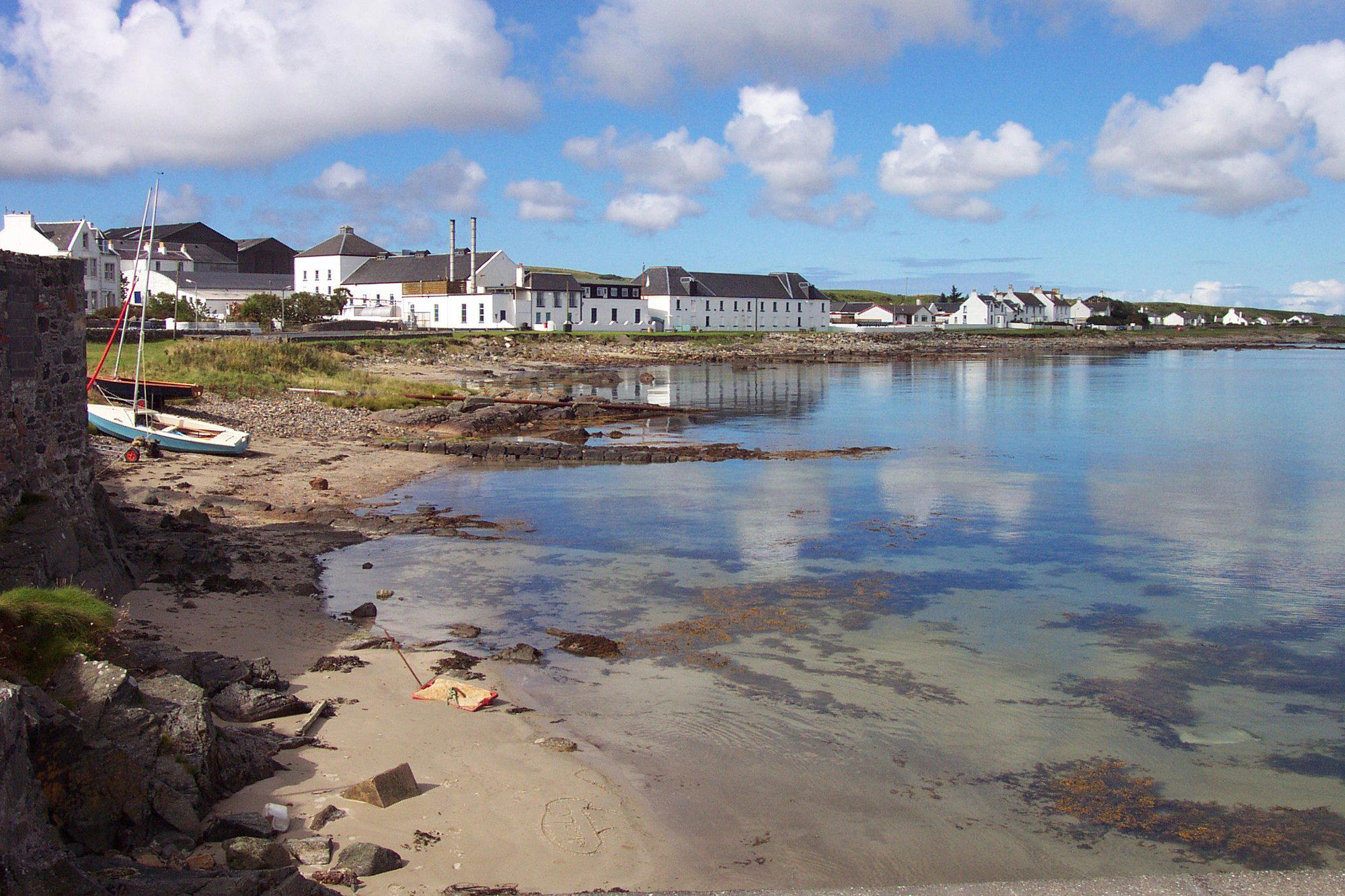
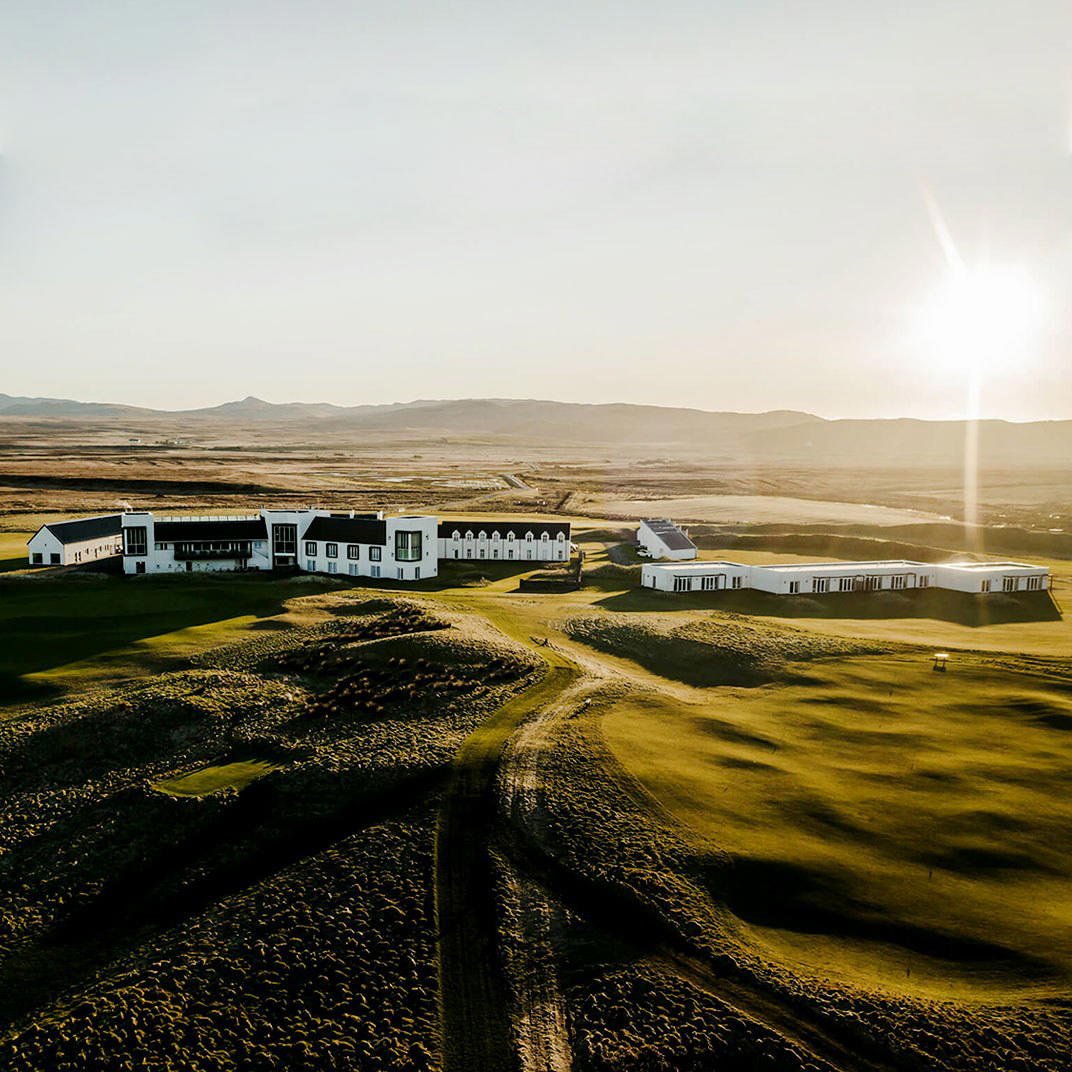
The physical setting of the distillery is part of the case for making the journey. The bay at Lagavulin faces southeast, and the whitewashed buildings are visible from the water before the road brings you to them. For a category of production that depends so heavily on environment, seeing the source conditions, the proximity to the sea, the low-lying peat ground inland, the quality of the light on a clear day in the outer Hebrides, provides context that no tasting note fully substitutes for.
Lagavulin's Pearl 4 Star Prestige award for 2025 confirms that its visitor programme meets a high standard for the category.
For those building a broader Scottish whisky itinerary beyond Islay, the contrast between the island's peat-driven output and the gentler profiles of producers in other regions rewards deliberate sequencing. Starting on Islay and moving northeast, through Highland and Speyside producers, is one way to experience the full range of what Scotch whisky's regional variation actually means in the glass.
Cost Snapshot
Comparable venues nearby, for context on price, style, and recognition.
| Venue | Cuisine | Price |
|---|---|---|
| LagavulinThis venue — the venue you are viewing | Lagavulin, Islay | $ |
| Laphroaig | Port Ellen, Islay | $$ |
| Ardbeg | Port Ellen, Islay | $$$ |
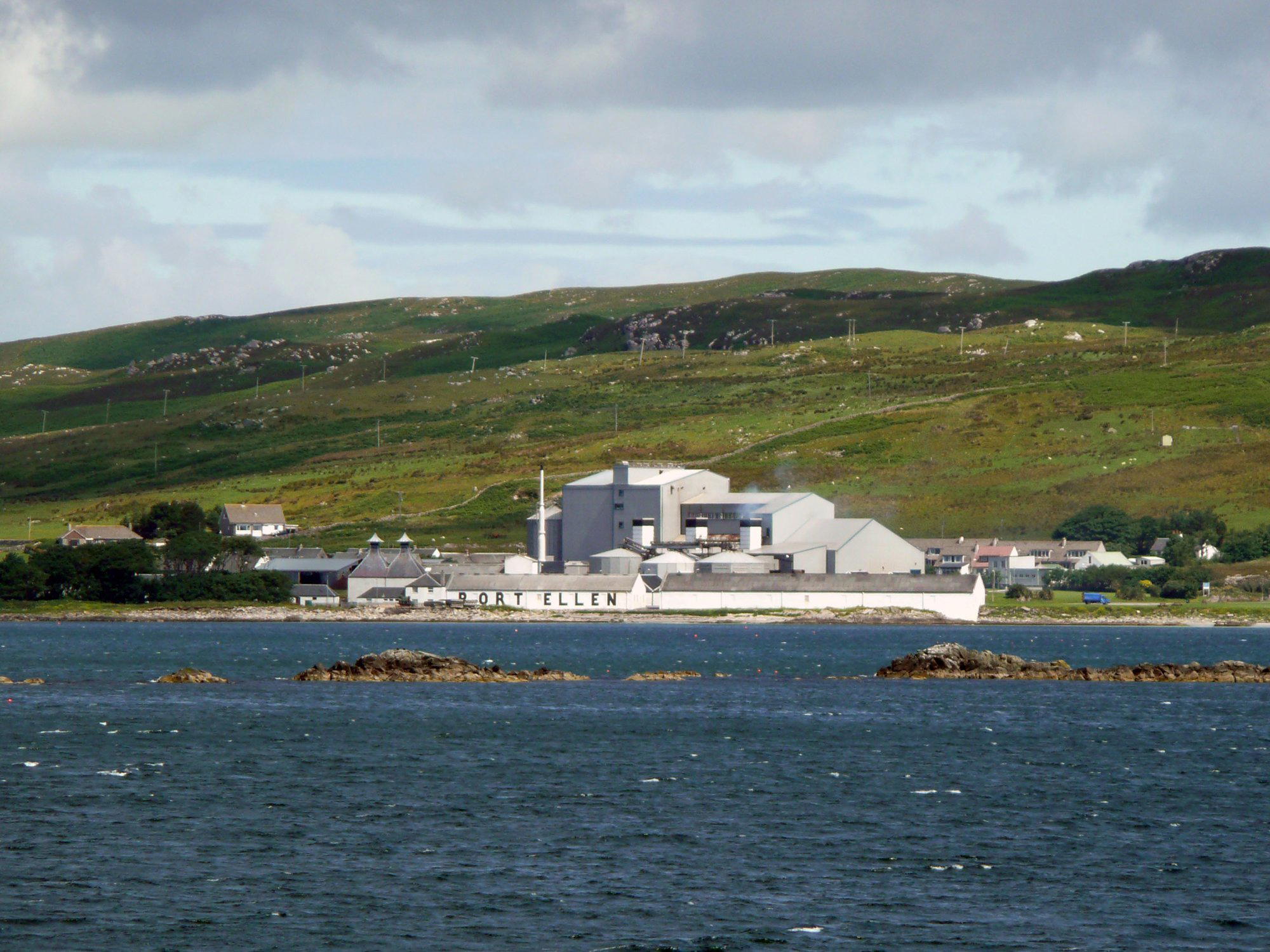
| Port Ellen Distillery | Port Ellen, Islay | $$$ |
| Sonoma Brothers Distilling | Winery | , |
| Whipper Snapper Distillery | Winery | , |
Continue exploring
More in Port Ellen
Wineries in Port Ellen
Browse all →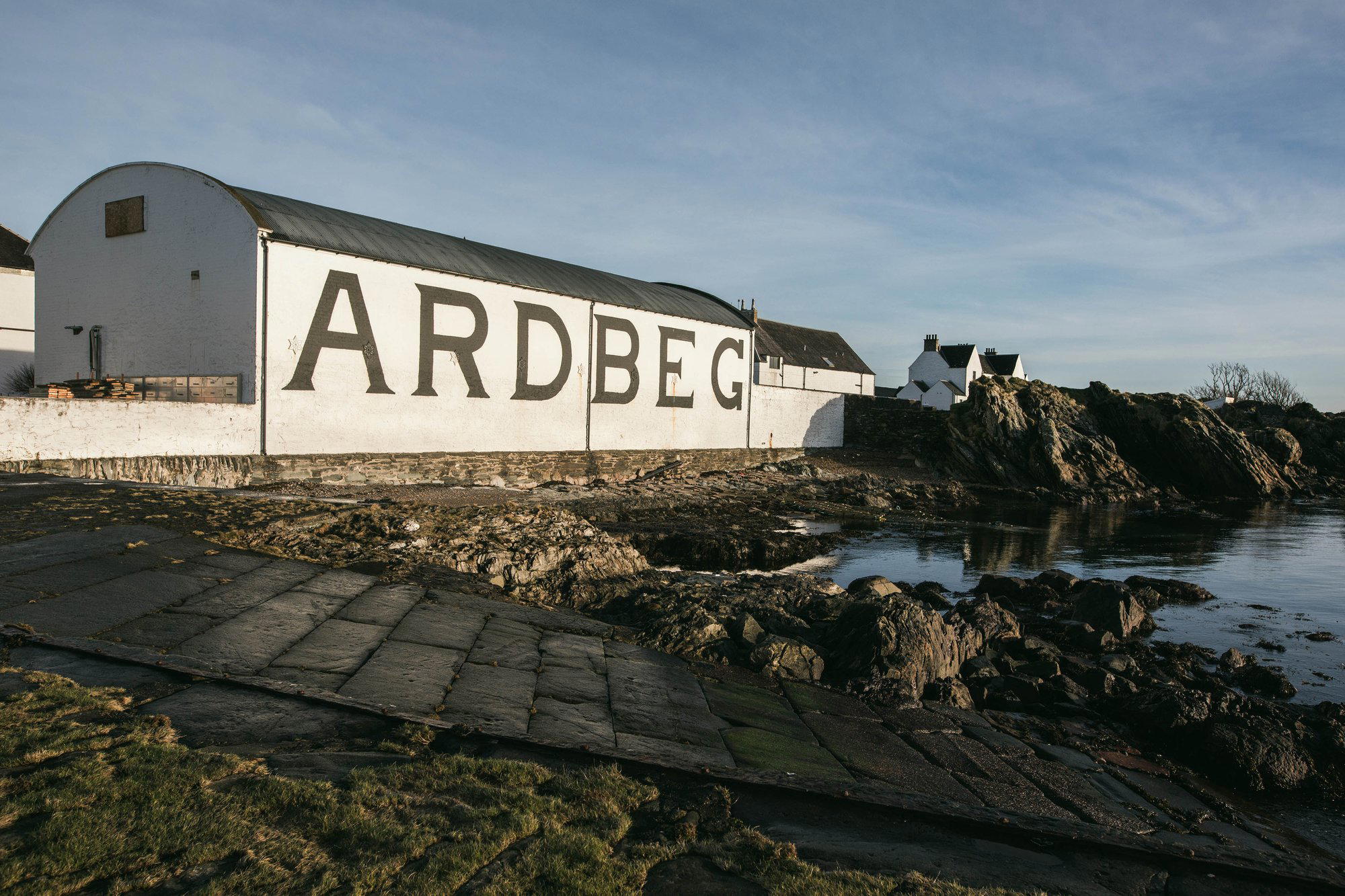
Restaurants in Port Ellen
Browse all →

At a Glance
- Classic
- Iconic
- Rustic
- Wine Education
- Solo Exploration
- Historic Building
- Waterfront
Maritime and peaty atmosphere influenced by its coastal location and sea air, within historic white warehouses.