The Boathouse
On the Isle of Gigha, a small Hebridean island reachable only by ferry, The Boathouse sits at the edge of the water where the sourcing story writes itself: the sea is the larder, the island is the kitchen garden, and the distance from the mainland is the point. This is the kind of place that makes the journey part of the meal, and the meal a direct expression of where you are.
Pearl is the En Primeur Club membership app — saves, bookings, and concierge access live there. Same editors, same standards.
- Address
- Isle of Gigha PA41 7AA, United Kingdom
- Phone
- +44 7442 717150
- Website
- boathouseongigha.com
- Directions
- Get directions
 Saves & bookings on Pearl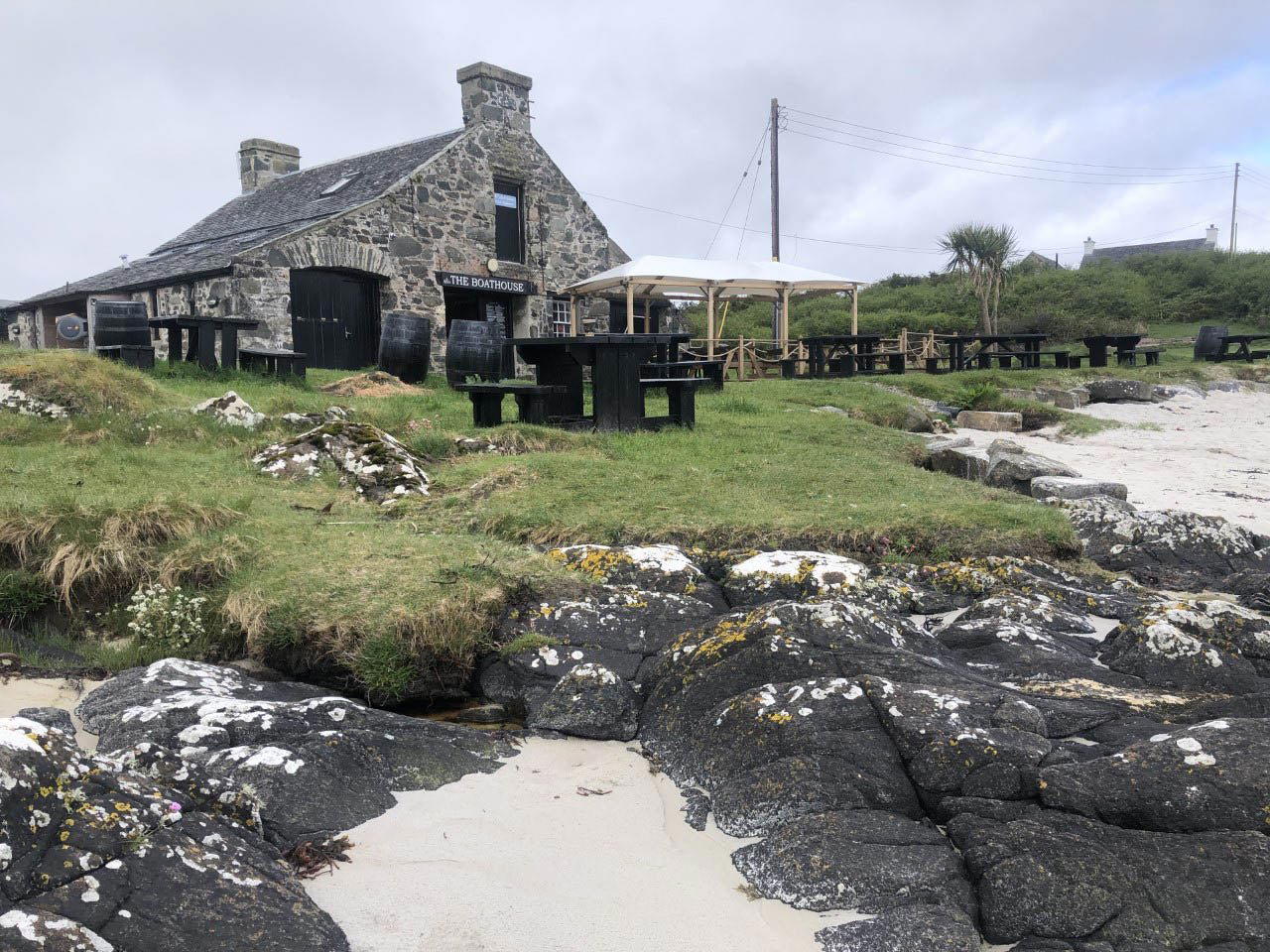
Where the Larder Ends at the Waterline
Arriving on Gigha by CalMac ferry from Tayinloan, you cross roughly twenty minutes of the Sound of Gigha to reach an island of around 150 permanent residents and a coastline that does most of the talking. The Isle of Gigha is one of the smallest permanently inhabited islands in the Inner Hebrides, and that isolation is not incidental to the dining here, it is the entire premise. When an island this small has a waterfront restaurant, the question of where the food comes from answers itself before you sit down.
This matters more than it might seem. The conversation around provenance in British fine dining has largely played out at restaurants with the infrastructure to build supplier relationships across the country. L'Enclume in Cartmel runs its own farm. Le Manoir aux Quat'Saisons in Oxford has two acres of kitchen garden. Moor Hall in Aughton draws on the Lancashire larder with considerable deliberateness. The West Coast of Scotland waters around Gigha produce langoustine, crab, lobster, and a range of fin fish whose quality is well-documented among buyers across the UK and Europe. Much of what leaves Gigha by boat arrives at restaurants far further south; eating it on the island itself is the short circuit in that chain.
The Sourcing Argument Made Physical
The western approach to sourcing in high-end British cooking has, over the past decade, shifted from a marketing claim to an expectation. Diners at CORE by Clare Smyth in London or Restaurant Andrew Fairlie in Auchterarder encounter menus where the geography of each ingredient is part of the editorial point. At those addresses, provenance is communicated through the menu text, through the service team, through the tasting notes. At The Boathouse, it is communicated through the view. The water outside the window is the same body of water from which your food was pulled, and there is a directness to that which no amount of supplier credentialing can replicate.
Scottish coastal cooking at this latitude has its own logic. The cold, tidal, nutrient-rich waters of the Firth of Clyde and the approaches to the Kintyre peninsula produce shellfish with a particular sweetness that chefs from The Glenturret Lalique in Crieff to Restaurant Sat Bains in Nottingham have sourced deliberately. The difference here is that the ingredient does not travel. Seasonal availability governs what appears on the menu in a way that feels less like a stylistic choice and more like a basic fact of island life. What the sea offers on a given week is what the kitchen works with. That constraint, which would be a creative limitation elsewhere, functions here as a form of editorial discipline.
Atmosphere and Setting
Hebridean light behaves differently from mainland light. In summer, it persists well into the evening, and the quality of it, low-angled, clear, occasionally dramatic, changes the character of a waterfront room in ways that are difficult to replicate. The physical setting of a boathouse on a small island is not decorative; it is load-bearing. The architecture frames the view, the view frames the meal, and the meal becomes inseparable from the experience of being on this particular island on this particular day. This is a version of atmosphere that places like Waterside Inn in Bray and Gidleigh Park in Chagford have long understood, though the register here is considerably less formal. Gigha does not do dress codes or tasting menus in the way that those restaurants do. It does something that those restaurants cannot: it puts you physically inside the sourcing story.
The island is small enough that the rhythm of a meal here is governed by ferry times. Day visitors from the mainland can make the trip a focused excursion, while those staying on the island,
Where The Boathouse Sits in the Wider Picture
British coastal dining has a range that runs from the technically elaborate, hide and fox in Saltwood, Midsummer House in Cambridge, to the emphatically unpretentious, where the quality of the ingredient is the entire statement. The Boathouse sits in that second tier, though the ingredient quality argument available to a Hebridean island address is more compelling than most. For comparison, the same langoustine and crab the island produces are treated as premium imports by kitchens across Britain and, at sea-to-table addresses like Le Bernardin in New York City or the more research-led Korean fine dining of Atomix in New York City, West Coast Scottish shellfish carries genuine cachet. Eating it at its point of origin is a different proposition from encountering it on a tasting menu two days and several hundred miles later.
For readers who track the current interest in place-specific British cooking, the mode that runs through Ynyshir Hall in Machynlleth, Opheem in Birmingham, Hand and Flowers in Marlow, or 33 The Homend in Ledbury, the restaurant represents the proposition at its most literal. There are no intermediate steps between source and plate, no supply chain to manage, no supplier relationship to cultivate. The island is the supplier.
Planning a Visit
Reaching Gigha requires some commitment. The CalMac ferry from Tayinloan runs year-round but is subject to weather, and the island's small scale means that accommodation books ahead, particularly in summer. Visitors arriving as a day trip from Kintyre should account for ferry scheduling when timing a meal. The island has no through traffic, you come to Gigha because Gigha is the destination, and the unhurried quality of the place is partly a function of that dead-end geography.
A Quick Peer Check
Comparable venues nearby, for context on price, style, and recognition.
| Venue | Cuisine | Price | Notes |
|---|---|---|---|
| The BoathouseThis venue — the venue you are viewing | Fresh Scottish Seafood | $$$ | Not listed |
| Lilibets | Modern seafood fine dining in a historic Mayfair townhouse | $$$ | Mayfair |
| Rogano | Classic Scottish Seafood | $$$ | Anderston/City/Yorkhill |
| Old School Restaurant | Modern Scottish Seafood | $$$ | Dunvegan |
| MacCallum's of Troon Oyster Bar | Seafood Oyster Bar | $$ | Troon Harbour |
| Saltie Girl London | Premium Tinned Fish & New England Seafood | $$$ | Mayfair |
Continue exploring
More in Isle Of Gigha
Restaurants in Isle Of Gigha
Browse all →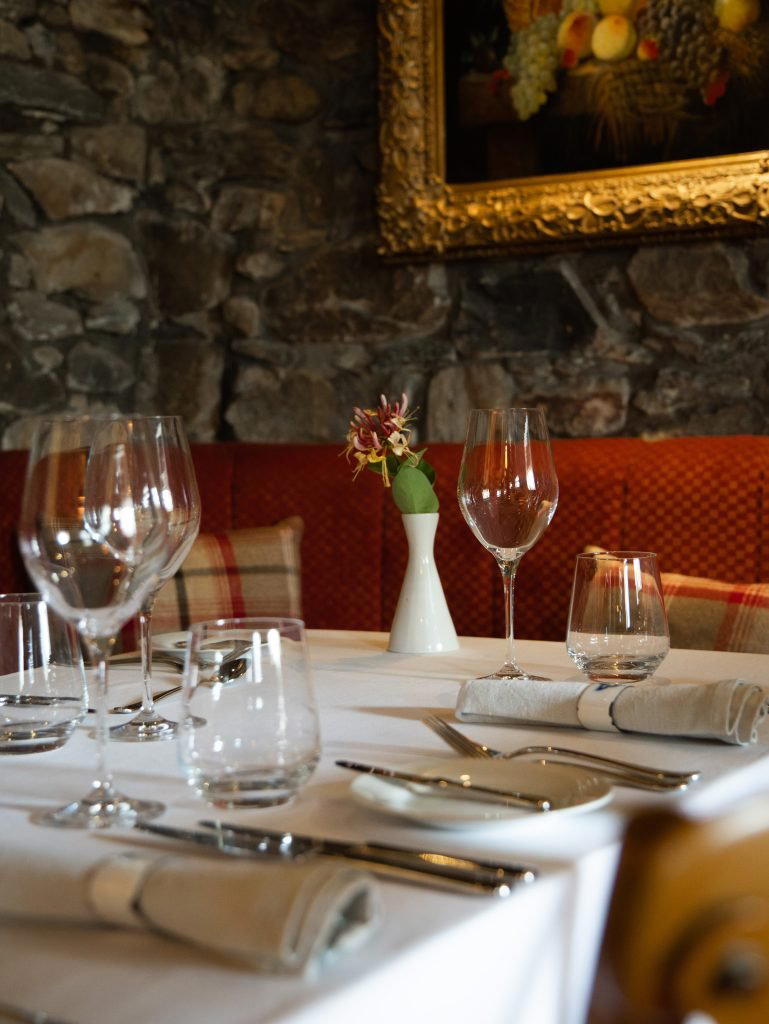
Hotels in Isle Of Gigha
Browse all →
At a Glance
- Scenic
- Cozy
- Rustic
- Special Occasion
- Family
- Waterfront
- Historic Building
- Extensive Wine List
- Local Sourcing
- Sustainable Seafood
- Waterfront
Current opening hours
- Monday
- Closed
- Tuesday
- 12–3 PM, 6–8 PM
- Wednesday
- 12–3 PM, 6–8 PM
- Thursday
- 12–3 PM, 6–8 PM
- Friday
- 12–3 PM, 6–8 PM
- Saturday
- 12–3 PM, 6–8 PM
- Sunday
- 12–3 PM, 6–8 PM
Hours can change for holidays and private events. Last verified .
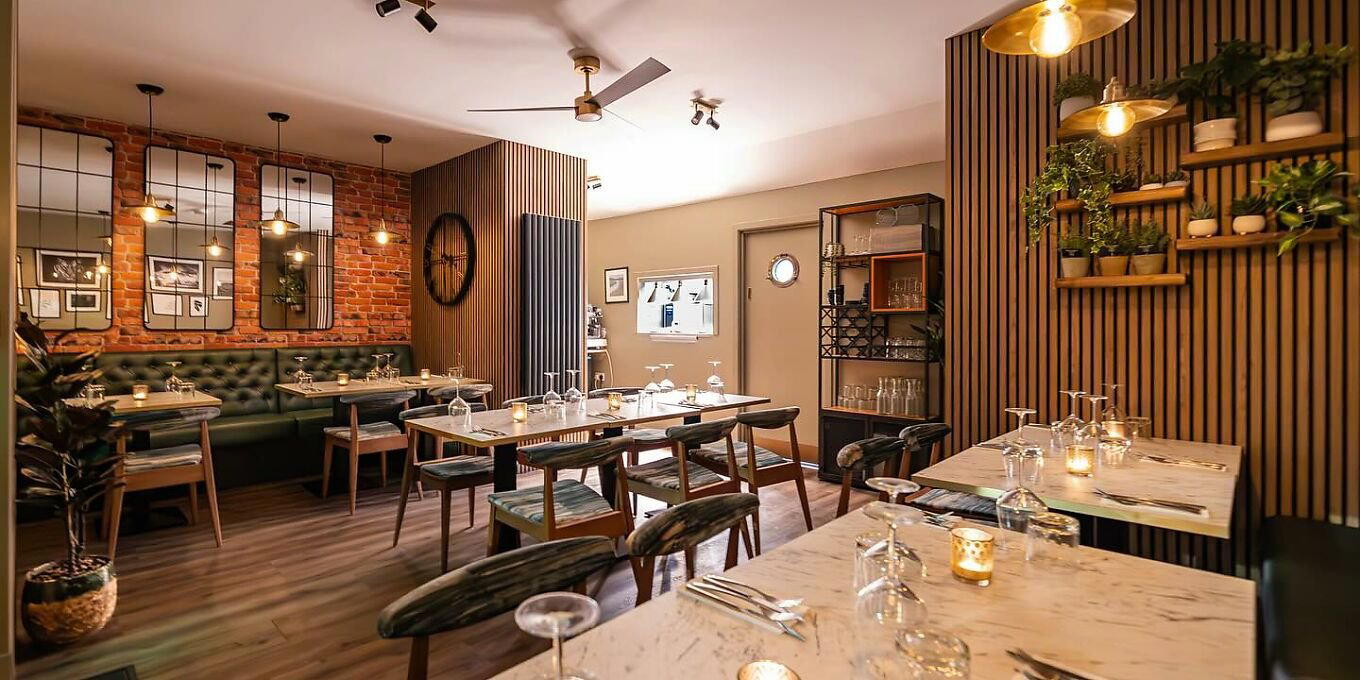
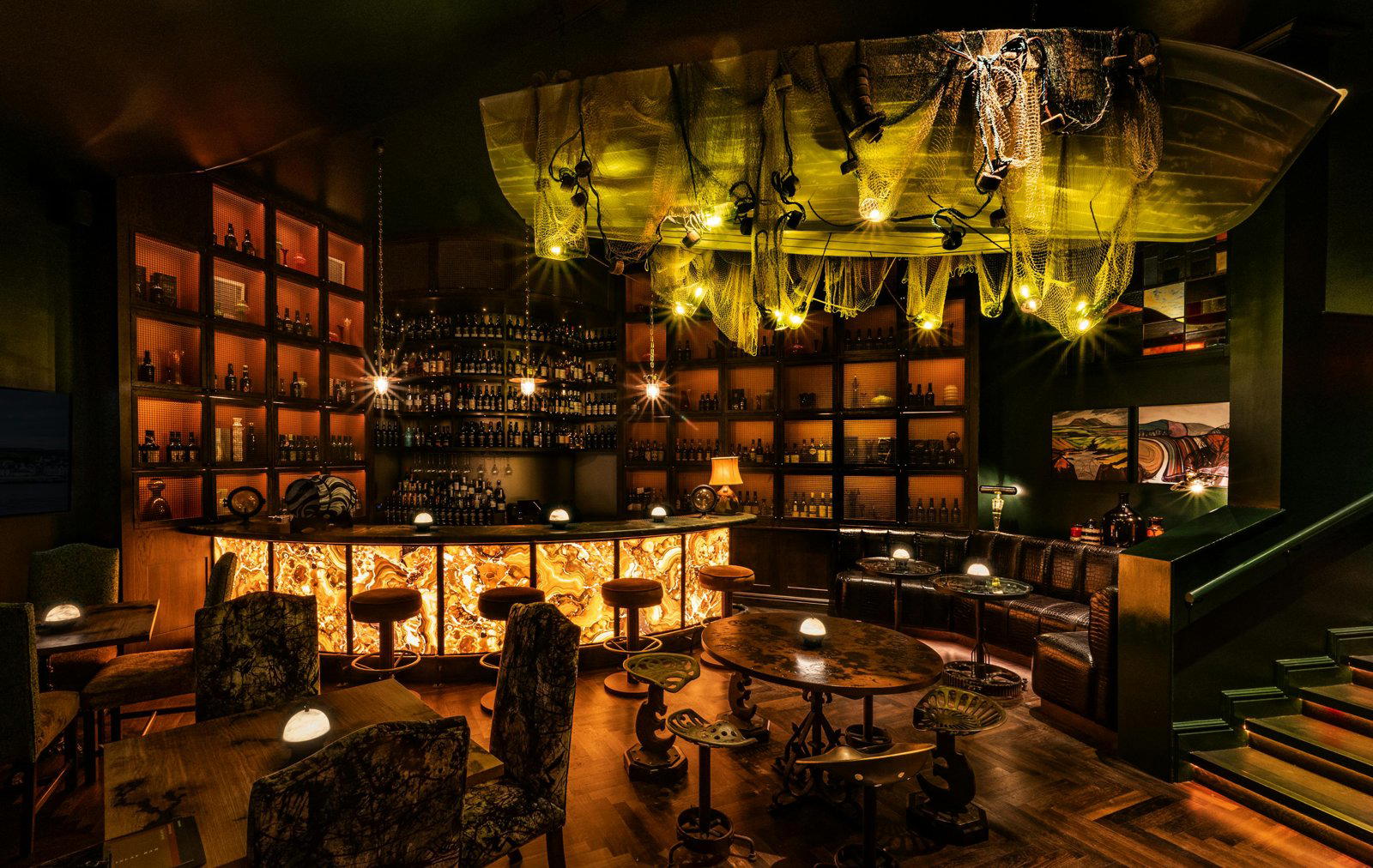
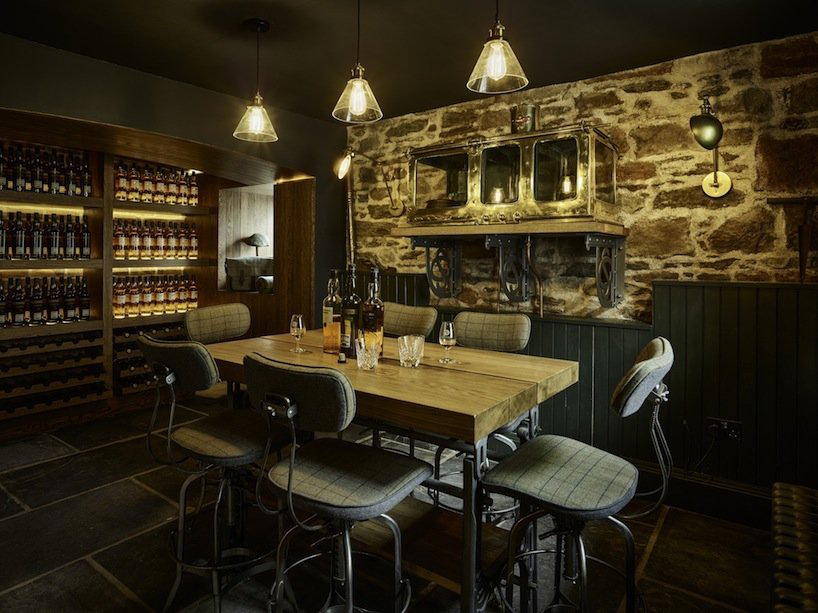
Cozy interior of a historic boathouse with relaxed beachside atmosphere and spectacular sea views from heated decking.