Bowmore
Bowmore distillery sits on the shore of Loch Indaal on Islay, producing peated single malts that carry the island's salt air and maritime character into every cask.. For those tracing Scotch whisky through its geography, Bowmore is where coastal terroir becomes legible in the glass.

Pearl is the En Primeur Club membership app — saves, bookings, and concierge access live there. Same editors, same standards.
- Address
- Bowmore, Isle of Islay PA43, UK
- Website
- bowmore.com
- Directions
- Get directions
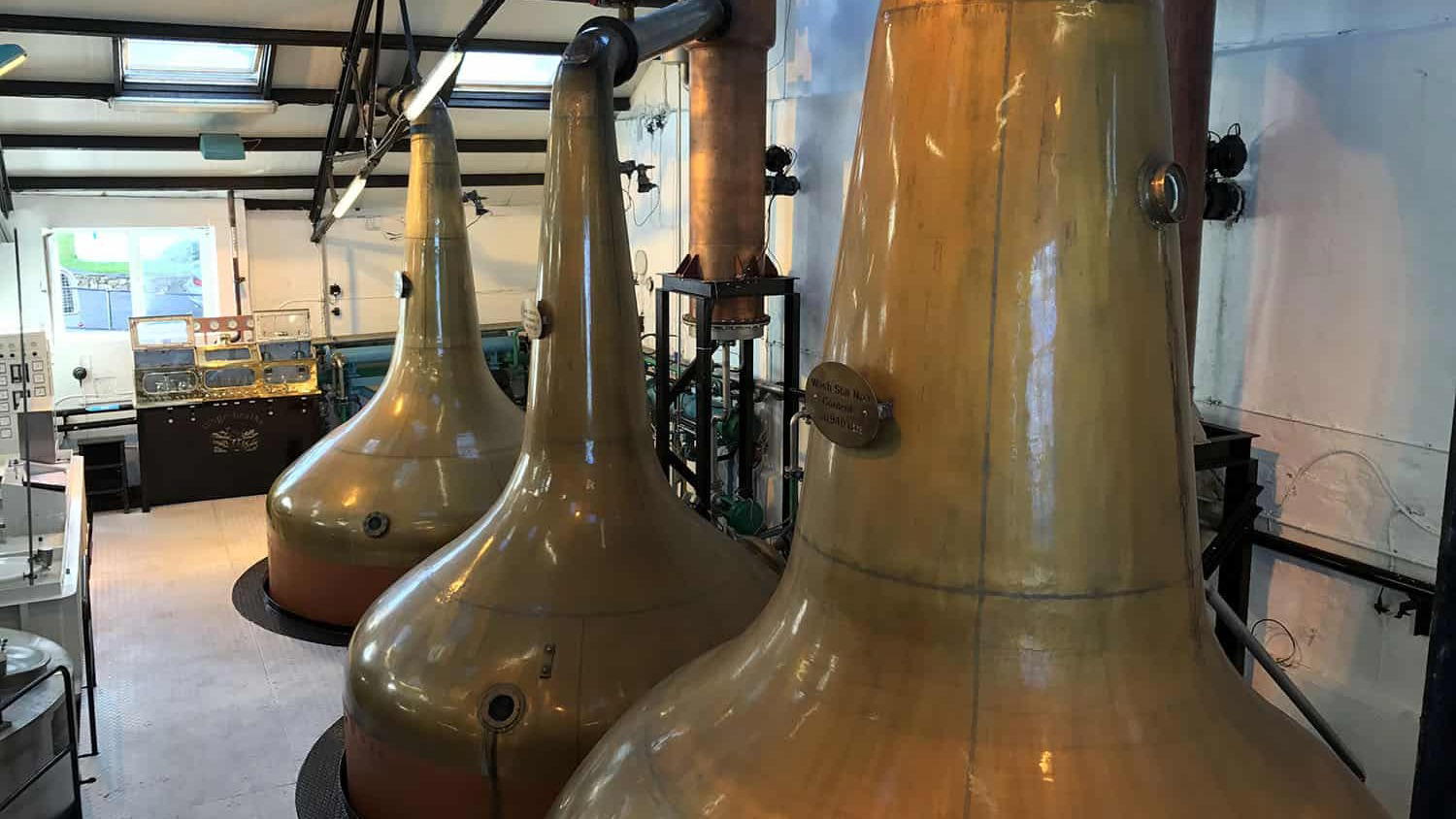
Where the Loch Meets the Peat
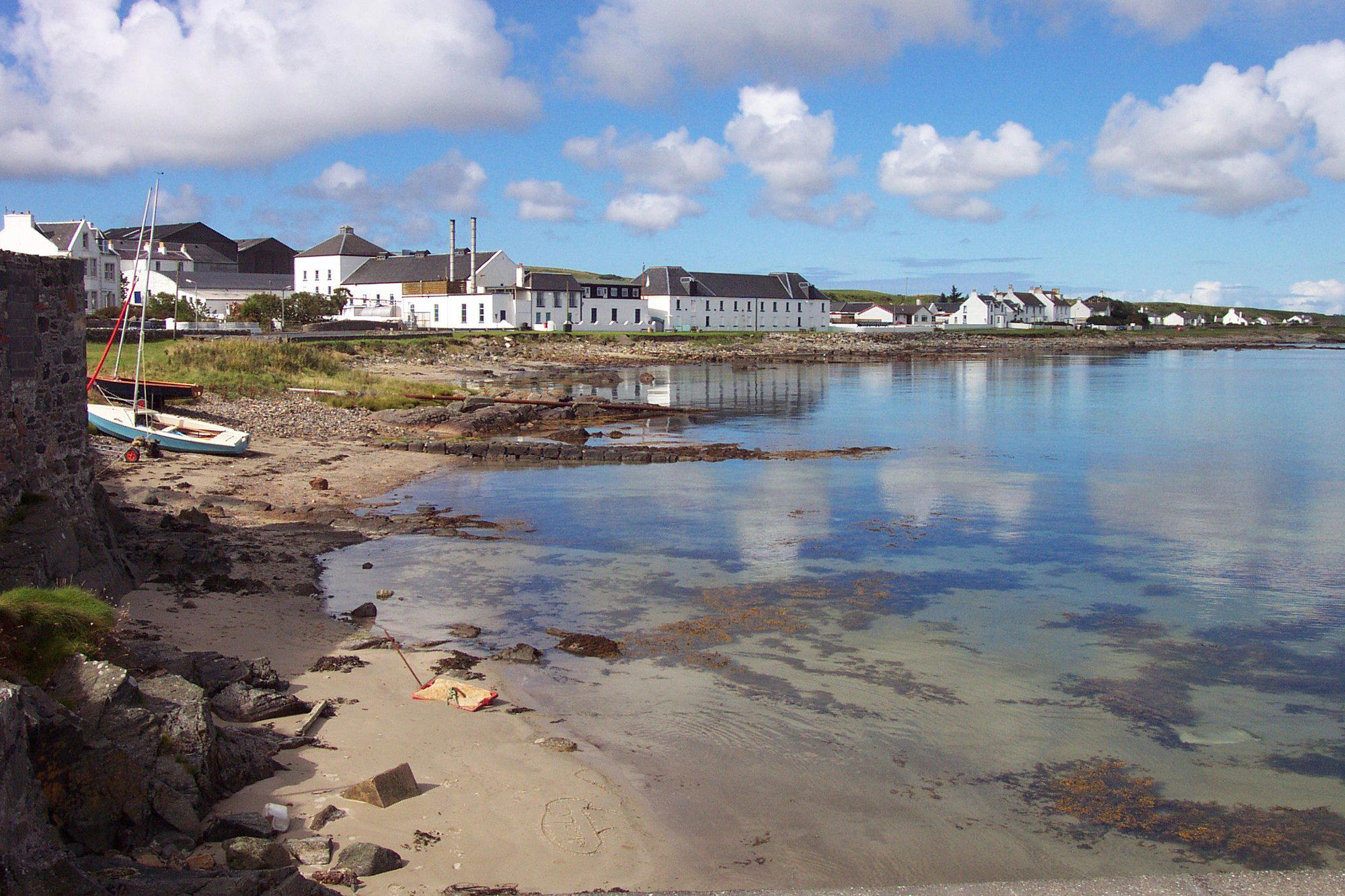
Islay produces a style of whisky that no other Scottish region replicates with the same consistency: heavily peated, salt-edged, and carrying a maritime damp that seems less like a flavour note and more like a weather condition absorbed into the spirit itself. Among the island's distilleries, Bowmore occupies a particular position — one of the oldest operational sites on Islay, sitting directly on the shore of Loch Indaal in the village that shares its name. The geography is not incidental. The warehouses here sit at or below sea level, and the slow maturation that occurs in those low stone buildings is shaped as much by tidal air as by the wood of the cask.
That relationship between place and product is the defining argument for visiting Bowmore rather than simply ordering a bottle. The EA-WN-01 terroir framework applies cleanly here: Islay's particular combination of Atlantic exposure, peat-saturated ground, and cool, moisture-heavy climate produces a whisky that reads differently from Highland or Speyside expressions. Compare Bowmore to Aberlour in Aberlour or Cardhu in Knockando, both Speyside distilleries where the character tends toward fruit and cereal, and the distance between Scotland's regional whisky traditions becomes immediately apparent.
Islay's Terroir Argument
The concept of terroir transfers from wine to whisky imperfectly but usefully. On Islay, the peat is cut from bogland that carries millennia of compressed organic matter, predominantly mosses, heather, and maritime vegetation, which impart a character distinct from the more wooded peat found further inland on the Scottish mainland. When Bowmore's malted barley is dried over that peat, the smoke compounds absorbed differ from those at a distillery like Auchentoshan Distillery in Clydebank, which produces an unpeated Lowland malt, or even Balblair Distillery in Edderton in the Northern Highlands, where the maritime influence arrives without the same peat intensity.
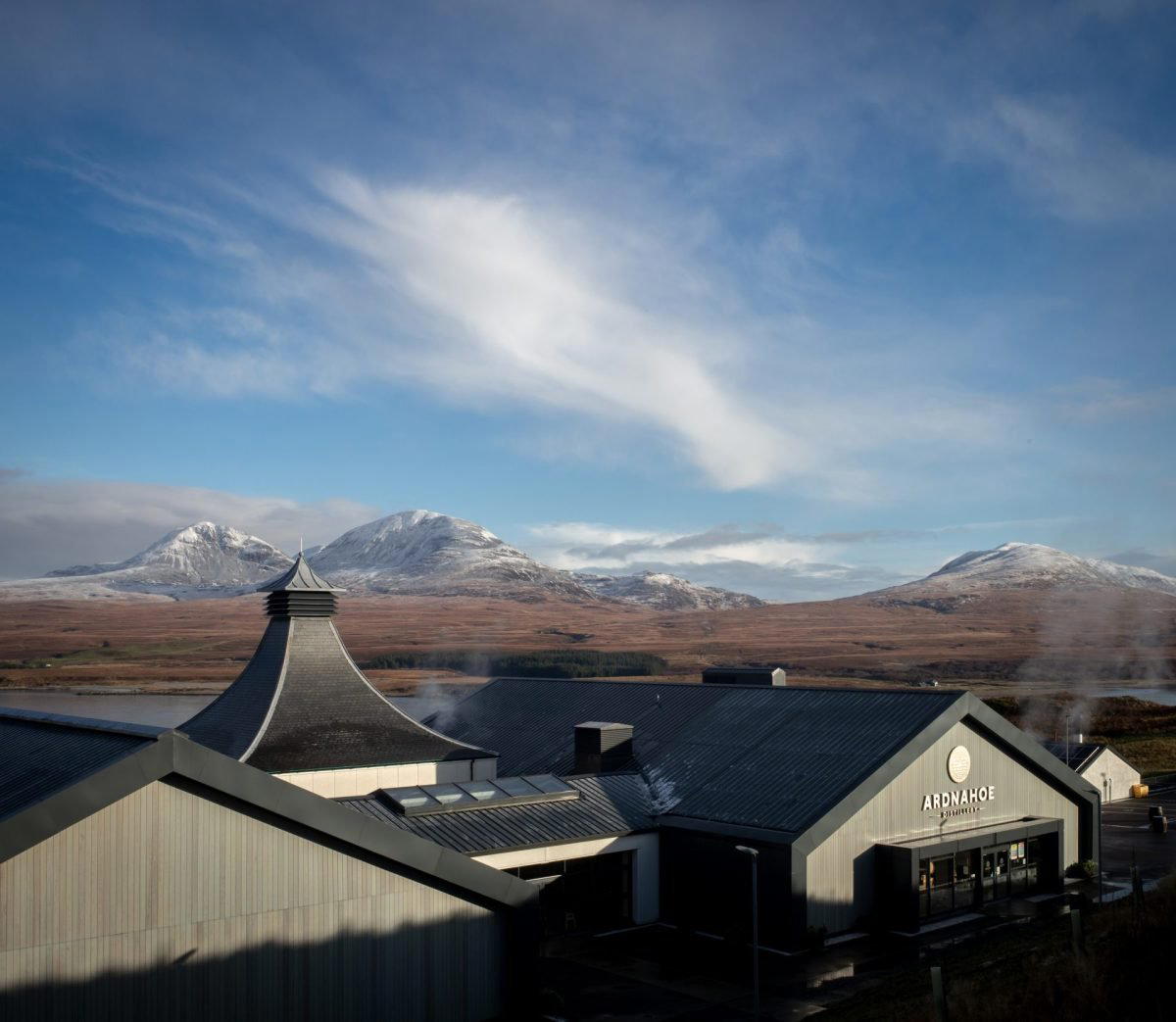
Islay's whisky community has split, in recent decades, between distilleries that push phenol levels to extreme registers and those that maintain a more measured peat signature. Bowmore sits in the latter camp: its peat is present and identifiable, but calibrated enough to allow the underlying spirit character to co-exist rather than be overwhelmed. That positioning places it in a different peer conversation from, say, Ardnahoe in Port Askaig, the island's newest distillery, which is still defining its own house style. Bowmore's style is decades-established, which matters when thinking about older age statements and the consistency of what the warehouses are producing.
The Warehouse and the Water
Warehouse No. 1 at Bowmore is one of the most cited cellar environments in Scotch whisky, not because of marketing but because the physical conditions are genuinely unusual. The floor sits below the high-tide line of Loch Indaal. Salt air moves through the walls during Atlantic weather systems. The temperature differential between summer and winter is compressed by the loch's moderating effect. These are the same variables that wine producers in coastal Burgundy or Galicia cite when explaining why their barrel conditions produce a specific outcome. In a whisky context, they translate into a maturation environment that has been working on long-aged casks for generations.
For the visitor interested in tracing terroir to its source, the warehouse is the argument made physical. The same logic applies, differently scaled, at distilleries like Clynelish Distillery in Brora on the northeast coast, where a waxy, coastal-influenced spirit emerges from a very different northern exposure, or at Dornoch Distillery in Dornoch, where a small-scale approach to old grain varieties pursues a different expression of Scottish regionality. Each distillery is a controlled argument about what its landscape produces.
Recognition and Peer Context
That designation reflects assessed quality at the prestige level, a bracket occupied by distilleries that have demonstrated consistent output across multiple expressions and demonstrated the kind of long-term maturation program that requires serious capital commitment and patience. Among Scottish distilleries in that tier, Bowmore sits alongside producers including Glen Garioch Distillery in Oldmeldrum and Bladnoch Distillery in Bladnoch, each operating in distinct regional traditions.
Distilleries at this recognition level typically have the inventory depth to release expressions at fifteen, eighteen, or twenty-five years with regularity, rather than relying entirely on NAS (no age statement) releases. That inventory depth is itself a terroir argument: only a distillery confident in what its warehouses produce over time will commit to releasing aged whisky at volume.
Islay in the Context of Scottish Whisky
Islay holds a distinct position within Scotland's whisky geography. The island produces roughly eight distilleries' worth of spirit from a landmass that could fit inside many single Highland estates. The concentration of production relative to area, combined with the shared environmental conditions, creates a regional coherence that is legible in the glass even across different houses. Bowmore, being among the island's longest-operating distilleries, carries something of a benchmark character for Islay style at moderate peat levels.
Comparable regional coherence appears in other parts of Scotland. Glen Scotia in Campbeltown represents the shrinking but distinct Campbeltown region, while Deanston in Deanston operates in the Highland fringe near Stirling, where peat is largely absent and the grain character reads cleaner. Dunphail Distillery in Dunphail in Speyside represents the newest wave of craft-scale production in the northeast. Each of these sits in a different terroir argument from Bowmore, and together they map the range of what Scotch whisky's geography can produce.
For those building a broader understanding of Scottish whisky by region, Bowmore functions as the Islay anchor point, the place where the island's coastal-peat character can be assessed in its most calibrated form. For travel context across Scotland's whisky regions, see our full Bowmore restaurants guide for the village and wider Islay context.
Planning a Visit
Bowmore the village is the main settlement on Islay, reachable by ferry from Kennacraig on the Kintyre peninsula, with crossings to Port Ellen or Port Askaig depending on the service. The crossing takes approximately two hours. Islay also has a small airport with connections from Glasgow. The distillery sits at the centre of the village, directly on the lochside, and is walkable from the main accommodation options in Bowmore. Tours operate across the calendar, with pre-booking advised during summer months and festival periods, most notably the Fèis Ìle whisky festival in late May, when distillery allocations and visitor capacity across the island tighten considerably. Achaia Clauss in Patras and Accendo Cellars in St. Helena offer reference points for how heritage producers elsewhere manage estate visits, but Islay's festival model is its own distinct format, oriented around collector releases and brand-led events that differ substantially from the Napa or Peloponnese touring model.
How It Stacks Up
Comparable venues nearby, for context on price, style, and recognition.
| Venue | Cuisine | Price | Notes |
|---|---|---|---|
| BowmoreThis venue — the venue you are viewing | Islay | $10–20 | Not listed |
| Bruichladdich | Islay | $50–100 | Bruichladdich, Islay |
| Glengyle (Kilkerran) | Campbeltown | Not listed | Not listed |
| Bushmills | County Antrim | Not listed | Bushmills |
| Talisker | malted barley | $30–50 | Carbost |
| Black Dirt Distillery | Winery | Not listed | Warwick |
Details
- Classic
- Rustic
- Well Known
- Scenic
- Historic
- Wine Education
- Solo Exploration
- Special Occasion
- Historic Building
- Barrel Room
- Waterfront
- Guided Tasting
- Warehouse Tasting
- English
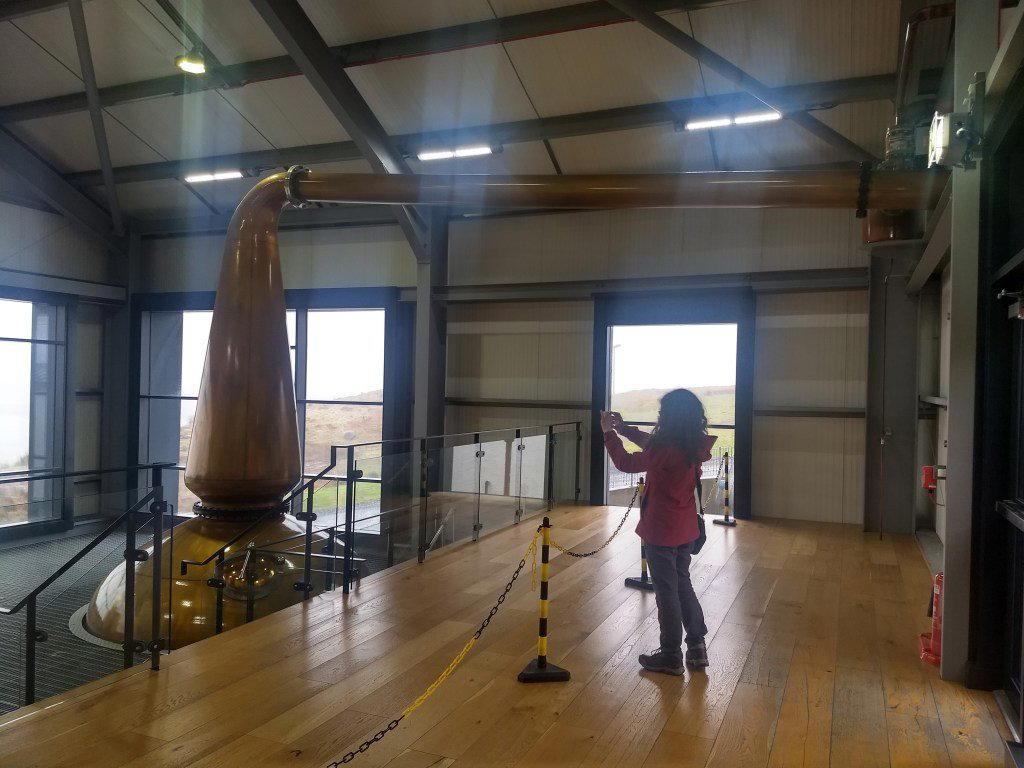
Historic and atmospheric with cool, damp stone vaults infused with maritime air, earthy peat aromas, and a sense of timeless craftsmanship.