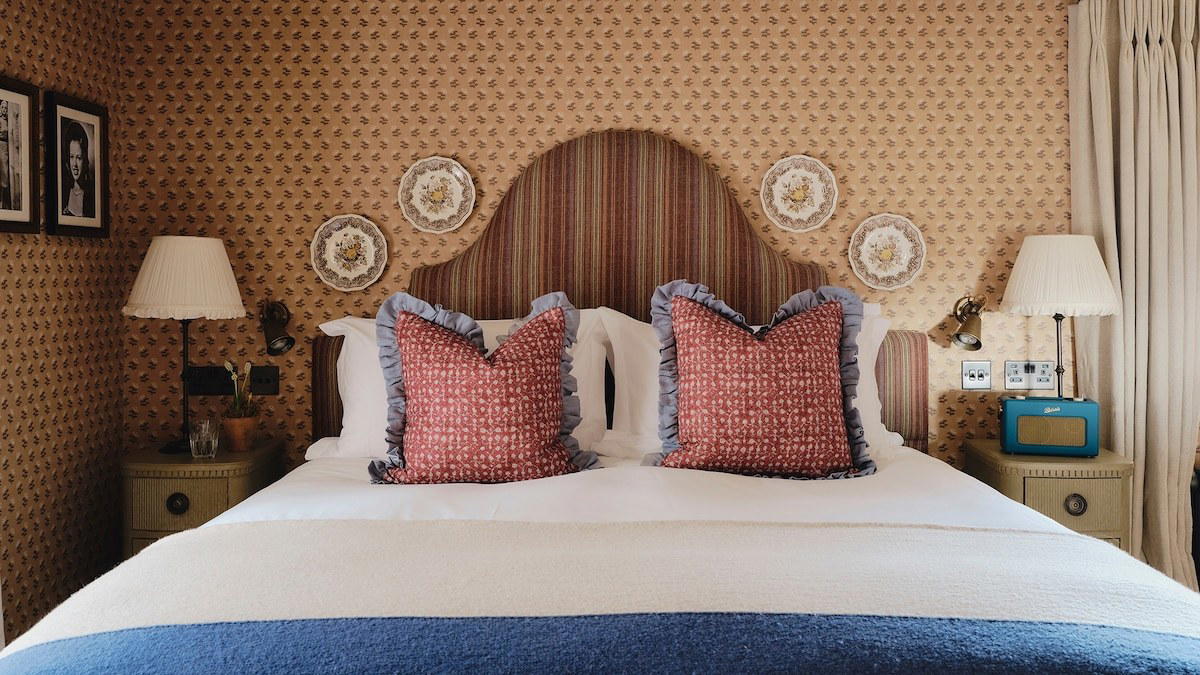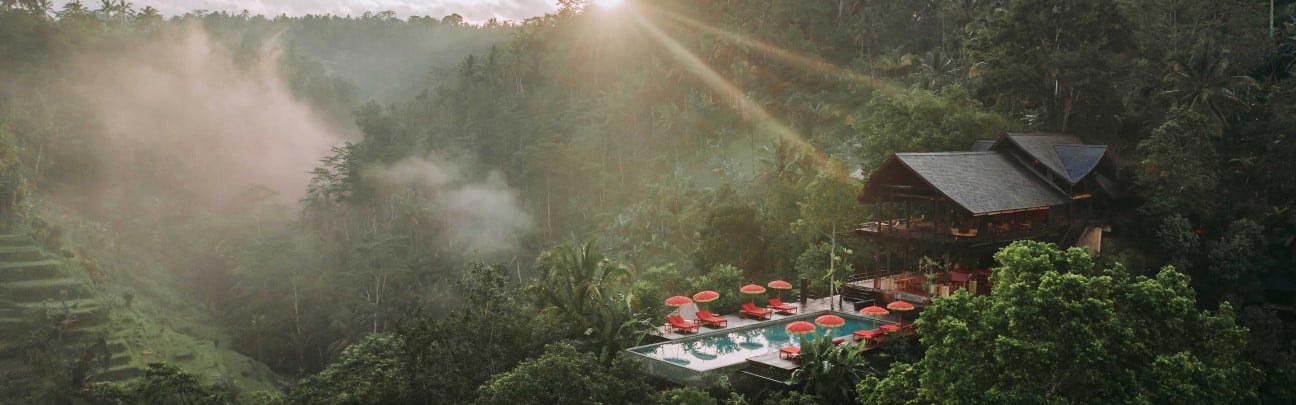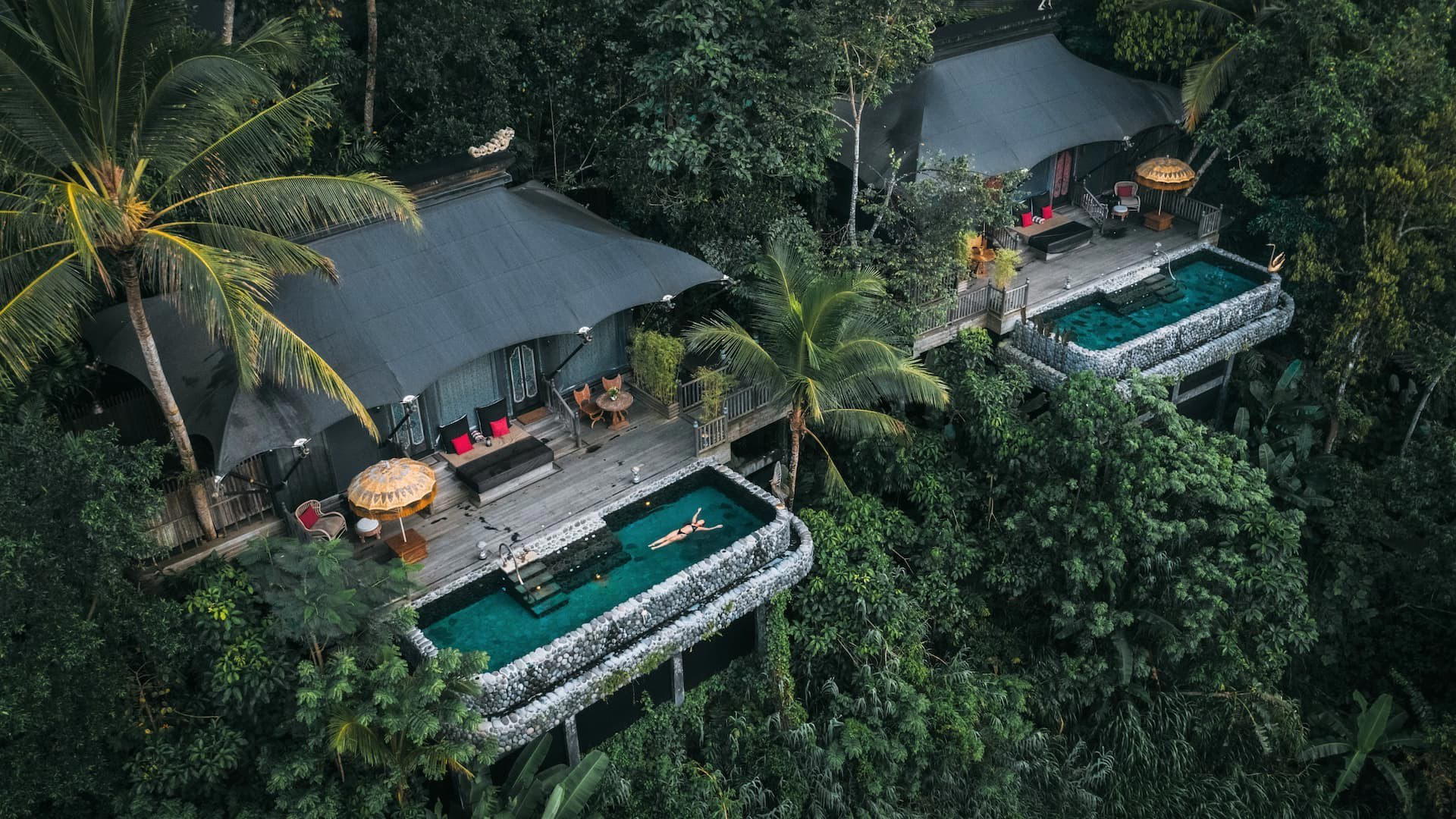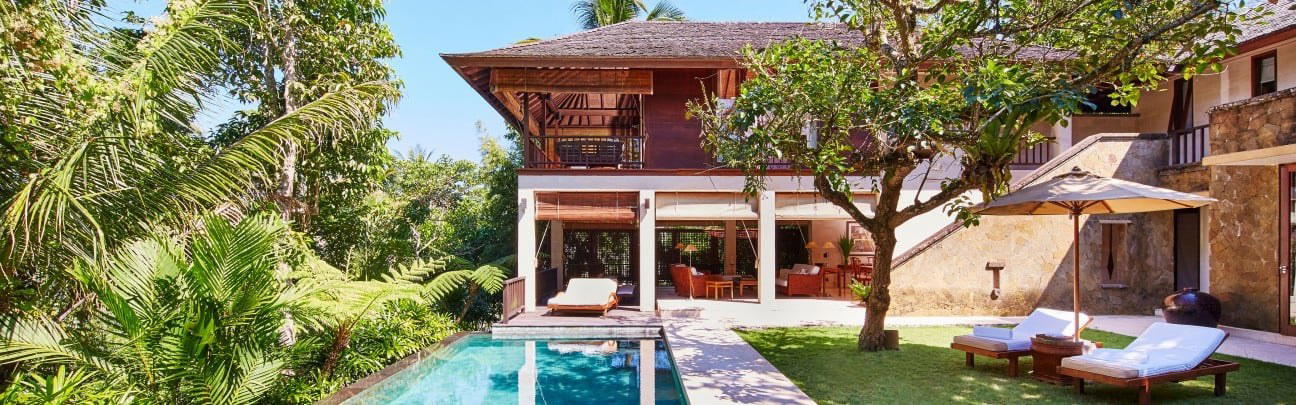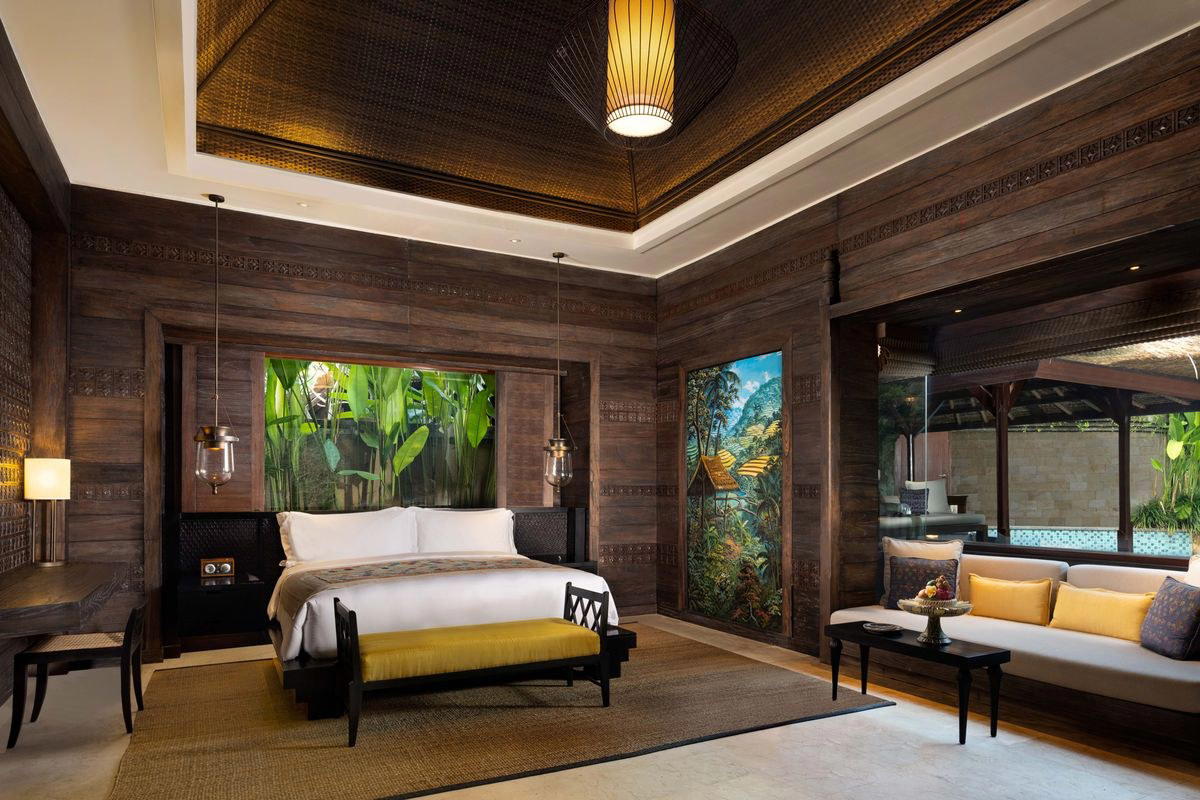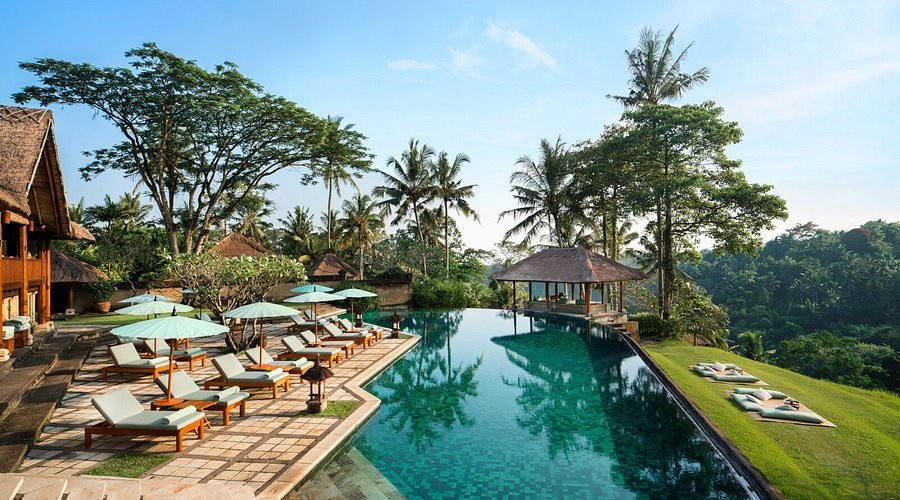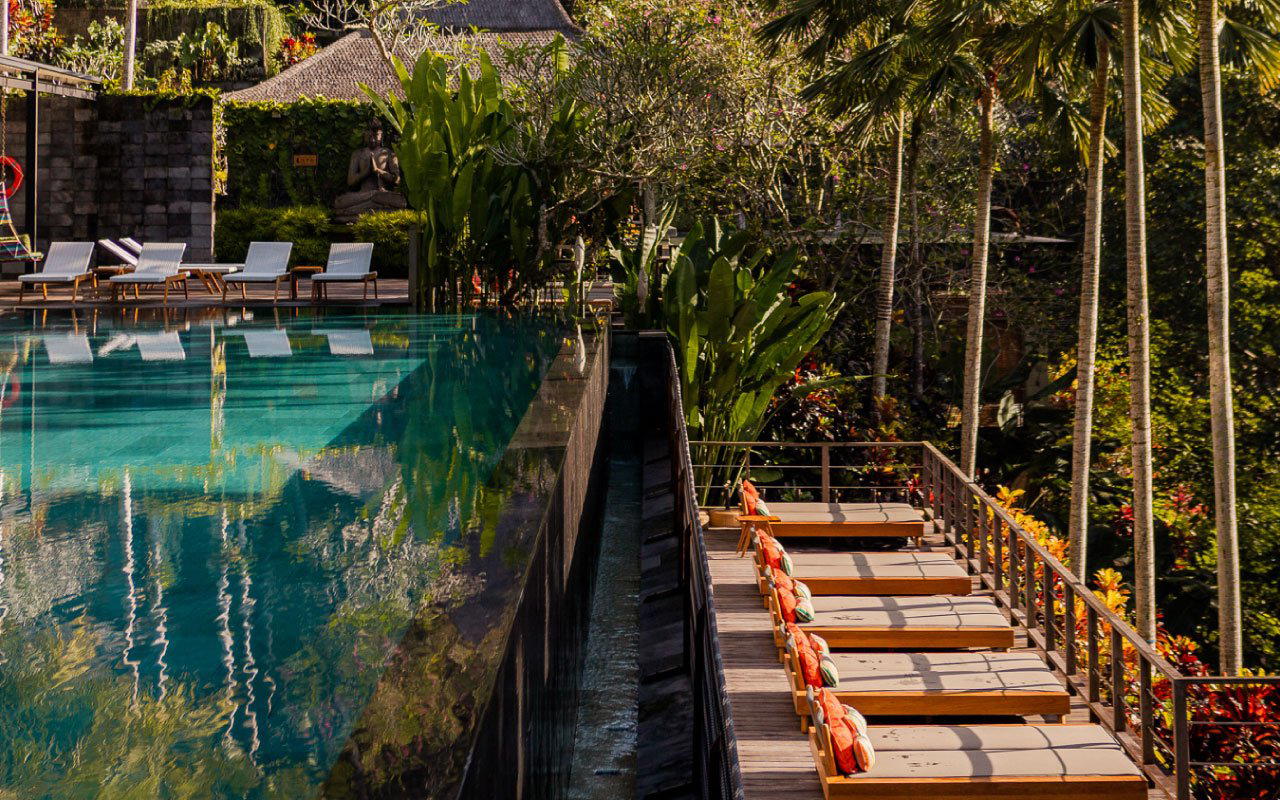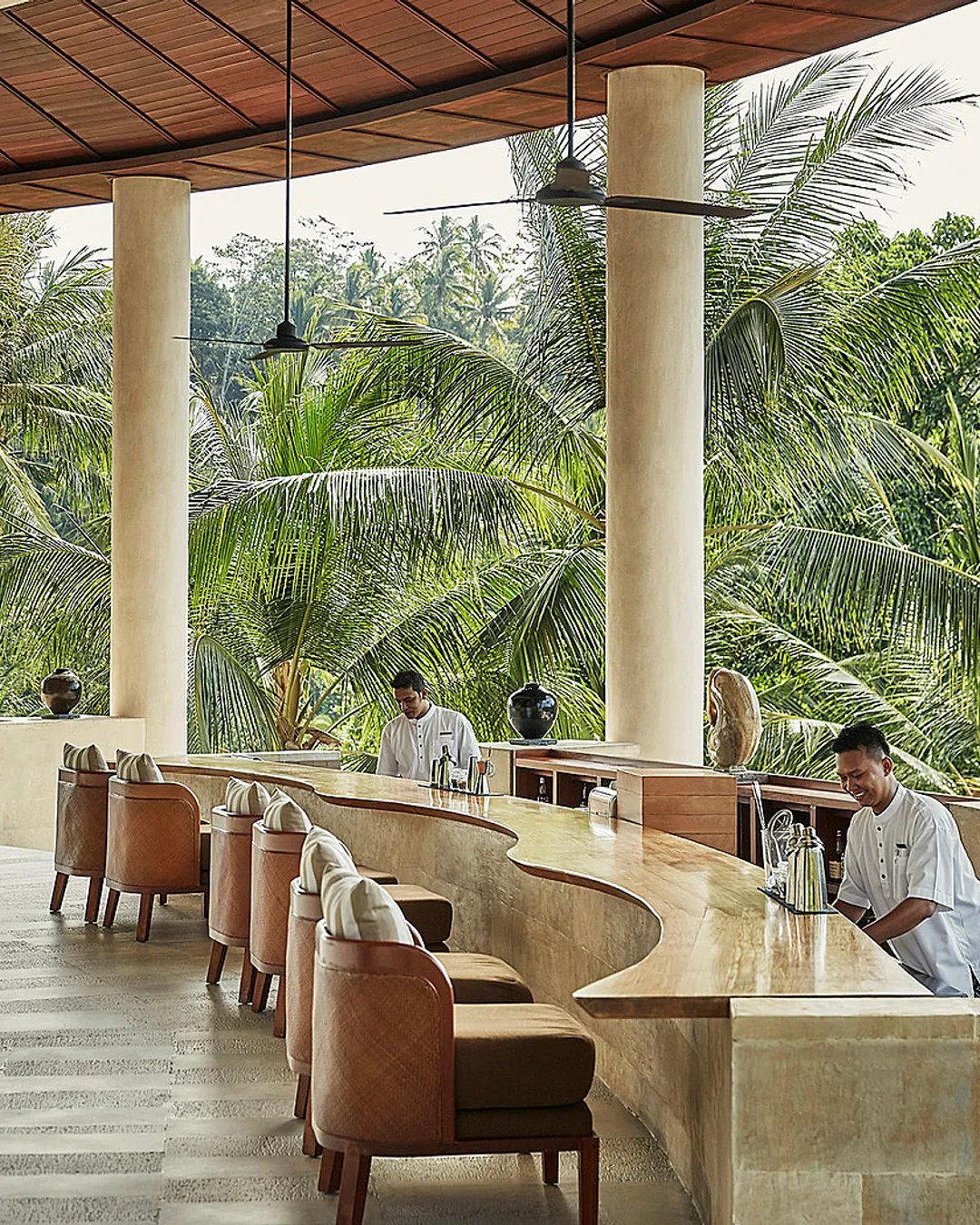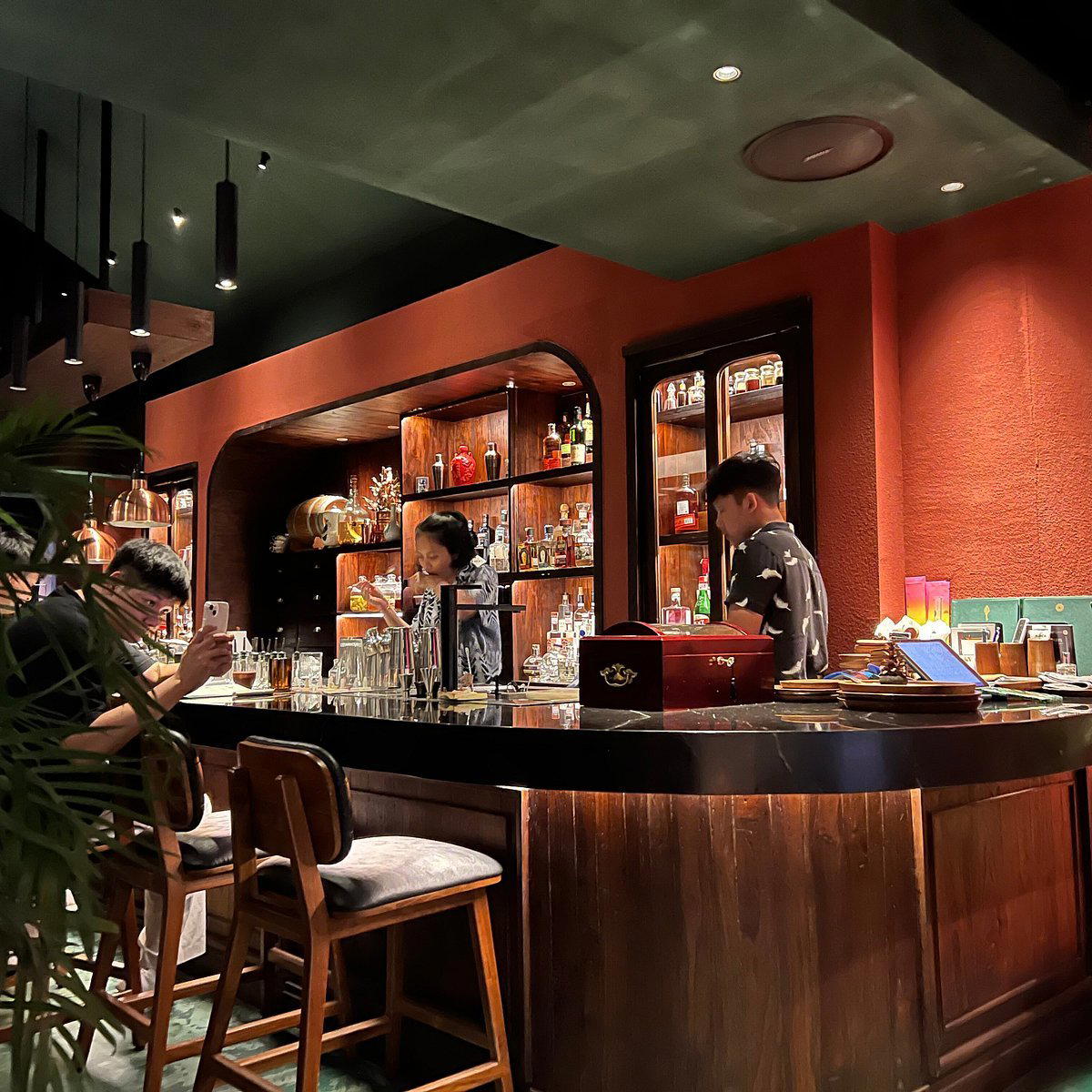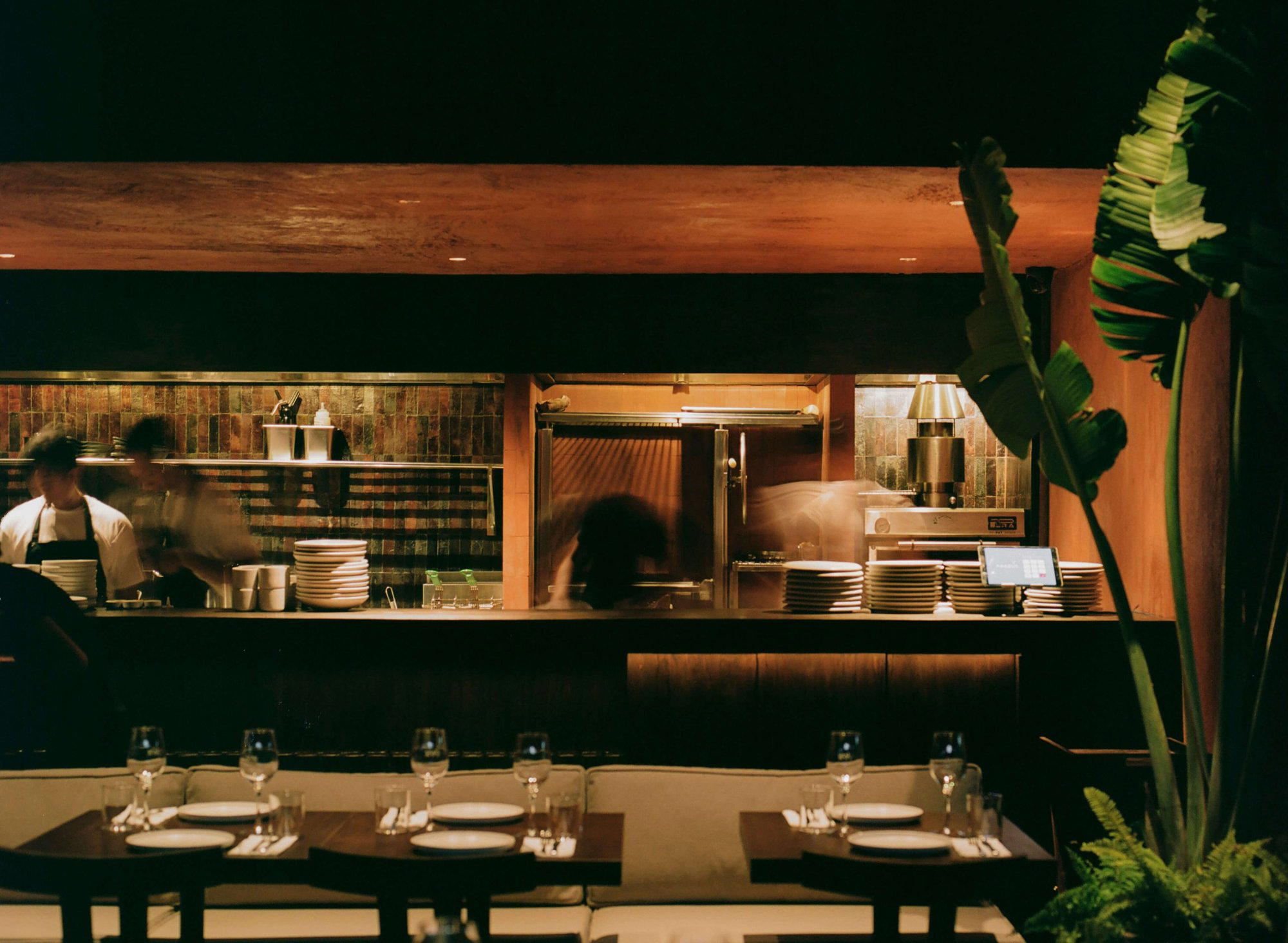

Set in the rice-terraced highlands of Payangan above Ubud, Anantara Ubud Bali Resort offers 85 suites and pool villas alongside a dining programme spanning local and international cuisines. The Anantara-branded property sits within the cultural interior of Bali, with the Gianyar regency's Hindu temples and agricultural terraces as its immediate backdrop. Fifteen branded residences are also available for longer-term ownership.

The Highlands Setting and What It Means for Your Stay
Ubud's upland geography has long attracted a different traveller than Seminyak or Jimbaran. The Gianyar regency's interior, where rice cultivation still shapes the visual rhythm of the land, draws those more interested in Bali's cultural and agricultural traditions than its beach clubs. Payangan, the sub-district where Anantara Ubud Bali Resort sits at Jalan Raya Desa Puhu 88, places guests in that quieter, greener register of the island: the terraced fields drop away from the property, and the sound profile is jungle and water rather than motor traffic.
This matters because Bali's luxury hotel tier has increasingly split between coastal properties oriented toward nightlife and surf, and interior properties that use the island's Hindu cultural fabric as their primary asset. Anantara's Ubud outpost belongs firmly to the second group. Its peer set includes Mandapa, a Ritz-Carlton Reserve in Ubud, which occupies a riverside position in the Kedewatan area, and smaller design-forward properties such as Camaya Bamboo Houses in Selat. Each makes the same fundamental bet: that the Bali interior offers an experience the coast cannot replicate.
The Dining Programme: Local and International in the Hills
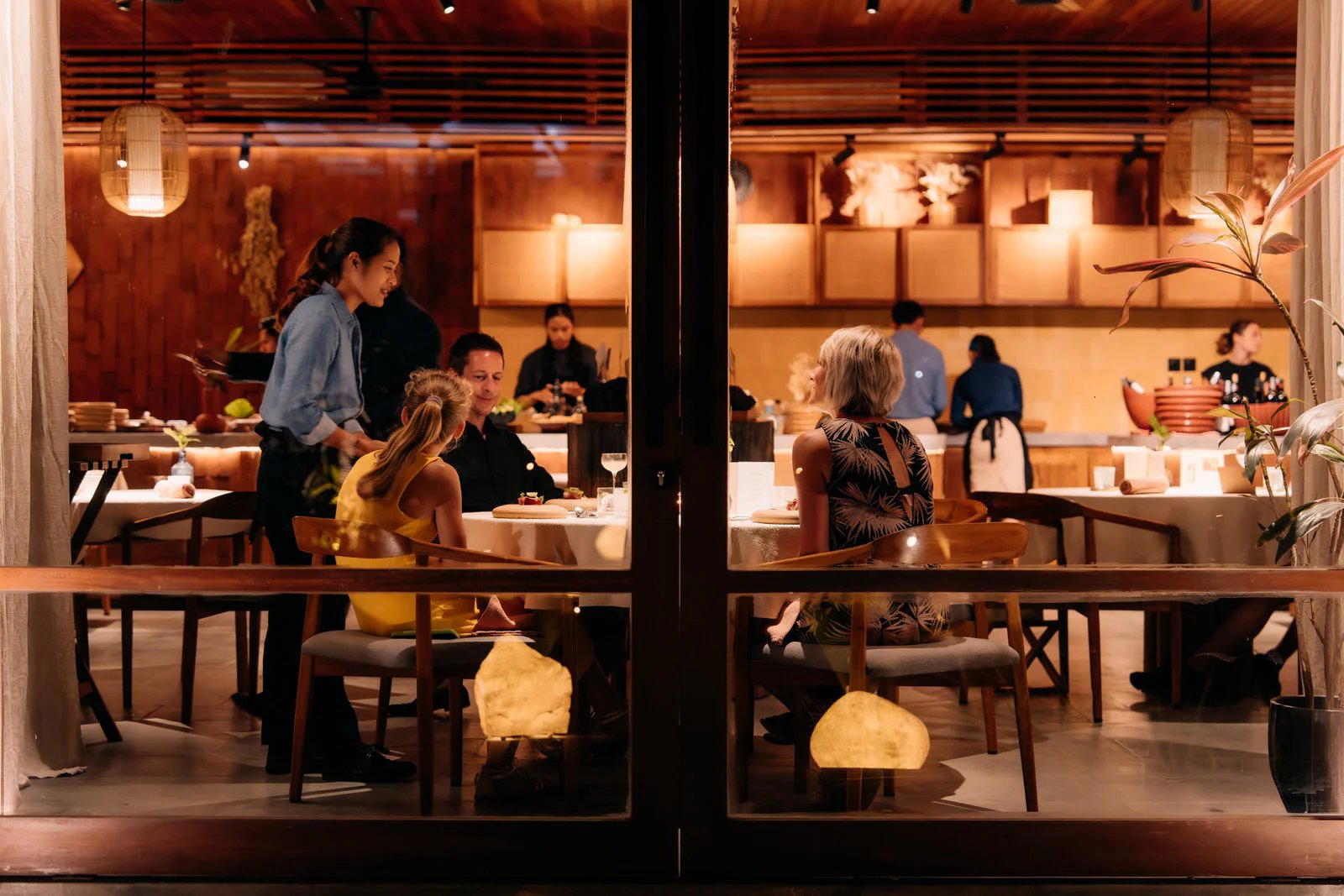
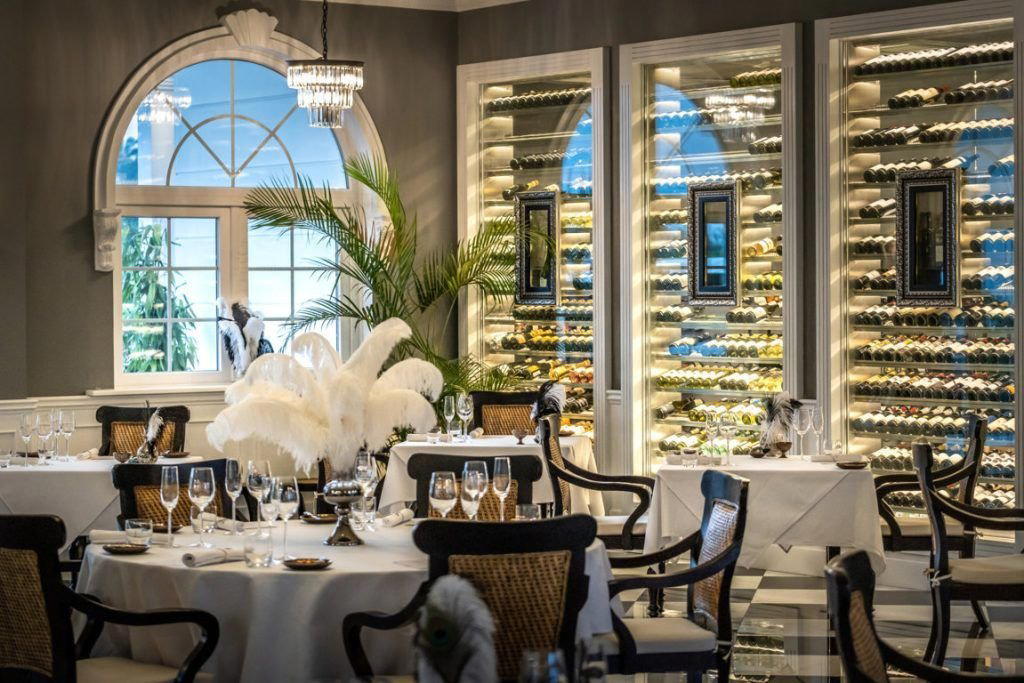
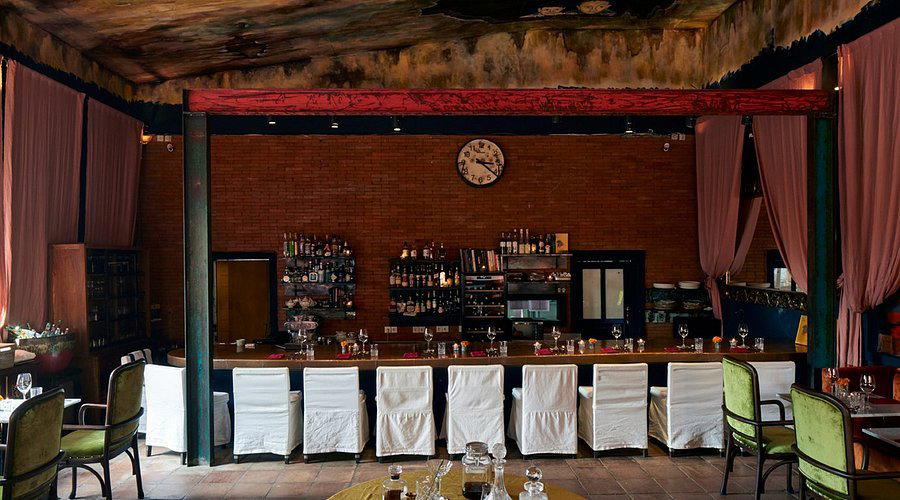
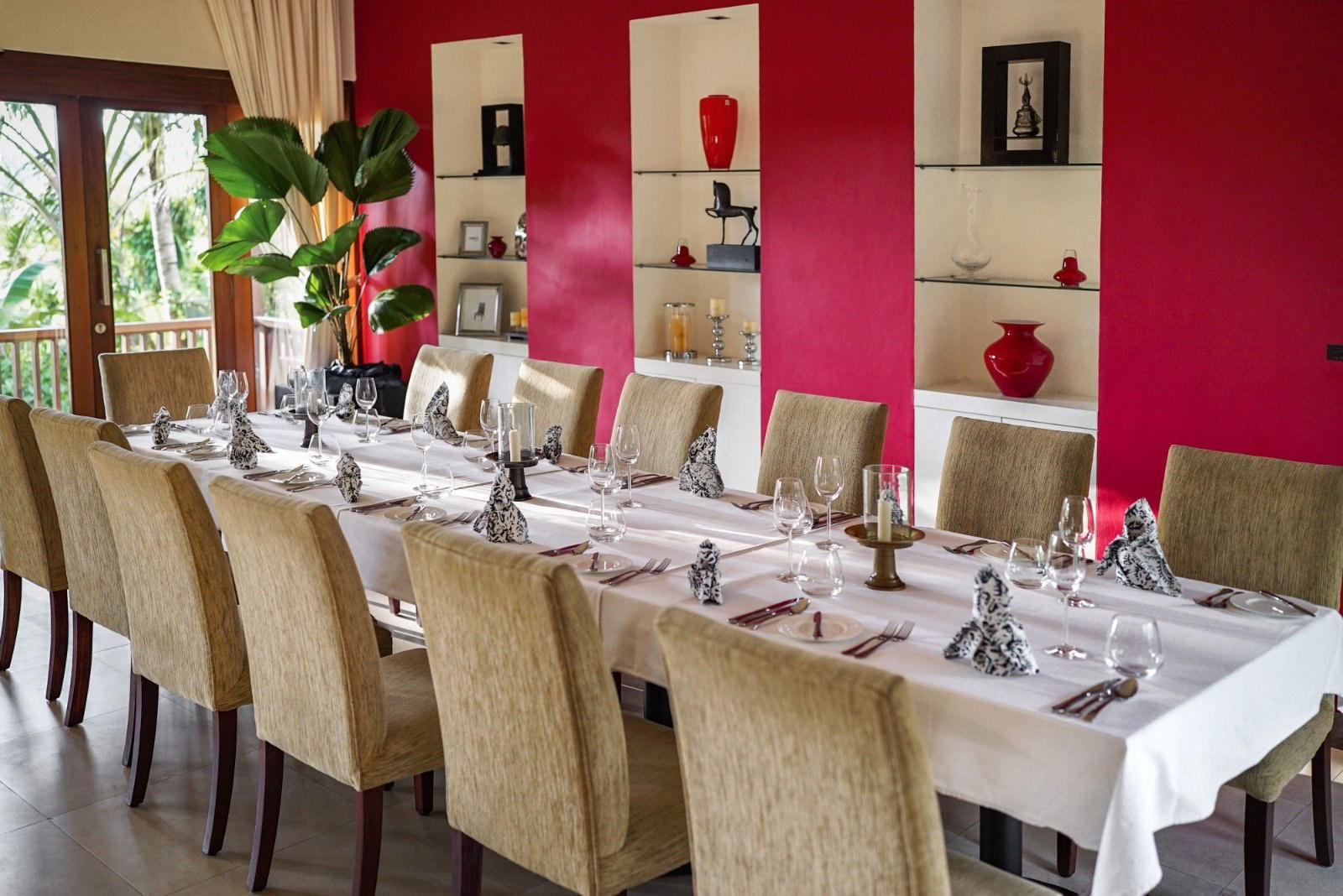
Hotel dining in Bali's cultural interior operates under a different logic than resort dining on the coast. Without the gravitational pull of the beach bar at sunset, a hotel's restaurants have to do more work, becoming genuine reasons to stay on property rather than convenient defaults. Anantara Ubud runs several dining outlets covering both Balinese and Indonesian cooking alongside international menus, a format that reflects a considered approach to the dual audience of regional travellers exploring local cuisine and international guests who want access to familiar reference points.
That dual-format approach is common across Anantara's portfolio globally, but the Ubud context gives it particular weight. Balinese cuisine, especially from the Gianyar region, has a distinct character: ceremonial influences, use of base genep spice paste, and preparations rooted in agricultural community cooking. A hotel dining programme in Payangan that takes local cuisine seriously has access to genuine source material, not a sanitised version adapted for mass tourism audiences. The gap between a hotel restaurant that treats local food as decoration and one that treats it as content is immediately legible to any guest who has spent time eating through Ubud's independent warung circuit.
For those building a wider picture of Bali's dining scene beyond the resort, the full Bali restaurants guide and full Bali bars guide map the independent landscape across the island's main regions.
85 Suites and Villas: Reading the Room Category
The 85-key count positions Anantara Ubud at a scale that sits between the boutique end of the Ubud market and the larger resort footprints found in Nusa Dua or Kuta. Properties in this size range can maintain a degree of personalised service while still offering full amenities, a balance that smaller villa-only properties sometimes sacrifice. All accommodation is categorised as suites or pool villas, meaning the entry point carries more space and privacy than a standard hotel room tier would.
The design framework draws on local cultural and craft traditions, which is the standard approach for premium Ubud hotels but reflects a genuine local vernacular: Balinese craftsmanship, stone carving, and textile traditions are reference points with enough depth to support a serious design programme. For those whose benchmark is the more architecturally minimal coastal properties such as COMO Uma Canggu or Andaz Bali, Anantara Ubud represents a more overtly cultural aesthetic register.
For longer-term arrangements, the property's 15 Anantara-branded residences extend the ownership model that the group has applied across several Southeast Asian markets. This is a separate tier from hotel accommodation: buyers access resort facilities and brand management infrastructure while holding titled or leasehold property interests.
Facilities and the Logic of Staying In
The amenities roster at Anantara Ubud covers the standard luxury resort set: pool, Anantara Spa, and a gym, along with meeting facilities described as state-of-the-art. That meeting infrastructure is worth noting because it places the property in a segment of the Ubud market that actively pursues corporate retreat and incentive travel, not just leisure guests. The Bali interior has become a meaningful destination for this format, partly because the removal from coastal distraction is precisely the point.
The Anantara Spa offer fits within the group's broader wellness positioning across its Southeast Asian properties. Ubud's spa tradition runs deep: the town established itself as a wellness destination well before the international luxury tier arrived, and properties in the area have access to local practitioners and treatment traditions that carry genuine regional credibility.
Travellers comparing large integrated resort experiences elsewhere in Indonesia might look at AYANA Resort Bali in Jimbaran or the more village-scale approach at Blue Karma Village in Badung. Those drawn to Bali's Nusa Dua corridor have options including Amarterra Villas Resort Bali Nusa Dua, Ayodya Resort Bali, and Aman Villas at Nusa Dua. For a more design-led creative resort identity, Desa Potato Head in Denpasar and Potato Head Suites and Studios in Seminyak operate in a distinct cultural register. For those open to exploring beyond Bali, Nihi Sumba represents the premium remote end of the Indonesian archipelago market.
Planning Your Stay
The property's address in Payangan, Gianyar places it roughly 20 kilometres north of central Ubud, in the cooler, higher-elevation zone of the island's interior. Getting to and from Ngurah Rai International Airport involves roughly an hour and a half to two hours of road travel depending on traffic, which runs heavier on the southern Bali corridor around Denpasar. Guests arriving during the mid-year dry season (broadly May through September) will find the most consistent weather for outdoor dining and terrace use; the wet season from October through March brings afternoon rainfall but also clearer mornings and significantly fewer visitors at local temples and rice terrace viewpoints.
Booking through the Anantara direct channel or a verified travel agent provides access to the full suite of accommodation categories. The full Bali hotels guide offers a wider view of the island's premium property market across all regions and price tiers, and the Bali experiences guide maps cultural and activity programming that complements a highland base. Those building a broader Indonesian itinerary can also reference Garrya Bianti Yogyakarta for cultural-interior stays on Java, or Cempedak Island in Bintan Regency for the private-island end of the regional spectrum.
Frequently Asked Questions
A Pricing-First Comparison
A fast peer set for context, pulled from similar venues in our database.
| Venue | Price | Awards | Notes |
|---|---|---|---|
| Anantara Ubud Bali Resort | Nestled amid tropical jungle and verdant rice fields, Anantara Ubud Bali Resort… | This venue | |
| Amarterra Villas Resort Bali Nusa Dua, Autograph Collection | |||
| Andaz Bali | |||
| Asvara Villa | |||
| Ayodya Resort Bali |
Preferential Rates?
Our members enjoy concierge-led booking support and priority upgrades at the world's finest hotels.
Get Exclusive Access