
Goddess Retreats sits on Jalan Raya Mas in Ubud's creative corridor, holding dual recognition as a Global Winner for Luxury Wellness Healing and a Continent Winner for Luxury Cultural Retreat. The program positions itself inside Bali's specialist retreat tier, where small-group formats and deep cultural immersion define the offer rather than resort-scale amenities.
Pearl is the En Primeur Club membership app — saves, bookings, and concierge access live there. Same editors, same standards.
- Address
- 10 Jl. Raya Mas Gianyar, Kecamatan Ubud, Kabupaten, Bali 80571, Indonesia
- Phone
- +62 813-3974-3475
- Website
- goddessretreats.com
- Directions
- Get directions
 Saves & bookings on Pearl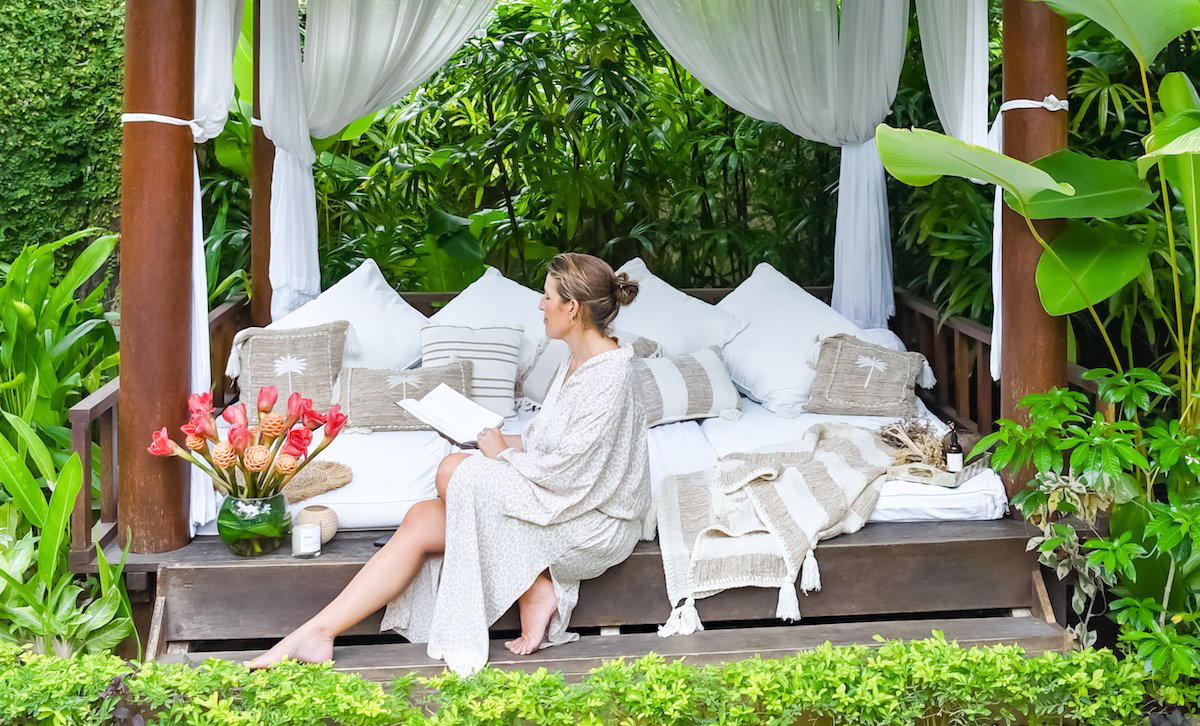
Where the Mas Road Leads
The road between Ubud and Mas has carried pilgrims, artists, and wood carvers for centuries. Today it also carries a more recent category of traveller: the wellness seeker. Goddess Retreats occupies a specific address on Jalan Raya Mas Gianyar, Kecamatan Ubud, a stretch that sits at the meeting point of Ubud's sacred interior and the craft villages to its south. Balinese healing traditions are densely concentrated in this corridor, where balian healers, temple ceremony cycles, and artisan knowledge have coexisted for generations. That cultural density gives wellness programs along this road a different grounding than retreats built on cliff tops or rice terrace views alone.
Ubud's retreat market has stratified sharply over the past decade. At one end sit international wellness brands with large room counts and polished programming that could function in any luxury destination globally. At the other end sit small-format, locally embedded programs where the setting, the practitioners, and the cultural calendar of Bali are inseparable from the offer. Goddess Retreats belongs to the latter tier, and its dual award recognition, Global Winner for Luxury Wellness Healing Retreat and Continent Winner for Luxury Cultural Retreat, signals that independent adjudicators have placed it in the specialist, high-credibility bracket within that cohort.
The Cultural Retreat Tradition in Ubud
Bali has exported a particular idea of wellness to the world since at least the early 2000s, when the island began appearing on international itineraries as a site for personal transformation rather than beach tourism. Ubud became the epicentre of that shift, partly because of its altitude and cooler air, partly because of its density of healers and spiritual practitioners, and partly because its arts community had long attracted visitors interested in more than sun and sand. The cultural retreat format, combining movement practice, healing ceremony, cooking or craft instruction, and site visits to temples or artisan workshops, emerged from this convergence. It is a format that works well at small scale, where timing can flex around a temple ceremony that falls mid-week or a local healer's availability rather than a fixed group-tour schedule.
Properties and programs operating in Ubud's specialist retreat tier, including Mandapa, a Ritz-Carlton Reserve in Ubud, and smaller design-led stays like Bambu Indah in Banjar Badung, have demonstrated that Balinese cultural programming commands a premium when it is executed with local knowledge. Goddess Retreats draws from the same tradition but operates with an explicit focus on women-centred wellness, a segment that has grown substantially as solo female travel and women's group retreats have become a recognised category in premium travel. That positioning narrows the comparable set further and explains the heritage and cultural framing of its award recognition.
Seasonal Timing and the Balinese Calendar
Bali's dry season runs broadly from May through October, and Ubud draws its highest concentration of wellness retreat participants during the July and August window, when European and Australian visitors align their travel calendars with northern and southern hemisphere school breaks respectively. Programs in this period operate against a backdrop of active temple ceremony cycles, since the Balinese Hindu calendar generates frequent ceremonial activity regardless of tourist season. The intersection of retreat programming with genuine local ceremony is one of Ubud's structural advantages over beach-based wellness destinations, and it is most legible during the dry months when outdoor events and processions are unimpeded by rain.
The shoulder months of April, May, and September offer a different calculus: lower participant volumes, comparable ceremonial activity, and more flexibility in scheduling local practitioner engagements. Retreat programs that build in visits to sites along the Mas and Gianyar corridor, including the woodcarving villages and the temple complexes east of Ubud, tend to reward visitors who arrive with some knowledge of what they are seeing. The heritage of the Mas road itself, as a site of sustained artistic production linked to the Ubud royal family's patronage of the arts in the 20th century, adds a layer of historical context that a culturally framed retreat can activate in ways a standard hotel itinerary cannot.
How Goddess Retreats Sits in the Bali Wellness Field
Bali's wellness accommodation spans an unusually wide range. At the resort end, properties like Anantara Ubud Bali Resort and Andaz Bali offer wellness as one amenity among many. Further afield, island-wide alternatives such as Nihi Sumba in Sumba take a different geographic and experiential position entirely. The retreats that sit closest to the hotel in format, small-group, culturally embedded, women-focused or mixed-specialist, are not always visible in standard booking channels, which is partly why award recognition from independent bodies functions as a discovery mechanism for this tier.
The Gianyar regency address also places the retreat within reach of Ubud's broader cultural infrastructure: the Agung Rai Museum of Art, the Neka Art Museum, and the network of family-compound galleries along the Mas road that have been active since the 1930s when Western artists including Walter Spies and Rudolf Bonnet established Ubud as a site of creative exchange. A retreat program that draws on this heritage is working with material that has accumulated over nearly a century, not a recently constructed narrative.
The hotel inverts that hierarchy: the program is primary, and the physical address on Jalan Raya Mas serves the cultural logic of the offer rather than the other way around.
Planning Your Time
The hotel is located at 10 Jalan Raya Mas Gianyar, Kecamatan Ubud, Bali 80571. The address sits south of central Ubud, accessible by private driver from Ngurah Rai International Airport in Denpasar, a journey that typically takes 90 minutes in light traffic. Visitors combining a retreat stay with broader Bali travel might consider contrast stays at beach-facing properties: Amarterra Villas Resort Bali Nusa Dua, Ayodya Resort Bali, or Grand Seminyak in Seminyak offer a counterpoint to the inland cultural immersion of Ubud. For those extending into Indonesia's eastern islands, Hotel Komune and Beach Club Bali in Gianyar is the closest geographically, sharing the same regency.
City Peers
Comparable venues nearby, for context on price, style, and recognition.
| Venue | Cuisine | Price | Notes |
|---|---|---|---|
| Goddess RetreatsThis venue — the venue you are viewing | Luxurious private villa wellness sanctuary | $$$$ | Not listed |
| Further Hotel | Diffused luxury boutique hotel integrated into the village fabric | $$$$ | Pererenan |
| Hotel Indigo Bali Seminyak Beach | Beachfront boutique blending local traditions with stylish contemporary lifestyle | $$$ | Seminyak |
| Jumeirah Bali | Luxury villa-only beach resort inspired by Javanese-Hindu water palace architecture amid tropical gardens. | $$$$ | Uluwatu |
| Sini Vie Resort | Contemporary luxury boutique resort with modern tropical architecture and Balinese design elements, positioned as an intimate escape for couples. | $$$$ | Seminyak |
| Kaamala Resort | Modern luxury resort blending seclusion with central Ubud access | $$$$ | Ubud |
Recognition history
Dated appearances from independent guides and award organizations, with the underlying list record or original source where available.
World Luxury Hotel Awards WLHA Continent Winner
World Luxury Hotel Awards
World Luxury Hotel Awards WLHA Global Winner
World Luxury Hotel Awards

At a Glance
- Quiet
- Elegant
- Intimate
- Sophisticated
- Bohemian
- Wellness Retreat
- Romantic Getaway
- Group Retreat
- Private Villa
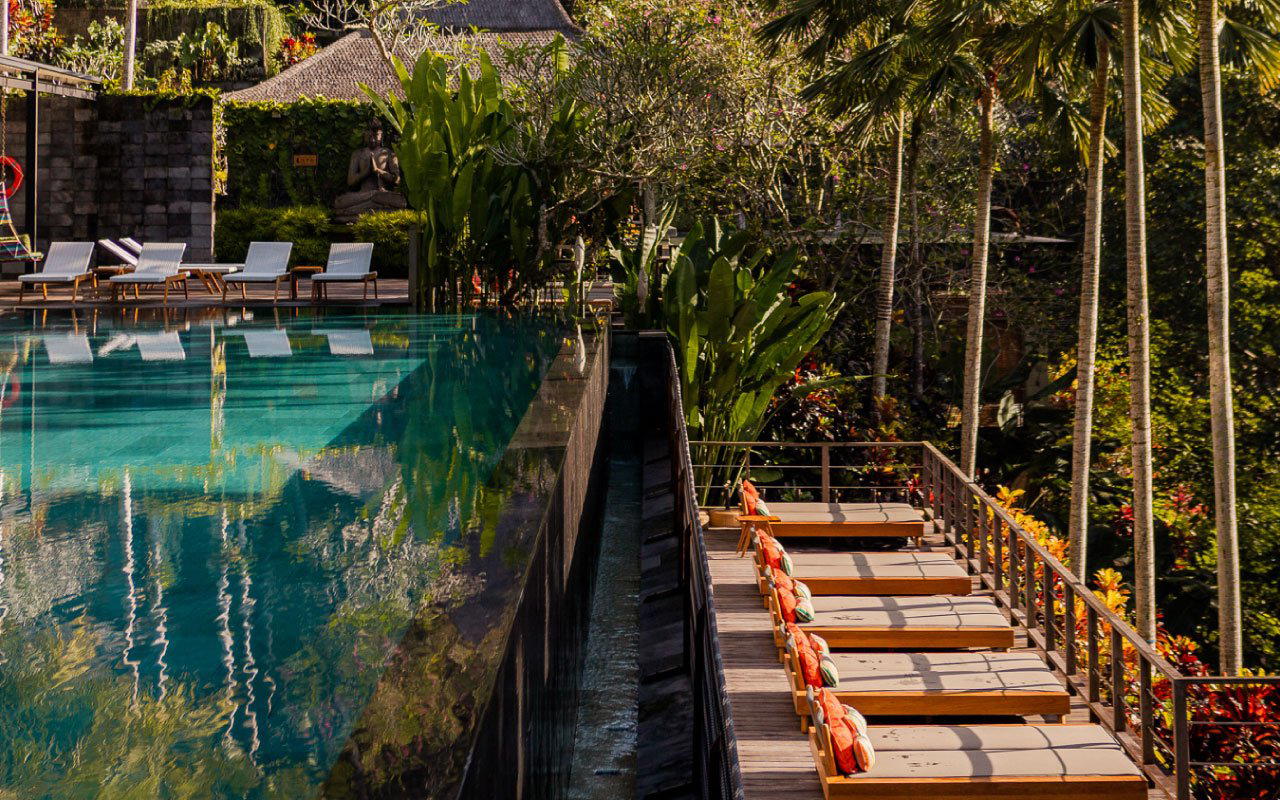
- Infinity Pool
- Destination Spa
- Garden
- Pool
- Spa
- Wi Fi
- Breakfast Included
- Airport Transfer
- Sauna
- Garden
- Pool
- Spa
- Wi Fi
- Breakfast Included
- Airport Transfer
- Sauna
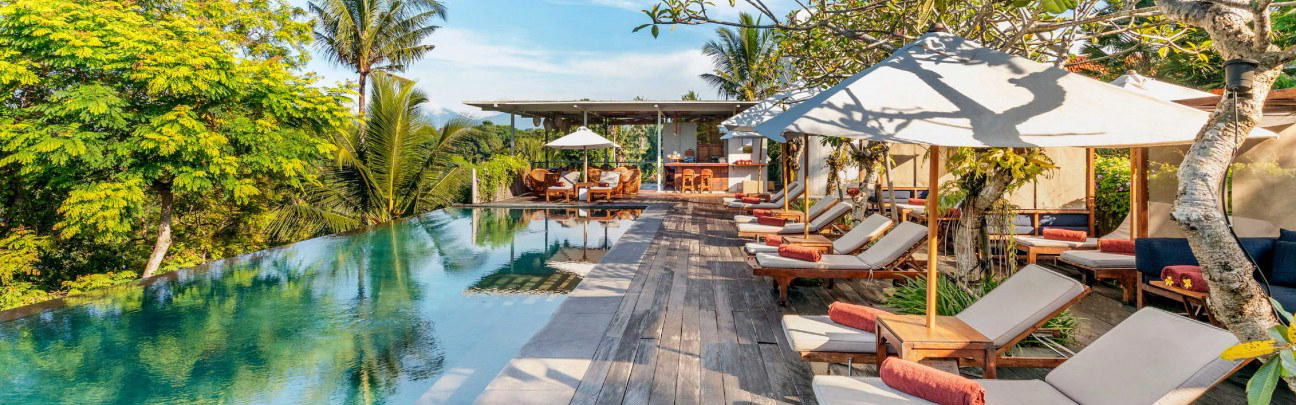
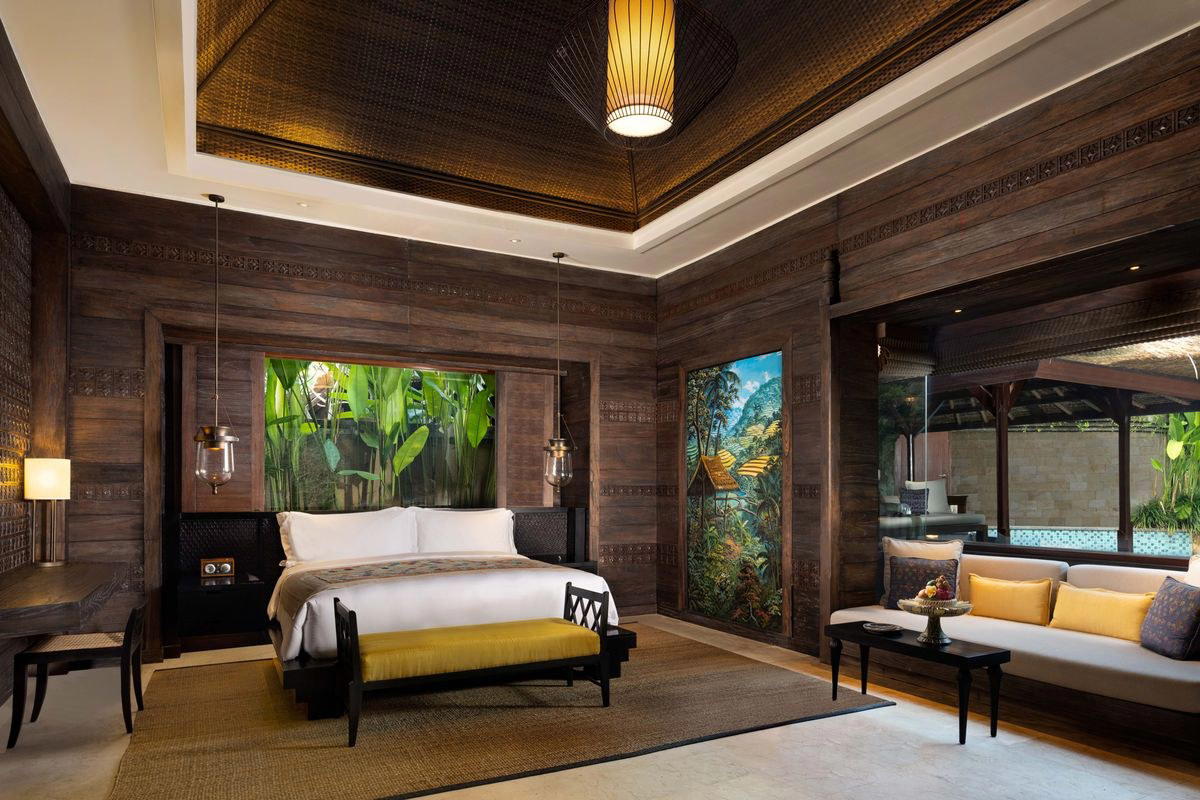
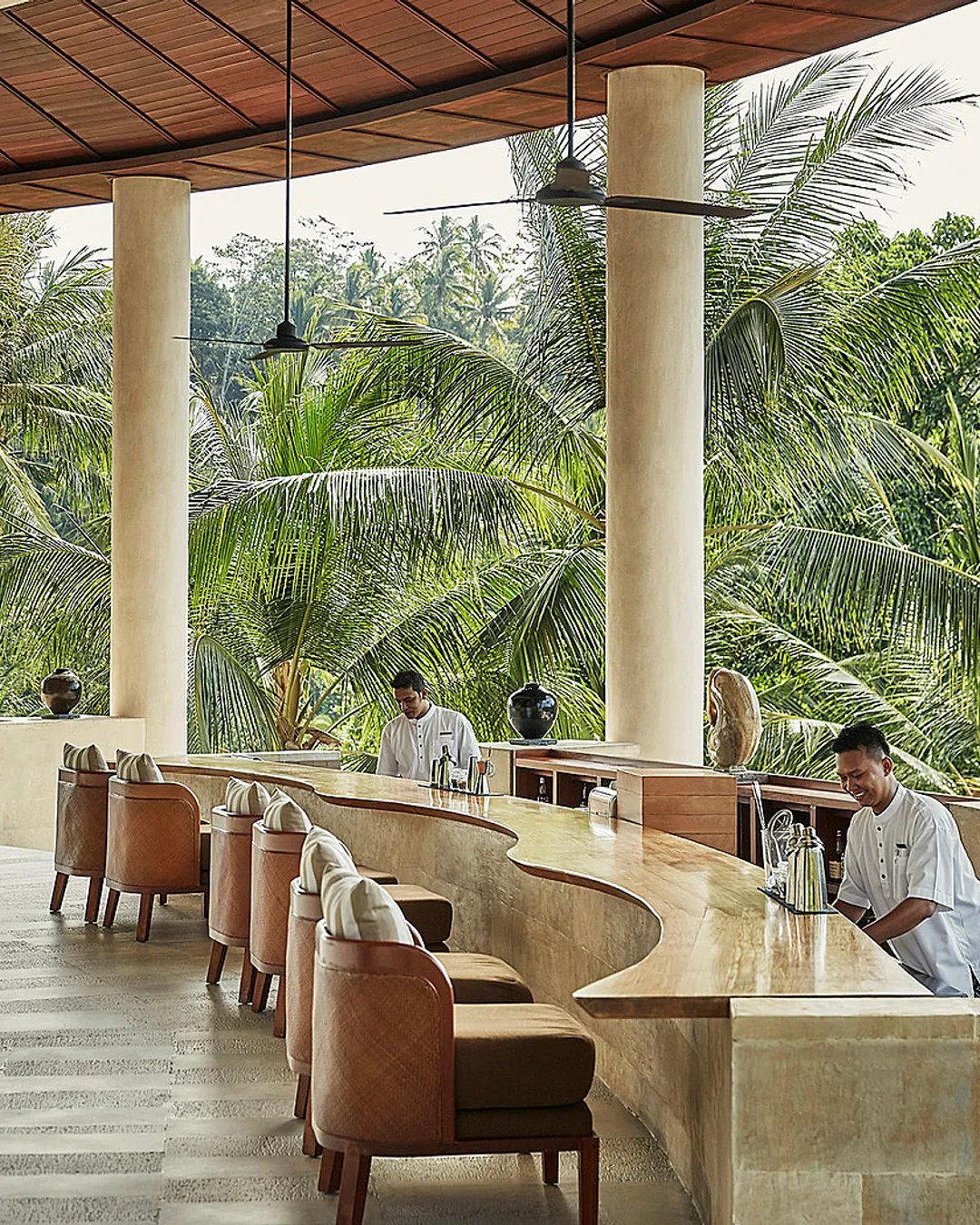
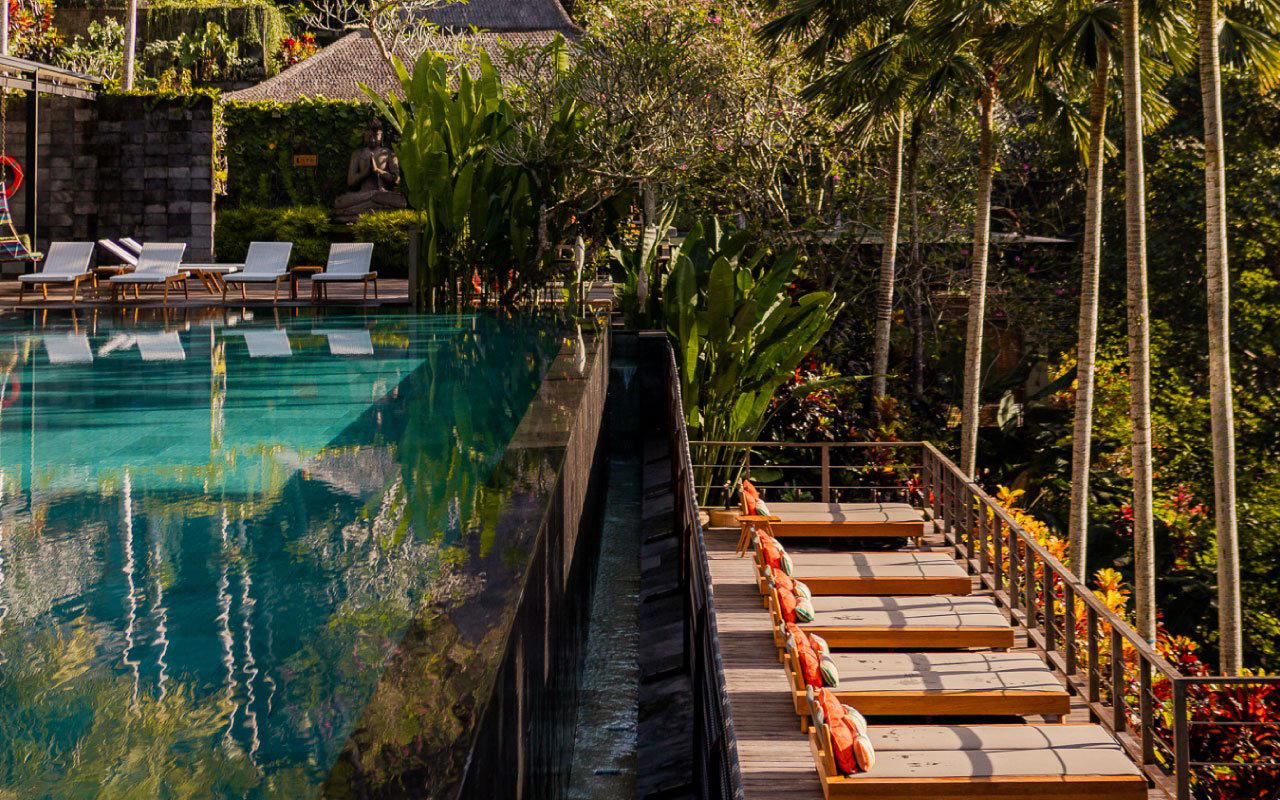
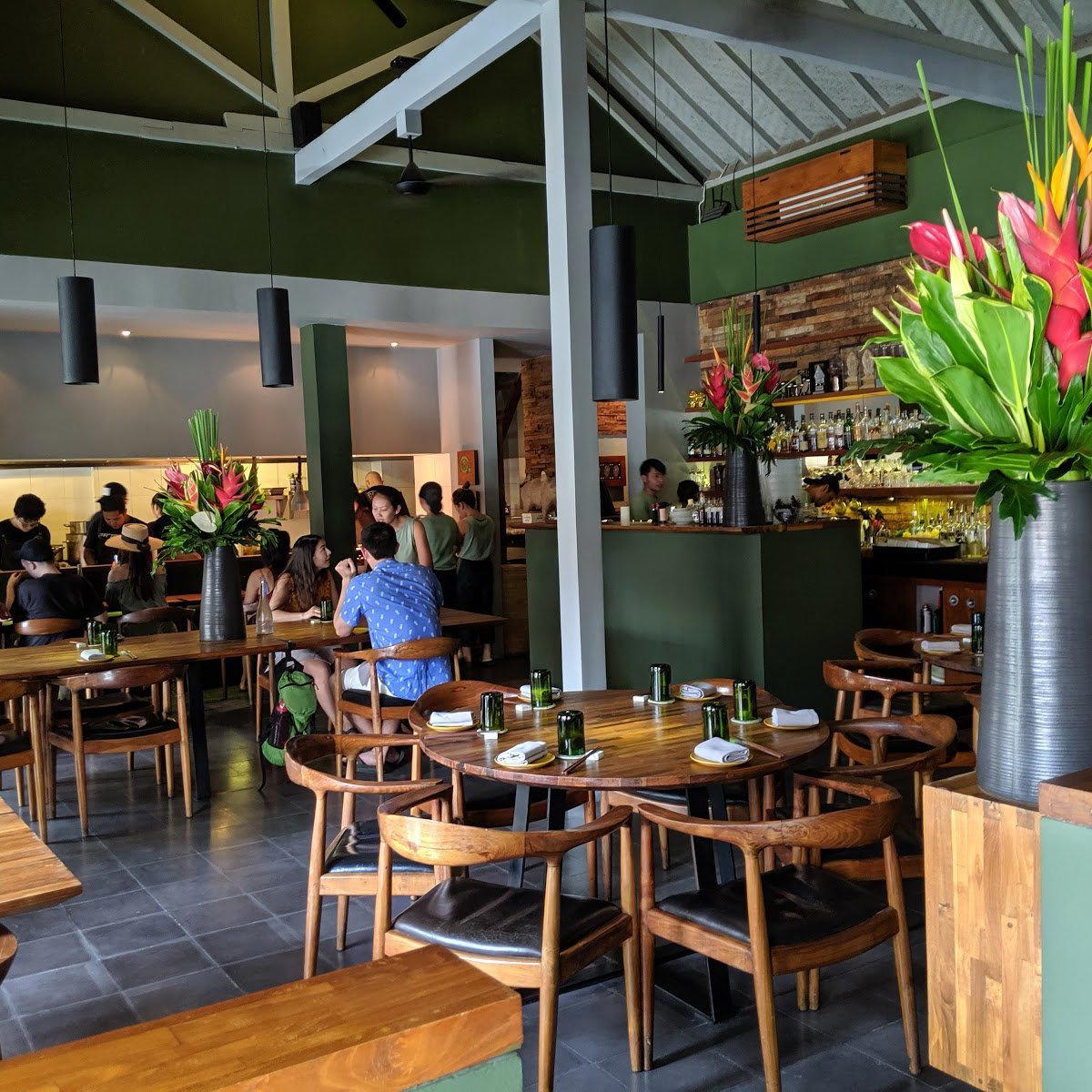
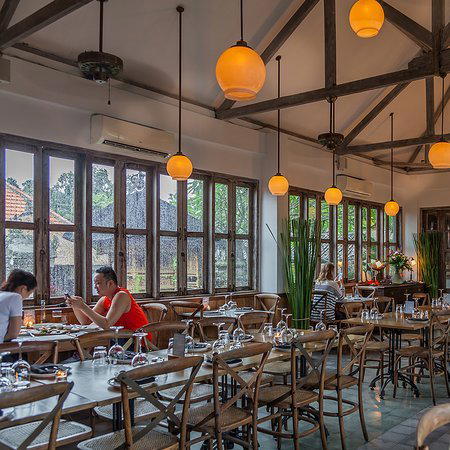
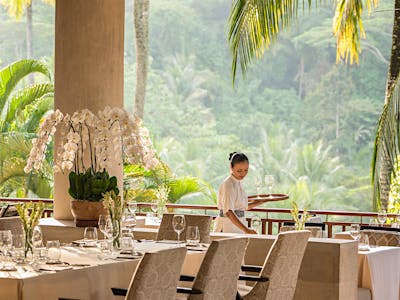
Serene and nurturing with lush tropical gardens, soft natural lighting, peaceful yoga spaces, and a supportive sisterhood atmosphere.