Our verdict
サボテン北見店 sits in Kitami, Hokkaido, a city whose agricultural hinterland and cold-climate farming traditions shape what ends up on local plates. The name — Saboten, or cactus — signals something off the expected path for this part of eastern Hokkaido. For visitors working through the region's dining options, it represents a local address worth factoring into the itinerary.

Pearl is the En Primeur Club membership app — saves, bookings, and concierge access live there. Same editors, same standards.
- Address
- 3 Chome-12-2 Kita 5 Jonishi, Kitami, Hokkaido 090-0045, Japan
- Phone
- +815088891371
- Hours
- Mon–Sat 6 PM–3 AMSun Closed
- Website
- hotpepper.jp
- Directions
- Get directions
- Booking
- Book on the venue's website
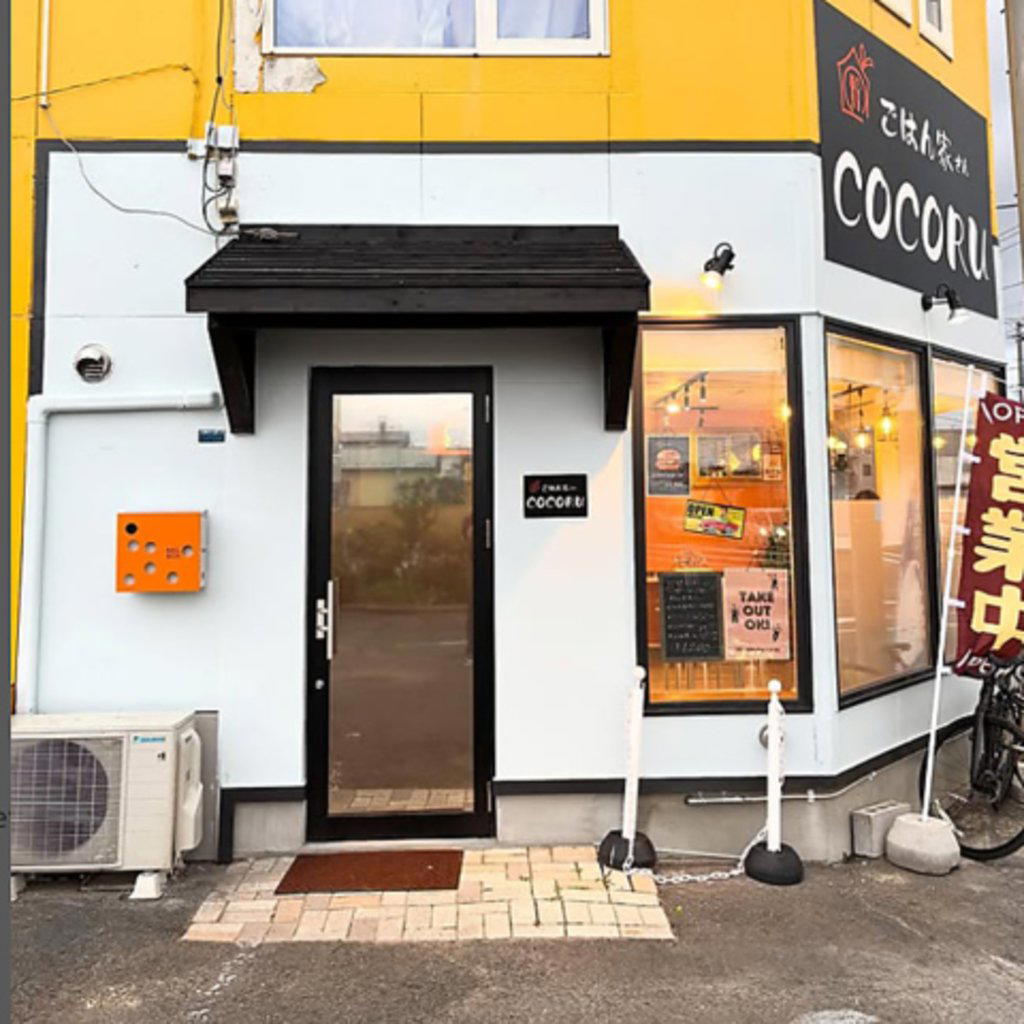
The menu
What to order
- 天使のクワトロチーズ (Angel's Four Cheese Okonomiyaki)
- サボテンのもんじゃ (Saboten Monjayaki)
- 名物VIPとん平焼き (VIP Ton-Pei Yaki)
- オリバの豚キムチ (Oliva Pork Kimchi)
Kitami's Dining Context: What the City's Hinterland Produces
Eastern Hokkaido operates on a different agricultural rhythm than the island's more celebrated western corridor. Kitami sits roughly 250 kilometres east of Sapporo, in a farming belt historically associated with onion cultivation — the city once produced the majority of Japan's domestically grown onions — as well as cold-climate vegetables, dairy, and the kind of rugged seasonal produce that only reveals itself to kitchens willing to work with local suppliers directly. That agricultural specificity matters when reading any Kitami restaurant, because the leading local addresses tend to organise their menus around what the surrounding land actually produces rather than importing standard urban fare from Sapporo or beyond.
For context on how this compares to the rest of Japan's dining spectrum, Tokyo counters like Harutaka in Tokyo or Osaka's innovation-driven rooms such as HAJIME in Osaka operate in a league defined by Michelin recognition and international press cycles. Kitami belongs to a different register entirely: a provincial city where dining quality is shaped by access to exceptional raw ingredients rather than by fine-dining theatre. That trade-off is not a weakness, it is the point.
サボテン北見店: An Address in Eastern Hokkaido's Local Circuit
サボテン北見店 is located at 3 Chome-12-2 Kita 5 Jonishi in Kitami's central residential and commercial grid. The address places it within walking distance of the city's main arteries, a practical consideration in a city where most dining options are spread across a relatively flat urban layout rather than concentrated in a single dining quarter. Approaching along Kita 5 Jonishi, the surrounding streetscape reflects Hokkaido's functional northern aesthetic: low-rise construction, wide roads built for snow-season logistics, and a retail mix that runs toward the everyday rather than the tourist-facing.
The name Saboten, cactus in Japanese, is an unusual signal in this context. In a city defined by onion fields and dairy farms, the cactus motif implies something outside the default local register, whether in cuisine type, visual identity, or the character of the experience inside.
Ingredient Geography: Why Hokkaido's Eastern Belt Matters
The ingredient sourcing argument for Hokkaido as a dining destination is well-established in Japan's gastronomic conversation, but it tends to concentrate on Sapporo, Niseko, and the Dōtō dairy region. Kitami's specific contribution is less discussed but no less substantive. The Okhotsk subprefecture, in which Kitami sits, produces cold-climate vegetables with a density and sweetness that results directly from the region's significant temperature differentials between summer days and nights. Onions from this area carry a lower moisture content than those grown in warmer climates, which affects both raw texture and cooked depth.
Beyond vegetables, the proximity to the Sea of Okhotsk means that restaurants with supplier relationships in the fishing sector have access to scallops, crab species including Hanasaki crab in season, and the salmon and trout runs that define Hokkaido's interior river systems. Any Kitami kitchen operating with seasonal ambition has a genuinely strong local pantry to draw from, provided it has the supplier connections to access it. That supply-side richness is the editorial argument for taking Kitami's dining addresses seriously, even those without the awards infrastructure of Gion Sasaki in Kyoto or the media visibility of Goh in Fukuoka.
How Kitami Sits Within Japan's Provincial Dining Tier
Japan's provincial dining tier has received more serious editorial attention in the past decade, partly because Michelin's regional guides have surfaced addresses in cities that international food media had previously overlooked. Nara's akordu in Nara represents one model for how a non-capital city can sustain a dining room with genuine ambition. Nanao's 一本木 菜川製 in Nanao and Sapporo's 夕仙山乃 in Sapporo illustrate how Hokkaido and the Japan Sea coast have developed their own critical sub-circuits, independent of Tokyo's gravitational pull.
Kitami sits further out on that curve. It does not have the accumulated critical infrastructure of Sapporo, and it lacks the heritage tourism driver that feeds places like Nara or Kyoto's dining scene. What it has instead is a local customer base with strong expectations around ingredient quality, a function of living adjacent to the supply, and the lower overhead structure that allows smaller operations to take risks on format or cuisine direction that would be commercially difficult in Tokyo's high-rent districts. For visitors consulting our full Kitami restaurants guide, that structural context shapes how to read any individual address on the city's dining circuit.
Planning Your Visit
Kitami is accessible by rail from Sapporo via the Sekihoku Main Line, with journey times typically running three to four hours depending on service. The city is also reachable by air via Memanbetsu Airport, which handles connections from Tokyo's Haneda and Sapporo's New Chitose. For visitors combining a Kitami stop with broader Hokkaido itineraries, the eastern Hokkaido circuit often pairs Kitami with Abashiri, the Shiretoko Peninsula, and Lake Akan, a routing that rewards those willing to spend several days in the region rather than treating it as a day trip.
Hokkaido's dining addresses outside the major cities often operate on schedules shaped by season and local demand rather than fixed weekly patterns, which makes advance confirmation worthwhile regardless of format. For comparable regional research, venues such as Bistro Ange in Toyohashi and Blue Ocean Steak in Nakagami District illustrate how provincial Japanese restaurants often occupy their own booking logic, distinct from the reservation platforms that govern major-city fine dining.
Frequently asked questions
Is サボテン北見店 okay with children?
Nothing in the available record for this Kitami address indicates a policy against families or children. Its location within the central residential and commercial grid of Kita 5 Jonishi suggests a neighbourhood-facing operation rather than a formal dining room with strict age conventions.
Is サボテン北見店 a good dining option when visiting Kitami by rail from Sapporo?
Kitami is reachable from Sapporo via the Sekihoku Main Line in roughly three to four hours, making サボテン北見店's central location at Kita 5 Jonishi a practical stop for rail travellers arriving in the city. The address sits within the commercial core rather than on the outskirts, reducing the logistical overhead after a long journey.
What's the best thing to order at サボテン北見店?
Eastern Hokkaido's agricultural output — including its well-regarded dairy, root vegetables, and proximity to quality beef and seafood supply chains — gives regional restaurants in the Kitami area credible sourcing options, but what サボテン北見店 draws on directly is not confirmed. Check current offerings on arrival or via the venue's social presence.
Where is サボテン北見店 in Kitami?
サボテン北見店 is located at 3 Chome-12-2 Kita 5 Jonishi, Kitami, Hokkaido 090-0045, Japan, Kitami.
How hard is it to get a table at サボテン北見店?
Venues operating within the city's central commercial grid at this tier typically accept walk-ins, but that can change here. Arriving early or contacting the venue in advance is the safest approach given the absence of documented booking channels. Check the venue's official channels for the latest details.
Comparable Spots, Quickly
Comparable venues nearby, for context on price, style, and recognition.
| Venue | Cuisine | Price | Awards | Notes |
|---|---|---|---|---|
| サボテン北見店This venue — the venue you are viewing | Okonomiyaki & Monjayaki Izakaya | $20–30 | Not listed | Not listed |
| Akatsuki | Okonomiyaki, monjayaki & teppan dishes | $10–20 | Tabelog 100 #3 | Kitami |
| Japanese Soba Noodles Tsuta (Japanese Soba Noodles 蔦) | Michelin-Starred Japanese Soba Ramen | $20–30 | Tabelog 100 #32 | Yoyogi-Uehara |
| Grill Kodakara (グリル小宝) | Retro Yoshoku (Japanese Western) | $10–20 | Tabelog 100 #49 | Okazaki |
| 松栄寿司東口店 | 本格握り寿司 | $30–50 | Not listed | 栗田 |
| Lilo Coffee Kissa | Japanese Specialty Coffee Kissa | Not listed | Not listed | Chuo Ward, Shinsaibashi |
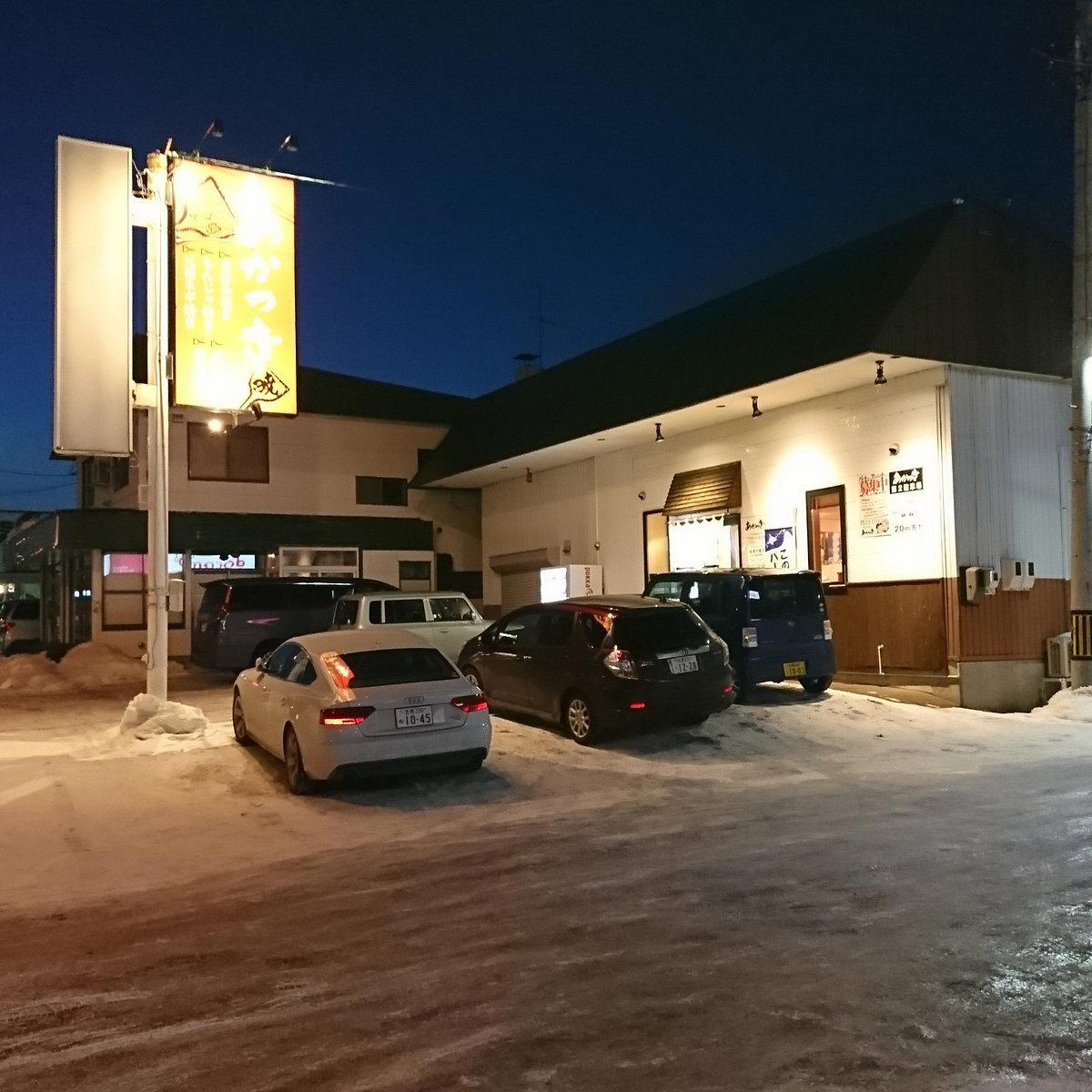
Details
- Lively
- Energetic
- Casual
- Casual Hangout
- Group Dining
- After Work
- Late Night
- Open Kitchen
- Local Sourcing
- A La Carte
- Counter Dining
Current opening hours
- Monday
- 6 PM–3 AM
- Tuesday
- 6 PM–3 AM
- Wednesday
- 6 PM–3 AM
- Thursday
- 6 PM–3 AM
- Friday
- 6 PM–3 AM
- Saturday
- 6 PM–3 AM
- Sunday
- Closed
Hours can change for holidays and private events. Last verified .