
Our verdict
Chimikepp Hotel places Michelin-starred modern French cooking deep in inland Hokkaido, where the point is not urban spectacle but the relationship between forest, lake country, and the plate. For Tsubetsu, it gives the dining scene a destination address defined by remoteness, regional produce, and a slower hotel-restaurant rhythm.

Pearl is the En Primeur Club membership app, where members save venues, book tables and use the concierge.
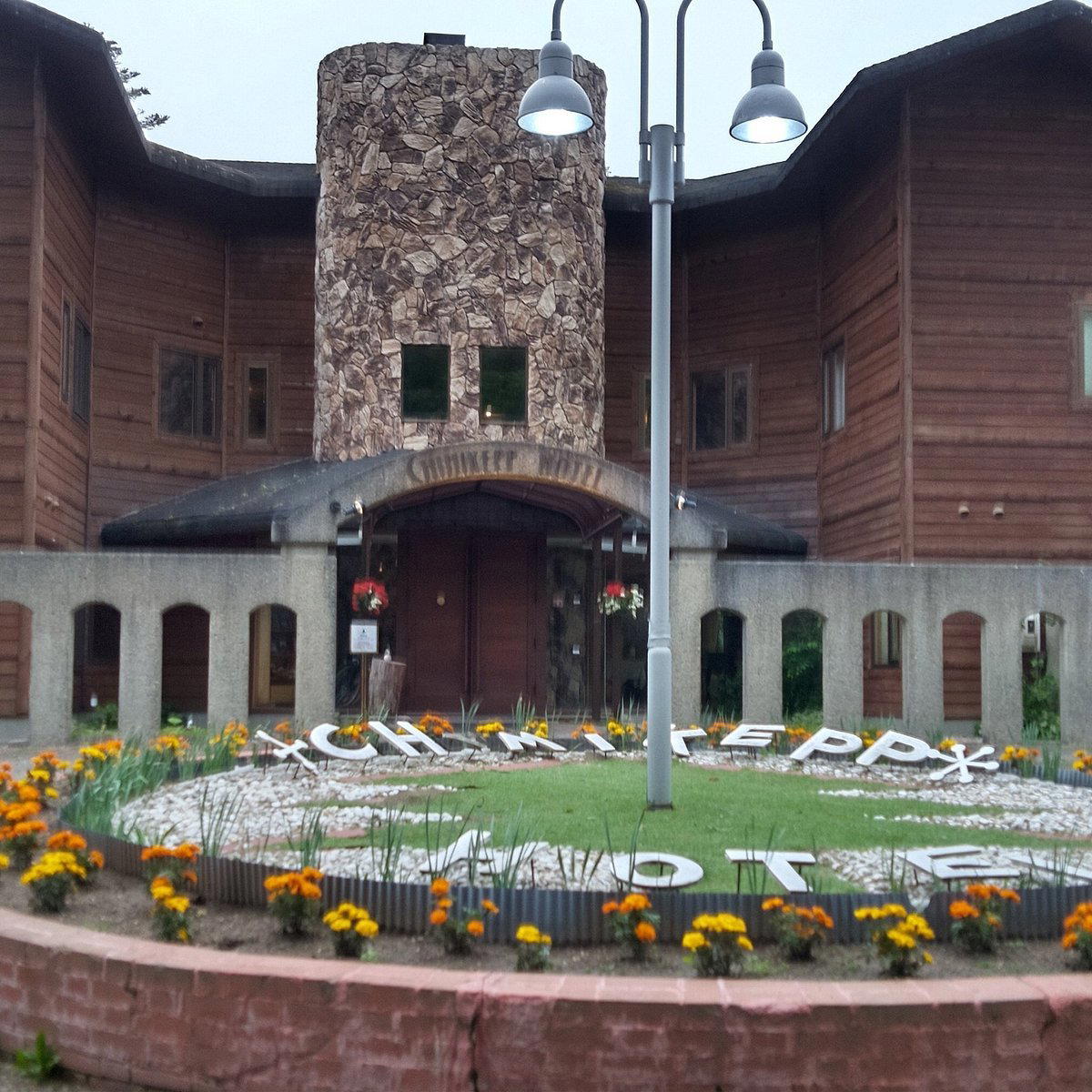
The approach to Chimikepp Hotel belongs to inland Hokkaido rather than restaurant theatre: mountain roads, broad sky, heavy silence, and the sense that dinner has been removed from the city’s usual machinery. Tsubetsu sits far from Japan’s major dining circuits, and that distance matters. Modern French cooking here reads differently from the same language in Tokyo or Osaka, because the setting presses regional identity into the meal before a plate reaches the table.
Hokkaido has long supplied Japan with dairy, seafood, game, vegetables, and cold-climate produce, but much of the national conversation still reduces the island to sushi counters, ramen bowls, and market eating. The more interesting high-end question is what happens when French technique is used outside a metropolitan dining room, in a place where provenance is not a decorative claim but the practical logic of the address. Chimikepp Hotel is Michelin-starred for modern French cuisine deep in the mountains of Hokkaido, and that credential places it in a narrow category: destination dining where remoteness is part of the argument, not an inconvenience to be disguised.
Mountain Hokkaido gives French technique a different job
French food in Japan often splits between two poles. One is the urban dégustation room, polished, wine-led, and built for comparison with Tokyo, Kyoto, or overseas capitals. The other is a regional format where technique becomes a way to clarify place. Tsubetsu pushes Chimikepp Hotel toward the second camp. The useful lens is not luxury for its own sake, but terroir: what the surrounding land, climate, and supply networks can contribute to a cooking style imported from elsewhere and reinterpreted through Japanese restraint.
That distinction matters because Hokkaido’s scale changes the meaning of locality. In compact Japanese cities, “local” can mean a nearby market or a specialist supplier. In eastern Hokkaido, it can mean a broader ecological frame: forest, lake country, agricultural land, winter severity, and seasonal scarcity. A Michelin star attached to this setting signals that the cooking has been judged beyond novelty value. It also makes the hotel-restaurant format logical. A meal this far from the urban grid asks for time, and lodging turns the evening into a slower regional encounter rather than a rushed detour.
The absence of a large-city dining ecosystem is part of the appeal for serious travelers. There is no neighbourhood bar crawl to fold into the night, no quick transfer from a station concourse, no convenient second seating mentality implied by the setting. The experience sits closer to the European country-house model translated into Hokkaido geography: a contained address, a focused kitchen, and a natural environment that supplies context before any menu description can.
Why the Michelin signal carries weight here
Michelin recognition in remote areas can mean more than it does in dense restaurant districts, where starred rooms compete within blocks of one another. In Tsubetsu, the award functions as a navigational marker. It tells the reader that this is not merely a pleasant hotel dining room with ambitious plating; it has entered an international evaluation system while operating far from the normal concentration of critics, chefs, sommeliers, and repeat gastronomic traffic.
That does not make the meal interchangeable with city French. It should be read against a different competitive set: remote Japanese inns with serious kitchens, Hokkaido destination restaurants, and hotel dining rooms where the stay and the meal are structurally linked. The address, 204 Numasawa in Tsubetsu-cho, Abashiri-gun, places it in a part of Hokkaido where travel planning is part of the commitment. For diners who use awards as a filter, the Michelin-starred status provides the trust signal; the mountain setting explains why the experience cannot be judged by the convenience metrics of an urban reservation.
Modern French cuisine is also a useful frame because it can absorb regional products without requiring them to appear as folklore. Hokkaido ingredients do not need to be staged as rustic props. In serious kitchens, dairy, root vegetables, freshwater and cold-water supply chains, herbs, and preserved or seasonal elements can be handled through sauces, stocks, temperature control, and sequence. The craft lies in making the region legible without turning dinner into a tourism brochure.
How to place it within a Tsubetsu itinerary
For EP Club readers mapping the area, Chimikepp Hotel should be treated as an anchor rather than an add-on. Tsubetsu is not a city where the dining plan can be improvised across multiple high-profile rooms in one evening. The smarter approach is to let the hotel-restaurant structure set the pace, then use the wider region for nature, driving, and quieter Hokkaido travel rather than trying to force a capital-city rhythm onto it.
That makes the venue especially relevant for travelers who care about provenance but dislike performative farm-to-table language. The stronger point here is structural: Michelin-starred modern French cooking has been placed in a mountain hotel in eastern Hokkaido, where land, distance, and season shape the experience. Readers comparing categories in town can start with Our full Tsubetsu restaurants guide, then widen the trip through Our full Tsubetsu hotels guide, Our full Tsubetsu bars guide, Our full Tsubetsu wineries guide, and Our full Tsubetsu experiences guide.
For broader Japan planning, the contrast is instructive. A traveler can move from rural Hokkaido French to city and regional specialisms such as -Grilled beef Sukiyaki- KAMAKURA TANUKIAN 鎌倉 たぬき庵 in Kamakura, . 鮪と炭火焼き うお炭 秋葉原店 in Tokyo, .cafe in Osaka, .know in Kumamoto, (Shoku) Vietnam in Kawasaki, [Curry Senmon Ten] Maruyama Kyoju. in Sapporo, [ki:] in Kyoto, #肉といえば松田 奈良本店 in Kashihara, 1/3 HAMBURGER FACTORY in Kanazawa, 1000 in Yokohama, 1000mヒュッテ 1000m Hut in Kutchan, État d'esprit, FRENCH FOOD in Miyakojima, and Mauvaise herbe, FRENCH FOOD in Uruma. The point is not to rank them against one another, but to see how Japan’s regional dining map changes when cuisine, geography, and travel tempo are read together.
Frequently asked questions
Is Chimikepp Hotel child-friendly?
Chimikepp Hotel is a Michelin-starred modern French address at 204 Numasawa, Tsubetsu, so it reads as a dining stop for a composed meal rather than a casual family venue. Families with children should expect a formal pace and a more restrained setting than an all-day hotel restaurant.
What's the vibe at Chimikepp Hotel?
The cue is in the award and the setting: Michelin-starred modern French cuisine deep in the mountains of Hokkaido. In Tsubetsu, that points to a remote, destination-led room with a focused dining atmosphere rather than a city hotel scene.
What distinctions does Chimikepp Hotel have?
Chimikepp Hotel has received recognition including: Michelin-starred modern French cuisine deep in the mountains of Hokkaido.
What should I expect cuisine-wise at Chimikepp Hotel?
Chimikepp Hotel serves FRENCH FOOD cuisine.
What part of town is Chimikepp Hotel in?
Chimikepp Hotel is located in Tsubetsu.
Do they take walk-ins at Chimikepp Hotel?
For a Michelin-starred restaurant in Tsubetsu, walk-ins are not a safe assumption. Chimikepp Hotel at 204 Numasawa is better treated as a reservation-first stop on a Hokkaido itinerary.
In Context
Comparable venues nearby, for context on price, style, and recognition.
| Venue | Cuisine | Price | Awards | Notes |
|---|---|---|---|---|
| Chimikepp HotelThis venue (the venue you are viewing) | Seasonal French Fine Dining | $50–100 | Not listed | Not listed |
| The Barn by Odin | French Bistro with Hokkaido Ingredients | $100–150 | Not listed | Hirafu, French Bistro with Hokkaido Ingredients |
| MOONBOW | Not listed | Not listed | Not listed | 富士河口湖町, Western Seasonal Cuisine with Teppanyaki |
| レストラン エプイ EPUY | Onuma Park, Local French Fine Dining | Not listed | Not listed | Not listed |
| Michel Bras TOYA Japon | Not listed | Not listed | Not listed | Toyako, Modern French Fine Dining with Japanese Influences |
| Les Alchimistes | Modern French-Japanese Fusion | $200–300 | 1 Michelin Star · Black Pearl 1 Diamond | Shirokanedai, Avant-Garde French Fine Dining |
Recognition history
Dated appearances from independent guides and award organizations, with the underlying list record or original source where available.
The Japan Times Destination Restaurants Destination Restaurants Selection #2
The Japan Times Destination Restaurants
Continue exploring
More in Tsubetsu
Restaurants in Tsubetsu
All restaurants in Tsubetsu →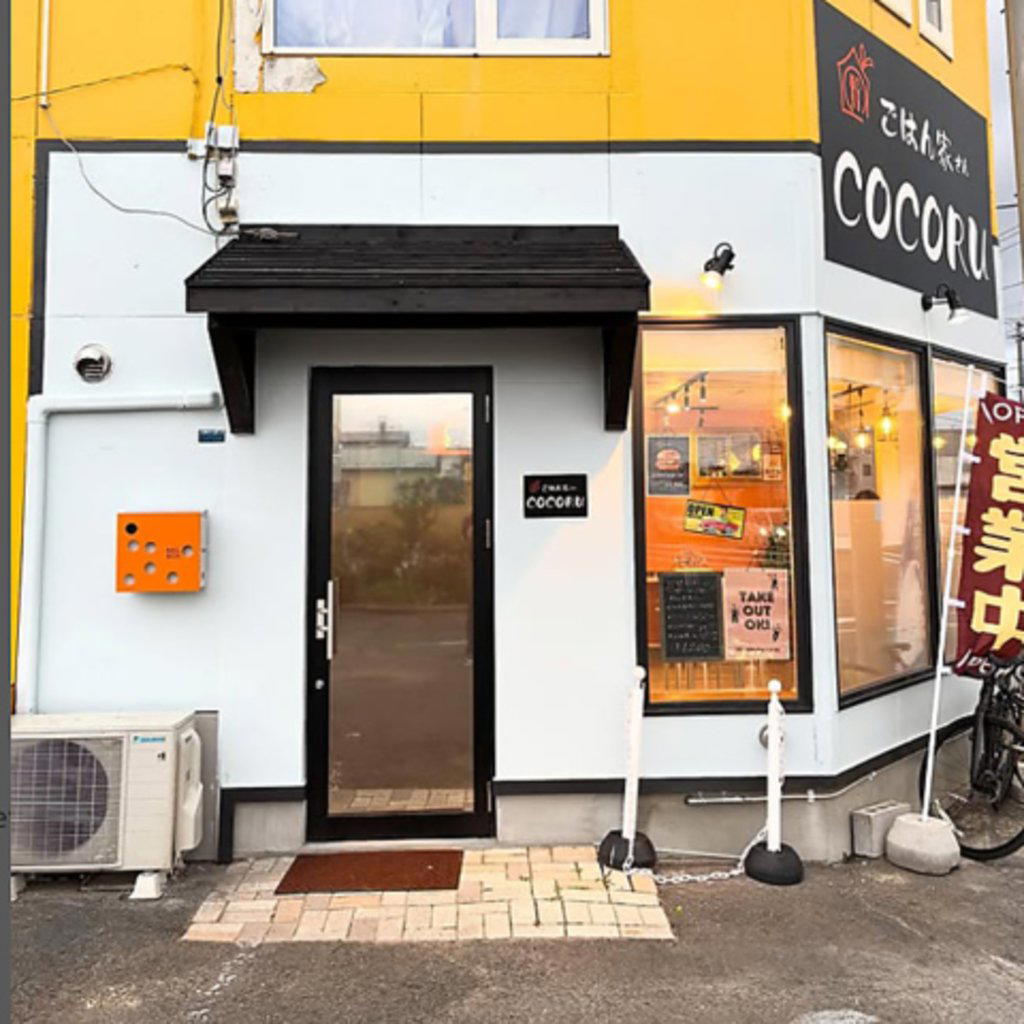
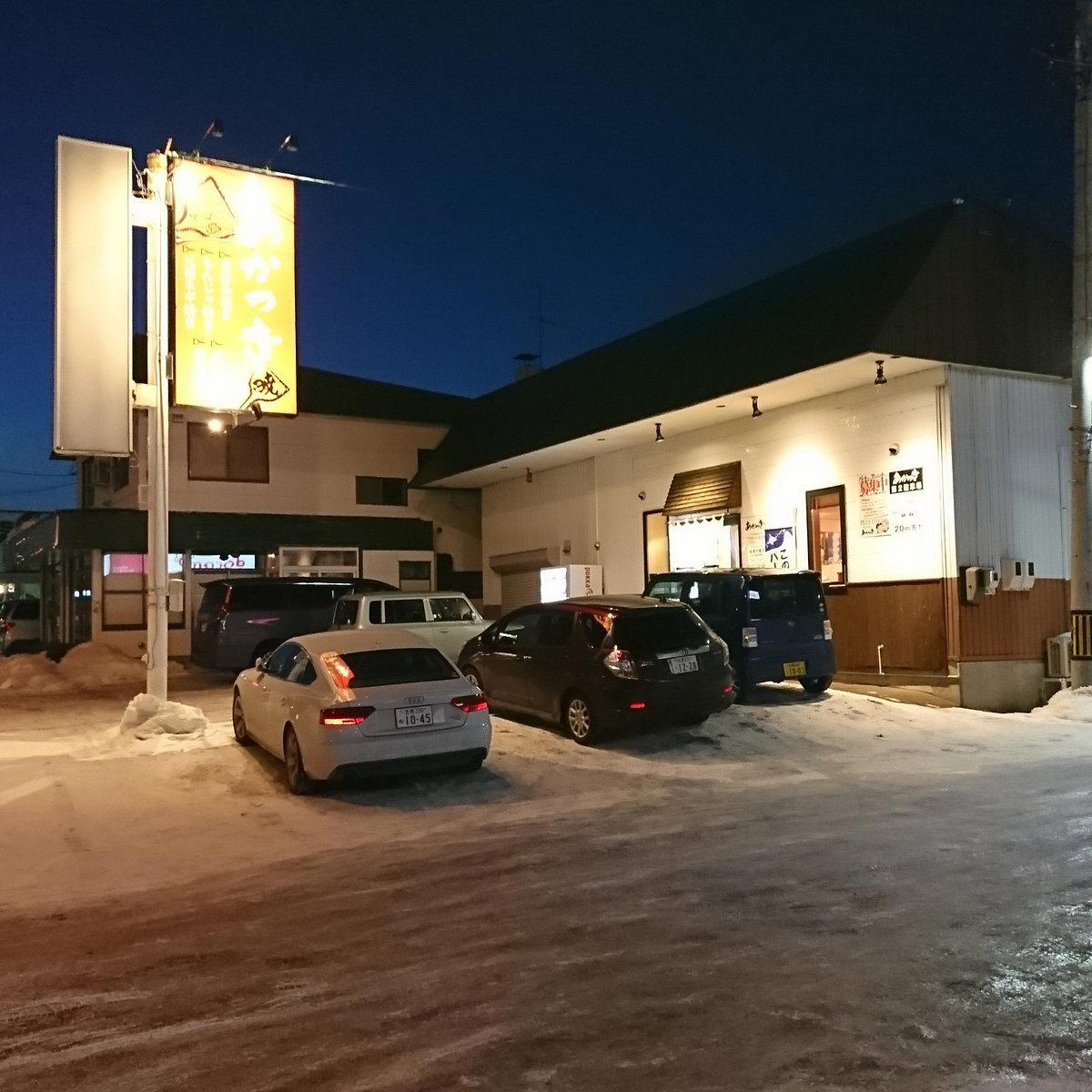
Hotels in Tsubetsu
Browse all →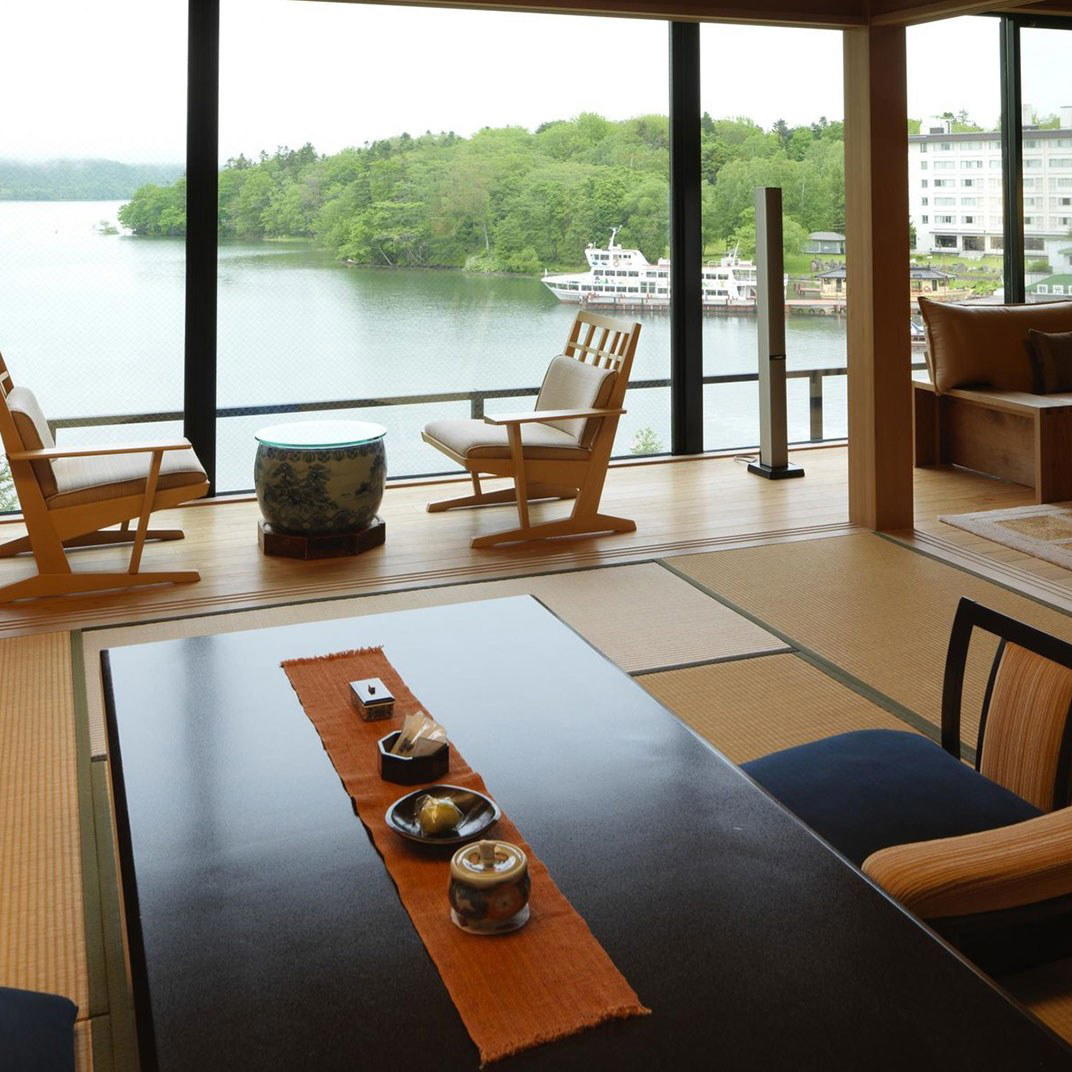
Details
- Quiet
- Scenic
- Cozy
- Elegant
- Romantic
- Date Night
- Celebration
- Special Occasion
- Private Event
- Hotel Restaurant
- Waterfront
- Open Kitchen
- Extensive Wine List
- Sommelier Led
- Local Sourcing
- Waterfront
- Garden
- Set Menu
- Wine
Quiet, intimate, and nature-focused, with a calm auberge atmosphere, open terrace, and views of the lake and surrounding forest.