

Michelin Plate · Star Wine List
Our verdict
A wine-forward Dorsoduro address that has been updating Venetian cooking since 2004, Estro pairs a 600-label natural wine list with market-driven plates sourced directly from the Rialto. Two consecutive Michelin Plates (2024 and 2025) recognise the kitchen's consistency at a price point that sits well below Venice's starred tier. The mood is cosy and unhurried, making it a reliable counter-programme to the city's more ceremonial dining rooms.

Pearl is the En Primeur Club membership app, where members save venues, book tables and use the concierge.
A Different Register in Dorsoduro
Venice's dining scene has always pulled in two directions: the grand rooms on the Grand Canal with their historical weight and high ceremony, and the neighbourhood addresses that locals actually use on a Tuesday. Dorsoduro sits closer to the second category. It's the sestiere of the Accademia and Ca' Rezzonico, less trafficked than San Marco, and its restaurant stock reflects that, smaller rooms, less theatre, more attention to the glass in front of you. Estro Vino e Cucina opened here in 2004 and has been operating in that quieter register ever since, presenting modern Mediterranean cooking alongside one of the more considered natural wine lists in the city.
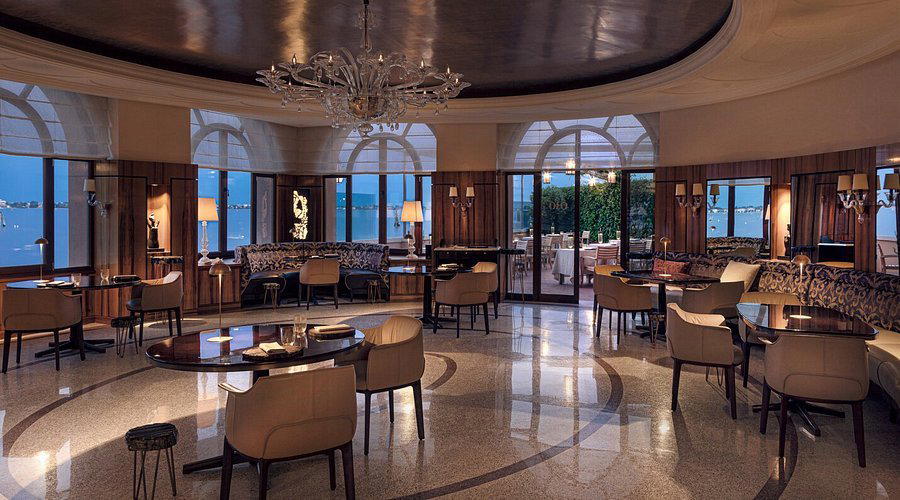
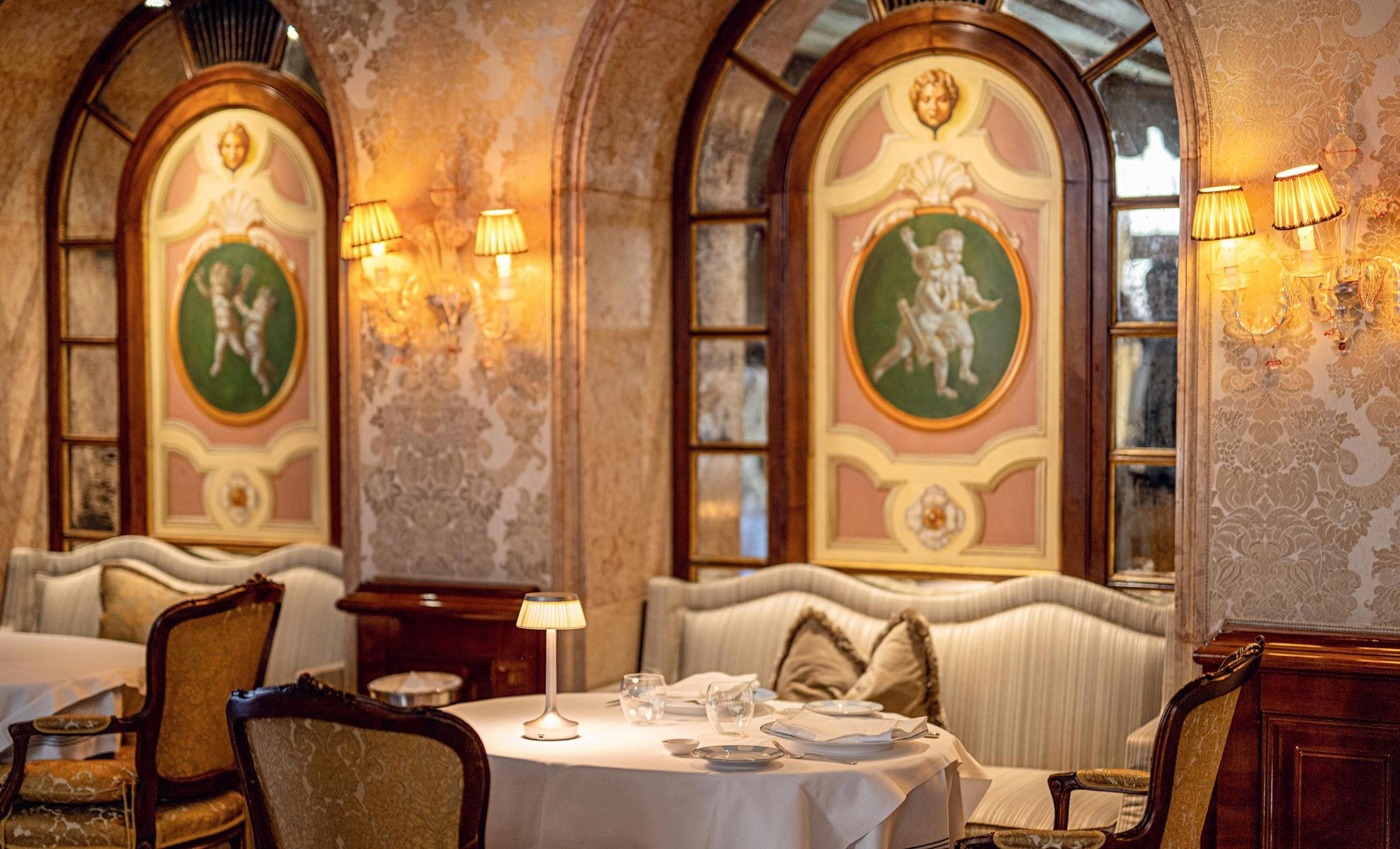
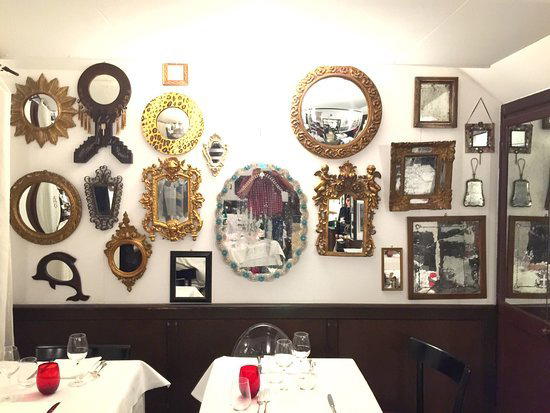
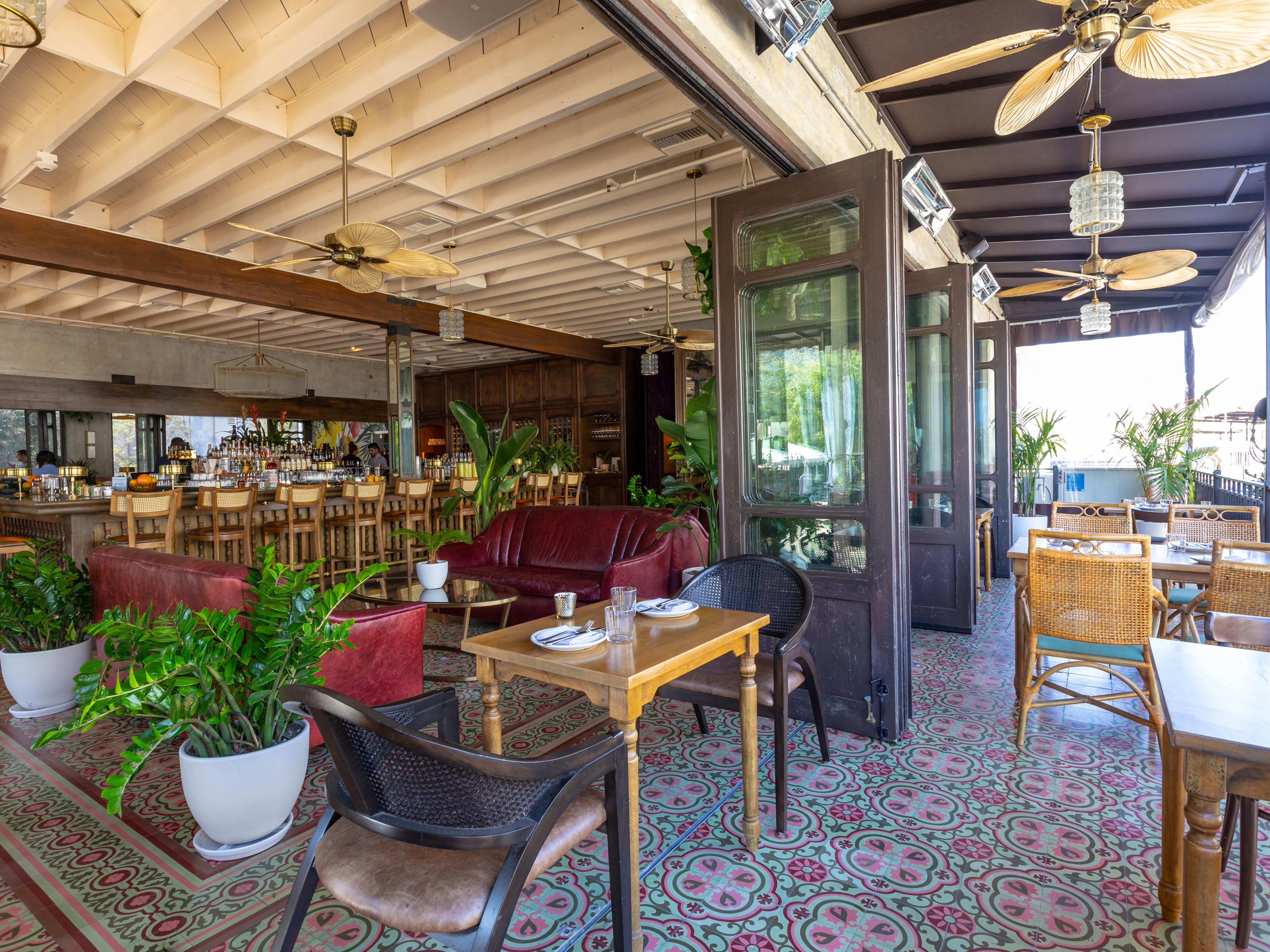
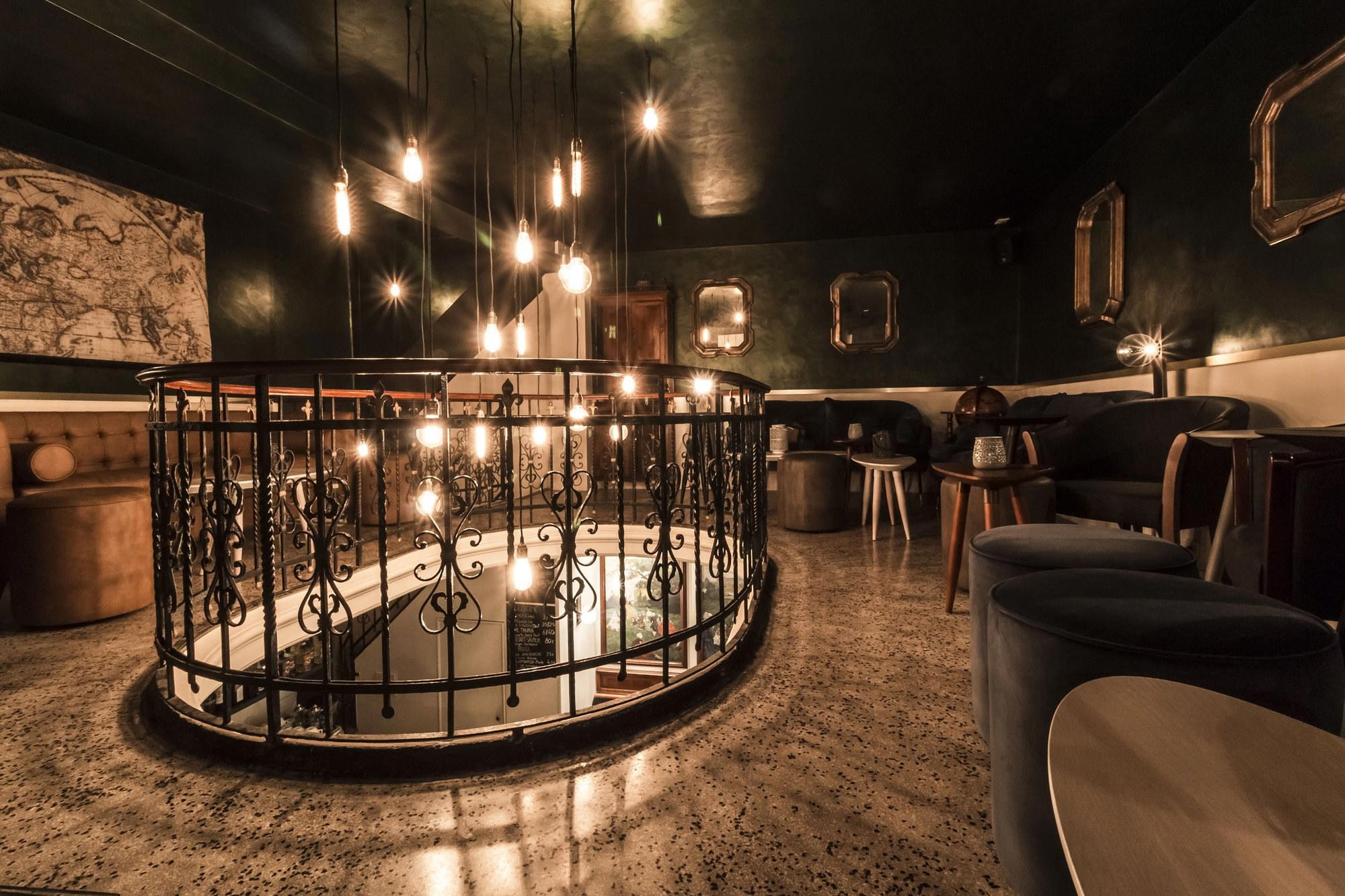
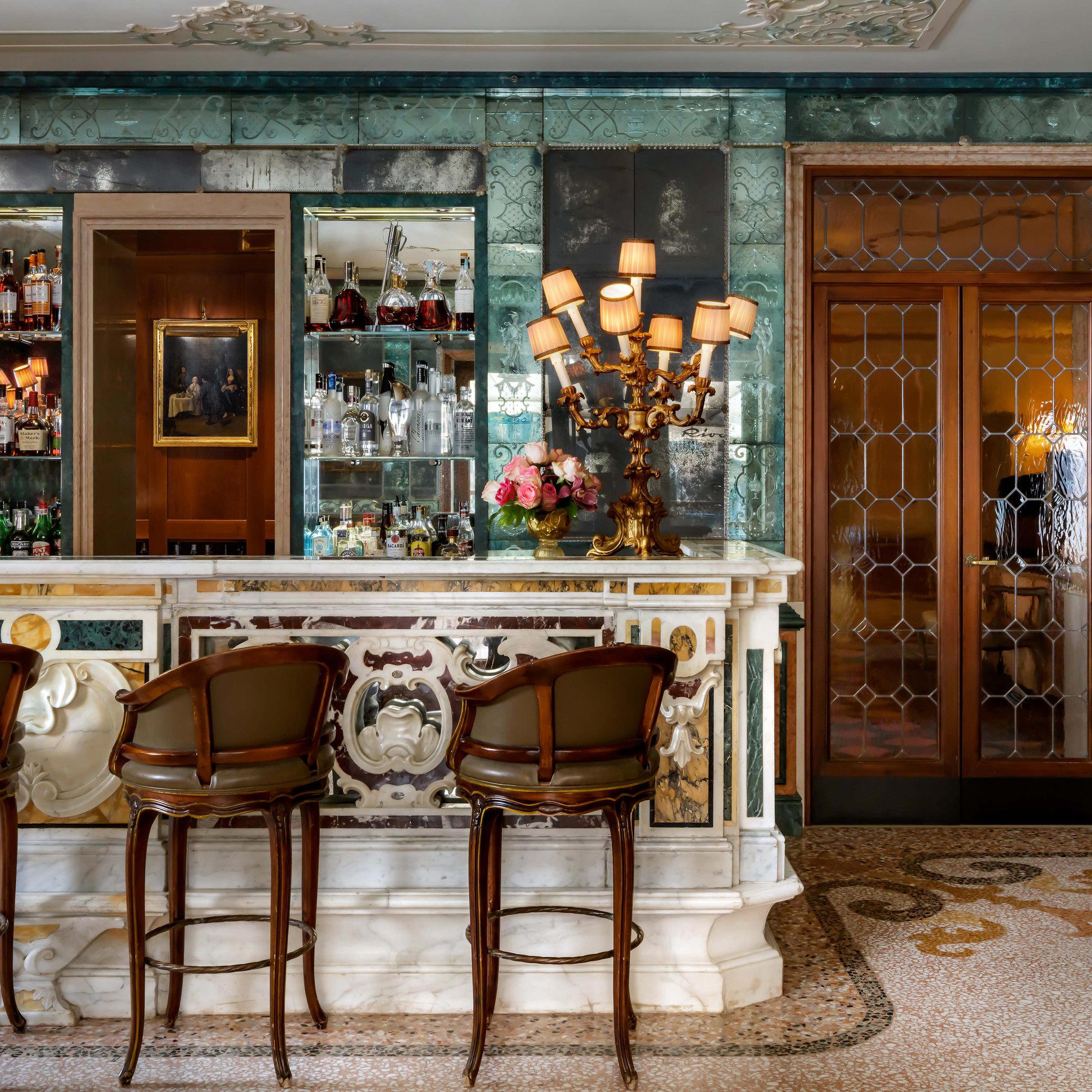
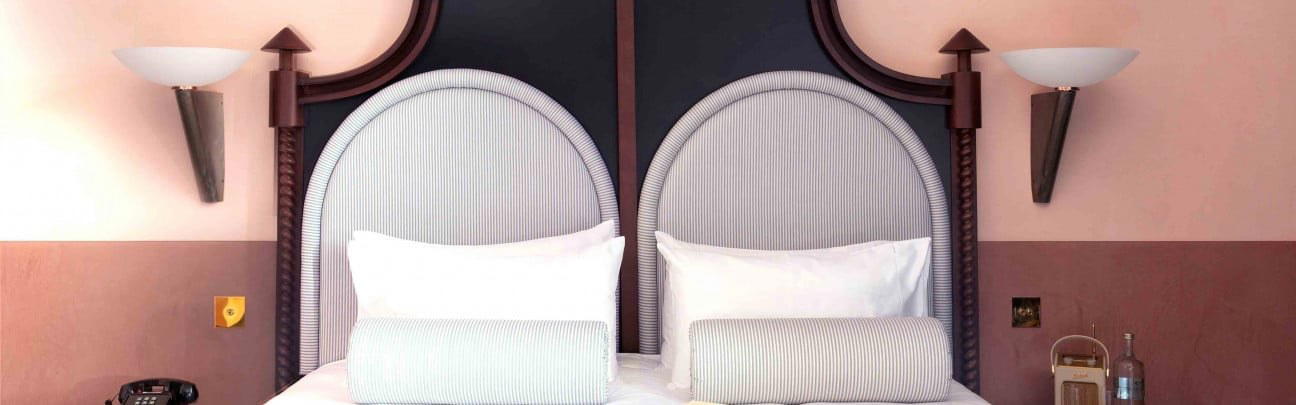
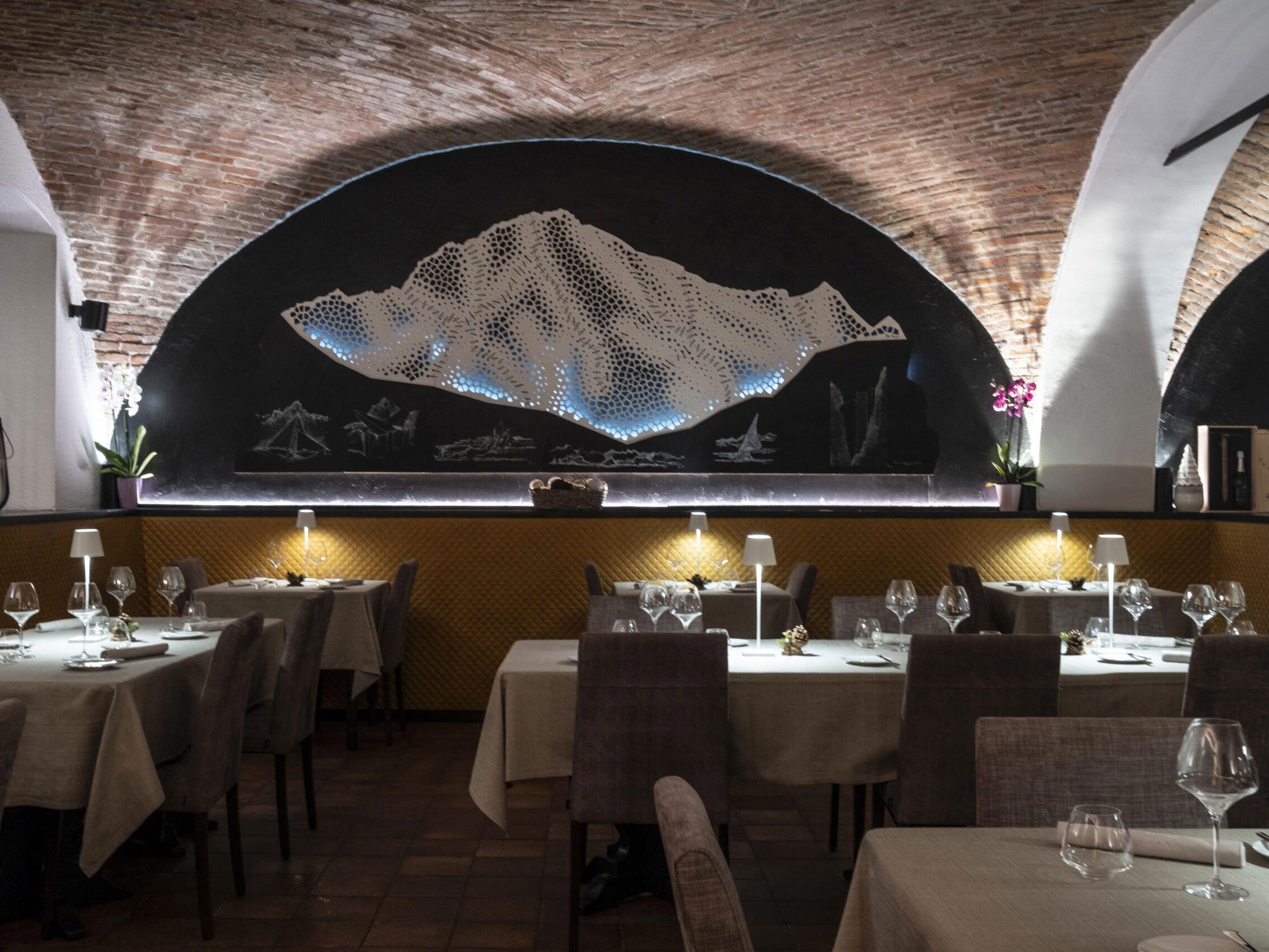
The physical setting announces its intentions: a cosy interior that reads more wine bar than ristorante, where the list is the centrepiece and the food is arranged around it rather than the reverse. That balance is increasingly the format of choice for a certain kind of serious eating in Italian cities, and Venice has fewer examples of it than Milan or Florence. Finding one with two decades of operation behind it is worth noting.
The Rialto Sourcing Model and Why It Matters
The ingredient story at Estro connects directly to Venice's most functional food institution. The Rialto market, open every morning except Sunday on the San Polo bank of the Grand Canal, remains the primary supply channel for the city's serious kitchens. Fish and shellfish arrive from the Adriatic overnight; the produce stalls pull from the surrounding lagoon islands, particularly Sant'Erasmo, which supplies artichokes, asparagus, and zucchini that carry a distinct salinity from the lagoon soil.
Estro draws its fish from the Rialto, which matters for a specific reason: the market's auction-based supply means menus shift with what's actually available rather than what's been ordered from a central distributor. This is the operating model that separates ingredient-driven kitchens from those that perform ingredient-drivenness. Seasonal produce and sustainable sourcing aren't marketing positions here; they're structural constraints of the supply chain. Kitchens that commit to this model accept a narrower, less predictable pantry in exchange for a more honest plate. The menu at Estro includes meat dishes, a milk and honey guinea fowl leg with mashed potato and endive has appeared as a representative example, but the kitchen's orientation is clearly toward the sea and the lagoon.
For broader context on how Venetian kitchens work with this sourcing model, venues like Lineadombra and Ai Mercanti operate in a comparable register, while Arva and Alle Corone represent the more hotel-anchored end of contemporary Venetian cooking. At the starred level, Ristorante Quadri on Piazza San Marco operates in an entirely different price bracket and ceremony tier. Our full Venice restaurants guide maps these categories in detail.
600 Labels and the Natural Wine Argument
The wine list at Estro runs to around 600 labels, focused on natural wines from sustainable viticulture. That scope is significant. In a city where wine lists often default to the familiar Veneto triad of Soave, Bardolino, and Amarone, a 600-label natural programme represents a specific curatorial argument. Natural wine in Italy has moved from fringe preoccupation to a recognised category with its own critical vocabulary, and Venice's wine bar culture has been slower to adopt it than Rome or Naples. Estro's list places it ahead of that curve locally.
The format, food served alongside wine rather than wine as accompaniment to food, aligns Estro with a broader shift visible in serious Italian drinking cities. The enoteca model, where the bottle leads and the kitchen follows, produces a different kind of evening than the conventional three-course progression. It also tends to generate a more genuinely exploratory approach to ordering, particularly when the list covers producers and regions the diner hasn't encountered before.
For context on where this sits within Italian fine wine culture more broadly, kitchens like Enoteca Pinchiorri in Florence represent the formal, cellar-as-institution model, while addresses like Estro operate at the more accessible, discovery-oriented end of wine-forward dining. The price point reflects that: Estro sits at €€, a full tier below the starred Venetian rooms and meaningfully below even the mid-market trattoria competitors like Osteria alle Testiere and Corte Sconta at €€€.
Michelin Recognition and Peer Positioning
Michelin has awarded Estro a Plate in both 2024 and 2025, a designation that indicates cooking worth noting without the full ceremony of a star. In Venice's Michelin geography, the star-holding addresses occupy the higher price tiers; the Plate category has increasingly been used to identify technically sound, concept-clear kitchens that operate outside the formal tasting-menu format. Two consecutive Plates confirm consistency rather than a single good year, which is the more meaningful signal for a regular visitor weighing options.
At the starred end of Italian modern cuisine, the reference points look quite different. Osteria Francescana in Modena, Le Calandre in Rubano, and Enrico Bartolini in Milan define the upper register of the Italian contemporary kitchen. Dal Pescatore in Runate and Atelier Moessmer Norbert Niederkofler in Brunico represent the produce-led, regional-identity approach at the highest level. Estro operates far below those price and ceremony tiers but shares the ingredient logic: source accurately, cook with focus, let the wine carry its own weight.
Planning a Visit
Estro is at Sestiere Dorsoduro 3778, a short walk from the Accademia vaporetto stop. Dorsoduro is navigable on foot from most central Venice accommodation, and the neighbourhood rewards the detour regardless. The address is at the more accessible end of Venice's dining price tier, which makes it a practical choice for the kind of evening that runs longer than intended when the wine list is this broad. The cosy format and the unhurried service pace suit that kind of evening well. Reservation is advisable, particularly for weekend evenings and in the high season months of April through October, when even less prominent Venice addresses fill quickly.
For accommodation in the area, our full Venice hotels guide covers the range from sestiere guesthouses to the Grand Canal properties. The Venice bars guide, wineries guide, and experiences guide complete the city picture. On the international modern cuisine front, Frantzén in Stockholm and FZN by Björn Frantzén in Dubai represent how the format travels across contexts, though the enoteca sensibility at Estro is distinctly Italian and distinctly Venetian in a way those addresses aren't trying to replicate.
Frequently asked questions
What's the pricing like at Estro Vino e Cucina?
Pricing at Estro Vino e Cucina is listed as €€.
What awards or recognition does Estro Vino e Cucina have?
Estro Vino e Cucina has received recognition including: A modern and contemporary take on Venetian cuisine, which is a nice change from all the ultra classics in the city. Estro opened in 2004 and has a modern setting and good service. The wine list coveri...; In the somewhat more secretive Veni….
What do regulars order at Estro Vino e Cucina?
The kitchen builds its menu around fish sourced daily from the Rialto market, so seafood-led dishes are the consistent draw. Meat options appear alongside, with preparations like milk and honey guinea fowl leg with mashed potatoes and endive representing the more land-facing side of the menu. The Michelin Plate recognition in both 2024 and 2025 points to consistent quality across the offering.
What type of food is Estro Vino e Cucina known for?
How do I find Estro Vino e Cucina?
Estro Vino e Cucina is located at Sestiere Dorsoduro, 3778, 30123 Venezia VE, Italy, Venice.
Do they take walk-ins at Estro Vino e Cucina?
Estro functions partly as a wine bar, which means the format is more flexible than a strictly reservation-only dining room. That said, arriving without a booking during peak Venice tourist periods carries risk. The address is Sestiere Dorsoduro 3778, a short walk from the Accademia vaporetto stop, so it is worth calling ahead or stopping by early to check availability.
What is Estro Vino e Cucina known for?
Estro has operated since 2004 and holds a Michelin Plate for 2024 and 2025, recognised for a modern take on Venetian cuisine at a time when the city's dining scene defaults heavily to tradition. The wine list runs to around 600 labels, focused on natural wines from sustainable producers, a scope that sets it apart from most Venice enotecas. Ingredients are sourced from the Rialto market, keeping the menu grounded in the city's own food supply chain.
Cost Snapshot
| Venue | Cuisine | Price | Awards | Notes |
|---|---|---|---|---|
| Estro Vino e CucinaThis venue (the venue you are viewing) | Modern Italian Wine Bar | $50–100 | Michelin Plate · Star Wine List | Not listed |
| Local | Modern Italian Fine Dining | $50–100 | 1 Michelin Star · Falstaff Restaurant - 93 Falstaff Points | Modern Italian, Contemporary |
| Ristorante Quadri | Modern Venetian Fine Dining | $200–300 | 1 Michelin Star · La Liste Top Restaurants | Modern Cuisine |
| Osteria alle Testiere | Traditional Venetian Seafood | $50–100 | Michelin Plate · World's 50 Best #24 | Venetian |
| Al Covo | Authentic Venetian Seafood | $100–150 | Michelin Plate | Not listed |
| Corte Sconta | Traditional Venetian Seafood | $100–150 | Michelin Plate · Star Wine List | Not listed |
Recognition history
Dated appearances from independent guides and award organizations, with the underlying list record or original source where available.
Michelin Plate
Michelin
Star Wine List
Star Wine List
Opinionated About Dining Casual in Europe Recommended
Opinionated About Dining
Full recognition history (5 entries)
Michelin Plate
Michelin
Michelin Plate
Michelin