The Ivy House
A Peckham institution on Stuart Road, The Ivy House is a community-owned pub that occupies a distinct tier in South London's drinking scene: neighbourhood-rooted, independently governed, and anchored to a programme of food, drink, and live events that reflects the area's character. For those tracking London's grassroots pub culture, it represents a model worth understanding.
Pearl is the En Primeur Club membership app — saves, bookings, and concierge access live there. Same editors, same standards.
- Address
- 40 Stuart Rd, London SE15 3BE, United Kingdom
- Phone
- +44 20 7277 8233
- Website
- ivyhousenunhead.com
- Directions
- Get directions
 Saves & bookings on Pearl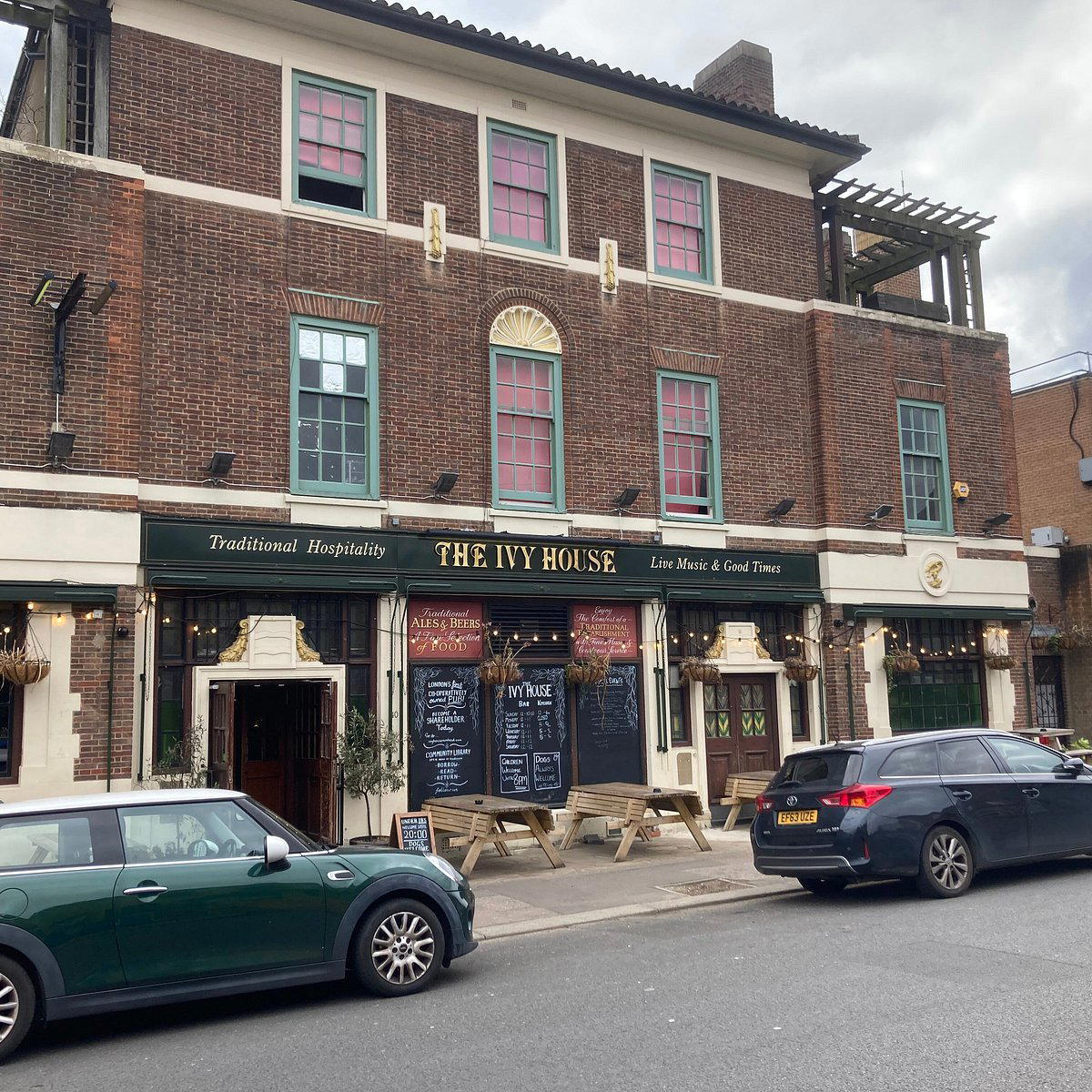
South London's Pub Ownership Experiment, in Practice
Peckham's drinking scene has shifted considerably over the past decade. What was once a neighbourhood defined by off-licences and functional locals has developed a coherent bar and restaurant culture, with Stuart Road sitting near the edge of that expansion. The Ivy House at number 40 occupies a Victorian corner pub building that has become something of a reference point in how London's community asset transfer model actually functions at street level. In a city where most neighbourhood pubs either close or get repositioned upmarket, The Ivy House was purchased by its local community in 2013, making it one of the first community-owned pubs in the United Kingdom. That structure shapes everything about how the place operates, from programming to pricing to the relationship between the bar and the kitchen.
Understanding The Ivy House means placing it correctly against London's wider pub spectrum. At one end, you have the gastropub tier, where kitchen ambition has largely displaced the drinking culture; at the other, the purely functional local, where food is an afterthought. The bar occupies a third position: a pub where the food and drink programme are genuinely integrated, each reinforcing the other, but neither overwhelms the room's identity as a community space. That balance is less common than it sounds, and harder to sustain.
The Food and Drink Relationship
In London's bar and pub context, the food-drink pairing question has become increasingly meaningful. The city's more technically focused cocktail bars, including 69 Colebrooke Row in Islington or A Bar with Shapes For a Name, operate with drinks programmes so precise that food would be a distraction. Pubs at the other end rely on kitchen output to drive evening revenue without much thought for how the two interact. Community-owned venues like The Ivy House tend to resolve this differently: the bar and the kitchen serve the same demographic, so the food programme is designed to complement what people are already drinking rather than to reposition the room.
That approach produces a particular kind of pub food: grounded, seasonal where practical, and calibrated to work alongside draught beer and moderately priced wine rather than against it. Dishes that are too elaborate interrupt the pacing of a pub evening; dishes that are too minimal fail to justify the kitchen's presence. The bar's community ownership model creates a structural incentive to get this right, since the people making those decisions are also the people eating and drinking there. Compared with the more theatrically ambitious bar-food programmes at venues like Academy or the deliberate restraint you find at Amaro, the bar's approach is shaped by a different logic entirely: community accountability rather than critical positioning.
Peckham in the Wider UK Context
South East London's independent pub and bar scene has a regional comparable set worth mapping. Across the UK, venues that have developed strong local identities outside the capital include Bramble in Edinburgh, which built its reputation on a tight drinks focus and word-of-mouth booking culture, and Merchant Hotel in Belfast, where the bar programme sits inside a broader hospitality infrastructure. Further north, Schofield's in Manchester and Mojo Leeds in Leeds represent the kind of city-centre independent that draws on a specific local identity without being parochial about it. The Horseshoe Bar in Glasgow has a different lineage again, rooted in Victorian architecture and a functional drinking culture that pre-dates the current wave of craft and cocktail programming.
The bar sits in that broader UK conversation as an example of a different structural model: community ownership rather than individual proprietorship or investor backing. The comparison matters because ownership structure affects everything from pricing to programming to the pub's ability to survive economic downturns. Most of those peer venues are privately owned and answer to specific commercial pressures. The bar answers to its shareholder community, which creates both constraints and freedoms that a privately run pub does not have.
For context on what London's more coastal and resort-adjacent bar culture looks like, L'Atelier Du Vin in Brighton and Hove offers a useful comparison: a wine and cocktail bar that prioritises drinks knowledge in a leisure-driven market. Further afield, Bar Leather Apron in Honolulu represents the kind of internationally recognised bar programme that community pubs in South London are not competing with and are not trying to. The bar's ambitions are local and intentionally so.
Live Music and the Room
The bar has maintained a live music programme that distinguishes it from most food-led pubs in the area. The main hall, which retains much of its Victorian interior, functions as a performance space for jazz, folk, and acoustic programming that fits the scale of the room rather than fighting against it. This integration of live performance into a pub that also serves food and drink requires a level of scheduling discipline that most community venues struggle to sustain. The fact that bar has maintained it over more than a decade of community ownership is a meaningful operational signal.
Programming a pub room for music also has implications for the food and drink timing. Kitchens that serve into a live-music evening need to understand service windows and how the room changes across them. The bar programme needs to work for a standing crowd during a set and a seated one during a dinner service. These are genuine operational challenges, and how a venue resolves them tells you something about the depth of its food-and-drink thinking.
Planning Your Visit
Address: 40 Stuart Road, London SE15 3BE. Area: Peckham, South East London, accessible via Peckham Rye overground station. Dress: No formal dress code; the room is casual and neighbourhood-facing. Budget: Expect roughly £20 per person. Timing: Live music evenings draw a different crowd than daytime or early-week service; if the food-drink pairing is your primary interest, mid-week evenings tend to offer a quieter room.
Cost and Credentials
Comparable venues nearby, for context on price, style, and recognition.
| Venue | Cuisine | Price | Notes |
|---|---|---|---|
| The Ivy HouseThis venue — the venue you are viewing | Nunhead, pub | $$ | Not listed |
| Il Baretto | Not listed | $$ | Marylebone, wine_bar |
| The Wickham Arms | Brockley, pub | $$ | Not listed |
| Brick Ln | Not listed | $$ | Spitalfields, cocktail_bar |
| The Duke Organic | Islington, pub | $$ | Not listed |
| The Coral Room | Fitzrovia, Bar | Not listed | Not listed |
Continue exploring
More in London
Bars in London
Browse all →
Restaurants in London
Browse all →
Hotels in London
Browse all →


At a Glance
- Lively
- Cozy
- Well Known
- Energetic
- After Work
- Group Outing
- Casual Hangout
- Live Music
- Historic Building
- Lounge Seating
- Classic Cocktails
Current opening hours
- Monday
- 12–11 PM
- Tuesday
- 12–11 PM
- Wednesday
- 12–11 PM
- Thursday
- 12–11 PM
- Friday
- 12 PM–12 AM
- Saturday
- 12 PM–12 AM
- Sunday
- 12–10 PM
Hours can change for holidays and private events. Last verified .
Chilled and lively community atmosphere with dim lighting, part pub, part music hall, fostering a strong local spirit during live performances.