Academy

World's 50 Best #10
Its placement in that era's global rankings puts it alongside a cohort of London bars that helped define the city's serious cocktail identity before the current wave of technically-led programmes took hold.

Pearl is the En Primeur Club membership app, where members save venues, book tables and use the concierge.
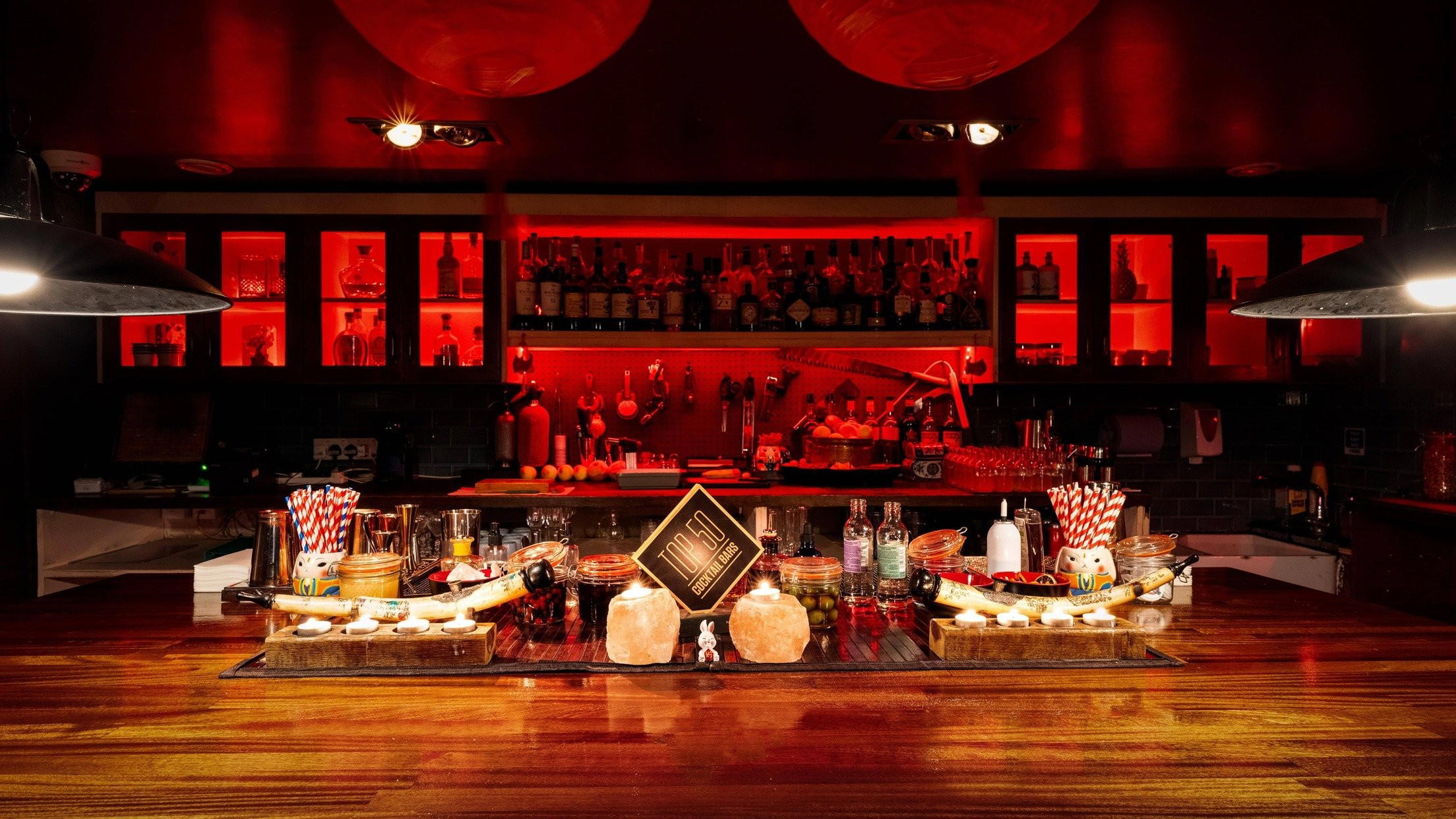
Bloomsbury's Quiet Authority
Gower Street is not where you go looking for cocktail bars. The street runs through the academic heart of London, flanked by UCL buildings and Georgian terraces, with foot traffic that skews toward students and hospital workers rather than the late-night circuit of Soho or Shoreditch. That Academy operates here, and reached number 10 on the World's 50 Best Bars list in 2010, says something about how seriously the bar was taken at the time, and about the kind of drinker it attracted. Bars that place in that ranking from a residential-academic postcode are not doing so on passing trade. They earn it on reputation and repeat visits from people who know what they want.
The 2010 ranking places Academy in a specific and now historically significant moment for London's bar scene. That period, roughly 2008 to 2013, is when the city consolidated its position as one of the defining cocktail capitals outside of New York. Bars like 69 Colebrooke Row and Nightjar were building programmes that prioritised technical rigour and original thinking over the template-driven menus that had dominated the early 2000s. Academy sat inside that same movement, with a WC1E address that kept it deliberately apart from the more theatrical end of the scene.
What the 50 Best Ranking Actually Signals
A top-ten placement on the World's 50 Best Bars list carries specific weight when you understand how the list works. It is compiled through industry peer voting, which means other bartenders and bar professionals are the primary judges. A bar does not reach that position through marketing spend or venue design alone. It reaches it because working professionals in the same field consider it credible, technically sound, and worth recommending to peers. For Academy to hold that position in 2010, from a Bloomsbury address without the obvious advantages of a high-footfall location or hotel-backed infrastructure, indicates a drinks programme that commanded genuine respect inside the trade.
Across the United Kingdom, a handful of bars have achieved comparable recognition in that era and since. Bramble in Edinburgh, Merchant Hotel in Belfast, and Schofield's in Manchester each represent their cities with the same kind of programme-led seriousness. Academy belongs to that national cohort, the bars that built London's case, alongside cities across the UK, for a cocktail culture that could compete with the established centres of New York and Tokyo.
Menu Architecture and What It Reveals
The editorial angle on any bar at this level is the menu, not as a list of drinks, but as a document of intent. Bars that reach the leading ten of a global ranking in the pre-social-media era did so through menus structured around clear thinking: a coherent approach to spirit selection, seasonal modification, and balance between classics and house originals. The menu functions as the primary argument the bar makes to the drinker. It tells you where the programme sits philosophically, whether it is technique-first, spirit-led, seasonally anchored, or conceptually organised around a narrative.
Academy's positioning in the 50 Best list at number 10 suggests its menu in that period made a coherent argument. Bars that reach that tier without a theatrical hook or a famous-name chef behind the pass tend to rely on the quality of their drinks thinking above all else. The Bloomsbury address reinforces this: without the theatre of a speakeasy entrance or a nightclub infrastructure, the drinks have to carry the room. That is a harder brief to execute, and its execution is what the ranking reflects.
Comparison bars in London's current scene each make different structural arguments through their menus. A Bar with Shapes For a Name organises its programme around a formalist precision that has earned it sustained attention. Amaro builds its case through a specific category focus. American Bar at the Savoy anchors its authority in historical continuity. Academy's historical positioning fits a fourth model: the neighbourhood specialist that earns its place through expertise rather than concept or location.
London's Cocktail Scene in Context
London's bar scene has changed significantly since 2010. The city has moved through the speakeasy phase, the Japanese-influenced technique phase, and into its current period, which is more pluralist: sustainability-focused programmes sit alongside high-extraction spirit work, zero-proof menus, and a renewed interest in wine-adjacent formats. The 50 Best list itself has expanded and evolved, and the bars now reaching its upper tier are responding to a more globally informed drinker with broader points of reference.
Academy's 2010 placement should be read against that context. It was part of a cohort that helped establish the expectations now taken for granted: fresh juice, house-made syrups, bartenders who can discuss spirit provenance, menus that change with reason rather than at random. Those standards have since become the baseline across London and in serious bar programmes across the country, from Horseshoe Bar Glasgow to Mojo Leeds and further afield to L'Atelier Du Vin in Brighton. The bars that built those standards in London between 2008 and 2012 are the reference points from which the current scene is measured.
It is not the score of a bar operating at the apex of current competition, but it is a consistent, positive signal across a substantial number of visits. Bars that hold a 4.1 at volume are generally doing the fundamentals reliably: service that does not frustrate, drinks that meet expectations, a room that does not actively work against the experience.
For a broader read on where Academy fits within London's drinking and dining options, the full London guide maps the current scene across neighbourhoods and formats.
Know Before You Go
- Address: 21 Gower St, London WC1E 6HG
- Recognition: World's 50 Best Bars #10 (2010)
- Booking: Contact details not currently listed, check the venue directly before visiting
- Getting There: Gower Street is a short walk from Euston Square, Russell Square, and Goodge Street stations
- Price Range: Not confirmed in, budget as you would for a London cocktail bar with serious programme credentials
Standing Among Peers
Comparable venues nearby, for context on price, style, and recognition.
| Venue | Cuisine | Price | Awards | Notes |
|---|---|---|---|---|
| AcademyThis venue (the venue you are viewing) | hotel_bar | Not listed | World's 50 Best #10 | Not listed |
| Oriole | speakeasy | $50–100 | World's 50 Best #17 · Top 500 Bars Best Bars #92 | Covent Garden |
| Scarfes Bar | Cocktail Bar | Not listed | World's 50 Best #47 · Top 500 Bars Best Bars #21 | Lincoln's Inn |
| Bar Termini | cocktail_bar | $20–30 | World's 50 Best #6 · Falstaff Bar - 93 Falstaff Points | Soho |
| 69 Colebrooke Row | speakeasy | $20–30 | World's 50 Best #41 | Angel |
| Dandelyan | Bar | Not listed | World's 50 Best #1 | Bankside |
Recognition history
Dated appearances from independent guides and award organizations, with the underlying list record or original source where available.
World's 50 Best Bars #10
World's 50 Best
Continue exploring
More in London
Bars in London
All bars in London →
Restaurants in London
All restaurants in London →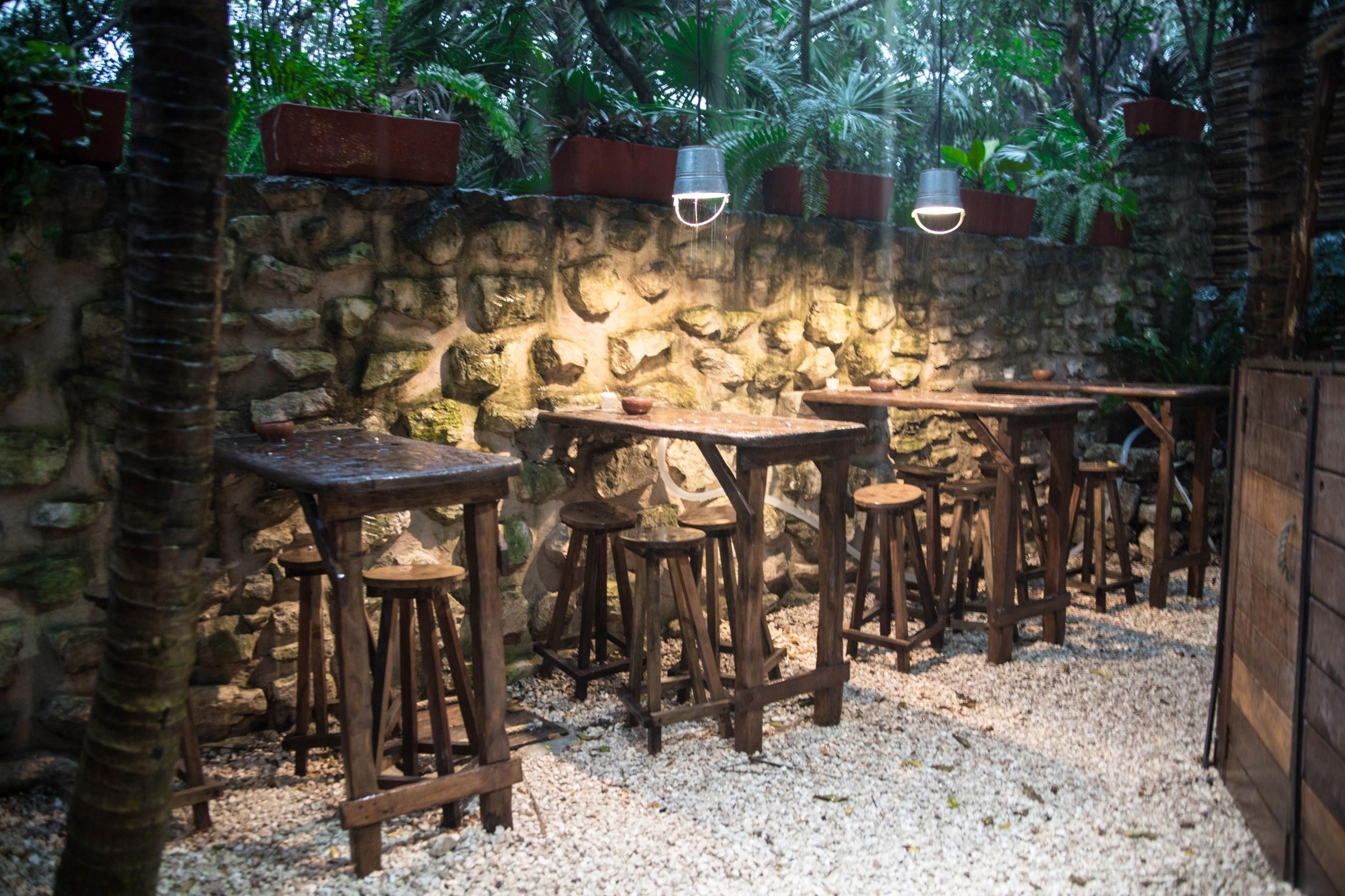



Details
- Elegant
- Cozy
- Intimate
- Sophisticated
- Casual Hangout
- Date Night
- Courtyard
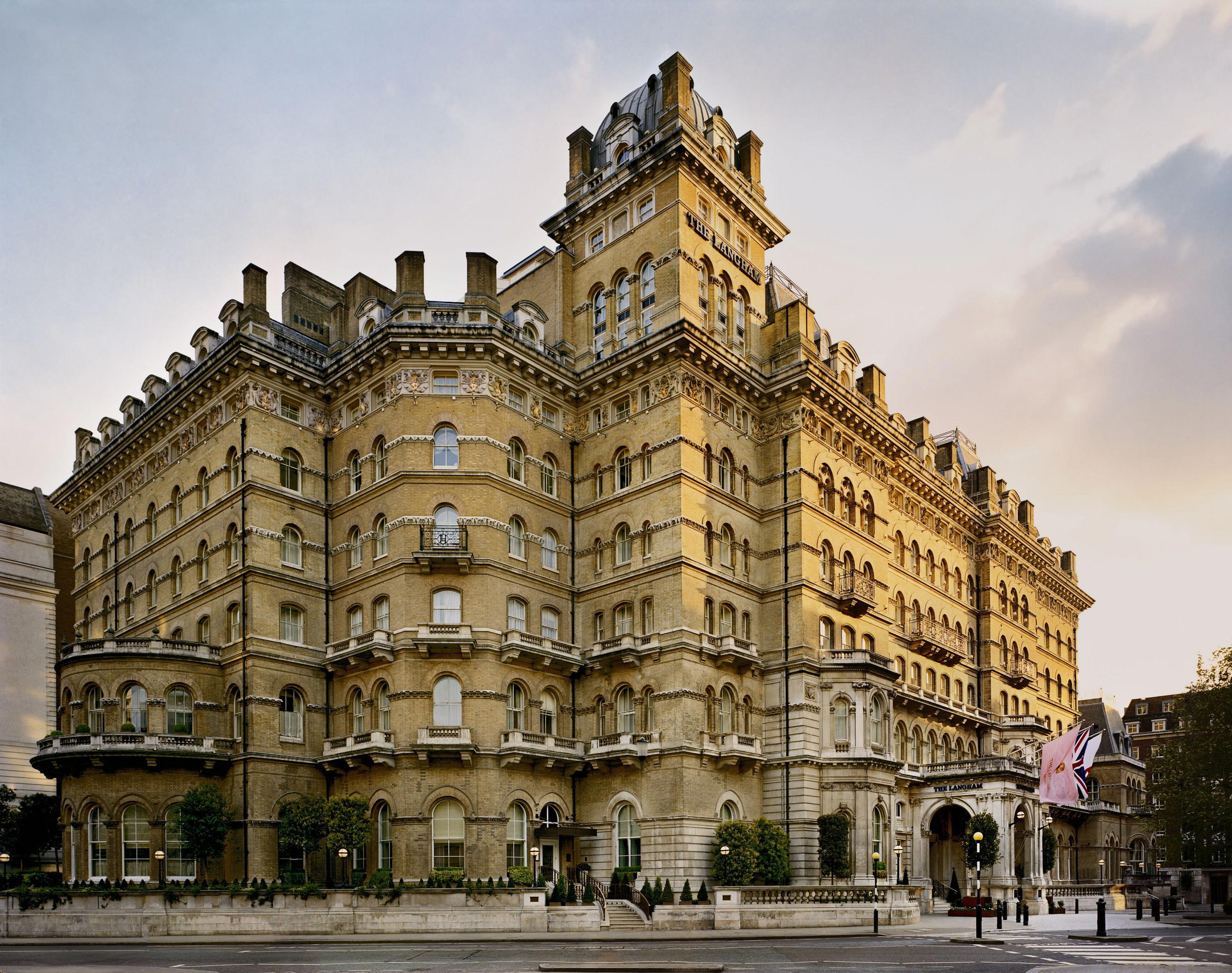
- Historic Building
- Lounge Seating
- Outdoor Terrace
- Classic Cocktails
- Garden
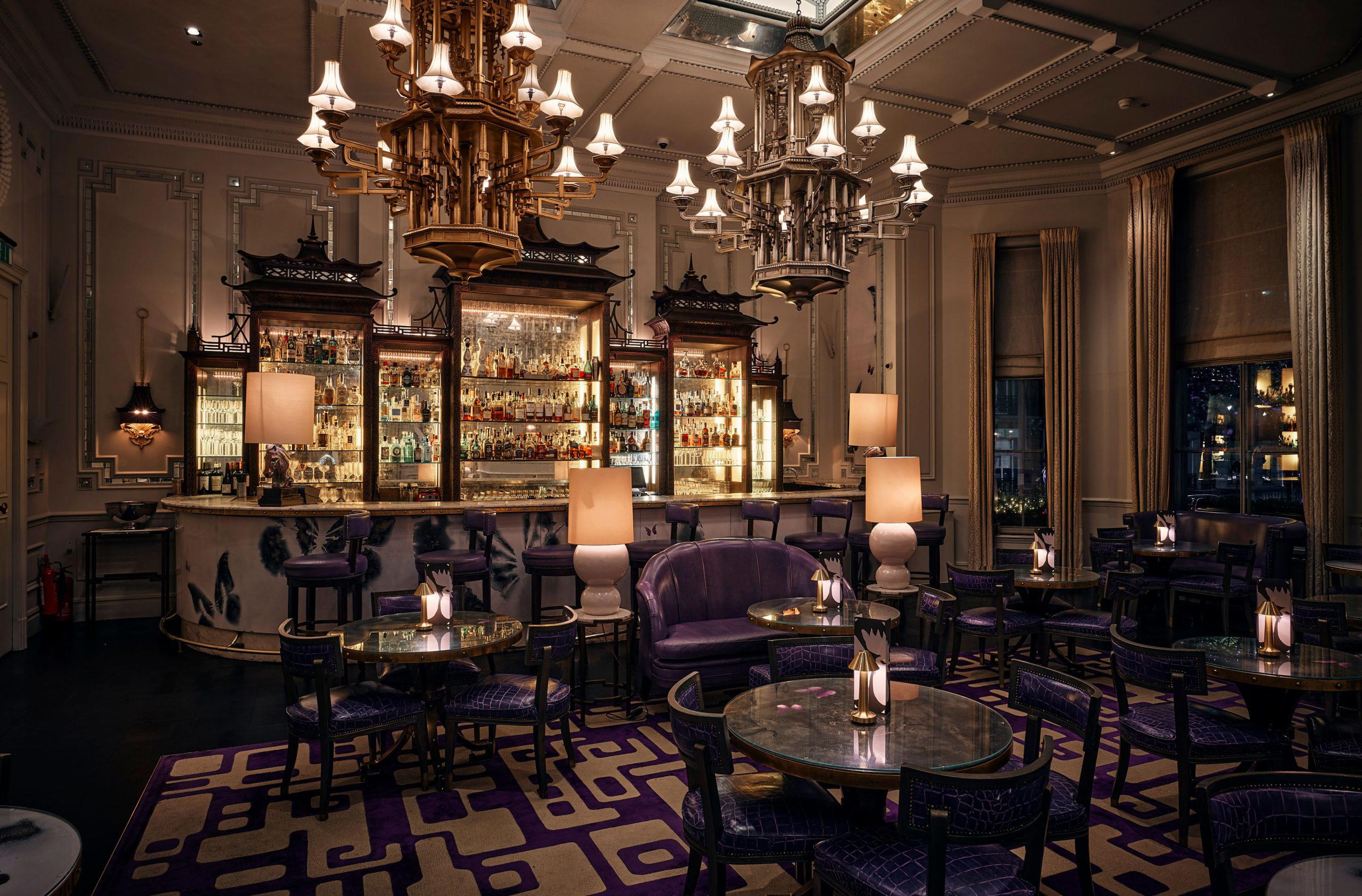
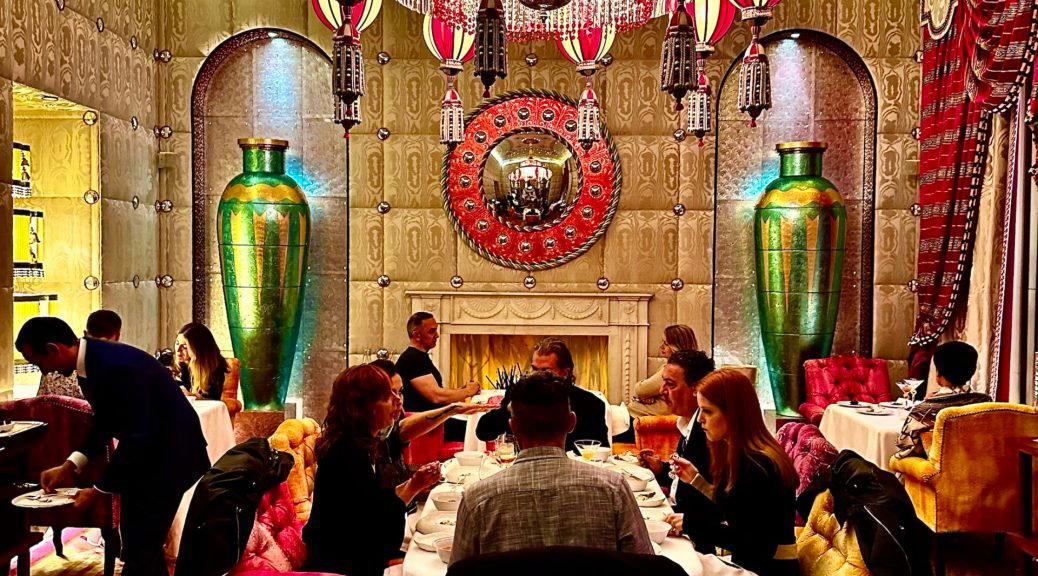
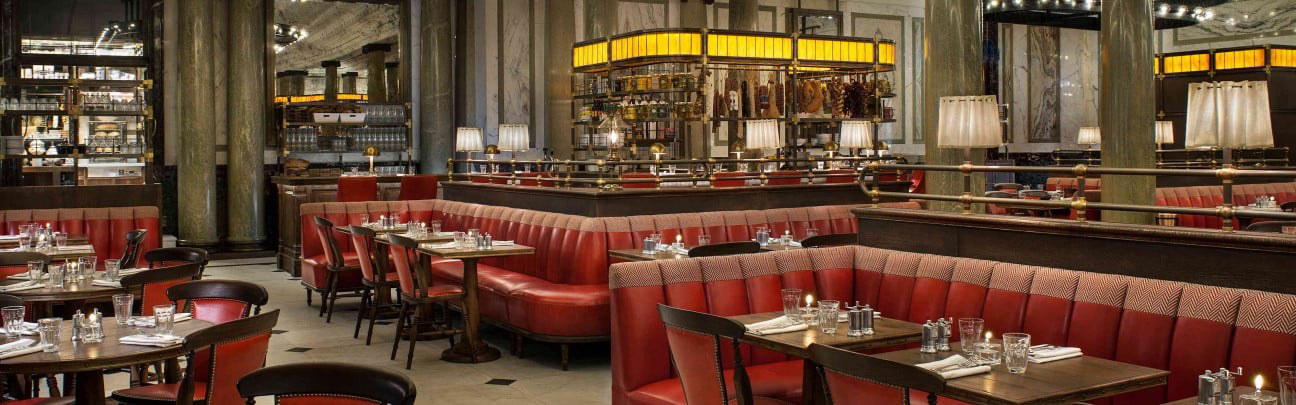
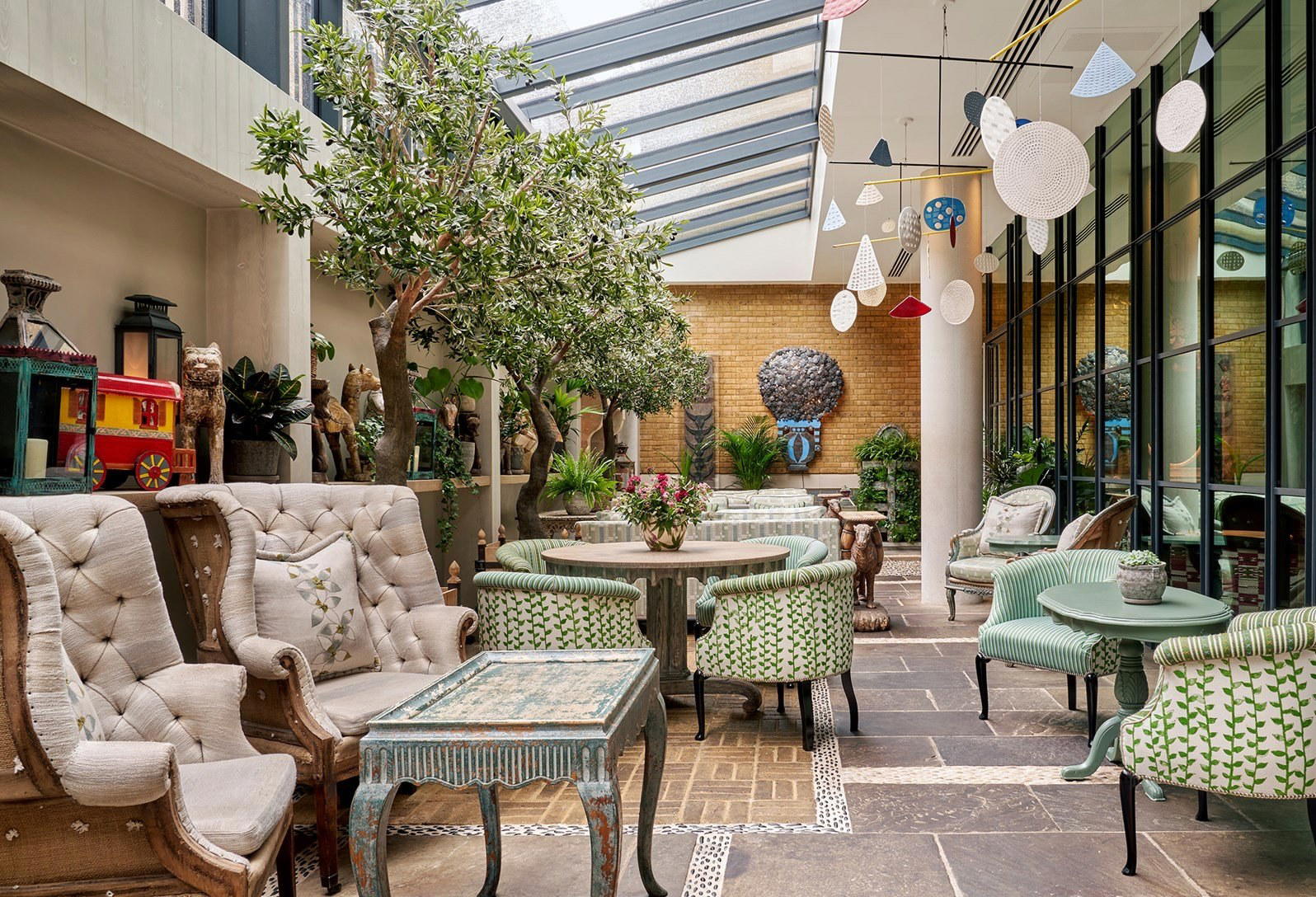
Cozy and elegant with tasteful decor, low lighting in some rooms, and a tranquil garden oasis praised for its calm atmosphere.