The Coral Room
The Coral Room occupies a distinctive position in London's Bloomsbury bar scene, where the neighbourhood's literary and museum-adjacent character sets the tone for a drinks program designed around considered structure rather than theatrical excess. Located steps from the British Museum on Great Russell Street, it draws a crowd that skews knowledgeable and unhurried. A useful anchor point for the area's more serious cocktail offerings.
Pearl is the En Primeur Club membership app — saves, bookings, and concierge access live there. Same editors, same standards.
- Address
- 16-22 Great Russell St, London WC1B 3NN, United Kingdom
- Phone
- +44 20 7347 1221
- Website
- thecoralroom.co.uk
- Directions
- Get directions
 Saves & bookings on Pearl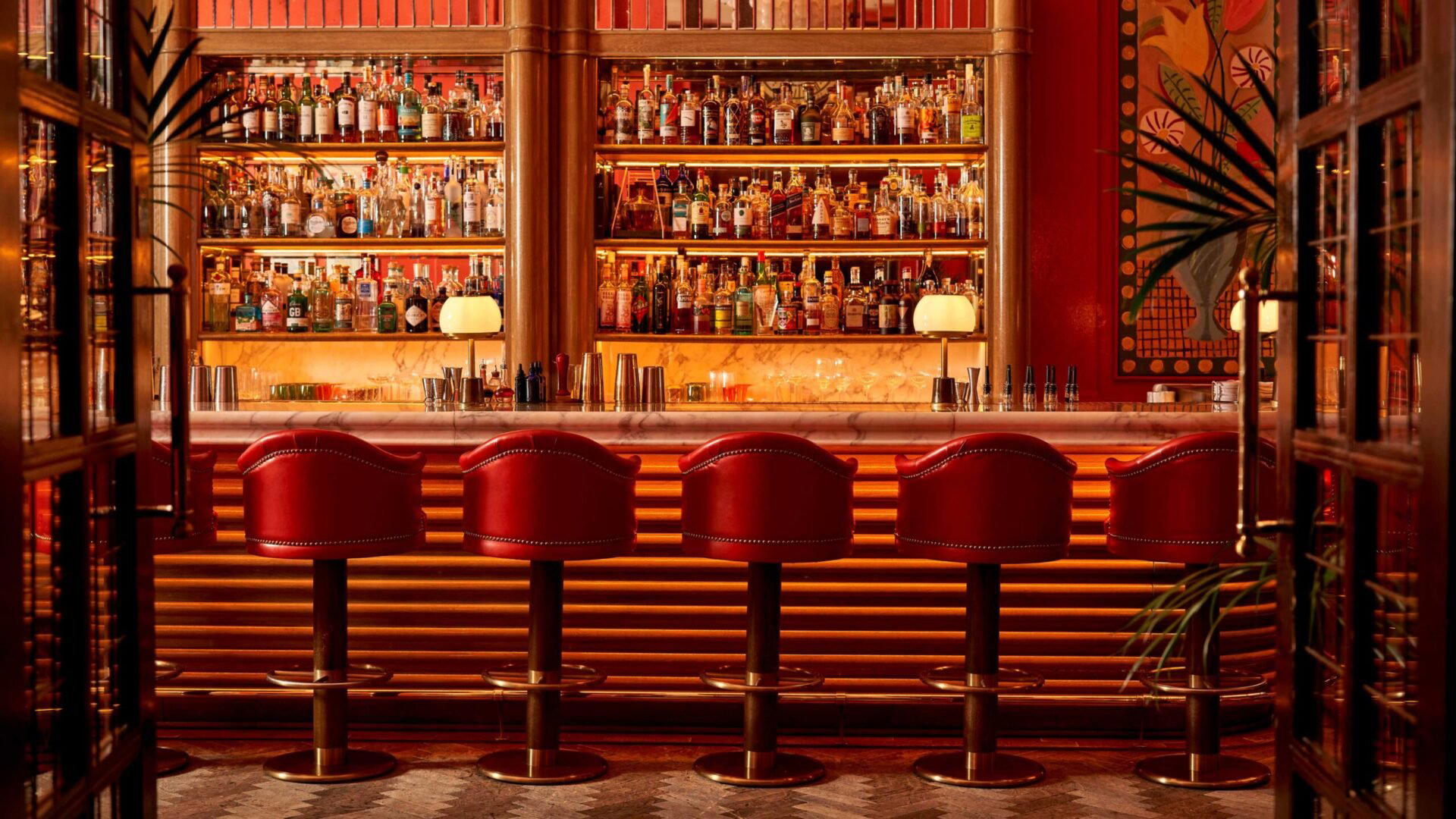
Bloomsbury's Quieter Register
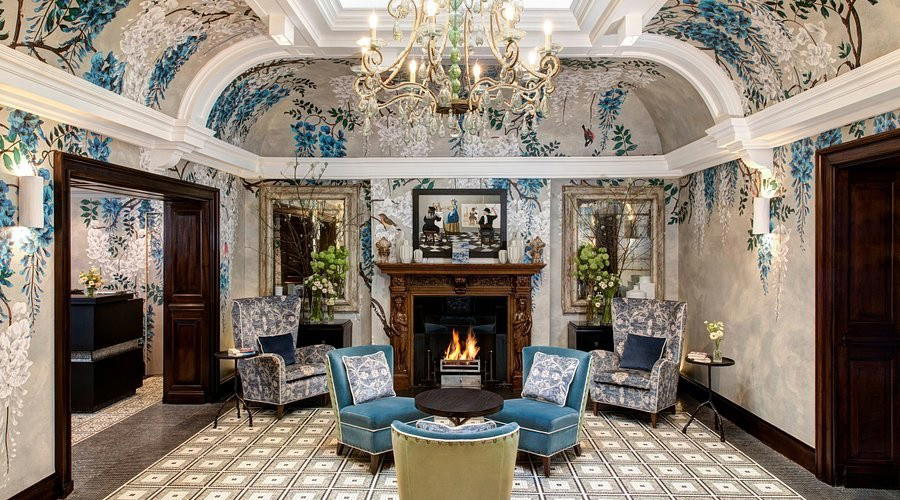
London's cocktail geography has always had a north-south tension. Soho and Mayfair generate the headlines, the award nominations, and the queues. Bloomsbury operates differently. The neighbourhood around Great Russell Street runs on a slower, more considered rhythm: museum-goers, academics, lawyers from the Inns of Court, and hotel guests who chose the area because they wanted proximity to institutions. The Coral Room, at 16-22 Great Russell St, sits inside that register. The physical environment signals restraint before the menu arrives: coral tones, architectural detailing, and the kind of proportioned quietness that makes conversation possible without effort. In a city where bar design frequently prioritises visual drama over acoustic livability, that choice is a meaningful one.
What the Menu Structure Reveals
Bar menus are, in many ways, position statements. A list that opens with spritzes and closes with dessert cocktails is telling you one thing; a list built around technique categories, ingredient sourcing, or flavour architecture is telling you another. London's more considered bars have shifted toward the latter model over the past decade, influenced partly by the template established by venues like 69 Colebrooke Row, which built its reputation on a laboratory-style approach to flavour development, and partly by a broader shift in drinker expectations. Guests who arrive with a framework now expect the menu to make its point quickly. The leading menus meet that expectation.
At The Coral Room, the menu architecture reflects its Bloomsbury position: it is neither the maximalist creativity you find at A Bar with Shapes for a Name nor the deliberately populist range of a hotel lobby bar chasing broad coverage. The structure suggests a bar where the ambition is legibility and craft rather than surprise for its own sake. Classic formats appear with purpose; contemporary builds sit alongside them without attempting to overwhelm. This is a menu designed for repeated visits rather than single-occasion novelty.
The Bloomsbury Bar Context
Understanding where The Coral Room sits requires mapping the competitive territory around it. London's recognised bar programme leaders, including venues that have accumulated Academy-level recognition, operate with different imperatives than neighbourhood-anchored hotel bars. The former need to justify destination travel; the latter need to serve a more varied, less specialist audience while still offering enough depth to retain the interest of serious drinkers who happen to be nearby.
Bloomsbury's bar scene is not especially dense. The area is better served for hotels than for standalone drinking establishments, which makes the bar one of the more coherent options for guests staying in the neighbourhood or arriving from the British Museum's evening programming. This relative scarcity creates both an advantage and a standard to meet: there is no nearby peer pulling the area's serious drinkers elsewhere, but that also means the bar cannot rely on a rising tide to lift its profile. It has to earn its audience on the merit of the experience itself.
Comparable exercises in positioning bars within hotel or neighbourhood contexts are visible elsewhere across the UK. Merchant Hotel in Belfast demonstrates what a hotel bar operating at genuine destination level looks like in a smaller market. Schofield's in Manchester shows how a standalone cocktail bar can define a neighbourhood's drinking identity almost unilaterally. Bramble in Edinburgh has spent years building the kind of word-of-mouth credibility that transforms a basement room into a reference point. Each example reflects a different relationship between venue and place; the bar's relationship with Bloomsbury is still developing its own version of that story.
Drinks and the Role of Restraint
London's cocktail conversation has moved on from the early 2010s fascination with hidden-room theatre and elaborate garnish. The bars that have retained critical attention, including Amaro and the more technically focused venues in the east of the city, are those that let the liquid do the work. Restraint in presentation, precision in balance, and a clear point of view on what a given category of drink should taste like: these are the metrics that matter now to the audience that tracks this scene.
That shift is reflected in how bars elsewhere in the UK and further afield have positioned themselves. Horseshoe Bar Glasgow has its own version of considered straightforwardness rooted in its history. Mojo Leeds operates with a different energy but a similarly clear identity. Even at distance, Bar Leather Apron in Honolulu and L'Atelier Du Vin in Brighton demonstrate that the leading bars in any city or market are those with legible identities rather than diffuse ambition.
Planning Your Visit
The bar's address at 16-22 Great Russell Street places it within easy reach of Tottenham Court Road and Holborn stations. The neighbourhood is quieter in the evenings than Soho or Covent Garden, which has direct implications for the bar's atmosphere: expect conversation rather than competition with a sound system.
Reservations: Booking ahead is advisable for evening visits, particularly on weekends. Dress: Smart casual is the appropriate register for the neighbourhood and setting.
A Pricing-First Comparison
Comparable venues nearby, for context on price, style, and recognition.
| Venue | Cuisine | Price | Notes |
|---|---|---|---|
| The Coral RoomThis venue — the venue you are viewing | Fitzrovia, Bar | Not listed | Not listed |
| Speedboat Bar | Not listed | $$ | Soho, tiki_bar |
| Aline Lebanese Kitchen | Mayfair, lounge | $$ | Not listed |
| Vermuteria | Not listed | $$ | King's Cross, wine_bar |
| Tapas Brindisa Battersea | Not listed | $$ | Nine Elms, wine_bar |
| Vinoteca City | Not listed | $$ | Cheapside, wine_bar |
Continue exploring
More in London
Bars in London
Browse all →
Restaurants in London
Browse all →
Hotels in London
Browse all →


At a Glance
- Elegant
- Sophisticated
- Ornate
- Lively
- Well Known
- Date Night
- After Work
- Celebration
- Special Occasion
- Private Event
- Hotel Bar
- Design Destination
- Seated Bar
- Lounge Seating
- Private Rooms
- Craft Cocktails
- Classic Cocktails
- Conventional Wine
Current opening hours
- Monday
- 9 AM–11 PM
- Tuesday
- 9 AM–11 PM
- Wednesday
- 9 AM–11 PM
- Thursday
- 9 AM–11 PM
- Friday
- 9 AM–12 AM
- Saturday
- 9 AM–12 AM
- Sunday
- 9 AM–11 PM
Hours can change for holidays and private events. Last verified .
Stylish and polished, with warm coral tones, bold Art Deco design, glamorous salon-like scale, and a relaxed central London hotel-bar feel.