Brick Ln
Brick Lane is the geographic and cultural anchor of East London's Bangladeshi community, a street where curry houses have operated for decades and where the city's relationship with South Asian cooking is most legibly written. The strip runs from Bethnal Green Road south toward Whitechapel, and the density of restaurants along it tells a story about migration, commercial adaptation, and the evolving appetite of a city that absorbed those influences and made them its own.
Pearl is the En Primeur Club membership app — saves, bookings, and concierge access live there. Same editors, same standards.
- Address
- London, UK
- Phone
- +44 20 7033 9072
- Directions
- Get directions
 Saves & bookings on Pearl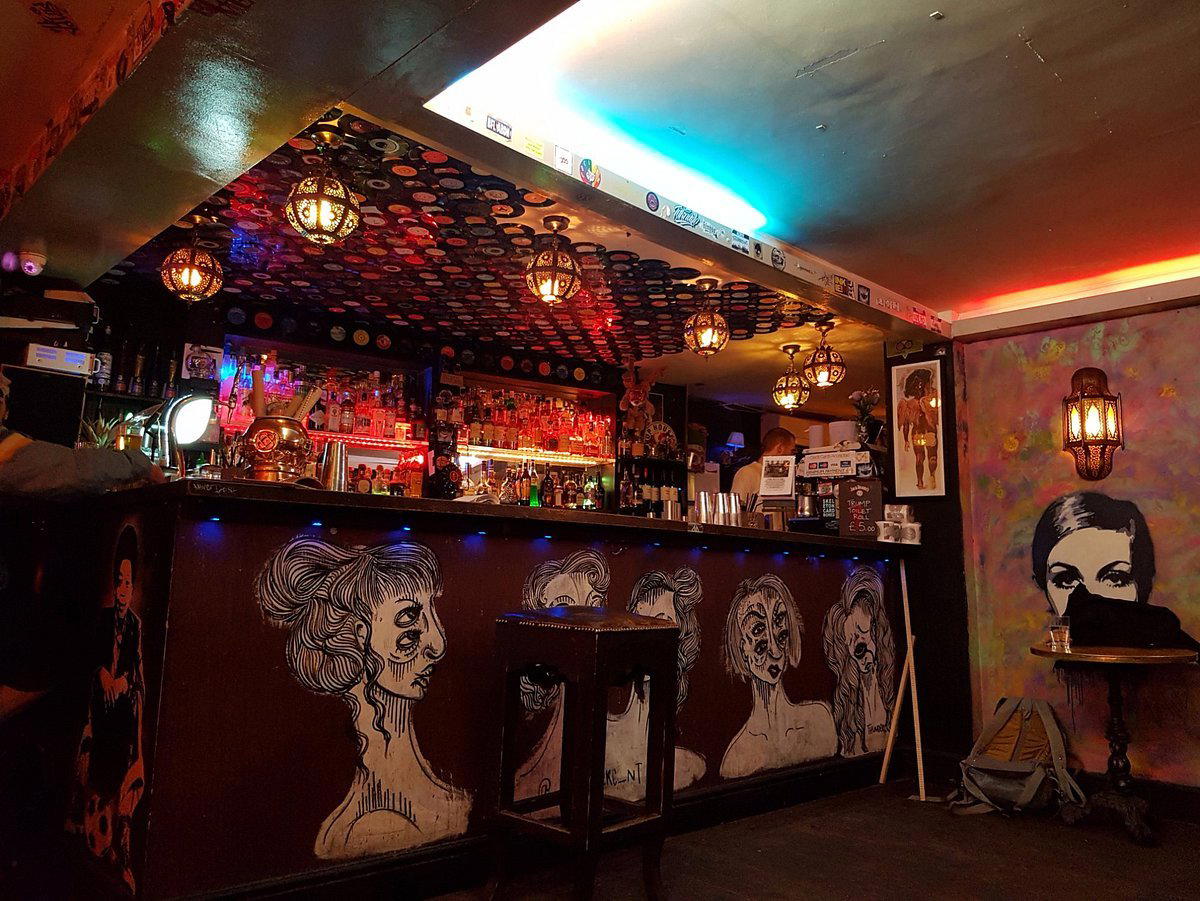
The Street as Menu
There is a particular kind of street-level culinary document that only dense, long-established migrant dining corridors produce. Brick Lane, running through Whitechapel and Spitalfields in East London, is one of the clearest examples in any European city. The strip has functioned as the commercial centre of London's Bangladeshi community since the 1970s, and the concentration of curry houses along it represents not simply a cluster of restaurants but a readable archive of how a cuisine travels, adapts, and eventually becomes part of a city's own identity. Walking the street from the junction with Bethnal Green Road southward, the menu architecture shifts subtly from block to block: the northern end denser with traditional Sylheti cooking styles, the southern stretch edging toward the kind of adapted subcontinental fare that London absorbed wholesale in the late twentieth century.
That arc matters. The British curry house format, developed by Bangladeshi restaurateurs across the UK from the 1960s onward, is itself a menu invention: balti dishes, chicken tikka masala, the standardised heat-scale from korma to vindaloo. Brick Lane's restaurants did not create that format, but they carried it, replicated it, and in doing so became the street most closely associated with it in the public imagination. Whether that association serves or limits the street now is one of the more interesting tensions in London's current dining conversation.
How the Menu Has Evolved
Brick Lane shows what the collective menu reveals about the state of South Asian cooking in London. For most of the 1990s and 2000s, the street operated at a broadly similar register: competitive pricing, long menus covering familiar subcontinental staples, aggressive touting at the door. That model worked commercially while London's appetite for curry-house dining was at peak volume.
London's South Asian dining scene has, in the past decade, fractured into distinct tiers. At the leading end, restaurants in Mayfair and the City have repositioned subcontinental cooking as fine-dining material, with tasting menus, premium wine lists, and the kind of sourcing language borrowed from the broader London restaurant conversation. That upper tier now pulls critics and serious diners away from the geographic clusters that defined South Asian food in London for two generations. Brick Lane, by contrast, operates largely in a mid-market register, which is neither a failing nor a virtue in itself, but it does mean the street reads differently depending on what you bring to it. For someone who grew up eating on this stretch, the consistency of the format is the point. For a visitor arriving from elsewhere in the London restaurant world, the street can feel like a preserved model rather than a live one.
What the Street Still Does Well
Volume and value remain the honest case for Brick Lane. The density of options along a single stretch means comparison shopping happens in real time: you can assess menus, scan dining rooms, and make a decision based on immediate evidence rather than advance booking intelligence. Most restaurants here do not require reservations for groups under six, and the majority operate across lunch and dinner without split-service gaps, which makes the street genuinely useful for unplanned meals or for groups with divergent timing. That logistical flexibility is rarer than it sounds in a city where the premium end of dining increasingly demands forward planning of several weeks.
The cooking itself, at its most direct, covers the Bangladeshi home-cooking tradition that underpins the curry house format: lentil-based dals, slow-cooked meat preparations, rice dishes with strong spice structure. The gap between what arrives at the table and what that tradition looks like in a domestic Sylheti kitchen remains wide in most restaurants on the strip, but that gap is narrower here than in many curry house clusters because the community itself still lives and works nearby. That proximity has a stabilising effect on certain baseline preparations.
The Broader London Bar and Drink Context
Brick Lane itself is not a bar destination in the way that nearby Shoreditch or Dalston has become. The street's evening economy is dominated by restaurant trade, with independent bars and late-night venues concentrated on the parallel streets to the west. London's serious cocktail circuit runs through Islington venues like 69 Colebrooke Row and through Shoreditch addresses like A Bar with Shapes For a Name, Academy, and Amaro, all operating in a more technically focused register than anything currently on the Lane itself. If you are building an East London evening around drinking first and eating second, the sequencing matters: the cocktail destinations cluster west of Brick Lane, and the street itself is better treated as the dining anchor.
For comparison, the UK's bar and restaurant corridor tradition extends well beyond London. Bramble in Edinburgh, Merchant Hotel in Belfast, Mojo Leeds, Schofield's in Manchester, and Horseshoe Bar in Glasgow each represent their city's drinking culture in a way that Brick Lane does not quite parallel for London. The Lane is more legible as a dining street with cultural weight than as a destination bar strip. Further afield, L'Atelier Du Vin in Brighton and Bar Leather Apron in Honolulu show how different cities develop their own specialist drink destinations outside traditional metropolis circuits.
Planning a Visit
Brick Lane rewards visits that treat it as a street to read rather than a single destination to book. Sunday is the heaviest foot-traffic day, when the Brick Lane Market operates alongside the restaurants and the surrounding streets fill with the combined draw of vintage clothing, food stalls, and bagel shops. Weekday lunches are significantly quieter and offer direct access to the cooking without the ambient pressure of a busy street. Most restaurants on the strip are unlicensed or operate with limited wine lists; bringing your own bottle (with a corkage fee) is accepted at a number of addresses, though confirming this in advance is worth the effort.
| Venue Type | Booking Lead Time | Price Register | Leading For |
|---|---|---|---|
| Brick Lane curry houses | Walk-in friendly | Mid-market (about £20/head) | Unplanned group dining, value |
Standing Among Peers
Comparable venues nearby, for context on price, style, and recognition.
| Venue | Cuisine | Price | Notes |
|---|---|---|---|
| Brick LnThis venue — the venue you are viewing | cocktail_bar | $$ | Not listed |
| The Tamil Prince | pub | $$ | Barnsbury |
| Vermuteria | wine_bar | $$ | King's Cross |
| The Winemakers Club | wine_bar | $$ | Smithfield |
| The Laughing Heart | wine_bar | $$ | Haggerston |
| The Drapers Arms | pub | $$ | Barnsbury |
Continue exploring
More in London
Bars in London
Browse all →
Restaurants in London
Browse all →
Hotels in London
Browse all →


At a Glance
- Lively
- Trendy
- After Work
- Late Night
- Group Outing
- Casual Hangout
- Standalone
- Lounge Seating
- Outdoor Terrace
- Booth Seating
- Craft Cocktails
- Zero Proof
Lively and eclectic atmosphere with colorful decor, brick-vaulted ceilings, and lively music from soul to hip-hop under skylights and in heated gardens.