Horseshoe Bar Glasgow
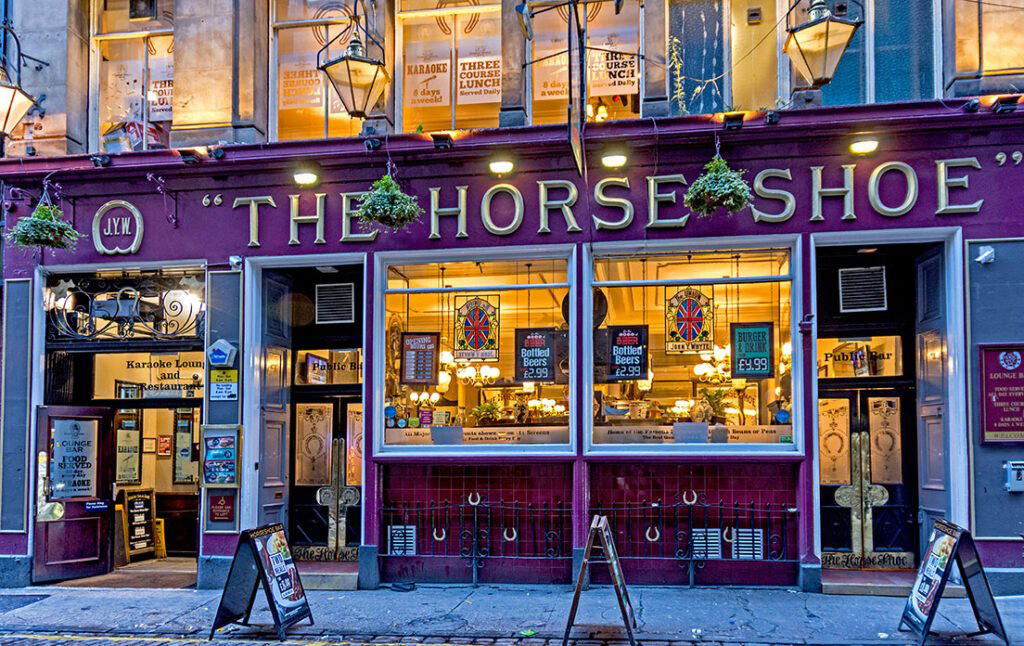
The Horseshoe Bar on Drury Street is one of Glasgow's most enduring city-centre pubs, known for its Victorian horseshoe-shaped bar counter, long-poured pints, and a democratic atmosphere that has made it a fixture of Scottish pub culture for well over a century. It sits at the affordable end of the city's drinking spectrum, drawing a cross-section of locals, workers, and curious visitors alike.

Pearl is the En Primeur Club membership app — saves, bookings, and concierge access live there. Same editors, same standards.
The Long Bar and What It Signals
Victorian pub architecture in British cities survives in pockets, and Glasgow holds more of it than most. The Horseshoe Bar on Drury Street, just off Renfield Street in the city centre, is one of the clearest examples: a continuous horseshoe-shaped bar counter that dates to the late nineteenth century and remains one of the longest in the United Kingdom. That counter is not incidental detail. In a city where pub culture has historically centred on the communal act of drinking rather than table service or curated atmosphere, the layout of a room tells you something about its values. Here, the bar is the room. You are never far from a pint being poured.
Glasgow's drinking culture has split over the past two decades in ways that mirror broader UK trends. Craft beer bars, natural wine lists, and technically ambitious cocktail programmes have multiplied across the West End and the Merchant City. Venues like 182 Queen Margaret Dr and 39 Ashton Ln represent a different register of the city's bar scene entirely. Against that backdrop, the Horseshoe holds its position without adjustment.
What Gets Ordered and Why It Works
The drinks programme at the Horseshoe is not built around technique or provenance signalling. Scottish real ales and draught lagers do most of the work, alongside a whisky selection that reflects the bar's age and its position as a city-centre institution with a largely local clientele. The logic of the offer is consistency and volume: drinkers return because the pint they get on a Tuesday evening matches the one they got six months ago. That kind of reliability is, in its own way, a form of quality control.
Whisky is the more interesting thread to pull. Scotland's relationship with whisky has shifted considerably in recent decades, with single malts from smaller distilleries now carrying the kind of cachet that blends once monopolised. A historic Glasgow pub of this era would have been whisky-forward by default, serving blends to working drinkers rather than positioning itself around rare casks. Whether the current selection leans into that heritage or has updated its range is a question leading answered by visiting rather than assumed from the address. What can be said with confidence is that the geographic and cultural context places whisky at the centre of any honest account of what drinking in this room means.
The bar operates at the accessible end of Glasgow's price spectrum. In a city where cocktail bars in the Merchant City or along Great Western Road can charge London-adjacent prices, the Horseshoe's offer is calibrated for frequency rather than occasion. That positioning has kept it relevant across economic cycles in ways that more aspirational venues have not always managed.
The Horseshoe in Glasgow's Wider Bar Conversation
To understand what the Horseshoe represents, it helps to look at the British Isles bar scene more broadly. The conversation around cocktail craft has matured significantly, with programmes at places like 69 Colebrooke Row in London and Bramble in Edinburgh setting a benchmark for technique-led drinking. In Belfast, the Merchant Hotel has made Victorian grandeur the setting for a serious cocktail list. Further south, Schofield's in Manchester and Mojo Leeds represent cities building genuine drinking culture around craft and provenance. Even internationally, bars like Bar Leather Apron in Honolulu and L'Atelier Du Vin in Brighton have made technical ambition the centre of their identity.
The Horseshoe is not in competition with any of those venues, and that distinction matters. The pub's longevity rests on a different set of qualities: architectural integrity, social accessibility, and the kind of institutional familiarity that craft venues cannot manufacture. When Glasgow's food and drink coverage focuses on the new and the ambitious, as it increasingly does, the Horseshoe functions as a counterweight. It is the room that reminds you what a pub was built to do before the word became complicated.
Glasgow's broader food and drink scene has enough range that a visitor can move between registers in a single evening. A meal at Gamba, a cocktail at the Carlton George Hotel, and a pint at the Horseshoe is a plausible itinerary that covers the city's range without forcing any false equivalence between them. For a fuller picture of how the pieces fit together, the EP Club Glasgow guide maps the city's drinking and dining scene across neighbourhoods and price tiers.
Planning a Visit
The Horseshoe Bar sits at 17-19 Drury Street, Glasgow G2 5AE, a short walk from Central Station and the main retail corridor along Buchanan Street. Afternoons tend to be quieter; evenings and weekend lunchtimes bring a fuller room. The listed Victorian interior is worth arriving early enough to appreciate at a pace the evening crowd will not always permit.
Side-by-Side Snapshot
| Venue | Cuisine | Price | Awards |
|---|---|---|---|
| Horseshoe Bar GlasgowThis venue (the venue you are viewing) | This venue | $10–20 | Not listed |
| The Absent Ear | Not listed | $20–30 | Top 500 Bars Best Bars #418 |
| The Loveable Rogue West End | Not listed | Not listed | The Good Food Guide GFG Good |
| Òran Mór | Not listed | $20–30 | Not listed |
Continue exploring
More in Glasgow
Bars in Glasgow
All bars in Glasgow →
Restaurants in Glasgow
All restaurants in Glasgow →
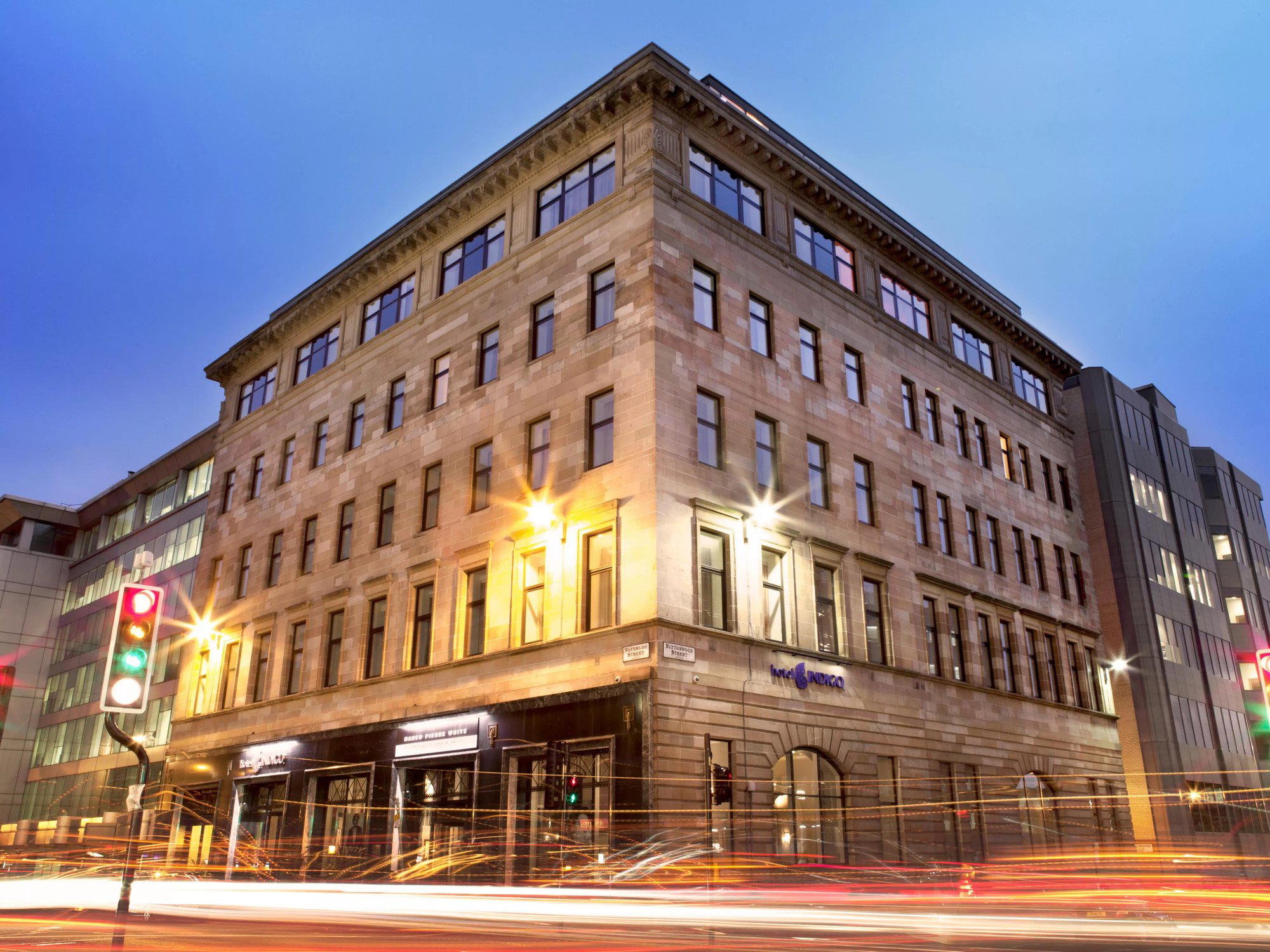
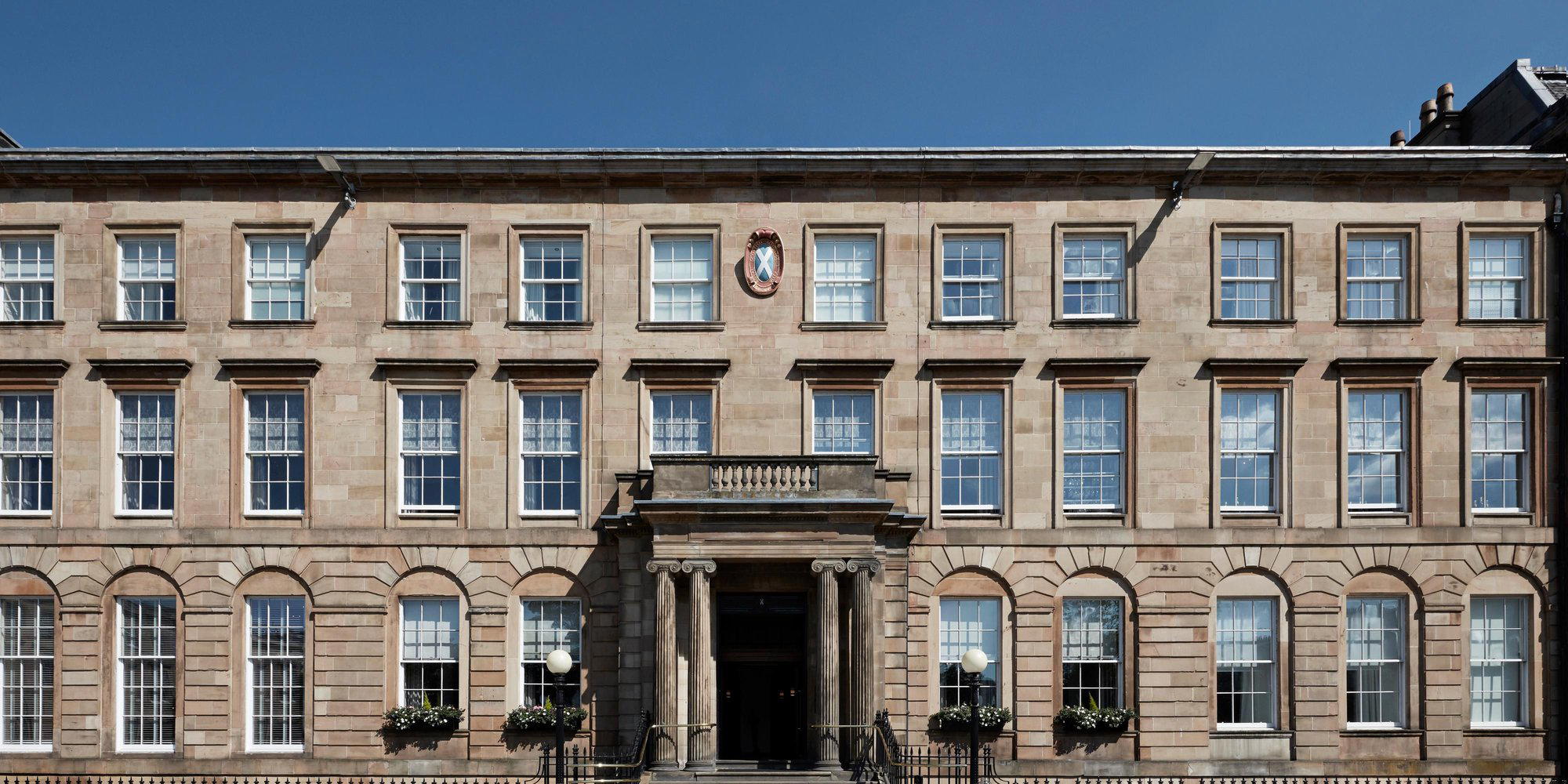
Hotels in Glasgow
All hotels in Glasgow →
Wineries in Glasgow
Browse all →
Horseshoe Bar Glasgow
The drinks
- Classic cocktails
- Craft beer
Signature drinks: Tropical Breeze, Four Leaf Clover, Margarita On The Rocks.
Details
- Lively
- Well Known
- Classic
- Cozy
- Group Outing
- Casual Hangout
- Late Night
- Live Music
- Historic Building
- Standalone
- Seated Bar
- Standing Room
- Outdoor Terrace
- Craft Beer
- Classic Cocktails
Current opening hours
- Monday
- 11 AM–12 AM
- Tuesday
- 11 AM–12 AM
- Wednesday
- 11 AM–12 AM
- Thursday
- 11 AM–12 AM
- Friday
- 11 AM–12 AM
- Saturday
- 11 AM–12 AM
- Sunday
- 11 AM–12 AM
Hours can change for holidays and private events. Last verified .