A. Wong








2 Michelin Stars · La Liste Top Restaurants · Star Wine List
Our verdict
The first Asian restaurant outside Asia to hold two Michelin stars, A. Wong occupies a modest Pimlico address where Andrew Wong's 30-course evening menu draws from every Chinese province. Lunch remains accessible with à la carte dim sum, but the real draw is the night-time tasting format, which has reshaped expectations for Chinese cooking in Europe since 2012.

Pearl is the En Primeur Club membership app, where members save venues, book tables and use the concierge.
The menu
What to order
- Crispy Aromatic Cherry-Smoked Duck
- Shanxi Lamb Burger
- Iberico Pork Dim Sum
A Pimlico Address, a Continental Reckoning
Wilton Road is not where you would expect to find the restaurant that forced a reappraisal of what Chinese cooking can achieve in a Western fine-dining context. The street runs between Victoria station and the residential quiet of Pimlico, and the building itself carries none of the architectural ceremony that often frames a two-Michelin-star reservation. That contrast is, in part, the point. Since Andrew Wong reopened this site in 2012, transforming what had been his parents' Cantonese restaurant, Kym's, the premise has been that serious Chinese cooking does not require European staging cues to be taken seriously. What it requires is rigour, breadth of knowledge, and a willingness to treat the full geographic range of Chinese cuisine as source material rather than background.
That argument has now been settled in A. Wong's favour by the most authoritative measure available: two Michelin stars, held consecutively and making it the first Asian restaurant outside Asia to reach that tier. La Liste, which aggregates critic scores globally, placed it at 86.5 points in 2025 and 85 points in 2026. Opinionated About Dining ranked it 172nd across Europe in 2024 and gave it a Highly Recommended citation for new restaurants the year prior. These are not local accolades. They position A.
The Architecture of Chinese Geography
The evening format at A. Wong is structured around that geographic ambition. The Collections of China menu runs to thirty courses over approximately three hours, moving through regional traditions as distinct from each other as French and Moroccan cooking: Hong Kong dim sum technique, Shaanxi bao, Anhui fermented fish preparation, Cantonese roasting. The logic is cartographic. Each course is not just a dish but a coordinate, and the accumulated effect is meant to demonstrate that Chinese cuisine is not a single tradition but a continent's worth of them.
This is a more demanding intellectual premise than most tasting menus attempt. Comparable multi-course formats at restaurants such as The Fat Duck in Bray or L'Enclume in Cartmel work through a single chef's evolving aesthetic. A. Wong's programme is, in addition to that, a teaching exercise in culinary geography. Diners who come only once may absorb it as spectacle. Those who return, or who arrive with some existing knowledge of regional Chinese food, encounter something with more layers.
When the kitchen is working at its ceiling, the cooking matches that ambition. Documented preparations include a martini glass suspended over ice containing finely chopped green beans spiked with wasabi soy, encased in a shell of osmanthus jelly. Wagyu tartare arrives in a caviar tin, adorned with shards of crisp potato, its heat balanced by yuzu when placed on a near-transparent pear pancake. A candied walnut fixed to honey-roast pork, itself daubed with gravy onto frozen foie gras grated as finely as sherbet, reads as a compression of texture, temperature, and flavour that takes a particular kind of technical confidence to execute. The sweet-and-sour chicken that appears later in the sequence functions as deliberate contrast: a direct Cantonese dish that becomes more resonant once you have spent two hours moving through other regional registers.
The Question of Consistency
The case for A. Wong is strong. The counter-argument deserves equal space, because it surfaces in enough credible places to constitute a pattern rather than an exception. Documented experiences include plates with prawns not properly shelled, dishes that read well visually but carried little flavour, and service rhythms that felt more like throughput management than hospitality. The cost of £220 per person (food and drink included at current pricing) sets a correspondingly high bar for every element, and critics who have dined there on difficult nights note that when execution falters, the format's rigidity leaves no recourse: there is no à la carte safety net in the evening, no ability to reorder a course that disappointed, no option to step outside the thirty-dish structure.
Some of the critical tension is structural rather than episodic. Thirty courses is a significant commitment, and a vocal minority of long-standing guests miss the à la carte option that preceded the current format. The portion sizing implicit in a thirty-course sequence also generates recurring feedback: individual courses are, by design, small, and the total volume does not always feel commensurate with the total spend. For visitors whose reference point is, say, Moor Hall in Aughton or Gidleigh Park in Chagford, where tasting menus are typically priced between £150 and £200 with comparable course counts, the arithmetic requires justification through execution. When the execution delivers, the price becomes defensible. When it does not, the sums are harder to make.
This is worth acknowledging precisely because the restaurant's standing is high enough that critical distance can feel contrarian. The pattern of feedback in EP Club's own diners' poll shifted this year, with ratings pulling back a fraction from their previous high. That is a meaningful signal at this level of recognition, and it suggests a restaurant operating at the edge of what its format can reliably sustain rather than one that has found a stable ceiling.
London's Two-Star Tier in Context
The question A. Wong poses to London's dining scene goes beyond its own consistency curve. It is the only restaurant in the city's two-star cohort working within a Chinese culinary tradition, and the rarity of that position has consequences for how the restaurant is evaluated. There is no comparable London peer against which to calibrate expectations for this specific format; the closest reference points in terms of multi-course tasting ambition applied to non-European culinary geography are in different cities and different cuisines. Atomix in New York City, for instance, applies comparable intellectual rigour to Korean culinary tradition within a tasting format, and draws similar critical divergence on the question of whether conceptual ambition always translates into sensory satisfaction. Le Bernardin in New York City represents an alternative model: a restaurant that has resolved the consistency problem by narrowing its focus rather than expanding it.
The comparison is not unfavourable to A. Wong. What it illuminates is that the restaurant occupies a category of one in its own city, which means its successes and its failures both carry disproportionate weight for the broader project of how Chinese cooking is positioned within European fine dining. Every service where the kitchen produces flawless work reinforces the argument that the tradition deserves this tier. Every service that falls short provides ammunition for a different, less generous reading.
Lunch, the Counter, and How to Book
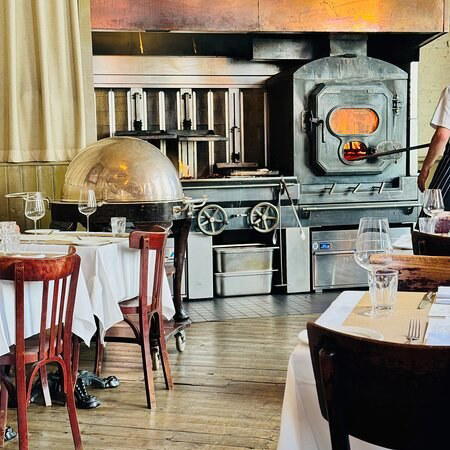
Practical calculus for visiting A. Wong depends significantly on which version you are booking. The evening tasting menu at £220 per person requires advance planning: the restaurant books several weeks out, and the counter seats with a direct view into the kitchen are the most sought-after positions in the room. Wednesday through Saturday lunch offers a different proposition: à la carte dim sum, available without the commitment of the evening format, at a price point that makes the restaurant accessible to a wider range of visits. There is also a dim sum tasting menu option at lunch for those who want structure without the full evening length.
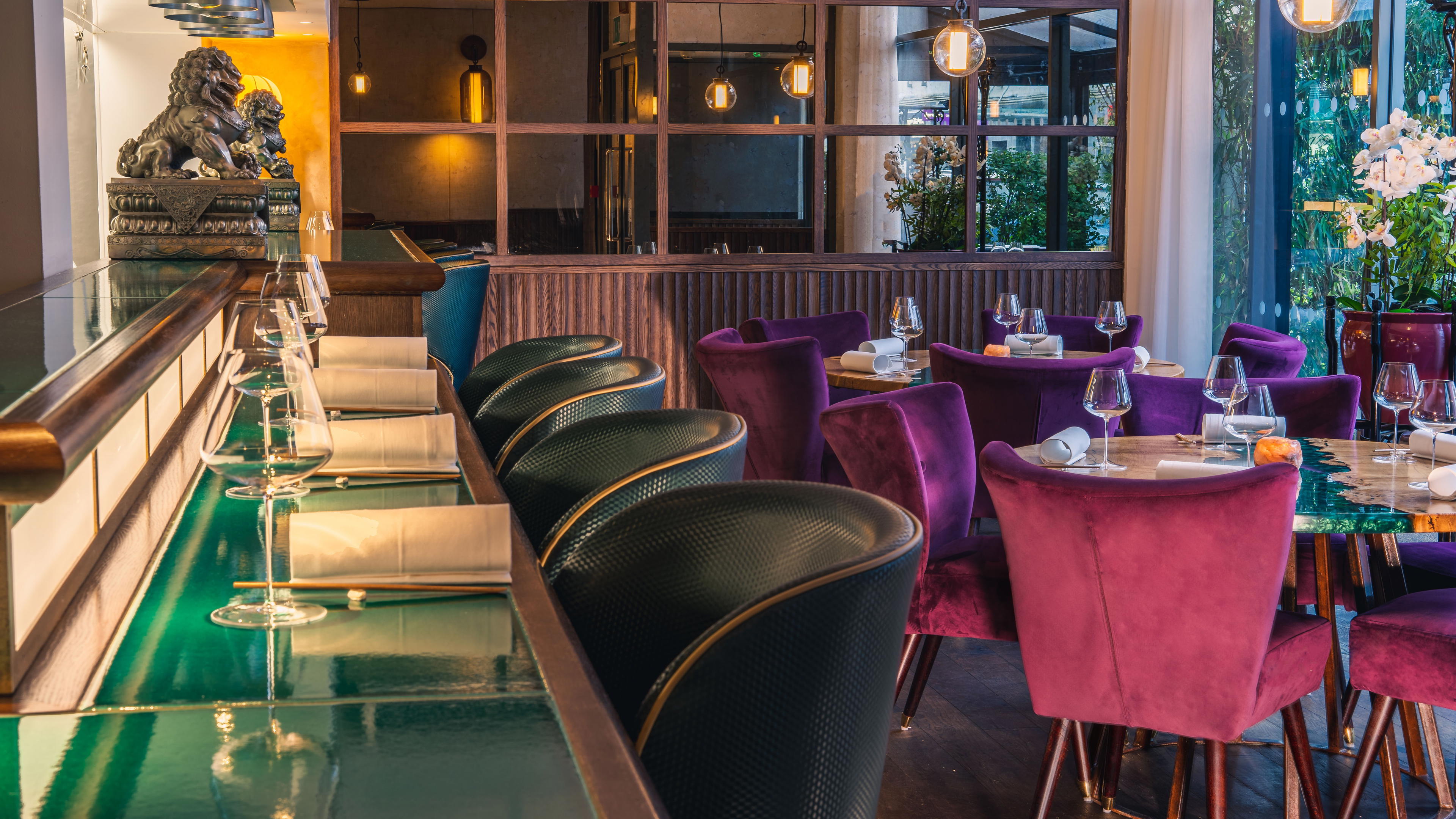
Ground floor functions as a pre-dinner bar space, providing a decompression point before the thirty-course sequence begins. Service is described across multiple sources as knowledgeable, with dishes explained with evident care, though recent documentation suggests the warmth of that service can vary by night. A. Wong is closed Mondays and Sundays; evening service runs Tuesday through Saturday from 5:30 pm, with lunch available Wednesday through Saturday from noon.
For those building a broader London itinerary around serious dining, A. Wong sits within a city that also contains Hand and Flowers in Marlow and Le Manoir aux Quat' Saisons in Great Milton within reasonable range. Full guides to the city's dining, accommodation, and wider options are available in our London restaurants guide, London hotels guide, London bars guide, London wineries guide, and London experiences guide.
Frequently asked questions
Where is A. Wong in London?
A. Wong is located at 70 Wilton Rd, Pimlico, London SW1V 1DE, United Kingdom, London.
What distinctions does A. Wong have?
A. Wong has received recognition including: “A thrilling pure adventure in dining!” has won global renown for Andrew Wong’s record-breaking destination: a relatively humble Pimlico site where he spent time as a child (when it was his parents’ business Kym’s), returning after uni to t….
What dish is A. Wong famous for?
No single dish defines A. Wong so much as the Collections of China format itself, but several plates have drawn consistent attention across reviews: a wagyu tartare served in a caviar tin with crisp potato and yuzu, a martini glass of green beans in osmanthus jelly, and a candied walnut pressed onto honey-roast pork with shaved frozen foie gras. There is also a sweet-and-sour chicken course included as a deliberate nod to Andrew Wong's parents' Cantonese restaurant, Kym's. At lunch, the dim sum served à la carte is the more accessible entry point to the kitchen's range.
What style of cooking does A. Wong do?
A.
How much does it cost to eat at A. Wong?
Pricing at A. Wong is listed as ££££.
What are the opening hours for A. Wong?
Hours at A. Wong: Hours: Monday Closed Tuesday 5:30–10:30 pm Wednesday 12–2:30 pm, 5:30–10:30 pm Thursday 12–2:30 pm, 5:30–10:30 pm Friday 12–2:30 pm, 5:30–10:30 pm Saturday 12–2:30 pm, 5:30–10:30 pm Sunday Closed.
In Context: Similar Options
Comparable venues nearby, for context on price, style, and recognition.
| Venue | Cuisine | Price | Awards | Notes |
|---|---|---|---|---|
| A. WongThis venue (the venue you are viewing) | Modern Regional Chinese | $50–100 | 2 Michelin Stars · La Liste Top Restaurants | Not listed |
| Alex Dilling at Hotel Café Royal | Modern French Fine Dining | $200–300 | 2 Michelin Stars · La Liste Top Restaurants | Piccadilly Circus |
| Da Terra | International | $200–300 | 2 Michelin Stars · La Liste Top Restaurants | Globe Town |
| Gymkhana | Northern Indian Fine Dining | $100–150 | 2 Michelin Stars · La Liste Top Restaurants | Mayfair |
| Humble Chicken | Modern Japanese Fine Dining | $50–100 | 2 Michelin Stars · La Liste Top Restaurants | Soho |
| Trivet | Modern British Fire-Led Fine Dining | $150–200 | 2 Michelin Stars · La Liste Top Restaurants | Borough |
Recognition history
Dated appearances from independent guides and award organizations, with the underlying list record or original source where available.
Michelin 2 Stars
Michelin
La Liste Top Restaurants
La Liste
Star Wine List
Star Wine List
AA Rosettes 3 Rosettes
AA Rosettes
Falstaff Restaurant - 95 Falstaff Points
Falstaff
Full recognition history (16 entries)
Harden's Top 100 UK Restaurants #29
Harden's
National Restaurant Awards Top 100 #31 · No. 31
National Restaurant Awards · 2026 National Restaurant Awards Top 100
Opinionated About Dining Top Restaurants in Europe Highly Recommended
Opinionated About Dining
La Liste Top Restaurants
La Liste
Michelin 2 Stars
Michelin
National Restaurant Awards Top 100 #18
National Restaurant Awards
The Good Food Guide GFG Very Good
The Good Food Guide
Michelin 2 Stars
Michelin
Opinionated About Dining Top Restaurants in Europe Ranked #172
Opinionated About Dining
Opinionated About Dining Top New Restaurants in Europe Highly Recommended
Opinionated About Dining
World's Best Wine Lists Awards WBWL 2-Star
World's Best Wine Lists Awards
Continue exploring
More in London
Restaurants in London
All restaurants in London →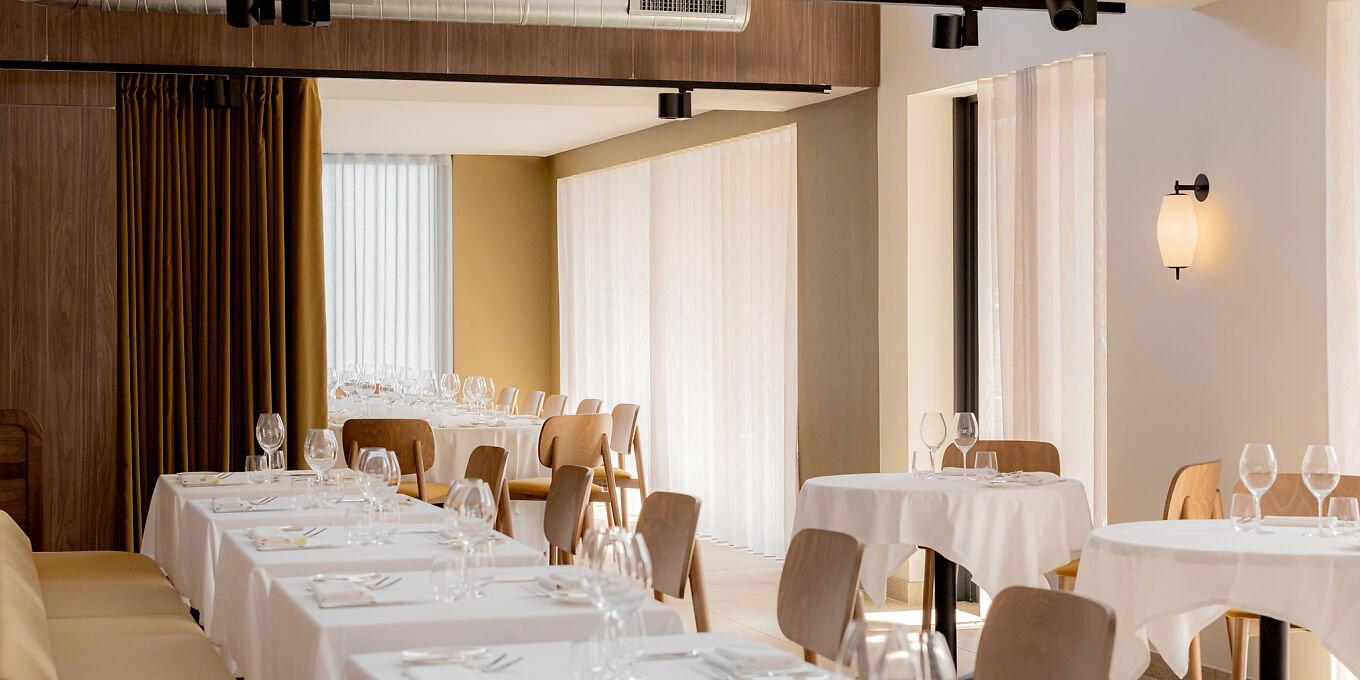
Bars in London
All bars in London →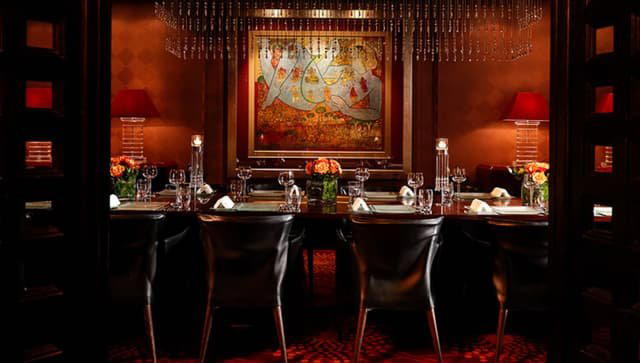

Details
- Modern
- Elegant
- Whimsical
- Special Occasion
- Date Night
- Business Dinner
- Open Kitchen
- Extensive Wine List
- Sommelier Led
- Tasting Menu
- A La Carte
- Small Plates
- Vegetarian Friendly
Current opening hours
- Monday
- Closed
- Tuesday
- 5:30–10:30 PM
- Wednesday
- 12–2:30 PM, 5:30–10:30 PM
- Thursday
- 12–2:30 PM, 5:30–10:30 PM
- Friday
- 12–2:30 PM, 5:30–10:30 PM
- Saturday
- 12–2:30 PM, 5:30–10:30 PM
- Sunday
- Closed
Hours can change for holidays and private events. Last verified .
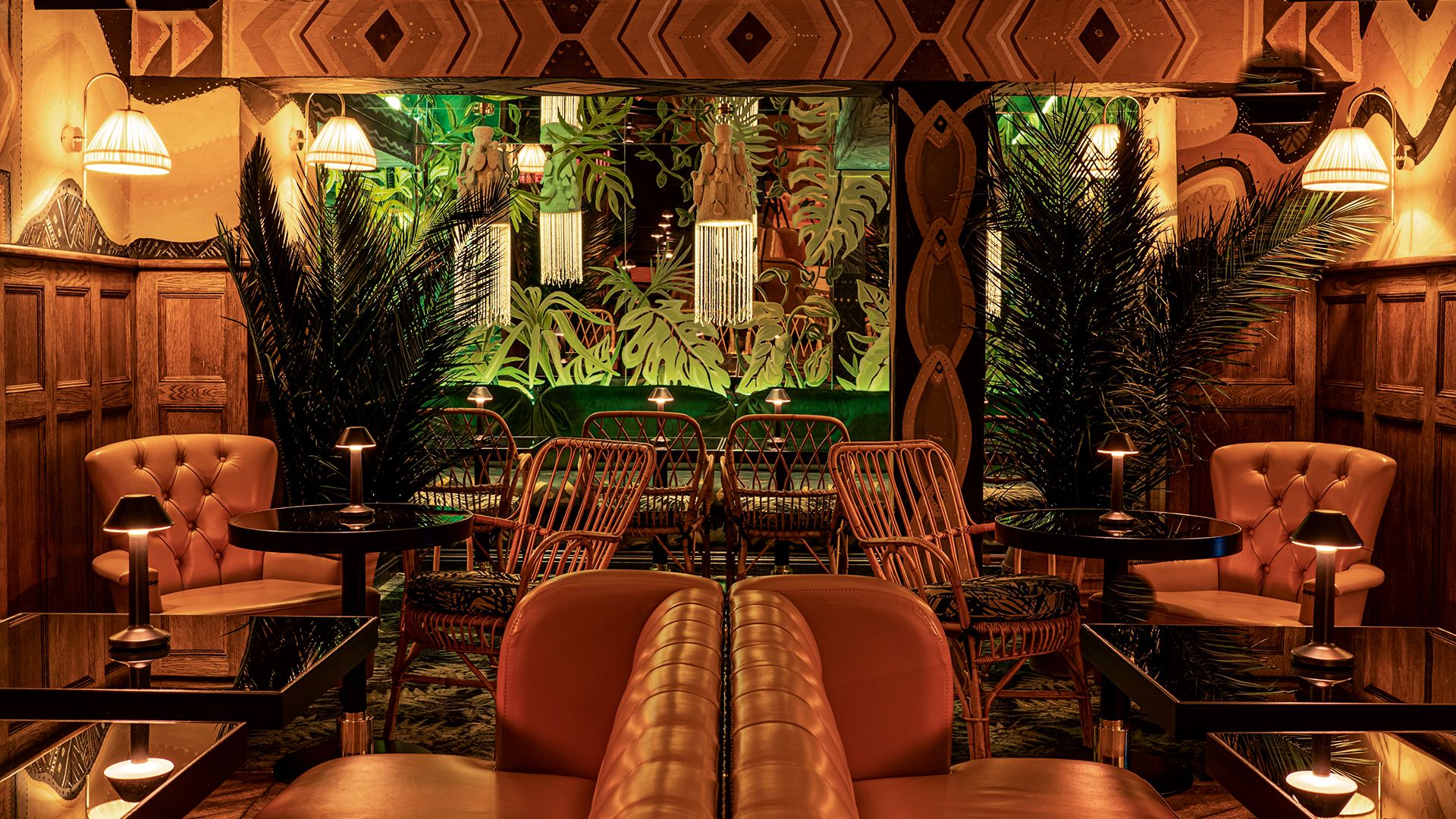
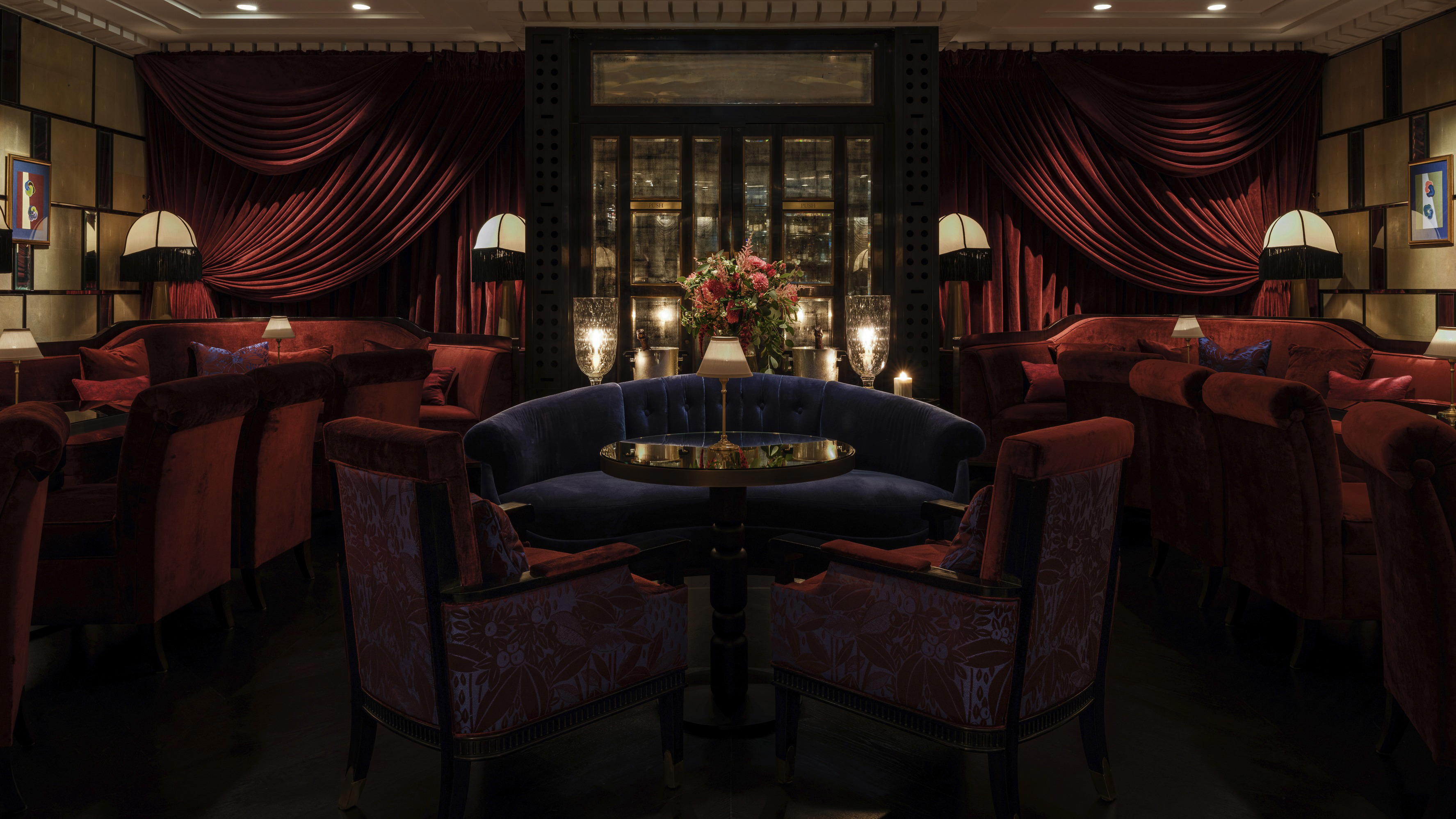
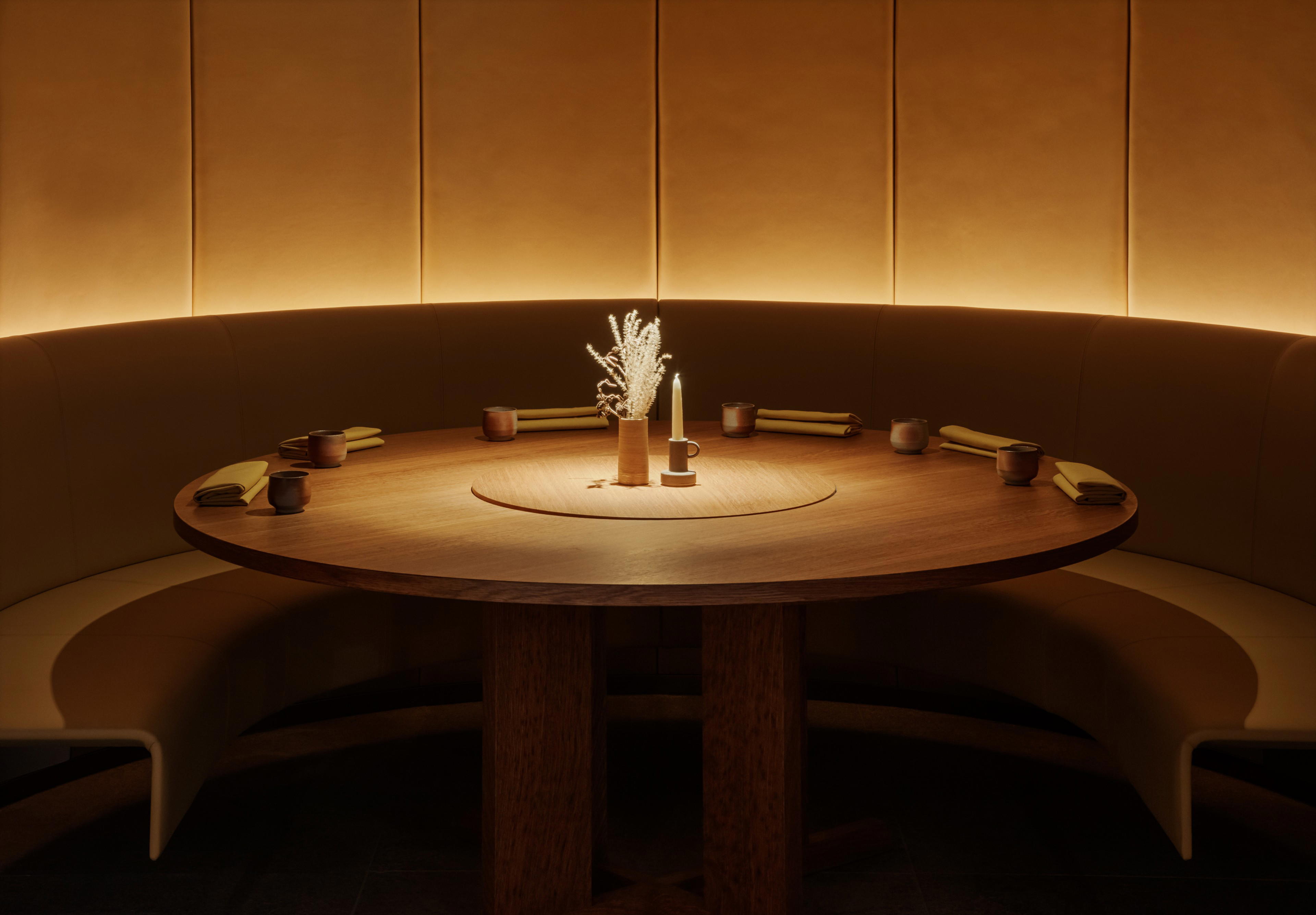
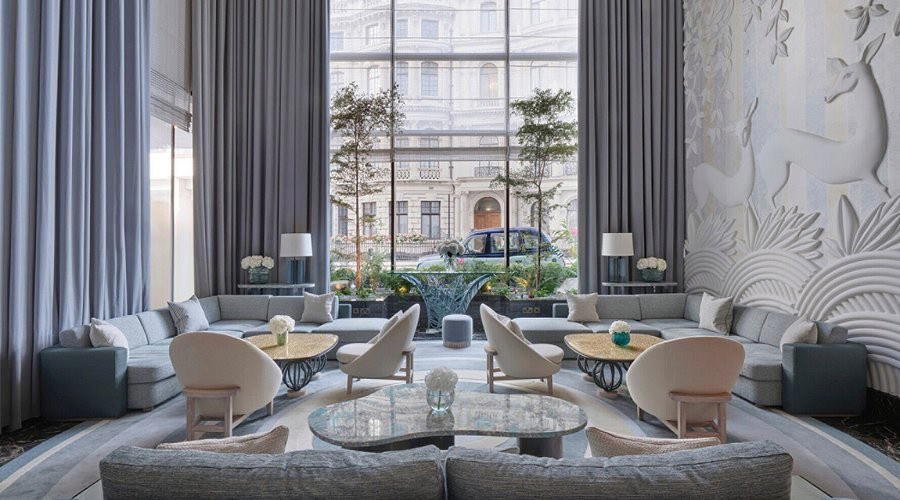
Buzzy and engaging with open kitchen views, though some note tired decor; warm, professional service enhances the sophisticated yet welcoming atmosphere.