






A two-Michelin-starred creative restaurant on Place Godinot, Racine positions Japanese-trained chef Kazuyuki Tanaka within Reims's small cohort of serious fine dining addresses. Holding two stars continuously since 2024 and recognised by Les Grandes Tables du Monde in 2025, it occupies the upper tier of Champagne-region dining, where the wine list and the kitchen are expected to perform in lockstep.
Pearl is the En Primeur Club membership app — saves, bookings, and concierge access live there. Same editors, same standards.
- Address
- 6 Pl. Godinot, 51100 Reims, France
- Phone
- +33 3 26 35 16 95
- Website
- racine.re
- Directions
- Get directions
 Saves & bookings on Pearl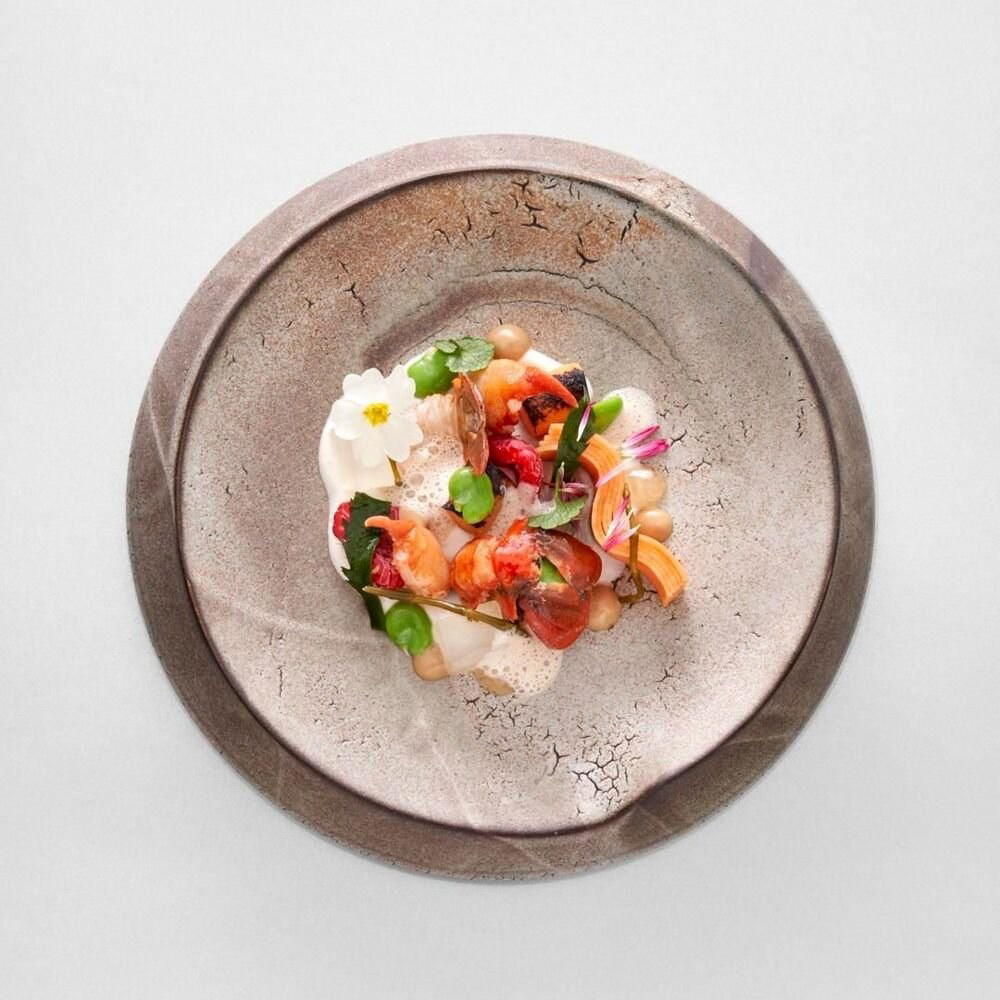
Where Reims Fine Dining Has Arrived
Reims sits at an unusual intersection for a French city of its size: a cathedral town with one of the world's most commercially powerful wine identities, yet a fine dining scene that remained relatively thin until the last decade. The city's serious restaurants now divide into two broad camps. One is rooted in classical French technique and regional tradition, represented by addresses like Le Parc Les Crayères and the brasserie register of Brasserie Le Jardin. The other is a smaller, newer cohort of creative kitchens that treat Champagne-region produce as raw material rather than heritage prop, and whose cooking has drawn international attention through guide recognition rather than local reputation alone.
Racine is a two-Michelin-star restaurant in Reims, France, at 6 Pl. Godinot, with a price tier of €€€€. Racine, on Place Godinot, belongs firmly to the second camp. The restaurant holds two Michelin stars, is recognised by Les Grandes Tables du Monde (2025), and appears in the Opinionated About Dining European rankings. That combination of credentials, Michelin sustained across consecutive years, a peer-selected grande table designation, and independent critical tracking, places it among a tight peer group in Reims. Assiette Champenoise operates at the same price register and Michelin level; L'ExtrA and Arbane represent the city's emerging modern cuisine tier. Racine's position within this map is defined less by geography than by the specific kind of ambition its kitchen represents.
The Creative Register and What It Demands
In France's guide ecosystem, the creative cuisine designation carries specific expectations: that the menu will move beyond codified classical technique into territory that is genuinely authored, that references outside the French tradition will be integrated rather than bolted on, and that the result will hold together as a coherent point of view rather than a sequence of technical flourishes. Two Michelin stars at a creative address in a secondary French city is a harder credential to earn than the same recognition in Paris, Lyon, or the Côte d'Azur, where inspector density and competitive pressure are higher. It signals that the kitchen has cleared a consistently demanding bar without the visibility advantage of a major metropolitan address.
Chef Kazuyuki Tanaka's background introduces a Japanese perspective into this framework. That lineage matters as context for the creative register rather than as biography: Japanese technique in a French fine dining context has become its own recognisable mode, operating across addresses from Alléno Paris au Pavillon Ledoyen to regional houses outside the capital. What distinguishes the better examples of this cross-cultural approach is a particular relationship with precision, restraint, and the treatment of individual ingredients as subjects in their own right rather than components in a larger classical architecture. Whether that orientation fully describes what Racine does can only be confirmed by the menu itself, but the awards trajectory, from OAD's recommended new restaurants in Europe in 2023 to two Michelin stars and a grande table designation by 2025, suggests the kitchen arrived at a clear, sustained point of view quickly.
The Team as the Argument
At the level Racine now occupies, a two-star creative kitchen cannot function as a solo performance. The Les Grandes Tables du Monde designation, awarded by a body whose membership criteria include not just kitchen quality but the overall experience, implies that the front-of-house and sommelier programmes have reached the same standard as the cooking. In Champagne, that creates a specific structural pressure: the wine list must engage seriously with the region's growers and houses while also supporting a creative menu whose Japanese-inflected logic may not follow the obvious pairings. Getting that right requires a sommelier who can work across two reference systems simultaneously.
The interplay between kitchen and floor at a restaurant like this is rarely visible to the guest as choreography, when it works, it reads as fluency. in the context of two-star dining, a relatively broad sample. Two-star addresses often accumulate reviews more slowly because their booking volume is lower and their clientele less likely to review. A score at that level across that volume indicates that the experience is landing consistently, not just occasionally. That consistency across a service team is the result of a specific kind of coordination between kitchen pacing, floor communication, and wine service timing that is built over seasons, not weeks.
The La Liste score movement is worth reading carefully here. Racine scored 80 points in 2025 and 77 in 2026. La Liste's methodology aggregates multiple guide and review sources, so a three-point shift does not signal a decline in quality so much as a recalibration of relative positioning within a changing field. The 2024 two-star Michelin recognition and the 2025 grande table recognition represent a consistent upward arc. The 2026 La Liste adjustment simply reflects where Racine sits within an expanded competitive reference group, which now includes the broader European creative kitchen field tracked by OAD, where it ranks 477th across the continent.
Racine in Reims's Wider Table
For a visitor planning a serious eating itinerary in Reims, the city now offers enough range to build a multi-day programme around the table. At the classical end, Le Parc Les Crayères provides the grand French house experience against a formal park setting. At the brasserie register, Brasserie Le Jardin operates at a lower price point with traditional cuisine. Racine occupies the creative apex alongside Assiette Champenoise, and the two addresses represent different orientations: one more deeply embedded in the Champagne regional identity, the other bringing an outside perspective to bear on local ingredients.
France's fine dining geography beyond Reims provides a useful comparative frame for understanding what Racine has achieved. The two-star creative tier in France includes addresses like Flocons de Sel in Megève and the legacy houses that set the reference points for serious regional dining, including Bras in Laguiole and Troisgros in Ouches. Internationally, the creative kitchens at Enrico Bartolini in Milan and JAN in Munich operate within a similar cross-cultural creative register. Racine's OAD European ranking places it within this broader field rather than just within France, which is the more demanding measure for a restaurant at its stage.
Planning a Visit
Racine's address at 6 Place Godinot puts it in central Reims, within reach of the cathedral and the main Champagne house cellars that draw most international visitors to the city. At the €€€€ price register, it sits at the same level as the city's other upper-tier addresses, and a reservation should be treated with the same lead time as any two-star creative kitchen: booking several weeks in advance is prudent for weekend services, and further ahead still for the increasingly common practice of visiting Reims as a dedicated gastronomic stop on a wider France itinerary. For visitors structuring a fuller Reims programme, our full Reims restaurants guide maps the complete range, while our Reims hotels guide, bars guide, wineries guide, and experiences guide cover the supporting programme. For reference points at the upper end of French dining, Mirazur in Menton and Paul Bocuse in Collonges-au-Mont-d'Or frame the historical poles of French creative and classical ambition that Racine's generation works within and against.
Recognition Snapshot
Comparable venues nearby, for context on price, style, and recognition.
| Venue | Cuisine | Price | Awards | Notes |
|---|---|---|---|---|
| RacineThis venue — the venue you are viewing | French-Japanese Fine Dining | $$$$ | Michelin 2 Star | Not listed |
| Arbane | Modern French Gastronomic | $$$$ | Michelin 2 Star | Centre-Ville (City Center) |
| Assiette Champenoise | Modern French Fine Dining | $$$$ | Michelin 3 Star | Tinqueux |
| Le Parc Les Crayères | Modern French Fine Dining | $$$$ | Michelin 2 Star | Boulevard Henry Vasnier |
| Le Millénaire | Contemporary French Fine Dining with Seafood Focus | $$$$ | Michelin 1 Star | Place du Forum |
| La Grande Georgette | Modern French Fine Dining | $$$$ | Michelin Plate | near Notre-Dame Cathedral |
Recognition history
Dated appearances from independent guides and award organizations, with the underlying list record or original source where available.
Falstaff Restaurant - 95 Falstaff Points
Falstaff
La Liste Top Restaurants
La Liste
Les Grandes Tables du Monde Member
Les Grandes Tables du Monde
Michelin 2 Stars
Michelin
Gault & Millau Remarkable Restaurant
Gault & Millau
La Liste Top Restaurants
La Liste
Michelin 2 Stars
Michelin
We're Smart World 3 Radishes
We're Smart World
Michelin 2 Stars
Michelin
Opinionated About Dining Top Restaurants in Europe Ranked #477
Opinionated About Dining
Opinionated About Dining Top New Restaurants in Europe Recommended
Opinionated About Dining
Continue exploring
More in Reims
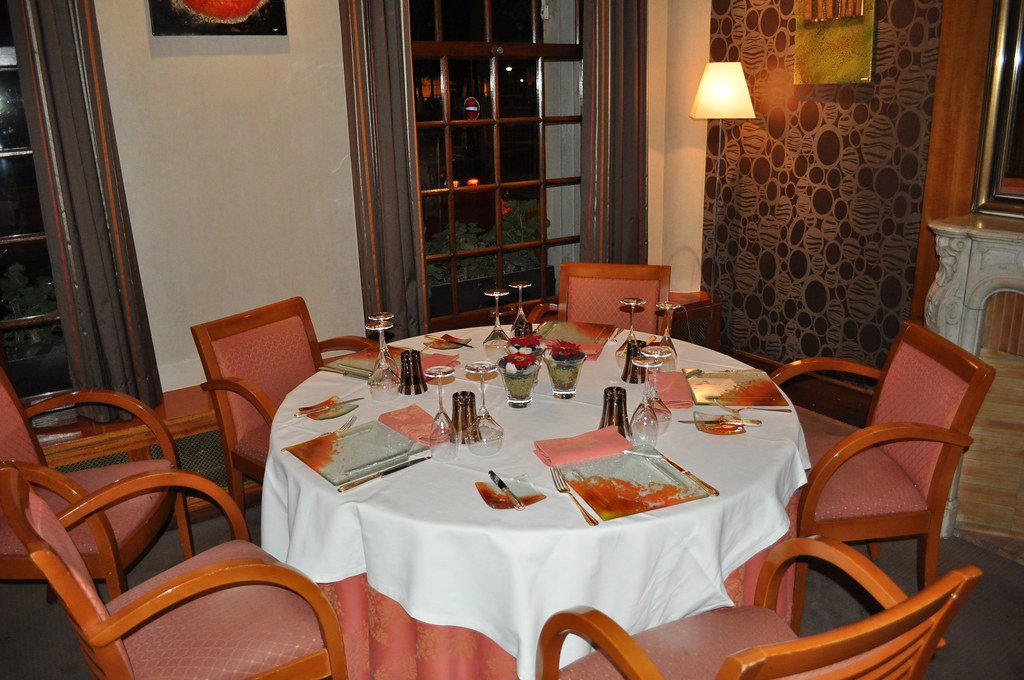
Restaurants in Reims
Browse all →
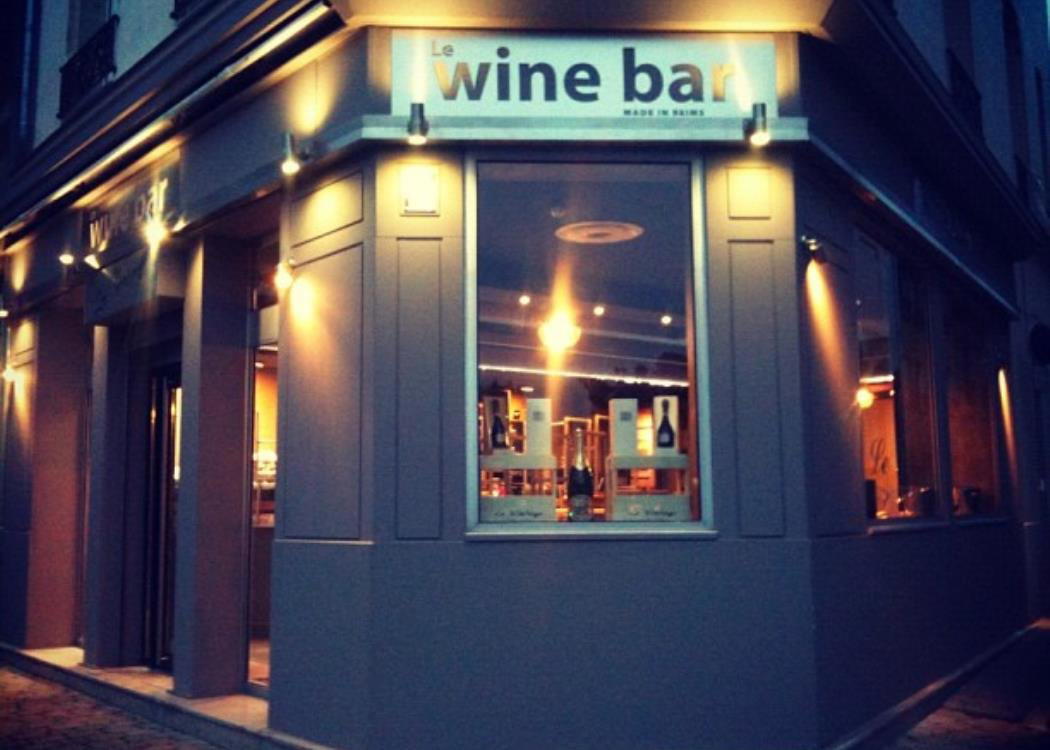
Bars in Reims
Browse all →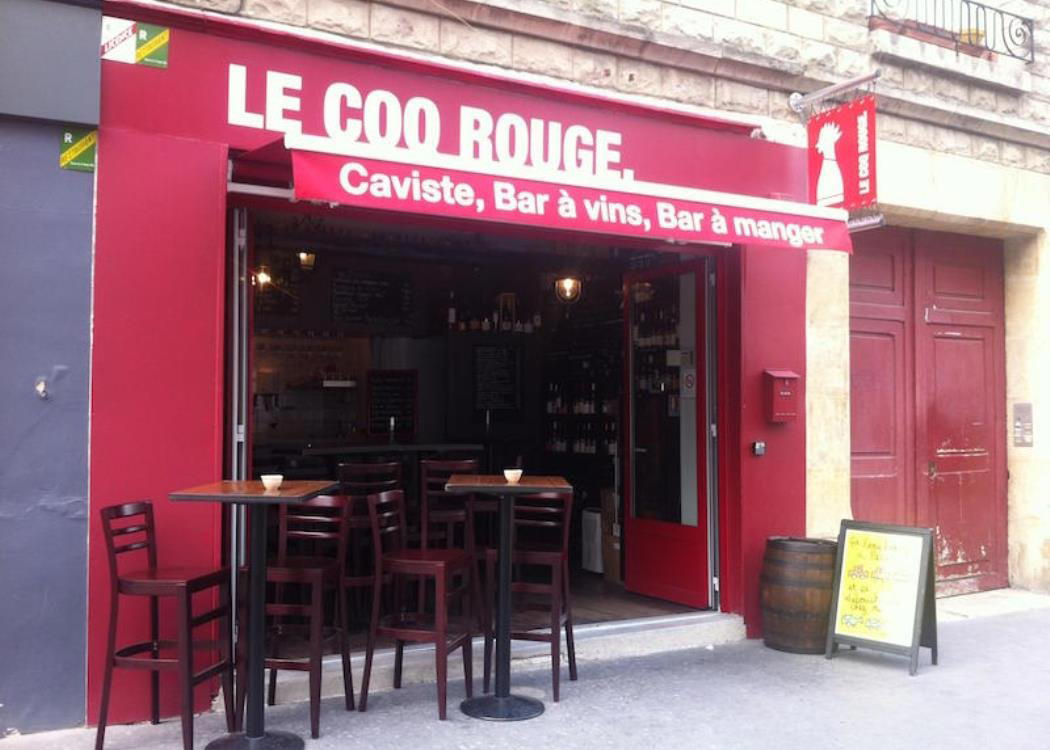
Hotels in Reims
Browse all →
At a Glance
- Intimate
- Elegant
- Sophisticated
- Special Occasion
- Open Kitchen
- Extensive Wine List
- Sommelier Led
- Local Sourcing
- Garden
Current opening hours
- Monday
- 7:15 PM–12 AM
- Tuesday
- Closed
- Wednesday
- Closed
- Thursday
- 7:15 PM–12 AM
- Friday
- 12:15–4:15 PM, 7:15 PM–12 AM
- Saturday
- 12:15–4:30 PM, 7:15–8:30 PM
- Sunday
- 12:15–4:30 PM, 7:15 PM–12 AM
Hours can change for holidays and private events. Last verified .
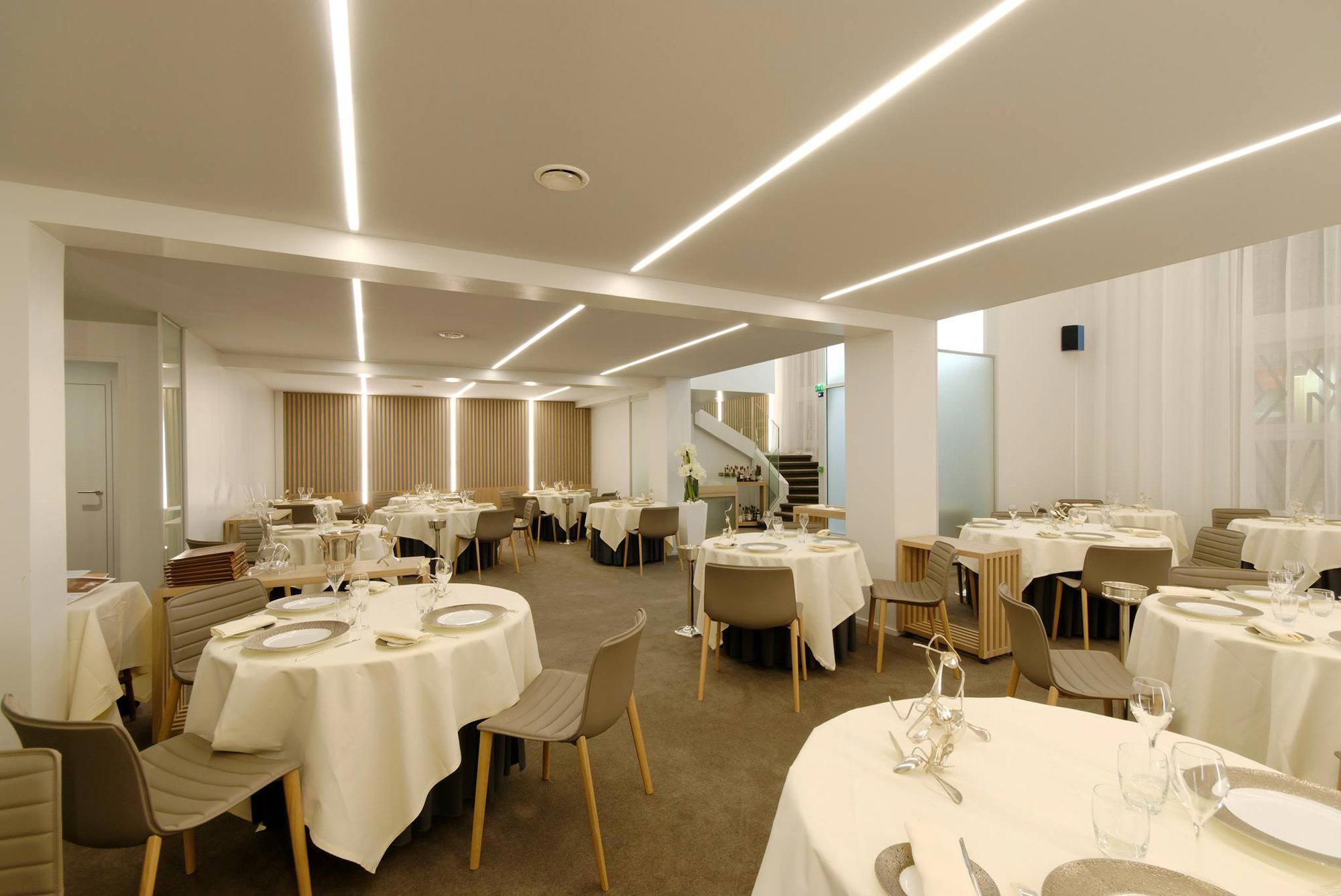
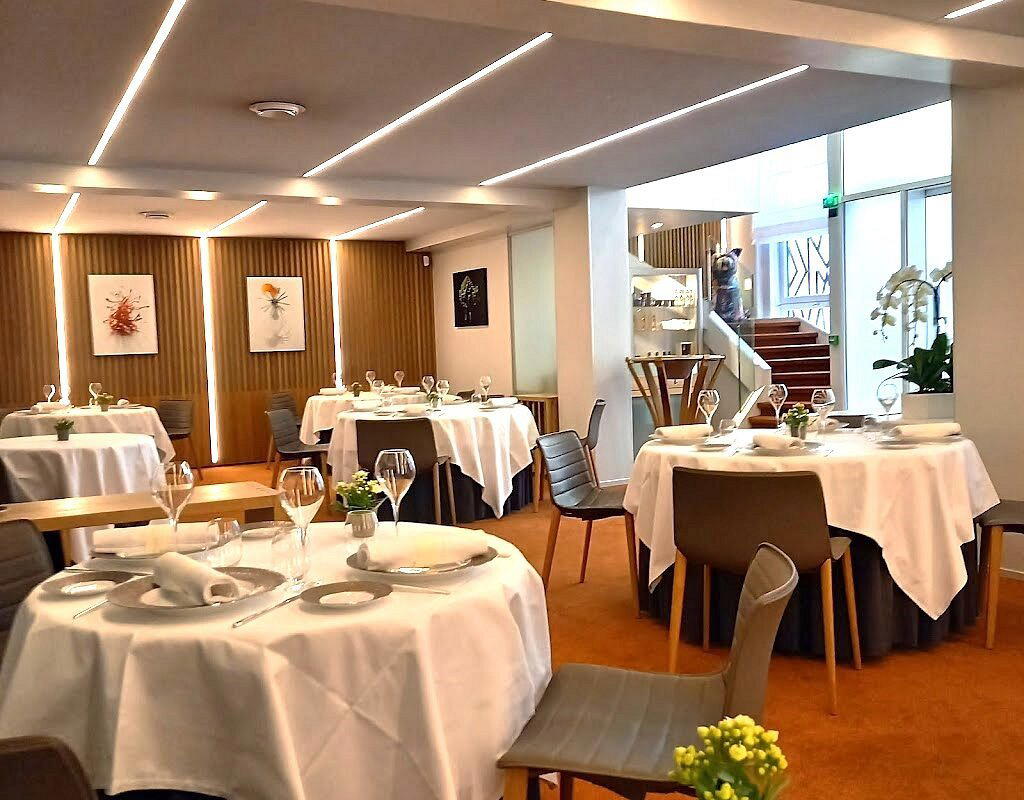
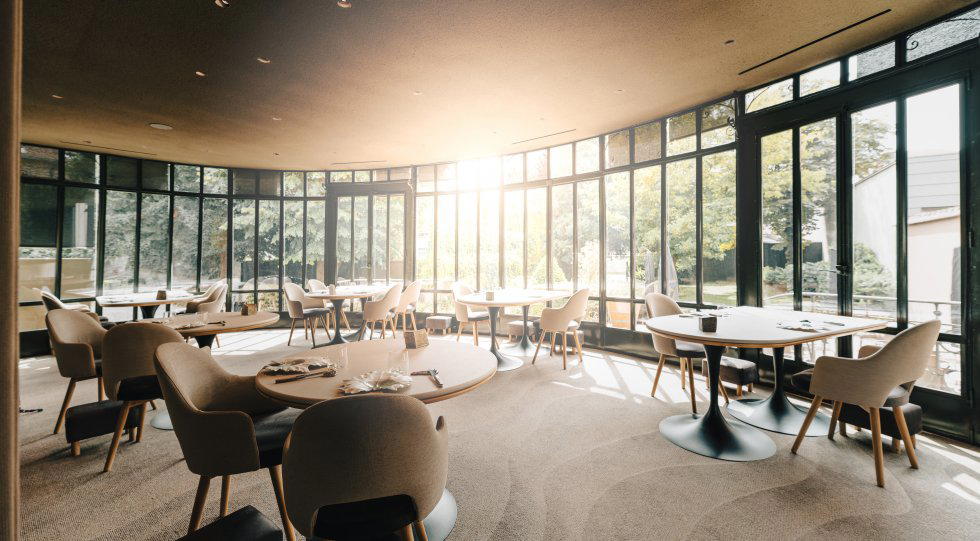
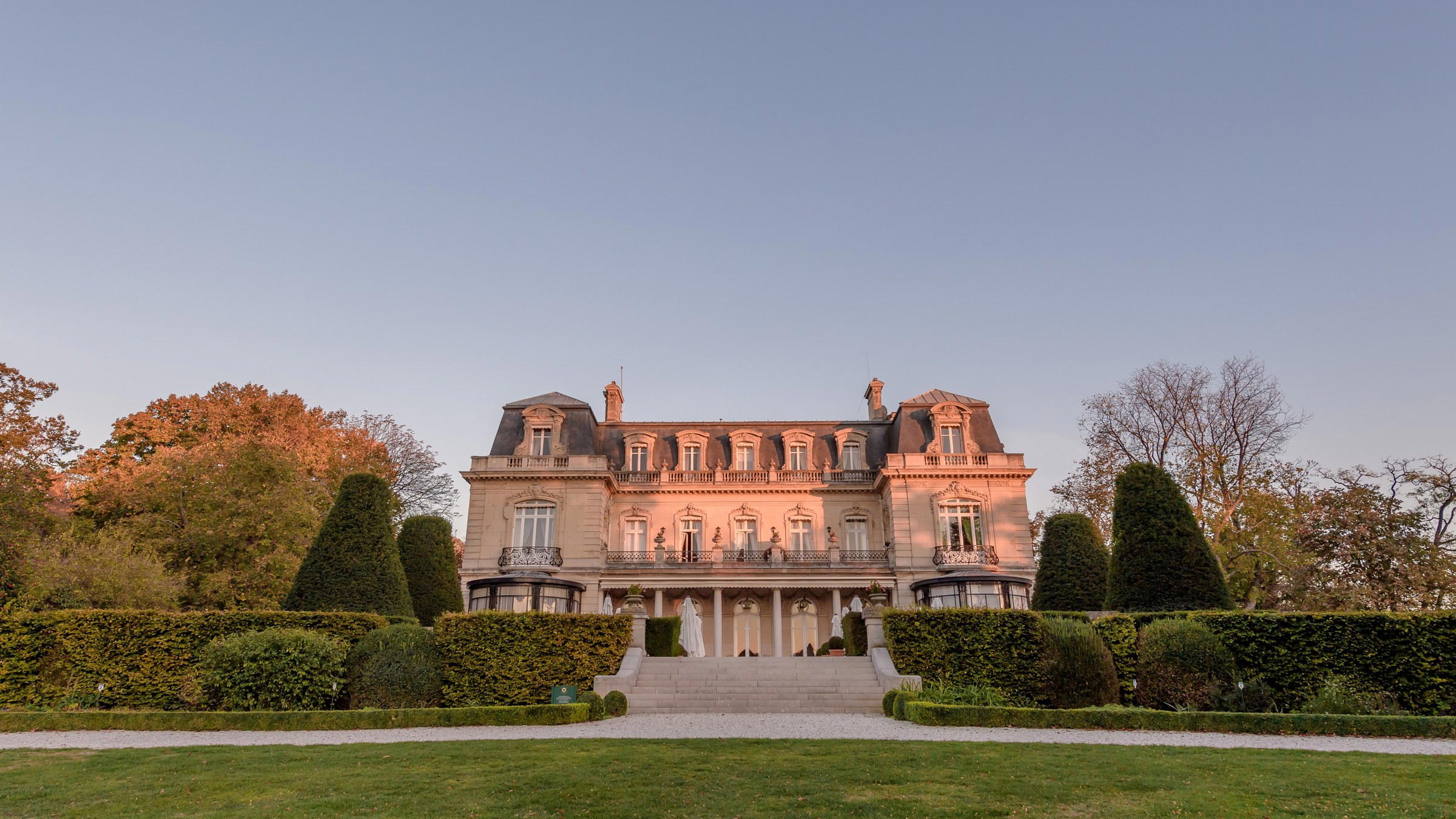
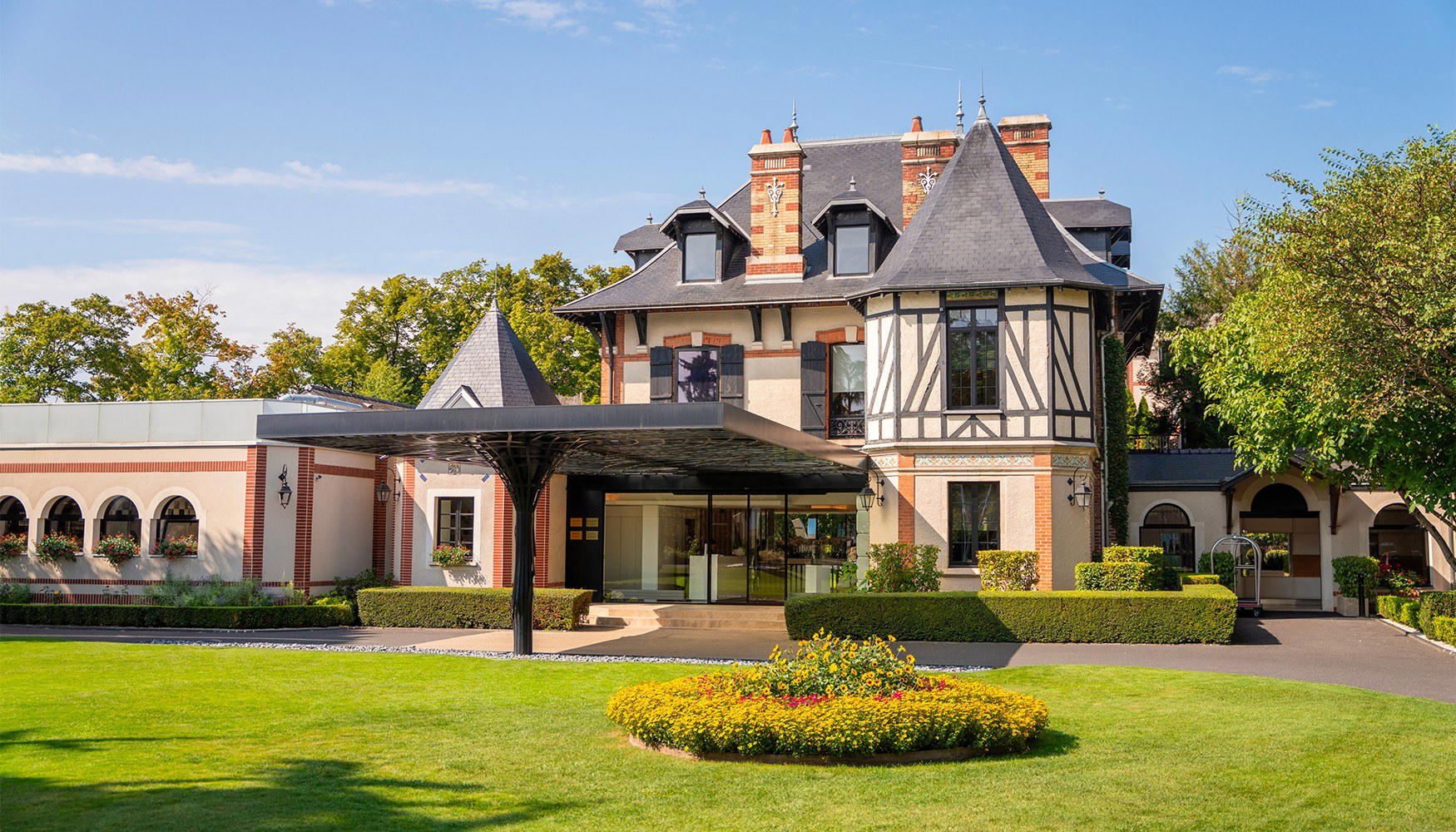
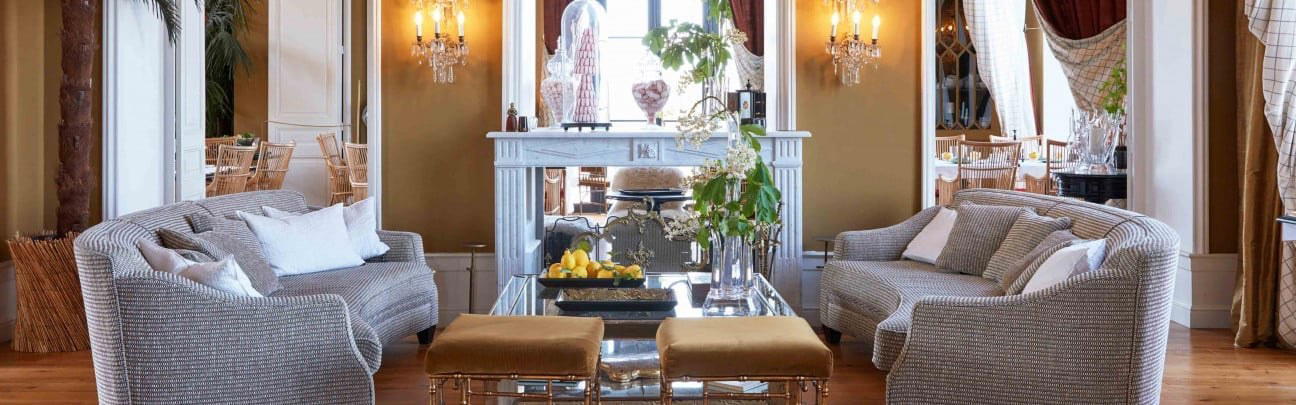
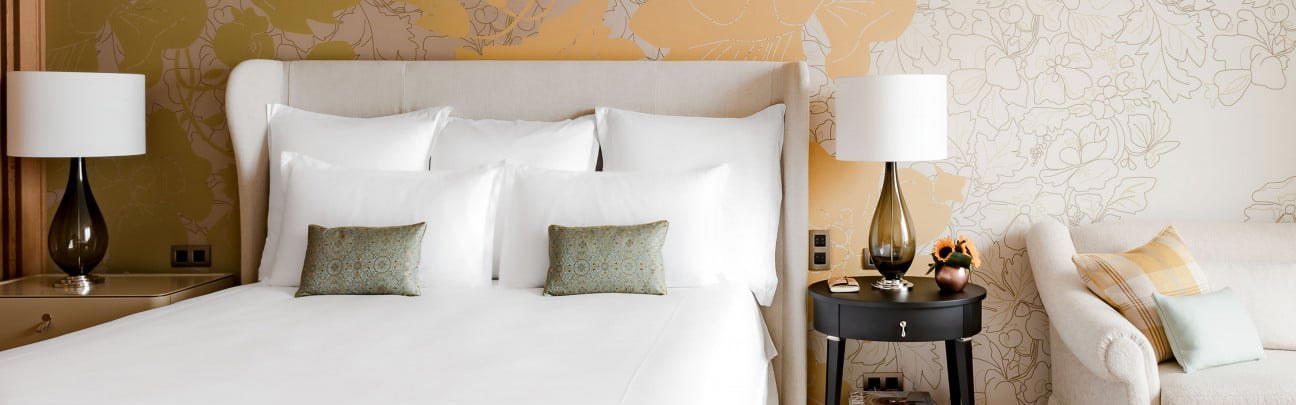
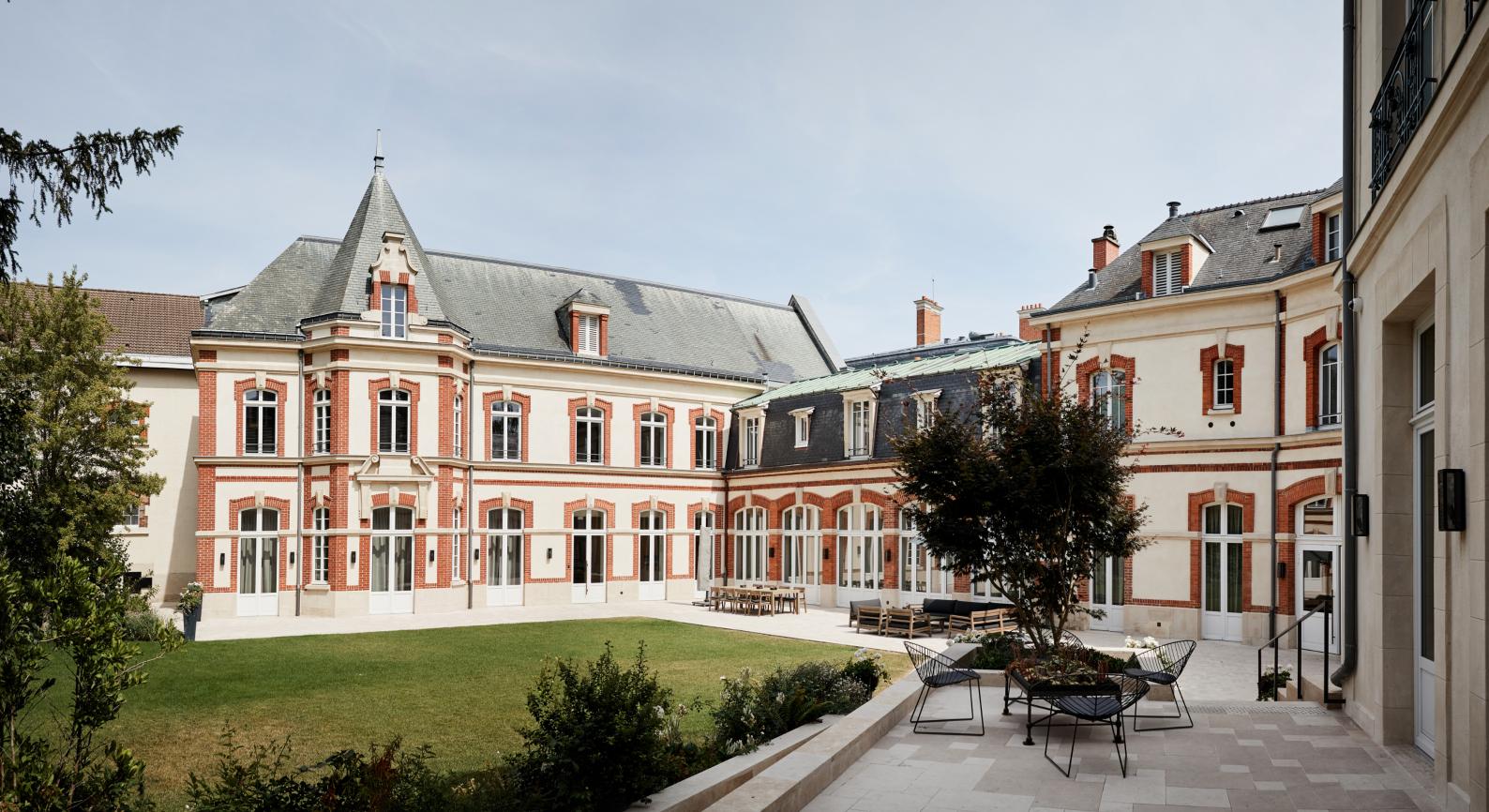
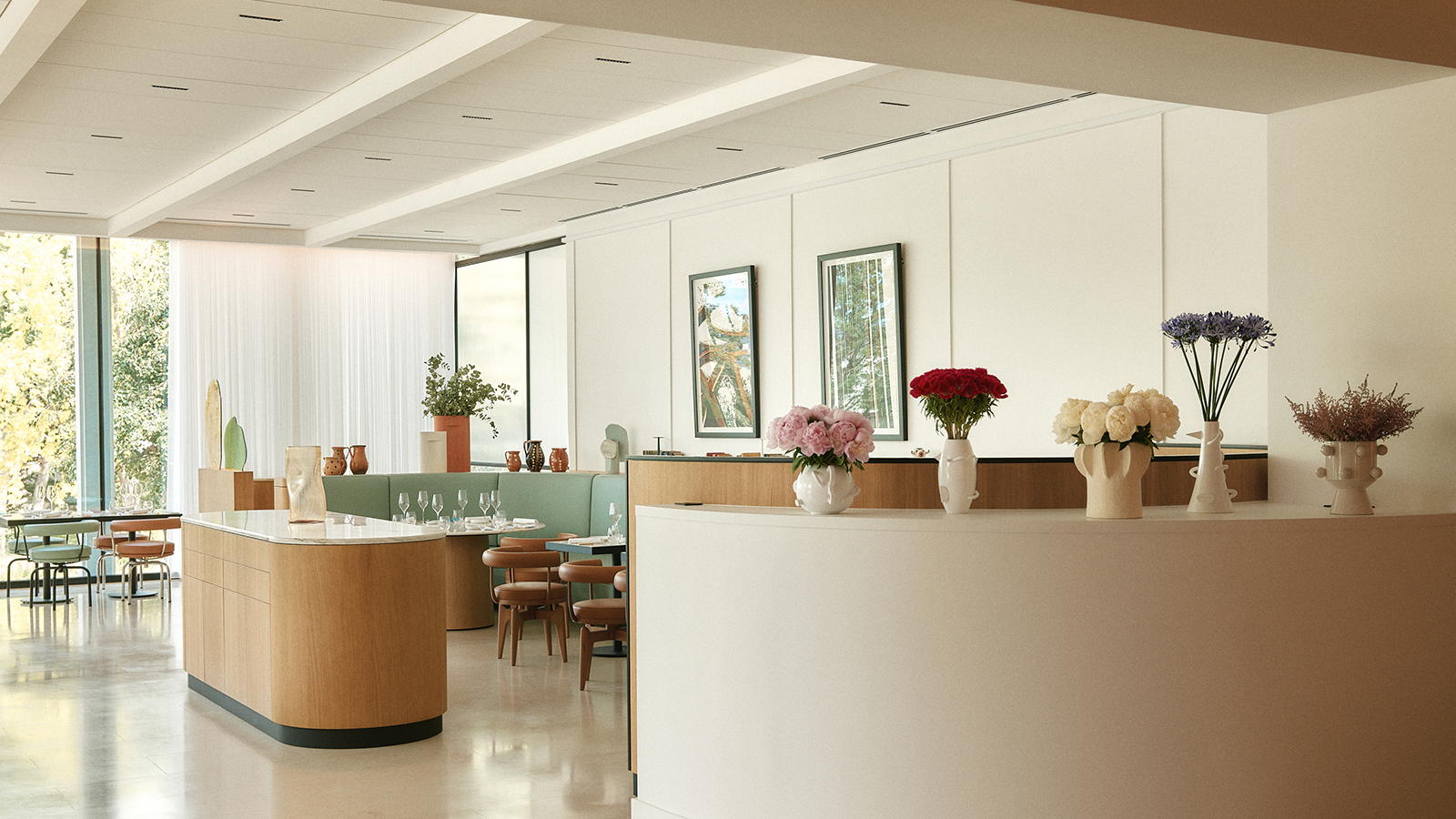
Pared-back contemporary interior with bay windows overlooking a charming Japanese garden, creating a serene and open atmosphere.