
Bouvet Ladubay sits at the heart of Saumur's sparkling wine tradition, a house whose cellars run deep beneath the Loire's tuffeau cliffs. The address on Rue Jean Ackerman places it squarely in the appellation's institutional core, where Crémant de Loire and Saumur Brut have been produced for generations. For visitors tracking the Loire's most serious effervescent producers, this is a reference point rather than a detour.
Pearl is the En Primeur Club membership app — saves, bookings, and concierge access live there. Same editors, same standards.
- Address
- 11 Rue Jean Ackerman, 49400 Saumur, France
- Phone
- +33 2 41 83 83 83
- Website
- bouvet-ladubay.fr
- Directions
- Get directions
 Saves & bookings on Pearl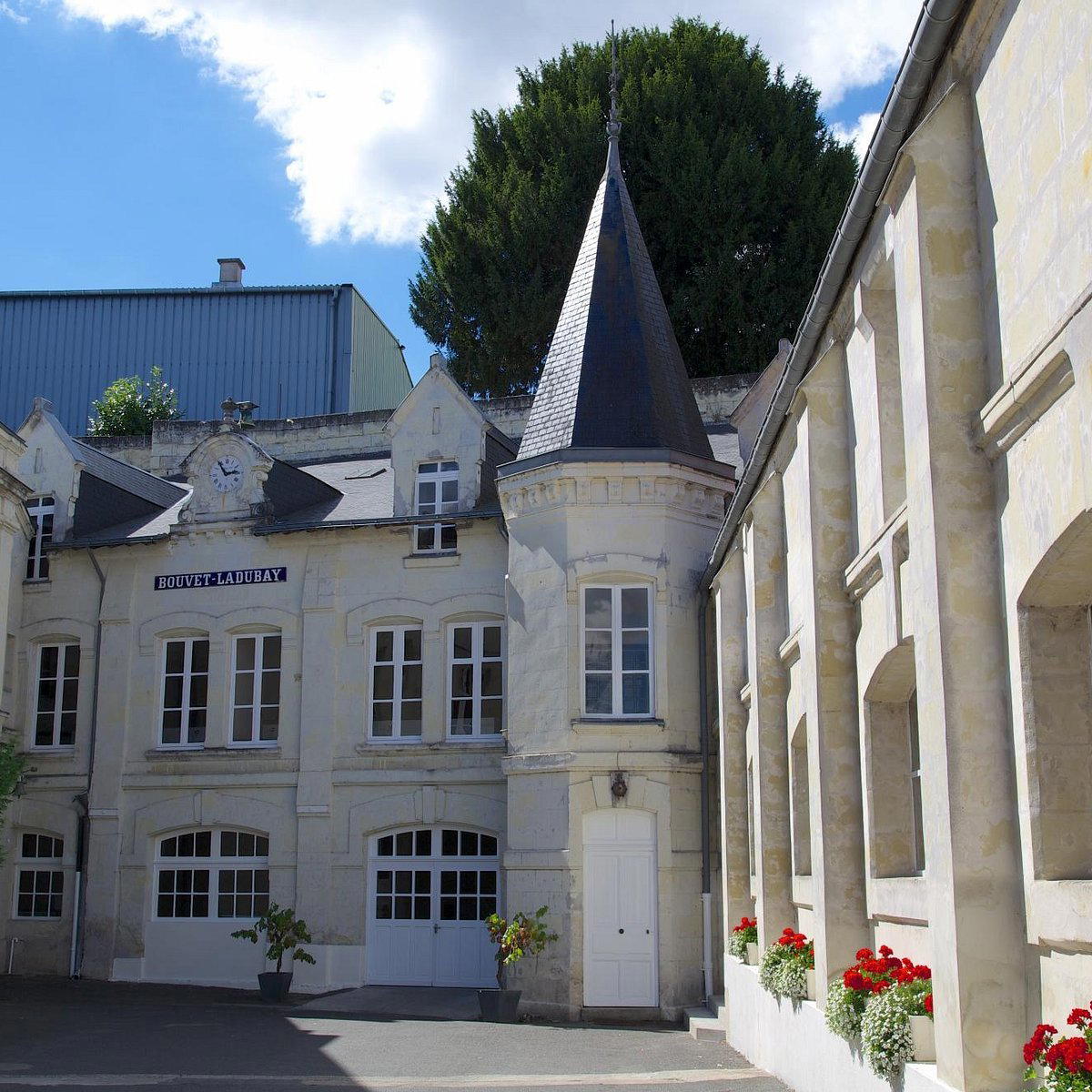
Saumur's Sparkling Core, Underground
Saumur occupies a specific position in French wine geography that is easy to understate. While Champagne commands the conversation on French sparkling wine, the Loire's tuffeau country has produced méthode traditionnelle wines from Chenin Blanc for well over a century, in cellars that predate many of Reims's famous maisons. The town itself sits at the confluence of the Loire and Vienne rivers, and the soft limestone rock that defines the region's architecture also defines its wine culture: riddled with caves, kilometre after kilometre of them, cool and stable at roughly 12°C year-round, conditions that suit long-ageing sparkling wine without the need for engineered climate control.
Bouvet Ladubay at 11 Rue Jean Ackerman sits inside this tradition at a significant depth, both literal and historical. The address places the house in the Saumur-left-bank zone where the oldest négociant operations established themselves in the nineteenth century, taking advantage of direct river access and the cave networks that run beneath the cliff face. Understanding that timeline helps calibrate what a visit here means relative to, say, a newer estate winery opened in the past decade.
The Cellar as the Programme
Where bars in other French cities build identity around a cocktail list, Bouvet Ladubay's equivalent creative document is its tiered range of sparkling wines, and the cellars where they rest are the venue's defining physical space. In this sense, the editorial angle that applies most naturally here is not unlike what one finds at serious cocktail programmes elsewhere in France: a layered approach to a single category, with technique and provenance doing the work that a bartender's palate does at, say, Bar Nouveau in Paris or Papa Doble in Montpellier.
Méthode traditionnelle production, as practised in Saumur, follows the same secondary fermentation in bottle logic as Champagne, but Chenin Blanc as a base grape introduces a different register: higher natural acidity, more pronounced minerality, and a capacity for extended ageing that produces textural complexity without the broad, yeasty richness that defines Blanc de Blancs Champagne at similar price points. Comparing across the Loire's fizz hierarchy, Saumur Brut occupies a middle tier between entry-level Crémant and the appellation's premium cuvées, and serious houses structure their ranges accordingly. A house with Bouvet Ladubay's historical depth in the appellation typically maintains a range that runs from non-vintage accessible bottles through to prestige cuvées that are allocated rather than freely available, a structure that mirrors how leading Champagne maisons manage their portfolio tier.
What to Taste and Why the Context Matters
Visitors approaching the bar without specific knowledge of the Saumur appellation benefit from treating the experience as a structured tasting rather than a casual drop-in. The Loire's sparkling category is broader than most travellers expect: Saumur Brut, Saumur Rosé, Crémant de Loire, and still Saumur Blanc from Chenin Blanc all sit within range of the house's production geography, and serious producers in the appellation typically work across several of these designations. Given that the cellar environment is itself part of the experience, a tasting that moves through the range from lighter, more immediate expressions through to longer-aged or reserve cuvées gives the clearest picture of what Chenin Blanc does across different formats.
This is not equivalent to asking what to order at La Maison M. in Lyon or Coté vin in Toulouse, where a bartender's recommendation shapes the path through a cocktail programme. Here, the structure of the range itself is the recommendation, and arriving with time to follow it properly is more important than arriving with a single bottle target. Loire sparkling wine rewards comparison across formats far more than it rewards the single-serve approach.
Saumur in the Wider Loire Drinks Conversation
The Loire Valley's drinks culture is considerably more varied than its wine-country reputation suggests. Angers, a short train ride north, is home to House of Cointreau, which places the region's spirits production in a separate but connected frame: liqueur production in Anjou has roots as deep as sparkling wine production in Saumur, and together they map a drinks geography that extends well beyond table wine. For visitors building a Loire itinerary around serious producer visits, the proximity of these two reference points makes the Angers-Saumur corridor a logical focus.
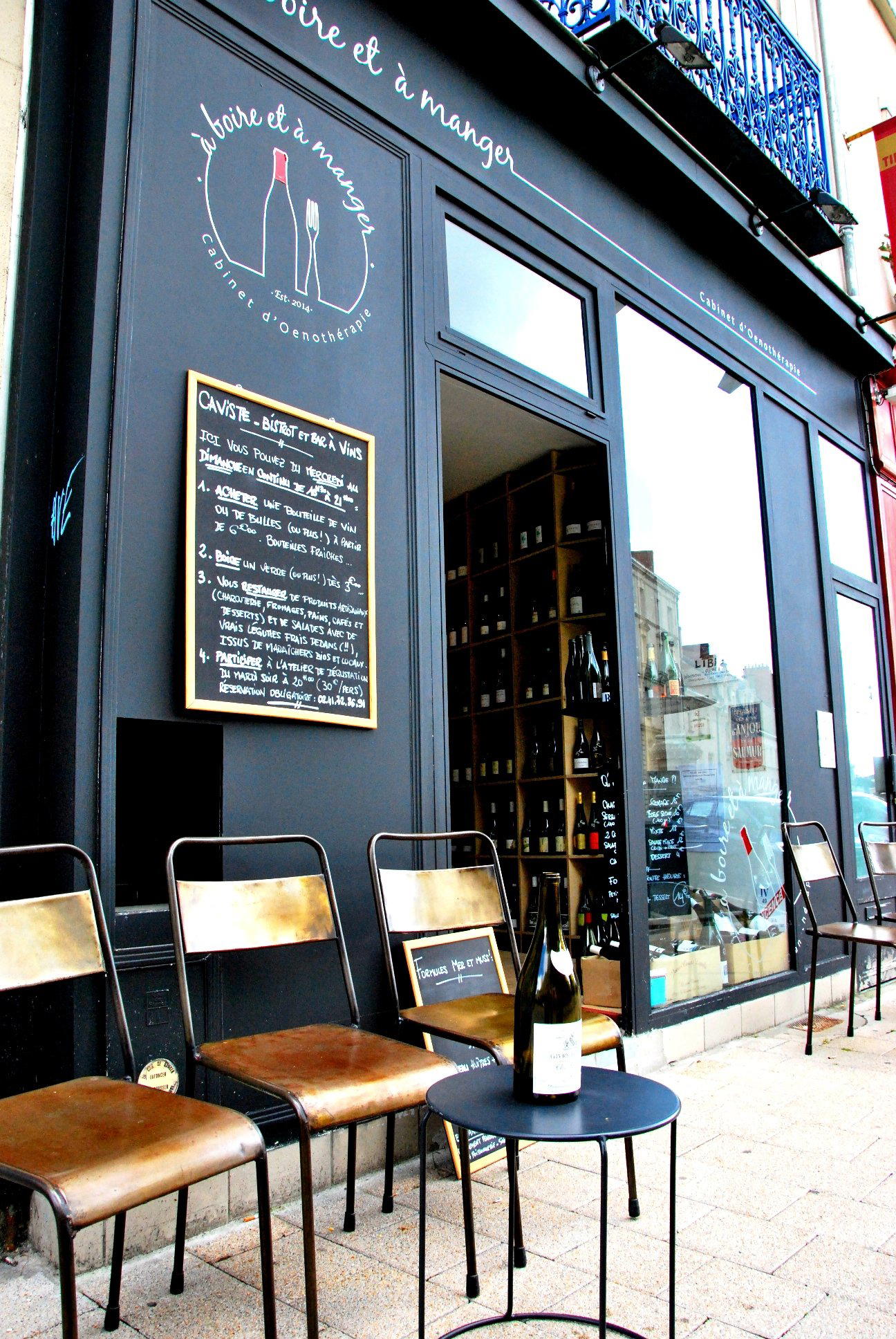
Within Saumur itself, the bar and wine venue scene reflects a town where the producers rather than the restaurants set the agenda. La Tonnelle represents the town's more casual wine-bar register, where Loire Valley producers are poured in a convivial rather than educational format. The two experiences are complementary rather than competing: the structured cellar visit at a house like Bouvet Ladubay and the informal glass-led exploration at a neighbourhood wine bar address different needs on the same trip.
How to Plan the Visit
The address at 11 Rue Jean Ackerman places the bar on the left bank of the Loire, in the zone where the tuffeau cave network is most concentrated. Spring and early autumn offer better access and cooler walking conditions through the cave tunnels. Given the 12°C cellar temperature, a light layer is practical regardless of surface conditions.
Au Brasseur in Strasbourg, Bar Casa Bordeaux in Bordeaux, and Le Café de la Fontaine in La Turbie all sit on itineraries that a Loire wine stop extends rather than interrupts. For those travelling further afield with a serious drinks focus, Bar Leather Apron in Honolulu and Le Petit Nice Passedat in Marseille represent the kind of institutional-depth programmes that share a sensibility with serious sparkling wine houses: a defined identity, a specific technique, and an experience that does not require marketing language to justify itself.
Fast Comparison
Comparable venues nearby, for context on price, style, and recognition.
| Venue | Cuisine | Price | Notes |
|---|---|---|---|
| BOUVET LADUBAYThis venue — the venue you are viewing | wine_bar | $$$ | Not listed |
| La Tonnelle | wine_bar | $$ | Place de la République |
Recognition history
Dated appearances from independent guides and award organizations, with the underlying list record or original source where available.
Falstaff Winery - 3 Stars
Falstaff
Continue exploring
More in Saumur
Bars in Saumur
Browse all →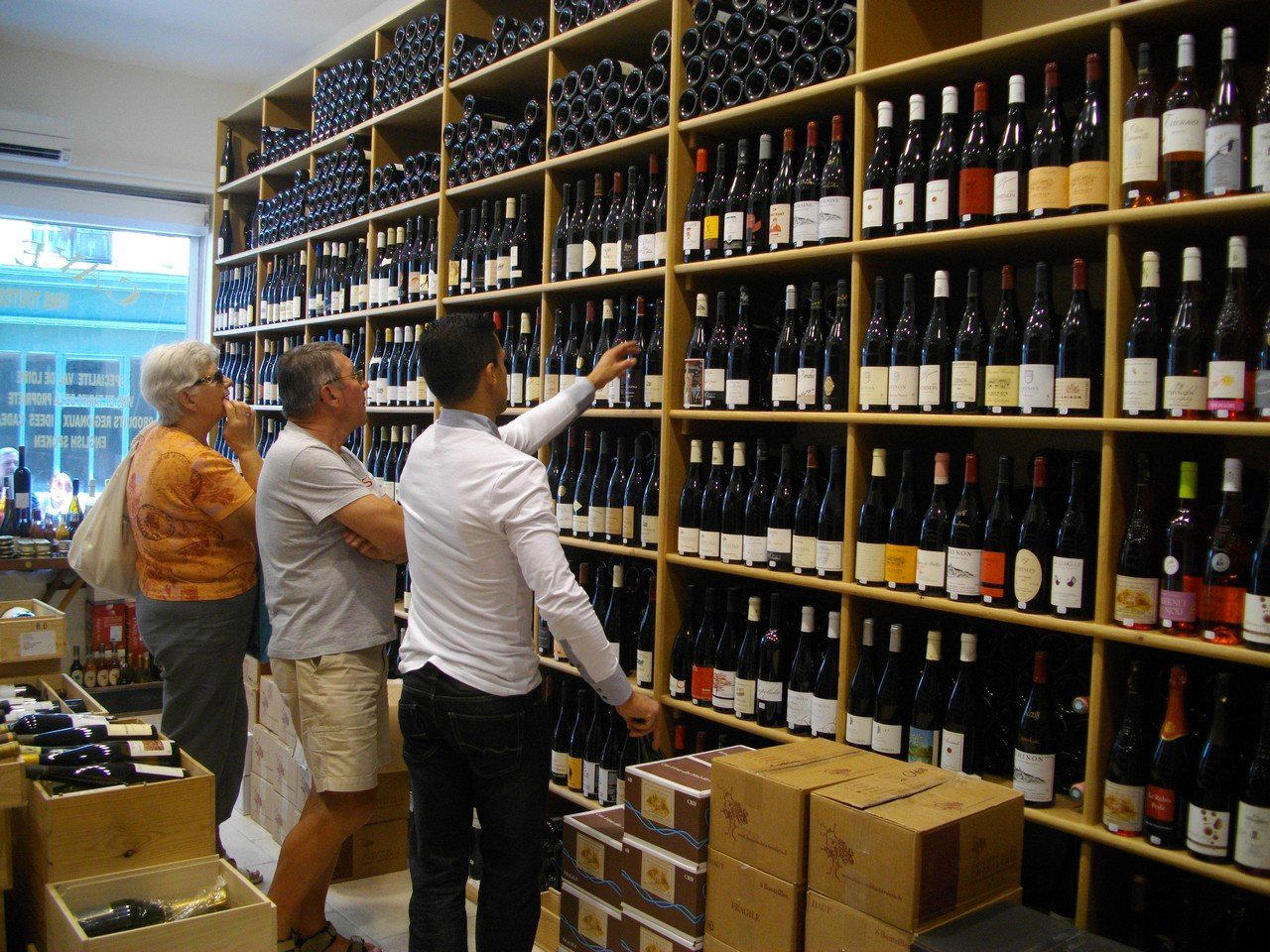
Restaurants in Saumur
Browse all →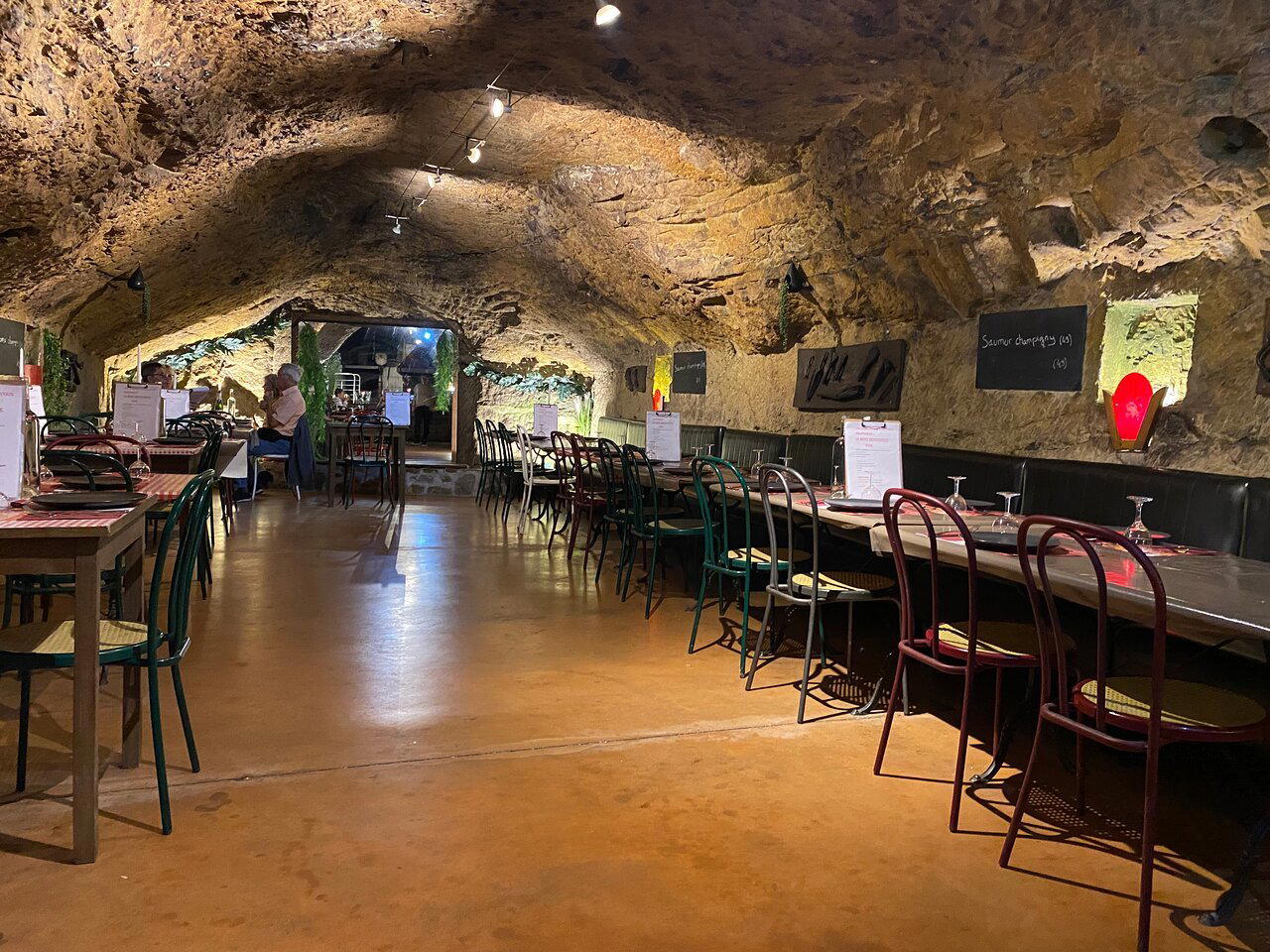
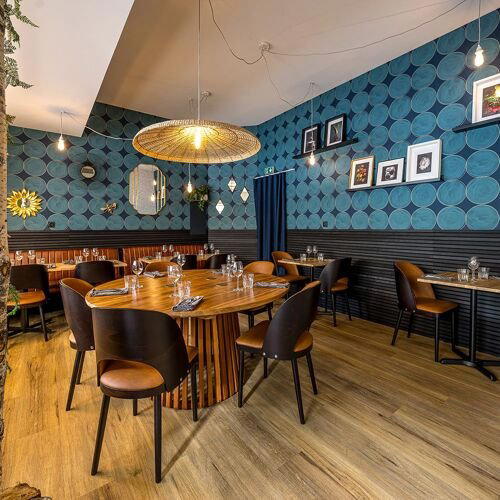
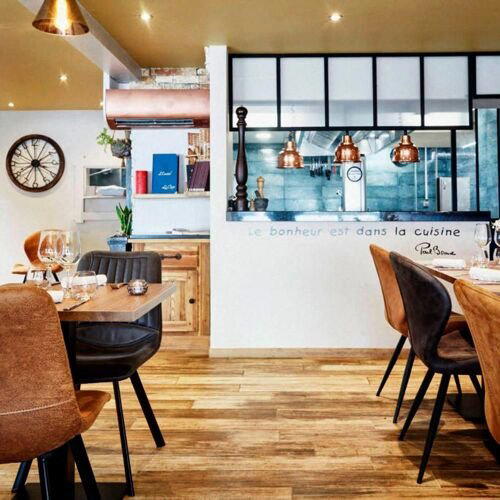
Hotels in Saumur
Browse all →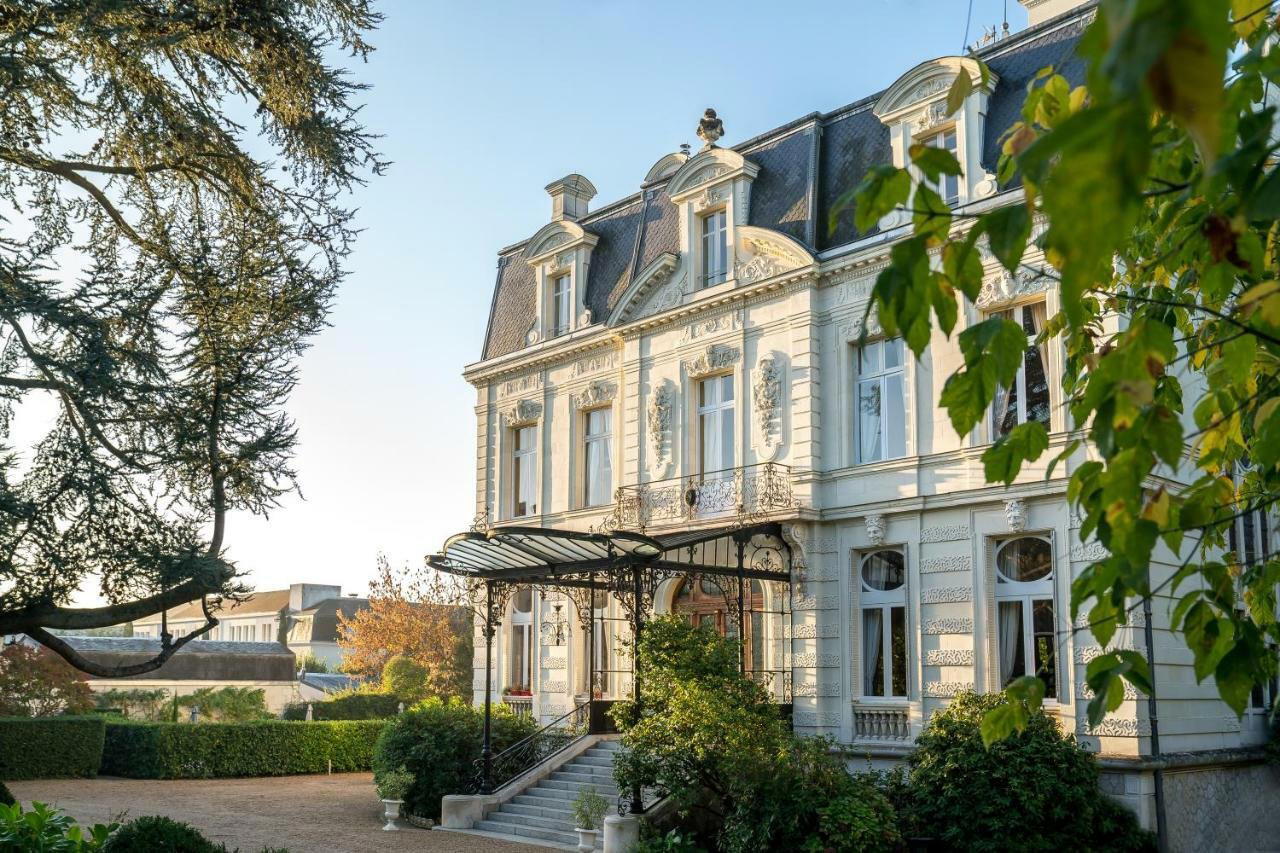

At a Glance
- Classic
- Elegant
- Scenic
- Romantic
- Date Night
- Group Outing
- Special Occasion
- Celebration
- Historic Building
- Garden
- Terrace
- Design Destination
- Seated Bar
- Lounge Seating
- Outdoor Terrace
- Conventional Wine
- Bottle Service
- Vineyard
Current opening hours
- Monday
- 9:30 AM–6:30 PM
- Tuesday
- 9:30 AM–6:30 PM
- Wednesday
- 9:30 AM–6:30 PM
- Thursday
- 9:30 AM–6:30 PM
- Friday
- 9:30 AM–6:30 PM
- Saturday
- 9:30 AM–6:30 PM
- Sunday
- 9:30 AM–6:30 PM
Hours can change for holidays and private events. Last verified .
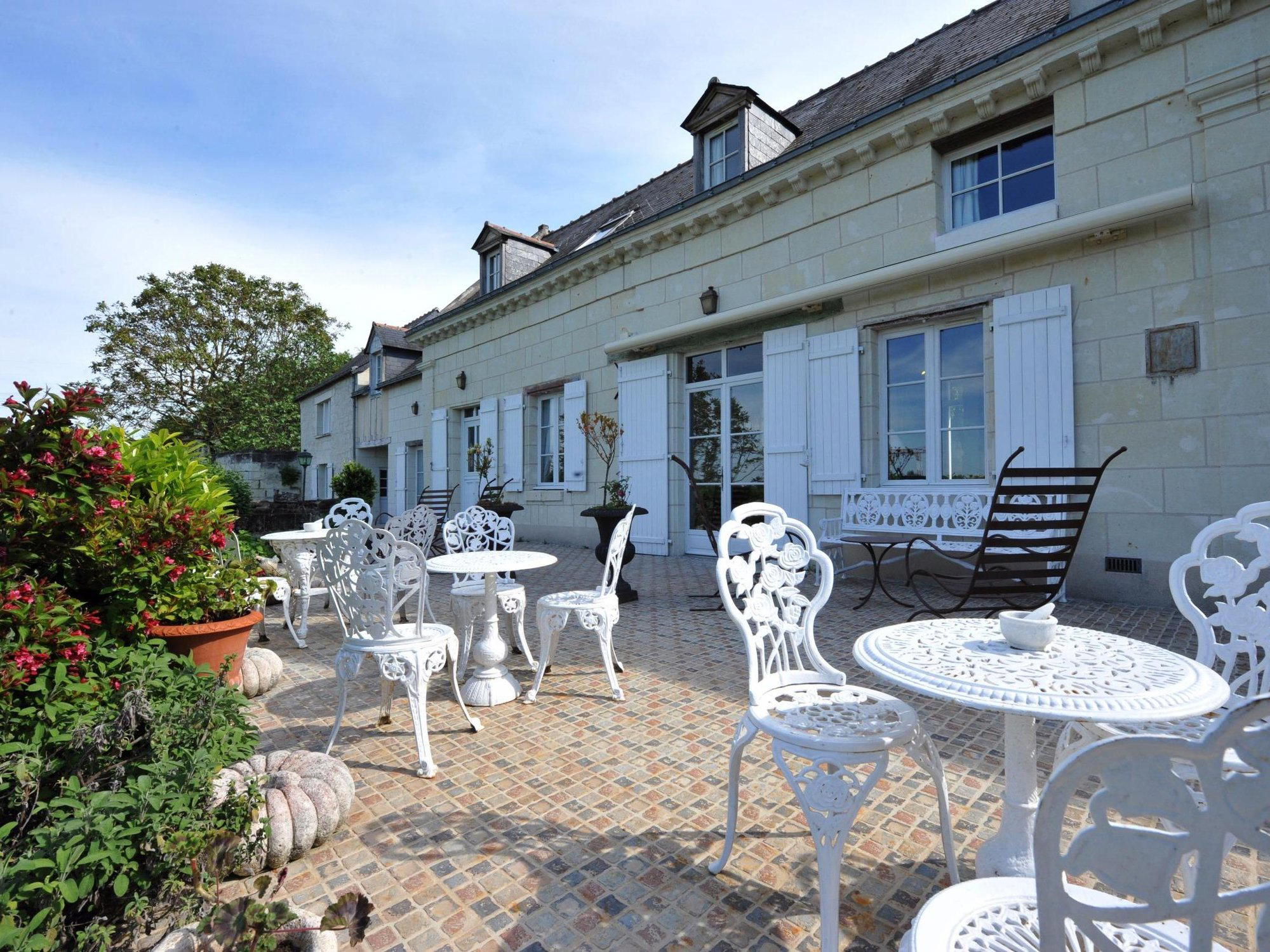
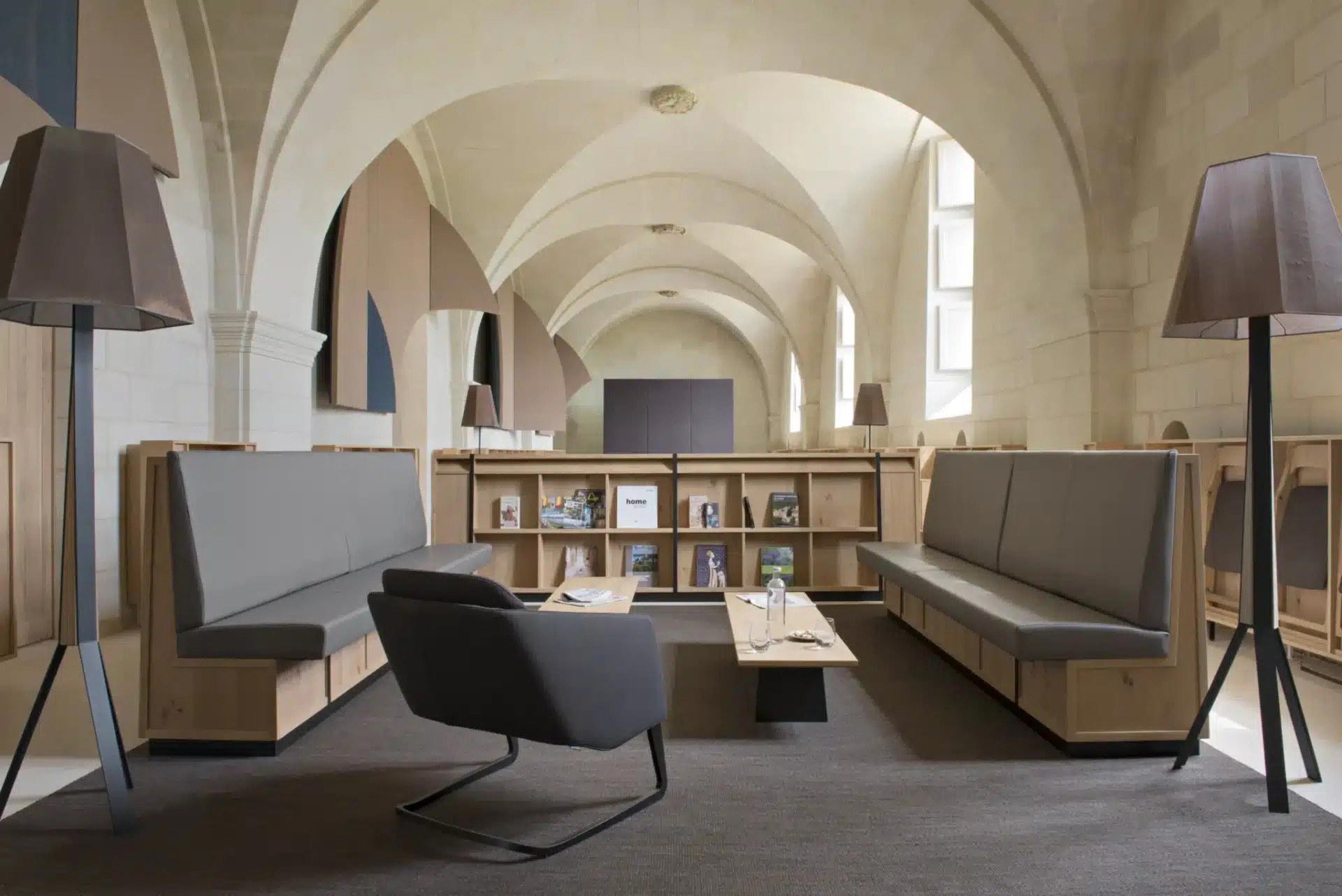
Historic and refined with natural stone cellars creating an elegant, timeless atmosphere enhanced by contemporary art installations and heritage architecture.