Masakichi occupies a residential pocket of Meguro, operating at a remove from the concentrated bar districts of Ginza and Shinjuku. The venue sits within a cohort of Tokyo addresses that trade visibility for atmosphere, where the physical space does as much editorial work as what arrives in the glass. For those tracking the quieter end of Tokyo's drinking scene, Meguro's low-key geography is part of the proposition.

Pearl is the En Primeur Club membership app, where members save venues, book tables and use the concierge.
Meguro's Quieter Register
Tokyo's bar culture has long been understood through its densest corridors: the counter-lined basements of Ginza, the standing bars of Golden Gai, the hotel lobbies of Shinjuku. But a parallel geography exists in the city's residential wards, where venues operate without the foot traffic or the signage, and where the physical space carries a different kind of weight. Masakichi, addressed to a residential stretch of Megurohoncho in Meguro City, belongs to that secondary map. Its location on a quiet block of 5-chome places it well outside the circuits that international visitors typically trace, and that separation is legible the moment you arrive.
Meguro as a drinking destination has grown steadily in the past decade, with a cluster of serious bars and restaurants choosing the ward's calmer streets over the premium rents and tourist density of central Tokyo. The neighbourhood draws a local clientele that expects discretion and craft in roughly equal measure. In that context, a venue's interior becomes its primary communication tool: there are no passing crowds to catch, no neon signs pulling in the curious. What the space looks like, how it seats people, and what it signals about the experience inside are decisions that carry more consequence here than they would in Ginza.
The Physical Container
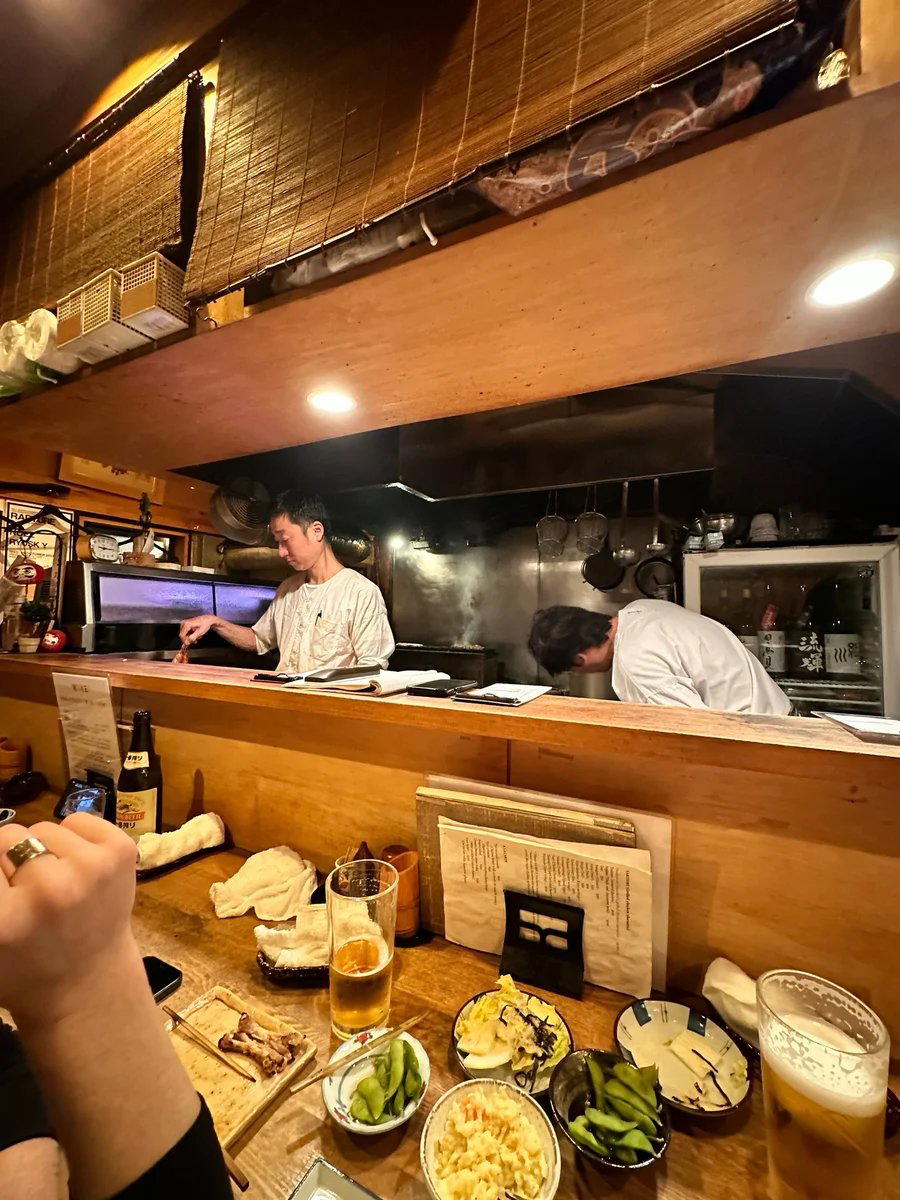
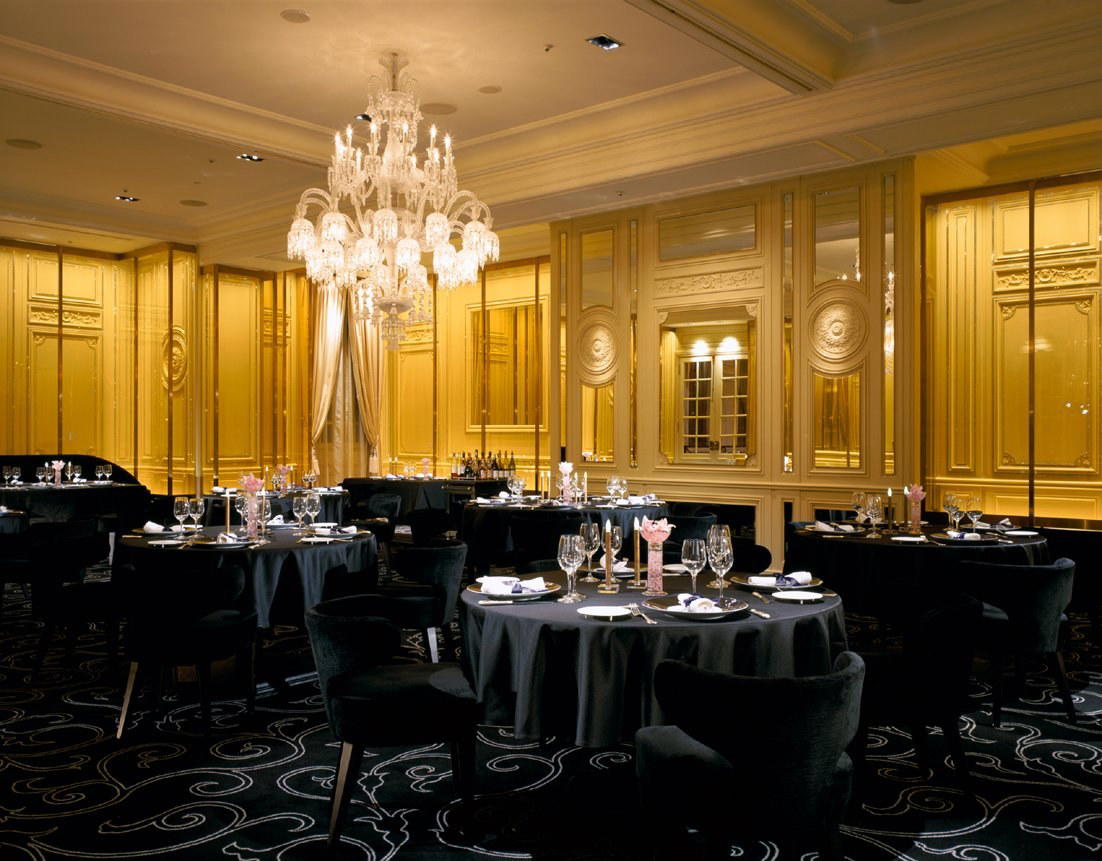
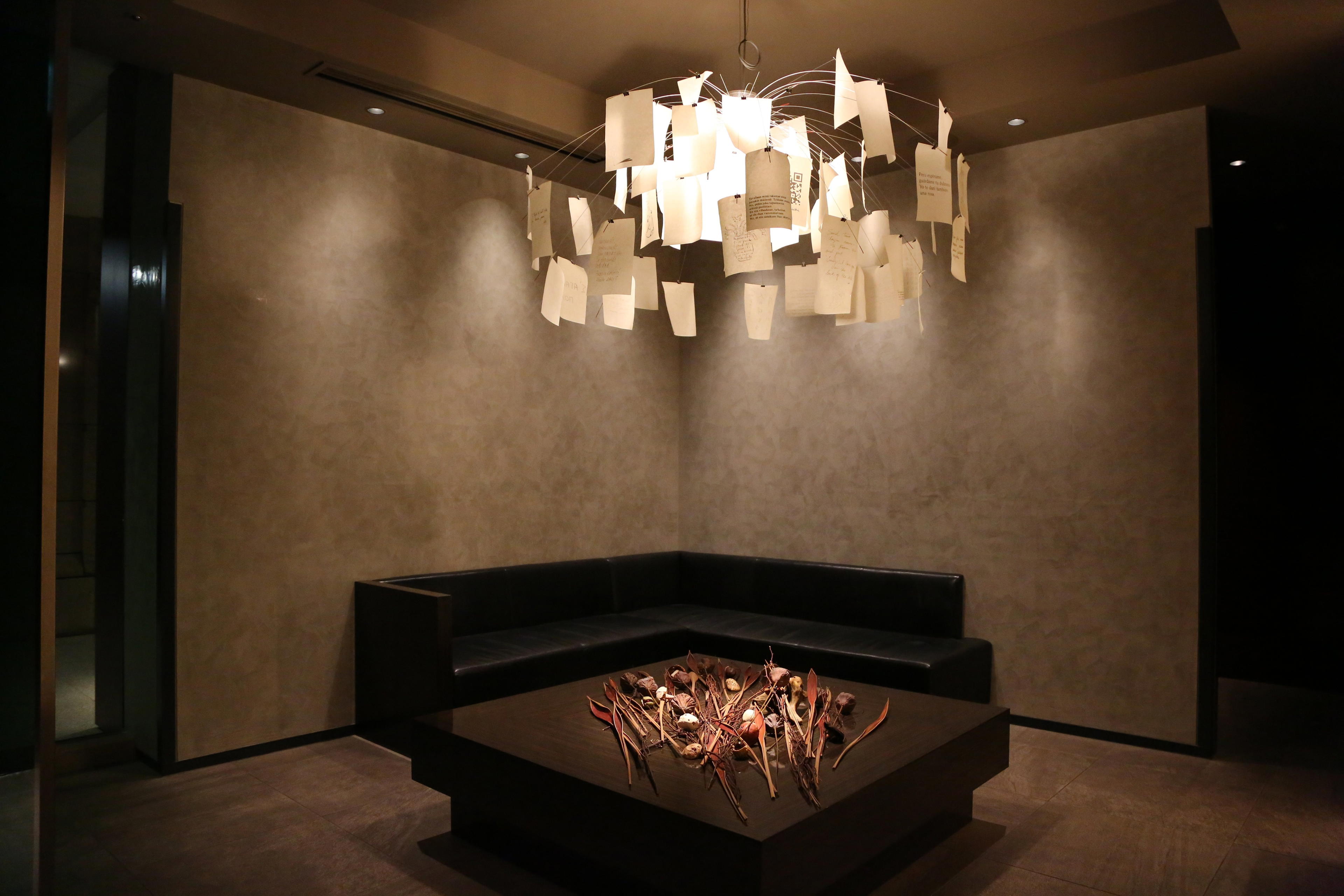
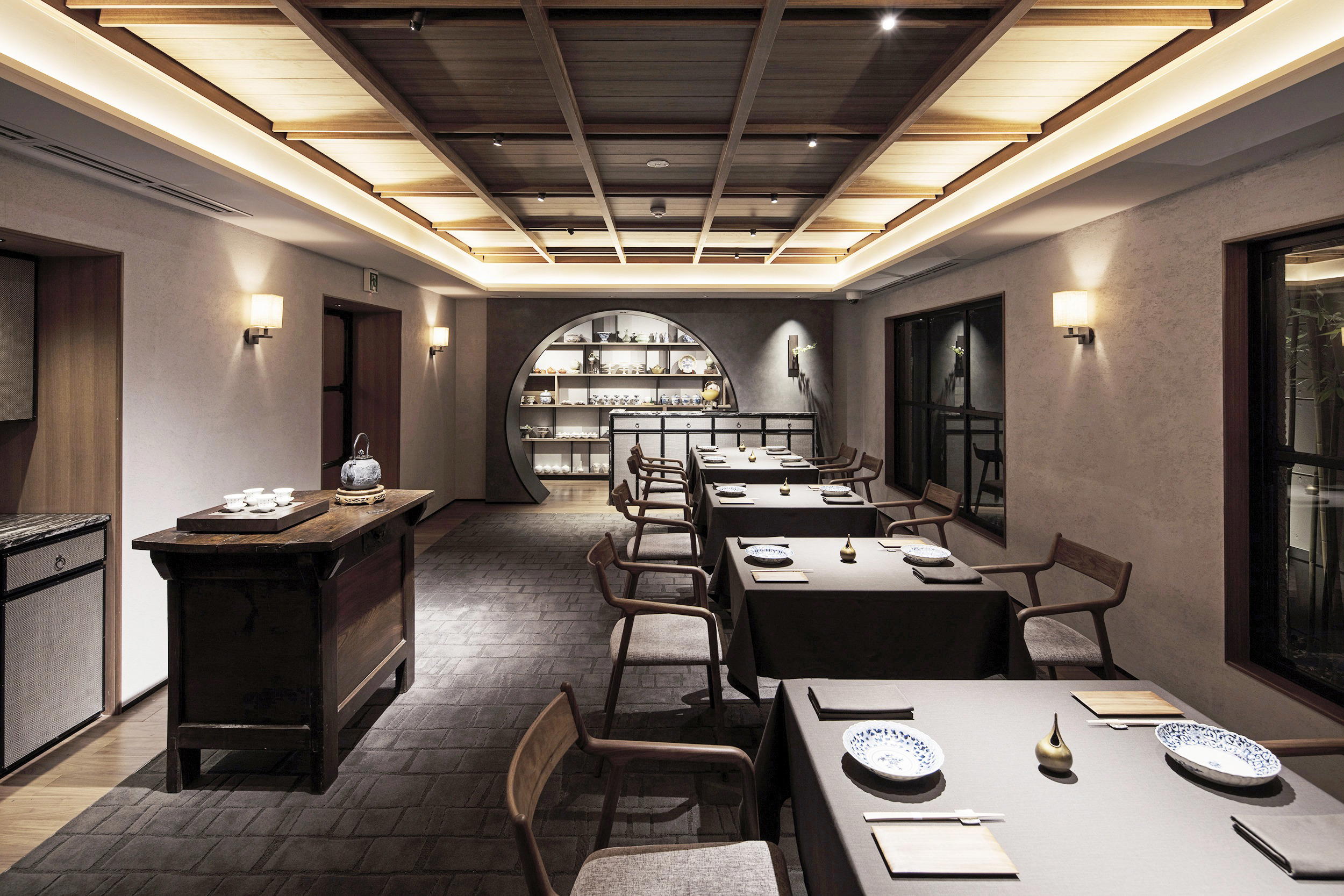
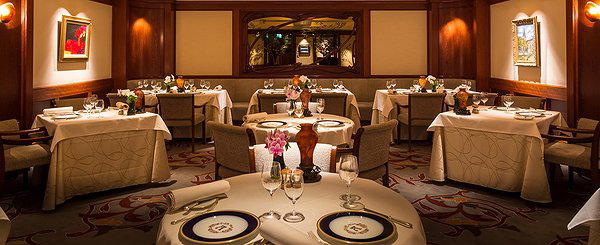
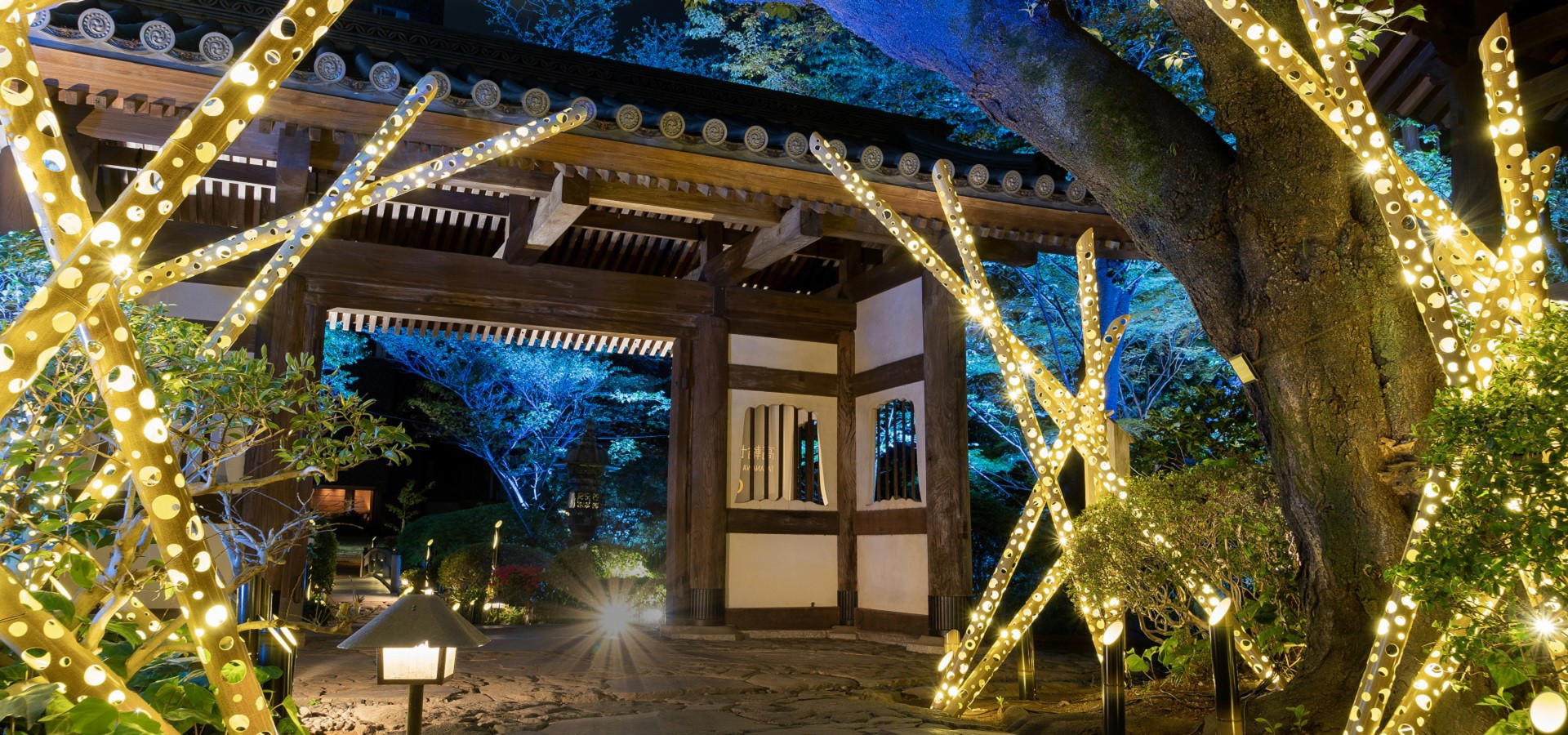
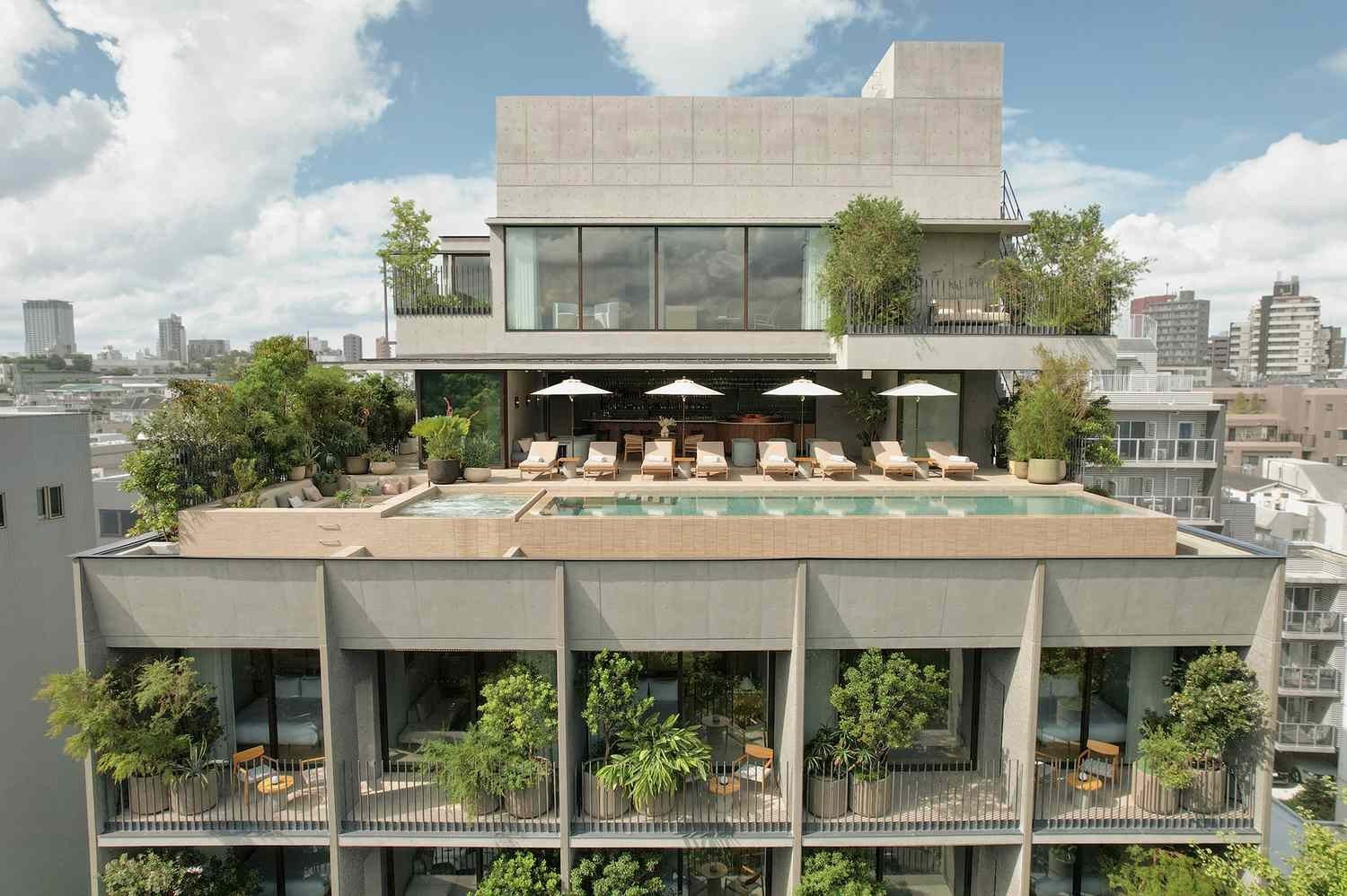
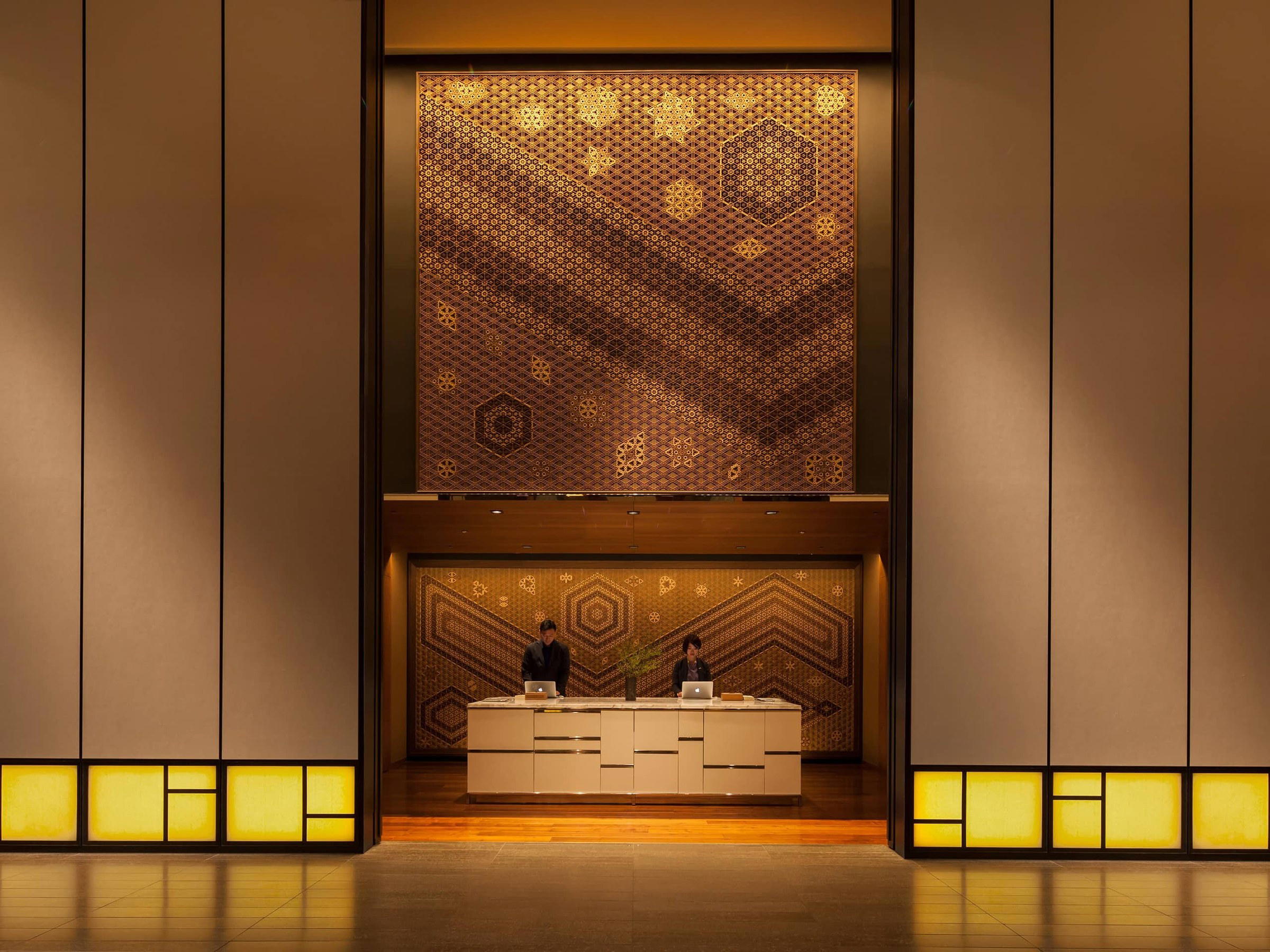
The editorial angle that matters most at Masakichi is spatial. Tokyo's premium bar tier has split in recent years between two physical models: the compact, counter-driven format where the bartender is the architecture, and the room-led format where material choices, lighting logic, and seating configuration create the atmosphere independent of any single performer. Masakichi's Meguro address, the residential character of its block, and the type of venue that tends to occupy these quieter Tokyo pockets all suggest the latter approach. Spaces in this part of the city typically favour warm materials, considered lighting, and a seating count that keeps the room from tipping into noise. The bar counter, when it exists, functions as a stage for technique; the room beyond it is designed to hold a conversation at normal volume.
That spatial logic connects Masakichi to a broader shift in how serious Tokyo bars think about their physical containers. The counter-only format, long dominant in both cocktail bars and omakase restaurants, has given way in some quarters to a more considered room: banquette seating, table service alongside counter service, and interior details drawn from craft traditions rather than hospitality convention. Venues in this mode are harder to shorthand, but they tend to sustain longer visits and higher per-seat revenue. The design is not decorative, it is functional in a specific, commercially literate way.
Tokyo's Bar Ecosystem and Where Meguro Fits
Understanding Masakichi requires some mapping of the broader scene. Tokyo's cocktail bars cluster by philosophy as much as geography. Ginza carries the classical Japanese bartending tradition: the long pour, the hand-cut ice, the formal whites. Bar Benfiddich, in Shinjuku, moves toward botanical obsession and ingredient provenance, drawing a different crowd and a different kind of press. Bar Libre represents the more experimental wing of Tokyo drinking, where format and concept carry as much authority as technique.
Meguro sits adjacent to these traditions without belonging entirely to any of them. The ward's bars tend to draw professionals from the creative and media industries who live or work nearby, and they favour venues that read as considered without being performative. The competitive set for a Meguro bar is not Ginza's counter hierarchy; it is a looser collection of neighbourhood addresses across Nakameguro, Daikanyama, and Ebisu that have built loyal local followings without significant international press. For visitors reading our full Tokyo restaurants guide, that distinction matters: Meguro is a destination choice, not a discovery-by-accident one.
What the Address Tells You About the Visit
Venues at this address in Tokyo share a logistical profile. Public transport access runs through Meguro Station, which sits on the Yamanote Line and connects directly to Shibuya, Ebisu, and the broader south-west arc of the city. The neighbourhood is navigable on foot in the early evening; by late night, taxis and ride apps are the practical choice.
Reservation behaviour at venues in this part of Tokyo varies more than in Ginza, where the counter format imposes a strict booking discipline. Some Meguro addresses operate on a walk-in basis for early slots; others are fully reserved several weeks ahead. Booking via a concierge, particularly for visitors staying in central Tokyo hotels, is the most reliable approach when specific contact details are not publicly listed. The venue's address, 5 Chome-2-8 Megurohoncho, Meguro City, is a precise anchor for any map or hotel concierge request.
Reading the Space Against Japan's Wider Bar Scene
Tokyo is not the only Japanese city developing a serious bar culture, though it remains the densest node. The pattern of neighbourhood-anchored, design-conscious venues recurs across the country: Bar Nayuta in Osaka operates on a comparably intimate scale, as does Bee's Knees in Kyoto. Lamp Bar in Nara has built a reputation that extends well beyond its city's tourist traffic, and Yakoboku in Kumamoto demonstrates how far the serious bar format has travelled from the traditional urban centres. Further afield, anchovy butter in Osaka Shi and Kyoto Tower Sando in Kyoto Shi show the range of formats that now carry credibility within Japan's drinking culture. Even internationally, the design-led neighbourhood bar format has found sophisticated expression at venues like Bar Leather Apron in Honolulu, which draws directly on Japanese bartending lineage.
What connects these addresses is a shared spatial logic: the room is designed to encourage return visits, not to maximise first impressions. For a venue like Masakichi, sitting in a residential part of Meguro with no obvious foot traffic, that design priority is not a stylistic choice, it is the operating model.
Planning Your Visit
Masakichi's address in Megurohoncho places it within reach of Meguro Station via the Yamanote Line, making it accessible from most central Tokyo hotels without requiring a taxi for the inbound journey. Given the residential setting, confirming opening hours and reservation requirements directly, through a hotel concierge or Japanese-language booking platform, before visiting is advisable. The venue type and neighbourhood both suggest that early-evening visits allow a more considered experience of the space, while later slots are likely to see the room operating closer to capacity.
A Tight Comparison
Comparable venues nearby, for context on price, style, and recognition.
| Venue | Cuisine | Price | Notes |
|---|---|---|---|
| MasakichiThis venue (the venue you are viewing) | Not listed | Not listed | Not listed |
| THESE | Not listed | $30–50 | Minato, cocktail_bar |
| Panacee | Not listed | $50–100 | Meguro, cocktail_bar |
| Kanemasu | Chūō, pub | Not listed | Not listed |
| K5 | Not listed | $30–50 | Chūō, cocktail_bar |
| Tender Bar | Not listed | $50–100 | Chūō, cocktail_bar |
Continue exploring
More in Tokyo
Bars in Tokyo
All bars in Tokyo →



Details
- Rustic
- Intimate
- Lively
- Cozy
- Casual Hangout
- Special Occasion
- Standalone
- Counter Only
- Sake
Current opening hours
- Monday
- 6 PM–12 AM
- Tuesday
- 6 PM–12 AM
- Wednesday
- 6 PM–12 AM
- Thursday
- 6 PM–12 AM
- Friday
- 6 PM–12 AM
- Saturday
- 6 PM–12 AM
- Sunday
- 6 PM–12 AM
Hours can change for holidays and private events. Hours as of .
Smoky, intimate atmosphere filled with the distinct aroma of binchotan charcoal; tight quarters with a single counter create a busy, casual energy where the grill is the clear center of operation.