Espressobar Kopi Soesoe
On Sumatraweg in Rotterdam's post-industrial south, Espressobar Kopi Soesoe draws its name and spirit from the Indonesian coffee culture woven into Dutch colonial history. The bar occupies a corner of Rotterdam that rewards the deliberate visitor, offering a drinking experience shaped by that dual heritage. It sits within a city whose bar scene has grown considerably more considered over the past decade.
 Discover on Pearl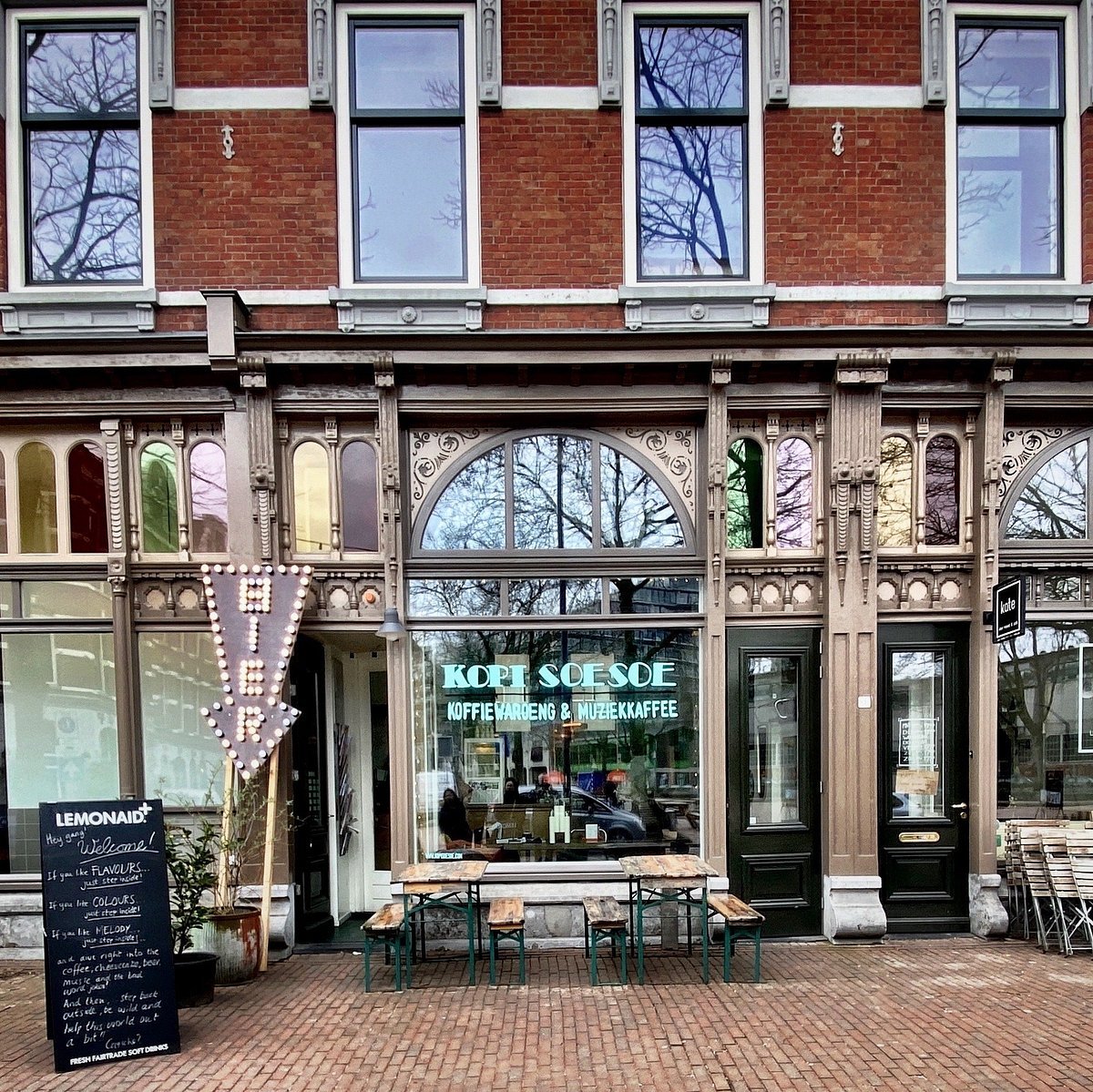
Where Rotterdam's Indonesian Coffee History Meets the Bar Counter
The Sumatraweg address is not incidental. Rotterdam's southern harbour districts carry the residue of the city's colonial trading past in their street names, warehouse bones, and food culture, and Espressobar Kopi Soesoe draws directly from that inheritance. Kopi is the Indonesian word for coffee, borrowed from Dutch colonial trade routes that once ran through Sumatra and Java, and the bar's positioning on a street named for that island is the kind of detail that separates a venue with a genuine sense of place from one that has simply dressed itself in a theme. In a city where drinking culture has moved decisively toward specificity, that rootedness matters.
Rotterdam's bar scene has undergone a significant structural shift over the past ten years. The city that once deferred to Amsterdam for cocktail credibility has developed its own tier of thoughtful drinking destinations, spread across neighbourhoods that reflect its patchwork of post-war rebuilding and newer creative occupation. Venues like 't Ouwe Bruggetje, Biergarten, and Botanero each occupy a different slice of that scene, while Cafe Kiem shows how a strong concept can anchor an otherwise underserved pocket of the city. Espressobar Kopi Soesoe belongs to this same generation of purpose-driven openings, though it approaches its identity through a cultural reference point that most Rotterdam bars leave unexplored.
The shortlist, unlocked.
Hard-to-book tables, cellar releases, and concierge-planned trips.
Get Exclusive Access →The Drink Programme: Coffee, Spirit, and the Space Between
The bar's conceptual territory sits at the intersection of espresso culture and alcohol-forward drinks, a format that has gained traction in several European cities but remains relatively rare in the Dutch context. The Indonesian coffee tradition that the name invokes is not a decorative choice: kopi in the archipelago's café culture has always been denser, darker, and more sweetened than the northern European third-wave model, brewed from robusta beans and often served with condensed milk. That flavour profile, when it informs a drinks programme, opens a different palette than the cleaner, more acidic specialty coffee that dominates Amsterdam and Rotterdam's newer café openings.
Bars operating in this espresso-bar hybrid format typically build their menus around the tension between bitter, sweet, and spirit-forward. The coffee itself becomes an ingredient with structural weight, capable of carrying or cutting through the alcoholic elements rather than merely flavouring them. Across Europe, the bars that have done this most convincingly, including reference points like Door 74 in Amsterdam and Bar Leather Apron in Honolulu, tend to treat the coffee source with the same rigour applied to spirit selection. The cultural framing at Kopi Soesoe suggests a similar seriousness about provenance, grounding the programme in a specific tradition rather than a generalised aesthetic.
The Atmosphere on Sumatraweg
Approaching from the street, the Sumatraweg address places the bar in a part of Rotterdam that is neither the polished city centre nor the aggressively cool Witte de With corridor. This is a working district that has absorbed creative occupation gradually and without the self-consciousness that can flatten a neighbourhood's character. The bar's position here signals a particular kind of operator: one more interested in building a local constituency than in capturing passing tourist trade.
Inside, the espressobar format typically favours counter seating and a rhythm that accommodates both quick visits and longer stays, the morning coffee crowd and the evening drinker occupying the same physical space at different hours. That temporal flexibility is part of what distinguishes the format from a conventional bar or café. The Indonesian reference points in the name and concept suggest warm materials, a density of flavour in the drinks, and an atmosphere that leans unhurried rather than performative. For the visitor arriving from the more self-consciously curated bars elsewhere in Rotterdam, this should register as a considered shift in register rather than a step down in ambition.
Rotterdam's broader bar geography rewards those willing to move between its distinct zones. Alongside Kopi Soesoe, the southern and harbour-adjacent districts contain venues that reflect the city's actual residential and cultural mix more accurately than the concentrated strip around Witte de With. See our full Rotterdam restaurants guide for a mapped overview of how the city's drinking culture is currently distributed.
How Kopi Soesoe Sits in the Wider Dutch Bar Scene
The Dutch bar scene beyond Rotterdam has produced a cohort of venues that draw on specific cultural or ingredient narratives to differentiate themselves from the generic cocktail-bar model. Florin Utrecht in Utrecht and Bowie in The Hague both illustrate how a city outside Amsterdam can develop a bar identity that speaks to its own context rather than simply following the capital's lead. Brasserie Lalou in Delft and Café Barolo in Eindhoven show the same pattern further south. Boode Foodbar in Bathmen demonstrates that this approach extends well beyond the major cities.
Kopi Soesoe operates within this broader tendency, but its Indonesian-Dutch reference point is more historically specific than most. The Netherlands has a long and complicated relationship with Indonesian food and drink culture, one that has shaped Dutch cuisine far more than is commonly acknowledged in food writing. The rijsttafel tradition, the ubiquity of Indonesian-inflected spice use in Dutch cooking, and the presence of significant Indonesian-Dutch communities in cities like Rotterdam all point to a cultural exchange that has been nutritive on both sides. A bar that draws on this heritage is working with genuinely rich material, and the Sumatraweg address gives it a geographic grounding that strengthens the concept considerably.
Planning Your Visit
Sumatraweg 15 is in Rotterdam's southern quarter, a zone that requires a deliberate journey rather than an accidental discovery. Public transport connects the area to the city centre, though the neighbourhood rewards arriving on foot or by bicycle to get a proper sense of its character before stepping inside. Given the espressobar format, the venue likely operates across a wider daily window than a conventional bar, making it a viable stop from mid-morning through to the evening. No booking infrastructure is publicly listed, which suggests walk-in visits are standard. The address and format together indicate an unpretentious approach to entry: no membership, no dress requirement, no reservation pressure.
Frequently Asked Questions
- What should I expect atmosphere-wise at Espressobar Kopi Soesoe?
- The bar occupies a working district address on Sumatraweg that sits outside Rotterdam's main bar corridors, which shapes the atmosphere considerably. If the neighbourhood context is any guide, expect a room that feels more local than curated, with the kind of unhurried pace that comes when a venue is not dependent on tourist footfall. The Indonesian-Dutch concept adds a layer of cultural specificity that distinguishes it from the generic espresso-bar format. Given the absence of published awards data, the draw here is the concept and the address rather than formal critical recognition.
- What should I try at Espressobar Kopi Soesoe?
- The name itself is the clearest guide: kopi, the Indonesian-style coffee that differs from the northern European specialty model in its robusta base and traditionally sweetened preparation, is the conceptual anchor of the programme. A bar built on this reference point is likely to offer drinks that engage with that flavour register, whether through straight coffee preparations or drinks that use coffee as a structural ingredient. Start with whatever puts that Indonesian coffee tradition most directly in the glass.
- Is Espressobar Kopi Soesoe a good destination for visitors interested in Dutch-Indonesian cultural history through food and drink?
- The bar's name, address on Sumatraweg, and operational concept place it in direct dialogue with Rotterdam's Indonesian-Dutch heritage, making it a genuinely relevant stop for that kind of visit. Rotterdam has one of the Netherlands' largest Indonesian-Dutch communities, and the Sumatraweg street name itself reflects the colonial trading geography that shaped the city's port economy. Few bars in the Dutch drinking scene engage with this history as directly, which gives Kopi Soesoe a specificity that distinguishes it from venues drawing on Indonesian aesthetics in a more decorative sense.
At-a-Glance Comparison
A short peer table to compare basics side-by-side.
| Venue | Cuisine | Price | Awards | Notes |
|---|---|---|---|---|
| Espressobar Kopi Soesoe | This venue | |||
| Botanero | ||||
| Cafe Kiem | ||||
| NOTK | ||||
| 't Ouwe Bruggetje | ||||
| Dr. Rotterdam |
Need a Table?
Our members enjoy priority alerts and concierge-led booking support for the world's most difficult bars and lounges.
Get Exclusive AccessThe shortlist, unlocked.
Hard-to-book tables, cellar releases, and concierge-planned trips.
Get Exclusive Access →