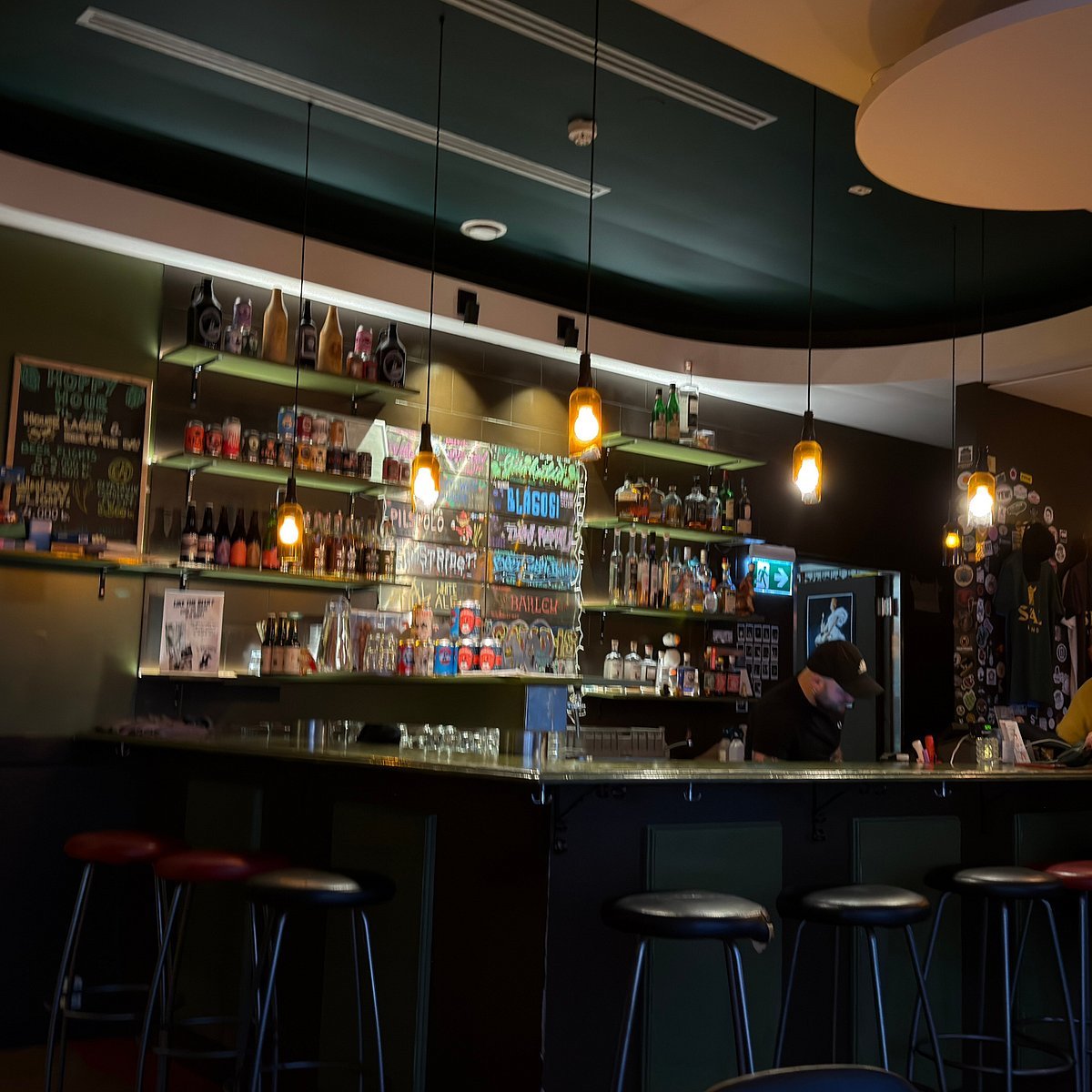
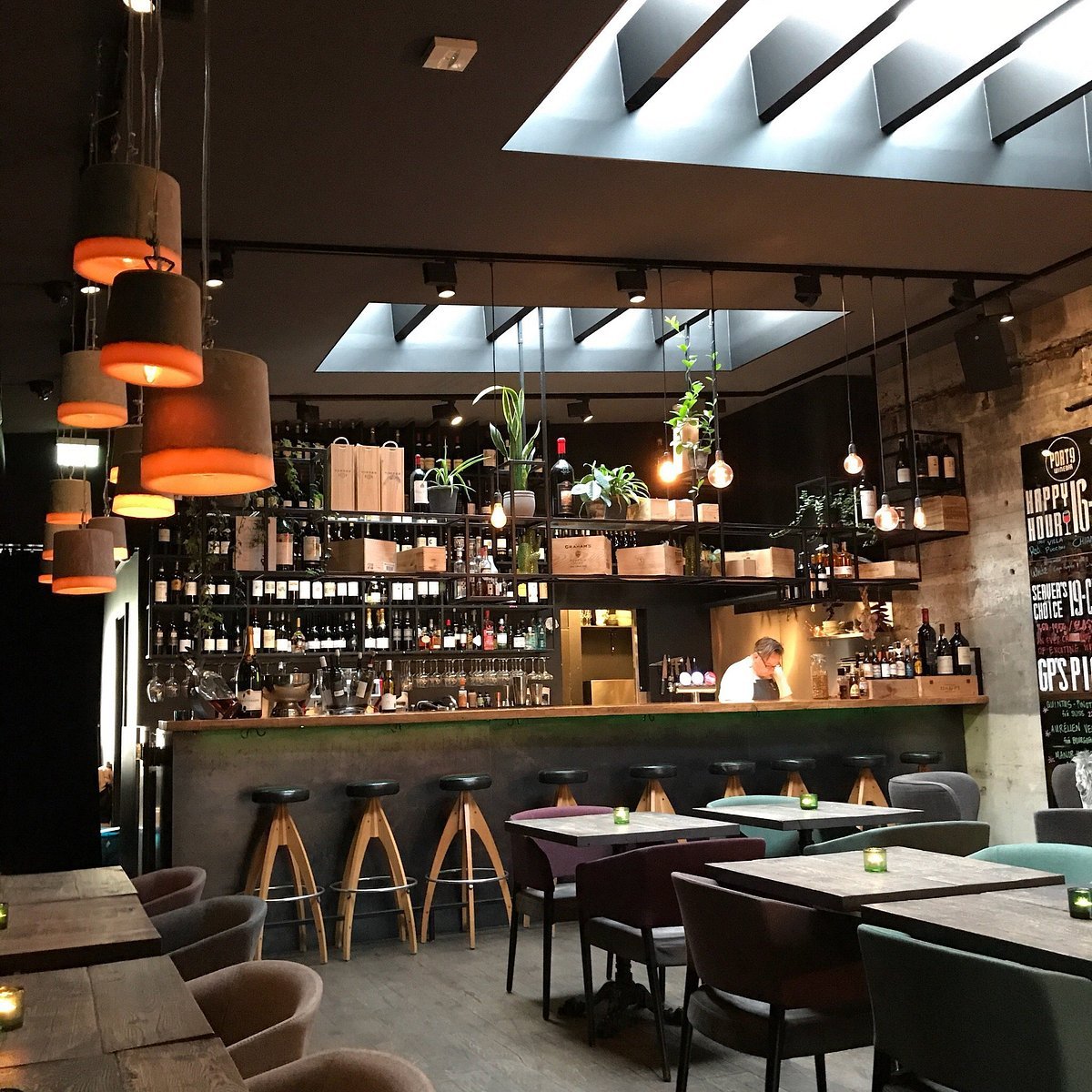
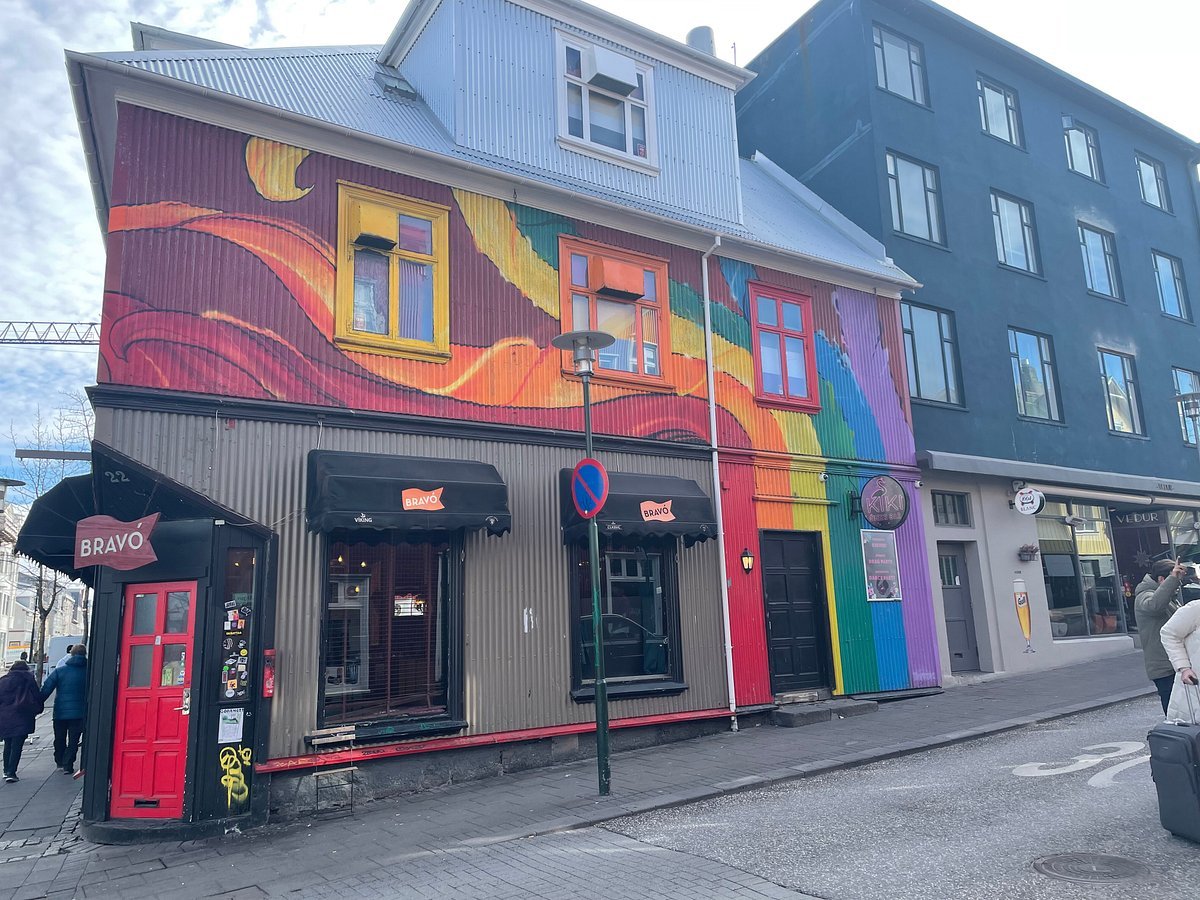
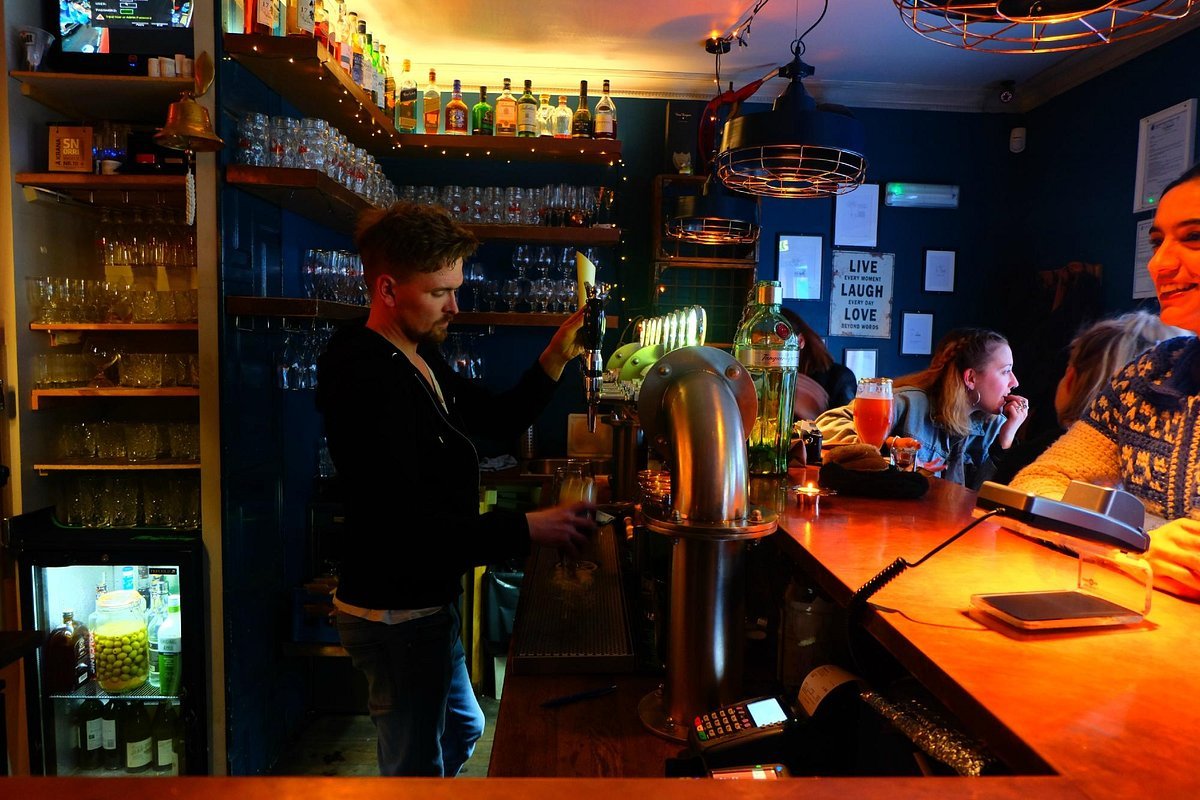
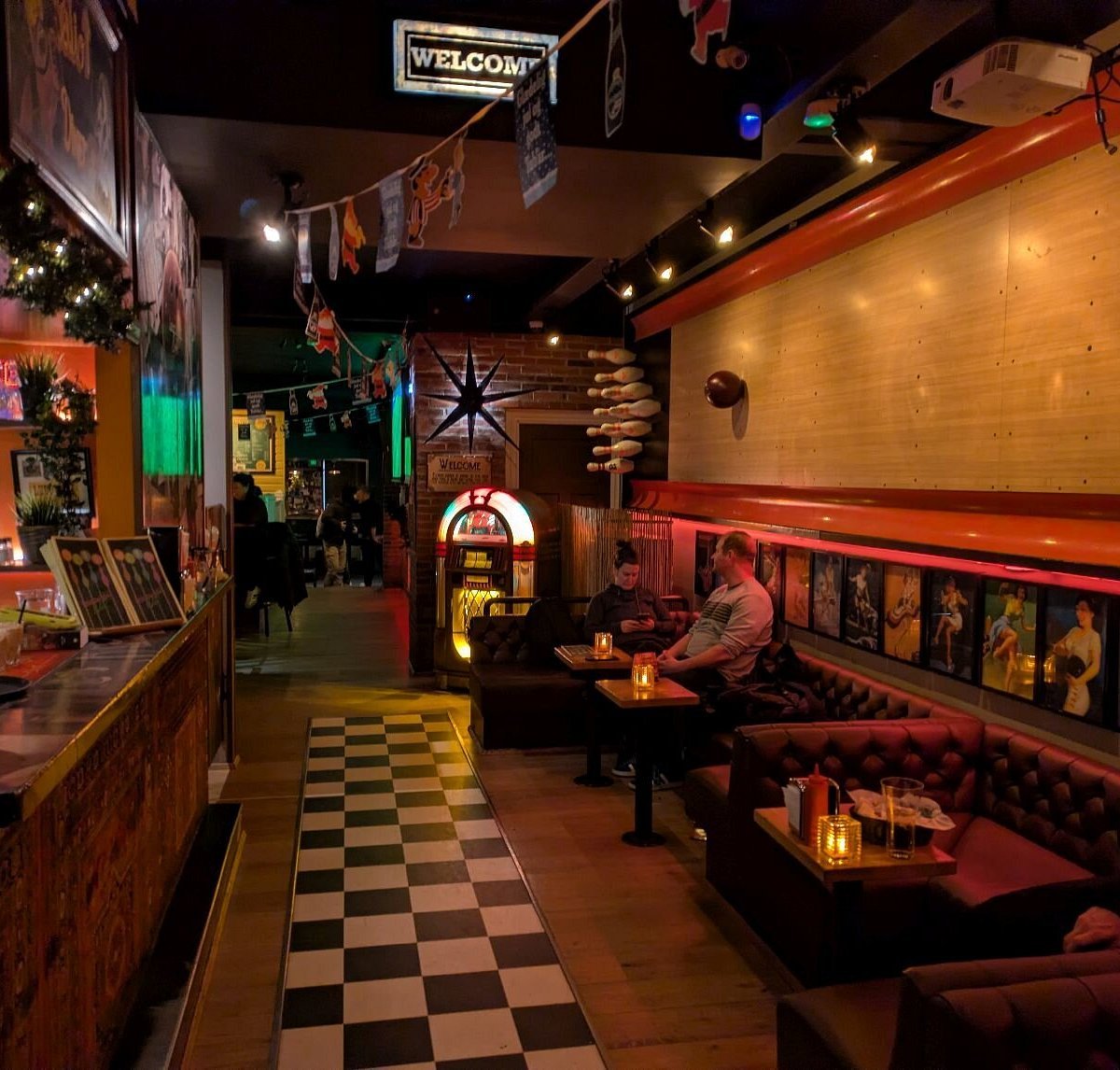
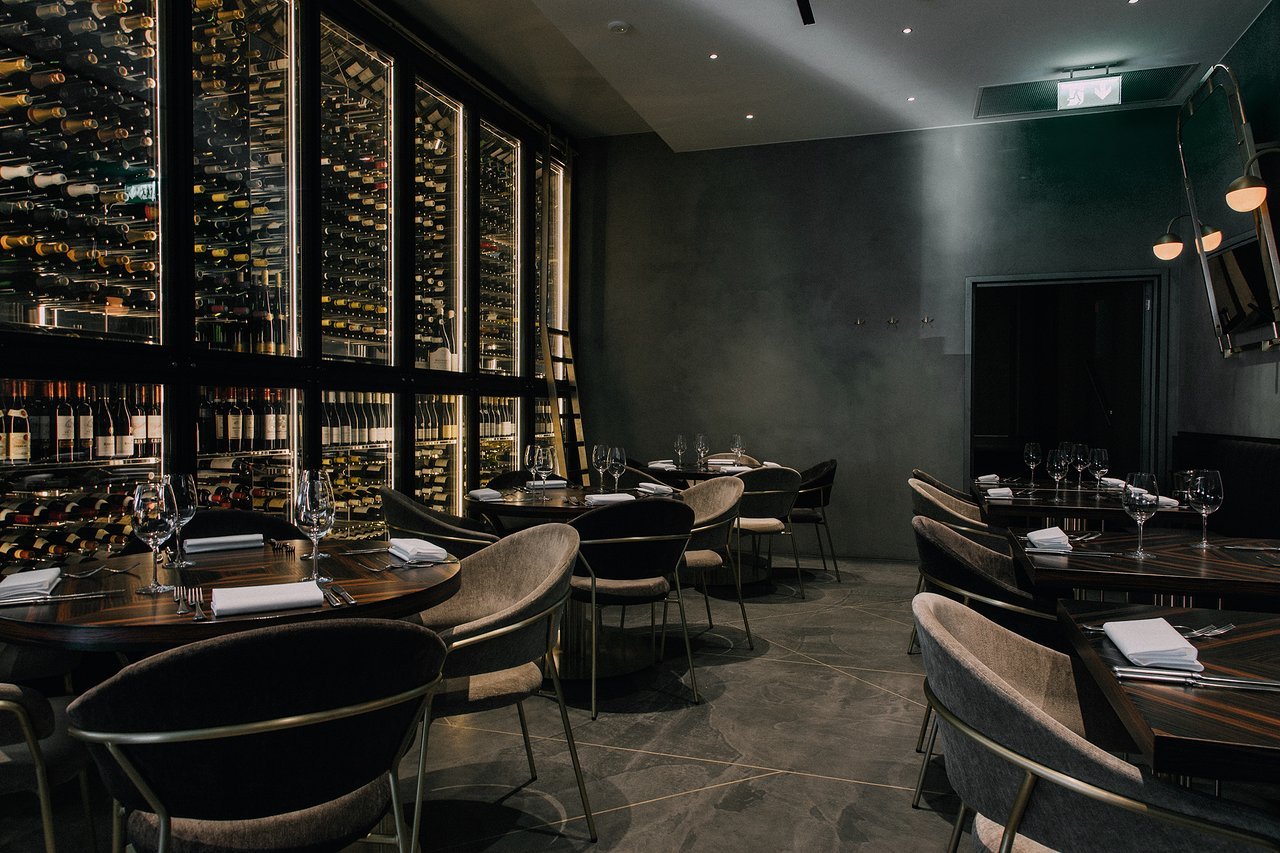
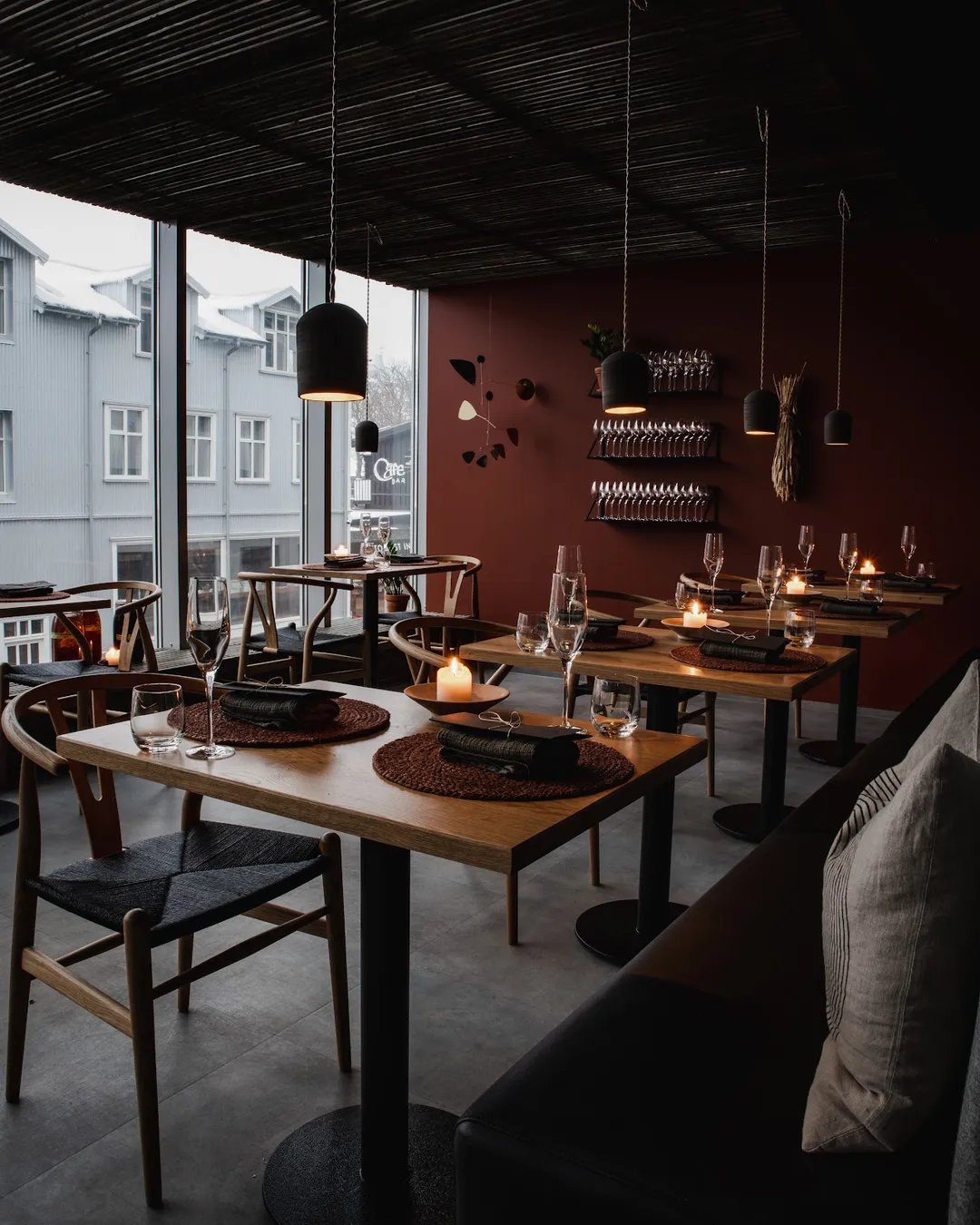
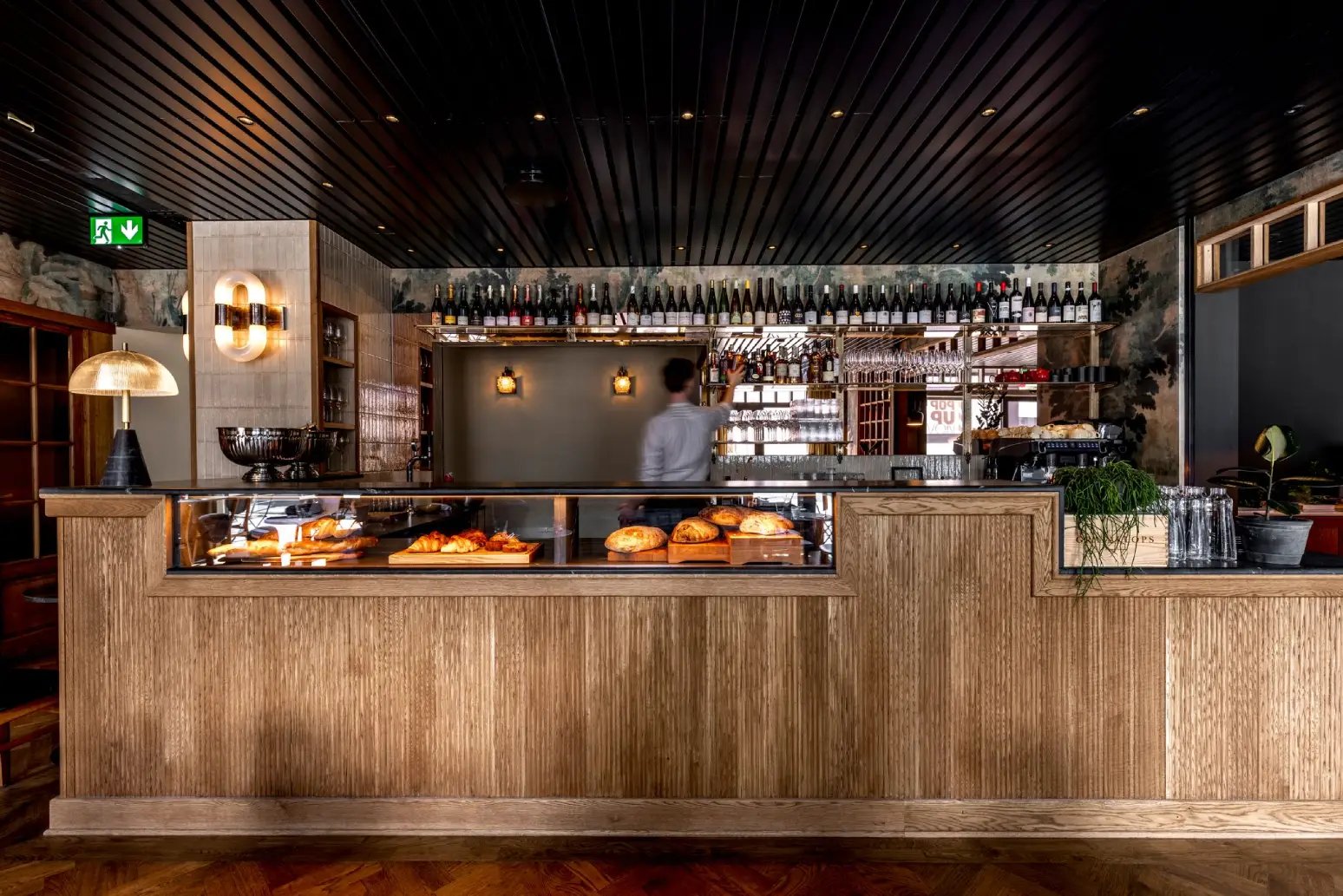
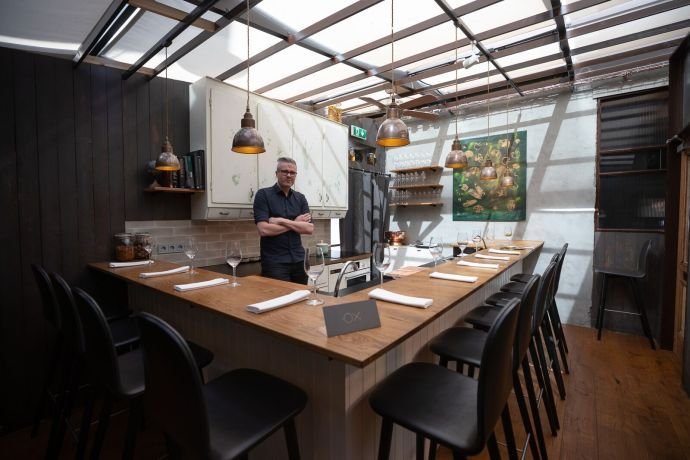
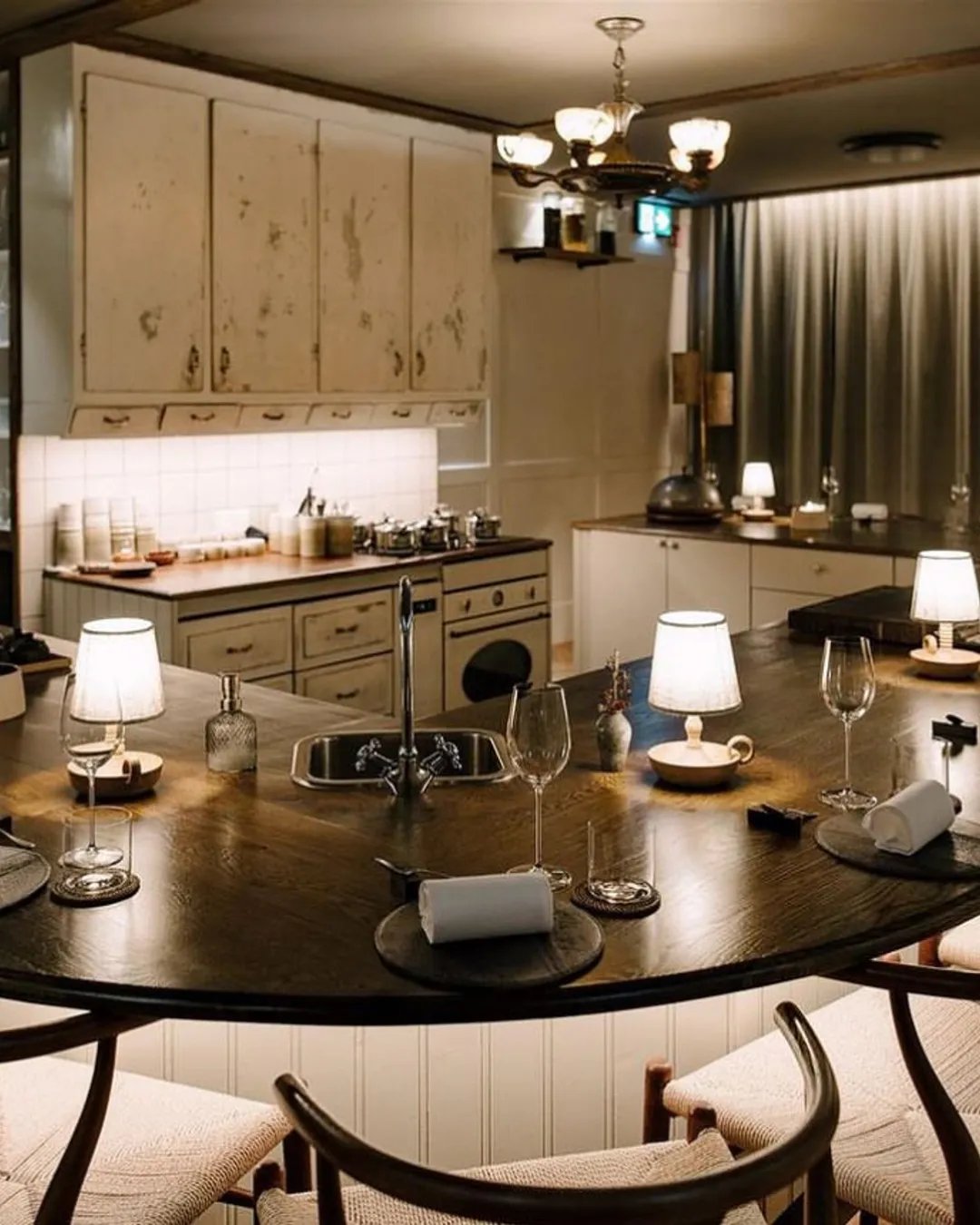
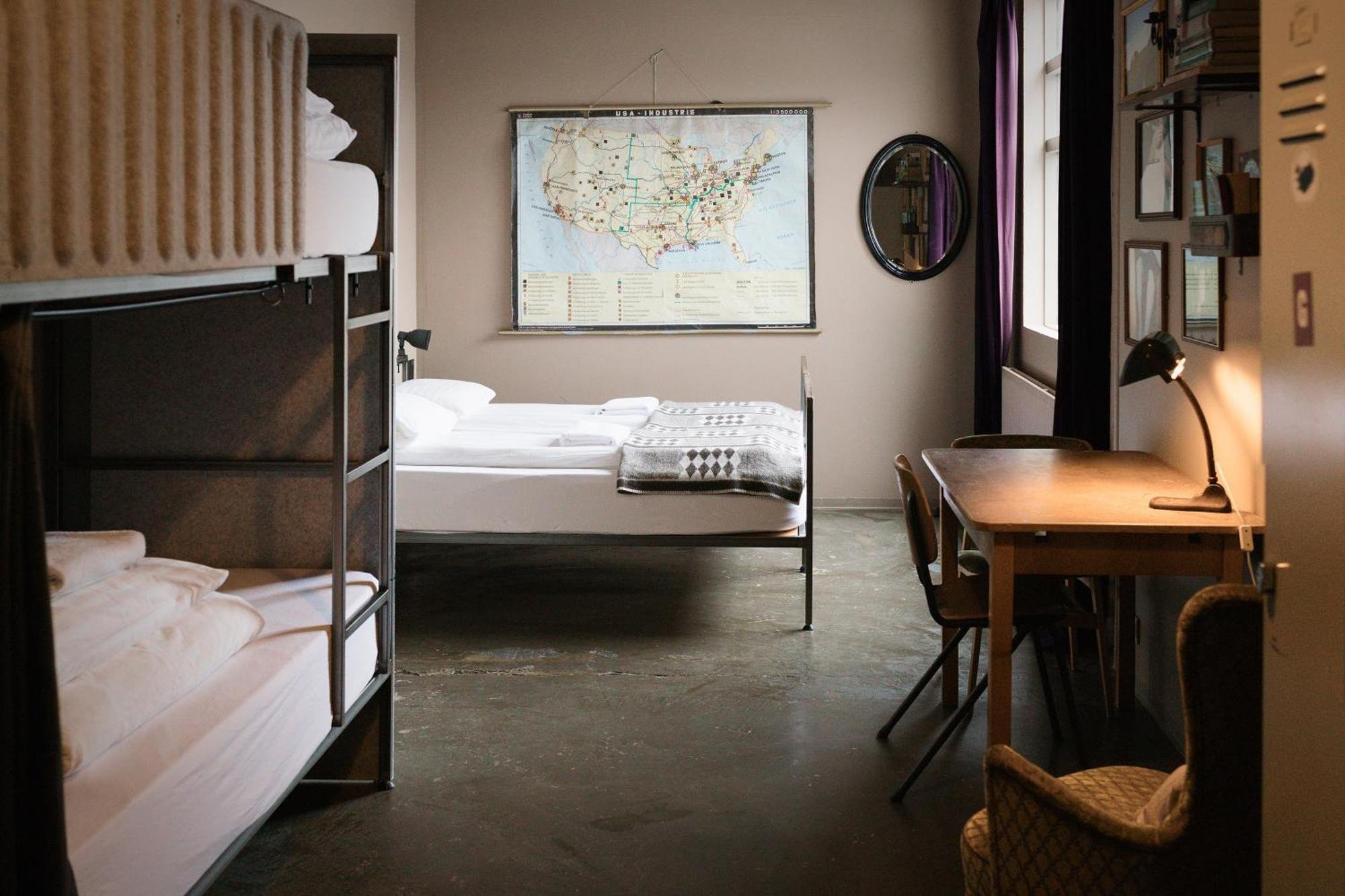
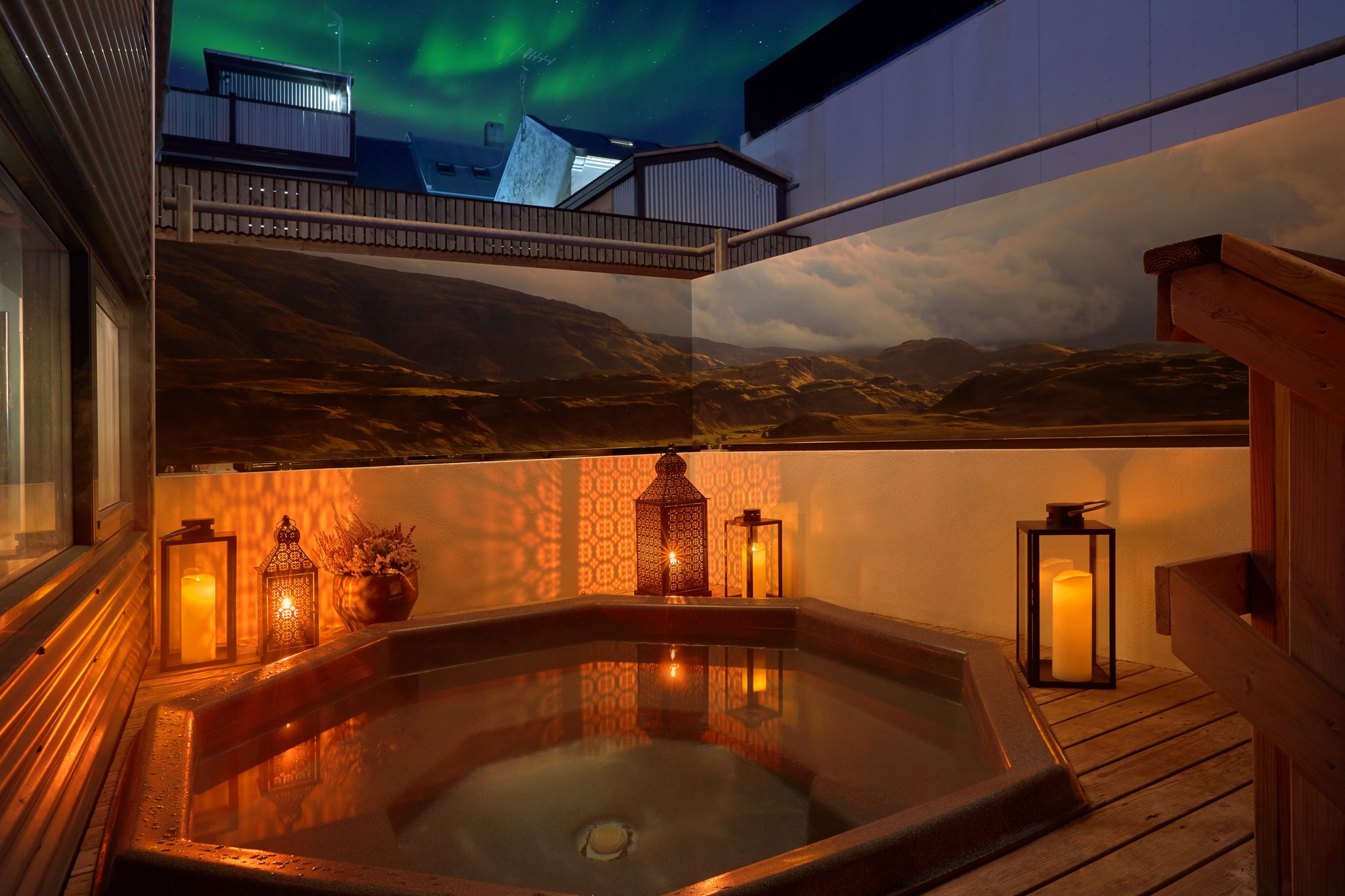
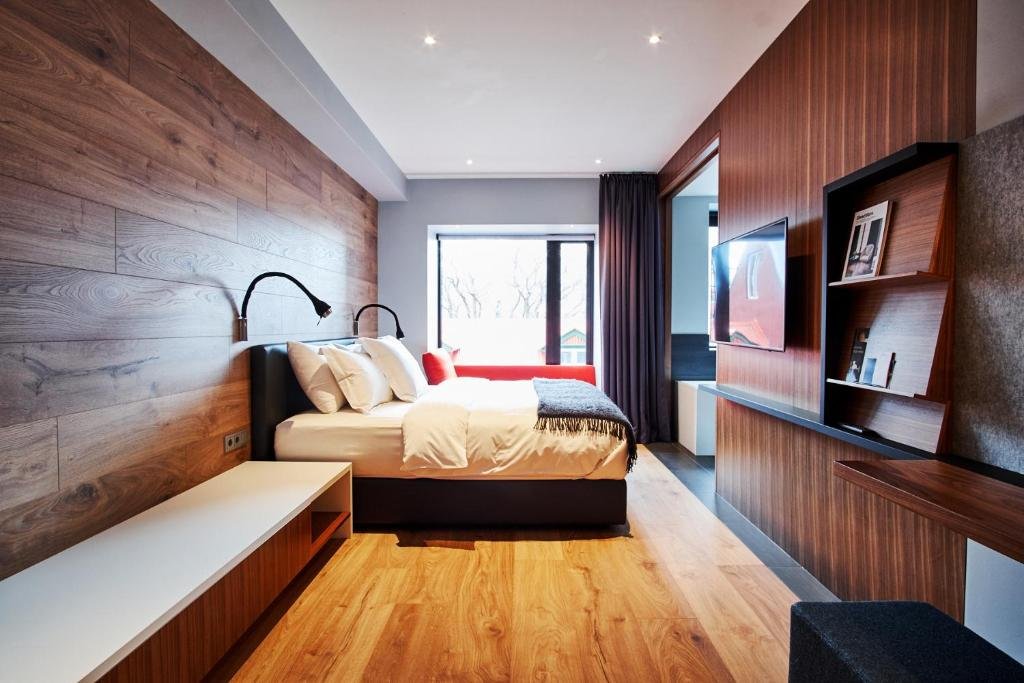
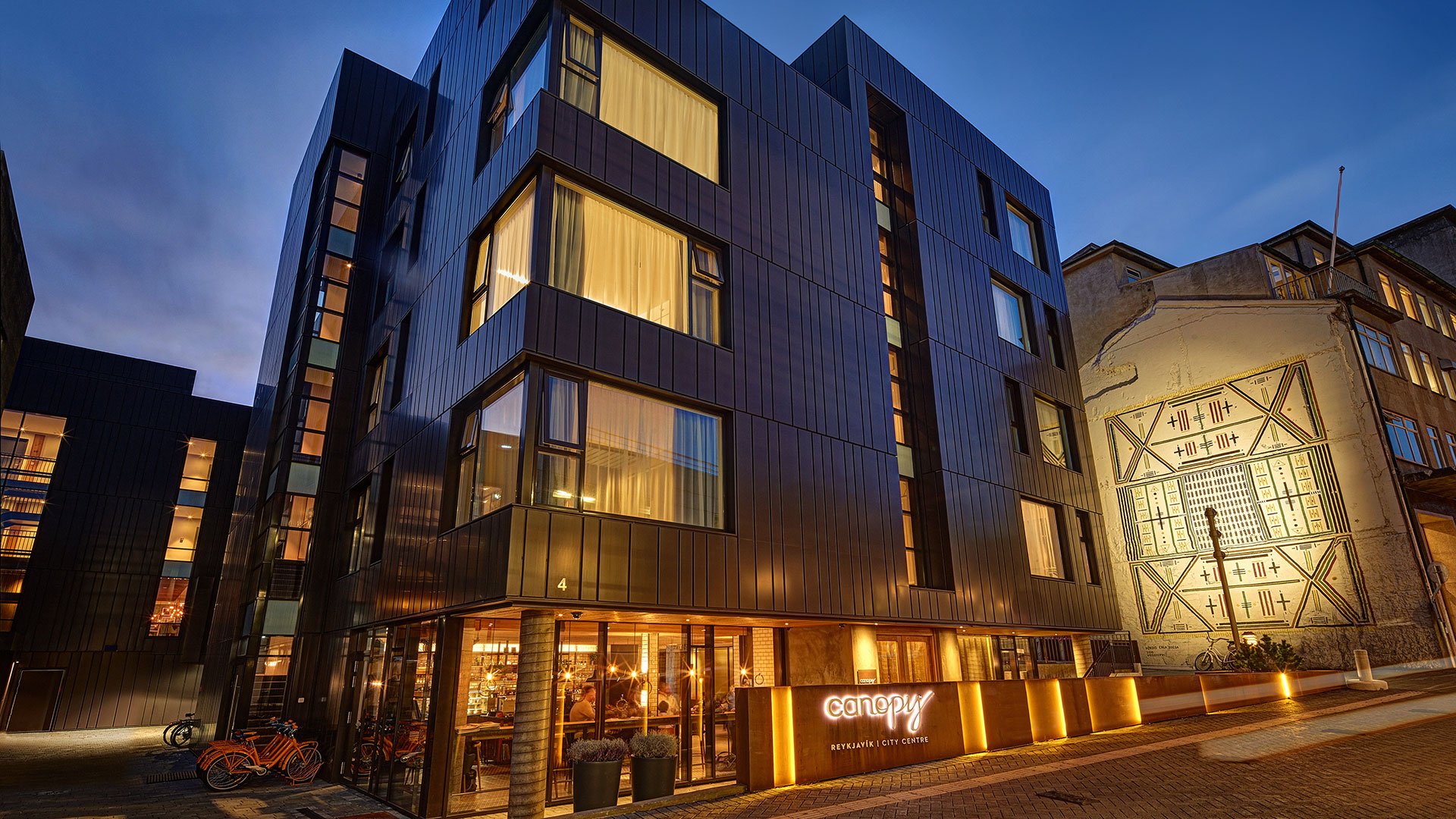
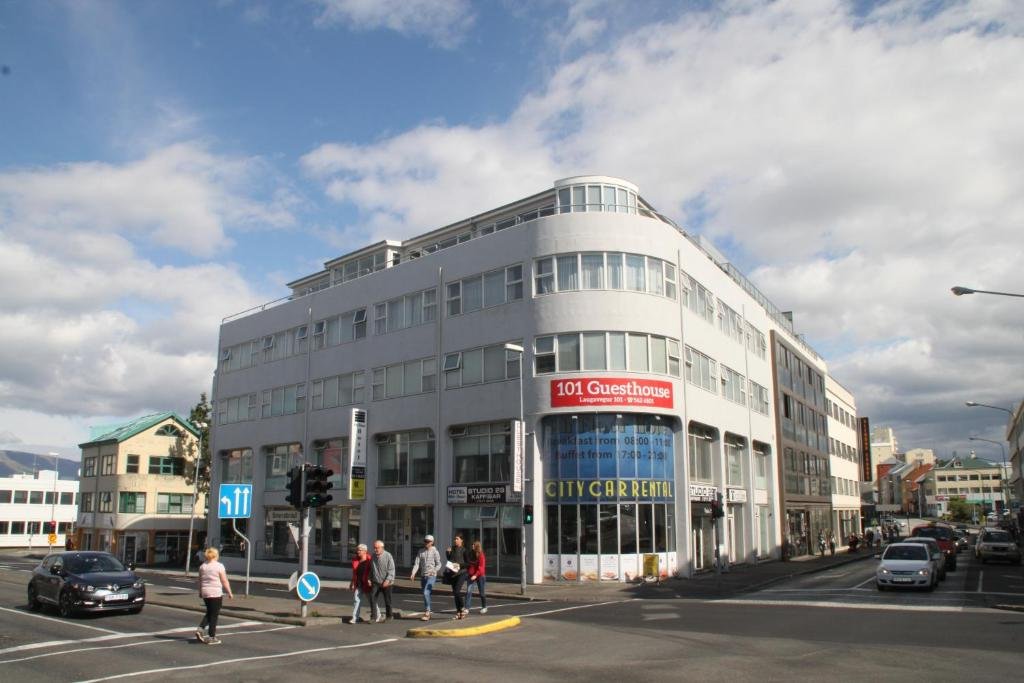
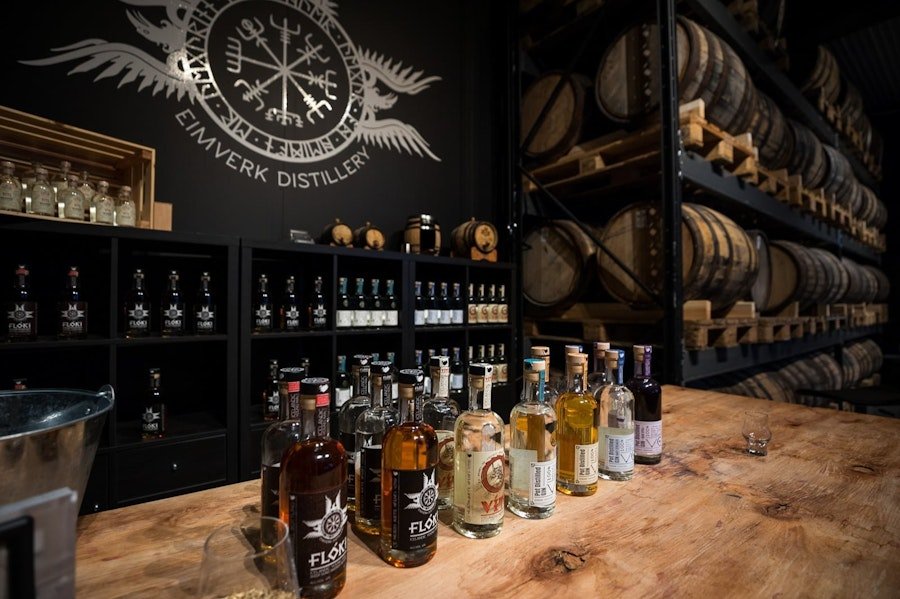
KEX Hostel and Hotel Reykjavik occupies a converted biscuit factory on Skúlagata, positioning itself at the intersection of Reykjavik's hostel culture and its broader social scene. The ground floor operates as a meeting point for locals and travellers alike, with a bar and communal spaces that reflect how younger Reykjavik socialises. For visitors wanting proximity to the harbour district without the formality of the city's hotel tier, KEX offers a credible alternative.
 Discover on Pearl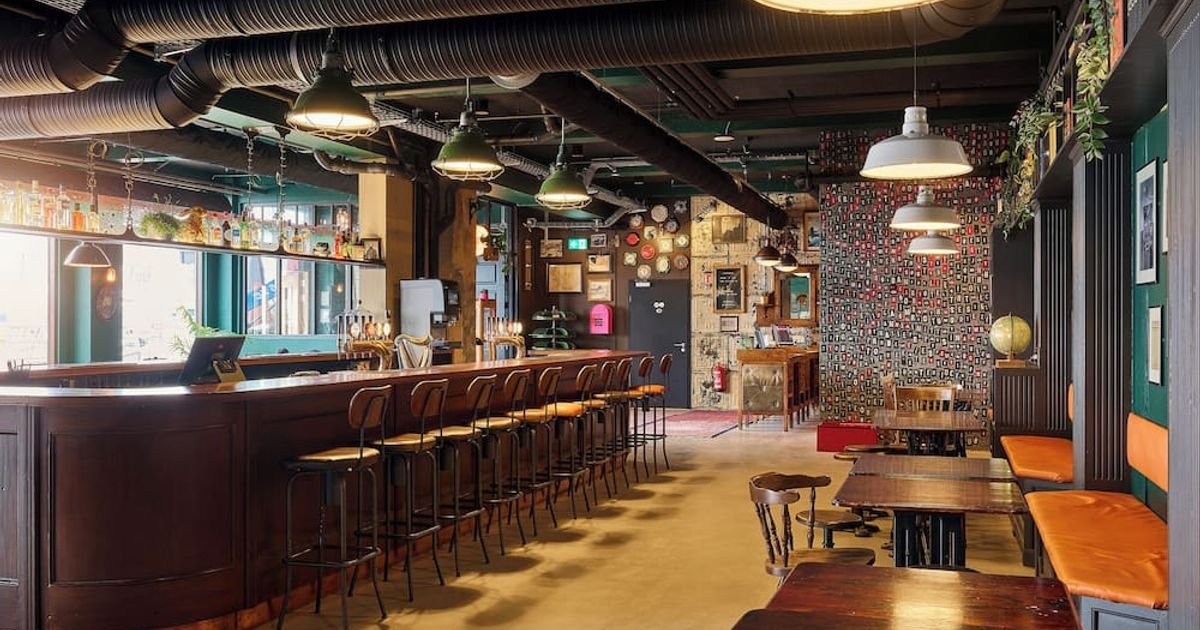
Where Reykjavik's Social Architecture Lives at Ground Level
Approach Skúlagata 28 from the harbour side and you read the building before you enter it: a repurposed industrial structure from the early twentieth century, its bones still carrying the proportions of a working biscuit factory rather than anything purpose-built for hospitality. This is characteristic of how Reykjavik has developed its accommodation and social spaces over the past two decades. The city has consistently preferred adaptive reuse over ground-up hospitality construction, and KEX sits squarely in that tradition, its interiors carrying the deliberate roughness of a space that was something else first.
In a city where the distinction between hotel lobby, bar, and community venue has always been permeable, KEX represents a particular answer to the question of where travellers and locals actually want to spend time together. Reykjavik's hospitality scene has historically bifurcated between formal hotels clustered around Austurvöllur and the looser, more democratic energy of the 101 district's bars and gathering spots. KEX operates in that second register, even as its address on Skúlagata places it slightly north of the densest concentration of the city's nightlife corridor.
The Social Ritual of a Reykjavik Hostel Bar
The dining and drinking ritual at KEX follows a pattern common to a specific category of European hostel: the ground floor functions as the primary social infrastructure, with the bar acting as the connective tissue between guests, locals, and the broader neighbourhood. This is a model that works differently in Reykjavik than it does in, say, Lisbon or Berlin, because the city's relatively small permanent population means that any venue with genuine local patronage carries a different social weight. When a Reykjavik bar draws regulars from the neighbourhood alongside travellers, the mix tends to be more genuinely integrated than in larger capitals where locals and tourists occupy parallel circuits.
The pacing of an evening at a hostel bar in this city also reflects broader Icelandic social customs. Reykjavik's weekend culture operates on a later rhythm than most northern European cities, with the serious movement between venues typically beginning well after midnight. A venue like KEX serves as a first or second stop, a place where the evening assembles rather than where it peaks. Understanding this sequence matters for visitors who arrive expecting the energy of a late-night bar at nine in the evening and find instead a more measured, conversational atmosphere that picks up considerably as the night progresses.
For context on how Reykjavik's bar scene sequences itself across venues and neighbourhoods, the our full Reykjavik restaurants guide maps the city's drinking and dining options across price tiers and formats.
Industrial Heritage and the Aesthetics of Converted Space
The conversion of industrial buildings into hospitality spaces has become a well-worn playbook in European cities, but in Reykjavik the approach carries specific local meaning. Iceland's twentieth-century industrial heritage is modest by continental standards, which makes surviving factory-era structures relatively rare. The KEX building's previous identity as a biscuit factory is not incidental local colour; it connects the venue to a layer of Reykjavik's commercial history that predates the tourism economy entirely. The aesthetic choices that follow from an honest industrial conversion, exposed structural elements, generous ceiling heights, materials that show wear rather than concealing it, create a particular atmosphere that sits in deliberate contrast to the polished hotel interiors of properties like Hotel Borg by Keahotels in the city centre.
This contrast is commercially legible as well as aesthetic. Reykjavik's accommodation market has expanded considerably since the tourism surge of the 2010s, and the price range across the city's lodging options now spans a wide spectrum. The hostel and hybrid hostel-hotel format occupies a specific position in that range, attracting travellers who are managing costs but want social infrastructure that a conventional budget hotel does not provide. KEX's communal spaces, including the bar and the broader ground-floor areas, are the product rather than the accommodation itself, which is a meaningful distinction in how the venue should be evaluated.
Positioning Within Reykjavik's Drinking Scene
Skúlagata runs parallel to the harbour, and the immediate neighbourhood around KEX has a different character from the denser bar concentration along Laugavegur and Bankastræti. Venues in this part of the 101 district, including Bodega and Bryggjuhúsið, share a slightly more local-weighted clientele than the venues directly on the main tourist corridor. That positioning gives KEX's bar a different social texture from something like BakaBaka, which operates closer to the centre of Reykjavik's concentrated nightlife geography.
For visitors exploring Iceland's bar culture beyond the capital, there are comparable social venues in other parts of the country worth noting: Götubarinn in Akureyri plays a similar role as a social anchor in Iceland's second city, while Gott restaurant in Vestmannaeyjar and Prýði in Vestmannaeyjarbær demonstrate how the Westman Islands have developed their own distinct hospitality character. Further afield, Kramber in Iceland and Náttúrufræðistofnun in Garðabær show how Iceland's bar culture extends well outside the capital's 101 postal district.
For those comparing against international hostel-bar models that have developed reputations in the cocktail and craft drinks space, Bar Leather Apron in Honolulu and Jewel of the South in New Orleans represent the specialist end of a very different tier, illustrating how dramatically the bar format diverges once awards recognition and dedicated drinks programming enter the picture. Reykjavik's own music and cultural bar scene, including 12 Tónar, similarly occupies a more specialist niche than KEX's broad-appeal positioning.
Planning Your Visit
KEX is located at Skúlagata 28 in the 101 Reykjavik postal district, within walking distance of the harbour and a short walk from the main commercial and nightlife streets of the city centre. The venue's format as a hostel with a publicly accessible bar and social spaces means that non-guests can and do use the ground-floor areas independently of booking accommodation. Reykjavik's accommodation market runs at premium pricing relative to most European capitals, particularly in the summer high season from June through August, when daylight hours are extended and visitor numbers peak. Shoulder season visits in April, May, September, or October offer the same urban infrastructure with lower accommodation costs and a more local-weighted atmosphere in most venues. For visitors primarily interested in KEX as a social venue rather than as a place to sleep, the bar and communal areas are accessible without an accommodation booking, and the venue's position on Skúlagata makes it a reasonable early stop before moving further into the 101 district's denser bar geography.
Style and Standing
A quick look at comparable venues, using the data we have on file.
| Venue | Cuisine | Awards | Notes |
|---|---|---|---|
| KEX Hostel and Hotel Reykjavik | This venue | ||
| Bodega | |||
| Bryggjuhúsið | |||
| Port 9 | |||
| Vínstúkan Tíu Sopar | |||
| Hotel Borg by Keahotels |
Continue exploring