Götubarinn occupies a low-key address on Hafnarstræti in Akureyri, Iceland's largest city outside the capital, and functions as the kind of bar that earns its place in a small city's drinking culture through consistency rather than spectacle. In a country where the bar scene concentrates heavily in Reykjavik, a credible cocktail programme in the north carries real weight.
Pearl is the En Primeur Club membership app — saves, bookings, and concierge access live there. Same editors, same standards.
- Address
- Hafnarstræti 94c, 600 Akureyri, Iceland
- Website
- m.facebook.com
- Directions
- Get directions
 Saves & bookings on Pearl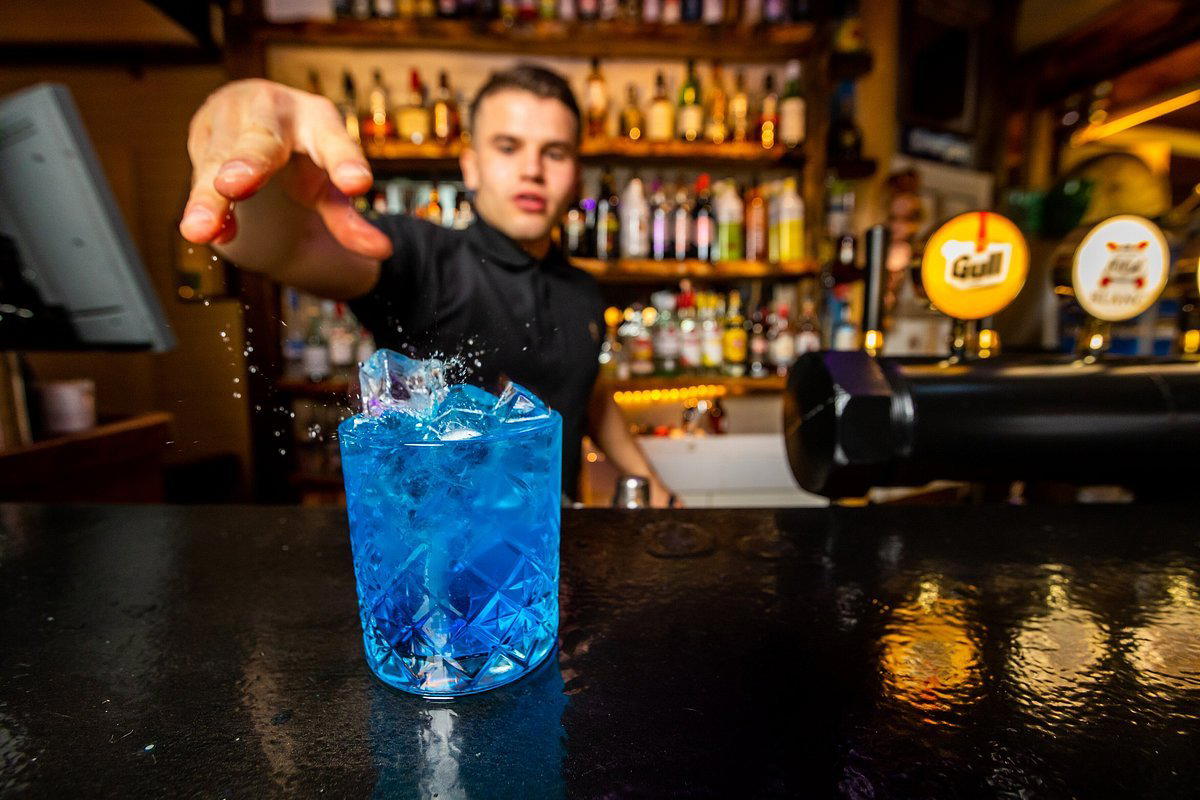
Akureyri After Dark: The Street-Bar Tradition in Iceland's North
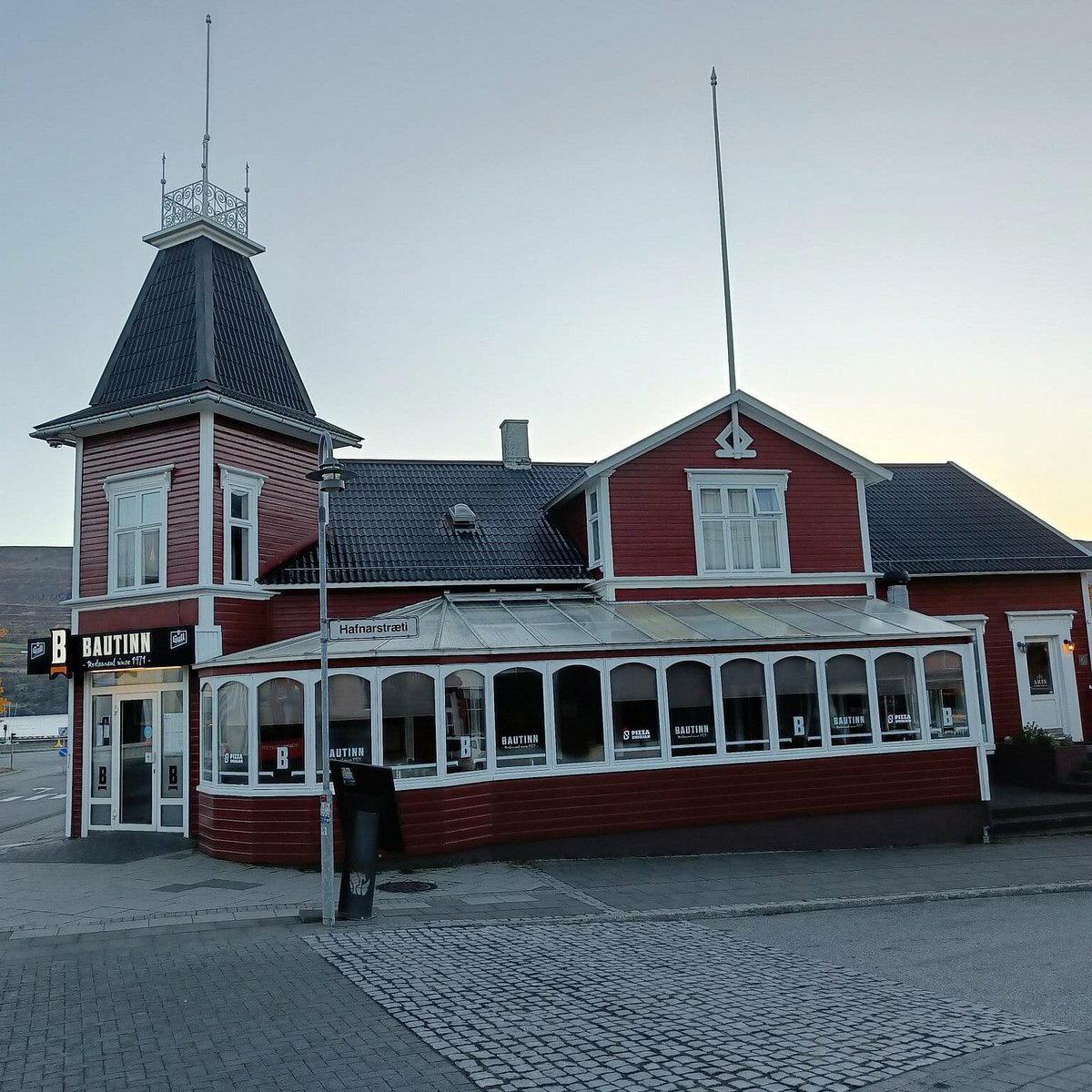
Hafnarstræti, the main commercial artery cutting through Akureyri's compact centre, operates by a different rhythm than Reykjavík's Laugavegur strip. The capital draws weekend arrivals on flights and package tours; up here, the crowd is more local, more settled, and considerably less self-conscious. Bars on this street have historically served the working week as much as the weekend, and that character persists. Götubarinn sits at number 94c on that street, and its name translates with disarming directness: street bar. There is no pretence about destination dining or cocktail-temple staging. The identity is built into the address.
Icelandic bar culture in regional towns tends toward one of two modes: the cosy pub that leans on imported beer taps and a loyal local following, or the hybrid venue that tries to serve food, drinks, and live music simultaneously without fully committing to any of them. Götubarinn occupies a third position in Akureyri's small but coherent bar circuit, alongside venues like Kramber, which draws a comparable crowd in a different register. The distinction matters when you are choosing where to spend an evening in a city where the options number in the single digits rather than the dozens.
What the Cocktail Programme Says About the Place
Regional bars in Iceland face a structural challenge that their Reykjavík counterparts do not: the supply chain for premium spirits is longer, the pool of technically trained bartenders is smaller, and the clientele is less likely to be benchmarking against international bar programmes they encountered last month in London or Tokyo. That constraint can produce two outcomes. It can result in a lowest-common-denominator drinks list built around vodka sodas and whatever the Vínbúðin state monopoly makes easiest to stock. Or it can produce something more considered, where the limits of the setting become a filter rather than a ceiling.
The serious bar programmes operating in smaller Nordic cities have generally moved toward spirit-forward builds and Scandinavian botanical influences rather than trying to replicate the clarified-drink or fat-washed formats that define the technically ambitious end of places like Kumiko in Chicago or Bar Leather Apron in Honolulu. The honest approach suits the northern context: drinks that taste like somewhere rather than drinks that demonstrate technique for its own sake. Whether Götubarinn's programme leans that direction or stays closer to the pub-classics model is the question that separates one visit from the next.
Comparable venues in the Icelandic regional circuit, including Kramber and Gott in Vestmannaeyjar, have each found distinct positions: Gott leans into its harbour-town informality, while Kramber has a more deliberate drinks identity. At this end of the market, what distinguishes a bar is less the award credential and more the consistency of the pour and the degree to which the room actually functions as a place people want to stay in for a second round.
The Akureyri Bar Scene in Context
Akureyri, with a population under 20,000, is Iceland's second city in the way a regional capital earns that label: through administrative function and geographic centrality rather than scale. Its bar circuit reflects that. There are no Michelin-starred dining rooms attached to hotel bars here, no cocktail residencies, no internationally reviewed programmes.Jewel of the South in New Orleans or The Parlour in Frankfurt. What the city does have is a compact, walkable centre where five or six venues each fill a specific role, and the visitors who make the effort to reach Akureyri by flight from Reykjavík or by the long road north tend to be travellers who prefer that texture to the polished density of the capital.
Hafnarstræti itself is short enough to walk end-to-end in under ten minutes. Arriving from the lake side, Götubarinn's address at 94c places it toward the northern stretch of the street, closer to the water. The winter window is narrow here, the summer solstice window is extreme, and the rhythm of a bar visit changes accordingly: a late-July evening at 11pm is still bathed in diffuse Arctic light, which produces a specific kind of social extended-time where closing calls feel theoretically distant. That temporal looseness is part of what regional Iceland does to bar culture, and it is worth accounting for when planning an evening.
Götubarinn sits in the mid-tier of that circuit by positioning, neither especially formal venue in town nor especially casual.
Placing Götubarinn Against Its comparable set
Superbueno in New York or Julep in Houston, but rather the regional Icelandic venues that share its structural context. Prýði in Vestmannaeyjabær and Náttúrufræðistofnun represent different points on the spectrum of how an Icelandic bar can position its drinks offering relative to its location. In that regional frame, Götubarinn's street-bar identity is a coherent choice: it reads as a place that serves the city it is in rather than performing for an audience that came from somewhere else.
Reykjavík's most established hotel bar, Hotel Borg by Keahotels, operates with a formality and a price structure that reflects the capital's tourism density. Götubarinn, from its address and its name alone, signals the opposite of that register. Whether that translates into a drinks programme with genuine intent or simply the default of a busy local bar depends on the bar itself.
Planning a Visit
Akureyri is served by domestic flights from Reykjavík's Domestic Airport, with journey times of around 45 minutes, as well as by the Route 1 ring road, which makes it reachable by car in approximately five hours from the capital depending on conditions. The town's compact centre means that Götubarinn on Hafnarstræti is walkable from all main accommodation options in the central district. Götubarinn's regular opening hours are Monday closed; Tuesday through Thursday 5 PM to 1 AM; Friday 5 PM to 3 AM; Saturday 5 PM to 3:30 AM; and Sunday 5 PM to 1 AM. It is walk-in friendly, with a casual dress code and an estimated price of about $20 per person.
Side-by-Side Snapshot
Comparable venues nearby, for context on price, style, and recognition.
| Venue | Cuisine | Price | Notes |
|---|---|---|---|
| GötubarinnThis venue — the venue you are viewing | pub | $$ | Not listed |
| 12 Tónar | lounge | $$ | Reykjavíkurborg |
| Gott restaurant | lounge | $$ | Vestmannaeyjar |
| Prikið ehf. | pub | $$ | Reykjavíkurborg |

At a Glance
- Cozy
- Lively
- Rustic
- Whimsical
- Late Night
- Casual Hangout
- Group Outing
- Live Music
- Lounge Seating
- Outdoor Terrace
- Craft Beer
Current opening hours
- Monday
- Closed
- Tuesday
- 5 PM–1 AM
- Wednesday
- 5 PM–1 AM
- Thursday
- 5 PM–1 AM
- Friday
- 5 PM–3 AM
- Saturday
- 5 PM–3:30 AM
- Sunday
- 5 PM–1 AM
Hours can change for holidays and private events. Last verified .
Cozy nooks for intimate conversations, quirky design with old street signs, calm yet joyful atmosphere that turns lively with live music and crowds on weekends.