Keebo
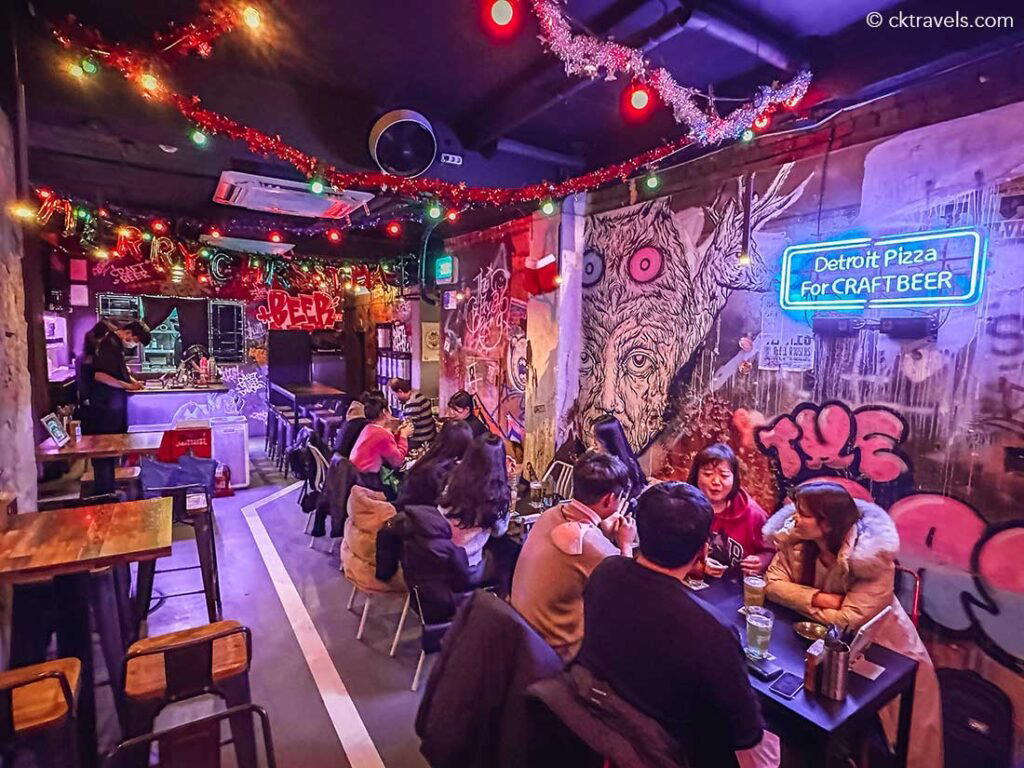
Keebo sits in Seoul's Yongsan District, a neighbourhood that has become a testing ground for the city's newer bar and dining formats. The venue occupies a section of the city where daytime and evening visits carry distinctly different rhythms, making the choice of when to arrive as deliberate as where to sit. For travellers calibrating a Seoul drinks itinerary, Keebo warrants attention on both counts.

Pearl is the En Primeur Club membership app, where members save venues, book tables and use the concierge.
Yongsan and the New Seoul Drinking Circuit
Seoul's bar culture has reorganised itself over the past several years, shifting weight away from the Gangnam corridor and toward a looser constellation of neighbourhoods on the Han River's northern bank. Yongsan District sits at the centre of this shift. Once defined primarily by its electronics market and transit infrastructure, the district now draws a recognisable crowd of practitioners and regulars who treat it as a credible alternative to Itaewon's more established bar density. Keebo, at 46-2 Hangangno 2(i)-ga, is positioned within this reorientation rather than outside it.
That address matters for context. Hangangno, the avenue that runs through Yongsan toward the river, carries a different pace than the pedestrian-scaled alleys of Cheongdam or the basement density of Apgujeong. Venues here tend toward more deliberate physical environments, and the clientele tends to arrive with a destination in mind rather than drifting between options. That pattern shapes how a place like Keebo functions across a service day.
The Lunch-to-Dinner Shift in Seoul Bar Venues
Seoul has developed a category of venue that operates differently depending on the hour, and this distinction is more pronounced here than in many comparable cities. During daylight hours, the city's more serious bars and drinking-adjacent spaces attract a quieter demographic: off-duty industry people, neighbourhood regulars, solo visitors working through a menu methodically. The pace is slower, the light is better, and the interaction with staff tends to be more extended. Evening service compresses all of that. Crowds arrive in overlapping waves, pacing tightens, and the atmosphere pivots from contemplative to social.
Yongsan venues sit inside this pattern. The district's mix of residential density, the proximity of HYBE's corporate campus, and the through-traffic from Itaewon to Hannam-dong means that daytime visitors are often drawing from a different pool than evening ones. For a traveller planning a Seoul itinerary, that divide is worth factoring in. Visiting a Yongsan bar during a weekday lunch window gives access to a version of the venue that weekend evening visits simply do not replicate. Conversation is easier, seats are available without strategy, and the menu gets the attention it warrants.
Bars operating within Seoul's premium tier, places like Charles H in the Four Seasons or Bar Cham, maintain a consistent register regardless of hour, partly because their price point and booking structure filters the crowd. Venues in Yongsan operate with less of that cushion, which means the daytime-evening divide is more visible and more meaningful to a first-time visitor.
Seoul's bar program has matured to the point where the city maintains multiple credible tiers. At the leading, internationally recognised programs cluster around Gangnam addresses and hotel lobbies, Alice Cheongdam and Bar D. Still operate in that bracket, with the awards recognition and booking friction to match. Below that sits a second tier of neighbourhood-anchored venues that serve a different function: more accessible, more embedded in local routine, and often more interesting as a lens on how the city actually drinks.
Yongsan venues generally sit in this second tier. That is not a criticism. Some of Seoul's most useful bar experiences come from places that are not competing for a slot on the Asia's 50 Best list but are instead focused on serving their corner of the city with consistency and character. The competitive logic is different: peer comparison runs against other Yongsan and Hannam-adjacent addresses rather than the full citywide field.
For visitors building a Seoul drinking itinerary across multiple neighbourhoods and price points, this context is practically useful. A visit to Keebo pairs logically with broader Yongsan exploration rather than as a standalone destination requiring significant travel investment. The our full Seoul restaurants guide maps this neighbourhood logic across the city's drinking and dining scene.
What to Drink and How the Menu Works
What can be said with confidence is that Yongsan bars in this category tend to work within one of two frameworks: a Korean spirits-forward program that uses soju derivatives, makgeolli-based spirits, or grain distillates as base material, or a more internationally oriented cocktail program that draws on the same technical vocabulary as Seoul's higher-profile bars but prices and portions against a neighbourhood audience rather than a destination one.
Seoul's broader bar scene has moved decisively toward Korean ingredient integration over the past five years, with venues across the city incorporating doenjang, gochujang, omija, and yuzu-adjacent Korean citrus into cocktail structures that would otherwise read as classically Western. That shift is evident at venues well outside Gangnam. If Keebo follows this pattern, the most instructive approach is to ask staff directly about the house-made or Korean-derived elements on the menu rather than defaulting to familiar international spirits categories.
For reference points further afield in Korea, Muyongdam in Jeju Si and Climat in Busan both demonstrate how Korean ingredient programs translate outside Seoul. Closer to the capital, Regency Club in Incheon offers a comparison point for how Yongsan-adjacent venues fit into the broader metropolitan drinking circuit.
Getting There and Planning the Visit
Yongsan is one of Seoul's better-served districts for transit access. Yongsan Station connects to multiple subway lines and the Gyeongui-Jungang line, making it reachable from most central Seoul neighborhoods in under 20 minutes. The Hangangno address puts Keebo within walking distance of the station, which removes the navigation friction that comes with some of the district's more alley-set venues.
For visitors operating on a multi-stop itinerary, the proximity to Itaewon and Hannam-dong means Keebo fits naturally as either an opening stop before moving south toward Itaewon, or as a quieter close to an evening that started in Hannam. Venues like Anjuga in Ansan Si and Seuwichi in Heungdeok provide useful comparison points for how bar culture operates in Seoul's satellite cities if the metropolitan circuit extends beyond the capital. For international reference on how Seoul's technical bar programs compare to Pacific peers, Bar Leather Apron in Honolulu and Jewel of the South in New Orleans sit in a comparable specialist tier.
Booking details, current hours, and contact information for Keebo are best confirmed through current local sources, as operating formats in Yongsan's bar segment have shifted with some regularity in recent years. Arriving during the lunch window on a weekday remains the lowest-friction approach for a first visit.
Category Peers
| Venue | Price | Awards |
|---|---|---|
| KeeboThis venue (the venue you are viewing) | Not listed | Not listed |
| Alice Cheongdam | $20–30 | World's 50 Best #13 · Top 500 Bars Best Bars #156 |
| Bar Cham | $10–20 | World's 50 Best #33 · Top 500 Bars Best Bars #147 |
| Bar D. Still | $10–20 | World's 50 Best #44 |
Continue exploring
More in Seoul
Bars in Seoul
All bars in Seoul →
Restaurants in Seoul
All restaurants in Seoul →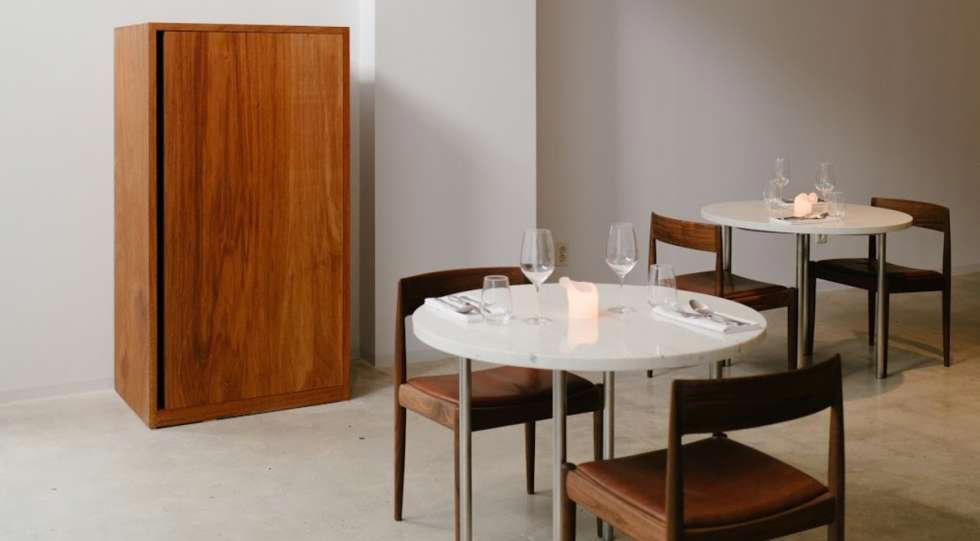
Details
- Cozy
- Trendy
- Casual Hangout
- Communal Tables
Current opening hours
- Monday
- 4–11 PM
- Tuesday
- 4–11 PM
- Wednesday
- 4–11 PM
- Thursday
- 4–11 PM
- Friday
- 4–11 PM
- Saturday
- 3–11 PM
- Sunday
- 3–11 PM
Hours can change for holidays and private events. Hours as of .
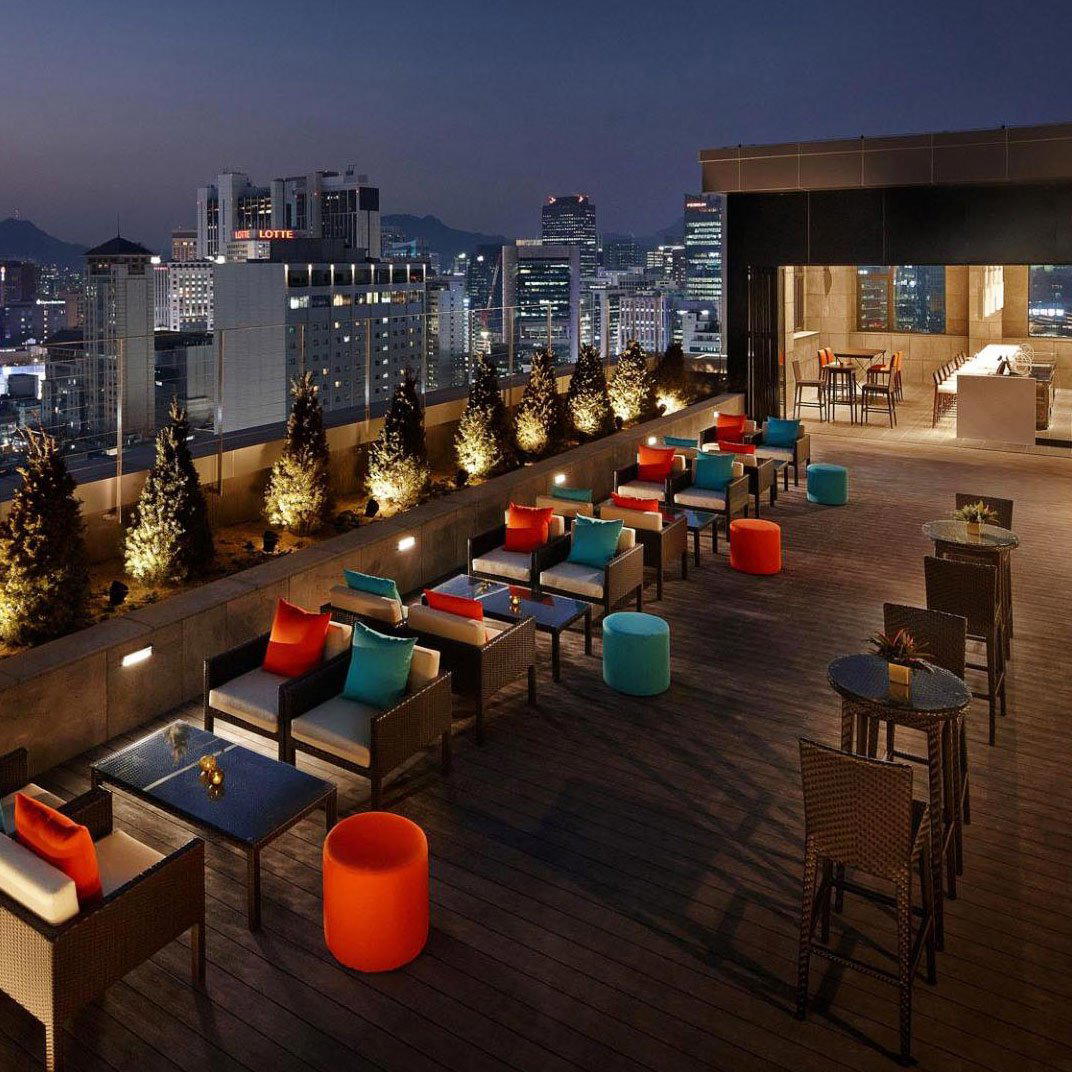
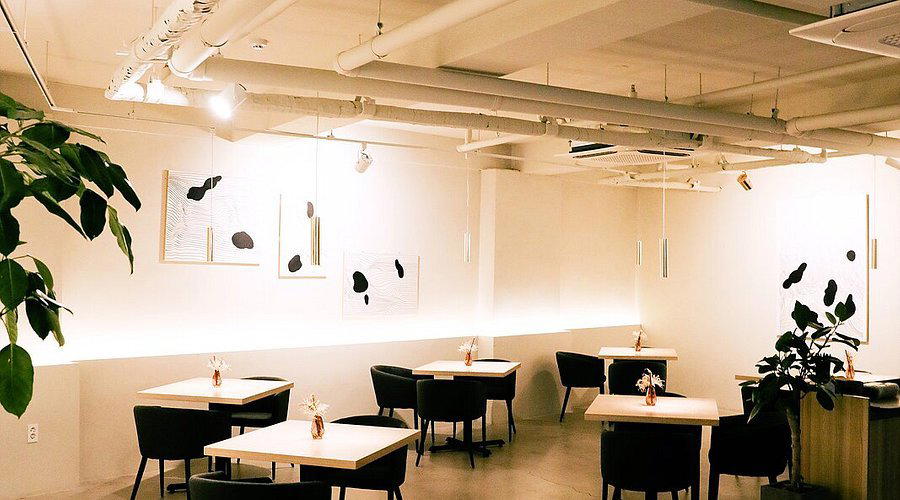
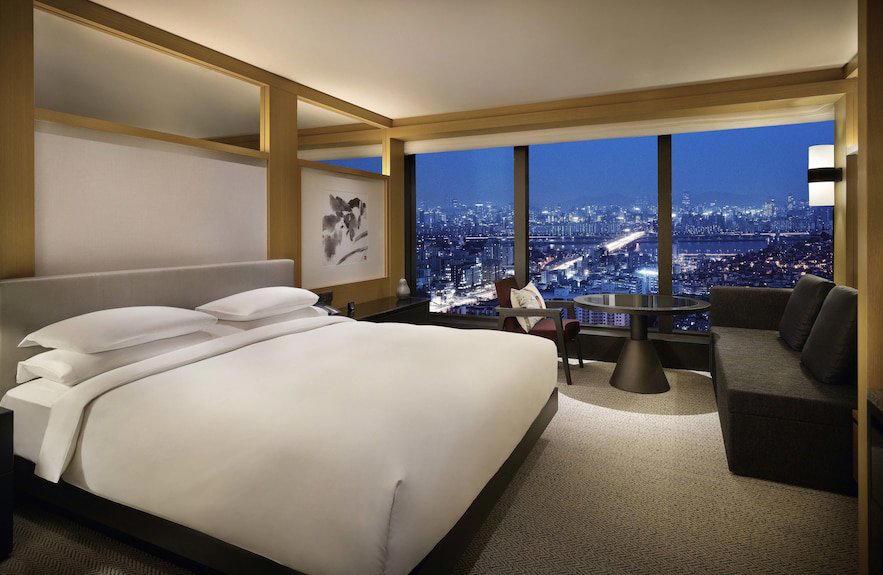
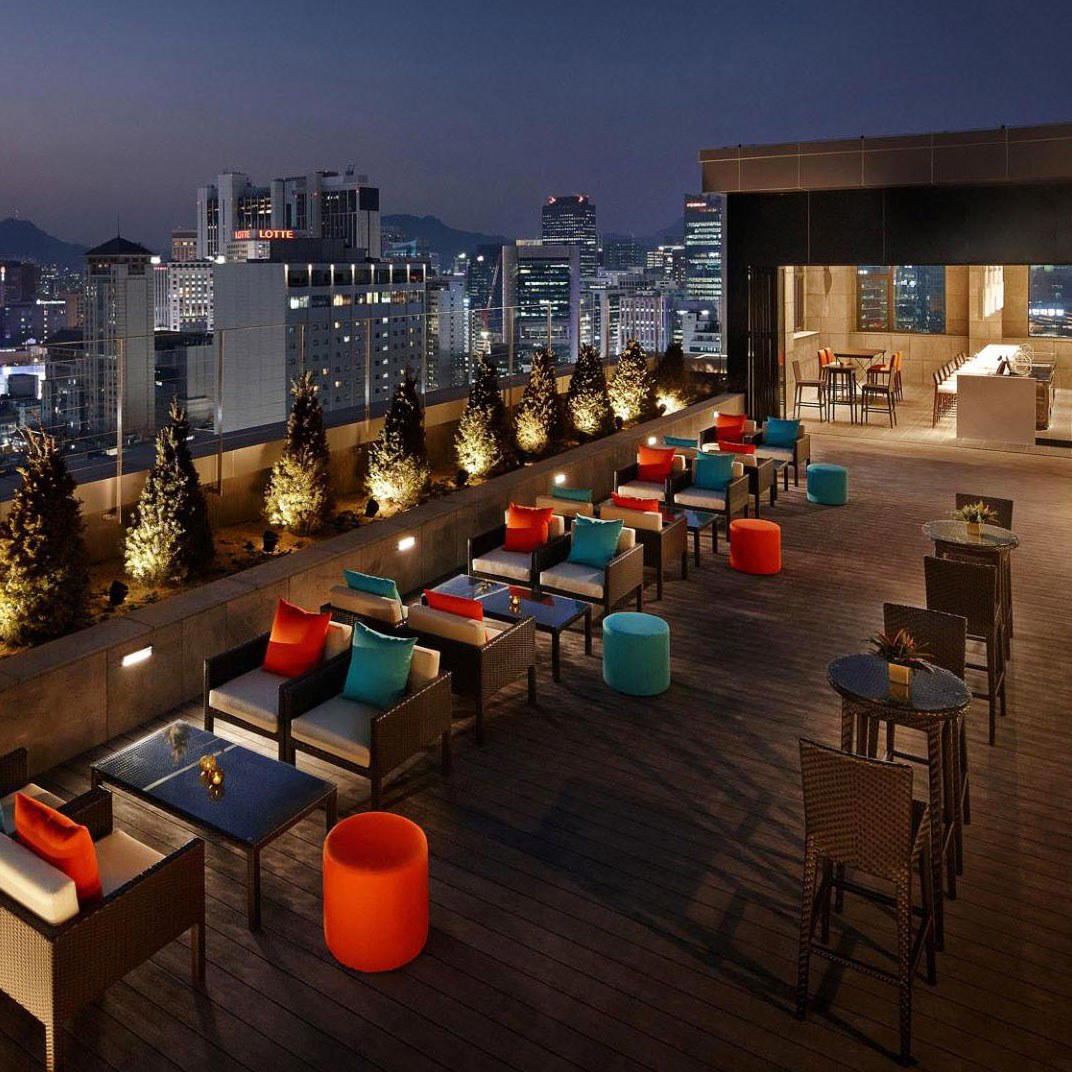
Casual and cozy setting with minimalistic design.