Euljiro Boseok
Euljiro Boseok occupies a third-floor space in Seoul's Jung District, where the neighbourhood's industrial past and emergent bar culture intersect. The venue sits within the Euljiro corridor, a stretch that has become one of Seoul's most closely watched drinking scenes over the past several years, low-key in format, high in craft intent, and firmly positioned within the city's specialist cocktail tier.

Pearl is the En Primeur Club membership app, where members save venues, book tables and use the concierge.
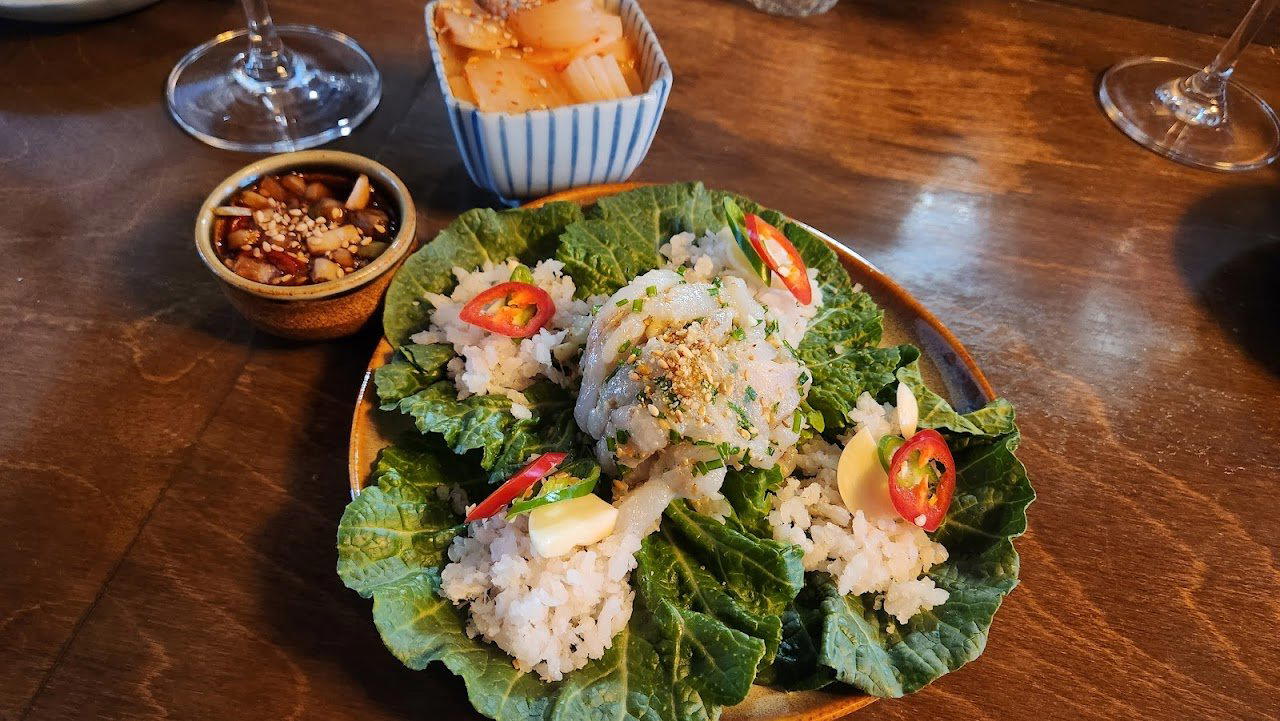
Where Euljiro's Industrial Grit Meets Considered Craft
Arriving at Mareunnae-ro in Seoul's Jung District requires a deliberate choice. The Euljiro corridor does not announce itself. Its bars and small ateliers occupy upper floors of buildings that still carry the functional architecture of the neighbourhood's printing and hardware trade past, roll-up doors, exposed concrete stairwells, third-floor landings that feel earned rather than designed for foot traffic. Euljiro Boseok sits within that logic: a bar that operates as part of the neighbourhood rather than apart from it.
Seoul's bar culture has undergone a pronounced structural shift over the past decade. The city's drinking scene once split cleanly between hotel bars with formal service codes and basement or ground-floor pojangmacha-adjacent spots operating outside any craft framework. That binary has dissolved. A specialist tier now exists between those poles, concentrated in pockets like Itaewon, Hapjeong, and most visibly in recent years, Euljiro. The Jung District stretch has drawn a cohort of bar operators who favour small capacities, ingredient-led programmes, and formats where the ritual of the drink matters as much as the drink itself. Euljiro Boseok belongs to that cohort.
The Ritual of Drinking in Euljiro
In bars operating at the specialist end of Seoul's cocktail scene, the pace of service tends to be deliberate. This is not accidental. The format, common across the Euljiro corridor and at comparably positioned venues like Bar Cham and Bar D. Still, gives time to the transaction. A bartender explaining a preparation method, or a drink delivered in stages, signals that the venue expects guests to engage rather than simply consume. This is a cultural inheritance from Japanese cocktail bar etiquette filtered through a distinctly Korean sensibility: the host-guest dynamic carries weight, and the sequence of a visit, arrival, seating, first drink, conversation, has a shape that rewards those who follow it rather than hurry through it.
The neighbourhood's position within Seoul's broader drinking geography is worth understanding before you visit. Euljiro operates on a different register from the more internationally legible bars of Itaewon or the polished formality of hotel programmes like Charles H. Its reputation travels through word of mouth among bartenders and regular visitors. For those already oriented within Seoul's craft bar scene, the corridor functions as a reference point, a place where the city's drinking culture is being defined incrementally, one small space at a time.
The Scene That Produced This Venue
Euljiro's transformation from light-industrial district to after-hours destination accelerated from roughly 2017 onward, when a combination of affordable rents, permissive zoning, and proximity to central Seoul made it attractive to operators who needed space to experiment without the overhead of premium neighbourhoods. The district's bars tend to be small by design: tight capacity forces concentration on the programme rather than on volume. That structural constraint has produced a culture where knowledge compounds quickly. Bartenders across the corridor are aware of each other's work, and the guest experience reflects that collective density.
Across South Korea, similar specialist formats have taken root in cities and towns where the cocktail category was less developed even five years ago. Venues like Climat in Busan, Muyongdam in Jeju Si, and Regency Club in Incheon represent the same general movement: a shift toward technically informed, low-capacity bar formats operating outside Seoul but clearly in dialogue with what the capital's scenes have established. Even further afield, Seuwichi in Heungdeok reflects how comprehensively that influence has dispersed through the country. The international comparison set for this kind of venue extends well beyond Korea: the format shares DNA with Bar Leather Apron in Honolulu and Jewel of the South in New Orleans, both of which operate in the same specialist register where craft credentials, small capacity, and ritual-conscious service distinguish the offering from its surroundings.
On the Euljiro stretch itself, the peer comparison matters for understanding what Euljiro Boseok is and is not. It is not a venue built for high throughput or for guests arriving without context. It shares more with the ethos of Alice Cheongdam, another Seoul bar where the format rewards familiarity and repeat visits, than with the accessible, walk-in-friendly neighbourhood bars that occupy other Seoul districts. This is a space for those who have done the groundwork: who know which floor to find it on, what cadence the service follows, and why the neighbourhood itself is part of the experience. Visitors arriving through Anjuga in Ansan Si or other regional reference points in Korea's growing bar circuit will find the register familiar.
Planning Your Visit
Reaching Euljiro Boseok is direct on Seoul's subway system, with the Euljiro 3-ga or Euljiro 4-ga stations on Line 2 both placing you within walking distance of Mareunnae-ro. The third-floor address at 11-10 means the entrance is not at street level, allow a moment to locate it, as the building entrance may not carry prominent signage in the manner of more commercially oriented venues. Given the small-capacity format typical of the Euljiro corridor, arriving early in an evening session or contacting the venue ahead of time is advisable, particularly on weekends, when the stretch draws visitors from across the city. Check current hours and booking arrangements before visiting. For a fuller orientation to Seoul's drinking and dining options across districts and price points, the Seoul guide maps the city's key scenes in detail.
Cuisine and Awards Snapshot
Comparable venues nearby, for context on price, style, and recognition.
| Venue | Cuisine | Price | Notes |
|---|---|---|---|
| Euljiro BoseokThis venue (the venue you are viewing) | sake_bar | $10–20 | Not listed |
| Itaewon-dong | lounge | $20–30 | 이태원동 |
| Magpie Brewshop (맥파이 브루샵) | beer_bar | $20–30 | Hoehyeon-dong |
| Mutin | wine_bar | $30–50 | 이태원동 |
| Keebo | pub | Not listed | 효창동 |
| Nega | lounge | Not listed | 원효로동 |
Continue exploring
More in Seoul
Bars in Seoul
All bars in Seoul →
Restaurants in Seoul
All restaurants in Seoul →
Euljiro Boseok
The drinks
- Natural wine
Signature drinks: Barley shrimp and dropwort pancake, Capellini with octopus Jeotgal and perilla oil, Omakase.
Details
- Trendy
- Intimate
- Cozy
- Modern
- Date Night
- Special Occasion
- Casual Hangout
- Standalone
- Historic Building
- Design Destination
- Counter Only
- Seated Bar
- Natural Wine
- Sake
Current opening hours
- Monday
- 6:30 PM–12 AM
- Tuesday
- 6:30 PM–12 AM
- Wednesday
- 6:30 PM–12 AM
- Thursday
- 6:30 PM–12 AM
- Friday
- 6:30 PM–12 AM
- Saturday
- Closed
- Sunday
- Closed
Hours can change for holidays and private events. Hours as of .
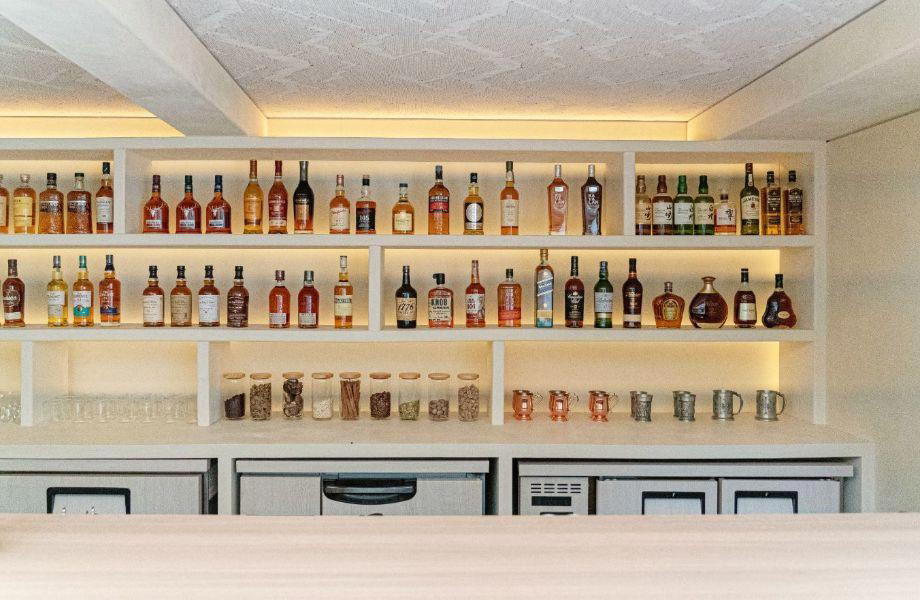
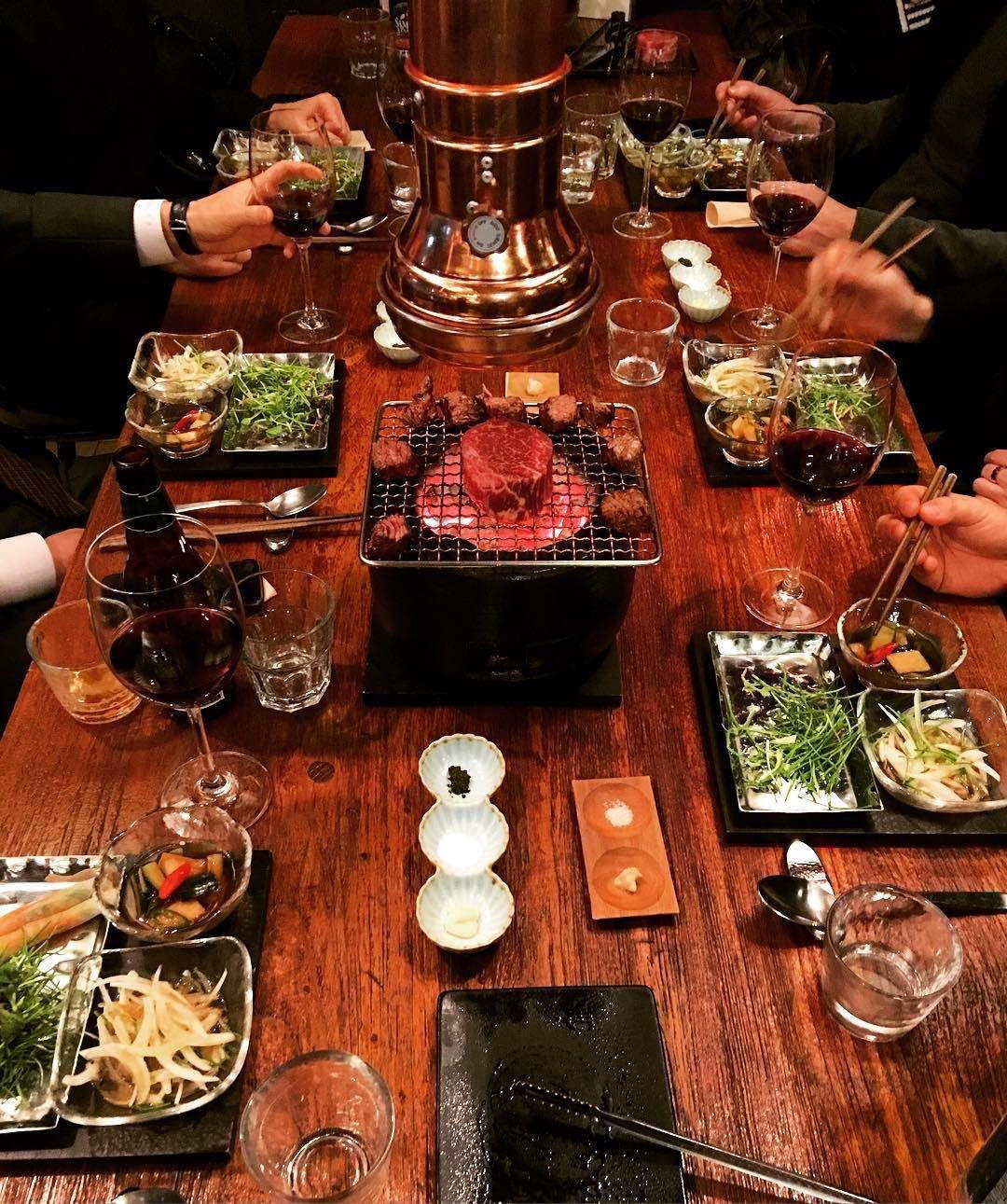
Cozy, minimalist interior in a historic Euljiro building with warm lighting and an intimate counter-style setup that emphasizes the chef's craft and seasonal ingredients.