Mikkeller Bar Seoul
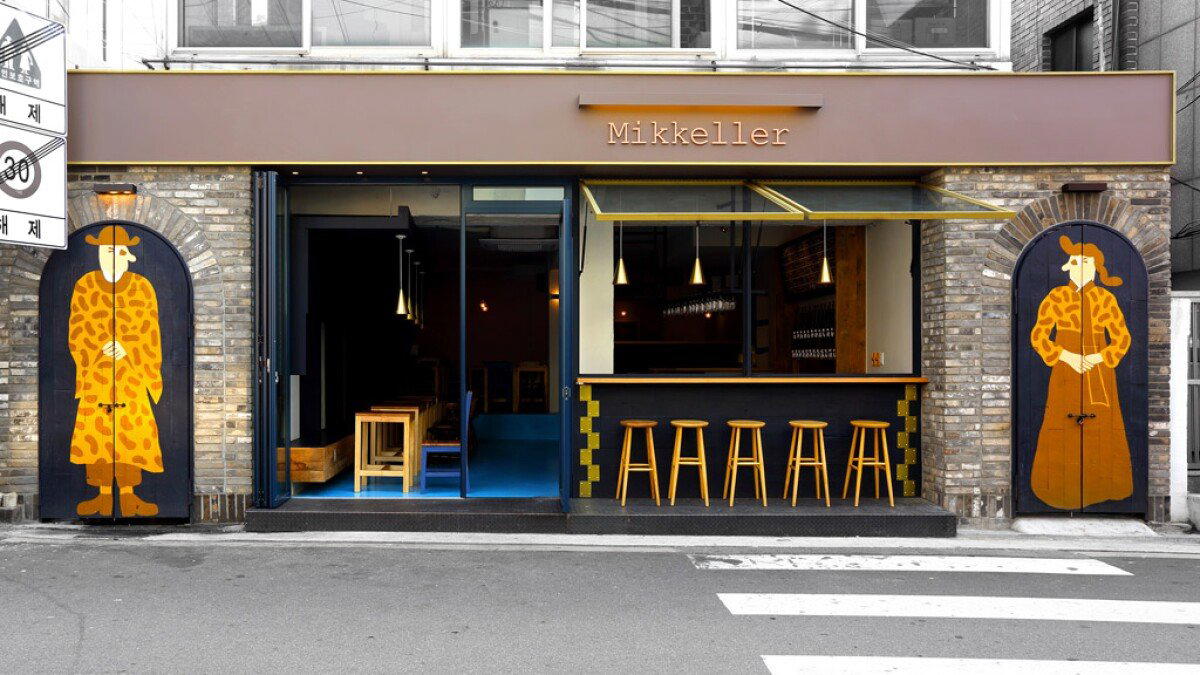
Mikkeller Bar Seoul brings the Copenhagen craft beer brand's rotating tap philosophy to Gangnam's Sinsa-dong neighbourhood, where the bar sits among Garosu-gil's dense concentration of imported food and drink concepts. The format follows the global Mikkeller playbook: a curated, frequently changing tap list weighted toward experimental styles, positioned for an audience that tracks releases rather than defaults to familiar pours.
A Copenhagen Concept in Gangnam's Most Import-Friendly Corridor
Seoul's bar scene has absorbed international concepts at a pace few cities match. Over the past decade, what began as a handful of imported craft beer outposts has matured into a layered ecosystem where global brands compete for the same floor space as Korean-owned independents with serious technical programs. Sinsa-dong, specifically the stretch around Garosu-gil in Gangnam District, became the natural landing zone for this cross-border hospitality traffic: the neighbourhood's mix of boutique retail, café culture, and disposable-income demographics made it the path of least resistance for a brand testing Korean consumer appetite.
Mikkeller Bar Seoul occupies that context at 33 Dosan-daero 17-gil. The Danish craft beer label, founded in Copenhagen and now operating bars across Tokyo, Bangkok, San Francisco, and elsewhere, chose Sinsa-dong when Korean craft beer was still consolidating its identity. That timing mattered. Seoul drinkers who had grown up on a duopoly of domestic lagers were simultaneously discovering local microbreweries and imported bottle-shop culture. A Mikkeller outpost offered both: the credibility of a globally distributed brand and a tap list that rotated faster than any single local brewery could sustain.
How the Format Has Shifted Since Opening
The evolution of Mikkeller's global bar network tells a more interesting story than any single location in isolation. Early Mikkeller bars, including the Seoul outpost in its first iteration, leaned heavily on the founder Mikkel Borg Bjergsø's reputation as a gypsy brewer: someone who made beer at other people's facilities and distributed the resulting experimental batches across an international bar system. That model gave each location a rotating, hard-to-replicate tap list and positioned the bars as de facto import specialists even when the beers themselves were contract-produced nearby.
Over time, the network has had to respond to a maturing craft beer market in every city it operates. In Seoul, that means the bar now competes with a domestic craft scene that includes producers with genuine technical range, not just session lagers wearing craft packaging. The audience that once came specifically for access to Mikkeller's limited releases has partially fragmented: some moved toward Korean producers like Magpie or The Booth; others shifted to natural wine and spirits bars in the same neighbourhood. What remains at the Mikkeller Bar is a format that works well for drinkers who want a reliable framework rather than a discovery experience, a known quantity in a market that increasingly rewards novelty.
That repositioning is common across the global network. Bangkok and Tokyo locations have each adjusted their tap emphasis and event programming in response to local competition. Seoul is no different, and the bar's current direction reflects a broader Mikkeller strategy of anchoring on brand recognition while accommodating the pace of local taste change.
Where It Sits in Seoul's Drinking Hierarchy
Seoul's premium bar tier has split along clear lines. On one side: cocktail bars with original programs, formal structures, and international award recognition. Charles H and Alice Cheongdam operate in that register, drawing a clientele that books ahead and expects narrative menus. On the other: neighbourhood and concept bars that prioritise access and atmosphere over technical prestige. Bar Cham and Bar D. Still occupy different points on that spectrum. Mikkeller Bar Seoul sits outside both of these poles: it is a brand bar, and its identity is inseparable from the global Mikkeller label rather than a locally developed program.
That is not a criticism so much as a category distinction. Brand bars serve a different function in a city's drinking map. They offer legibility to international visitors who already know the product, and they provide a low-friction entry point for locals who want a vetted, internationally recognised reference frame. In Gangnam, where a significant portion of the clientele has enough international travel experience to recognise a Mikkeller glass from Copenhagen or Tokyo, that legibility has commercial logic.
For comparison, Korean bars in secondary cities and regional areas such as Muyongdam in Jeju Si, Anjuga in Ansan Si, and Climat in Busan tend to develop hyper-local identities, drawing on regional ingredients or neighbourhood character as their primary differentiator. The Mikkeller model inverts that logic: the identity is portable, designed to be consistent across cities while accommodating local market realities at the tap level. Similarly, international reference points like Bar Leather Apron in Honolulu and Jewel of the South in New Orleans illustrate how globally minded bar concepts often anchor their identities in craft specificity; Mikkeller does this through the beer program itself rather than a cocktail or spirits lens.
The Neighbourhood and the Practical Case
Sinsa-dong rewards an afternoon of walking before a bar visit. The Garosu-gil strip and its side streets concentrate boutique coffee, imported specialty food, and design retail in a walkable corridor that makes the neighbourhood feel more like a curated retail district than a conventional Gangnam block. Arriving at Mikkeller Bar Seoul in that context, after a walk through ginkgo-lined streets, makes the bar function as a natural pause rather than a destination in isolation.
The address at 33 Dosan-daero 17-gil is accessible from Sinsa station on Line 3, a short walk from the exit. The bar's position in a neighbourhood that draws both expatriates and Korean professionals with international exposure means the crowd on any given evening skews toward people who drink with some knowledge of what they are ordering. That audience tends to ask about taps by style rather than by brand, which aligns with how Mikkeller's rotating lists are leading approached.
For visitors building a broader Seoul itinerary, the bar works as part of a longer Sinsa or Apgujeong evening rather than a standalone destination. Our full Seoul restaurants guide covers the wider dining and drinking options in the area. Those extending their explorations beyond Seoul can reference Regency Club in Incheon and Seuwichi in Heungdeok for regional context.
Planning Your Visit
No advance booking is standard for Mikkeller's bar format globally, and Seoul operates on the same walk-in model. Weekday evenings tend to be quieter; Friday and Saturday nights in Sinsa-dong draw enough foot traffic from the surrounding retail and dining strip that Mikkeller can fill quickly by 9pm. For anyone specifically tracking the tap list, checking Mikkeller's global social channels before arrival is the most reliable way to know what is currently pouring, as the brand updates rotation announcements more consistently through digital channels than through any third-party listing.
Recognition, Side-by-Side
| Venue | Price | Awards |
|---|---|---|
| Mikkeller Bar SeoulThis venue — the venue you are viewing | Not listed | Not listed |
| Alice Cheongdam | $20–30 | World's 50 Best #13 · Top 500 Bars Best Bars #156 |
| Bar Cham | $10–20 | World's 50 Best #33 · Top 500 Bars Best Bars #147 |
| Bar D. Still | $10–20 | World's 50 Best #44 |
Continue exploring
More in Seoul
Bars in Seoul
All bars in Seoul →

Restaurants in Seoul
All restaurants in Seoul →
Details
- Cozy
- Trendy
- Modern
- Intimate
- After Work
- Casual Hangout
- Group Outing
- Solo
- Design Destination
- Seated Bar
- Communal Tables
- Craft Beer
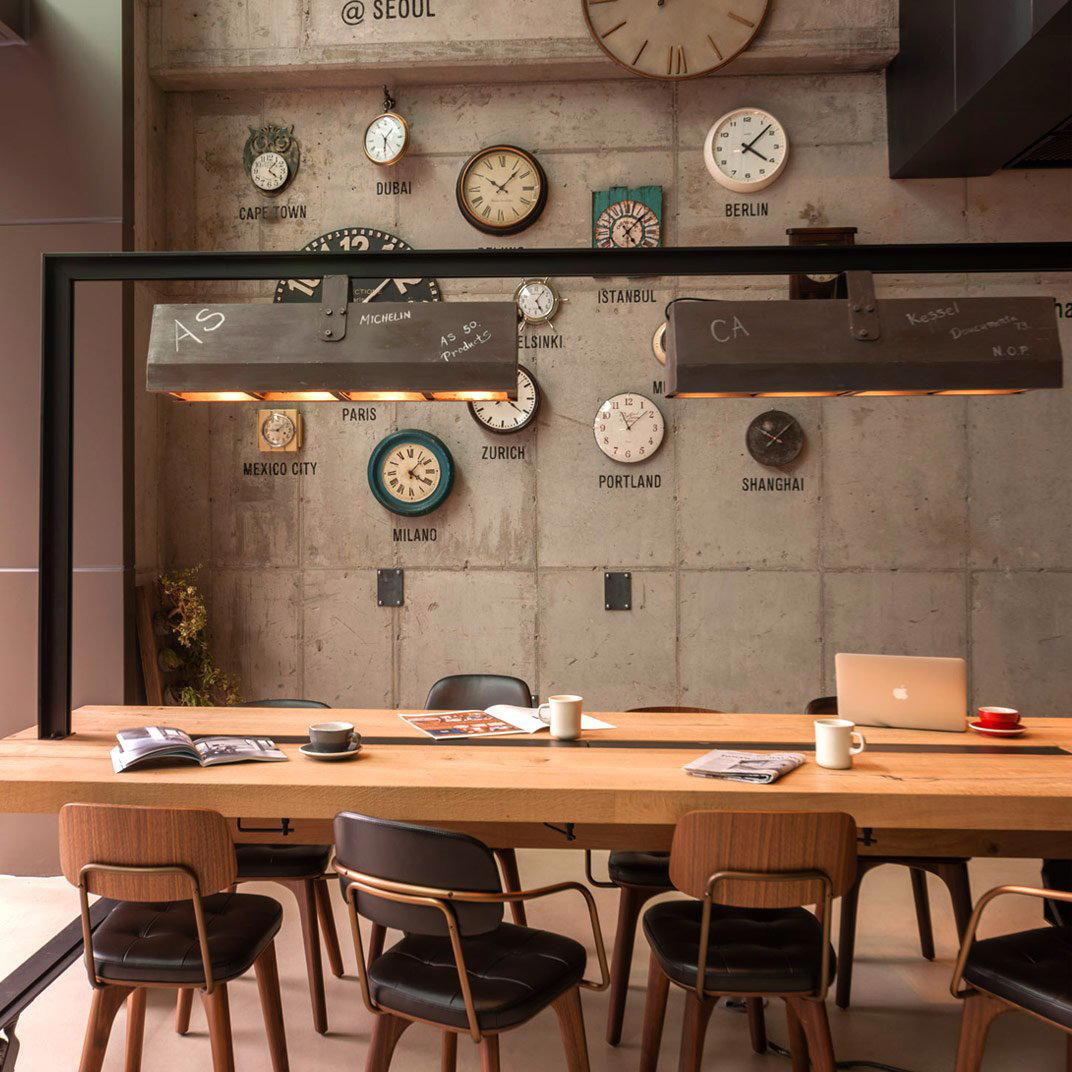
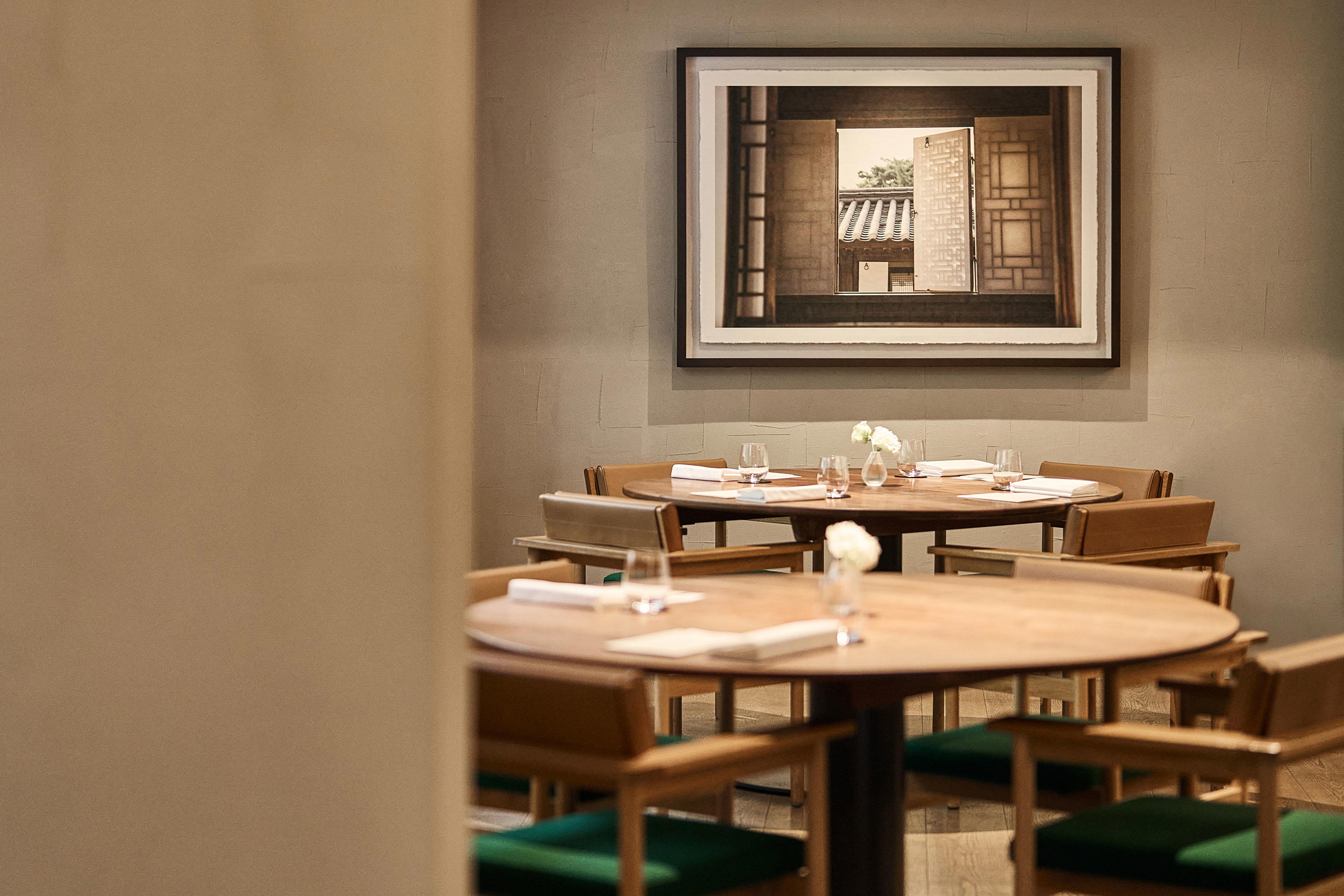
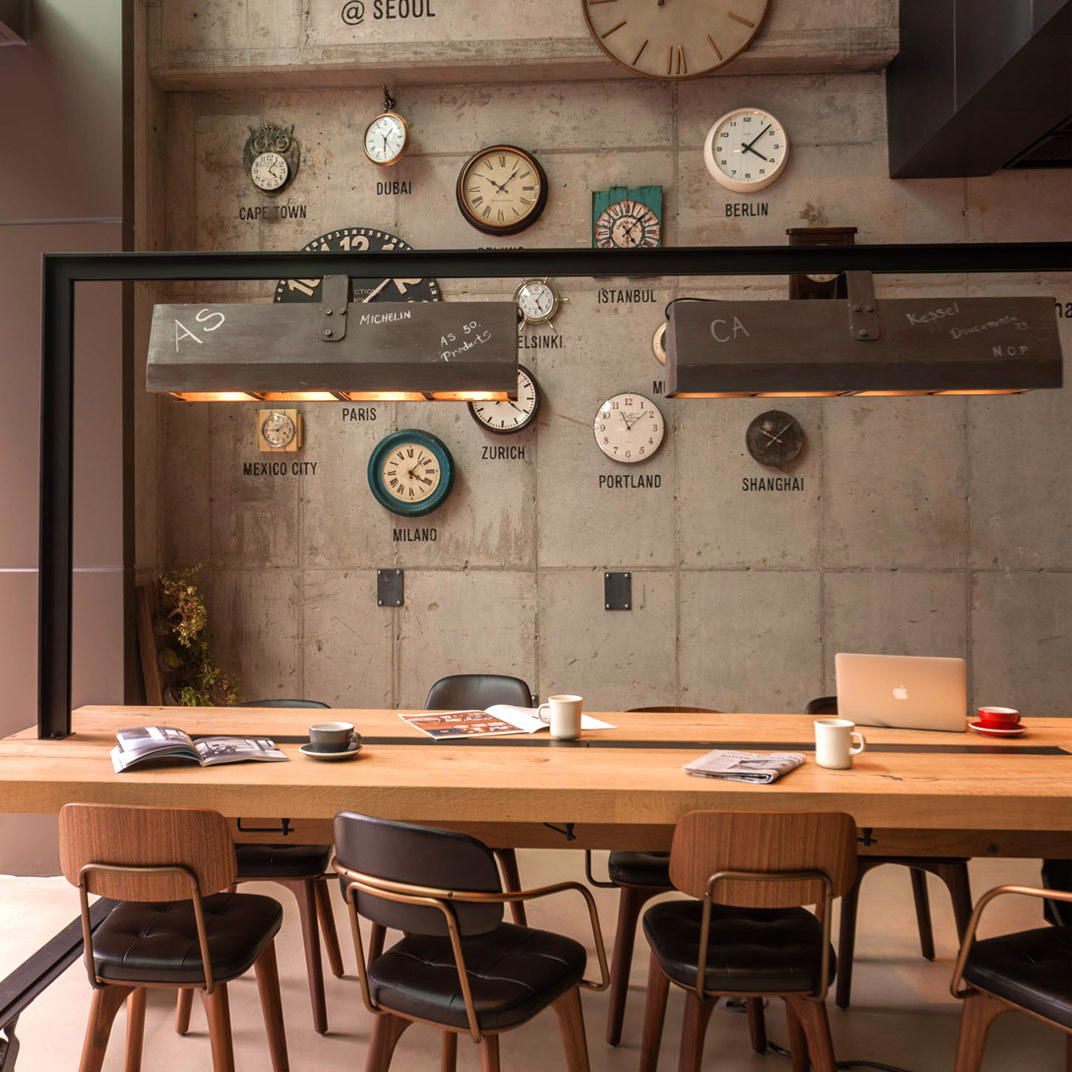
Cozy venue with Scandinavian design, well-lit hallway-like rooms separated by partitions for intimate and peaceful solo or small group experiences.