Bonobo occupies a telling address in Shibuya's Jingumae neighbourhood, where Tokyo's bar culture tilts toward craft-driven, cellar-conscious programming. The space positions itself within a Harajuku-adjacent scene that prizes curation over volume — making it a reference point for visitors mapping the city's serious drinking circuit away from Ginza's more formal register.
Pearl is the En Primeur Club membership app — saves, bookings, and concierge access live there. Same editors, same standards.
- Address
- 2 Chome-23-4 Jingumae, Shibuya, Tokyo 150-0001, Japan
- Phone
- +81 3 6804 5542
- Website
- bonobo.jp
- Directions
- Get directions
 Saves & bookings on Pearl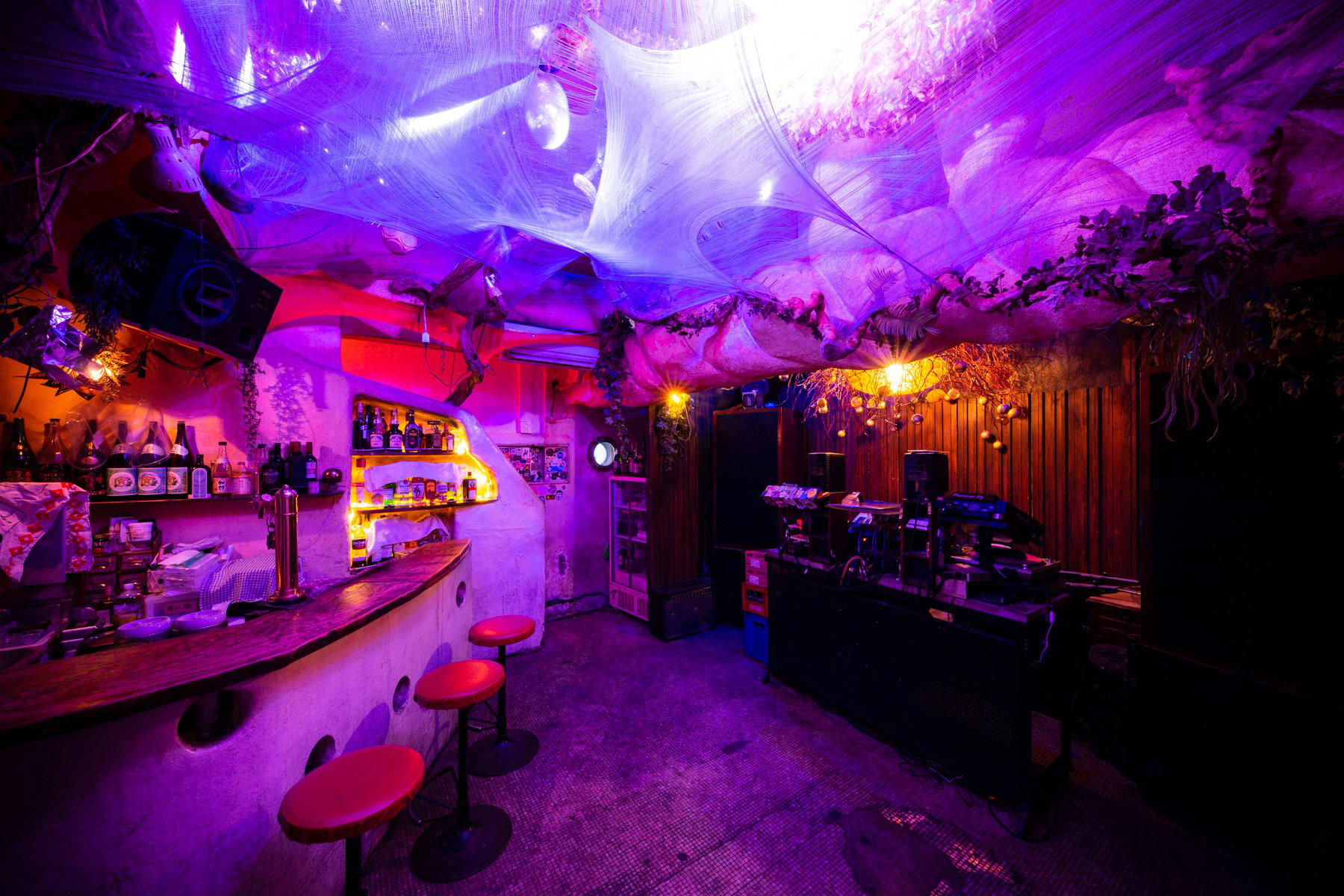
Where Shibuya's Bar Scene Gets Serious
The stretch of Jingumae that connects Harajuku's quieter residential blocks to the commercial edge of Omotesando has become one of Tokyo's more interesting corridors for considered drinking. Away from the high-polish hotel bars of Ginza and the theatrics of some of Shinjuku's specialist whisky rooms, this part of Shibuya-ku attracts venues that operate with less institutional gravity and more curatorial freedom. Bonobo, at 2 Chome-23-4 Jingumae, sits in that zone.
Tokyo's bar geography is more stratified than visitors often expect. The Ginza tier, where Bar Orchard Ginza, Bar High Five, and Star Bar Ginza operate, runs on formal technique, precise ritual, and decades of institutional reputation. Shinjuku's Bar Benfiddich occupies its own category: a deeply personal, herb-and-botanical-driven program that rewards repeat visitors with increasingly esoteric pours. Jingumae sits between those poles, producing venues where the atmosphere skews younger and more relaxed, but where the drinking can be every bit as considered.
The Wine List as Editorial Statement
In Tokyo's bar culture, wine programs have historically been secondary to spirits, the city built its international reputation on whisky depth, highball precision, and cocktail technique inherited from the Ginza masters. That hierarchy has shifted meaningfully over the past decade. A cohort of venues across Shibuya and neighbouring Minami-Aoyama have repositioned wine not as an accompaniment but as the primary lens through which the bar experience is framed. Bonobo belongs to this current.
The curatorial logic of a wine-forward bar in Tokyo differs from what you'd find in Paris or New York. Japanese bar culture places enormous weight on the host's selection process: the assumption is that the list reflects a specific point of view, not a comprehensive survey. Depth in a single region, producer loyalty across vintages, or a commitment to natural or low-intervention wine tend to signal seriousness here more reliably than sheer volume. A short list with strong provenance carries more credibility than a long list without it.
That curation philosophy connects to the neighbourhood's broader sensibility. The Harajuku-Omotesando corridor has long attracted independent fashion, design, and food concepts that prioritise editorial selectivity, the sense that someone made a specific choice, not a market-driven one. A bar operating in this context takes on some of that character by adjacency, and the expectation from regulars is that the list will reflect genuine expertise rather than commercial breadth.
Drinking in Context: Tokyo's Bar Circuit
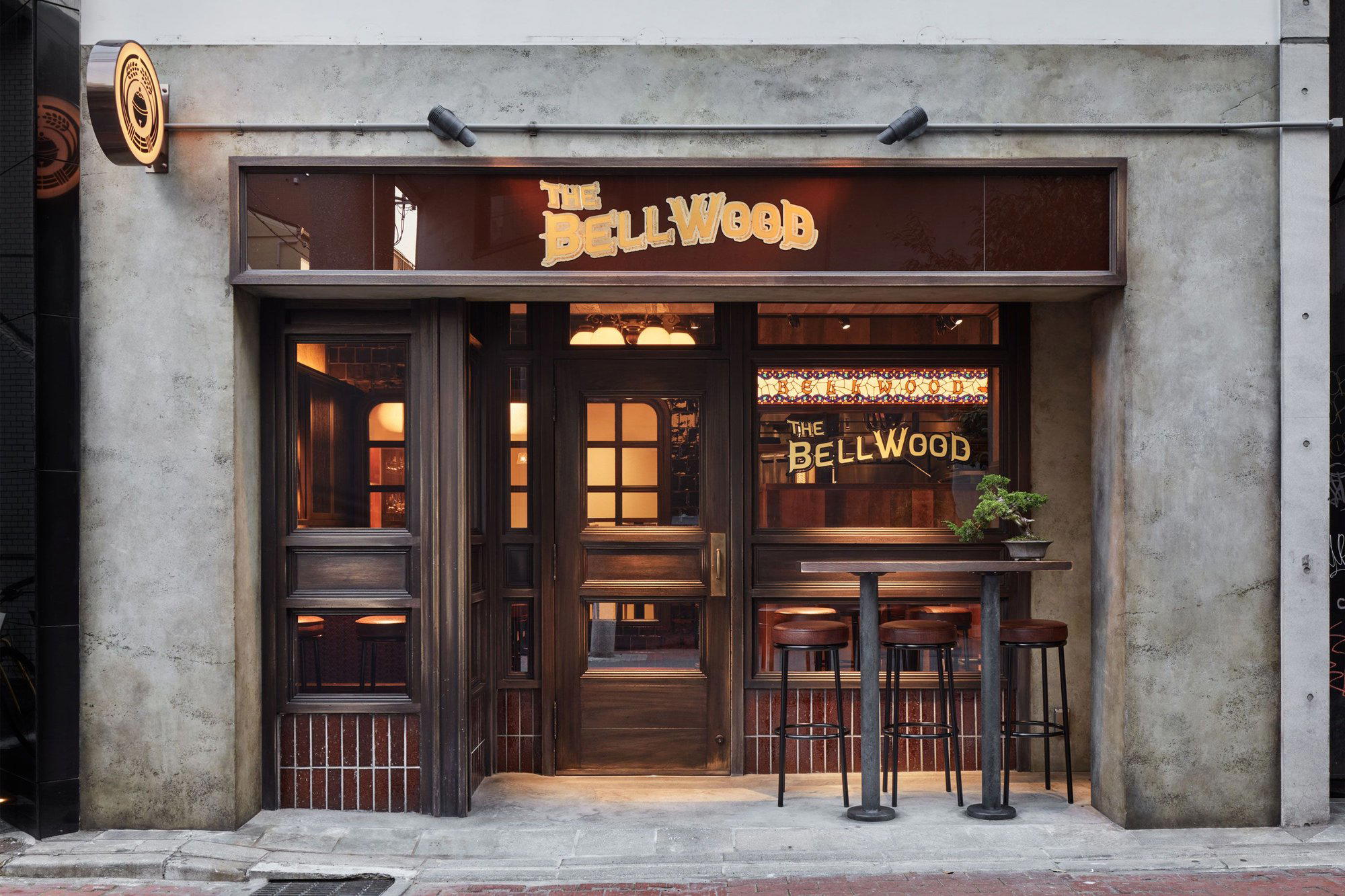
Placing Bonobo within a broader circuit matters. Tokyo's bar scene rewards neighbourhood-level loyalty: Ginza for formal technique and whisky heritage, Shibuya and Aoyama for wine-forward and contemporary programming, Shinjuku for specialist and eccentric cellars. Bar Libre extends the Tokyo conversation in a different register, while the comparison venues in Ginza, Tender Bar, The Bellwood, represent the more structured, legacy end of the spectrum.
Beyond Tokyo, Japan's bar culture is geographically distributed in ways that reward travel planning. Bar Nayuta in Osaka and anchovy butter in Osaka Shi represent the Kansai approach, which tends toward a warmer register without sacrificing technical discipline. Bee's Knees in Kyoto and Kyoto Tower Sando each occupy distinct positions in Kyoto's smaller, more heritage-inflected scene. Further afield, Lamp Bar in Nara, which holds significant international recognition in bartending circles, and Yakoboku in Kumamoto demonstrate how Japan's bar culture extends well beyond its two major cities. For context outside Japan entirely, Bar Leather Apron in Honolulu offers a useful Pacific comparison point for the Japanese-influenced craft cocktail format.
Arriving and Orienting
The Jingumae address places Bonobo within easy walking distance of Harajuku Station on the JR Yamanote Line, and roughly equidistant from Meiji-Jingumae Station on the Tokyo Metro Chiyoda and Fukutoshin lines. In a city where late-night public transport reliability runs until roughly midnight on most lines, the neighbourhood is accessible for evening visits without the taxi dependency that some of Tokyo's more peripheral bar destinations require. The area itself is quieter after dark than the Takeshita-dori end of Harajuku suggests, streets narrow, foot traffic thins, and the bar strip that exists here operates at a lower volume than Shibuya's main crossing would imply.
Timing matters in this part of Tokyo. Early evening, before 20:00, tends to see lighter foot traffic, which suits venues with smaller footprints and programmes built around attentive service. Later in the week, from Thursday through Saturday, the neighbourhood draws a more mixed crowd from the surrounding fashion and creative industry offices. For a focused wine experience, arriving early on a weekday evening gives one room for conversation with whoever is running the list.
Contacting the venue directly or arriving and assessing availability on the night remains the practical approach. This is, in any case, consistent with how many of Tokyo's neighbourhood bars prefer to operate: walk-ins are not discouraged at the smaller, less reservation-dependent end of the market, though venues with strong regulars can fill quickly on weekend evenings.
Who This Is For
Bonobo's Jingumae positioning places it squarely in the path of visitors who are already comfortable in Tokyo's bar geography and looking to move beyond the Ginza reference points. The neighbourhood suits those who prefer venues where the programming reflects a specific curatorial sensibility rather than a crowd-pleasing approach. Wine drinkers with a preference for depth over breadth, and for lists that reward a conversation with the person pouring, will find the Shibuya-Aoyama corridor more reliably satisfying than the spirits-dominant rooms of Shinjuku. Bonobo, from its Jingumae address, operates at the intersection of those preferences.
A Quick Peer Check
Comparable venues nearby, for context on price, style, and recognition.
| Venue | Cuisine | Price | Notes |
|---|---|---|---|
| BonoboThis venue — the venue you are viewing | cocktail_bar | $$ | Not listed |
| KURAND SAKE MARKET | sake_bar | $$ | Toshima |
| Trump Room | lounge | $$ | Shibuya |
| BOCTOK | cocktail_bar | $$ | Minato |
| K5 | cocktail_bar | $$$ | Chūō |
| FUGLEN ASAKUSA | cocktail_bar | $$ | Taitō |













At a Glance
- Lively
- Energetic
- Trendy
- Intimate
- Late Night
- Casual Hangout
- Live Music
- Seated Bar
- Lounge Seating
- Outdoor Terrace
- Classic Cocktails
Magical atmosphere with purple-lighted mirror ball on the first floor and cozy tatami mat room upstairs.