684 Itaewon-dong
In Itaewon's layered bar scene, 684 sits at an address that has become a reference point for Seoul's serious cocktail crowd. The Yongsan District location places it within a neighbourhood that has absorbed decades of cultural crosscurrent, and the bar draws the kind of visitor who plans rather than stumbles. Details are scarce by design — that opacity is part of the draw.
Pearl is the En Primeur Club membership app — saves, bookings, and concierge access live there. Same editors, same standards.
- Address
- 684 Itaewon-dong, Yongsan District, Seoul, South Korea
- Directions
- Get directions
 Saves & bookings on Pearl
Itaewon After Dark: What the Address Tells You
Itaewon has always operated as Seoul's most permeable neighbourhood, the district where the city's appetite for outside influence and its own evolving confidence meet on the same street. The address 684 Itaewon-dong places this bar squarely inside that tradition: Yongsan District, close enough to Haebangchon's hillside wine bars and Hannam-dong's design-forward cocktail rooms to understand what the broader north-bank drinking scene is doing, yet rooted in the particular energy that Itaewon generates after 10pm. That energy is specific. It is not the curated quietness of Alice Cheongdam in Gangnam, nor the studied formality of Charles H in the Four Seasons. Itaewon operates at a different register: more international in its reference points, more tolerant of friction between genres, and historically more willing to absorb whatever the moment demands.
The Physical Register of the Space
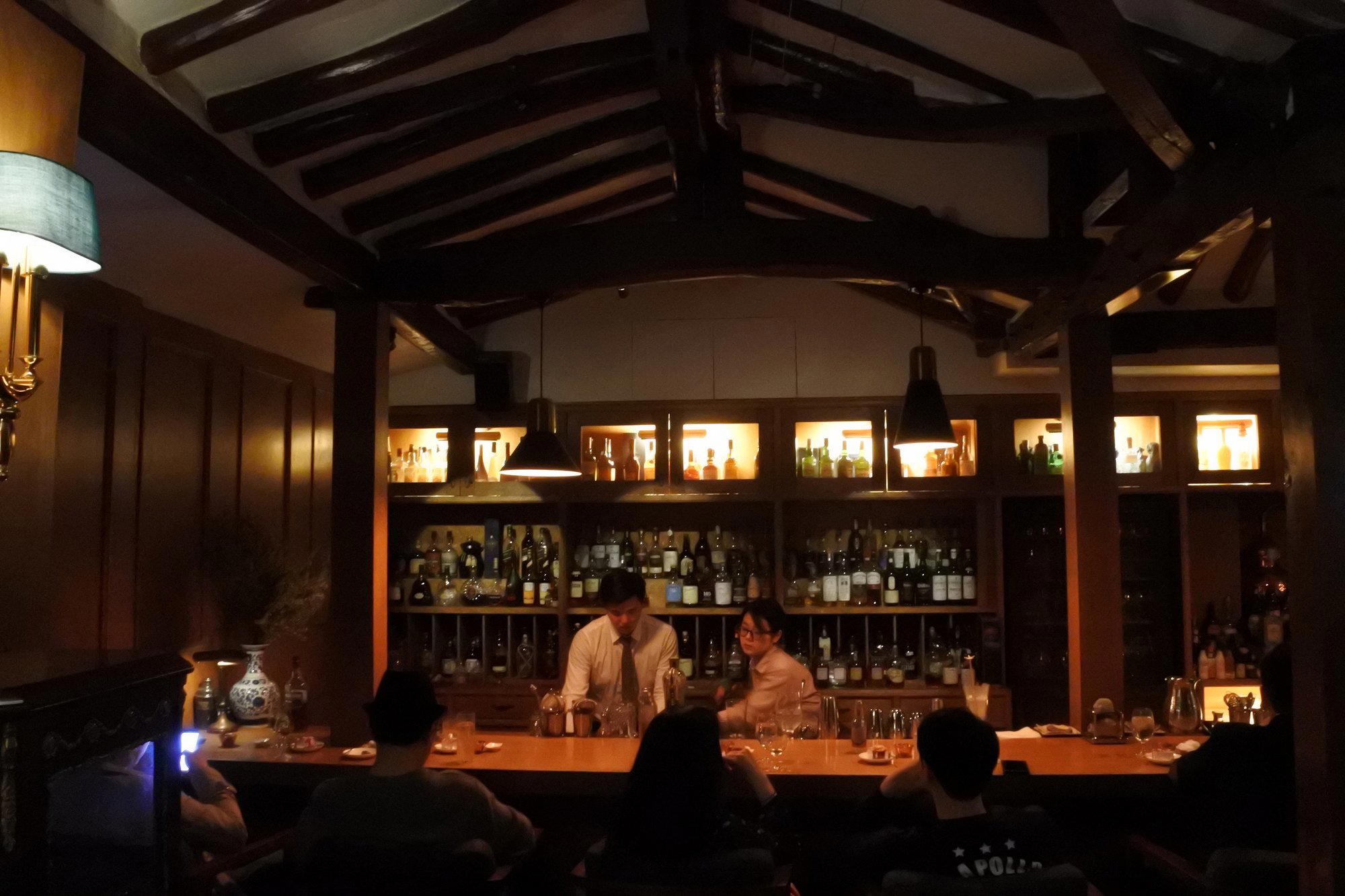
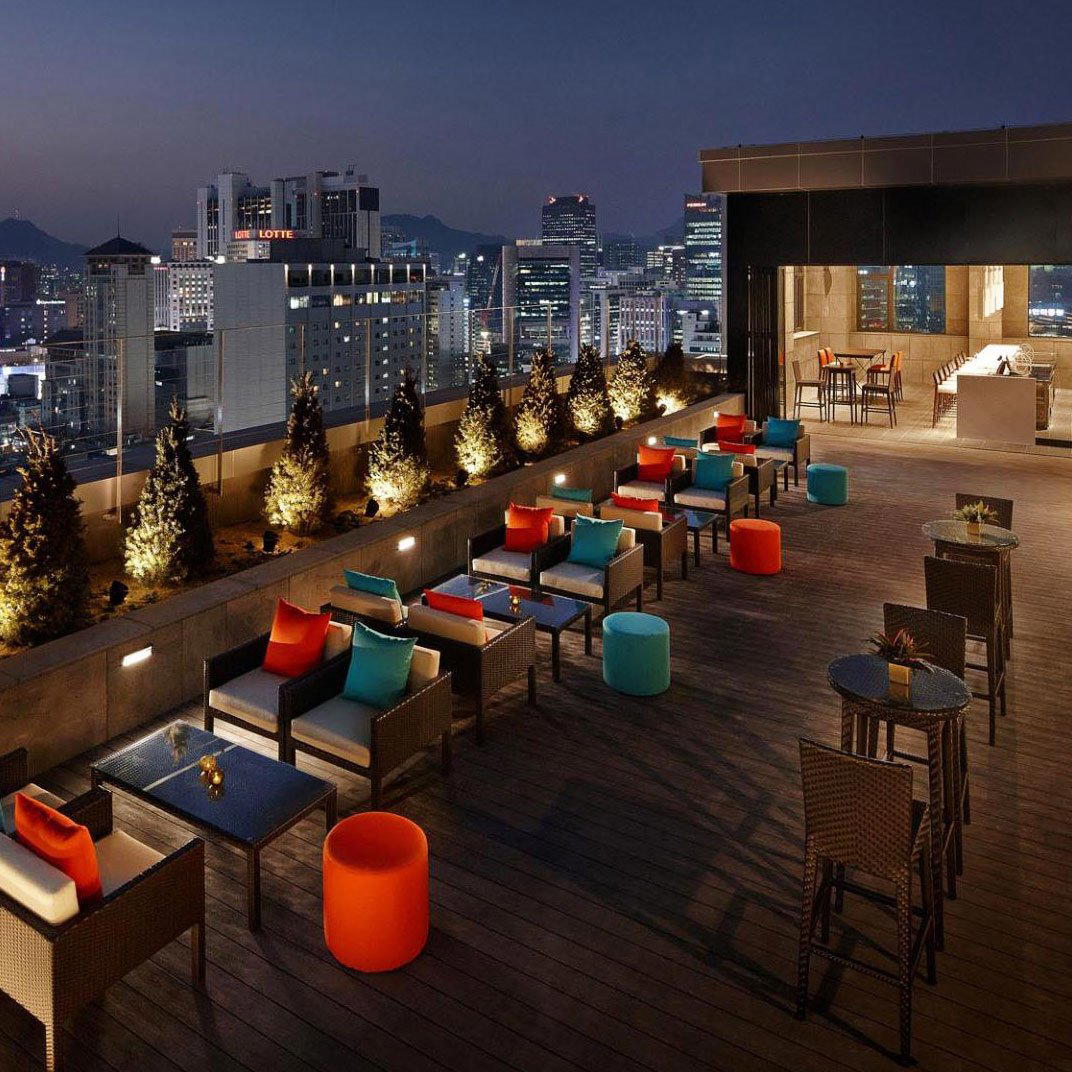
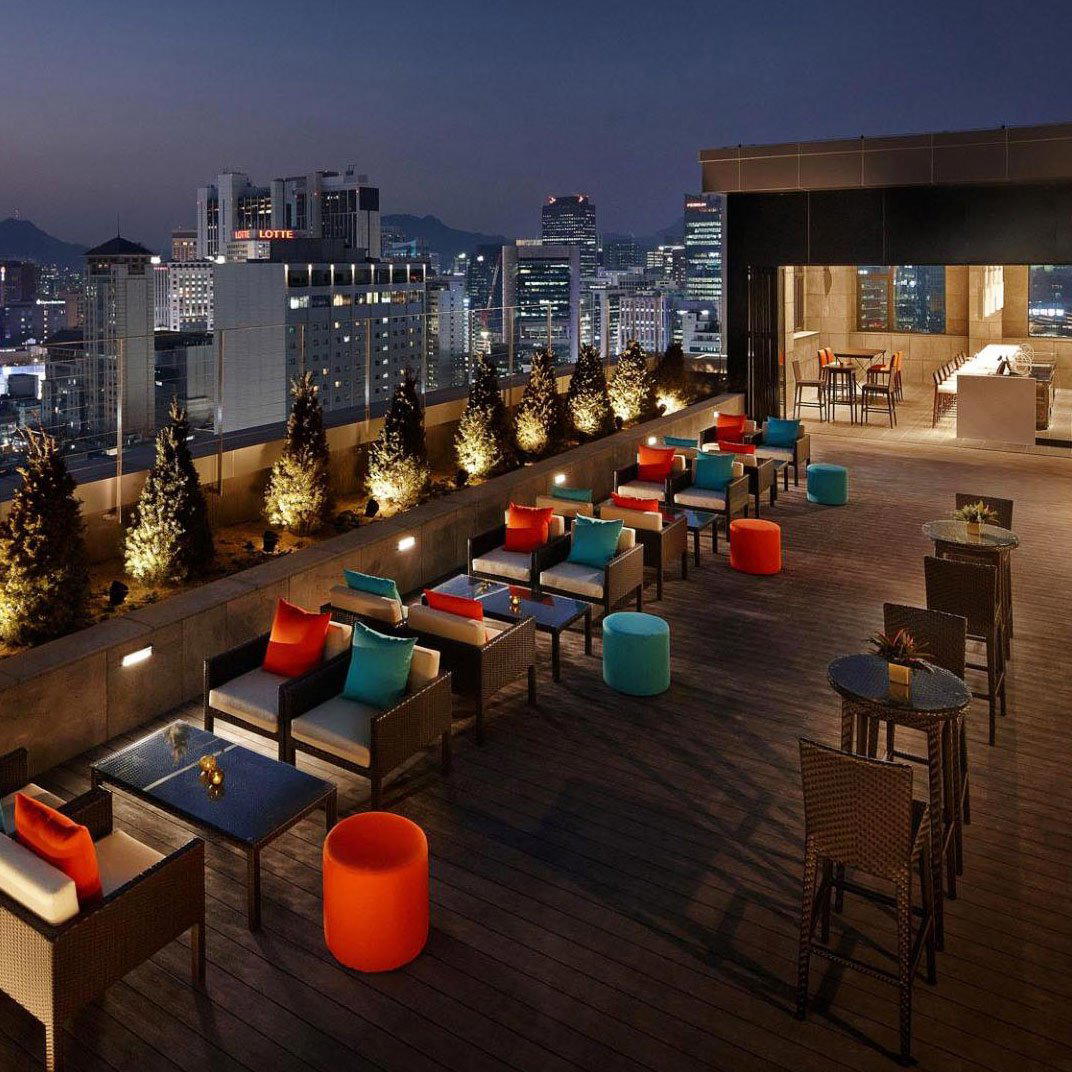
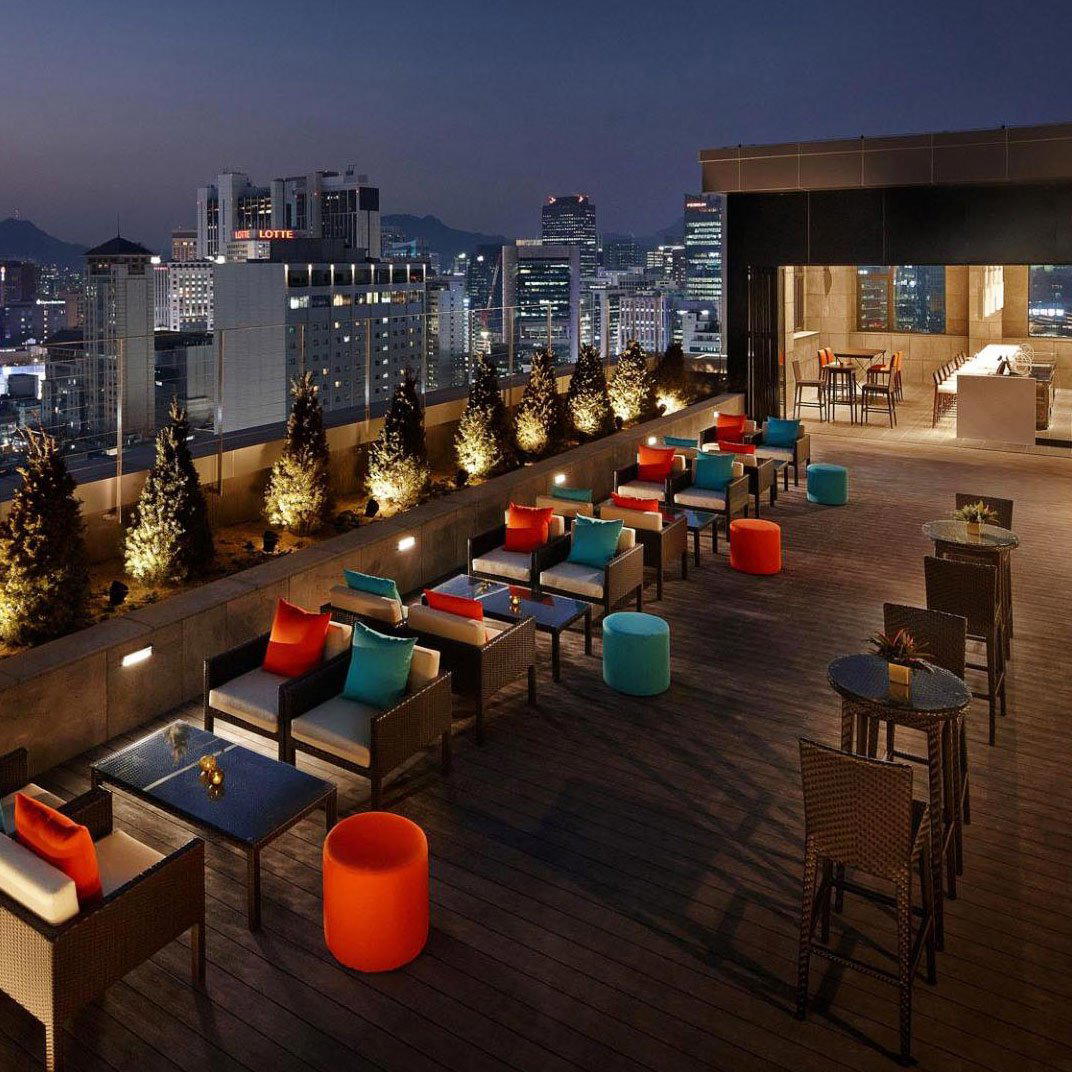
Bars in Seoul's premium tier have increasingly committed to a specific atmospheric grammar: low ceilings that compress sound, lighting calibrated to somewhere between legibility and theatre, and seating arrangements that signal whether the room prioritises conversation or performance. 684 Itaewon-dong works within that grammar. The address itself, a direct coordinate rather than a crafted name, signals an absence of marketing artifice that is itself a design choice. In a neighbourhood where bar names tend toward either English-language cool or Korean conceptual abstraction, a street number functions as a statement of confidence: the space does not need to explain itself before you walk in.
Seoul's cocktail bars have split over the past several years into two broad camps. The first builds around transparency, where the technique is visible, the ingredients are sourced with traceable precision, and the menu reads like a considered editorial position. The second operates through atmosphere first, where the room itself is the argument and the drinks support a broader sensory proposition. 684 Itaewon-dong sits closer to the second tradition, in the way that Itaewon bars generally have: the neighbourhood's mix of foot traffic, global influence, and late-night hours tends to reward spaces that hold their shape across a long evening rather than rewarding the single focused encounter that a quieter Gangnam or Seongsu bar might deliver.
Seoul's Bar Scene and Where Itaewon Fits
The city's internationally recognised bar programme has concentrated in pockets. Bar Cham and Bar D. Still represent the technically rigorous end of the Seoul spectrum, the kind of operations where a single cocktail might involve fermentation, house distillation, or ingredient sourcing that takes months to establish. That tier now competes on credentials: Asia's 50 Best recognition, Michelin guide inclusion, and the attention of an international bar press that has spent the last decade documenting Seoul's rise as a serious cocktail city.
Itaewon's better bars have generally operated adjacent to that recognition economy rather than inside it. The neighbourhood's value is different: it offers the kind of atmospheric density that formal recognition does not always capture. A bar that holds its character across a neighbourhood as changeable as Itaewon is demonstrating a form of durability that a single award snapshot cannot fully represent. The comparison set here is not the refined counter bars of Apgujeong or the hotel-anchored operations of central Seoul. It is the neighbourhood bar operating with genuine point of view in a district that has seen considerable churn.
For broader context across South Korea's bar culture, venues like Muyongdam in Jeju Si, Climat in Busan, and Regency Club in Incheon illustrate how Korean bar programming has diversified beyond Seoul, each developing regional identities rather than simply mirroring the capital. That broader dispersal makes the Itaewon address more meaningful: it is a specific Seoul proposition rather than a generic urban bar concept.
Who Uses This Space and How
The traveller who arrives in Itaewon looking for a bar experience is, by default, someone comfortable with a neighbourhood in motion. The district's population on any given evening will include long-term expats, visiting professionals, Korean regulars from adjacent districts, and tourists who have been correctly told that Itaewon is where Seoul's international energy concentrates. Bars that succeed here tend to be those that can hold multiple audiences without collapsing into a single demographic. The neighbourhood's heterogeneity is both its challenge and its argument for existence.
Internationally, the analogy would be bars in districts like Williamsburg in New York's earlier craft period, or Shoreditch in London before formal recognition arrived and tidied up the edges. Bar Leather Apron in Honolulu and Jewel of the South in New Orleans represent American equivalents of the serious neighbourhood bar model, both earning recognition precisely by committing to a local identity rather than reaching for a universal format. The Itaewon bar at its leading works along similar lines: the address is the credential, and the neighbourhood is the frame.
For those moving between districts, the practical consideration is that Itaewon's bar concentration makes it efficient. The neighbourhood's walkability between venues is higher than in more dispersed areas like Mapo or Seongsu. 684 Itaewon-dong is a logical stop in the sequence of an evening rather than a destination that demands a dedicated visit.
For those exploring bars outside the capital, Anjuga in Ansan Si and Seuwichi in Heungdeok represent how the serious bar format has migrated to smaller cities, though Seoul's Itaewon still operates as one internationally legible point of entry for first-time visitors to Korean cocktail culture.
Planning Your Visit
The venue is walk-in friendly, with a casual dress code and an approximate price of USD 25 per person. The address, 684 Itaewon-dong in Yongsan District, is locatable on standard mapping applications, and the neighbourhood's high bar density means that an evening in the area will offer context for comparison regardless of which door you walk through first.
Cuisine Context
Comparable venues nearby, for context on price, style, and recognition.
| Venue | Cuisine | Price | Notes |
|---|---|---|---|
| 684 Itaewon-dongThis venue — the venue you are viewing | cocktail_bar | $$ | Not listed |
| SEOUL VINYL | cocktail_bar | $$ | Hoehyeon-dong |
| 53 Nonhyeon-ro 153-gil | Bar | $$ | 압구정동 |
| PIZZERIA D'BUZZA | beer_bar | $$ | 이태원동 |
| Sangsu-ri Acorn Bar 상수리 | speakeasy | $$ | 연남동 |
| Ring Seoul | Bar | $$ | 이태원동 |
Continue exploring
More in Seoul
Restaurants in Seoul
Browse all →
At a Glance
- Intimate
- Trendy
- Date Night
- Casual Hangout
- Standalone
- Seated Bar
- Craft Cocktails
- Gin
Cozy and intimate atmosphere in a hard-to-find tiny establishment, providing a peaceful escape with friendly mascot dog.