4 Dosan-daero 17-gil
Located on one of Gangnam's most concentrated bar streets, 4 Dosan-daero 17-gil sits at the center of Seoul's premium cocktail scene in the Apgujeong-Cheongdam corridor. The address itself has become shorthand for a particular tier of Korean craft drinking culture, where technique, seasonal Korean ingredients, and international bar training converge in a compact stretch of the city's most demanding hospitality district.
Pearl is the En Primeur Club membership app — saves, bookings, and concierge access live there. Same editors, same standards.
- Address
- 4 Dosan-daero 17-gil, Gangnam District, Seoul, South Korea
- Directions
- Get directions
 Saves & bookings on Pearl
The Street That Defines Seoul's Cocktail Tier
Gangnam's bar culture has undergone a structural shift over the past decade. Where the district once traded on nightclub density and bottle-service volume, a quieter but more consequential transformation took hold along the Dosan-daero corridor: the emergence of a concentrated strip of serious cocktail venues operating at a technical and conceptual level that now draws international bar professionals to Seoul as a reference point, not just a market.
4 Dosan-daero 17-gil is a bar in Gangnam District, Seoul, at 4 Dosan-daero 17-gil, and it sits in a casual, walk-in-friendly price tier. In Seoul's cocktail conversation, it functions as a geographic shorthand for a specific tier of drinking culture, the kind built around seasonal Korean ingredients, imported bar technique, and formats that reward repeat visits rather than one-off spectacle. The Apgujeong-Cheongdam area has consolidated this reputation with a density of credentialed venues that few Asian cities outside Tokyo can match across a comparable radius.
Cultural Roots of the Korean Cocktail Movement
To understand what this address represents, it helps to understand how Korean drinking culture arrived at this moment. Korea's traditional drinking canon is built on fermented and distilled grain spirits: makgeolli (unfiltered rice wine), soju (distilled grain spirit), and cheongju (refined rice wine). For much of the twentieth century, these sat in separate social spaces from Western spirits culture, which entered Korea largely through hotel bars and expatriate venues.
The current generation of Seoul bar professionals has bridged that separation. Bartenders trained in London, Tokyo, or New York returned with clarified-liquid technique, fermentation knowledge, and format discipline, then applied those tools to Korean base ingredients and flavor references. The result is a category that resists simple labeling: not fusion in the diluted sense, but a bar practice that treats doenjang, omija, yuzu from Jeju, and aged soju as ingredients with the same seriousness applied to Cognac or aged rum in a Western program.
This is the cultural context that the Dosan-daero 17-gil address inhabits. Venues here do not treat Korean ingredients as a novelty garnish on an otherwise Western cocktail menu. The cultural material is structural, running through the drink logic itself. For comparison, the approach shares DNA with venues like Bar Cham and Alice Cheongdam in the same corridor: a program where the reference points are Korean first, and the technique is international in service of that.
Position Within Gangnam's Premium Bar Set
Seoul's premium bar scene has stratified in ways that matter for anyone planning a drinking itinerary. At one end sit hotel bars with international brand backing and formats calibrated for a mixed business and leisure crowd. Charles H at the Four Seasons operates in that tier, with a globally recognized program that competes on consistency and recognition. At the other end, small independent venues on streets like Dosan-daero 17-gil operate on format discipline, ingredient specificity, and a local-first guest relationship that hotel programs structurally cannot replicate.
The Dosan-daero 17-gil address falls in that independent, specialist tier. The surrounding block contains a comparable set that includes Bar D. Still, a venue that has built recognition through sustained technical rigor, and several others operating at a similar register. This concentration matters because it creates a competitive pressure that raises the floor: venues that cannot hold pace with the ingredient sourcing and format seriousness of their immediate neighbors tend not to survive on this strip.
That dynamic is worth understanding before arriving. The Cheongdam-Apgujeong bar corridor is not an accident of real estate. It reflects deliberate positioning by operators who understood that proximity to serious peers creates a gravitational pull for the kind of guest who researches a drinking itinerary the way others research a tasting menu. Seoul's bar recognition in international rankings, including the Asia's 50 Best Bars list, has placed multiple Gangnam and Itaewon venues in the upper brackets, which in turn increases the reference density for visitors arriving with homework done.
Reaching the Address and Planning Your Visit
The neighborhood operates late: serious cocktail venues in this corridor typically run into the early hours, with concentrated foot traffic arriving after 9pm on weekdays and later on weekends.
Korea's bar scene is not limited to Seoul. Venues like Muyongdam in Jeju Si and Climat in Busan reflect how the Korean cocktail movement has spread across the country, with regional ingredient access giving Jeju and Busan venues a distinct flavor profile from their Seoul counterparts. Regency Club in Incheon and Anjuga in Ansan Si extend that map further, while Seuwichi in Heungdeok shows how the format discipline developed in Seoul has migrated to secondary cities with its own identity intact.
For international reference points, the approach to Korean ingredient integration visible on this street has parallels in what programs like Bar Leather Apron in Honolulu have done with Pacific flavor references, or what Jewel of the South in New Orleans represents in terms of a regional ingredient philosophy applied to serious bar craft. The mechanics differ, but the underlying ambition, to make a place's flavor identity structural rather than decorative, is the same.
What the Address Signals About Seoul Bar Culture
Cities build reputations in bar culture through the accumulation of credentialed addresses, not through single venues. The weight that the Dosan-daero 17-gil corridor now carries in Seoul's cocktail identity comes from a decade of venues opening, competing, and in some cases closing on the same short stretch, leaving behind a raised standard that each new arrival must meet or exceed. That competitive metabolism, more than any individual program, is what makes this address a reference point rather than simply a location.
Price and Positioning
Comparable venues nearby, for context on price, style, and recognition.
| Venue | Cuisine | Price | Notes |
|---|---|---|---|
| 4 Dosan-daero 17-gilThis venue — the venue you are viewing | Not listed | $ | Not listed |
| Pyeong Hwa | Not listed | $$ | 문래동, cocktail_bar |
| Mikkeller Bar Seoul | Not listed | $$ | 압구정동, beer_bar |
| 684 Itaewon-dong | Not listed | $$ | Hoehyeon-dong, cocktail_bar |
| The Edge | Jongno-dong, lounge | $$ | Not listed |
| Vampire Weekend Cheong Dam | Not listed | $$$ | 압구정동, wine_bar |
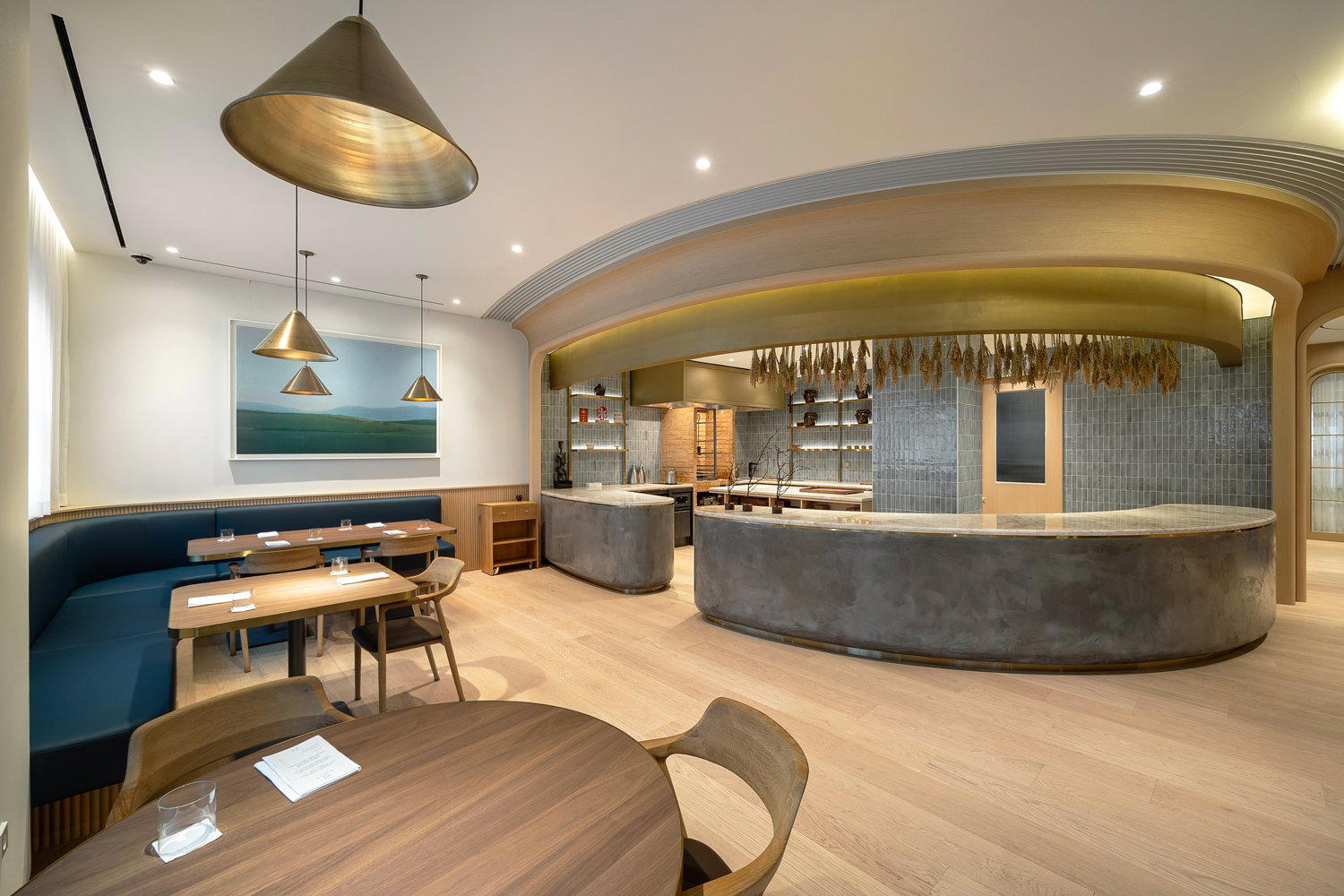
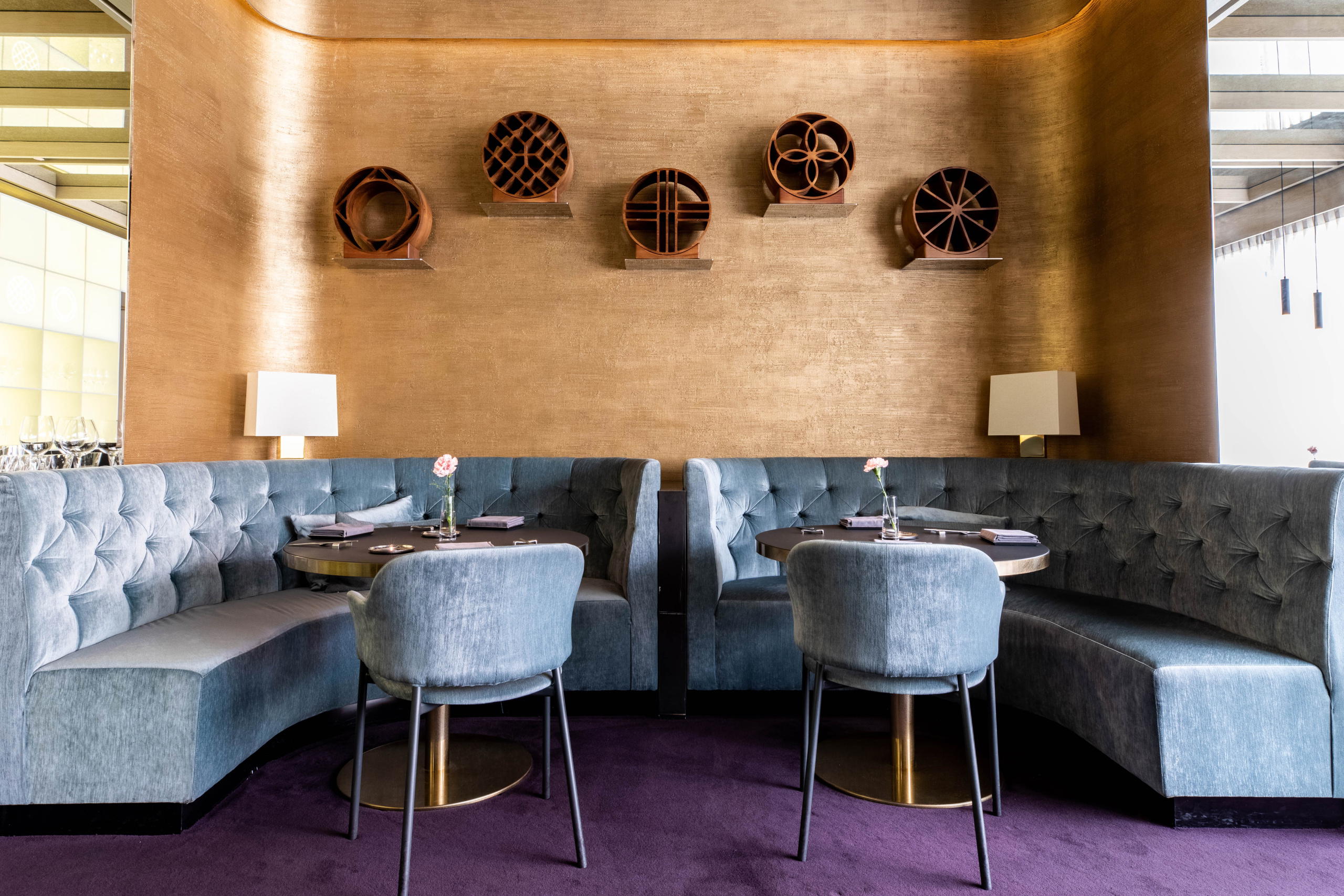
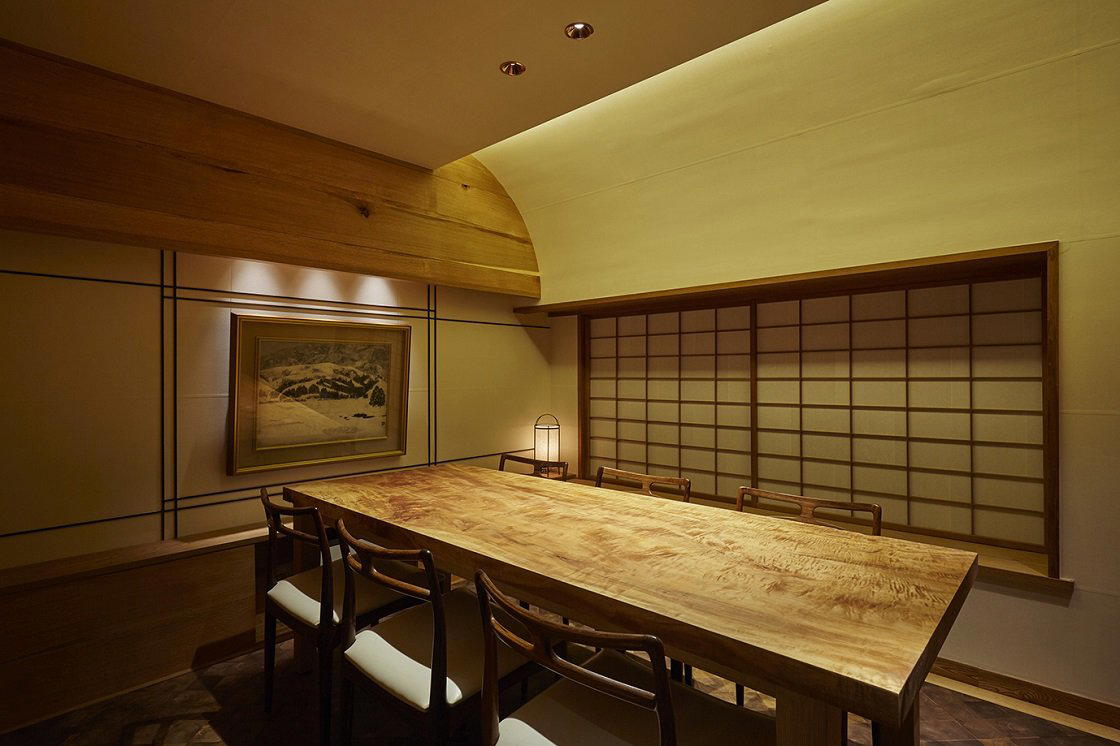
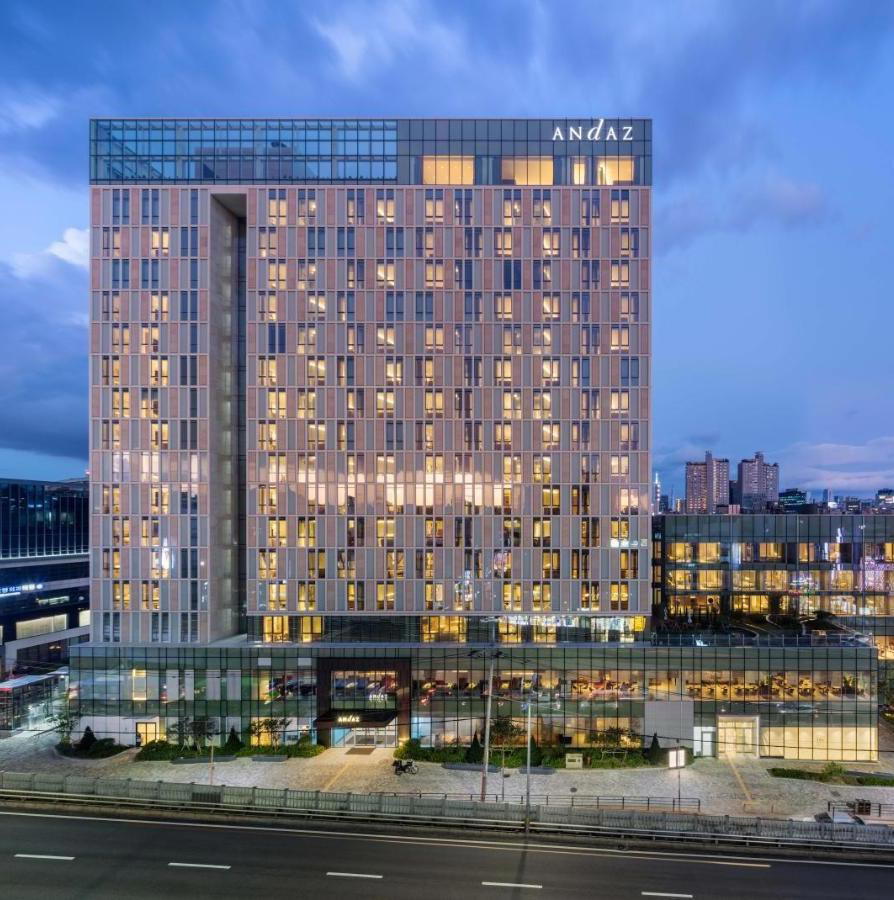
At a Glance
- Cozy
- Trendy
- Casual Hangout
- Standalone
- Standing Room
- Craft Beer
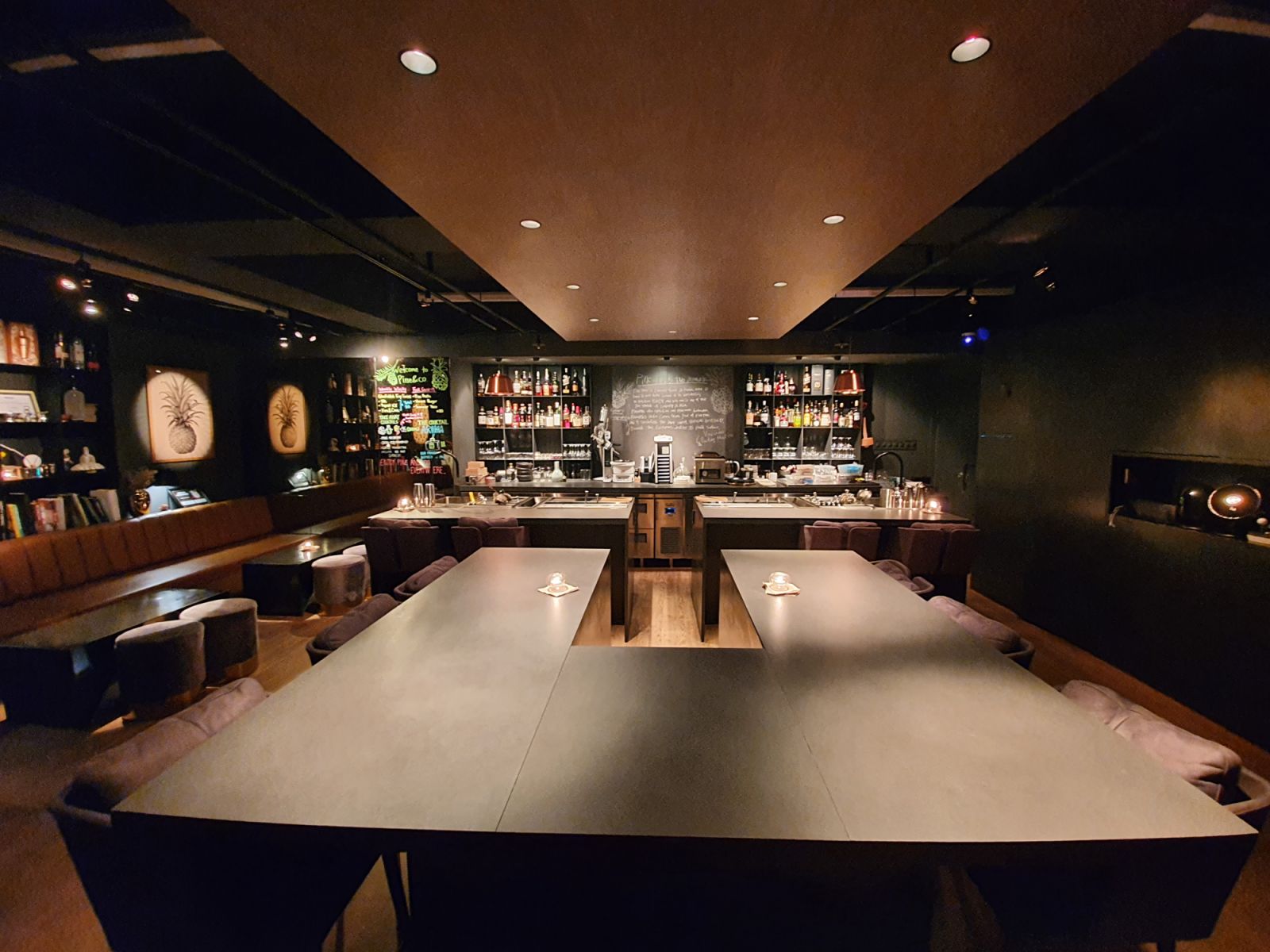
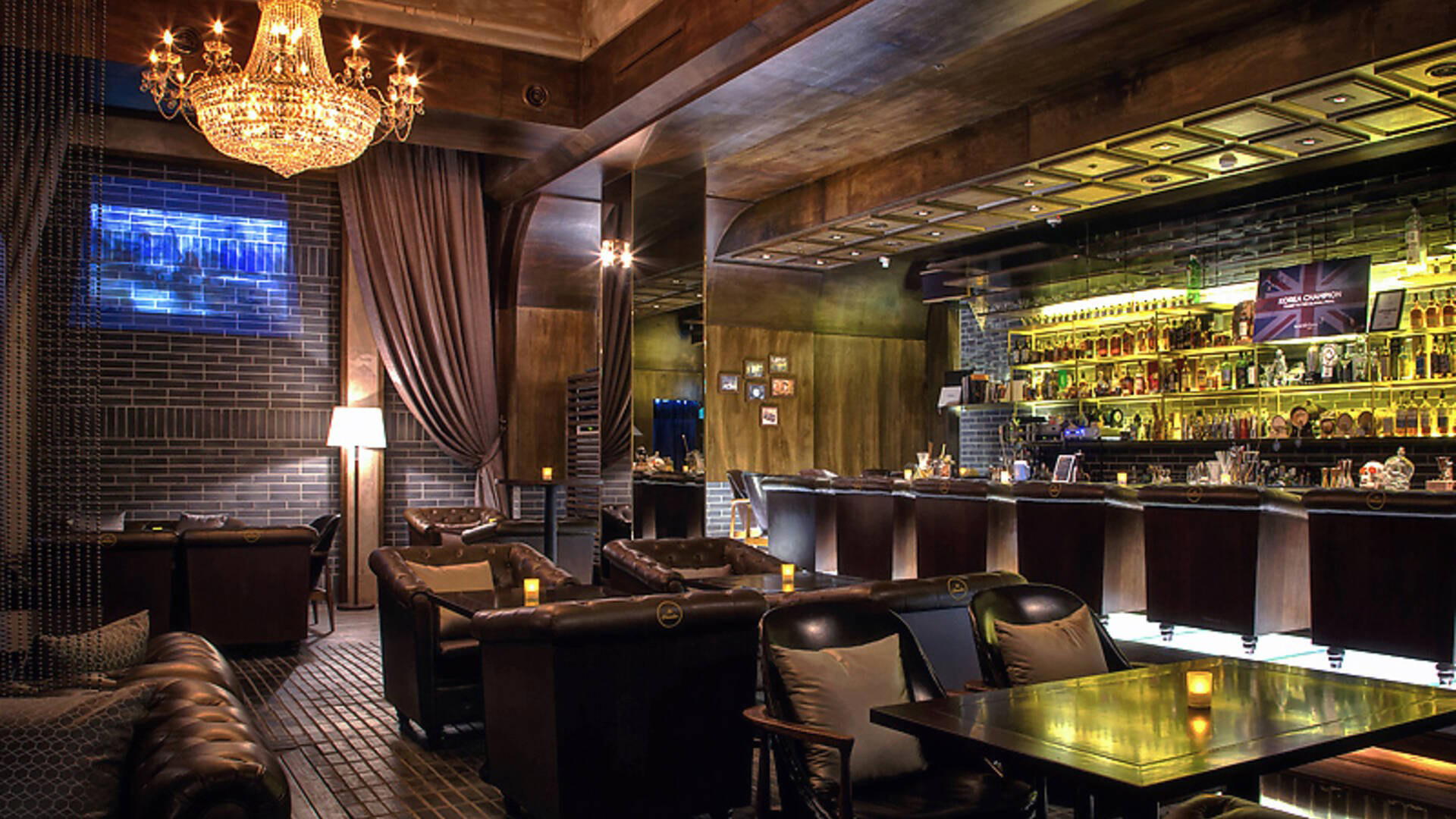
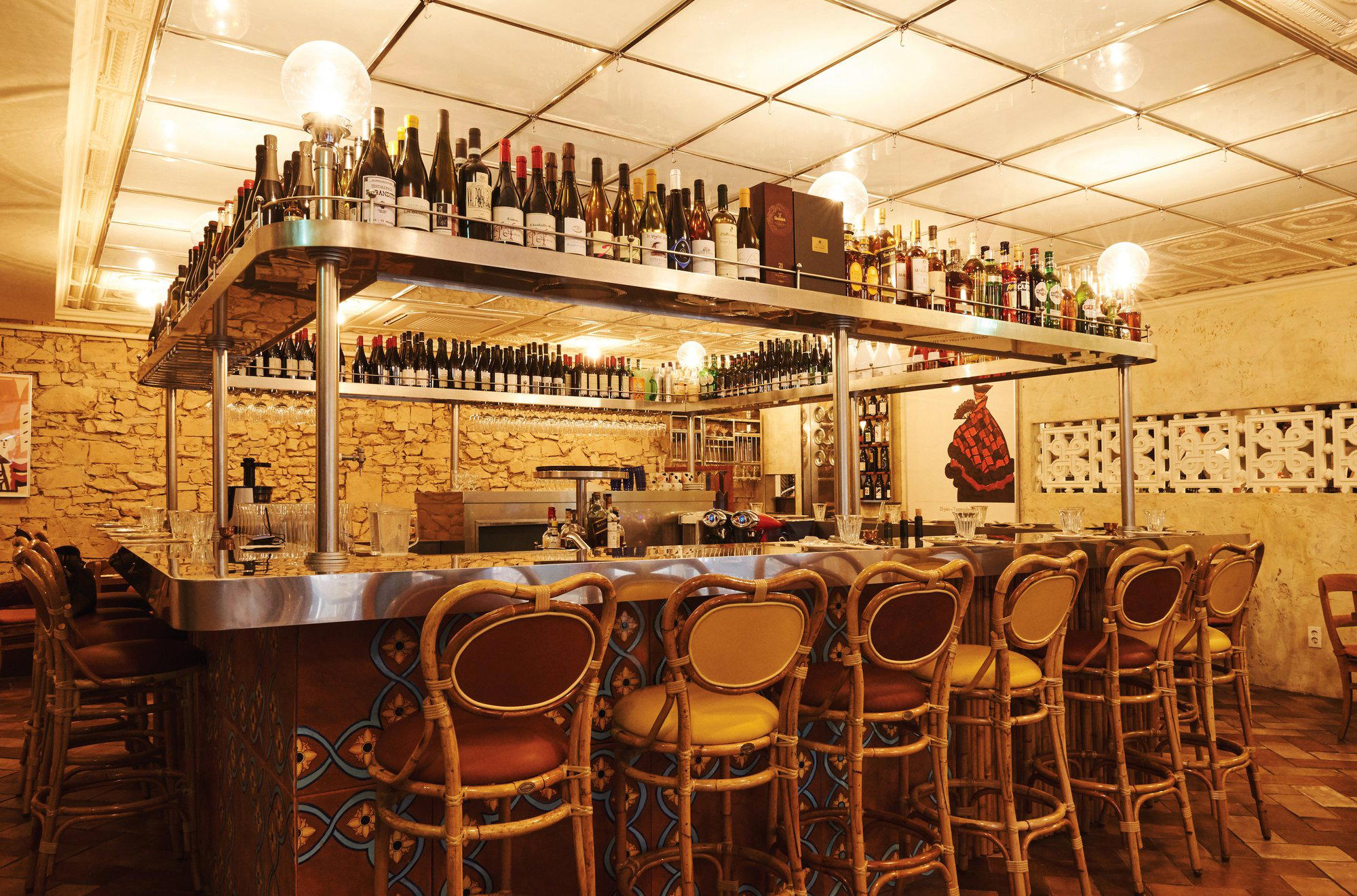
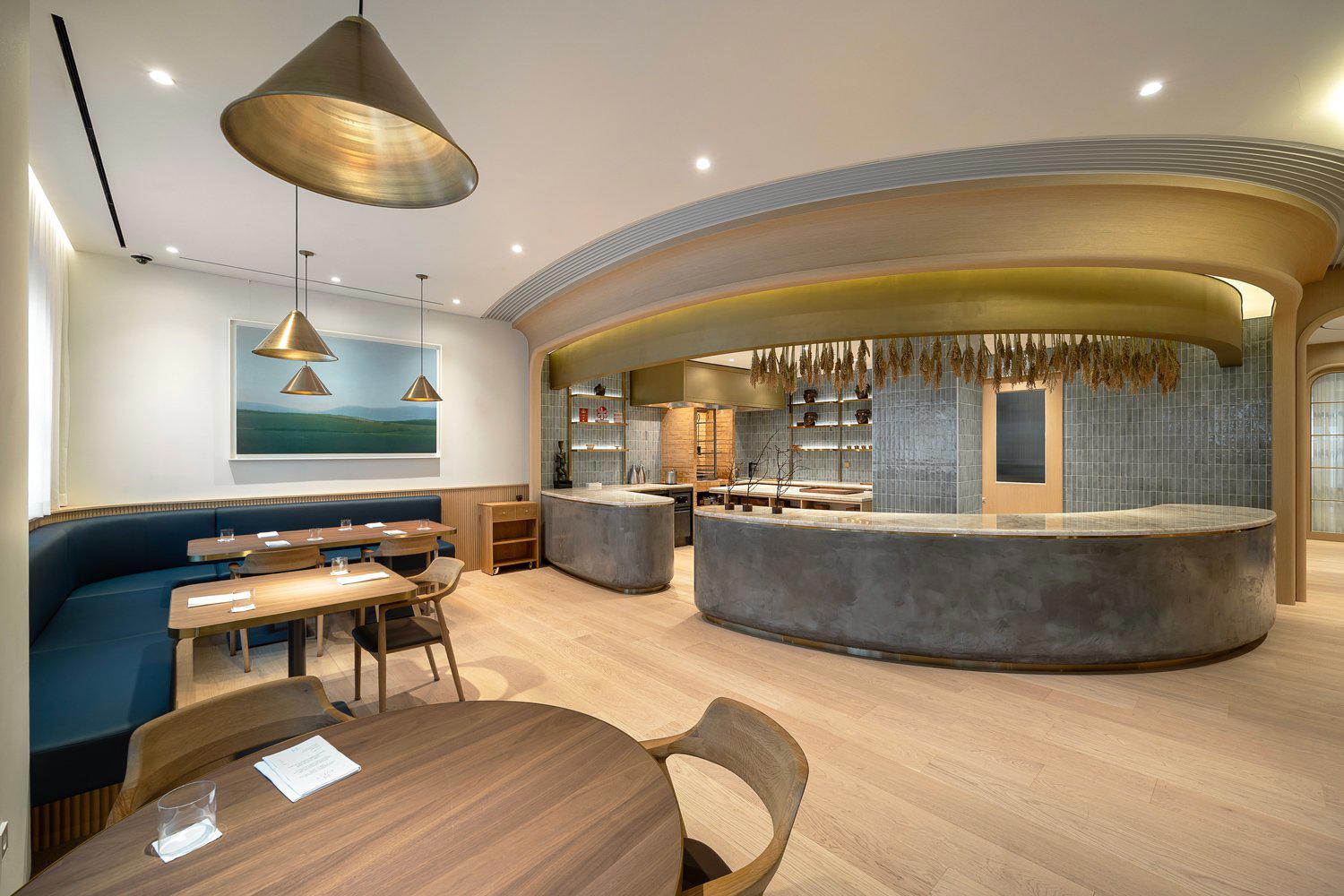
Low lighting with a divey, retro feel and ambient music.