The Edge
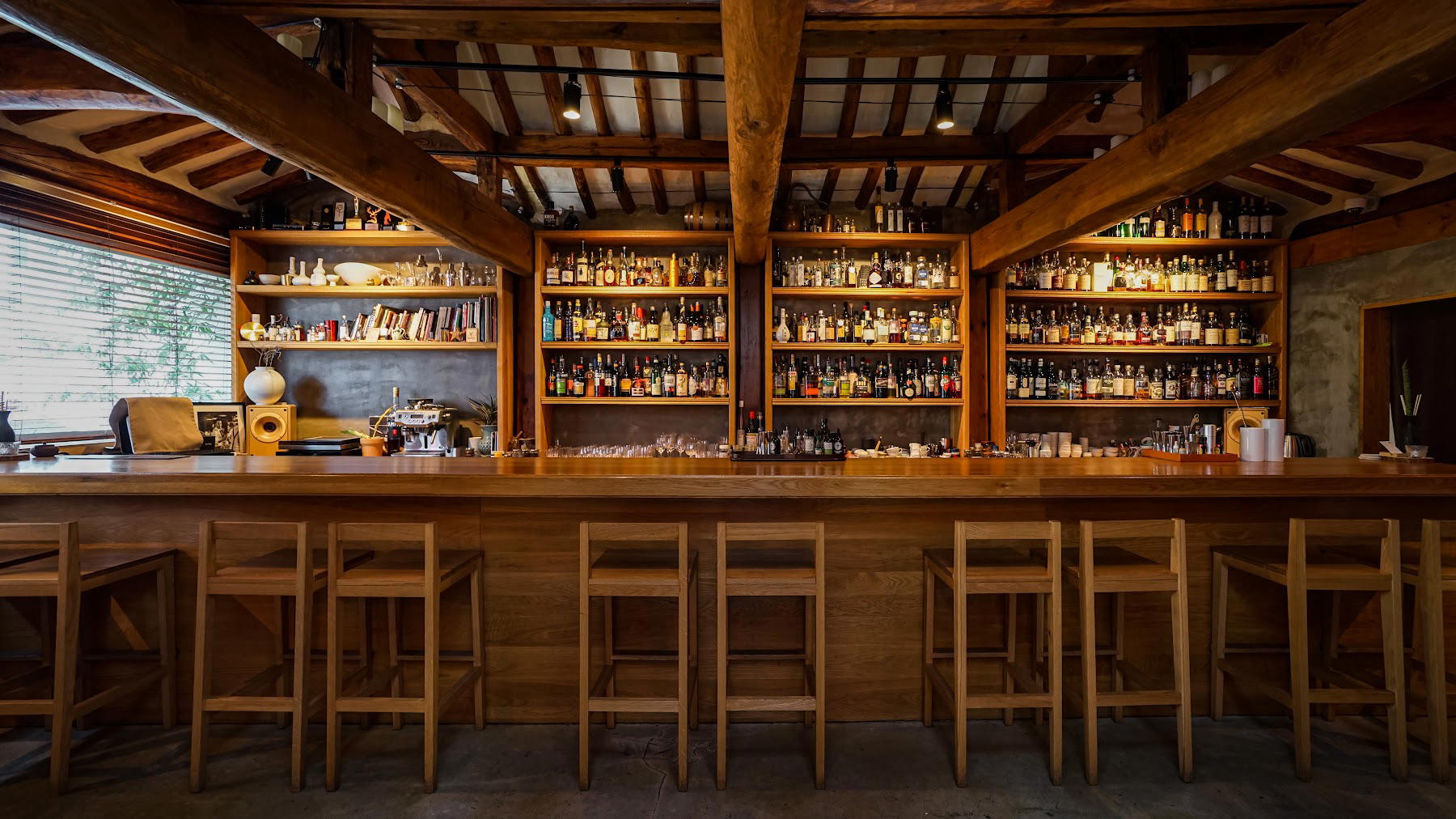
Located on the third floor of a building along Eulji-ro 12-gil in Seoul's Jung District, The Edge sits within one of the city's more quietly considered bar corridors. The editorial angle here is spirits depth: curation over spectacle, back-bar breadth over cocktail theatrics. For drinkers who arrive with a specific bottle in mind, or with no agenda at all, that distinction matters.
Pearl is the En Primeur Club membership app — saves, bookings, and concierge access live there. Same editors, same standards.
- Address
- South Korea, Seoul, Jung District, Eulji-ro 12-gil, 8 삼진빌딩 3층
- Phone
- +82 2 2276 0302
- Website
- instagram.com
- Directions
- Get directions
 Saves & bookings on Pearl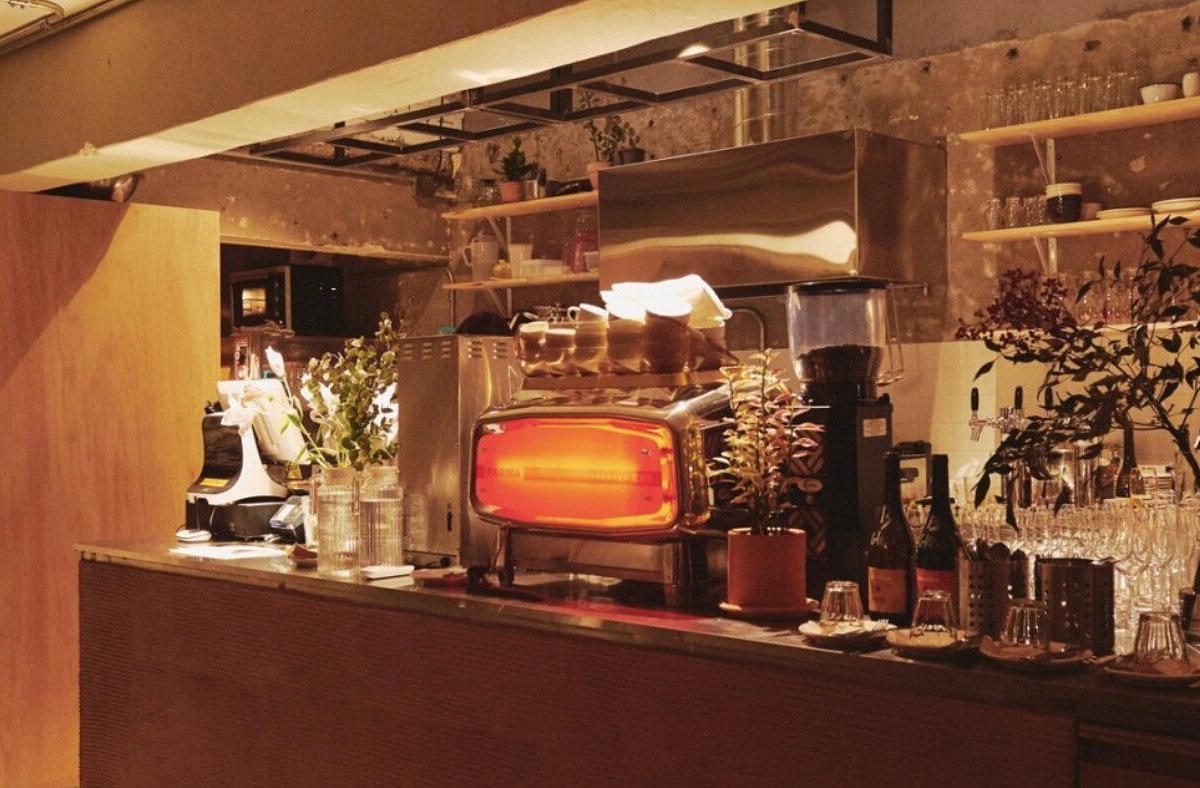
A Street, a Staircase, and What Waits at the Leading
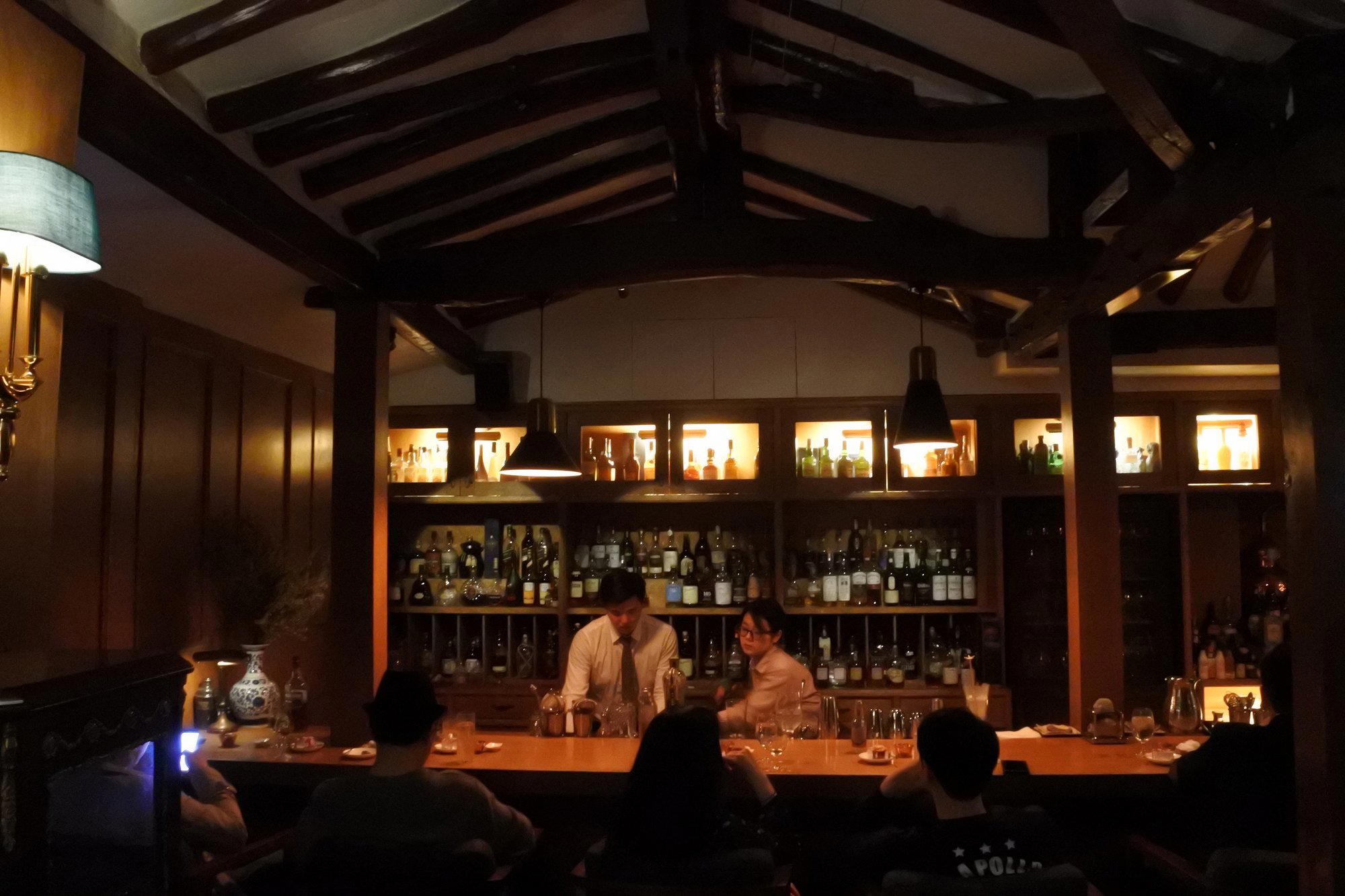
Eulji-ro 12-gil is the kind of address that rewards people who actually look at a map rather than following a crowd. The alley runs through Jung District, one of Seoul's older commercial cores, where mid-century office buildings sit alongside low-key food stalls and the occasional bar that has no interest in advertising itself on social media. Arriving at 삼진빌딩 and climbing to the third floor, you enter a room that has the posture of a serious drinking establishment rather than a concept venue. That distinction is worth making early, because Seoul's bar scene has spent the better part of the last decade splitting into two camps: spaces built around spectacle and narrative, and spaces built around what is actually in the glass.
The Edge belongs to the second camp. Its address in Jung District places it slightly apart from the denser cocktail clusters of Itaewon and Gangnam, and that geography carries an attitude. Bars in those neighbourhoods often compete on visibility and foot traffic. A third-floor room on Eulji-ro 12-gil competes on the quality of the shelf behind the bartender.
The Back Bar as the Real Argument
Seoul's premium bar market has matured considerably since the early 2010s, when imported spirits were still expensive novelties and the cocktail menu was often the whole point. The city now has enough serious operations that a back bar can carry genuine editorial weight on its own. Programmes at venues like Charles H and Bar D. Still have demonstrated that Seoul drinkers are willing to pay for access to bottles that are hard to find through conventional retail, and that the city's bartenders have the knowledge to work with them properly.
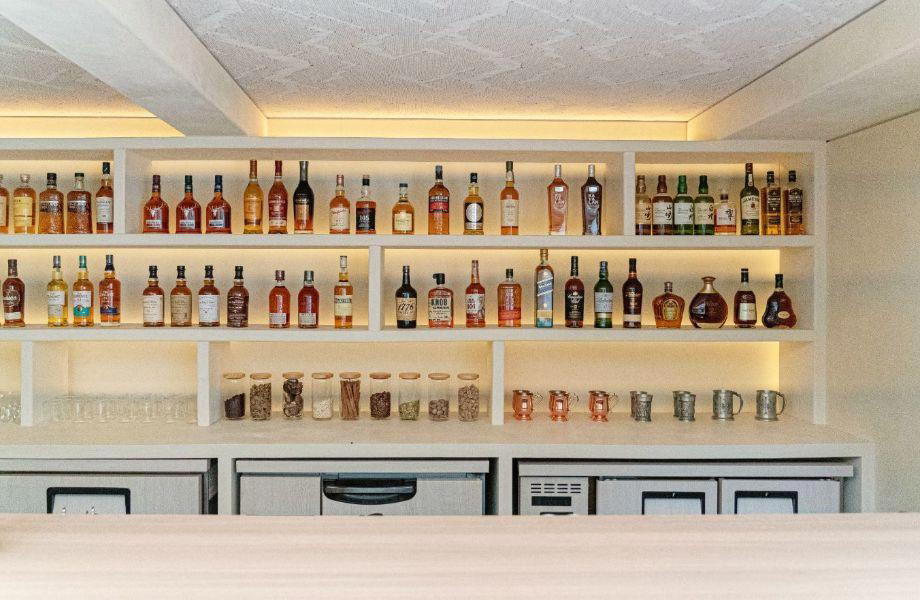
The spirits collection at a place like The Edge functions as a kind of argument about what a bar is for. When the back bar is deep, the cocktail menu becomes a starting point rather than a destination. A drinker who asks what the bar has behind the counter is, in effect, testing whether the room knows what it is doing. Bars that pass that test tend to build their regulars slowly and keep them. Bars that fail it tend to fill with people who are there for the atmosphere rather than the drink.
Within Seoul's broader bar geography, Eulji-ro occupies an interesting position. The street has attracted a cluster of low-profile, high-effort operations that share a certain resistance to the kind of themed excess that characterised earlier waves of Seoul nightlife. Alice Cheongdam and Bar Cham represent adjacent sensibilities in different parts of the city, and the comparison is instructive: Seoul now has enough reference points that a bar can be placed on a credibility map without needing a Michelin endorsement to do it.
What Spirits Depth Actually Means in Practice
The phrase "spirits collection" gets used loosely across bar marketing, so it is worth being specific about what it means when it functions as a genuine curatorial framework. A deep collection is not simply a large number of bottles. It is a selection that reflects coherent choices about producers, regions, age statements, and bottling formats, choices that allow a knowledgeable drinker to trace a line of thinking behind the bar. Whisky-focused programmes tend to anchor around distillery lineages or independent bottlers. Agave bars build around expressions that are genuinely hard to source in Korea. Rum collections distinguish between industrially produced bottles and agricole or small-batch alternatives.
The practical implication for a visitor is that the right opening move is not to ask for the cocktail menu but to ask what the bar is particularly proud of at the moment. The answer to that question tells you more about the operation than a printed list. Bars with genuine depth tend to have bartenders who can speak to provenance, vintage context, and the logic behind what they have chosen to stock. That conversation, when it happens, is what separates a serious spirits room from a well-stocked shelf.
Seoul's growing network of bars with this orientation connects to a broader regional pattern. Operations like Muyongdam in Jeju Si, Climat in Busan, and Regency Club in Incheon suggest that serious spirits programming is no longer a Seoul-only conversation in South Korea. Internationally, programmes at Bar Leather Apron in Honolulu and Jewel of the South in New Orleans offer useful reference points for what sustained curatorial commitment looks like over time.
Jung District as Context
Placing a bar on Eulji-ro 12-gil in 2024 is a specific choice. The district has a working-city texture that other Seoul neighbourhoods have lost as real estate values climbed and the character of blocks changed. That texture tends to attract operators who are more interested in what happens inside a room than in the street-level impression the room makes. It is the same logic that has historically driven serious drinking establishments toward slightly inconvenient addresses: the extra effort required to arrive functions as an informal filter on the clientele.
Visitors coming from outside Jung District should factor in travel time from more tourist-dense areas. The neighbourhood is accessible from several subway lines, and the walk from the nearest station is short, but the bar's third-floor position means it does not announce itself. Knowing the address before you go is practical advice rather than a logistical warning.
For a fuller picture of where The Edge sits within Seoul's drinking scene, Anjuga in Ansan Si and Seuwichi in Heungdeok, both of which demonstrate how the serious-bar sensibility has diffused across the broader Seoul metropolitan region.
Know Before You Go
- Address: 삼진빌딩 3층, Eulji-ro 12-gil 8, Jung District, Seoul, South Korea
- Floor: Third floor, no street-level signage visible from the alley; confirm the building number before arriving
- Reservations: Walk-in friendly.
- Price range: Mid-range pricing consistent with the bar's price tier.
- Getting there: Jung District is served by multiple subway lines; the Eulji-ro area is walkable from Euljiro 1-ga and Euljiro 3-ga stations on Line 2
- Leading approach: Ask what the bar is currently featuring on the back bar rather than defaulting to the cocktail menu.
Reputation Context
Comparable venues nearby, for context on price, style, and recognition.
| Venue | Cuisine | Price | Notes |
|---|---|---|---|
| The EdgeThis venue — the venue you are viewing | lounge | $$ | Not listed |
| 39 Dosan-daero 15-gil | lounge | $$ | 압구정동 |
| Itaewon-dong | lounge | $$ | 이태원동 |
| SEOUL VINYL | cocktail_bar | $$ | Hoehyeon-dong |
| kissk | dive_bar | $$ | 갈현동 |
| Bonny’s Pizza Pub | pub | $$ | Hoehyeon-dong |
Continue exploring
More in Seoul
Restaurants in Seoul
Browse all →
At a Glance
- Intimate
- Trendy
- Late Night
- Live Music
- Seated Bar
Current opening hours
- Monday
- Closed
- Tuesday
- Closed
- Wednesday
- Closed
- Thursday
- Closed
- Friday
- 8 PM–1 AM
- Saturday
- 8 PM–1 AM
- Sunday
- Closed
Hours can change for holidays and private events. Last verified .
Intimate space with music ranging from Soul, Jazz, Synth-Pop, House, and Techno.