William Harrison Vineyards
Positioned on the Silverado Trail in St. The address situates it within a corridor of Napa appellations where Cabernet-focused estates define the competitive set, and where cellar depth and estate sourcing determine the peer ranking.
Pearl is the En Primeur Club membership app — saves, bookings, and concierge access live there. Same editors, same standards.
- Address
- 1443 Silverado Trail S, St Helena, CA 94574
- Phone
- (707) 261-0282
- Website
- whwines.com
- Directions
- Get directions
 Saves & bookings on Pearl
Silverado Trail and the Rutherford Tier
The Silverado Trail runs parallel to Highway 29 but draws a different kind of attention. Where the highway anchors the valley's most visited names, the Trail has historically attracted producers oriented around estate control and smaller-scale output. William Harrison Vineyards, at 1443 Silverado Trail S in St. Helena, sits within that corridor.
Rutherford as an appellation has a specific identity, and it is worth understanding what that means before visiting any estate within it. The so-called "Rutherford dust", a descriptor used to capture the fine-grained mineral texture that appears in wines grown on the benchland soils between the Mayacamas and Vaca ranges, has been associated with this appellation for decades. Estates drawing on these soils, when working at a serious level, tend to produce Cabernets with a structural density that differs from the richer, more extracted profile associated with the valley floor further south. Names like Beaulieu Vineyard (BV) and Caymus Vineyards have built their reputations partly on this appellation character, and newer prestige-tier producers operate in the same interpretive space.
It does not represent the kind of household recognition that decades-old estates like BV carry, nor the volume distribution that makes a winery a default choice for first-time Napa visitors. Instead, it signals a property that has been assessed against the depth of its cellar program, the consistency of its estate sourcing, and its ability to produce wines that justify premium pricing relative to the appellation average. In Rutherford and the broader St. Helena corridor, that comparable set includes operations like Alpha Omega Winery and Cakebread Cellars, both of which have built significant reputations on consistent quality across red and white programs. William Harrison's 2 Star placement puts it in direct competition with that cohort.
The Trail address also speaks to a particular kind of visitor experience. Estates on this corridor tend to operate by appointment rather than walk-in, which filters the visitor flow toward people making deliberate choices rather than spontaneous stops. That structure affects the tasting experience meaningfully: when an estate is set up for appointment-only visits, the format typically allows more time per guest, more context from the person pouring, and more opportunity to work through the range rather than a single introductory pour. William Harrison Vineyards is appointment only.
Curation and Cellar Depth in the Napa Prestige Context
In Napa at the prestige level, the wine list presented during a tasting visit is not simply a portfolio overview, it is an argument. Producers at this level are making choices about what to show, at what stage of development, and in what sequence. That curatorial discipline is part of what separates a prestige-rated estate from a well-funded but less focused operation. Estates like Cathiard in Rutherford demonstrate how French-influenced restraint can be applied to Napa Cabernet to produce a different kind of argument, and comparison visits across this corridor are informative precisely because they illustrate the range of philosophies being applied to similar soils.
For visitors whose primary interest is cellar depth rather than a single vintage snapshot, the relevant question to ask on arrival is what back-vintage material is available for tasting or purchase. In the Rutherford prestige tier, some estates maintain library stock specifically for this purpose, using older vintages to demonstrate consistency over time rather than just the current release. That practice carries its own trust signal: a producer willing to put a decade-old wine alongside the current vintage is making a confidence statement about the program's arc.
Situating William Harrison in a Wider Napa Geography
The Silverado Trail's winery density means that planning a visit to William Harrison can reasonably be combined with stops at other prestige-tier estates in the same corridor. To the south, Artesa Vineyards and Winery in Napa offers a different architectural and production context, oriented more toward Spanish ownership and sparkling wine history before its pivot to red varietals. Further afield, Accendo Cellars in St. Helena represents the ultra-boutique end of the same appellation system, with allocation-driven release structures that make tasting visits exceptionally rare.
For visitors coming from outside California's wine regions, comparative context with producers elsewhere in the state can also be instructive. Adelaida Vineyards in Paso Robles and Alban Vineyards in Arroyo Grande represent the Central Coast's distinct interpretation of Rhone varieties and high-elevation Cabernet, offering a useful counterpoint to what Napa's benchland soils produce. Adelsheim Vineyard in Newberg anchors Oregon's Pinot Noir tradition, while Alexander Valley Vineyards in Geyserville and Andrew Murray Vineyards in Los Olivos each represent distinct Californian appellation characters that differ sharply from Rutherford's profile. Those comparisons sharpen the case for Napa's benchland estates when the question is structural Cabernet at the prestige level.
Planning a Visit
William Harrison Vineyards is located at 1443 Silverado Trail S, St. Helena, CA 94574. The address places it on the eastern side of the Napa Valley, accessible from both the northern and southern ends of the Trail. Given the nature of prestige-tier estate visits in this appellation, planning in advance is advisable: appointment availability on popular weekends fills quickly, and a confirmed booking allows the estate to prepare an appropriate tasting format.
Visitors with a specific interest in how Rutherford's benchland character translates across producers should consider building a half-day itinerary that includes at least two or three prestige-tier estates. Cakebread Cellars and Alpha Omega Winery both operate structured tasting programs that reward direct comparison with William Harrison's output, and the short distances between Trail addresses make sequential visits practical within a single afternoon.
The Quick Read
Comparable venues nearby, for context on price, style, and recognition.
| Venue | Cuisine | Price | Notes |
|---|---|---|---|
| William Harrison VineyardsThis venue — the venue you are viewing | Not listed | $$$ | Not listed |
| Rutherford Wine Company | Rutherford, Cabernet Sauvignon, Merlot | $$$ | Not listed |
| Long Meadow Ranch Winery | Not listed | $$$ | Rutherford, Cabernet Sauvignon, Sauvignon Blanc |
| Grgich Hills Estate | Not listed | $$$ | Rutherford, Chardonnay, Cabernet Sauvignon |
| Perchance Estates | Not listed | $$$$ | Rutherford, Cabernet Sauvignon, Sauvignon Blanc |
| Amici Cellars | Not listed | $$$ | Rutherford, Cabernet Sauvignon, Chardonnay |
Continue exploring
More in Rutherford
Wineries in Rutherford
Browse all →
Bars in Rutherford
Browse all →
Restaurants in Rutherford
Browse all →
At a Glance
- Romantic
- Rustic
- Intimate
- Classic
- Romantic Getaway
- Wine Education
- Special Occasion
- Estate Grounds
- Private Tasting
- Vineyard Tour
- Sustainable
- Vineyard
- Mountain
- Rutherford AVA
- Cabernet Sauvignon
- Cabernet Franc
- Petit Verdot
- Malbec
- Merlot
- Chardonnay
- Pinot Noir
- Sauvignon Blanc
- Still Red
- Still White
- Seated Tasting
- Flight Tasting
Current opening hours
- Monday
- 10 AM–4 PM
- Tuesday
- 10 AM–4 PM
- Wednesday
- 10 AM–4 PM
- Thursday
- 10 AM–4 PM
- Friday
- 10 AM–4 PM
- Saturday
- 10 AM–4 PM
- Sunday
- 10 AM–4 PM
Hours can change for holidays and private events. Last verified .
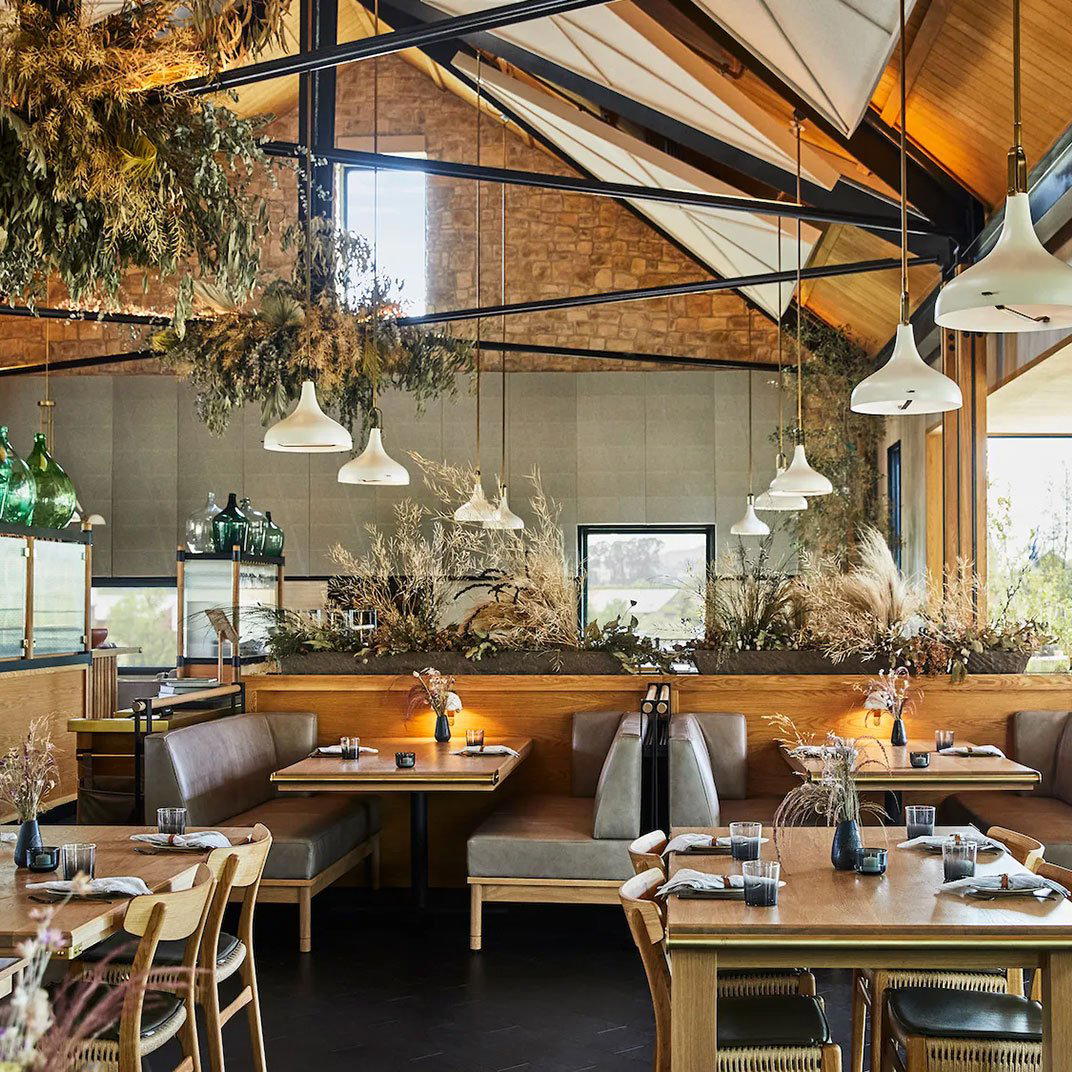
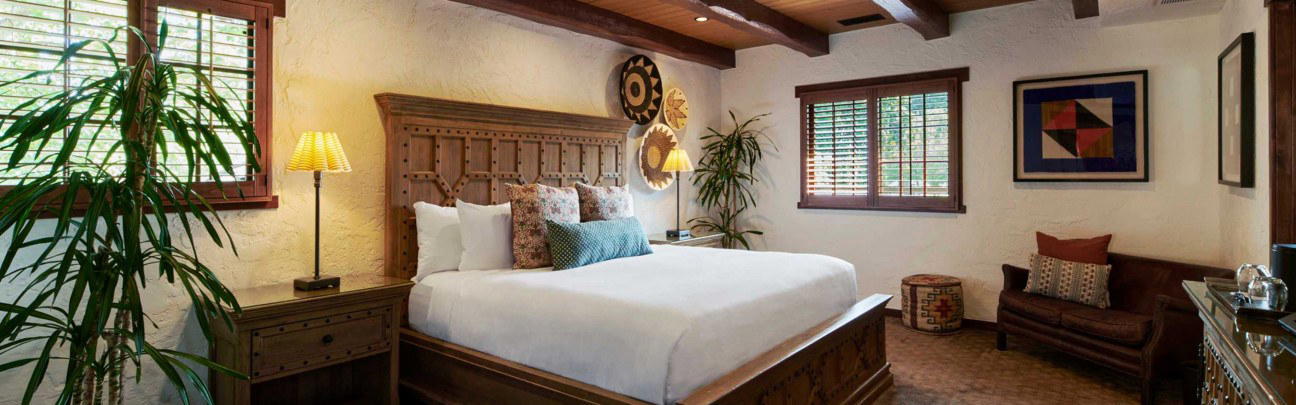
Relaxed and unpretentious tasting room in a western hunting lodge setting with knowledgeable, friendly staff; described as a low-profile address that prioritizes wine quality over tourist experience.