Cakebread Cellars

Cakebread Cellars has operated from the same stretch of Highway 29 in Rutherford since its first vintage in 1973, placing it among Napa Valley's foundational estate producers.
Pearl is the En Primeur Club membership app — saves, bookings, and concierge access live there. Same editors, same standards.
- Address
- 8300 St Helena Hwy, Rutherford, CA 94573
- Phone
- +1 800-588-0298
- Website
- cakebread.com
- Directions
- Get directions
 Saves & bookings on Pearl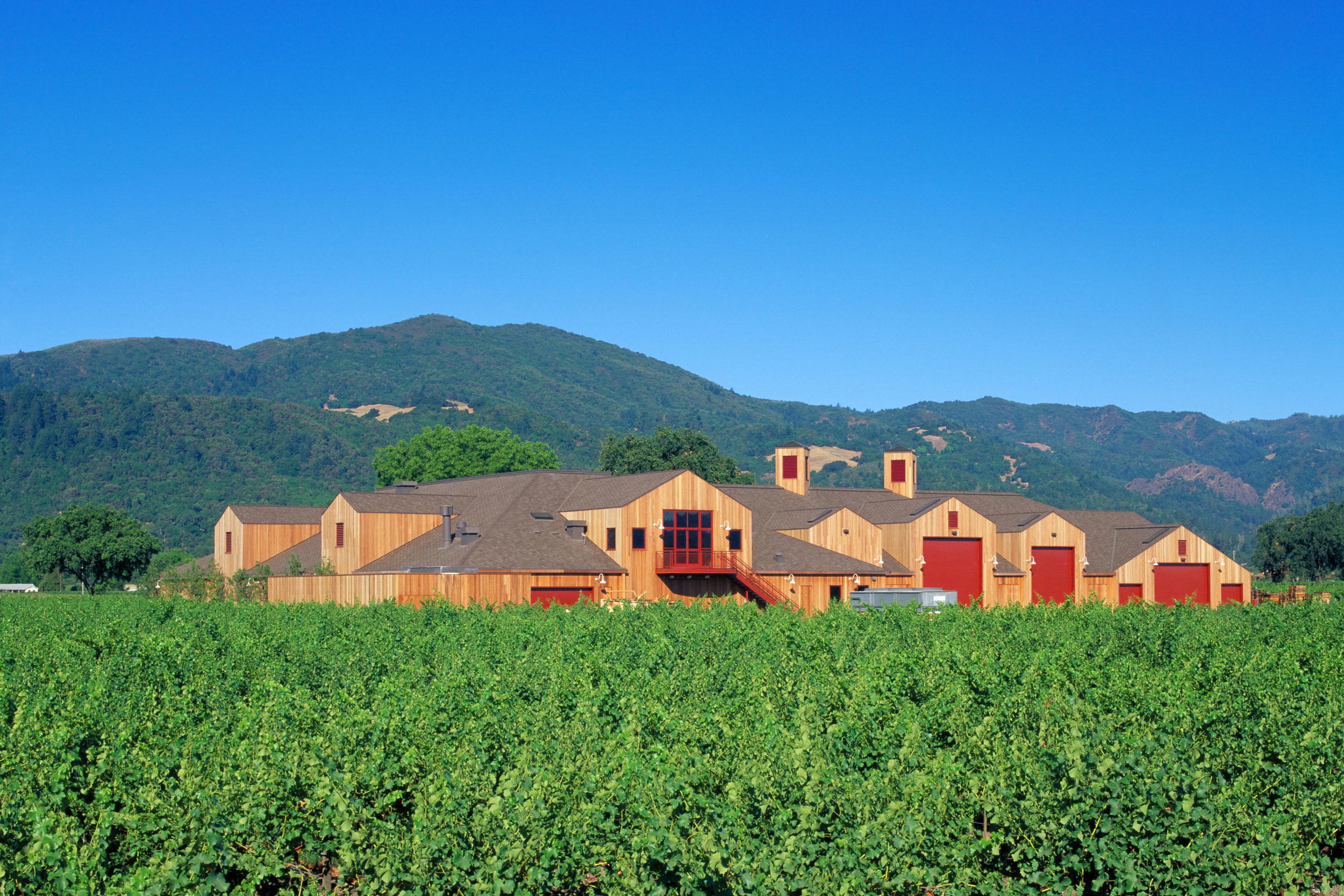
Where Highway 29 Meets Rutherford Dust
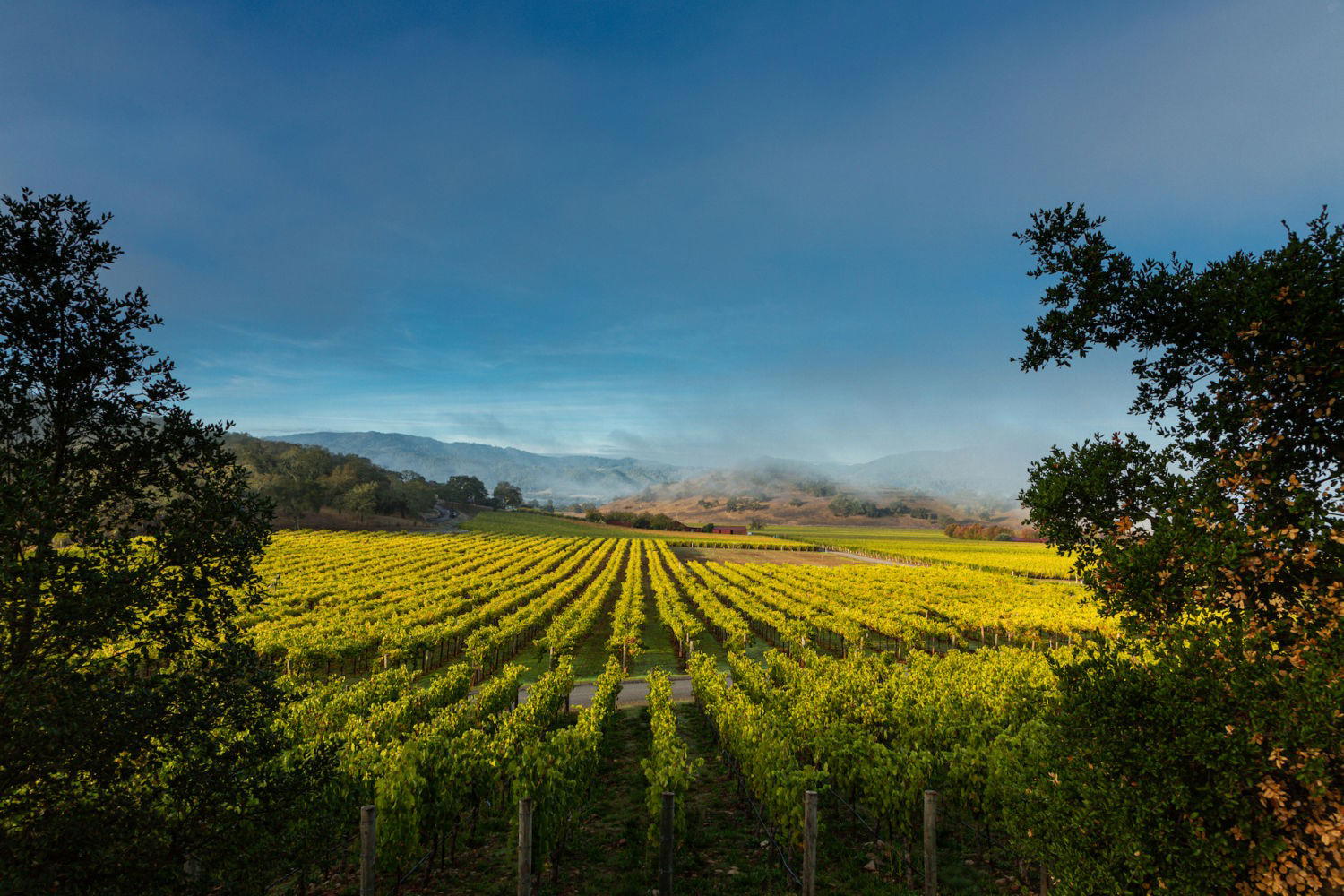
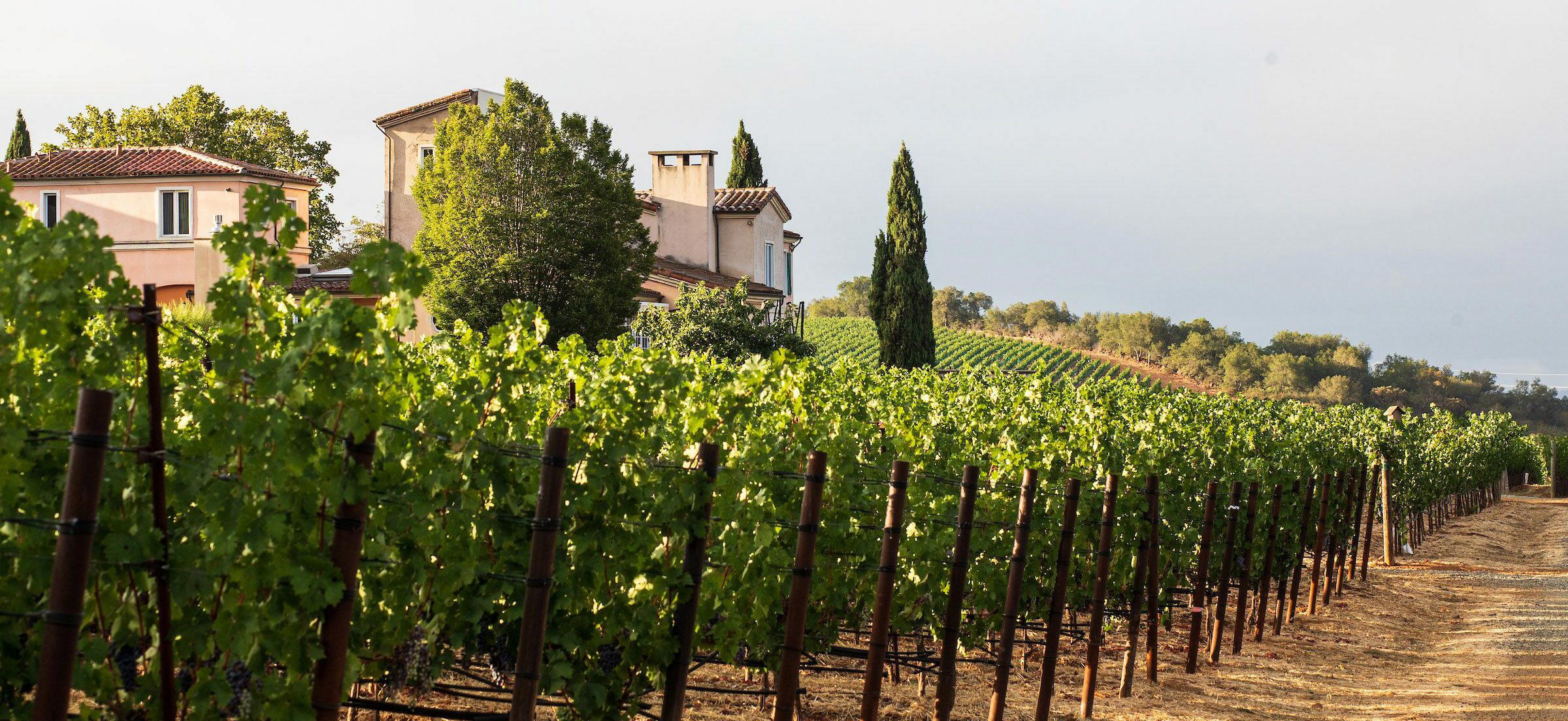
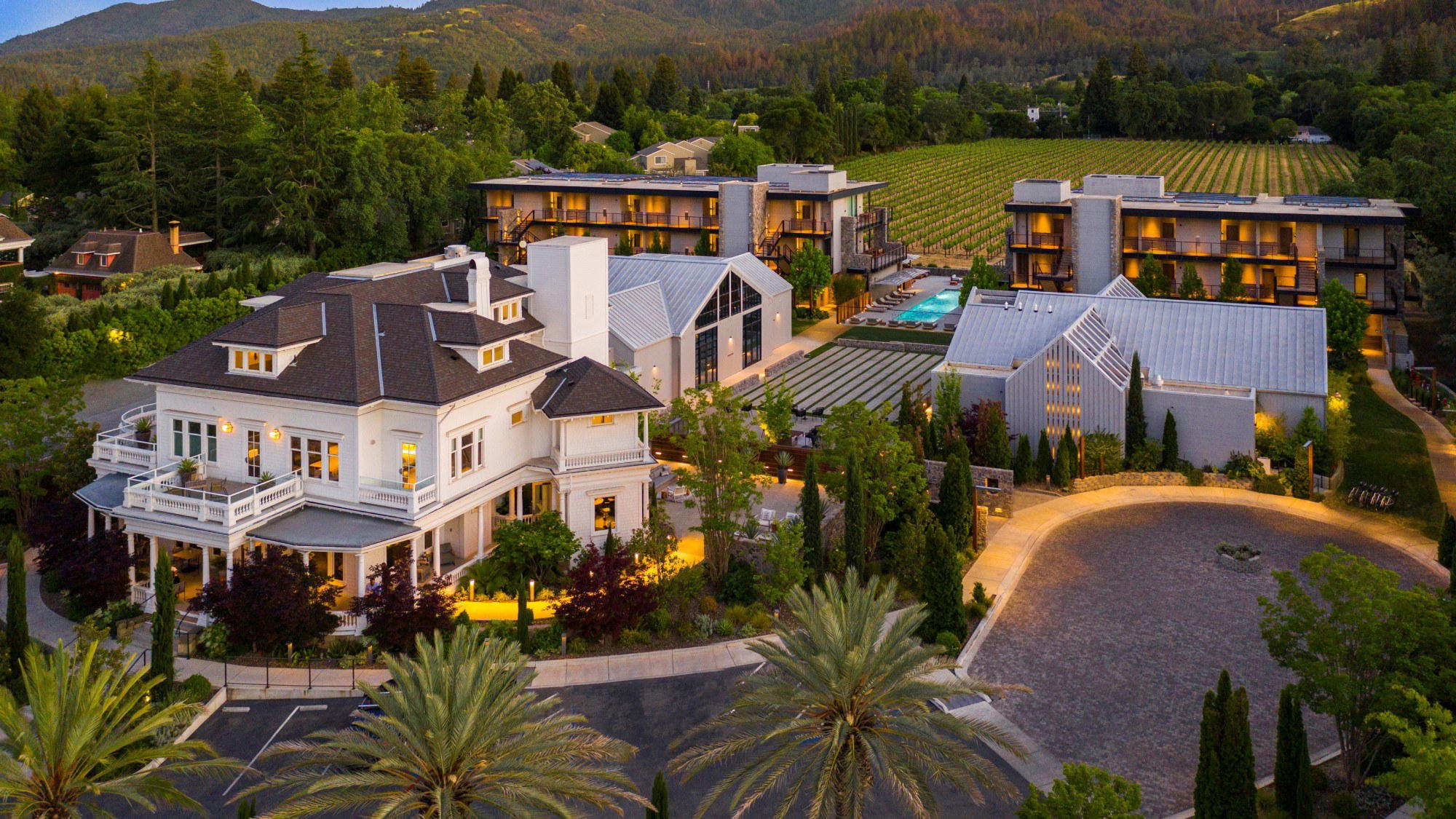
The western shoulder of Highway 29 through Rutherford is one of California wine's most consequential stretches of road. Driving north from Oakville, the valley floor flattens and the Mayacamas range draws closer, and the address numbers count up toward an address, 8300 St Helena Hwy, that has been producing wine since 1973. Cakebread Cellars sits on that corridor between landmarks, framed by the vineyard blocks that have supplied its estate fruit across five decades. The physical approach reads less like a tasting destination than a working property: vine rows run close to the road, the buildings are low and purposeful, and the Vaca Mountains hold the eastern horizon in the middle distance. This is the visual grammar of old Napa, before hospitality architecture became an arms race.
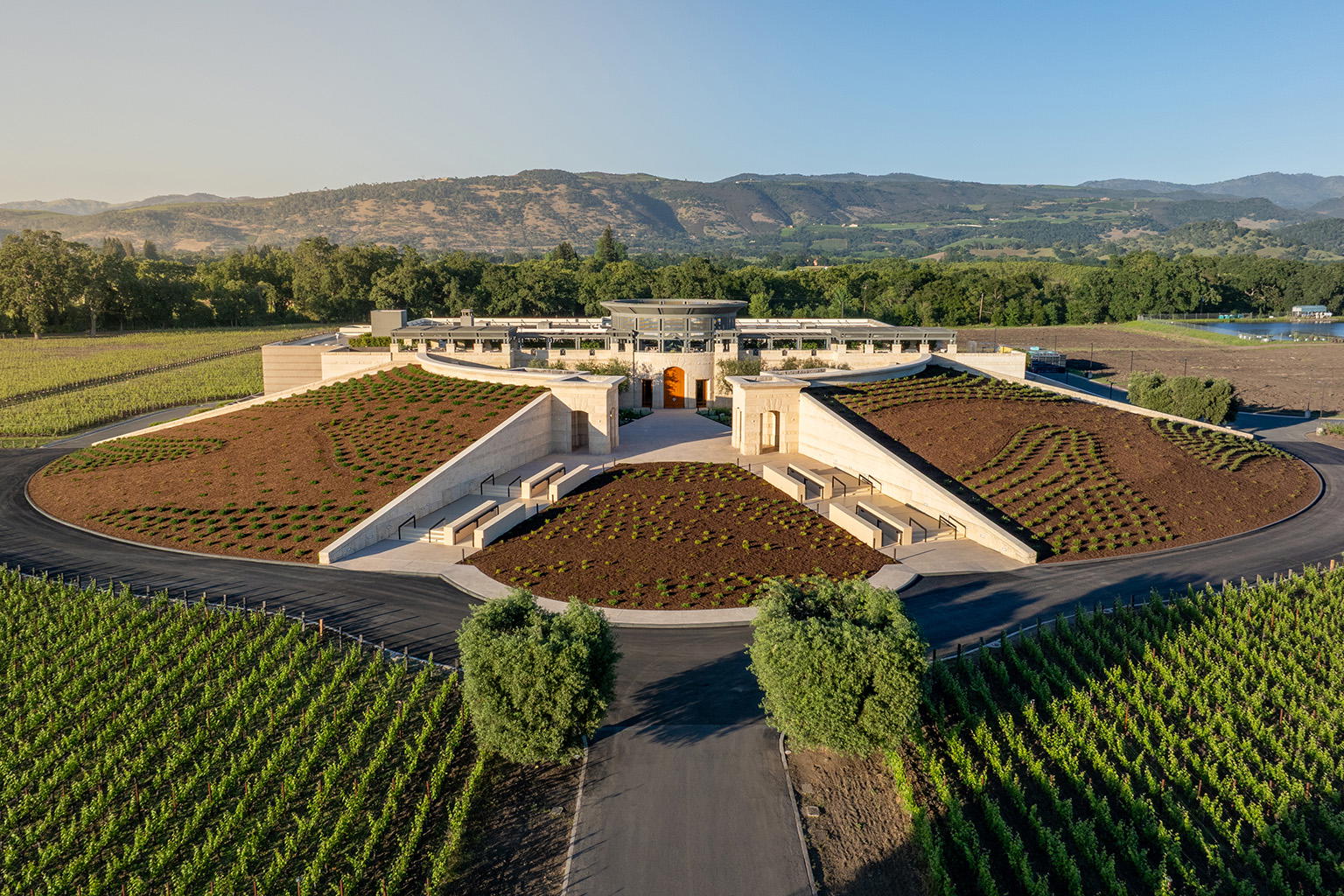
Rutherford now hosts properties ranging from historic benchmarks like Beaulieu Vineyard (BV), which produced its first Georges de Latour Private Reserve in 1936, to newer estate entrants like Alpha Omega Winery and design-forward producers such as Cathiard. Cakebread's 1973 founding places it in the cohort of producers that predates Napa Valley's appellation system itself, giving it a different kind of institutional weight than estates established in the premium-land era of the 1990s and 2000s.
Fifty Years in One Appellation
The first vintage in 1973 is the clearest credential Cakebread carries. That date positions the estate alongside a small group of Napa producers, Freemark Abbey Winery and Caymus Vineyards among them, that were shaping the valley's identity before Parker scores and auction records defined the conversation. What that longevity means practically: the estate has planted, managed, and observed the same ground through multiple climate cycles, and that continuity shows in how winemakers read the site rather than impose a house style each vintage. Vintage variation across five decades also provides an unusual reference library for understanding how Rutherford Cabernet ages, something newer estates simply cannot offer.
Winemaking at Cakebread is currently led by Stephanie Jacobs and Julianne Laks, a two-winemaker structure that reflects the complexity of managing multiple blocks across what is not a small operation. In California's premium appellation tier, the winemaker pair model is increasingly common among estates producing across several price points and vineyard sources simultaneously; it allows specialization without fracturing the house style.
The Rutherford Context: A Bench With Distinctive Soil Character
Rutherford's claim to distinctiveness rests primarily on the Rutherford Bench, an alluvial fan of well-drained loam and sandy gravel soils on the valley's western side that produces Cabernet Sauvignon with a specific textural quality, firm but not hard tannins, mid-weight fruit, and what winemakers have historically described as a dusty or chalky mid-palate finish. This character, sometimes called "Rutherford dust," is less a marketing phrase than a recognizable phenolic signature that separates the appellation's leading Cabernets from those grown on heavier soils further south or on higher-elevation hillside sites.
Cakebread's address on the Highway 29 corridor places it in the transition zone where Bench soils begin. Understanding this geography helps position its Cabernet Sauvignon within the comparable set: it is making wine from one of Napa's most studied and historically validated terroirs, not sourcing from peripheral AVAs. Producers working this same ground, including Caymus Vineyards and the historically significant blocks controlled by Beaulieu Vineyard (BV), form a peer reference set defined by shared terroir as much as shared price positioning.
What to Taste
The question of what to prioritize at Cakebread connects directly to where the estate's strengths concentrate. Cabernet Sauvignon from Rutherford-sourced blocks is the natural anchor: Napa's premium identity remains Cabernet-heavy, and any estate with fifty years of vine management in this appellation should be expressing the site most clearly in that variety. Chardonnay has historically been part of the Cakebread program as well, an unusual commitment among estates that could have simplified to a single red focus. In Napa, serious Chardonnay houses operate in a smaller niche than Cabernet producers, and the estates that maintained that dual commitment through the valley's premium-red consolidation of the 2000s demonstrate a particular kind of range. Visitors looking to calibrate should prioritize the estate Cabernet Sauvignon alongside any reserve-tier whites to get a complete picture of where the program sits in 2025.
For California wine produced outside Napa and Rutherford specifically, useful comparison points include Accendo Cellars in St. Helena, Adelaida Vineyards in Paso Robles, and Alban Vineyards in Arroyo Grande, each illustrating how differently California's wine-growing regions approach premium production.
Planning a Visit to Rutherford
The Highway 29 corridor and the parallel Silverado Trail provide access to the full range of the appellation, and Cakebread's address at 8300 St Helena Hwy places it on the main artery rather than on a back road, which simplifies logistics.
The valley's harvest season, running roughly late August through October, draws the highest visitor volumes and particularly logistically complex conditions; spring visits, late March through May, tend to offer both vine activity and more available booking windows.
Further afield in Oregon and California, Adelsheim Vineyard in Newberg, Alexander Valley Vineyards in Geyserville, Andrew Murray Vineyards in Los Olivos, and Artesa Vineyards and Winery in Napa each represent distinct regional approaches to premium production that provide useful context when situating Napa Valley's style within the West Coast conversation.
A Tight Comparison
Comparable venues nearby, for context on price, style, and recognition.
| Venue | Cuisine | Price | Notes |
|---|---|---|---|
| Cakebread CellarsThis venue — the venue you are viewing | Not listed | $$$ | Not listed |
| Sequoia Grove Winery | Rutherford, Cabernet Sauvignon, Merlot | $$$ | Not listed |
| Tres Sabores | Not listed | $$$ | Rutherford Bench, Zinfandel, Cabernet Sauvignon |
| William Harrison Vineyards | Not listed | $$$ | Rutherford, Cabernet Sauvignon, Cabernet Franc |
| Elizabeth Spencer Winery | Not listed | $$$ | Rutherford, Cabernet Sauvignon, Sauvignon Blanc |
| Rutherford Wine Company | Rutherford, Cabernet Sauvignon, Merlot | $$$ | Not listed |
Recognition history
Dated appearances from independent guides and award organizations, with the underlying list record or original source where available.
Falstaff Winery - Listed
Falstaff
Continue exploring
More in Rutherford
Wineries in Rutherford
Browse all →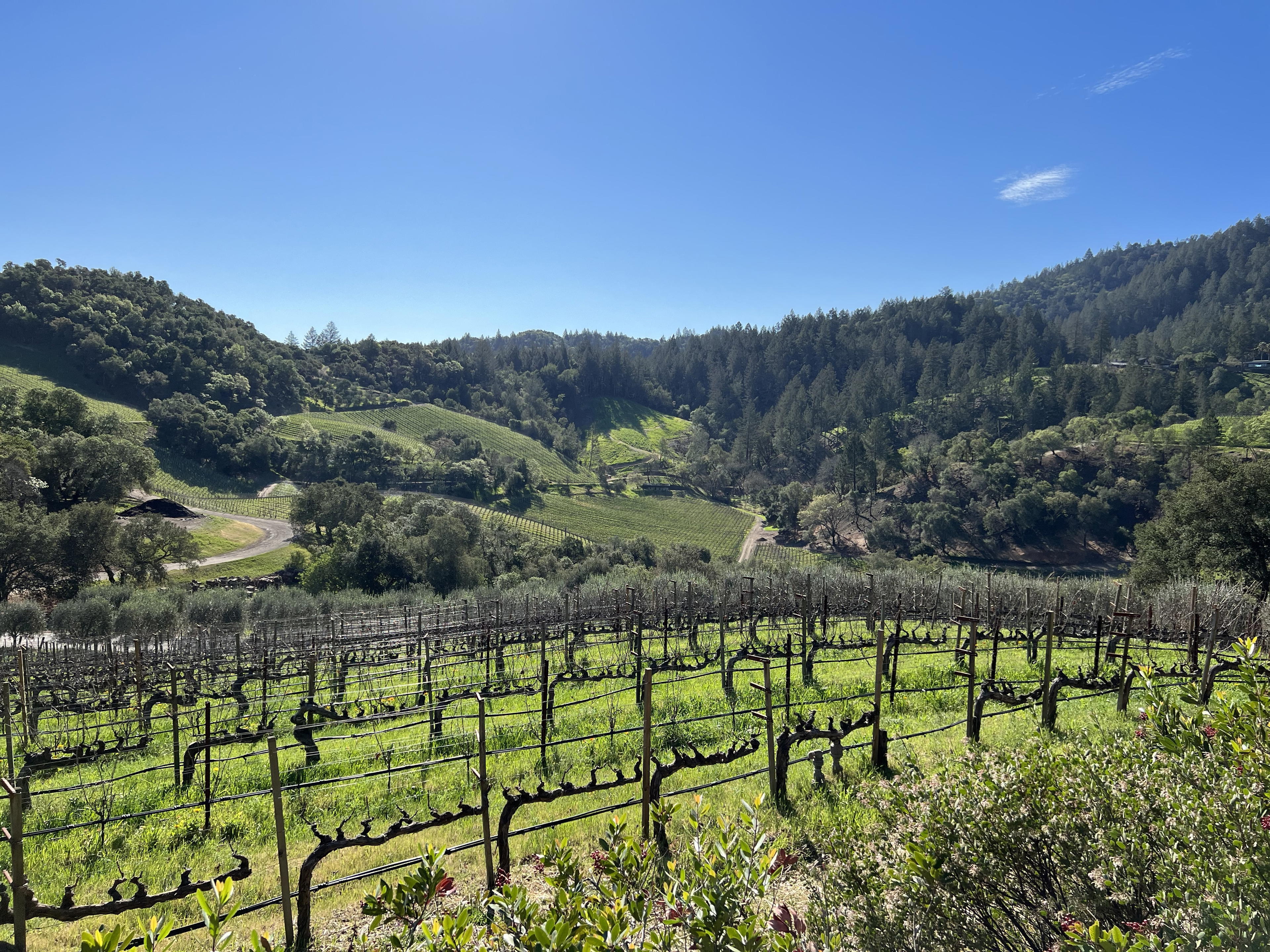
Bars in Rutherford
Browse all →
Restaurants in Rutherford
Browse all →
At a Glance
- Elegant
- Scenic
- Classic
- Sophisticated
- Romantic Getaway
- Group Outing
- Wine Education
- Family
- Special Occasion
- Barrel Room
- Vineyard Tour
- Estate Grounds
- Garden
- Private Tasting
- Historic Building
- Sustainable
- Vineyard
- Garden
- Napa Valley AVA
- Chardonnay
- Cabernet Sauvignon
- Sauvignon Blanc
- Pinot Noir
- Merlot
- Syrah
- Grenache
- Still Red
- Still White
- Classic Cakebread
- Wine And Food Pairing
- Reserve Library
- Family Tasting
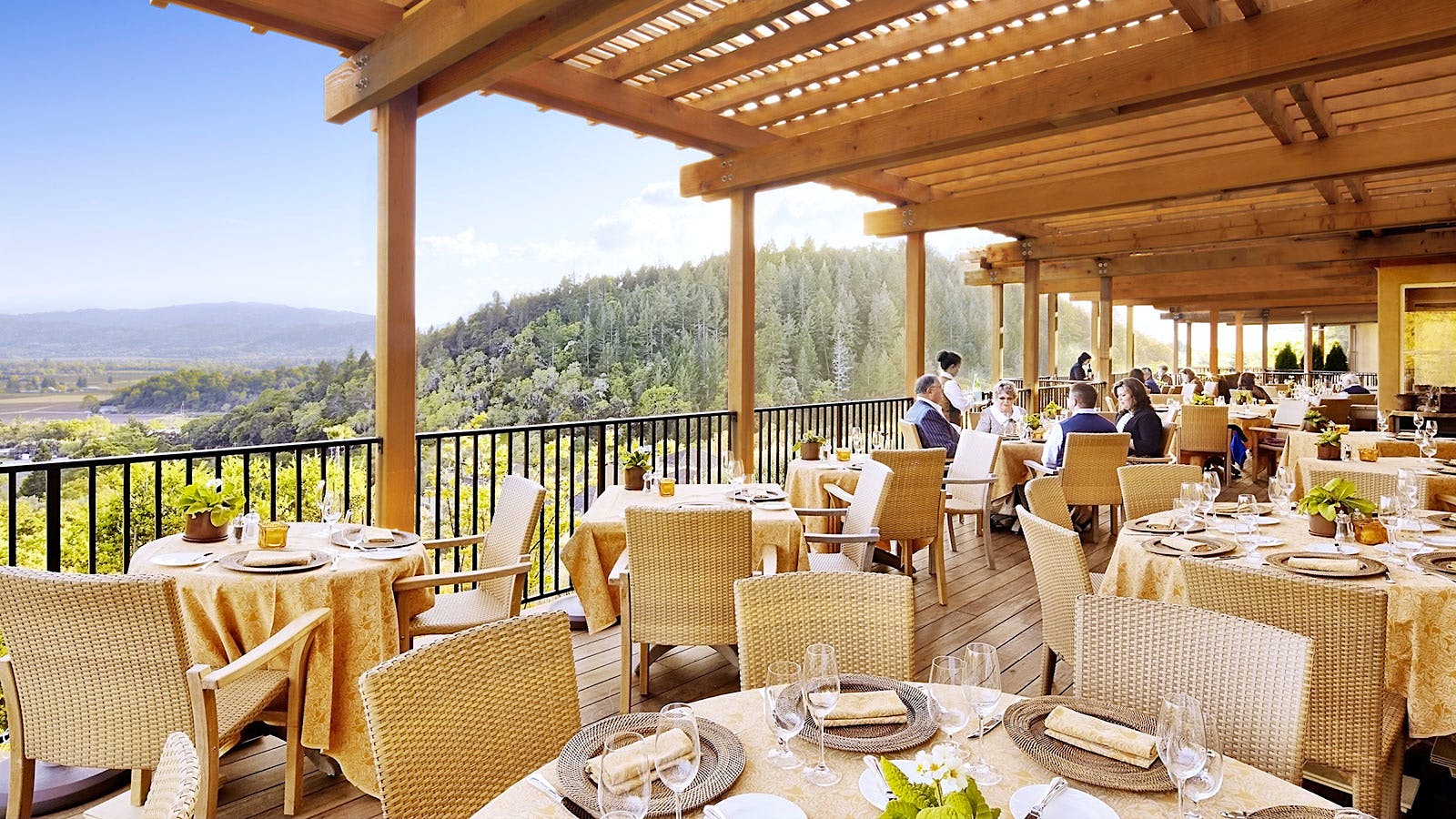
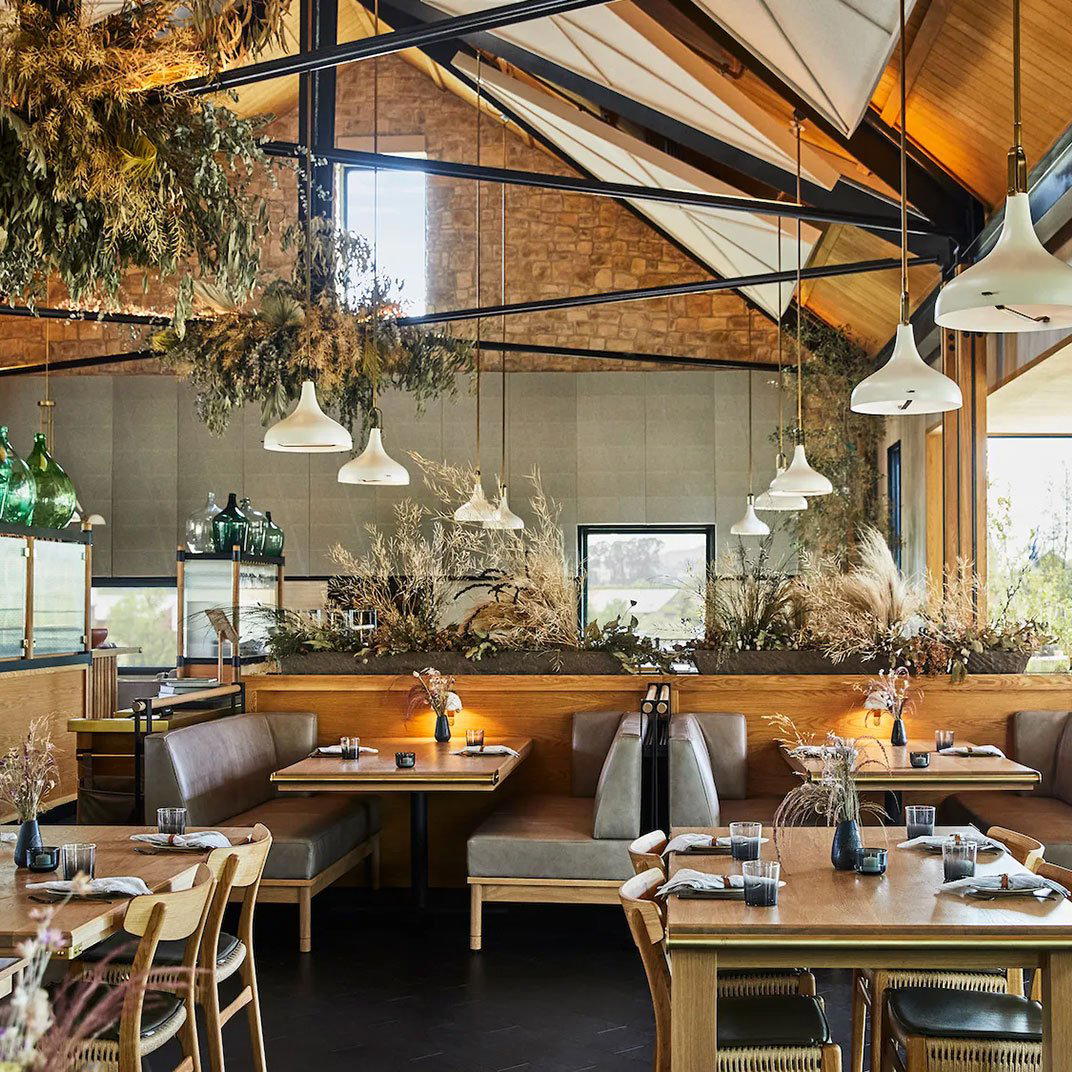
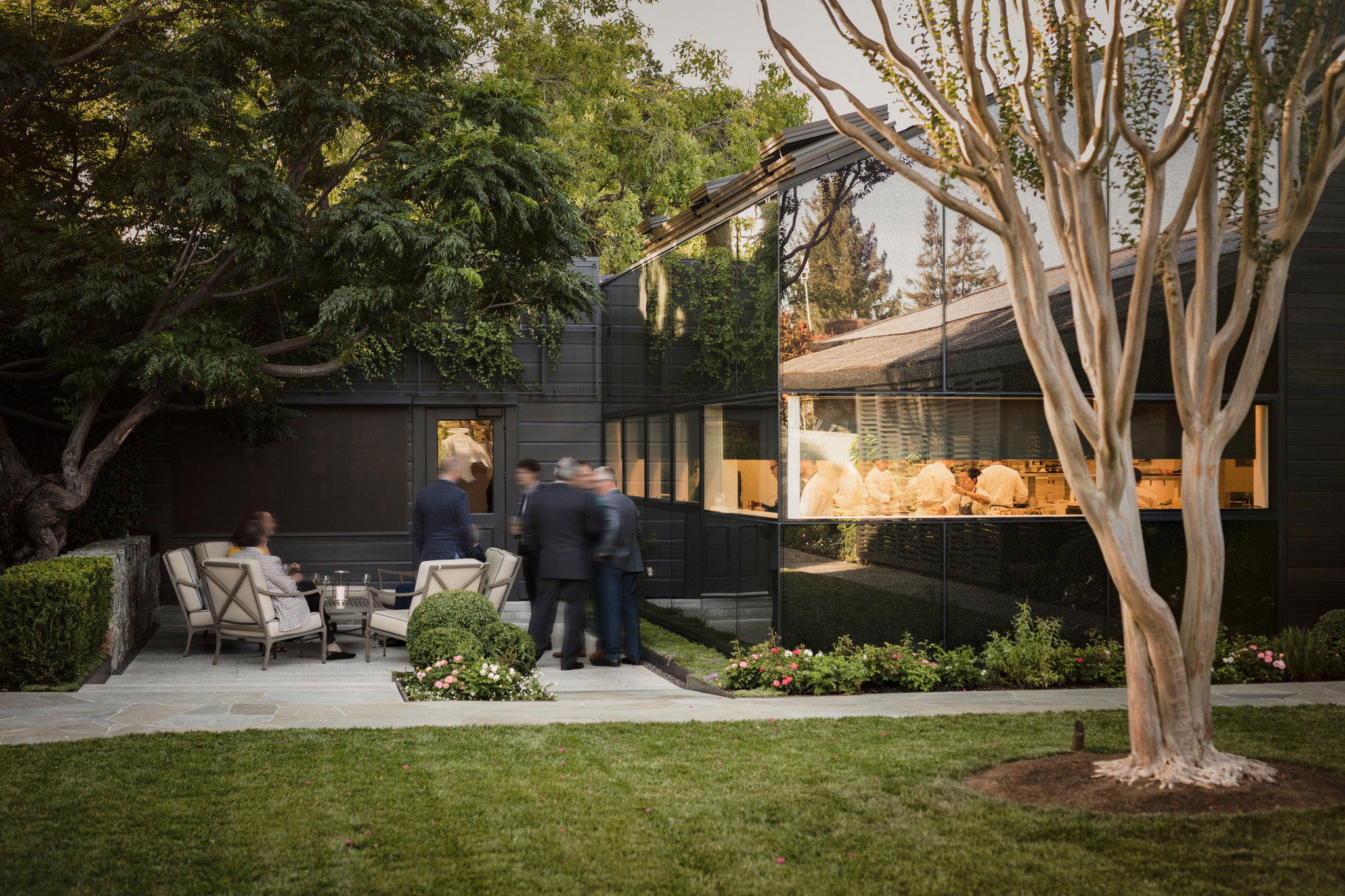
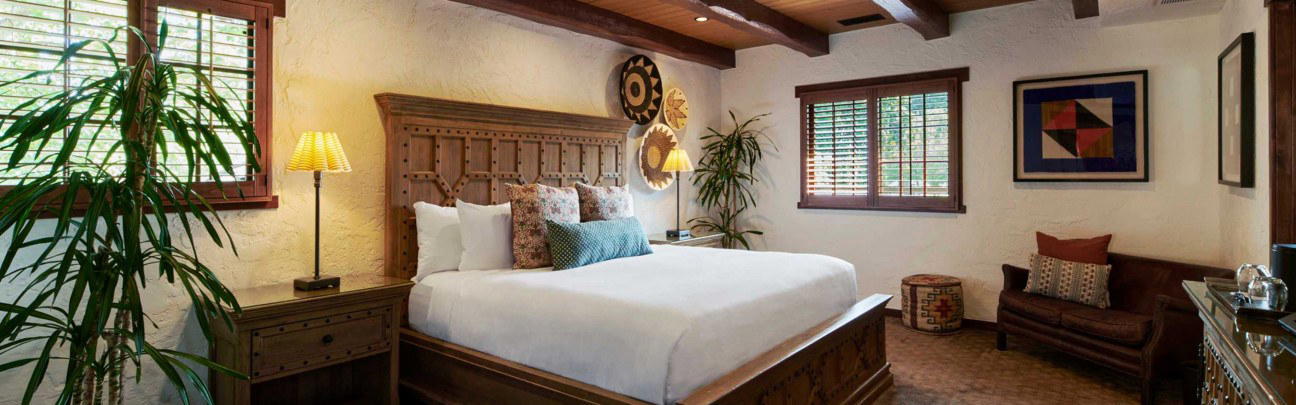
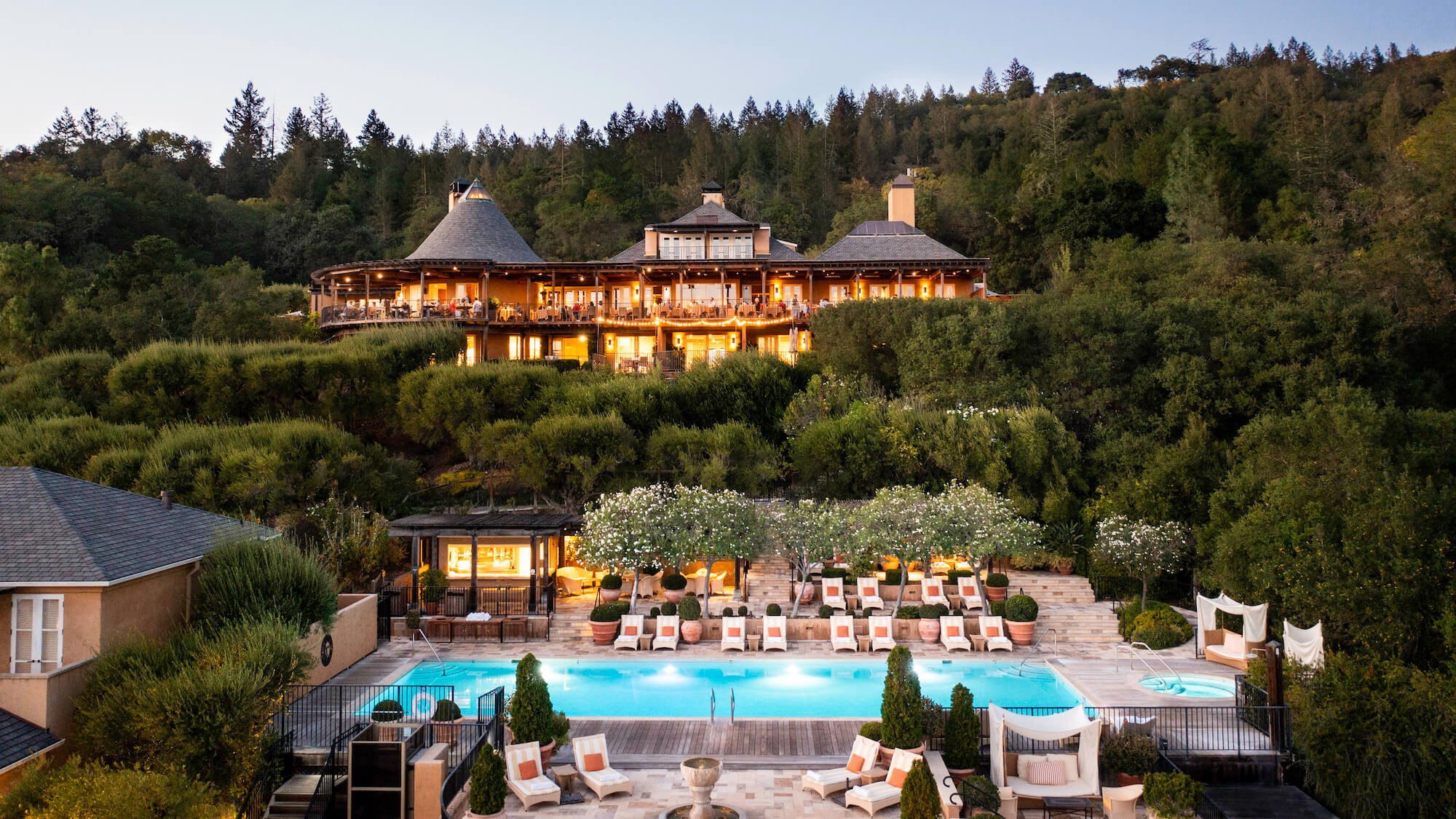
Warm and inviting with natural wood throughout, rich wine aromas, and scenic vineyard views from the renovated hospitality center; guests describe the atmosphere as beautiful and cordial.