Rutherford Wine Company
Located on St. Helena Highway in the heart of Rutherford, the winery operates within one of California's most scrutinised Cabernet corridors, where soil specificity and farming practice carry as much weight as cellar technique.

Pearl is the En Primeur Club membership app — saves, bookings, and concierge access live there. Same editors, same standards.
- Address
- 1901 St Helena Hwy, St Helena, CA 94574
- Phone
- (702) 308-6812
- Hours
- Mon–Fri 10 AM–5 PMSat ClosedSun 10 AM–5 PM
- Website
- rutherfordwinevault.com
- Directions
- Get directions
Rutherford's Agricultural Conscience
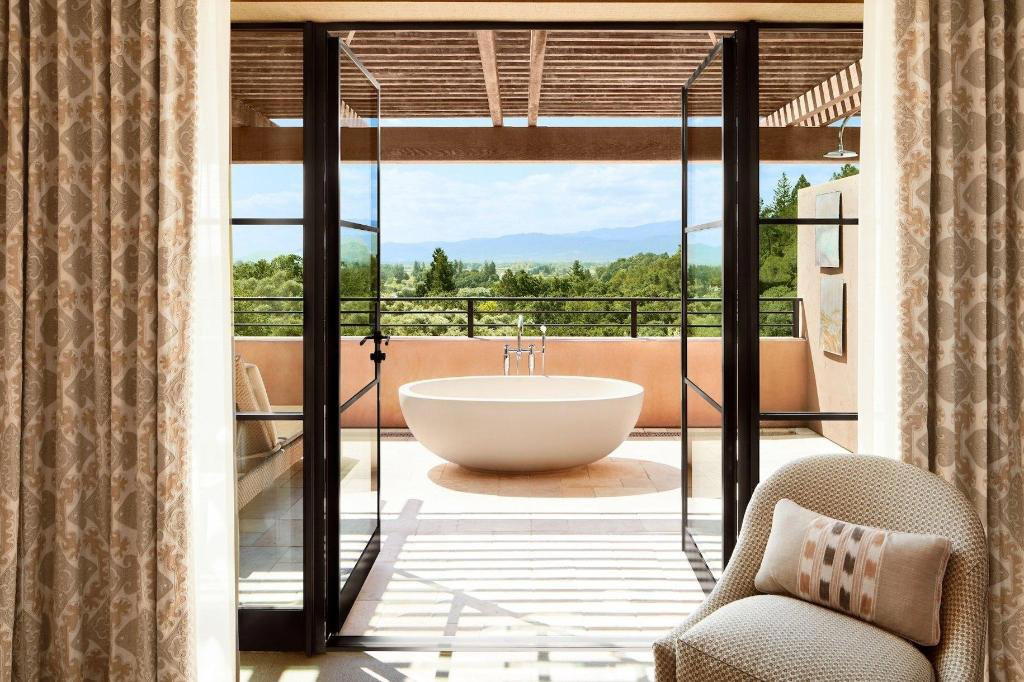
The stretch of Highway 29 running through Rutherford is one of California's most densely awarded wine corridors, home to houses ranging from heritage estates like Beaulieu Vineyard (BV) to newer allocation-driven producers like Alpha Omega Winery. What separates a growing number of producers along this corridor is not simply vineyard access or cellar investment, but a stated commitment to how the land is farmed. Rutherford Wine Company, addressed at 1901 St Helena Hwy, sits in this context: a producer operating in one of Napa's most competitive sub-appellations, where the argument for ethical and sustainable viticulture has moved from niche positioning to a recognized standard of seriousness.
Napa's history with sustainability is longer and more contested than marketing materials typically suggest. The appellation has produced certified organic and biodynamic estates for decades, yet it has also accommodated large-scale production that prioritises consistency over ecological discipline. The current moment rewards producers who can demonstrate farming integrity at the vineyard level, and in Rutherford specifically, the benchmark is high.
What the Rutherford Appellation Demands
Rutherford's reputation is built primarily on Cabernet Sauvignon, and the sub-appellation carries AVA status that separates it from the broader Napa Valley designation. The so-called "Rutherford Dust" quality, a term used loosely to describe the mineral grip and mid-palate density characteristic of wines grown in the benchland soils here, is a product of alluvial fans deposited over millennia by the Napa River. Producers who farm these benchlands carefully, managing canopy, water use, and soil biology, tend to produce wines that express that terroir more precisely than those operating under heavier intervention regimes.
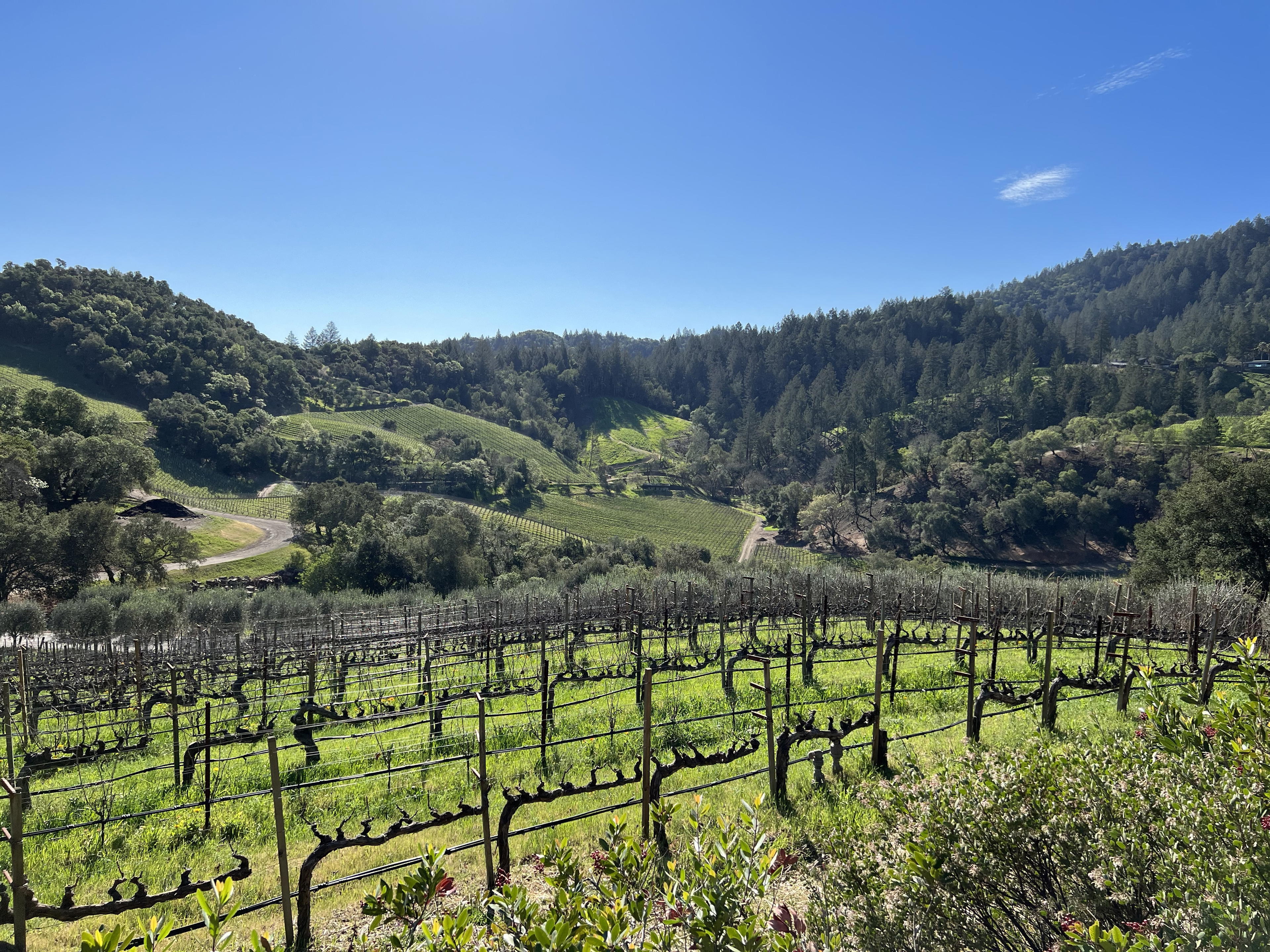
This terroir argument is also an environmental one. Dry-farming or minimal-irrigation approaches reduce water draw in a region where drought conditions have become a recurring operational pressure. Cover cropping and composting programs rebuild soil organic matter, reducing the need for synthetic inputs. For a winery in this corridor, sustainable practice is not simply an ethical stance but a technical response to the specific conditions of the site. Comparing Rutherford Wine Company with peers like Caymus Vineyards or Cakebread Cellars, both of which operate at significant scale with well-documented programs, illustrates how differently producers in the same postcode can approach the same set of pressures.
Sustainability as Production Logic, Not Marketing Layer
Across California's premium wine regions, sustainability credentials have become almost obligatory in brand communication. The challenge for any serious publication is distinguishing producers for whom these commitments shape actual farming and winery decisions from those for whom the language is a veneer. In Rutherford, where land values are among the highest in American wine, the economic pressure to maximize yield and brand revenue is constant. Producers who absorb the cost of lower-intervention farming, or who invest in infrastructure to reduce energy and water use at the winery, are making decisions with measurable financial consequences.
For a producer in Rutherford, where the competitive set includes Cathiard and other estate-focused producers, this recognition carries weight as a positional signal rather than a purely commercial one.
Further context comes from looking at how similar commitments play out across California appellations. Adelaida Vineyards in Paso Robles has built a long-term biodynamic program around its limestone-rich soils. Adelsheim Vineyard in Newberg operates one of Oregon's longer-standing sustainability certification programs. Alban Vineyards in Arroyo Grande dry-farms Rhône varieties on steep granitic slopes where irrigation would be technically possible but philosophically inconsistent with the estate's approach. These examples frame what genuine, terrain-responsive sustainability looks like across different California contexts, and they raise the bar against which any Napa producer's claims should be assessed.
The Visitor Experience in Context
Visiting a winery in Rutherford in 2025 involves navigating a tasting room market that has become increasingly tiered. At the high end, appointment-only tastings run several hundred dollars per person, often structured around library releases or single-vineyard pours. At the more accessible end, walk-in options still exist along Highway 29, though they are rarer than a decade ago as producers have moved toward reservation models to manage visitor quality and volume. For a property on St. Helena Highway, logistics are relatively direct: the road is well-served from Napa city to the south and St. Helena to the north, with Accendo Cellars in St. Helena and Artesa Vineyards and Winery in Napa representing the range of the wider corridor's offer.
Visiting during the week rather than on weekends reduces congestion significantly, both on Highway 29 itself and in individual tasting rooms. Harvest season, roughly September through October, brings the appellation's most active and interesting atmosphere, though it also coincides with its highest visitor volumes. Late winter and early spring, when vineyards are dormant but tasting rooms are operational at full capacity, offer a quieter window and often more focused host attention.
For broader context on Rutherford's dining and hospitality offer alongside its wine production, the EP Club full Rutherford guide covers the corridor's wider character and the practical decisions involved in building an itinerary around the sub-appellation.
How Rutherford Wine Company Sits in the Regional Picture
California's wine regions each carry their own sustainability discourse. In Sonoma County, the conversation has long centred on organic certification and carbon footprint reduction. In Paso Robles, water use and dry-farming have been central given the region's more acute drought exposure. Napa, by contrast, has historically framed sustainability through the lens of Napa Green certification, a county-level program that covers both vineyard and winery operations and is more comprehensive than many state-level schemes. Producers operating in this framework are assessed across water management, energy use, pest management, and land stewardship categories.
Across the state, producers at comparable quality tiers, from Andrew Murray Vineyards in Los Olivos to Alexander Valley Vineyards in Geyserville, have made sustainability infrastructure a visible part of their production narrative. The question for any visitor or buyer is whether the evidence behind the credentials is proportionate to the claims being made. In Rutherford, where land is too expensive and reputation too fragile for casual positioning, that question carries particular weight.
Planning Your Visit
Rutherford Wine Company is located at 1901 St Helena Hwy, St Helena, CA 94574, on the main Highway 29 corridor that connects the Napa Valley appellation's principal producers. Current hours, tasting formats, and reservation requirements are best confirmed directly before visiting, as Napa tasting room policies have shifted considerably since 2020 and appointment models have become standard across the prestige tier. Pairing a Rutherford Wine Company visit with stops at neighbouring producers, including those covered in our full Rutherford guide, allows for a structured comparison across the appellation's range of styles and scales.
Comparison Snapshot
Comparable venues nearby, for context on price, style, and recognition.
| Venue | Cuisine | Price | Awards | Notes |
|---|---|---|---|---|
| Rutherford Wine CompanyThis venue — the venue you are viewing | Cabernet Sauvignon, Merlot | Not listed | Not listed | Not listed |
| Long Meadow Ranch Winery | Cabernet Sauvignon, Sauvignon Blanc | $30–50 | Not listed | Rutherford |
| Peju Province Winery | Cabernet Sauvignon, Sauvignon Blanc | $30–50 | Not listed | Rutherford |
| Revelette Wines | Cabernet Sauvignon, Sauvignon Blanc | Not listed | Not listed | Rutherford |
| S. R. Tonella Cellars | Cabernet Sauvignon, Sauvignon Blanc | Not listed | Not listed | Rutherford |
| Caymus Vineyards | Cabernet Sauvignon, Zinfandel | Not listed | Falstaff Winery - Listed | Rutherford |
Continue exploring
More in Rutherford
Wineries in Rutherford
Browse all →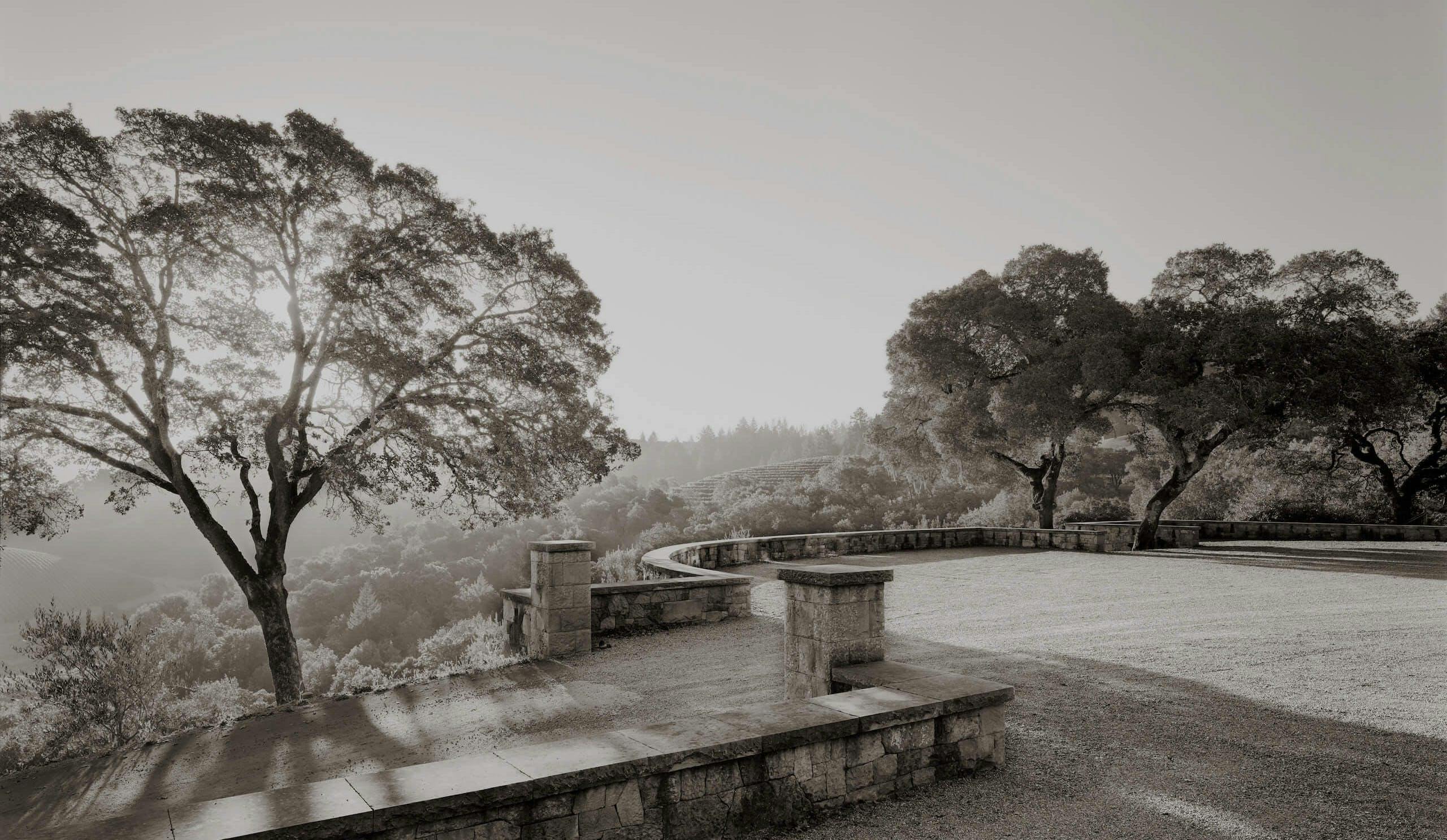
Bars in Rutherford
Browse all →
Restaurants in Rutherford
Browse all →

Details
- Rustic
- Classic
- Intimate
- Wine Education
- Solo Exploration
- Group Outing
- Estate Grounds
- Sustainable
- Vineyard
- Cabernet Sauvignon
- Merlot
- Sauvignon Blanc
- Zinfandel
- Chardonnay
- Still Red
- Still White
- Seated Tasting
Current opening hours
- Monday
- 10 AM–5 PM
- Tuesday
- 10 AM–5 PM
- Wednesday
- 10 AM–5 PM
- Thursday
- 10 AM–5 PM
- Friday
- 10 AM–5 PM
- Saturday
- Closed
- Sunday
- 10 AM–5 PM
Hours can change for holidays and private events. Last verified .
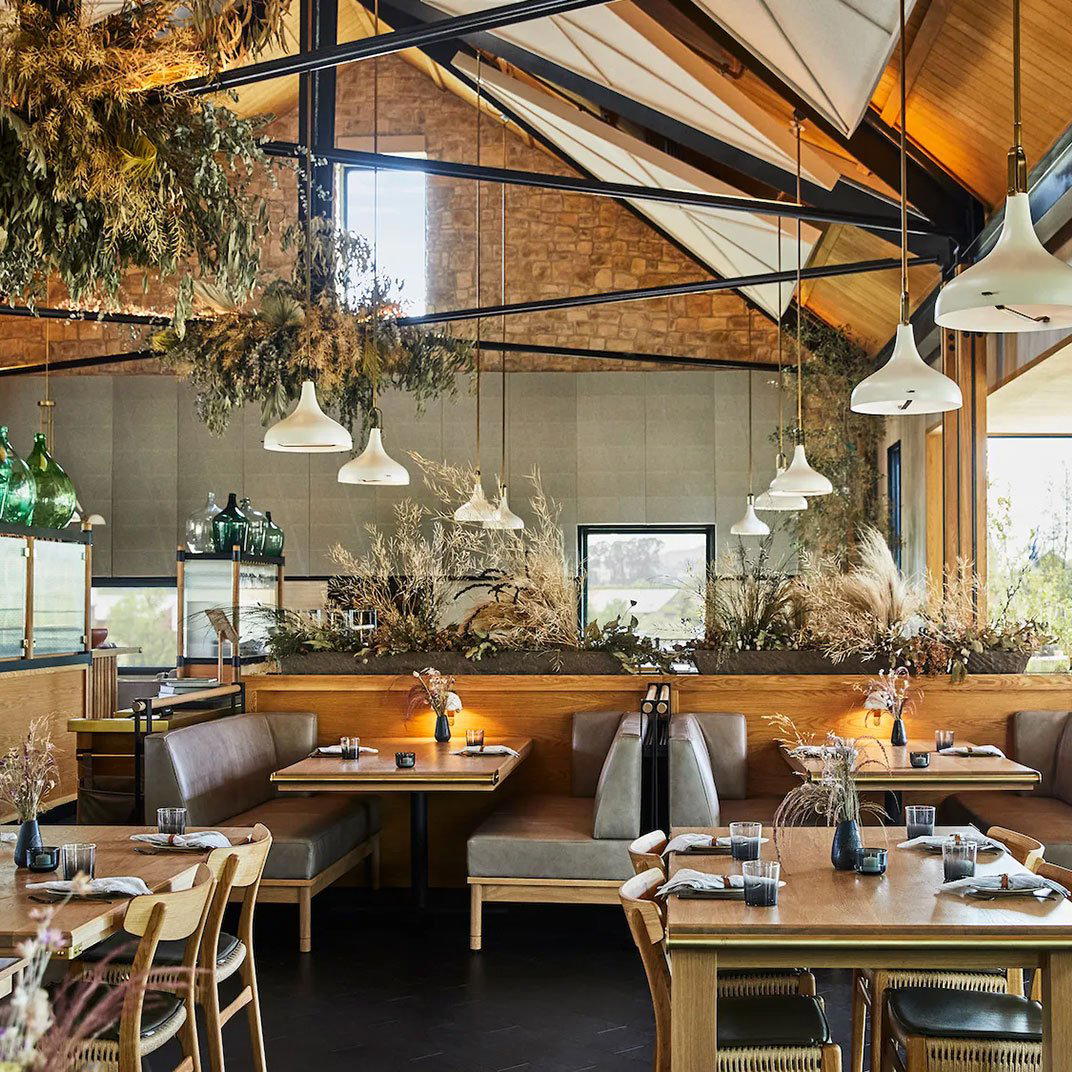
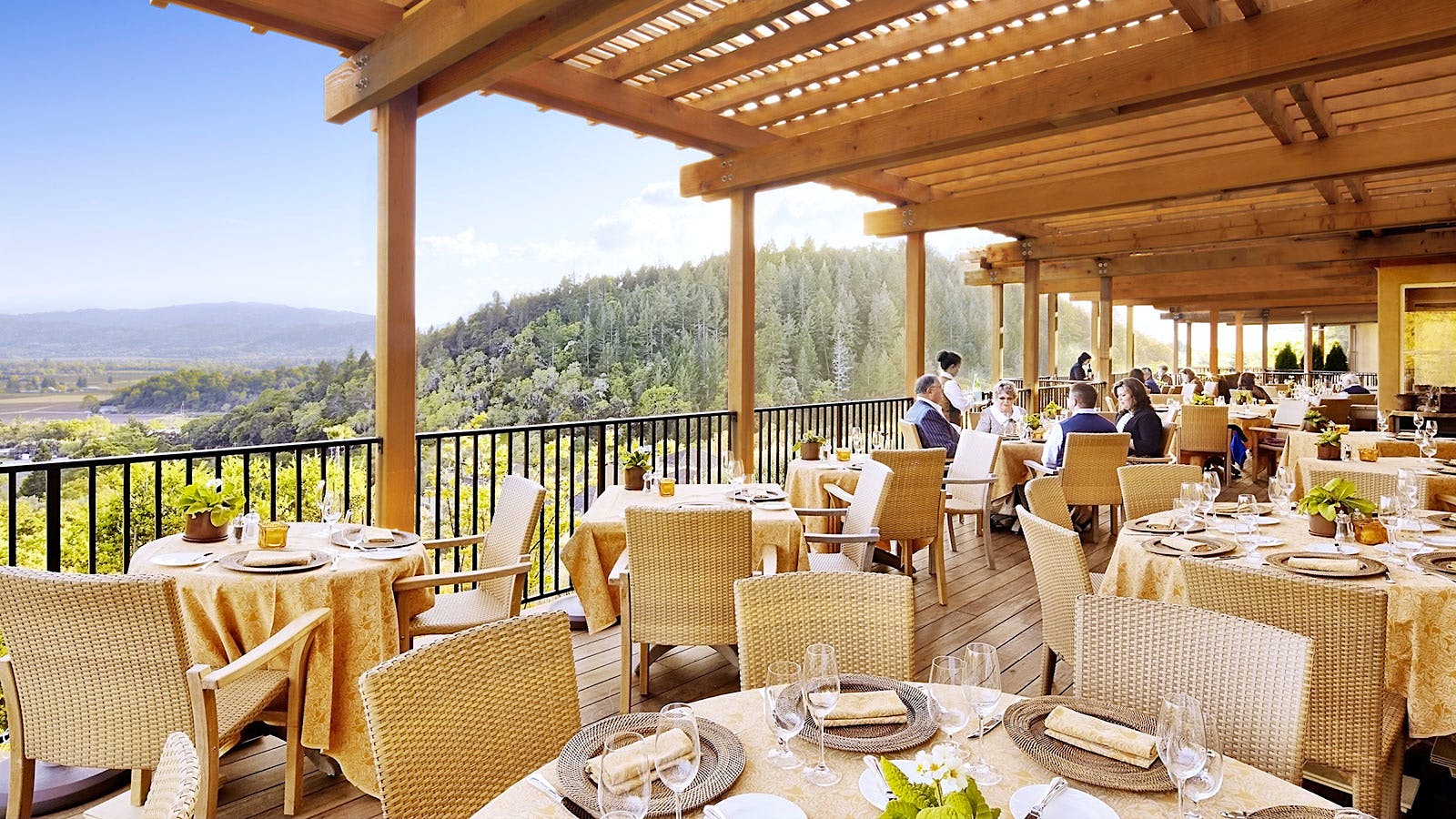
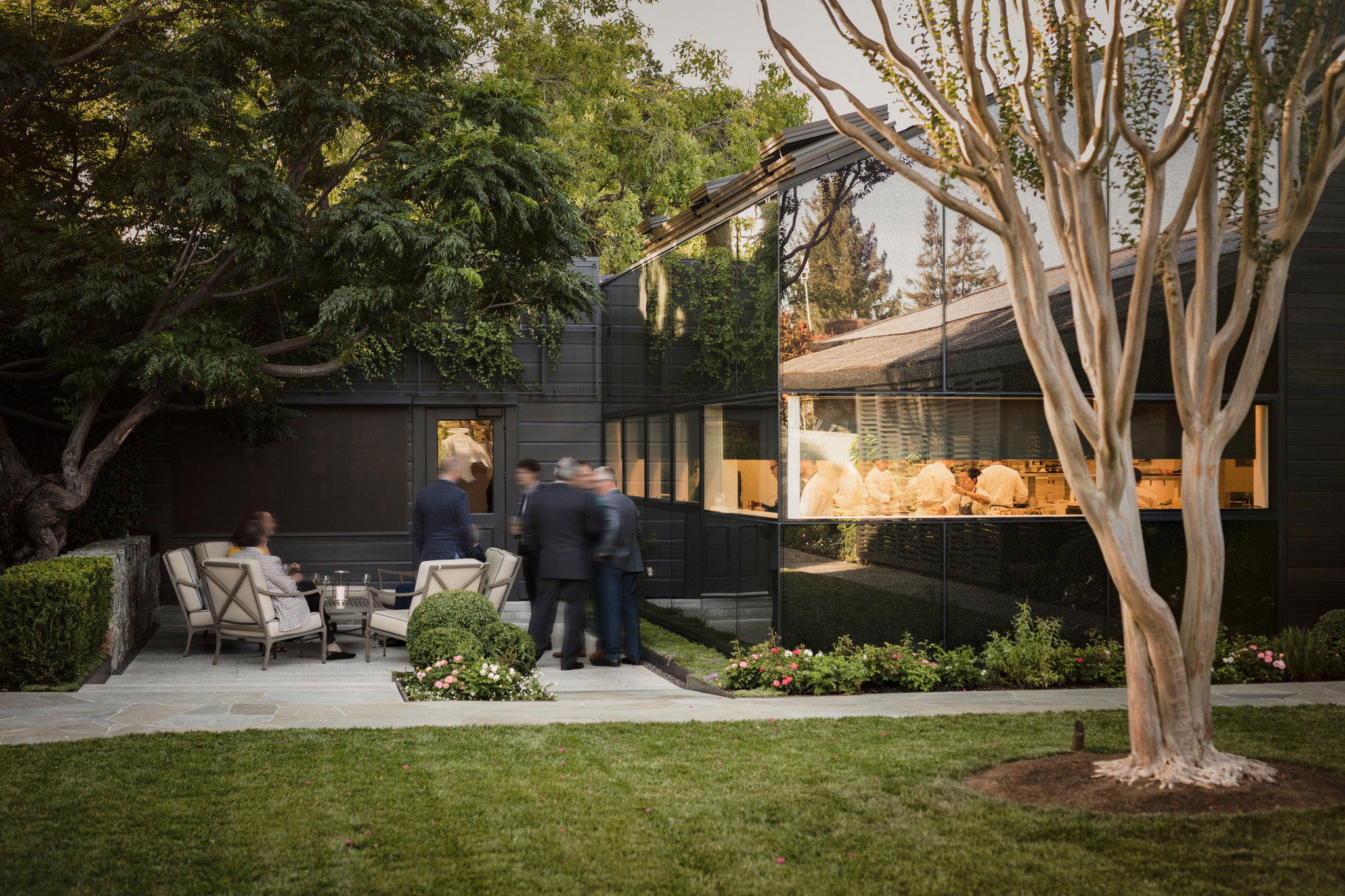
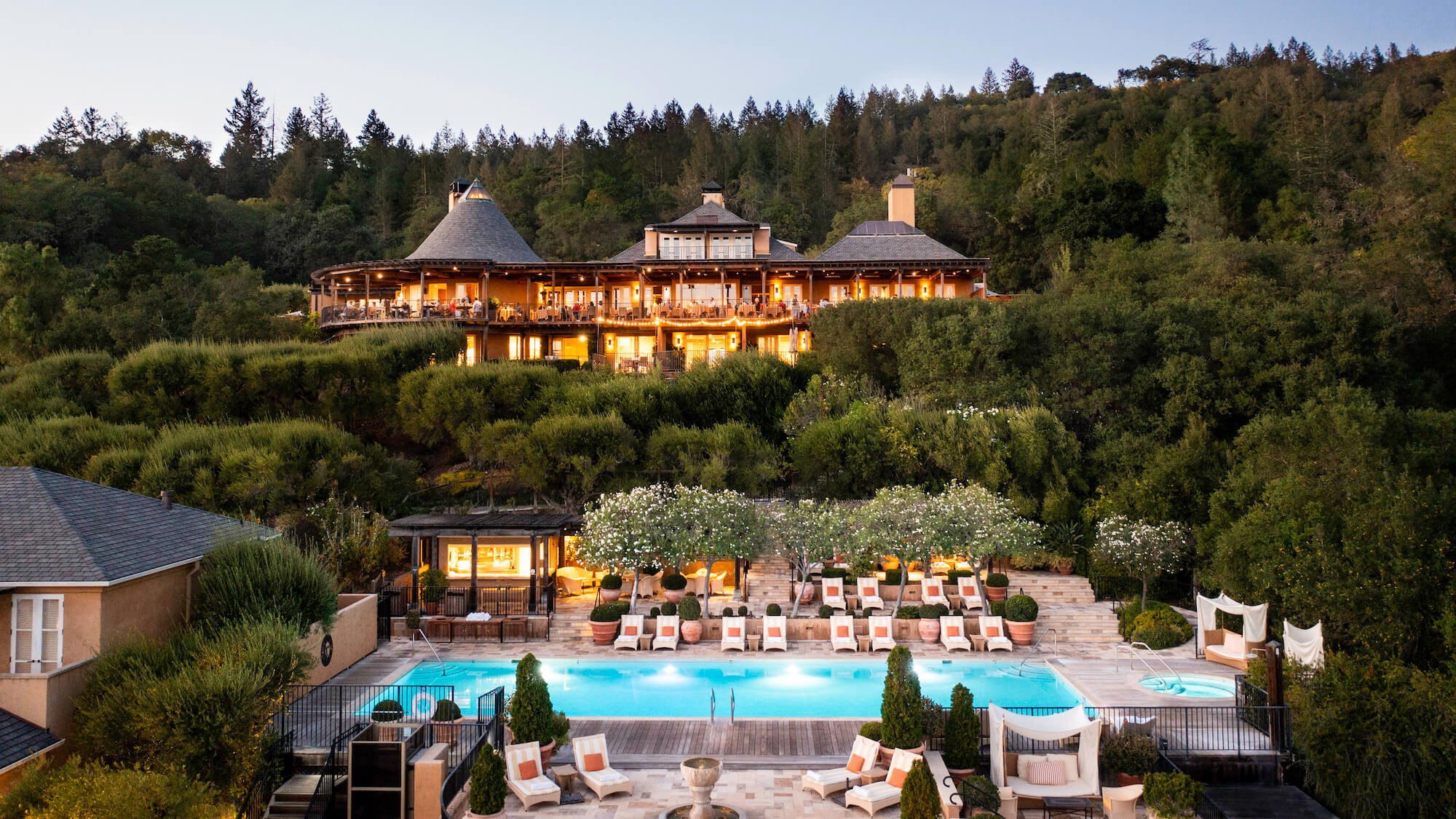
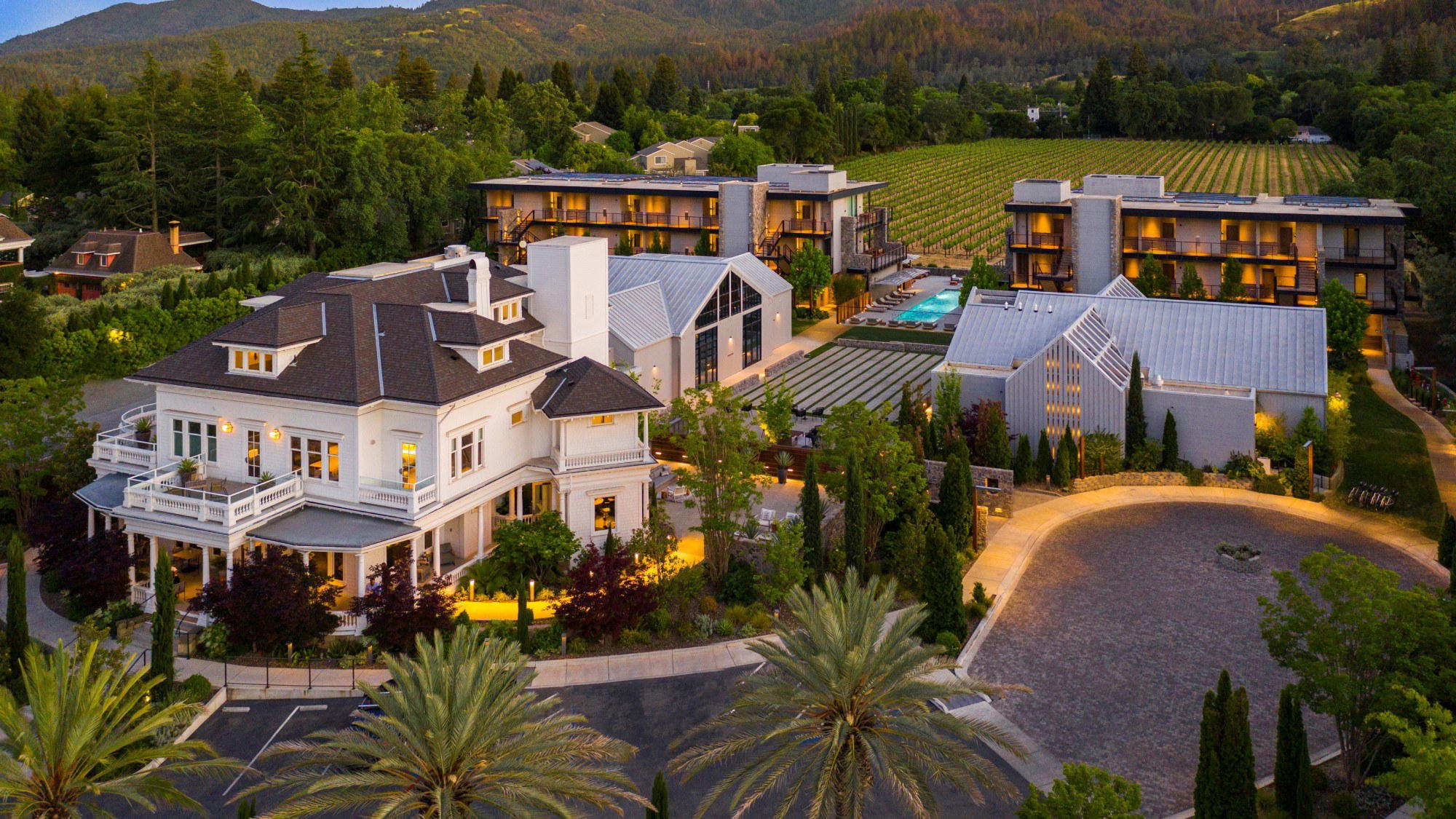
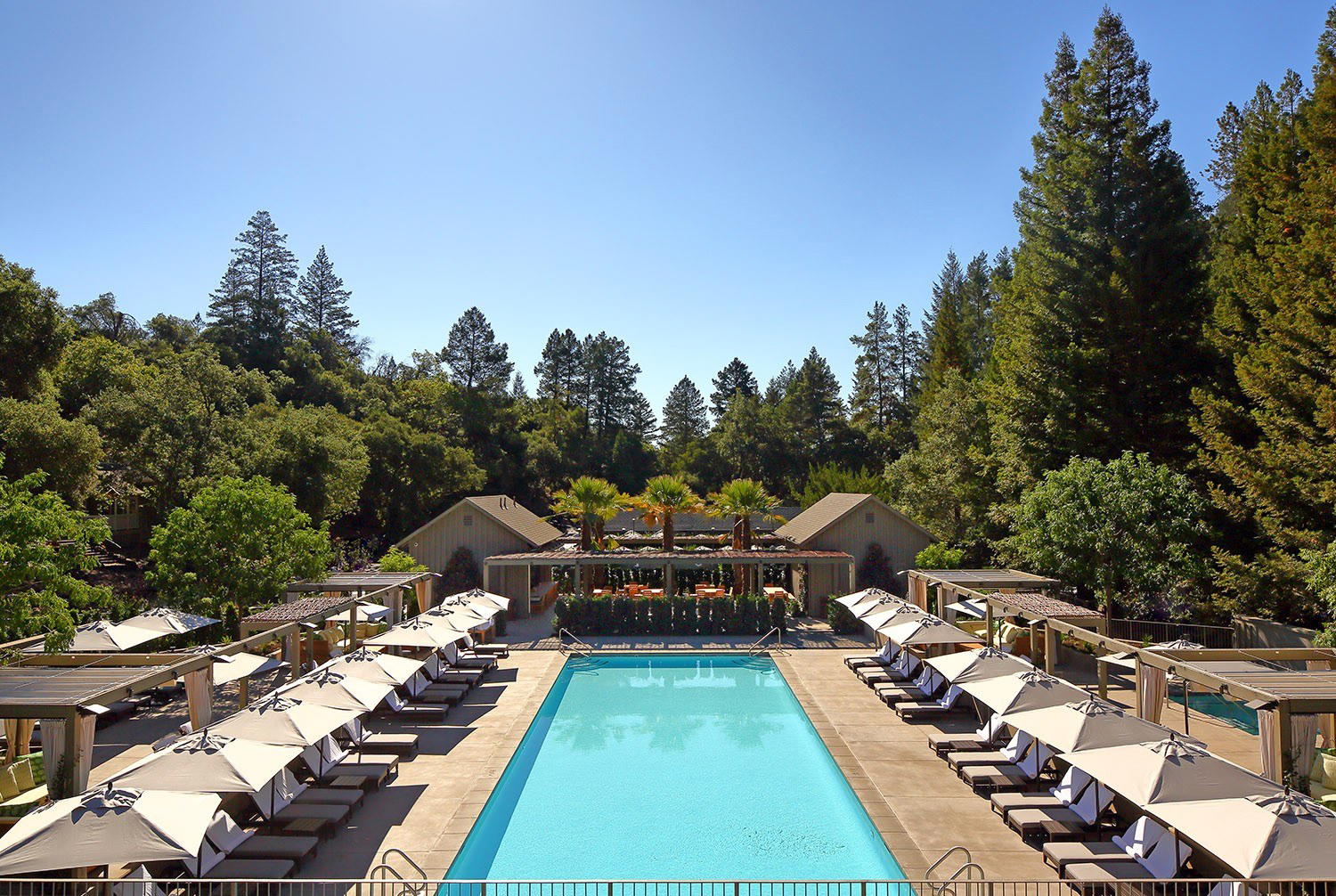
Charming tasting room offering shaded outdoor seating, welcoming and informative service, cozy shelter from elements with an engaging, educational atmosphere.