Grgich Hills Estate


The estate's biodynamic farming approach and decades-long commitment to estate-grown fruit place it among a small cohort of Napa producers that have shaped the valley's international reputation. A visit here is a study in Californian wine history as much as a tasting.
Pearl is the En Primeur Club membership app — saves, bookings, and concierge access live there. Same editors, same standards.
- Address
- 1829 St Helena Hwy, Rutherford, CA 94573
- Phone
- +1 707-963-2784
- Website
- grgich.com
- Directions
- Get directions
 Saves & bookings on Pearl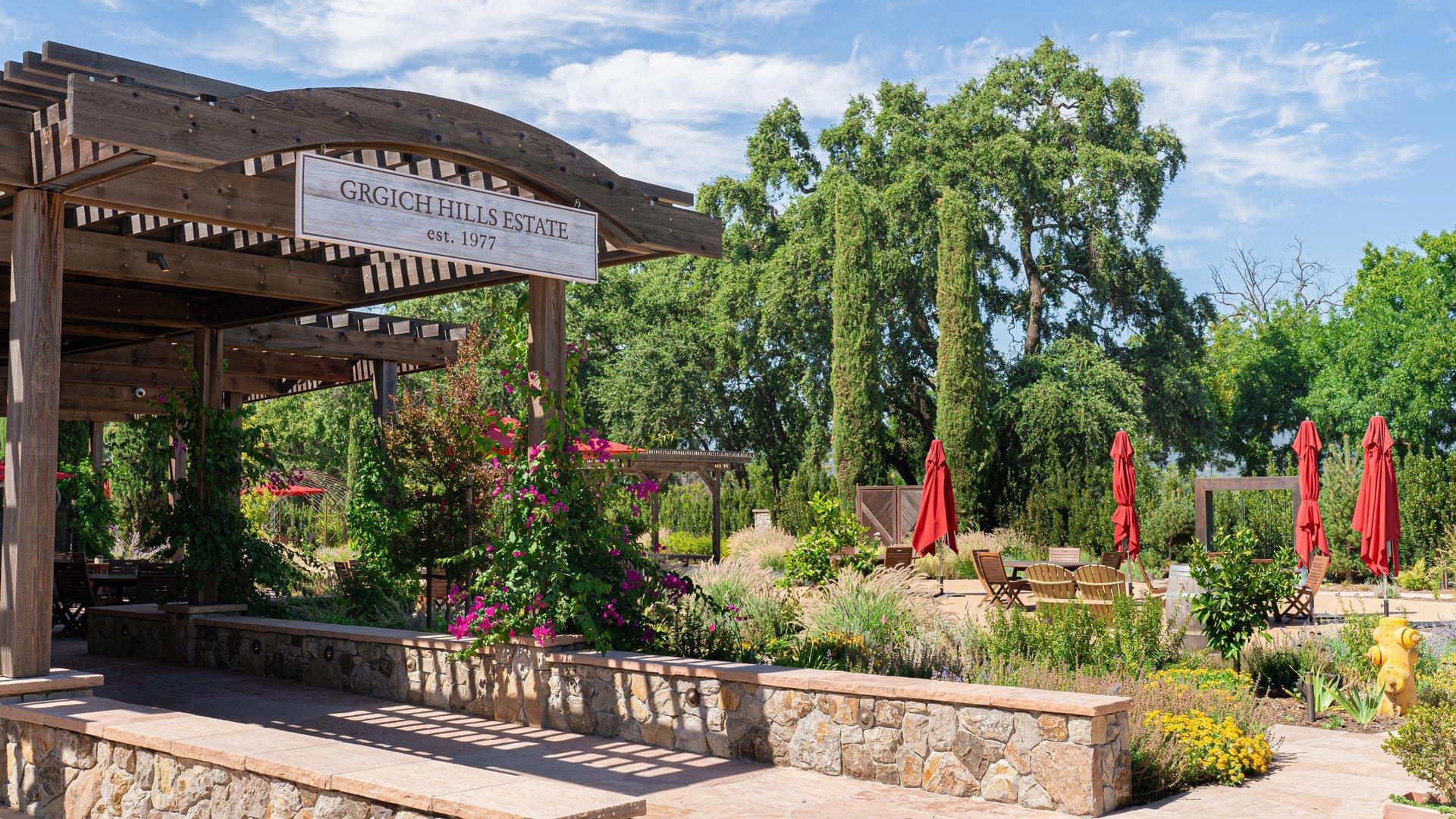
The Weight of the Rutherford Dust
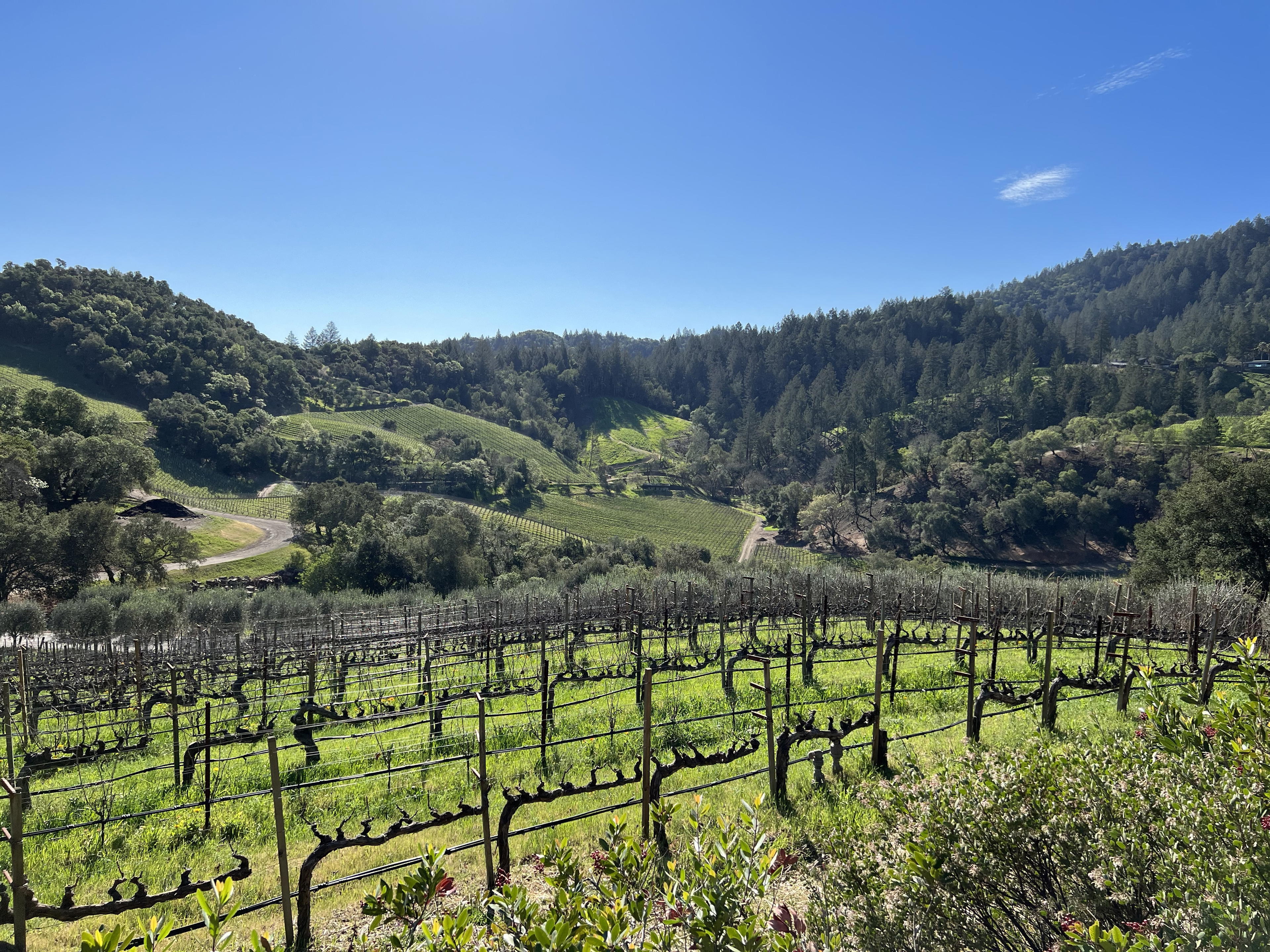
Along the St. Helena Highway, where the canopy of old oaks breaks and the Mayacamas range frames the western horizon, Grgich Hills Estate sits on a stretch of Rutherford that carries more winemaking history per acre than almost anywhere in California. Arriving at 1829 St Helena Hwy, the property reads less like a showroom and more like a working estate: vines close to the road, a modest façade, the functional architecture of a place that has never needed spectacle to communicate what happens inside. That restraint is the first signal.
Rutherford has long been Napa's most layered appellation, the district where the valley's famous "Rutherford dust", a descriptor for the fine-tannin, mineral quality attributed to alluvial benchland soils, finds its clearest expression in Cabernet Sauvignon. Grgich Hills sits within that tradition, alongside a comparable set that includes Beaulieu Vineyard (BV), Caymus Vineyards, and Alpha Omega Winery, each representing a different chapter in the appellation's evolution. Where some of those properties have expanded their footprint or brand portfolio aggressively, Grgich Hills has maintained a tighter, estate-focused model that keeps it in a smaller, more deliberate competitive set.
How Tasting Works Here
The ritual of tasting at Grgich Hills follows a format that mirrors the estate's broader philosophy: structured, unhurried, and grounded in the specifics of place rather than performance. Napa tasting rooms have split sharply in recent years between high-production hospitality formats with multiple concurrent experiences and smaller, appointment-led encounters where the conversation stays close to the wine and the land. Grgich Hills belongs to the latter tier, where the sequence of pours rewards patience and the staff's depth of knowledge about individual estate blocks becomes part of the experience itself.
The practical cadence of a visit rewards preparation. The estate sits on Highway 29, the artery that connects most of Rutherford's major producers, which makes it logical to pair with neighbouring estates on the same stretch.
Chardonnay, Cabernet, and the Question of Identity
Napa's commercial identity has been Cabernet-dominant for decades, but the valley's deeper history includes a parallel white wine tradition that rarely gets equal attention. Grgich Hills occupies a distinctive position within that duality. The estate's connection to the 1976 Paris Tasting, where a Chateau Montelena Chardonnay, made with significant involvement from the estate's founding winemaker, placed above white Burgundies in a blind tasting judged by French critics, gave California Chardonnay its first credible international benchmark. That moment is not merely winery mythology; it shifted how European and American critics approached Californian whites for a generation.
Today, the Chardonnay program at Grgich Hills sits in a niche tier of Napa whites that operate as a counterweight to the valley's Cabernet dominance. The approach is biodynamic across all estate vineyards, a farming philosophy that requires significant operational commitment and places the estate alongside a smaller cohort of California producers who treat soil health as foundational rather than cosmetic. Elsewhere in Napa, Cakebread Cellars and Cathiard also work Rutherford-adjacent land with distinct quality signals, though their stylistic profiles differ from Grgich Hills's estate-centric model.
The Biodynamic Commitment in Practice
Biodynamic viticulture in Napa is not a marketing designation, it requires third-party certification, specific farming calendars, and a rejection of synthetic inputs that affects everything from cover crop management to harvest timing. For a winery operating at the scale of Grgich Hills, across multiple estate sites in Napa and Sonoma, the commitment represents a meaningful operational constraint rather than a branding gesture. It places the estate in a specific category of producer that prioritises long-term soil vitality over short-term yield optimization.
The estate's vineyards span several distinct Napa and Sonoma sites, which means the tasting experience at the Rutherford location draws on fruit grown under variable microclimatic conditions. That geographic spread is part of why the wine program covers more varietal ground than a single-site Napa producer: Zinfandel and Petite Sirah appear alongside the flagship Cabernet Sauvignon and Chardonnay, each reflecting different soil and climate inputs. For visitors accustomed to single-varietal Napa houses, the breadth here can be a recalibration of expectations.
Placing Grgich Hills in a Broader California Context
Within Rutherford specifically, that recognition aligns it with a small group of producers whose reputations predate the recent surge of Napa investment and whose price-to-provenance ratio reflects historical credibility rather than speculative valuation.
Across California's wider estate winemaking scene, the parallels run to producers in different appellations: Alexander Valley Vineyards in Geyserville operates a comparable family-estate model in Sonoma, while Artesa Vineyards and Winery in Napa represents a larger-scale but similarly terroir-focused production philosophy. Grgich Hills sits between those poles: accessible enough for direct visits, credentialed enough for serious collectors.
Outside California entirely, the estate's biodynamic approach and historical prestige find loose analogues in producers like Adelsheim Vineyard in Newberg in Oregon's Willamette Valley, where a founding-generation ethos similarly shapes a modern estate operation. The comparison is useful for understanding what Grgich Hills represents in American fine wine terms: a bridge between the wine's historical origin story and contemporary estate practice, without needing to reconstruct itself for each new market cycle.
Planning a Visit
The estate is located at 1829 St Helena Hwy in Rutherford, directly on Highway 29. The surrounding appellation offers a dense cluster of similarly credentialed producers within a short drive: Beaulieu Vineyard (BV) and Caymus Vineyards are immediate neighbours in the appellation, and the full Rutherford visitor circuit rewards at least a full day. For those building a broader California wine itinerary, the international dimension, comparing Napa with producers like Achaia Clauss in Patras or Aberlour in Aberlour, illustrates how estate-driven production philosophies translate across entirely different wine traditions.
Recognition Snapshot
Comparable venues nearby, for context on price, style, and recognition.
| Venue | Cuisine | Price | Notes |
|---|---|---|---|
| Grgich Hills EstateThis venue — the venue you are viewing | Chardonnay, Cabernet Sauvignon | $$$ | Not listed |
| Revelette Wines | Cabernet Sauvignon, Sauvignon Blanc | $$$ | Rutherford |
| Tres Sabores | Zinfandel, Cabernet Sauvignon | $$$ | Rutherford Bench |
| Amici Cellars | Cabernet Sauvignon, Chardonnay | $$$ | Rutherford |
| Honig Vineyard & Winery | Sauvignon Blanc, Cabernet Sauvignon | $$$ | Rutherford |
| Frog's Leap Winery | Cabernet Sauvignon, Zinfandel | $$$ | Rutherford |
Recognition history
Dated appearances from independent guides and award organizations, with the underlying list record or original source where available.
Falstaff Winery - Listed
Falstaff
James Beard Award Outstanding Wine, Spirits, or Beer Professional
James Beard Award
Continue exploring
More in Rutherford
Wineries in Rutherford
Browse all →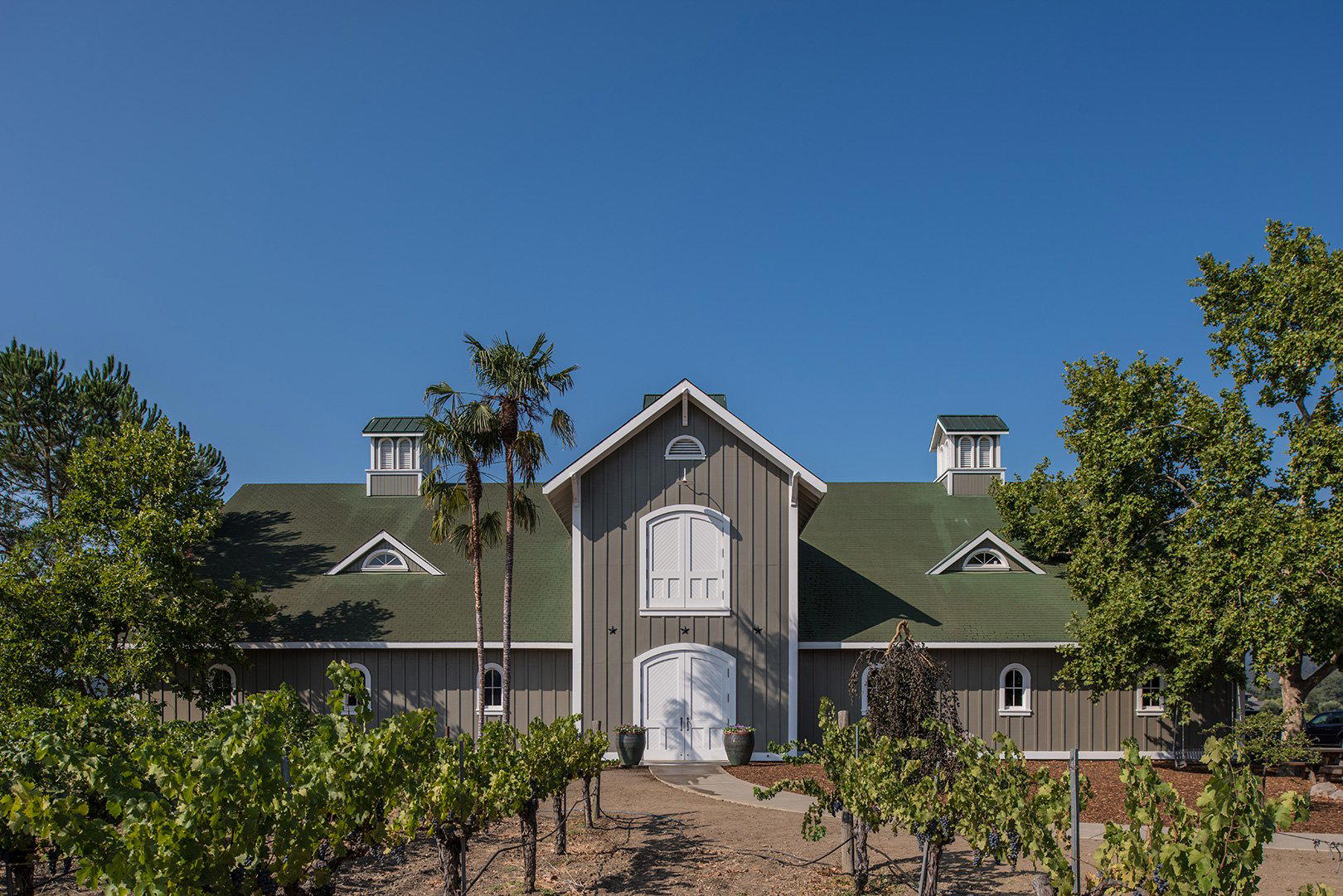
Bars in Rutherford
Browse all →
Restaurants in Rutherford
Browse all →
At a Glance
- Classic
- Scenic
- Elegant
- Rustic
- Well Known
- Wine Education
- Special Occasion
- Group Outing
- Vineyard Tour
- Estate Grounds
- Garden
- Private Tasting
- Organic
- Sustainable
- Vineyard
- Garden
- Rutherford AVA
- Chardonnay
- Cabernet Sauvignon
- Zinfandel
- Merlot
- Sauvignon Blanc
- Petite Sirah
- Still Red
- Still White
- Seated Tasting
- Private Tasting
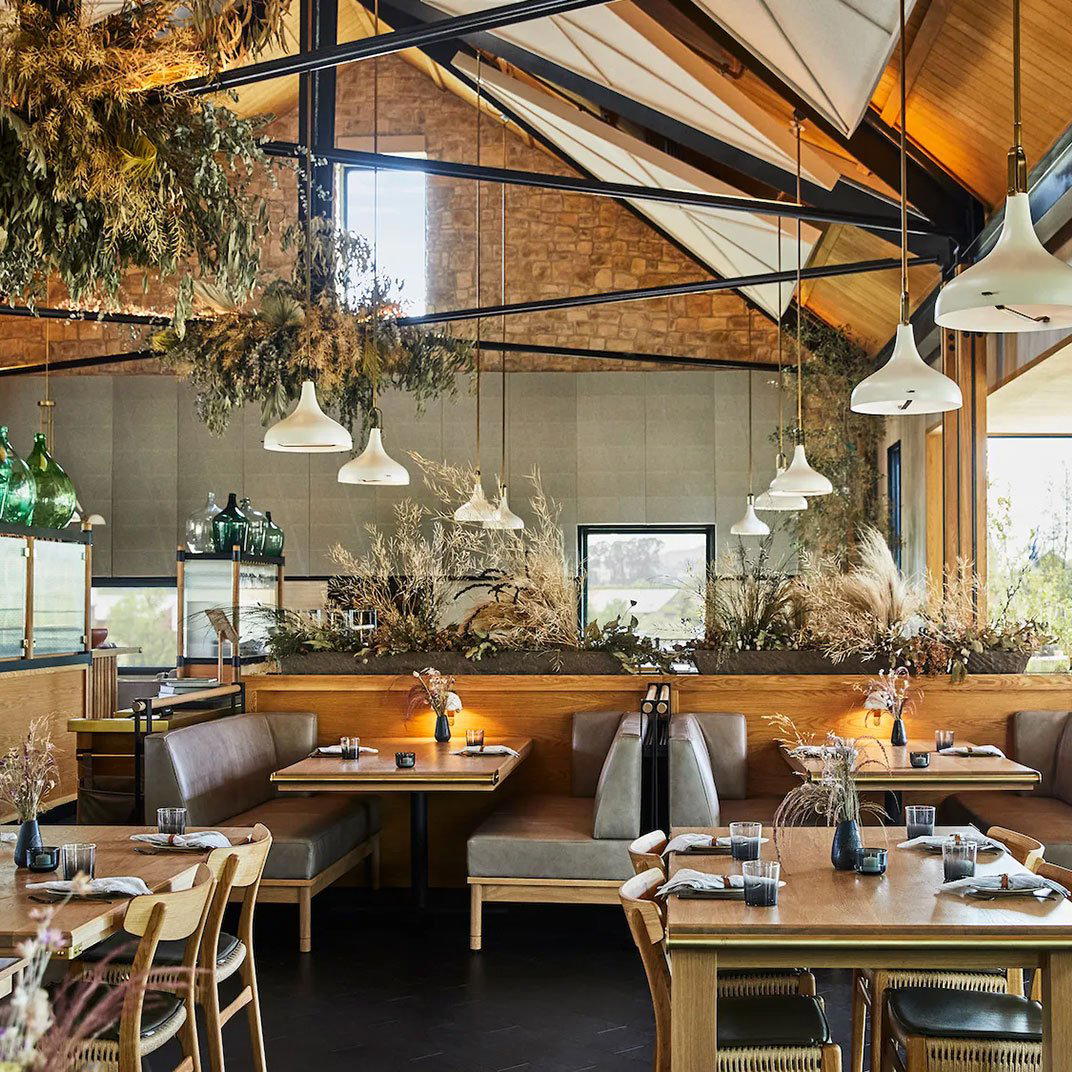
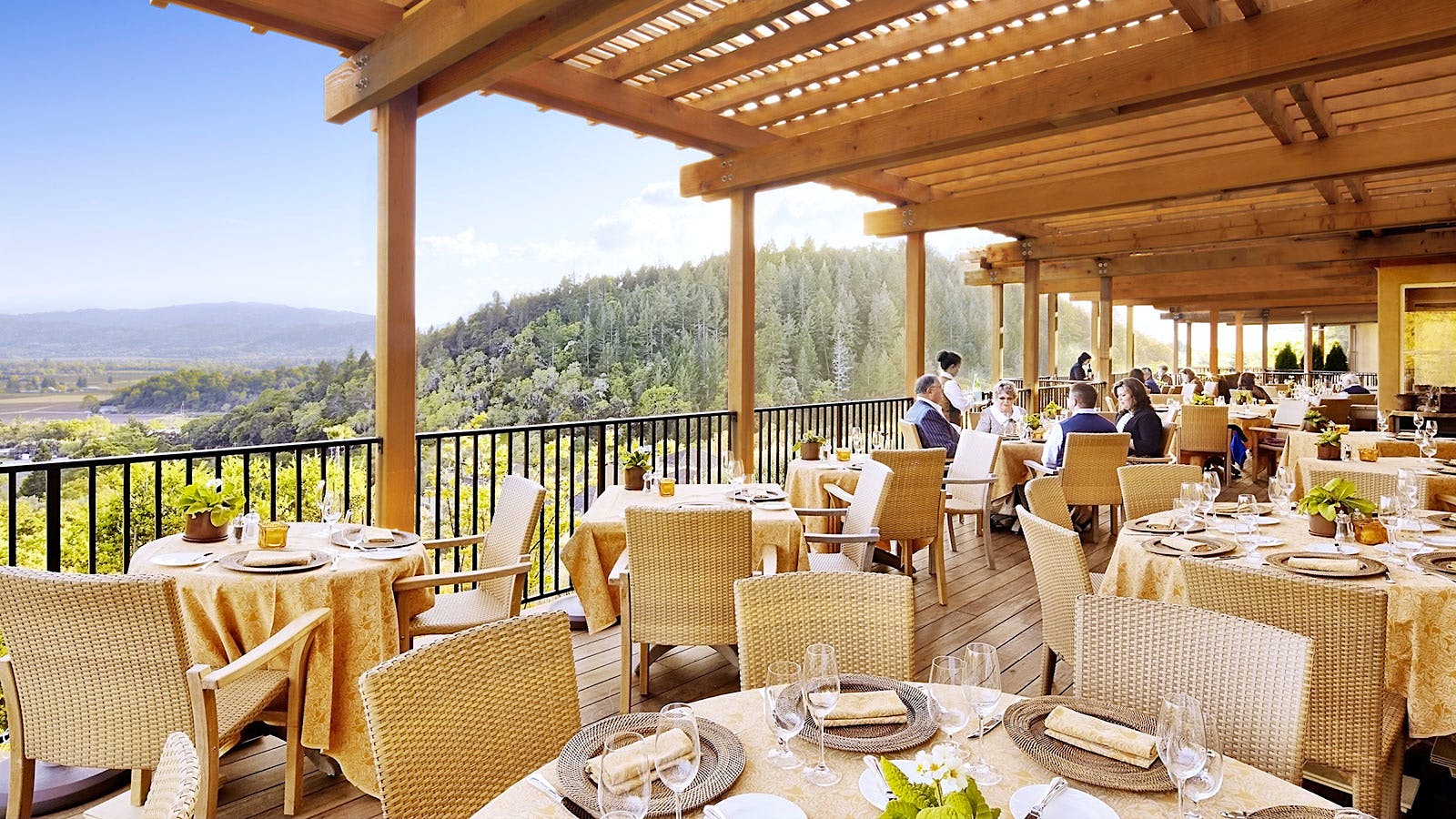
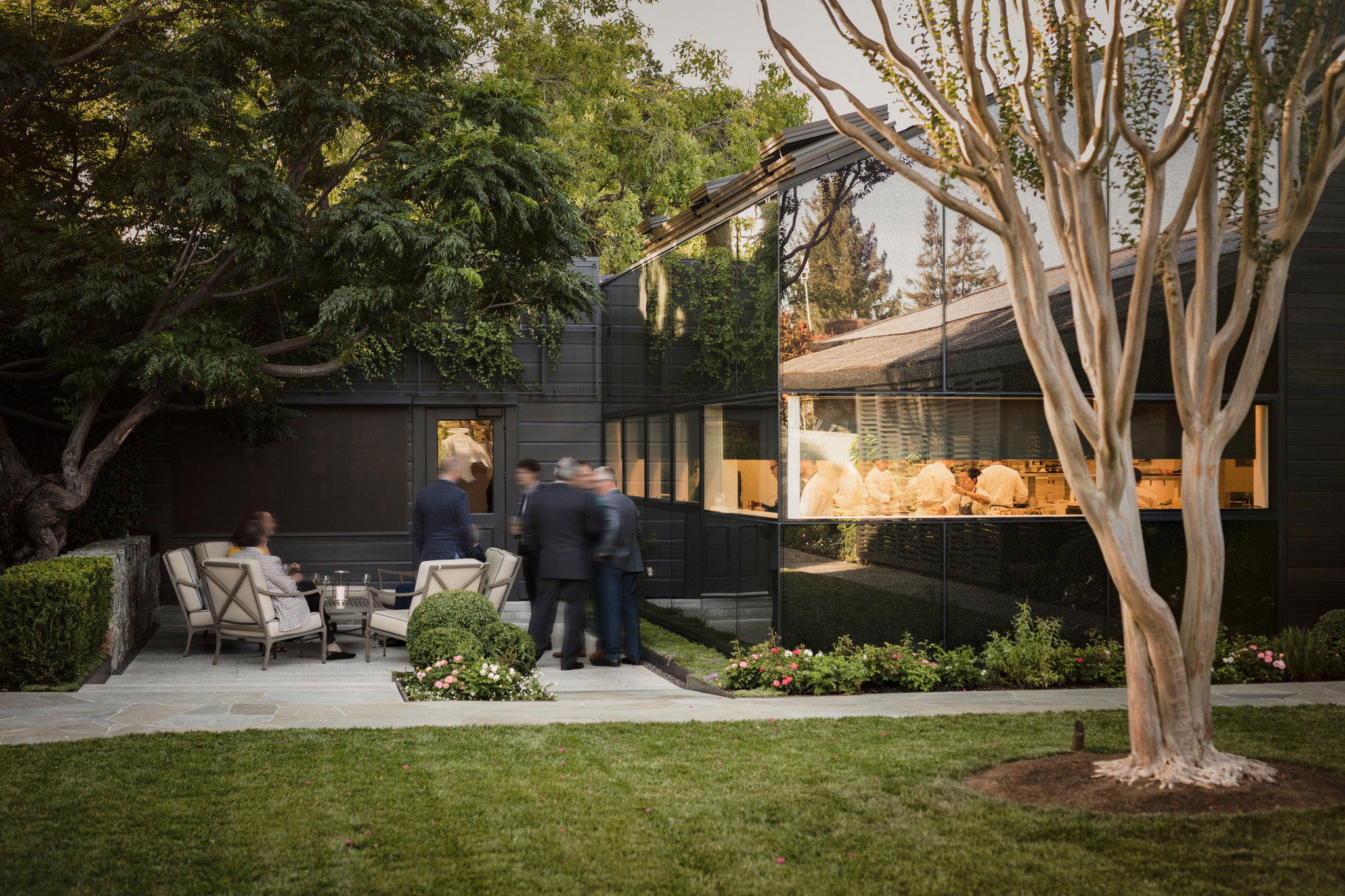
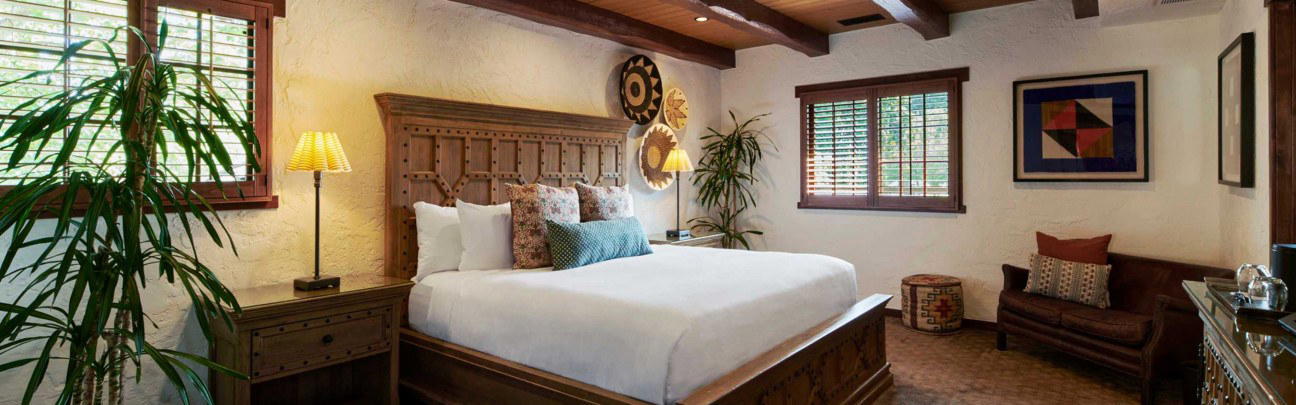
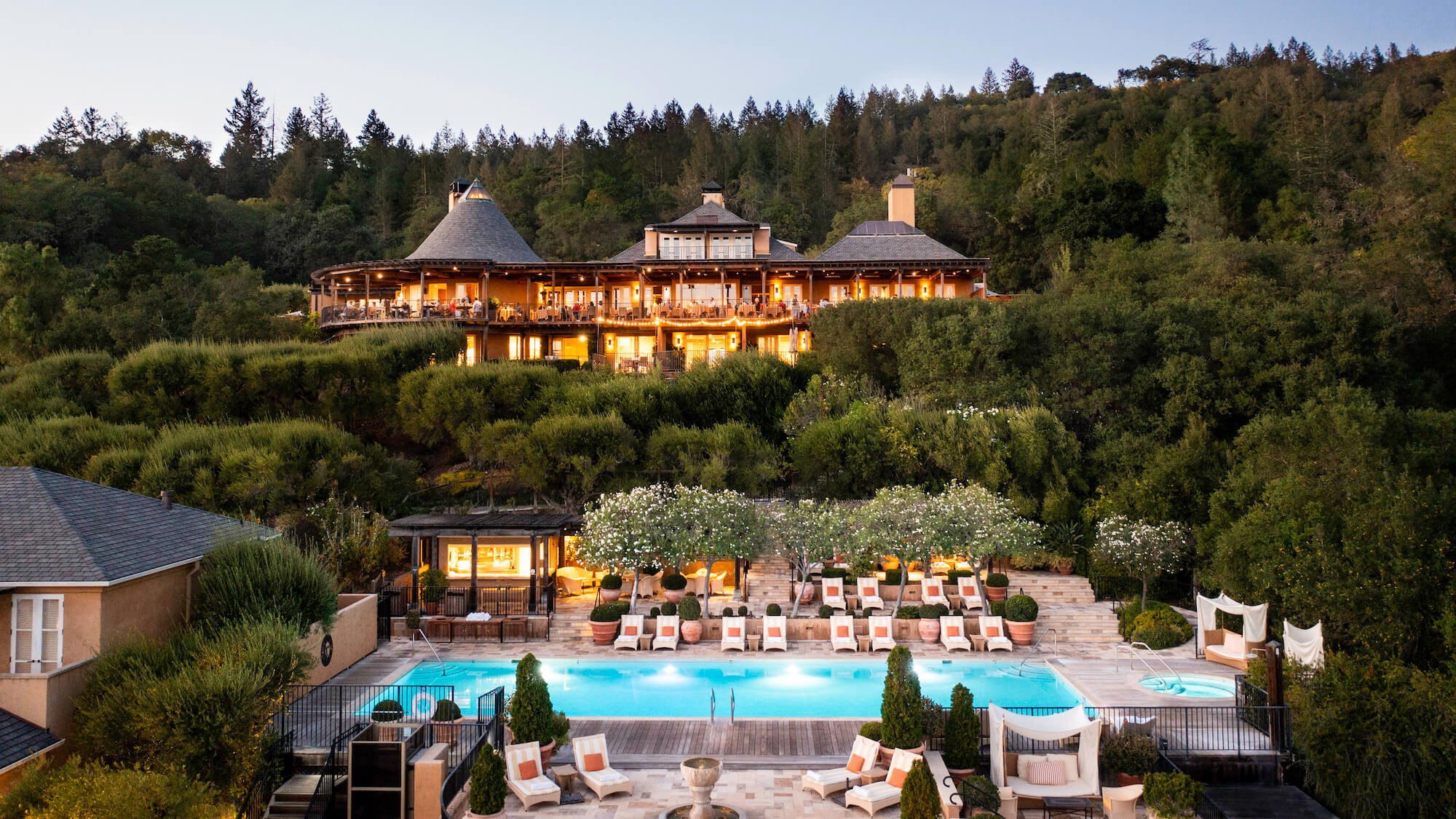
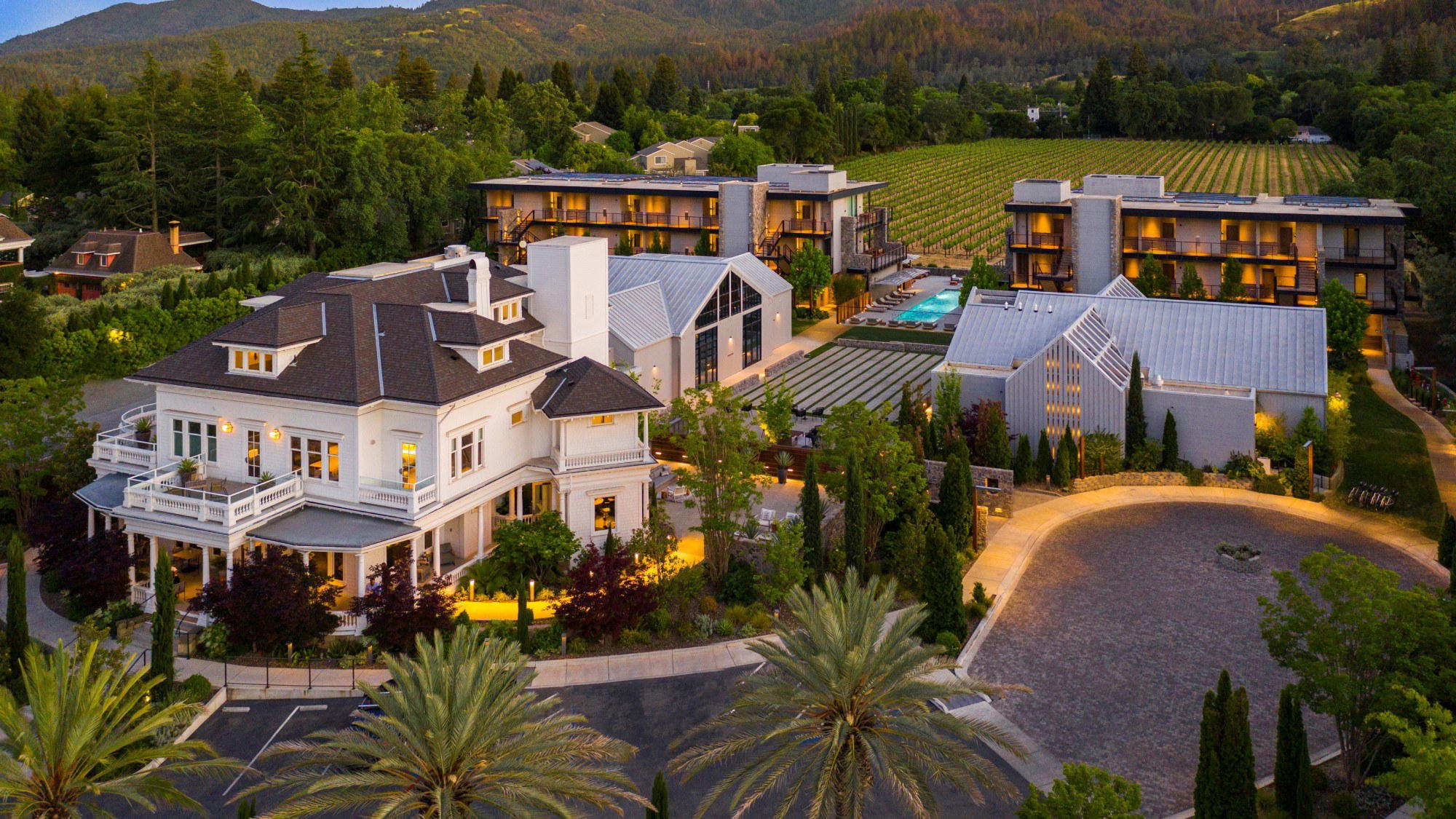
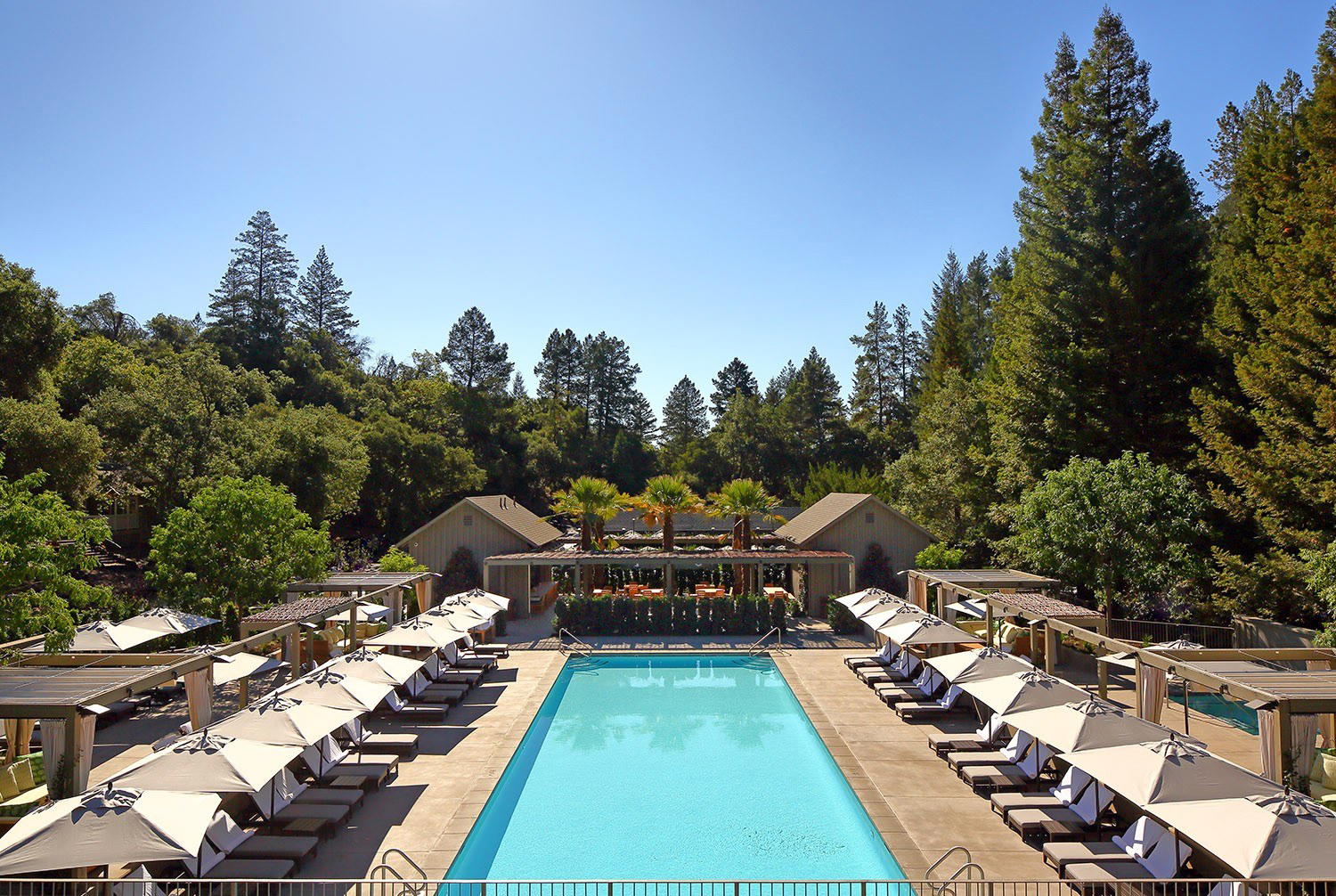
Relaxed and elegant with natural light, scenic vineyard and garden views, intimate seated tastings in a charming, historic setting.