
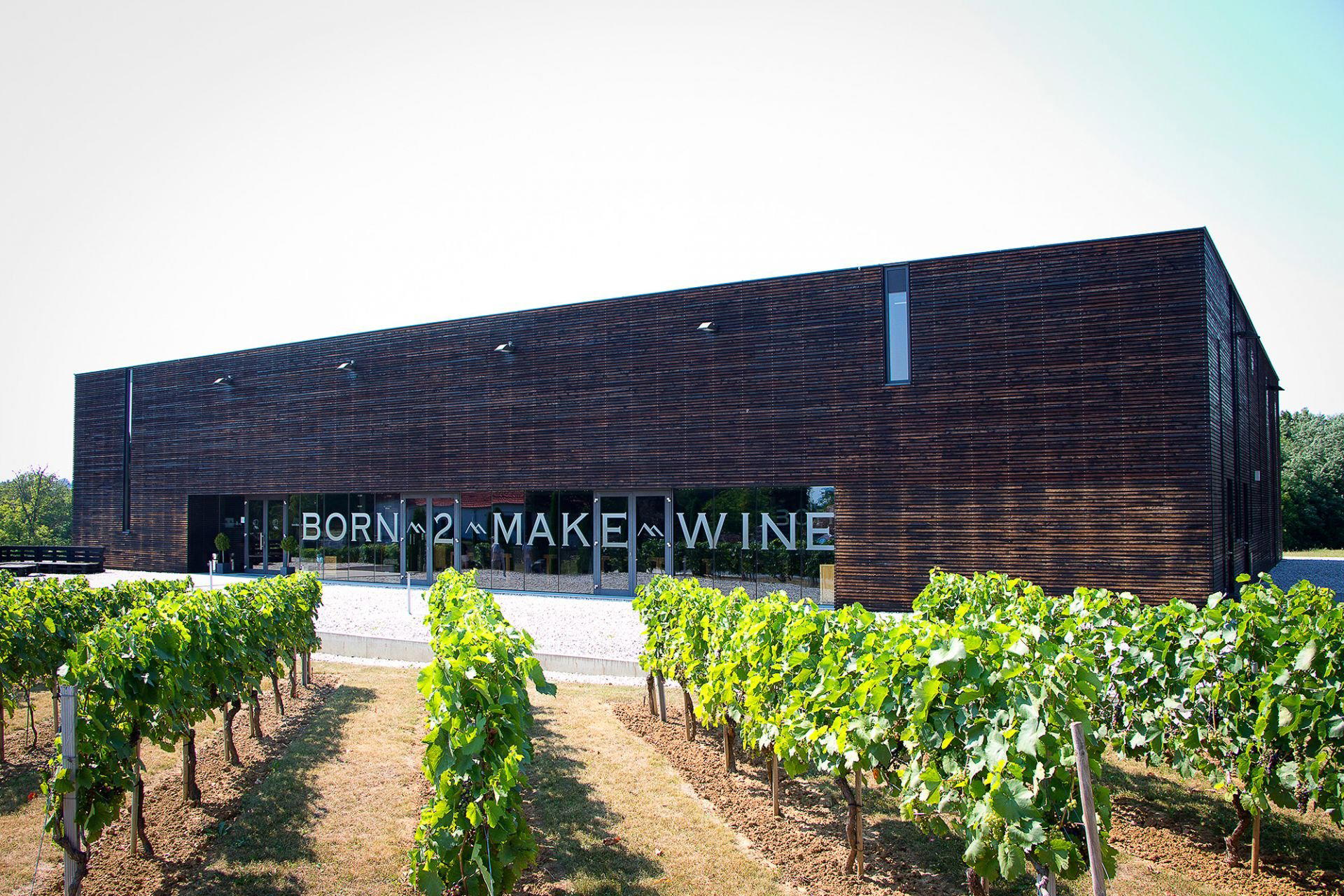
Weninger Winery operates from the village of Balf in Hungary's Sopron wine region, where the intersection of Alpine cool and Pannonian warmth shapes wines of genuine textural weight. Recognised with a Pearl 2 Star Prestige award in 2025, the winery sits at the serious end of a region still finding its international audience, making it a reference point for anyone tracing western Hungary's emerging wine identity.
 Discover on Pearl
Pearl is the En Primeur Club membership app — saves, bookings, and concierge access live there. Same editors, same standards.
- Address
- Sopron, Fő u. 23, 9494
- Phone
- +36 99 531 082
- Website
- weninger.com
Where Sopron's Climate Makes Its Argument
The western edge of Hungary is not where most wine travellers arrive first. The conversation about Hungarian wine has been dominated for decades by Tokaj's sweet aszú and the volcanic soils of Eger, leaving Sopron to develop in relative quiet. That quietness has not meant stagnation. The Sopron wine region, pressed against the Austrian border and shaped by the thermal modulation of Lake Ferto, produces reds and whites with a cooler-climate structure that sits closer to Burgenland than to the warm plains further east. Weninger Winery, addressed at Fő u. 23 in Balf, a village within the Sopron appellation, works squarely within this tradition, and its 2025 Pearl 2 Star Prestige recognition signals that serious evaluators are paying attention.
Disznókő in Mezőzombor, Royal Tokaji in Mád, Tokaj Hétszőlő in Tokaj, Tokaj Oremus in Tolcsva, and Árvay Winery in Rátka, though the stylistic contrast between Tokaj's oxidative sweetness and Sopron's structured dry wines is the more instructive comparison.
Terroir at the Austrian Fault Line
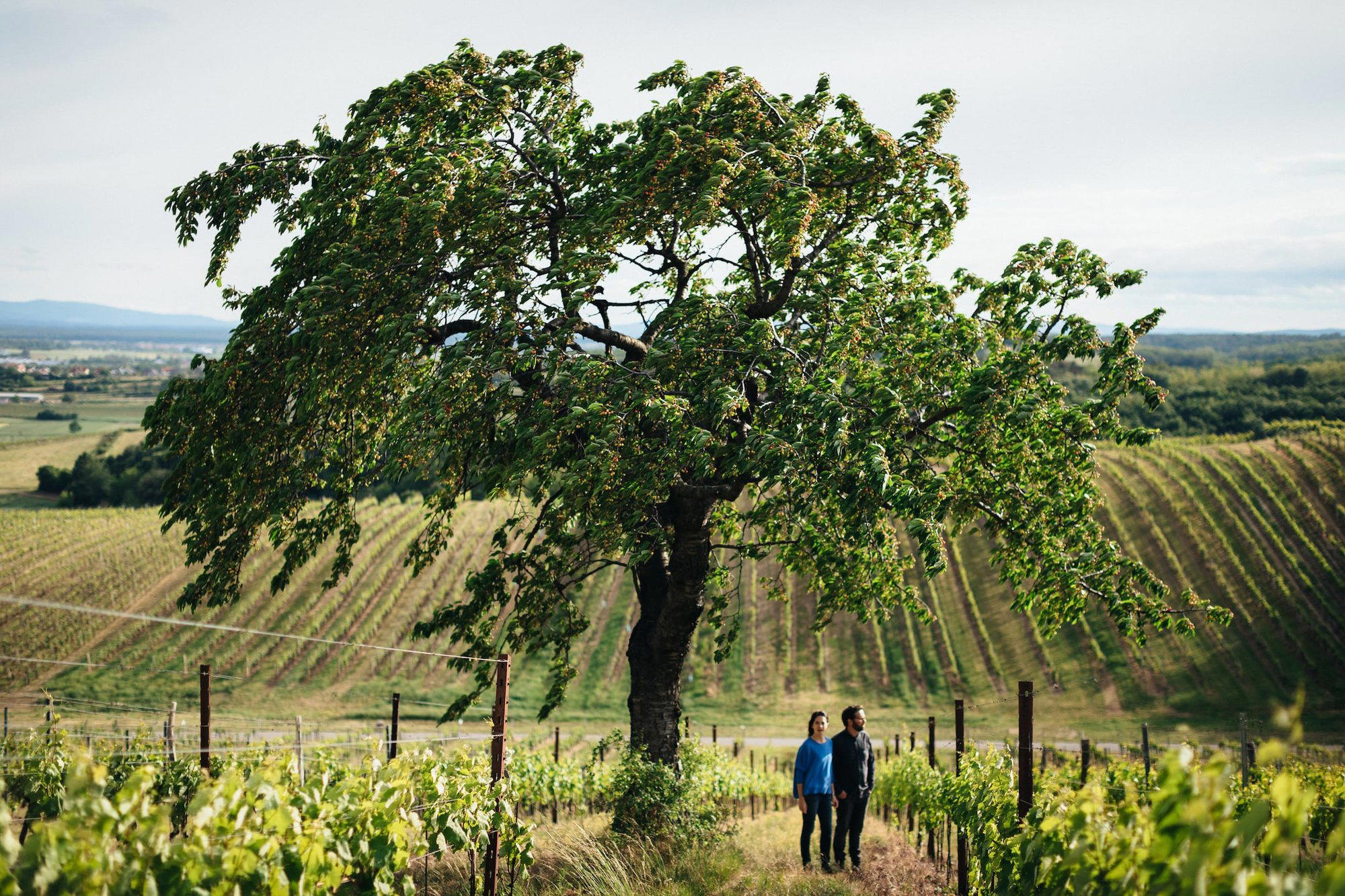
The soil and climate conditions around Balf produce a specific agricultural outcome that is worth understanding before tasting. Lake Ferto, known in Austria as Neusiedlersee, creates a microclimate of relative thermal stability: winters are softened, summers moderated, and the diurnal range preserved enough to retain acidity in ripe fruit. The subsoils in this part of Sopron shift between gravel, clay, and limestone-adjacent profiles, varying within short distances. That variation is why single-vineyard expressions from the region tend to differ more dramatically than their geography might suggest.
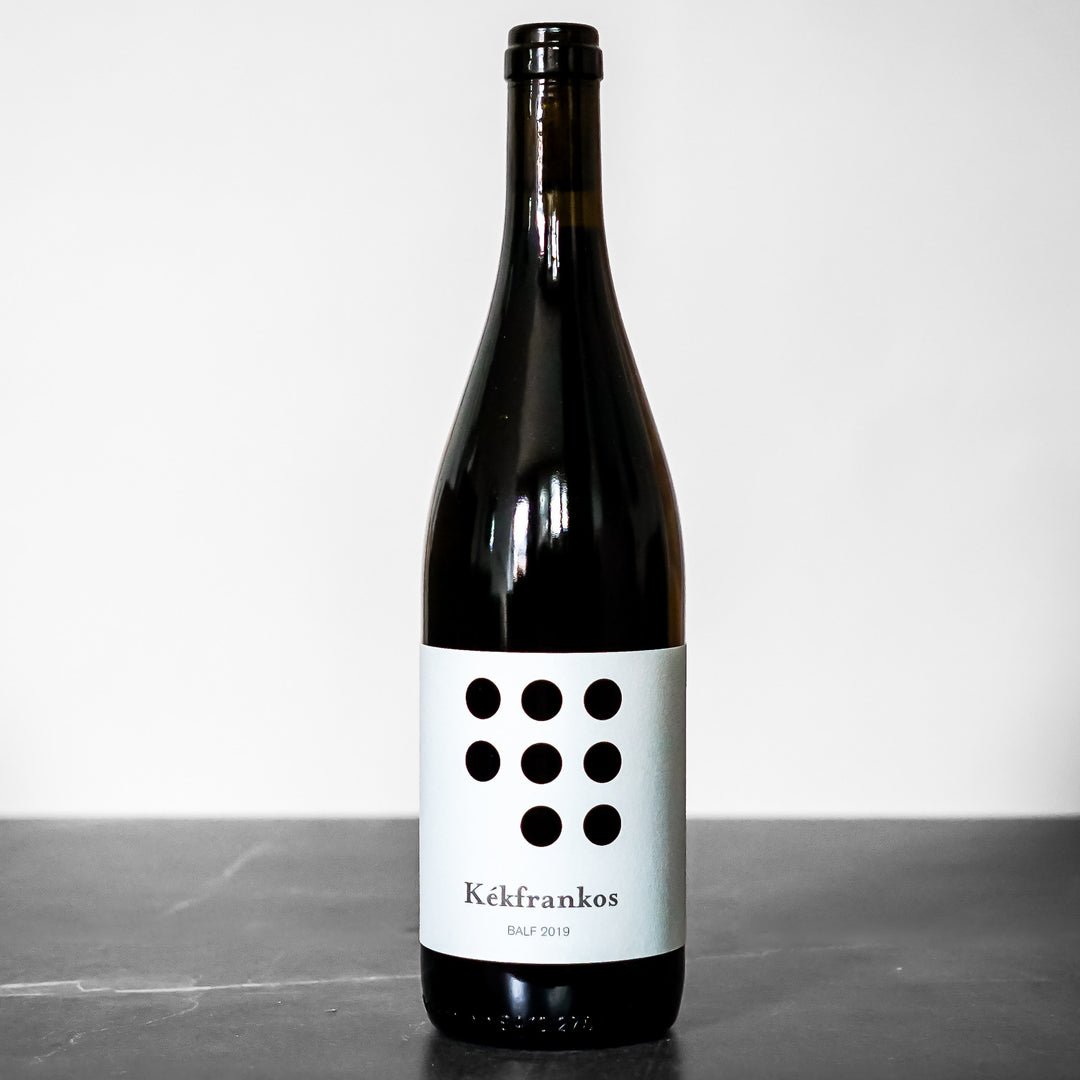
Kékfrankos, known across the border as Blaufränkisch, is the flagship red grape of Sopron. It is a variety that amplifies terroir signals clearly: on gravel, it produces lithe, high-toned structures; on clay-heavier soils, it tends toward density and grip. The Sopron appellation has long argued that its Kékfrankos can stand comparison with Burgenland's Blaufränkisch, and producers working at the prestige level, as Weninger's 2025 award categorises them, are the ones making that argument most coherently in bottle.
Western Hungary's wine tradition is not built on a single dramatic narrative the way Tokaj's is. It accumulates through repetition: vintages that reward patience, soils that resist flattening into a single style, and a cross-border conversation with Austrian viticulture that has been ongoing for generations. Weninger, positioned in Balf at the centre of that tradition, inherits and extends it.
Reading the 2025 Pearl 2 Star Prestige Award
Award tiers in the Pearl system designate relative position within a competitive field, and 2 Star Prestige in 2025 places Weninger above entry-tier recognition while remaining distinct from the top tier. For a region like Sopron, which is still consolidating its international reputation, a prestige-level designation carries extra weight as a trust signal for visitors who may not have prior knowledge of the regional hierarchy.
Babarczi Winery in Gyor, Béres Winery in Erdőbénye, and Bock Winery in Villány represent the spread of recognised producers across different Hungarian appellations. Weninger's award sits within that broader range of Hungarian winery recognition, though its Sopron address gives it a distinct regional identity that none of the Tokaj or southern producers share.
Abadía Retuerta in Sardón de Duero offers an instructive contrast in how estate producers in less-celebrated appellations can achieve prestige positioning through quality discipline rather than appellation fame. The logic at Sopron follows a similar trajectory.
Arriving in Balf
Balf is a small thermal spa village within the Sopron administrative area, most efficiently reached by driving south from Sopron town, which is itself accessible by direct rail from Vienna in under an hour. The address on Fő u. places the winery on the main street of the village, which means it is findable without navigation complexity once you are in Balf. Sopron's own old town and wine infrastructure are worth building into any visit, the town has its own dining scene and accommodation, making it a practical base for exploring the appellation rather than attempting Balf as a day trip from Budapest, which sits roughly 220 kilometres to the east and is a more substantial commitment.
Where Weninger Sits in the Hungarian Wine Conversation
Hungary's wine map has become more legible internationally over the past fifteen years, driven primarily by Tokaj's global reputation and by increasing export focus from Eger and Villány. Sopron remains the region that serious collectors encounter later, after working through the more publicised appellations. That sequencing is not a quality signal, it reflects marketing inertia more than wine merit. The proximity to Burgenland, the established cross-border winemaking dialogue, and the structural similarities to recognised Austrian wine country all argue for Sopron's quality credentials. Producers like Weninger, operating at the prestige recognition level, are the clearest evidence that those credentials are substantiated in bottle.
Aberlour in Aberlour, is not as lateral as it might seem: both represent category-respected producers in regions where the category itself (Speyside single malt, Sopron Kékfrankos) has a defined identity, and where prestige-tier recognition signals genuine quality differentiation within that category rather than anomalous outlier status.
For the wine traveller building a Hungarian itinerary that moves beyond Tokaj's established circuit, Sopron and specifically Balf represent the most coherent alternative argument. The terroir is distinct, the award recognition is current, and the region has enough critical mass of serious producers to support a dedicated visit rather than a passing detour.
Planning Your Visit
Balf sits approximately five kilometres from Sopron's centre, making a combined Sopron-Balf day viable for visitors based in the town. The rail connection from Vienna to Sopron makes the region accessible from Austria without requiring a car, though a vehicle expands options considerably within the appellation. As noted, advance contact with the winery is advisable given the absence of confirmed open hours in current records, estate visits at this quality tier typically require some prior arrangement.
Comparable Venues
Comparable venues nearby, for context on price, style, and recognition.
| Venue | Cuisine | Awards |
|---|---|---|
| Weninger WineryThis venue — the venue you are viewing | Balf, Blaufränkisch, Kékfrankos | 1 recognition |
| Gálné Dignisz Éva Winery | Winery | 1 recognition |
| Szőlőskert Pincészet (Mátra) | Winery | 1 recognition |
| Szeremley Estate | Badacsonytomaj, Kéknyelű, Budai Zöld | 1 recognition |
| Homola Pincészet | Paloznak, Olaszrizling, Kékfrankos | 1 recognition |
| Varga Pincészet | Badacsony, Olaszrizling, Kéknyelű | 1 recognition |
At a Glance
- Rustic
- Scenic
- Intimate
- Wine Education
- Solo Exploration
- Vineyard Tour
- Biodynamic
- Organic
- Vineyard
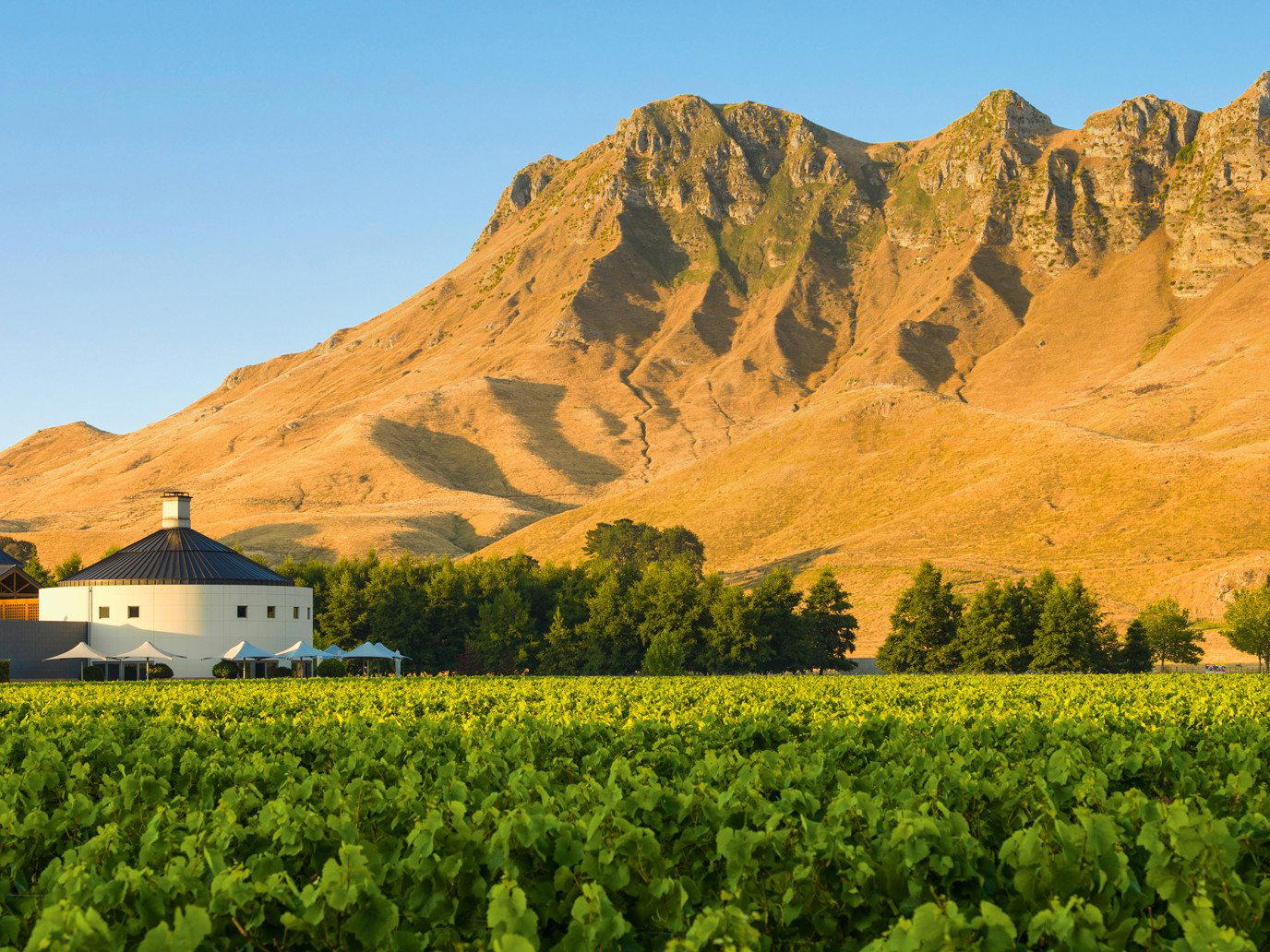
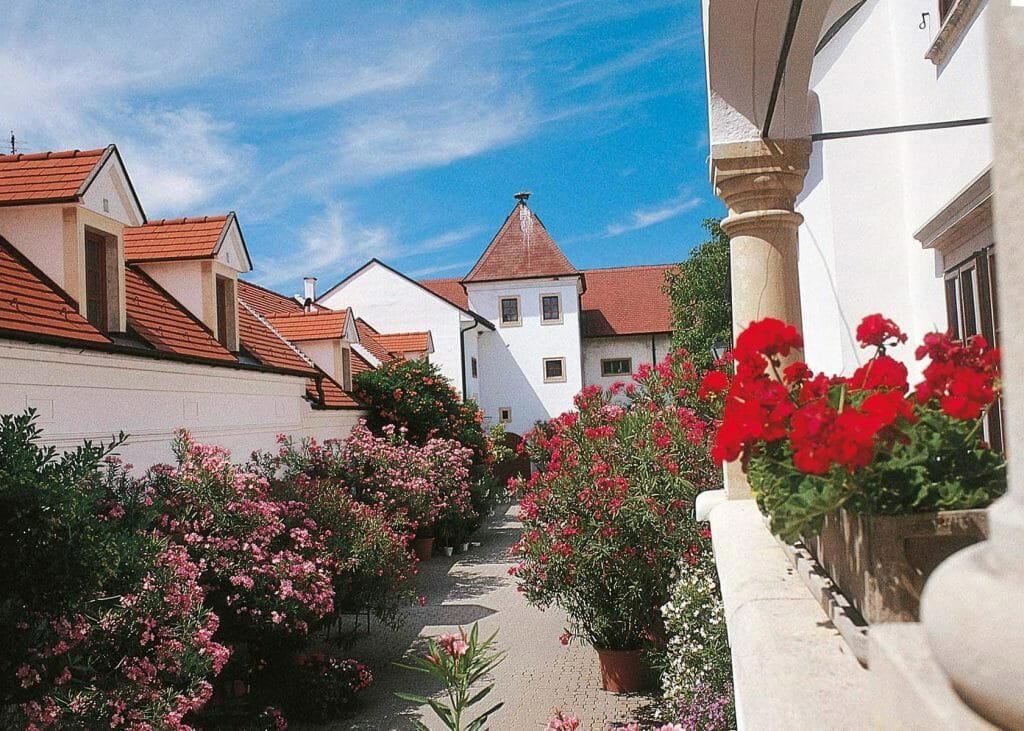
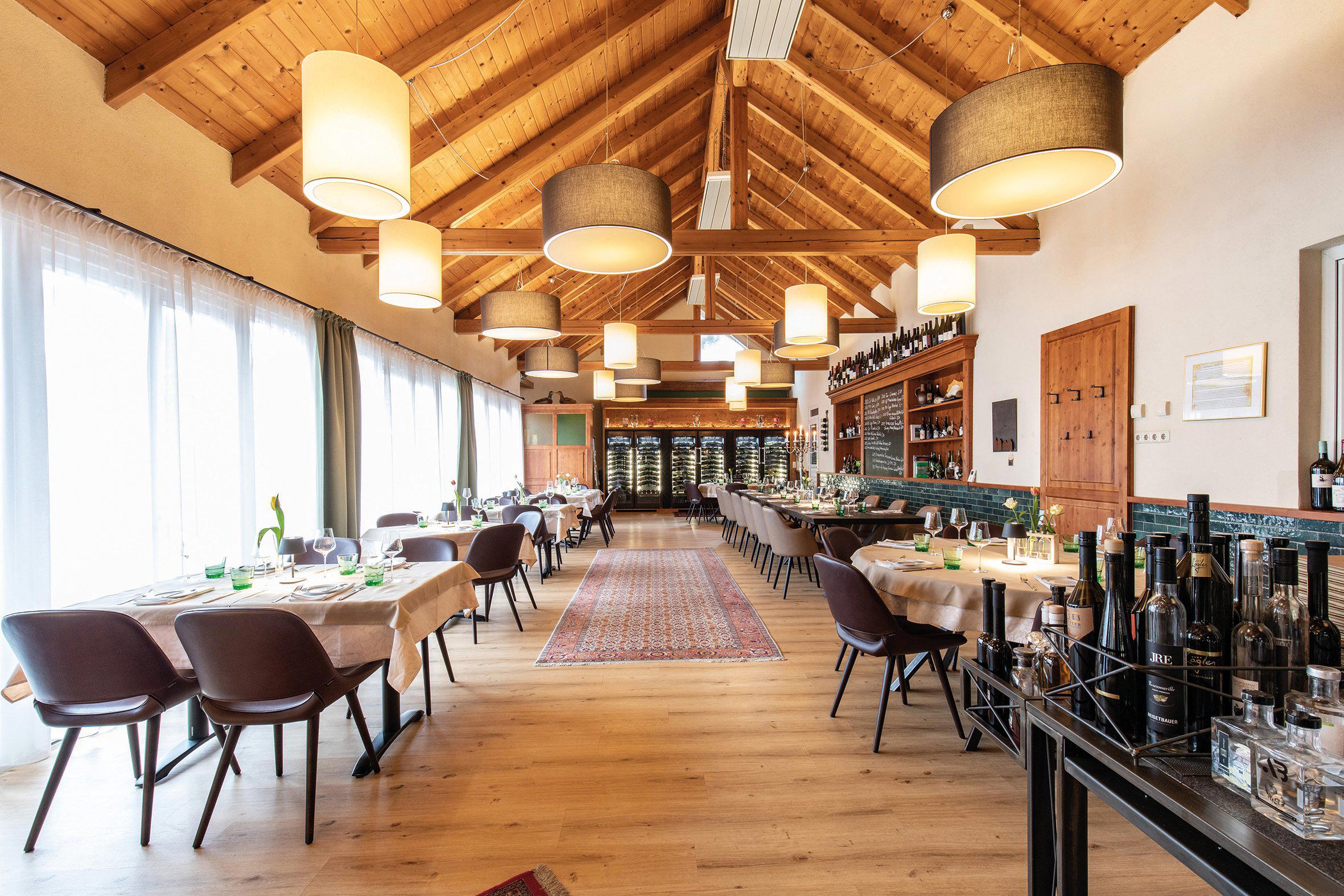
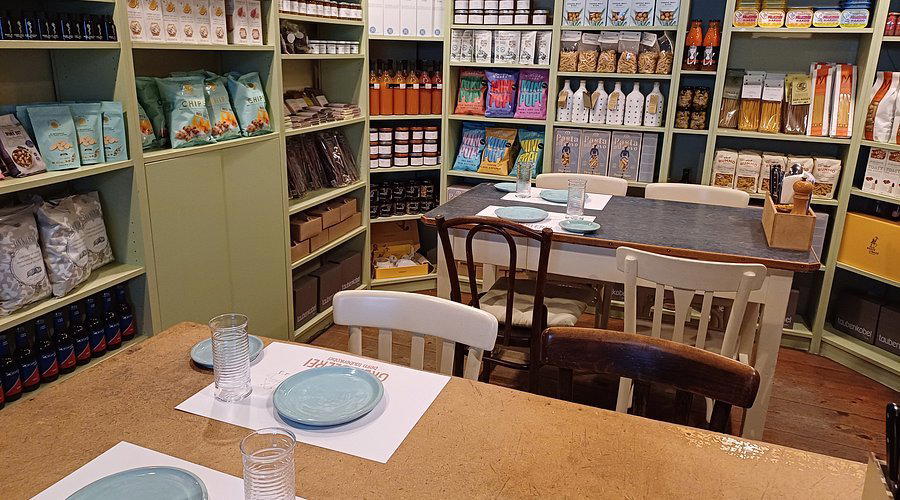
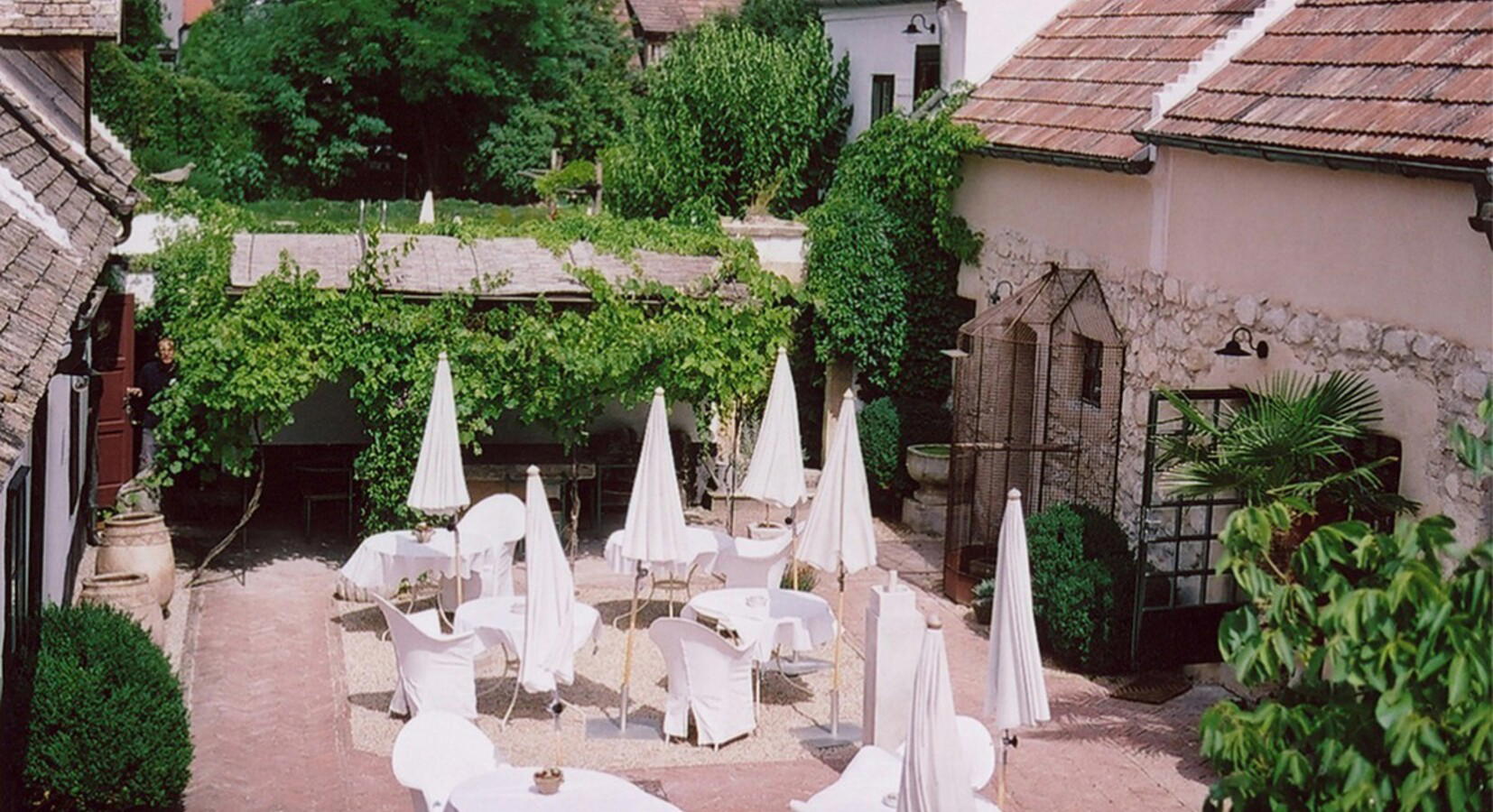
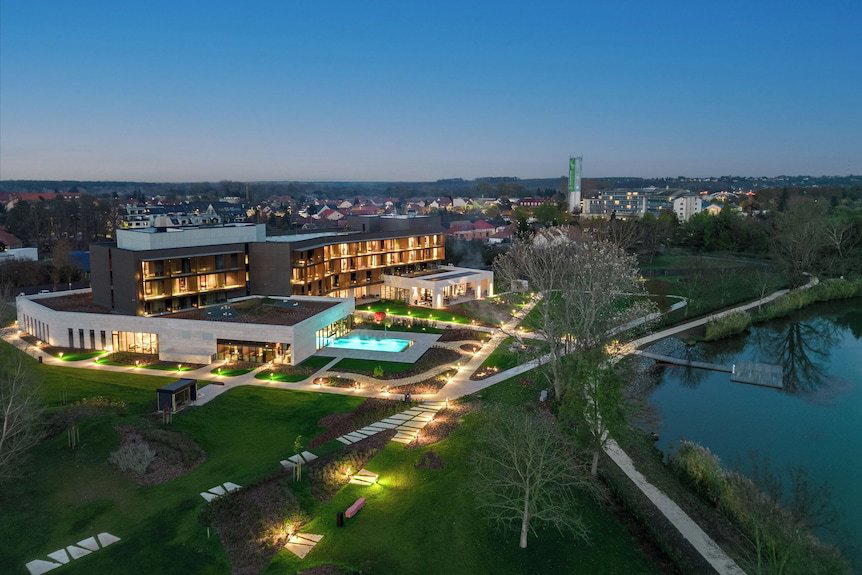
Rustic and natural with a focus on terroir-driven authenticity in a scenic hillside setting.