Béres Winery sits in Erdőbénye, one of Tokaj-Hegyalja's quieter villages, where the region's volcanic soils and long autumn growing season do most of the talking.. For those tracking where Hungarian wine is heading, Erdőbénye merits close attention.

Pearl is the En Primeur Club membership app — saves, bookings, and concierge access live there. Same editors, same standards.
- Address
- Erdőbénye, 085 18 hrsz, 3932
- Phone
- +36 47 536 000
- Website
- berestokaj.hu
- Directions
- Get directions
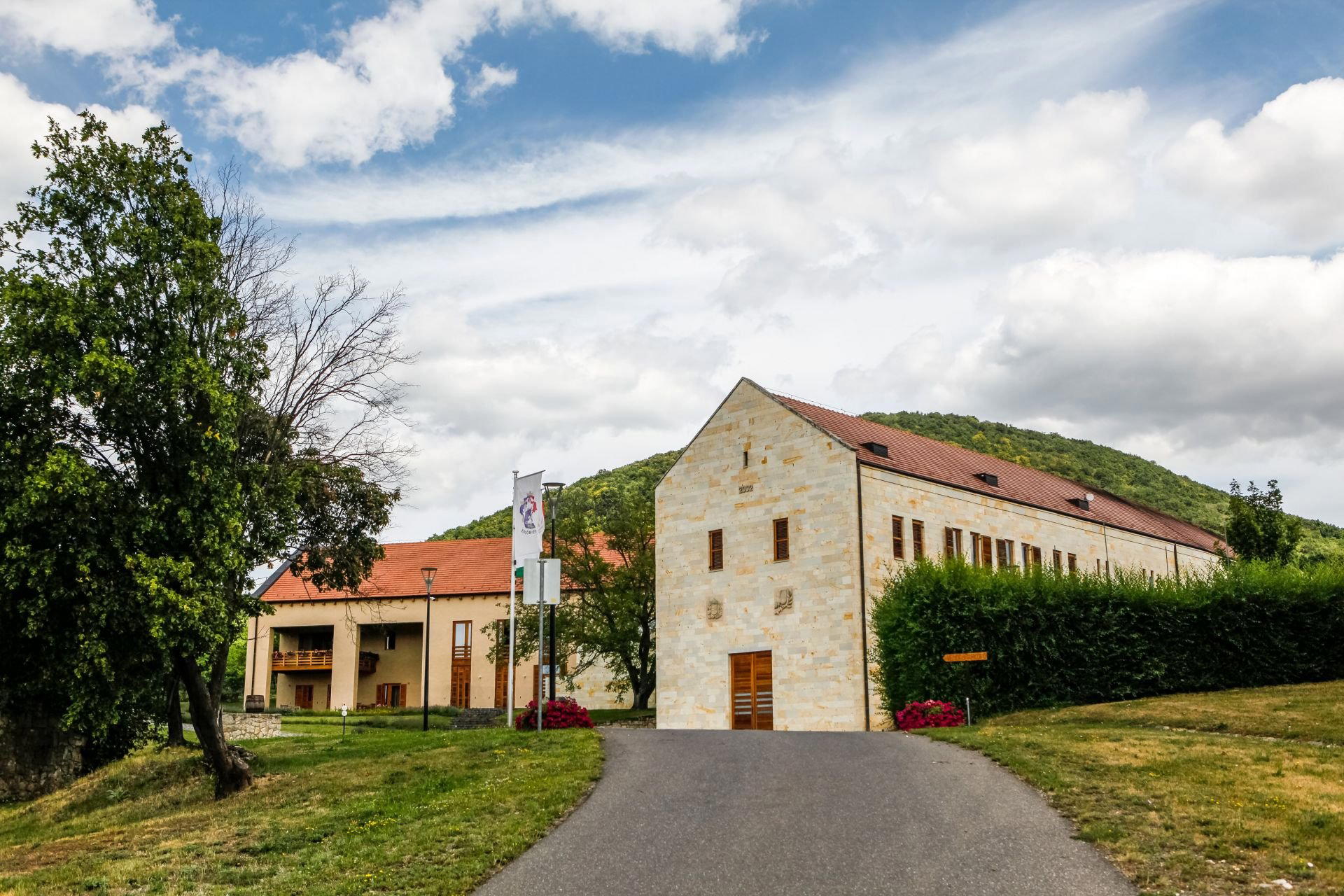
Erdőbénye and the Geology Beneath the Glass
The Tokaj-Hegyalja wine region stretches across northeastern Hungary along a ridge of ancient volcanic hills, and not all of its villages carry equal weight. Erdőbénye sits toward the western edge of the appellation, its vineyards shaped by rhyolite tuff and a microclimate that accumulates heat differently from the more commercially familiar Tokaj town itself. The volcanic substrate here drains fast, stresses the vine, and concentrates flavour in ways that clay-heavy soils elsewhere in Central Europe simply cannot replicate. For a winery rooted in this specific patch of ground, the terroir argument is not marketing language — it is the actual explanation for why the wines taste the way they do.
That credential matters here not as a trophy, but as a signal: the wines are being assessed against an international benchmark, not just a domestic one. In a region that spent decades in relative obscurity following the privatisation of state-owned vineyards after 1989, standing at that level requires consistent work across multiple vintages and wine styles.
The Village as Context
Erdőbénye does not draw the visitor numbers that Tokaj town attracts, and that gap is instructive. The larger settlement functions as a regional hub with cellar tourism infrastructure built for volume. Erdőbénye is quieter, less signposted, and requires deliberate intent to reach — which filters the audience toward those who arrived specifically for the wine rather than the surrounding tourist architecture. That self-selecting dynamic tends to produce more focused visits and more direct engagement with the producer.
The address places the winery on the edge of the village rather than inside it, with vineyard access that reflects how Tokaj-Hegyalja properties typically operate: the cellar and the vine are close, not separated by logistics. Across the appellation, the producers who have drawn international attention in recent years share this physical immediacy, the wine and the land that made it are visible from the same courtyard. For context on how this compares across the region's geography, our full Erdőbénye restaurants and producers guide maps the village's position within the wider Tokaj picture.
Where Béres Sits in the Tokaj Tier
Tokaj-Hegyalja's serious producer tier is not especially large. The appellation has a defined hierarchy that runs from cooperative-level volume production through to single-vineyard, extended-maceration, and botrytised sweet wine specialists. Béres occupies a position where quality credentials have been formally recognised, which places it in conversation with a specific set of peers rather than the broader commercial category.
Among the estates that EP Club tracks in the region, Disznókő in Mezőzombor and Royal Tokaji in Mád represent the larger, internationally distributed end of the Tokaj quality conversation. Tokaj Hétszőlő and Tokaj Oremus in Tolcsva operate with significant investment and broad export reach. Béres, based in a less-trafficked village, occupies a different position within that tier, smaller in profile, more tightly connected to its specific ground. Árvay Winery in Rátka offers a comparable case study of a serious Tokaj producer working from a quieter village base.
Hungarian wine beyond Tokaj has its own geography of ambition. Bock Winery in Villány, Bodri Winery in Szekszárd, and Bolyki Winery in Eger are building cases for their own appellations' seriousness. What Tokaj has that none of those regions can replicate is the Aszú tradition, the centuries-old method of harvesting individually selected botrytised berries to produce sweet wines of documented longevity. Béres operates within that tradition and is assessed against it.
Terroir as the Organising Principle
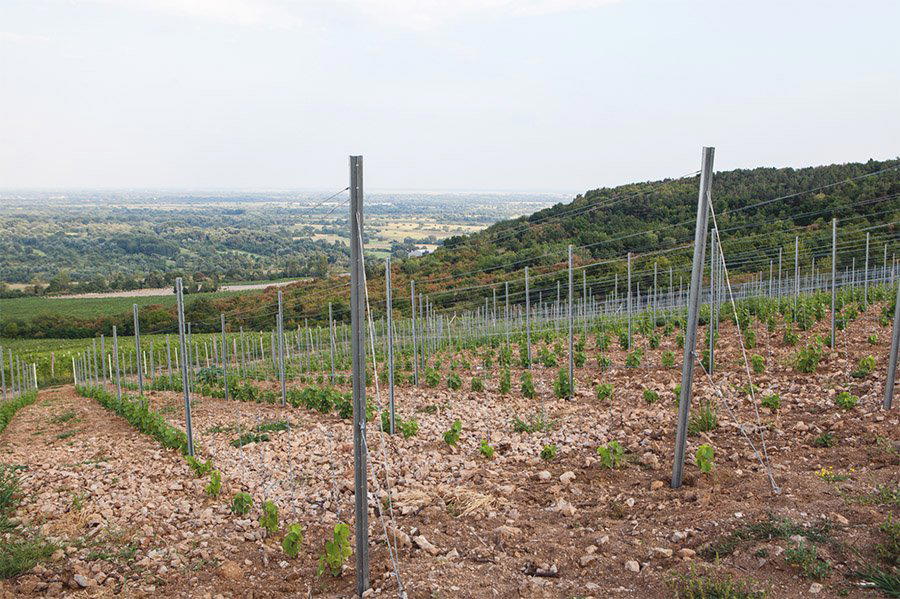
Rhyolite tuff, the dominant soil type around Erdőbénye, holds water poorly and forces vine roots to extend deep. That vertical root development is one of the mechanisms through which mineral complexity finds its way into the wine, the vine is, in effect, sampling geology at multiple depths rather than sitting in a narrow topsoil band. The result, across producers who work this ground with care, is a distinct texture in dry wines and a counterbalancing freshness in sweet ones that prevents the richness of botrytised fruit from collapsing into simple sugar.
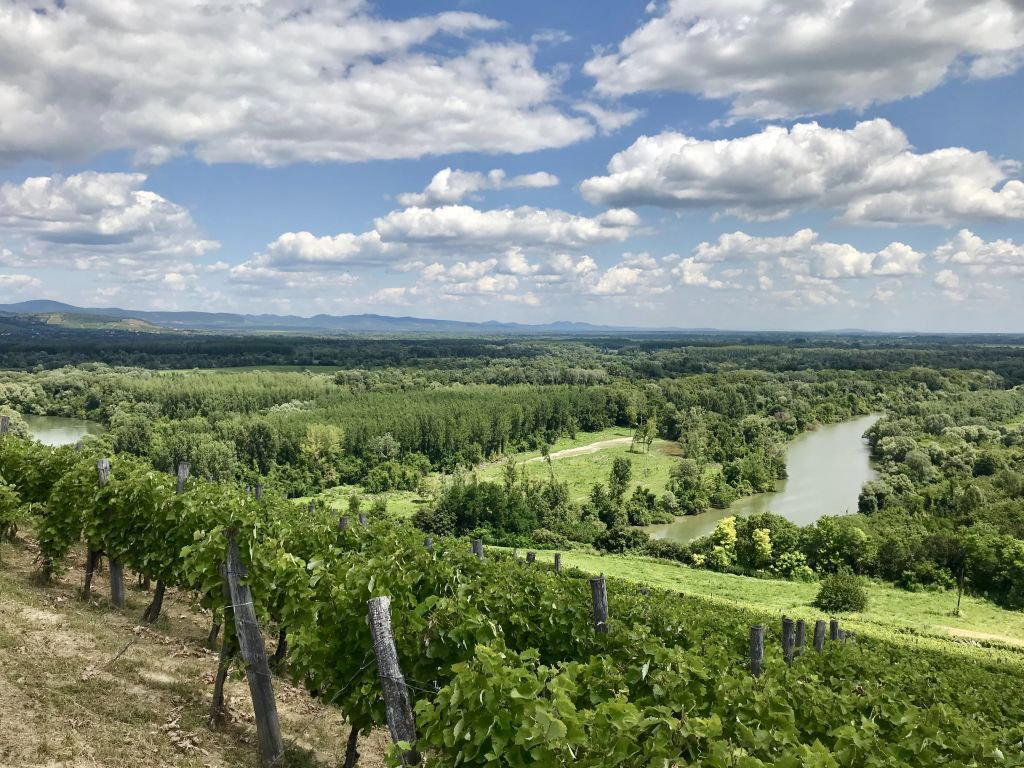
The microclimate of this part of Tokaj-Hegyalja also matters: morning mists from the Bodrog and Tisza rivers encourage the development of Botrytis cinerea in autumn, while afternoon sun dries the grapes and prevents rot from spreading beyond the desirable point. This climatic mechanism is the physical basis of Aszú production, and it cannot be engineered or replicated outside the specific geography. Wineries positioned in villages where that mist-and-sun pattern operates consistently are, in a literal sense, working with a natural asset that producers in other parts of Hungary do not have access to.
Planning a Visit to Erdőbénye
Erdőbénye is a deliberate destination rather than a passing stop. The village sits roughly equidistant from Miskolc to the west and the Tokaj town cluster to the east, accessible by road through the Zemplén hills. Autumn is the period when the vineyards are most active and the harvest dynamic gives visits an additional layer of context, though the cellar is the primary draw in any season. Because the venue data does not include confirmed booking channels or current visiting hours, contacting the winery directly before travel is advisable, a pattern that applies across most small Tokaj producers, where arrangements tend to be handled personally rather than through centralised platforms.
For those building a broader Hungarian wine itinerary, producers in other regions offer instructive comparisons: Carpinus Winery in Bodrogkisfalud and Château Dereszla in Bodrogkeresztúr are both within the Tokaj-Hegyalja appellation and could anchor a multi-stop visit. Further afield, Bussay Pince in Csörnyeföld and Babarczi Winery in Gyor illustrate how Hungarian wine production spreads geographically. For international comparison of prestige-tier producers with similar award positioning, Accendo Cellars in St.
Comparable Venues
Comparable venues nearby, for context on price, style, and recognition.
| Venue | Cuisine | Price | Awards | Notes |
|---|---|---|---|---|
| Béres WineryThis venue — the venue you are viewing | Furmint, Hárslevelű | Not listed | Not listed | Not listed |
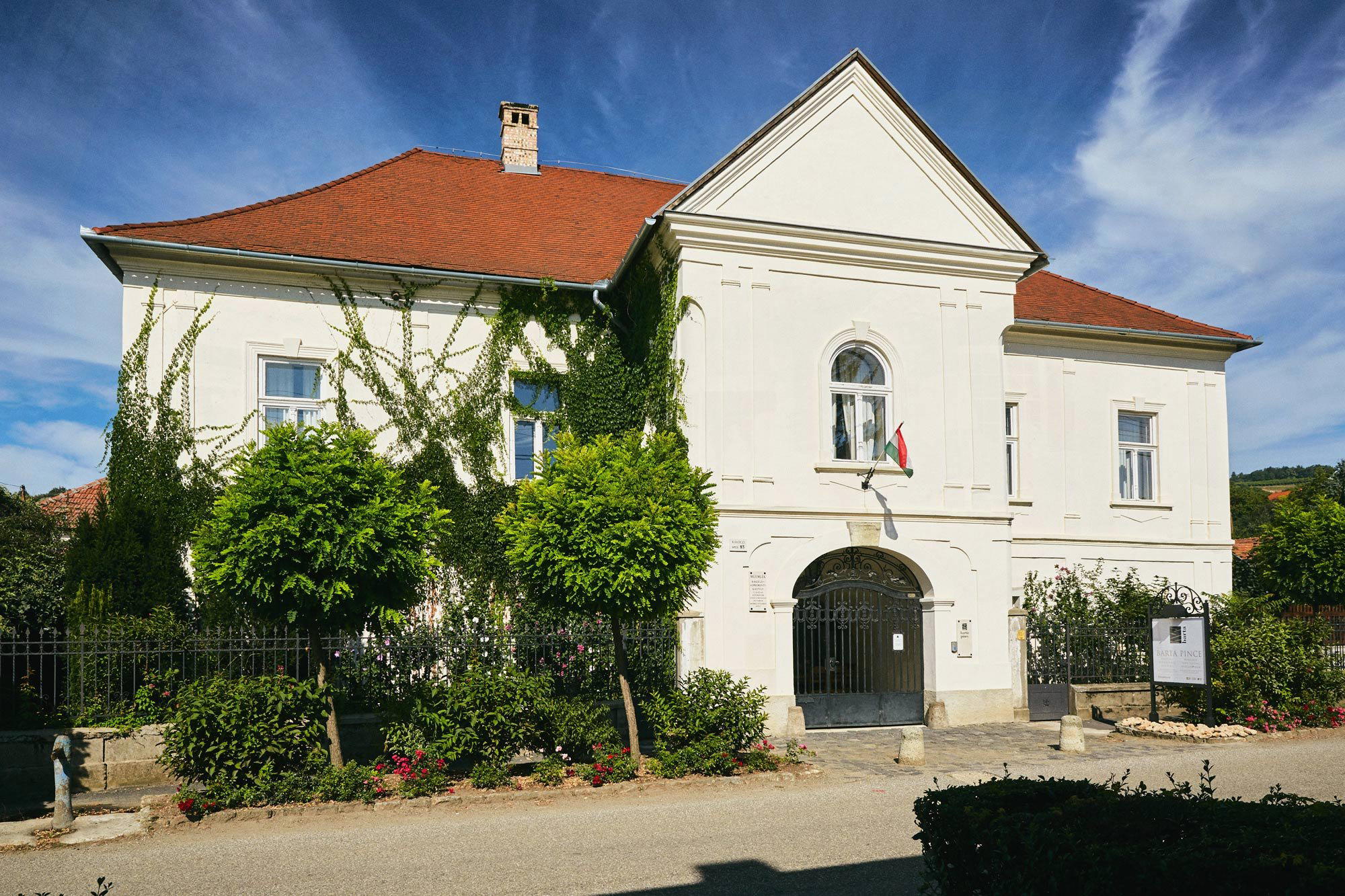
| Barta Pince | Furmint, Hárslevelű | $50–100 | Falstaff Winery - Listed | Mád |
| Patricius Winery | Furmint, Hárslevelű | Not listed | Not listed | Bodrogkisfalud |
| Királyudvar | Furmint, Hárslevelű | Not listed | Falstaff Winery - Listed | Tarcal |
| Szőlőskert Pincészet (Mátra) | Winery | Not listed | Not listed | Gyöngyös |
| Grand Tokaj | Furmint, Hárslevelű | Not listed | Not listed | Tolcsva |
Continue exploring
More in Erdőbénye
Wineries in Erdőbénye
Browse all →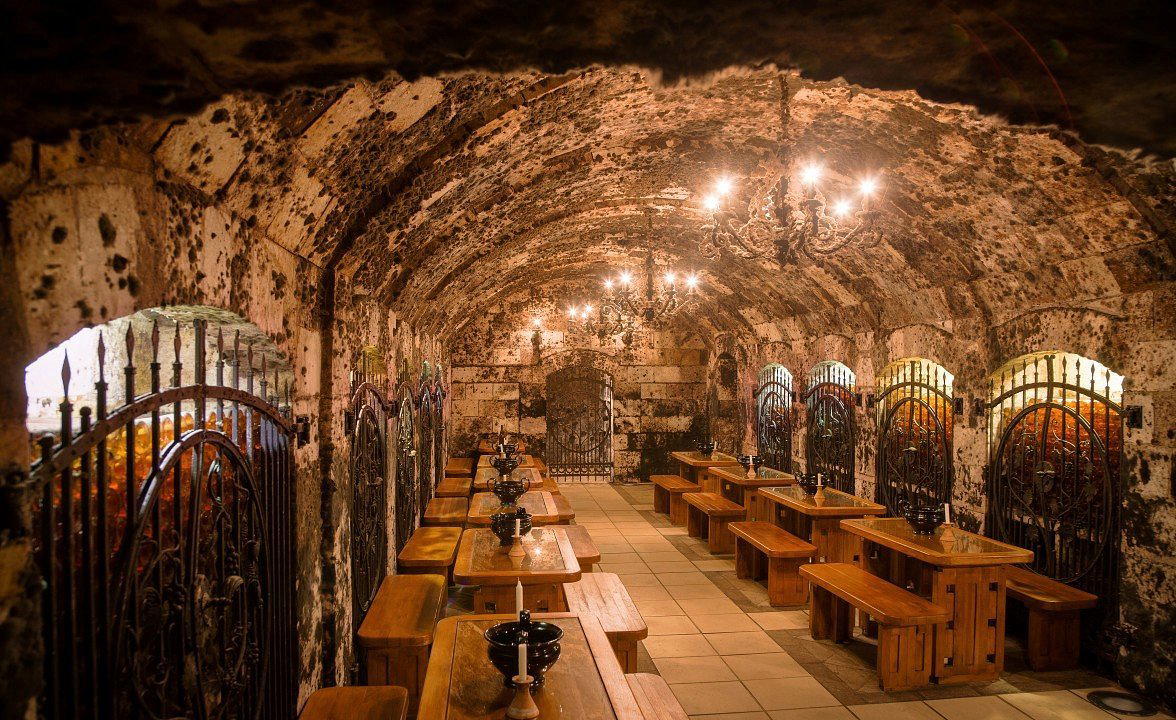
Bars in Erdőbénye
Browse all →
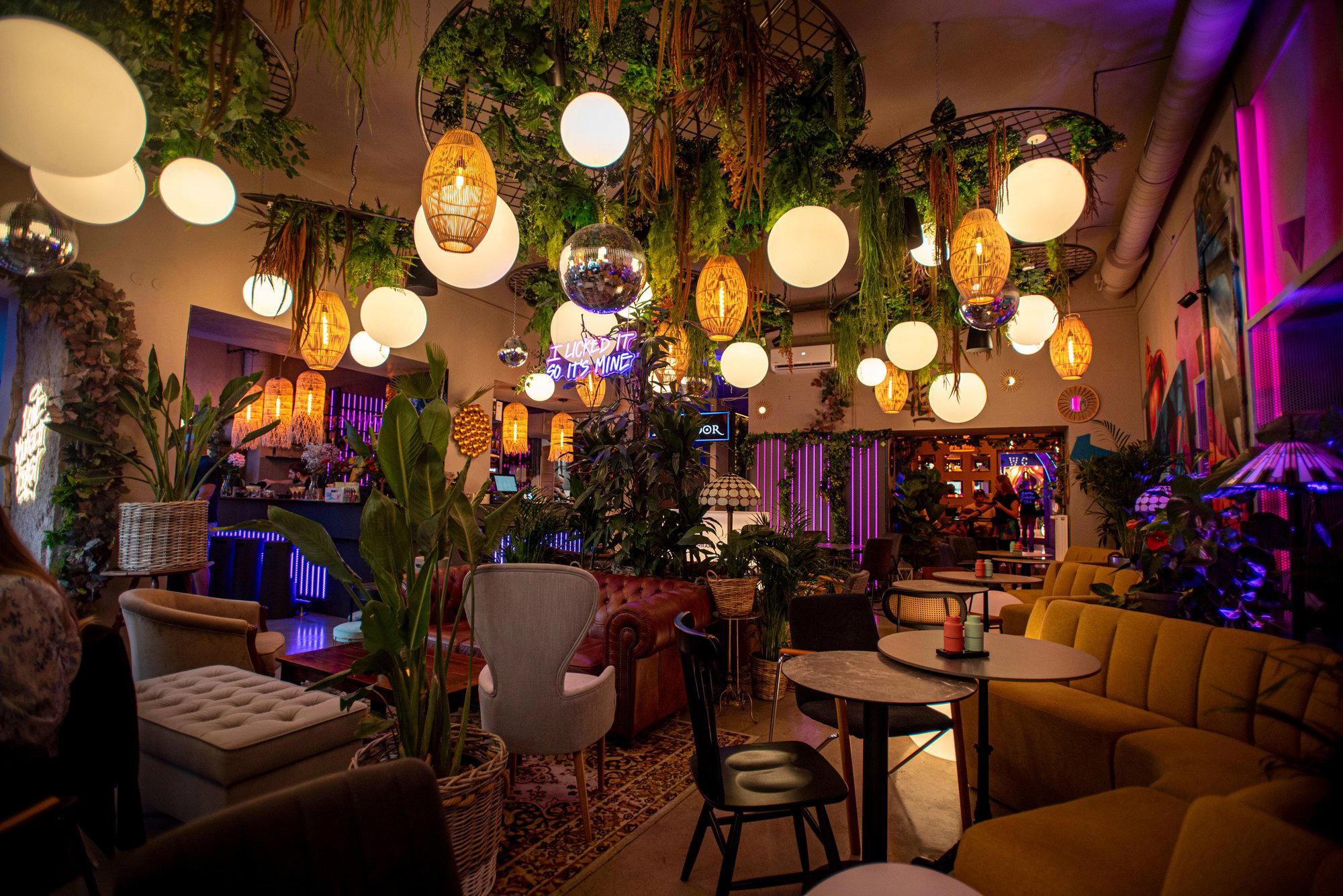
Restaurants in Erdőbénye
Browse all →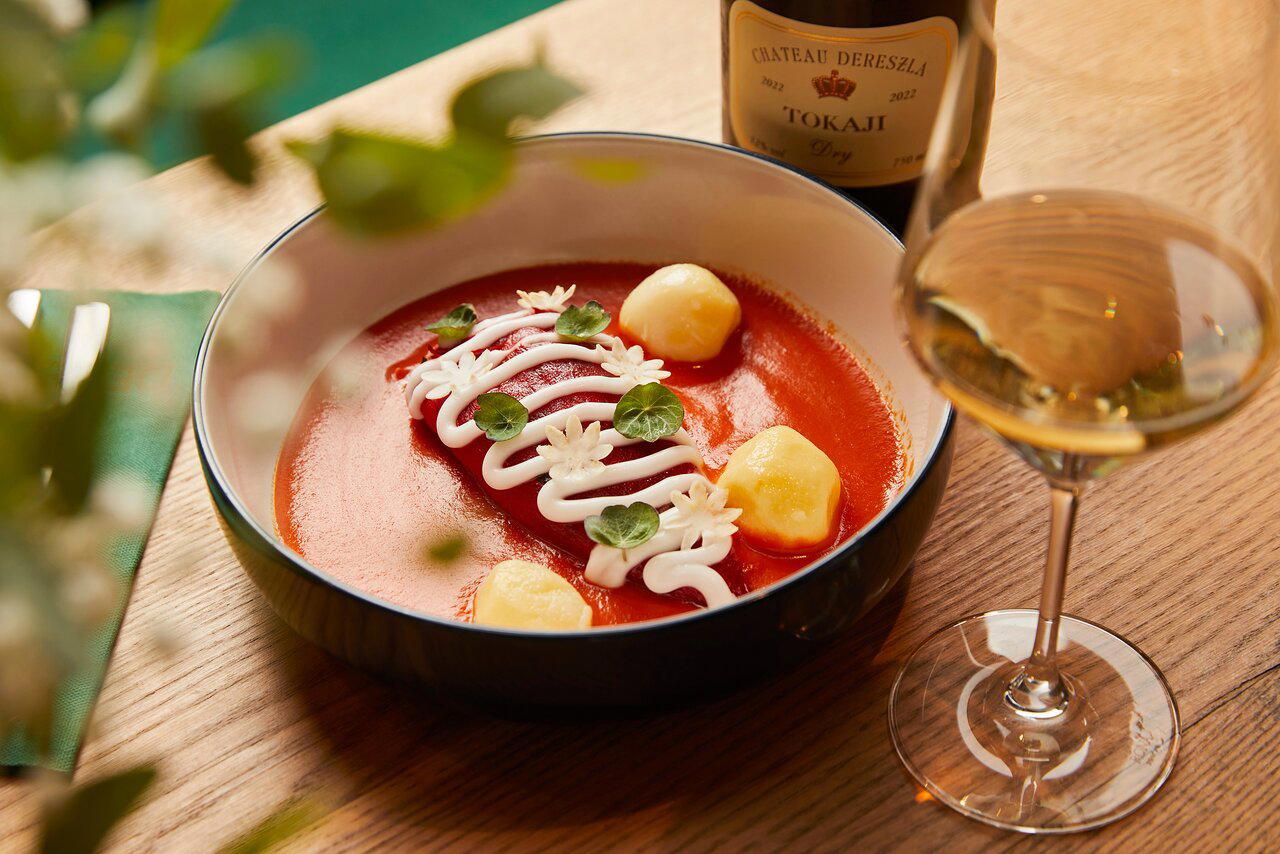
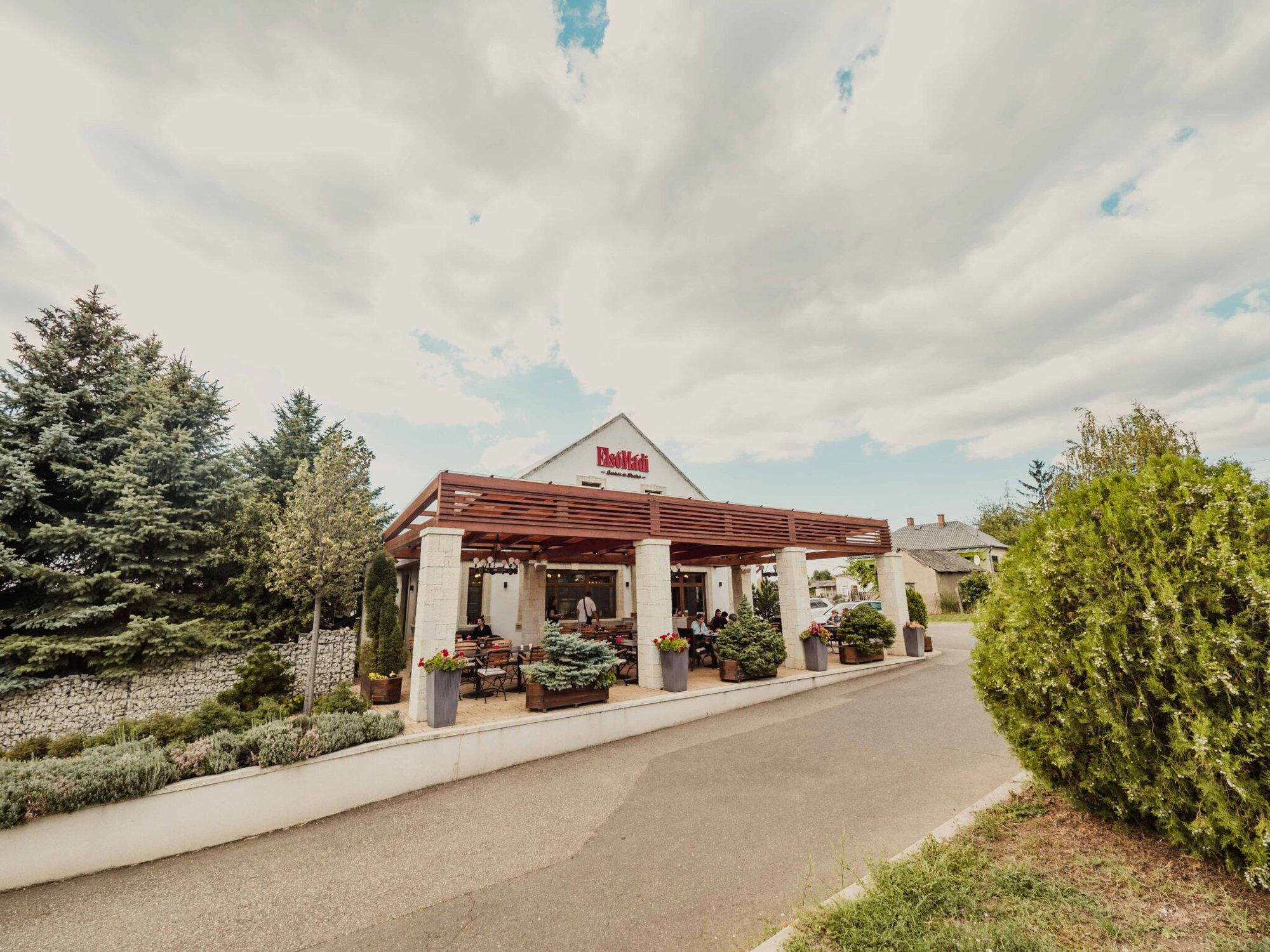
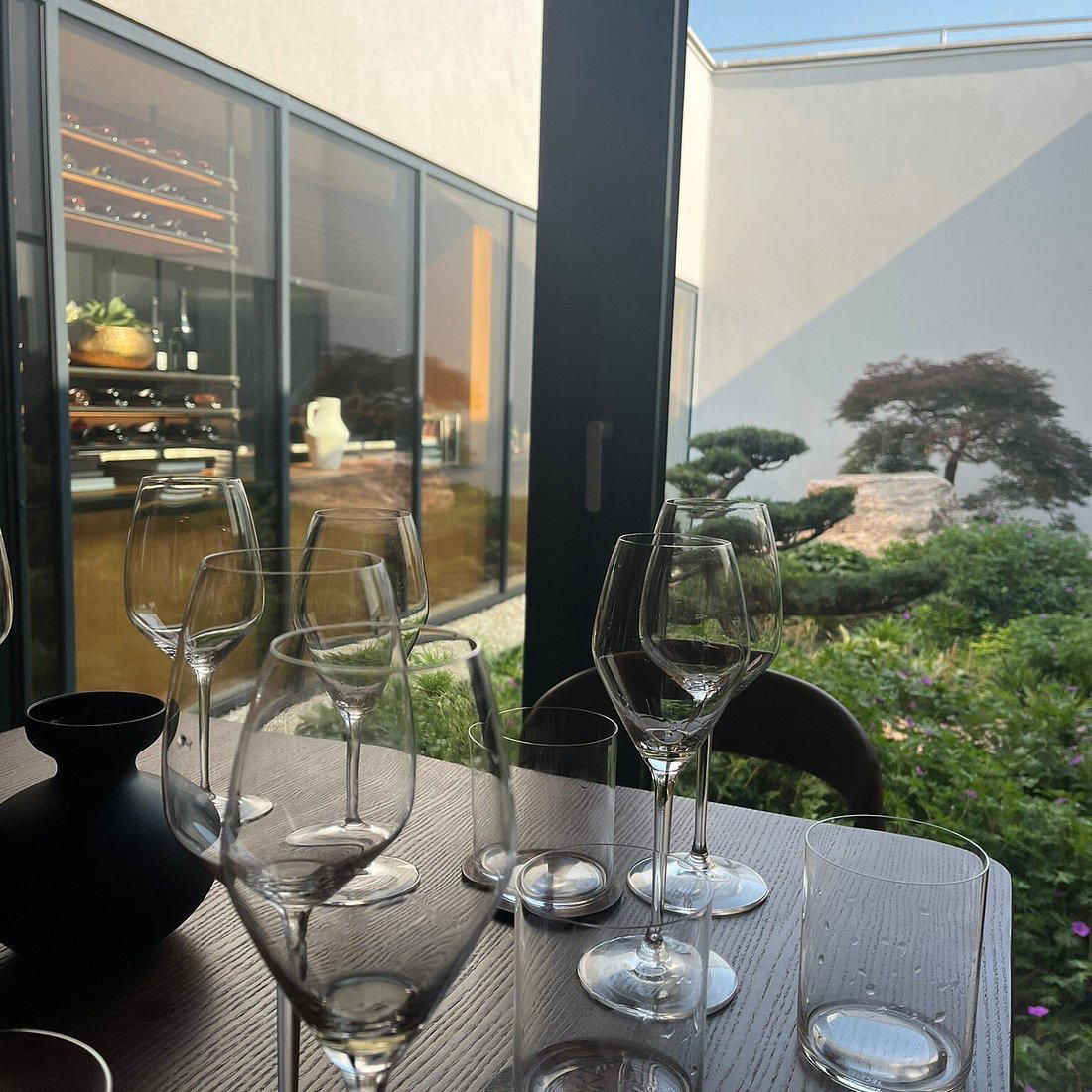
Hotels in Erdőbénye
Browse all →
Details
- Scenic
- Elegant
- Rustic
- Classic
- Wine Education
- Special Occasion
- Vineyard Tour
- Estate Grounds
- Historic Building
- Vineyard
- Mountain
- Furmint
- Hárslevelű
- Sárgamuskotály
- Zéta
- Kövérszőlő
- Still White
- Sparkling
- Dessert
- Guided Tasting
- Wine Tasting
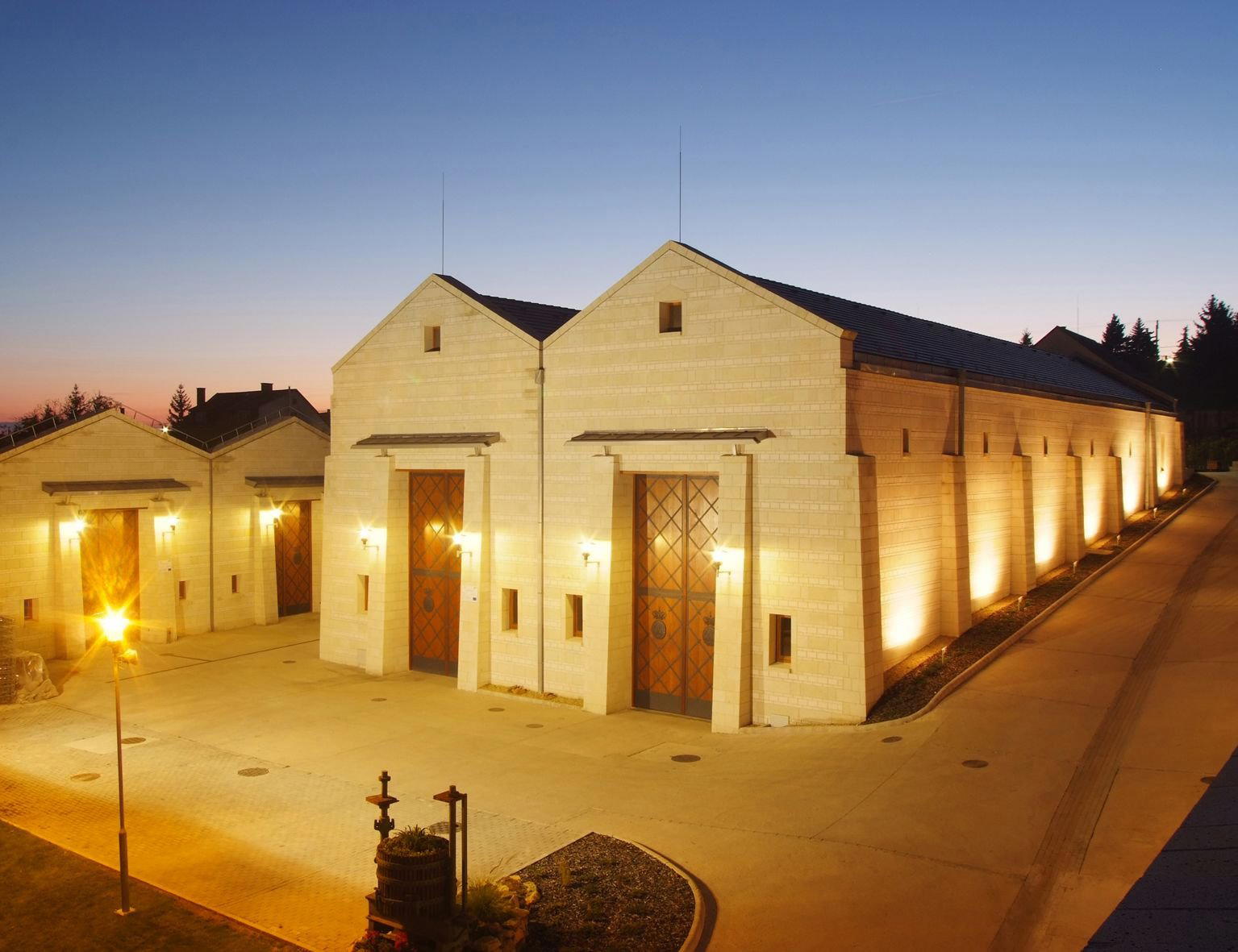
Beautifully executed buildings in a scenic vineyard setting with historic elements like cellars and chapels, offering an elegant and refined atmosphere.