
Falstaff Winery - Listed
Tokaj Oremus sits in Tolcsva at the heart of Hungary's most storied wine region. The estate is a reference point for Tokaji Aszú and the broader tradition of botrytis-influenced wines that made the Tokaj-Hegyalja region a UNESCO World Heritage site. Visiting requires planning, but the context alone — ancient volcanic soils, centuries-old wine law, a village that predates most European appellations — justifies the journey.

Pearl is the En Primeur Club membership app — saves, bookings, and concierge access live there. Same editors, same standards.
- Address
- Tolcsva, Arany János u. hrsz. 31/3, 3934
- Phone
- +36 20 251 2240
- Website
- oremustokaj.com
- Directions
- Get directions
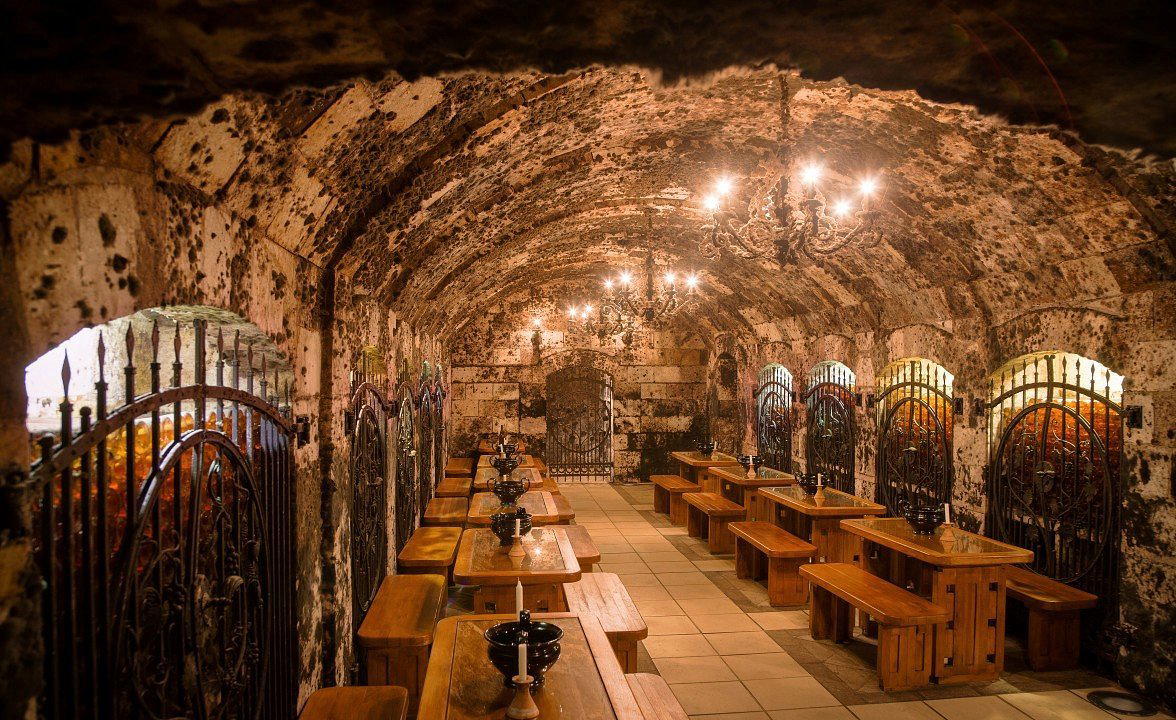
Where the Tokaj-Hegyalja Tradition Concentrates
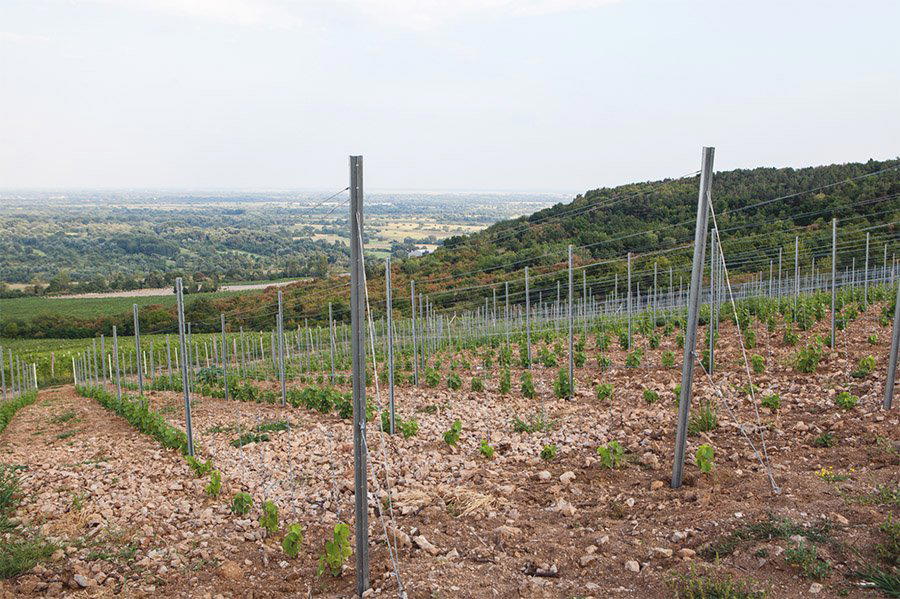
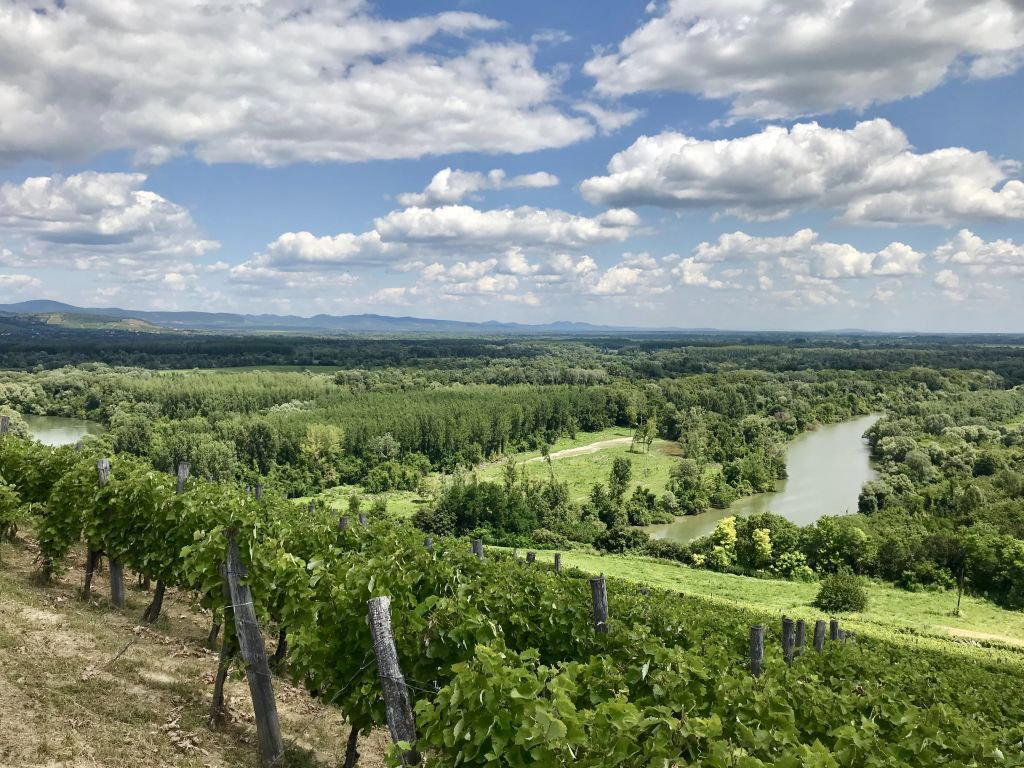
The village of Tolcsva sits in a fold of the Zemplén hills, far enough from the main Tokaj tourist circuit that arriving here feels less like following a trail and more like finding a thread. The volcanic loess slopes that surround the settlement are among the most analytically discussed soils in European viticulture: rhyolite tuff, andesite, and nyirok clay that together produce a mineral tension in Furmint that no amount of winemaking technique can replicate elsewhere.
For any serious engagement with Hungarian wine, the Tokaj-Hegyalja appellation is the starting point. It was codified by royal decree in 1737 — one of the earliest formally delimited wine regions in the world — and its production rules for Aszú, Szamorodni, and Eszencia remain among the most technically specific in any appellation globally. Oremus operates within that framework, on terroir that has been in documented continuous production across political and economic upheaval that reshaped the rest of Central European viticulture. That continuity is the editorial fact that matters here: the wines carry institutional weight that goes beyond any individual vintage.
Furmint, Botrytis, and the Logic of Aszú
The editorial angle on any Tokaj estate worth attention runs through Furmint, the region's anchor variety. Elsewhere in Central Europe, aromatic whites, Riesling along the Danube tributaries, Grüner Veltliner across the border, dominate critical conversation. Tokaj operates on different terms. Furmint's naturally high acidity and thin skin make it susceptible to Botrytis cinerea in the right autumn conditions, and it is that susceptibility, managed, observed, and harvested by hand in multiple passes through the vineyard, that makes Aszú production one of the most labour-intensive processes in any wine category worldwide.
The Puttonyos scale that historically graded Aszú sweetness has been simplified in recent EU-aligned regulation to a single minimum residual sugar threshold, but the underlying logic of the wine remains unchanged: botrytised berries picked individually, macerated in base wine or must, pressed, and then aged in the region's characteristic underground cellars where Cladosporium cellare mould moderates humidity and temperature. The resulting wines age on a trajectory closer to Sauternes or Beerenauslese than to any dry white category, but with an acidity that keeps them fresh across decades.
The Tolcsva Position Within the Appellation
Within the Tokaj-Hegyalja's 27 classified villages, Tolcsva is not the most visited but it is among the most agriculturally significant. The classification hierarchy established over centuries identifies first-class and second-class vineyard sites (dűlők) based on aspect, soil depth, and microclimate. Tolcsva holds several historically ranked vineyards, and the address of Tokaj Oremus, Arany János utca, places it inside the working village rather than on a showpiece tourist approach road, which tells you something about the orientation of the estate.
Tolcsva's position in the appellation means it is often treated as a secondary stop relative to the town of Tokaj itself or the more heavily marketed village of Mád. That is a misreading of the geography. The Zemplén hills protect Tolcsva from cold northern air, and the exposure of its key vineyard slopes produces the late-autumn fog conditions that trigger and sustain noble rot in a way that not every village in the appellation can reliably claim. For visitors serious about understanding how terroir variations operate across the Tokaj-Hegyalja, Tolcsva and its producers are a necessary reference point alongside Grand Tokaj, its neighbouring estate in the same village.
Visiting Oremus: Practical Orientation
Tokaj Oremus is based at Arany János u. hrsz. 31/3 in Tolcsva. Planning ahead by several weeks is a sensible baseline for the peak autumn season, when harvest activity and visiting interest both concentrate between September and November. Spring visits, from April through early June, offer quieter access and the chance to taste wines from the most recent declared vintage.
Tolcsva is accessible by road from Budapest in approximately two and a half hours, and from the city of Miskolc in under an hour. The broader Tolcsva wine scene rewards a stay of at least two days to cross-reference the area's different estates and vineyard classifications meaningfully. Accommodation options in the village are limited, so most visitors base themselves in Tokaj town or Sárospatak and travel to appointments within the appellation day by day.
Understanding where Oremus sits requires some sense of how the Tokaj-Hegyalja's recognised producers distribute across the quality and style spectrum. At one end, there are large cooperative and commercial operations producing accessible, correctly made wines for export at moderate price points. At the other, a cluster of estate producers, including Oremus, Árvay Winery in Rátka, and Carpinus Winery in Bodrogkisfalud, work with classified vineyard sites and manage their own cellar infrastructure in ways that connect production directly to terroir origin.
That recognition operates as a signal of consistency across vintages and formats rather than as validation of a single standout wine. For the wine traveller who has already visited the better-known stops on the Tokaj circuit, Oremus and Tolcsva represent a logical extension into the appellation's less-trafficked but equally serious geography. Those building a broader picture of Hungarian wine, one that might also include Béres Winery in Erdőbénye, Bolyki Winery in Eger, Bock Winery in Villány, Bodri Winery in Szekszárd, Babarczi Winery in Gyor, or Bussay Pince in Csörnyeföld, will find that Tokaj remains the appellation against which all others are implicitly measured. For context beyond Hungary, the approach to site-specific sweet wine production at Oremus finds distant analogues in producers like Aberlour in Aberlour and Accendo Cellars in St. Helena, both of which work within tightly defined geographical identities where provenance is the primary argument.
Pricing, Compared
Comparable venues nearby, for context on price, style, and recognition.
| Venue | Cuisine | Price | Awards |
|---|---|---|---|
| Tokaj OremusThis venue — the venue you are viewing | Tolcsva, Furmint, Hárslevelű | $20–30 | Falstaff Winery - Listed |
| Grand Tokaj | Tolcsva, Furmint, Hárslevelű | Not listed | Not listed |
| Királyudvar | Tarcal, Furmint, Hárslevelű | Not listed | Falstaff Winery - Listed |
| Tokaj Nobilis | Bodrogkeresztúr, Furmint, Hárslevelű | Not listed | Not listed |
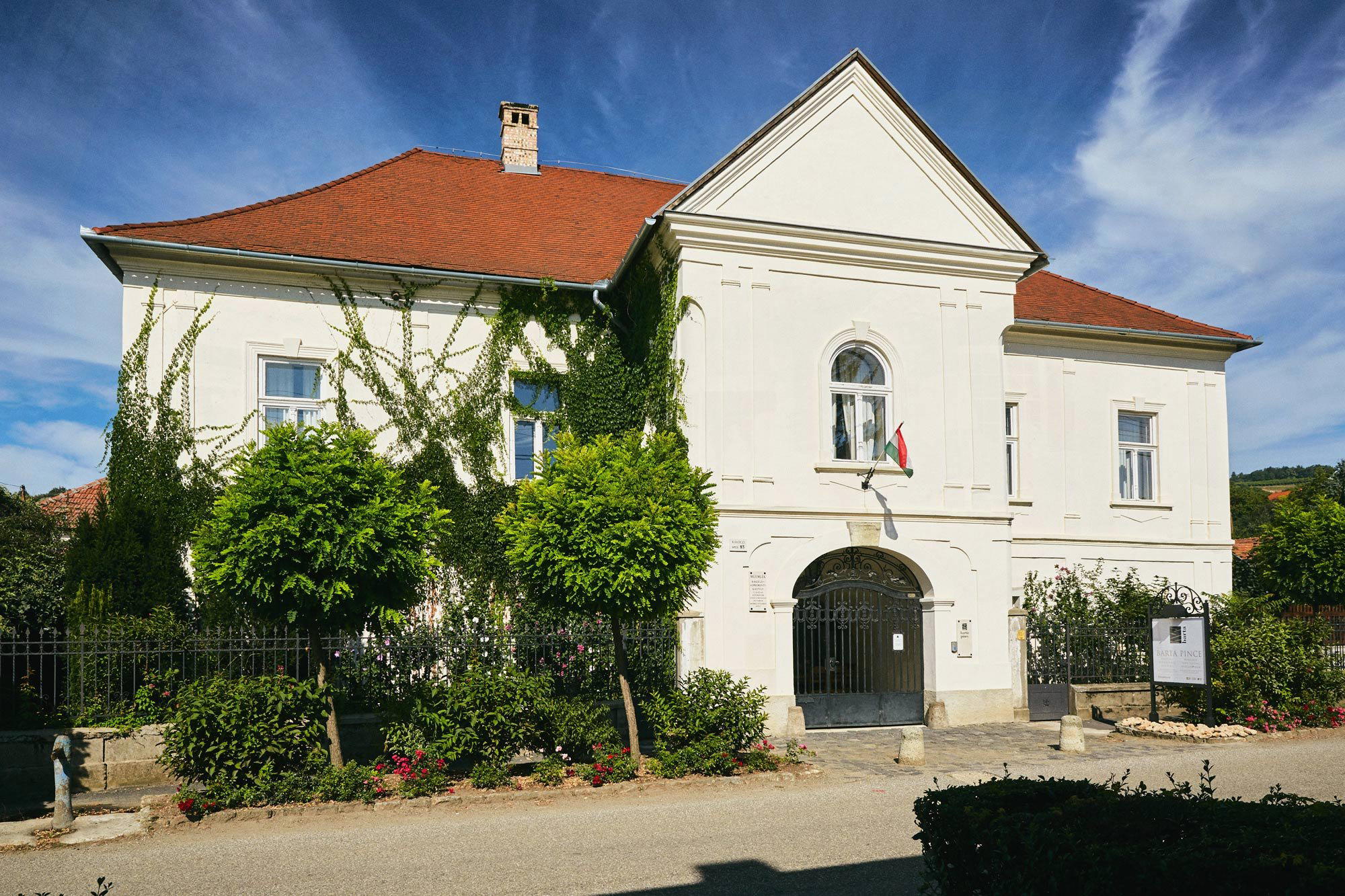
| Barta Pince | Mád, Furmint, Hárslevelű | $50–100 | Falstaff Winery - Listed |
| Pendits Winery | Abaújszántó, Furmint, Muscat Blanc | Not listed | Falstaff Winery - Listed |
Recognition history
Dated appearances from independent guides and award organizations, with the underlying list record or original source where available.
Falstaff Winery - Listed
Falstaff
Continue exploring
More in Tolcsva
Wineries in Tolcsva
Browse all →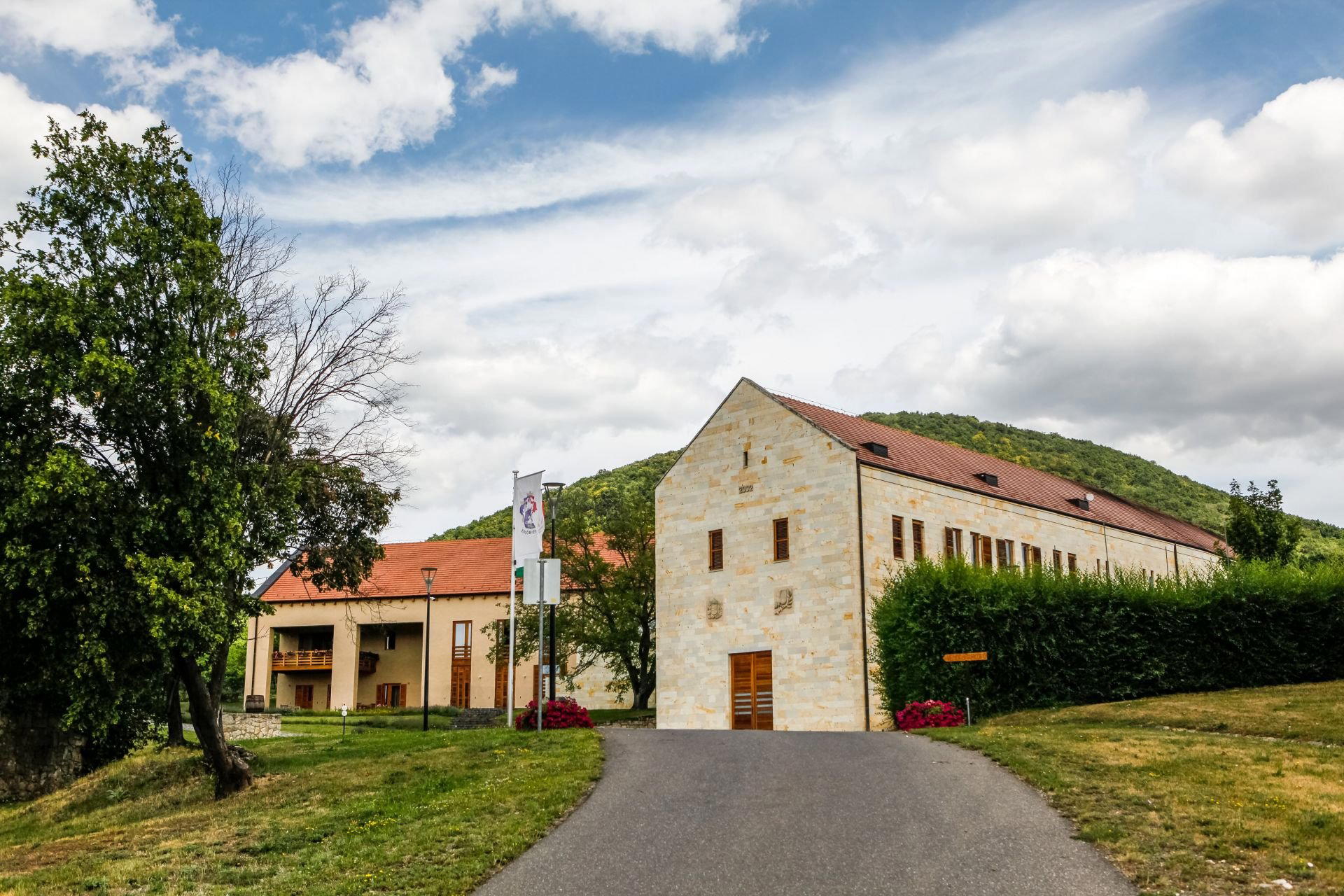
Bars in Tolcsva
Browse all →
Restaurants in Tolcsva
Browse all →
Hotels in Tolcsva
Browse all →
Details
- Historic
- Elegant
- Rustic
- Scenic
- Intimate
- Wine Education
- Special Occasion
- Cave Tasting
- Barrel Room
- Historic Building
- Vineyard Tour
- Vineyard
- Mountain
- Furmint
- Hárslevelű
- Still White
- Dessert
- Fortified
- Cellar Tasting
- English
- Hungarian
Timeless, tranquil semi-dark underground cellars with faint light, silence, and a mystical atmosphere enhanced by black mold on walls, evoking reverence and whispers.